
DOSERANK guide
Magnesium Tablets Dosage: Evidence-Based Guidelines
Published

Understanding the proper magnesium tablets dosage requires more than reading a label. This essential mineral plays crucial roles in over 300 enzymatic reactions, supporting everything from muscle function to cardiovascular health. Yet most Americans fall short of recommended intakes, making supplementation a practical strategy. Finding the right dose means weighing your baseline needs, specific health objectives, the form of magnesium you choose, and critical safety considerations that vary by age and medical history.
Recommended Daily Allowances and Baseline Needs
The recommended dietary allowance (RDA) for magnesium varies substantially across life stages and biological sex. Adult men aged 19-30 require 400 mg daily, increasing to 420 mg after age 31. Adult women need 310 mg daily between ages 19-30, rising to 320 mg thereafter. Pregnant women require an additional 40 mg above their age-specific baseline, while lactating women need roughly 360 mg total.
These RDAs represent the minimum intake needed to prevent deficiency in healthy populations. They do not account for therapeutic applications or increased demands from stress, intense exercise, or certain medical conditions.
Children and Adolescents
Younger populations have distinct magnesium requirements tied to growth and development:
- Infants 0-6 months: 30 mg (adequate intake)
- Infants 7-12 months: 75 mg (adequate intake)
- Children 1-3 years: 80 mg
- Children 4-8 years: 130 mg
- Boys 9-13 years: 240 mg
- Girls 9-13 years: 240 mg
- Boys 14-18 years: 410 mg
- Girls 14-18 years: 360 mg
Pediatric supplementation should occur under healthcare supervision, as children typically meet needs through diet more readily than adults.
Forms of Magnesium and Bioavailability Impact
The chemical form of magnesium profoundly influences how much elemental magnesium you actually absorb. Magnesium tablets dosage must account for both the total compound weight and the elemental magnesium content.
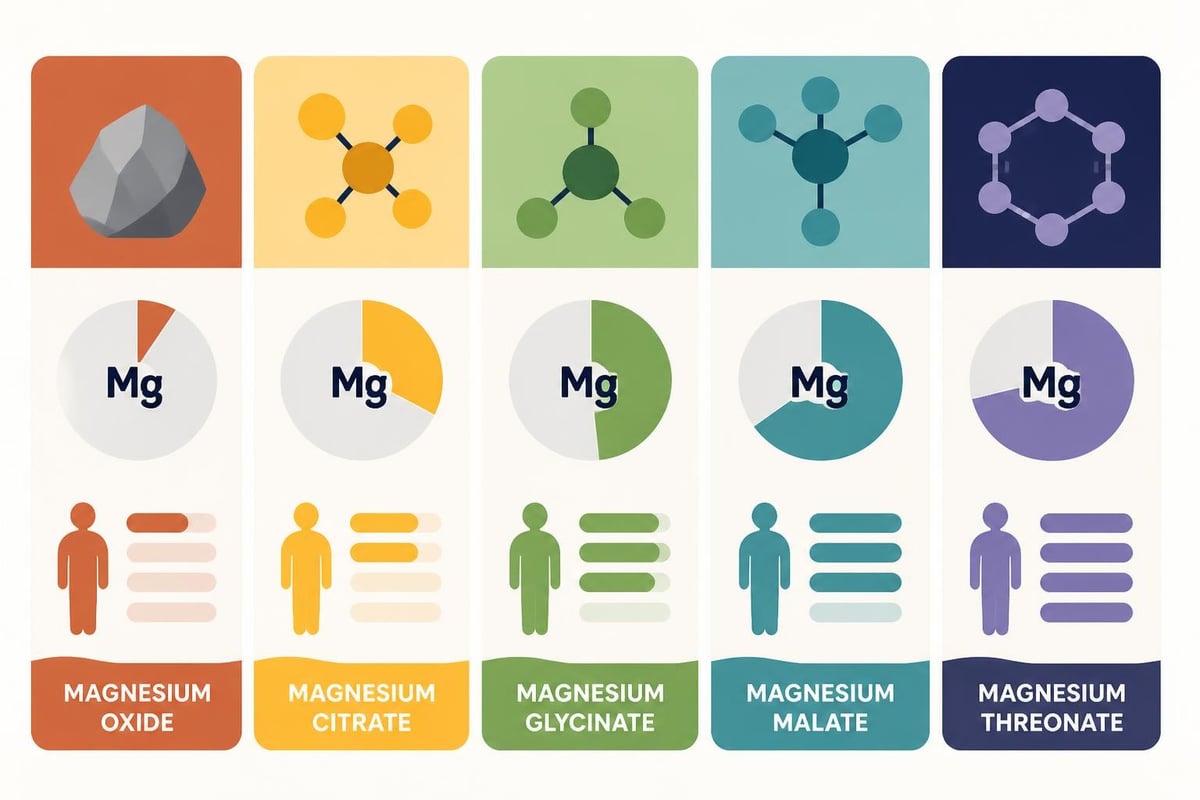
| Magnesium Form | Elemental Mg % | Absorption Rate | Typical Use Case |
|---|---|---|---|
| Magnesium oxide | 60% | Low (4%) | Cost-effective, laxative effect |
| Magnesium citrate | 16% | Moderate (30%) | Digestive support, general use |
| Magnesium glycinate | 14% | High (80%) | Sleep, muscle relaxation, gentle |
| Magnesium malate | 15% | High (variable) | Energy, fibromyalgia support |
| Magnesium threonate | 8% | Moderate | Cognitive function, brain health |
| Magnesium chloride | 12% | Moderate | Topical and oral applications |
A 500 mg tablet of magnesium oxide delivers approximately 300 mg of elemental magnesium, but poor absorption means you may only utilize 12 mg. Conversely, 500 mg of magnesium glycinate provides roughly 70 mg of elemental magnesium, but absorption exceeds 80%, yielding approximately 56 mg of usable mineral.
Choosing the Right Form for Your Goal
Different health objectives align better with specific magnesium forms. Those seeking improved sleep quality often benefit from magnesium glycinate taken 1-2 hours before bed. Individuals addressing constipation may prefer magnesium citrate or oxide for their osmotic laxative properties. Athletes managing muscle cramps frequently choose magnesium malate or glycinate for superior absorption without gastrointestinal distress.
Therapeutic Dosing for Specific Health Outcomes
Beyond meeting baseline nutritional requirements, clinical research has established therapeutic magnesium tablets dosage ranges for targeted health interventions. These doses typically exceed the RDA and require careful monitoring.
Cardiovascular Support
Evidence from systematic reviews on magnesium supplementation and blood pressure demonstrates that doses between 300-500 mg of elemental magnesium daily can reduce systolic blood pressure by 2-5 mmHg and diastolic pressure by 1.5-3 mmHg in adults with hypertension or prehypertension. These effects appear dose-dependent within this range, with plateau occurring above 500 mg.
An umbrella meta-analysis of randomized trials reinforces these findings, noting that minimum effective doses begin around 240 mg daily with optimal results between 360-480 mg when sustained for at least 12 weeks. Those concerned about arterial stiffness may find value in this dosing range.
Metabolic Health and Insulin Sensitivity
Research on magnesium's role in glucose metabolism typically employs doses of 250-400 mg elemental magnesium daily. Individuals with type 2 diabetes or insulin resistance often demonstrate lower magnesium status, and supplementation within this range has shown modest improvements in fasting glucose and HbA1c markers.
Bone Density and Skeletal Health
Magnesium works synergistically with calcium and vitamin D to maintain bone mineral density. Studies examining fracture prevention and osteoporosis management typically use 250-350 mg of elemental magnesium daily, often combined with adequate calcium intake (1000-1200 mg) and vitamin D supplementation.
Dosing Schedules and Timing Strategies
How you distribute your magnesium tablets dosage throughout the day influences both absorption efficiency and side effect profiles.
Single Daily Dose vs. Split Dosing
Taking your full dose at once offers convenience but may increase the likelihood of loose stools, particularly with forms like magnesium citrate or oxide. Splitting the dose into two or three smaller administrations typically improves tolerance and may enhance overall absorption since the intestinal magnesium transporters become saturated at higher concentrations.
A common protocol divides daily intake as follows:
- Morning dose: 30-40% of total daily amount with breakfast
- Afternoon dose: 30-40% with lunch or mid-afternoon snack
- Evening dose: 20-30% with dinner or before bed
This distribution maintains steadier blood levels and reduces gastrointestinal complaints.
Interaction with Food and Other Supplements
Magnesium absorption improves modestly when taken with food, which also buffers potential stomach upset. However, certain nutrients and medications interfere with magnesium uptake or increase excretion:
- Calcium: High-dose calcium supplements (>500 mg) compete for absorption; separate by 2-3 hours
- Zinc: Similar competitive inhibition; take separately when using therapeutic zinc doses
- Iron: Can reduce magnesium absorption; take iron supplements at different times
- Fiber supplements: May bind magnesium; separate by at least 2 hours
- Proton pump inhibitors: Reduce magnesium absorption chronically; may require higher doses
Safety Considerations and Upper Limits
The tolerable upper intake level (UL) for supplemental magnesium is set at 350 mg daily for adults, based on the threshold at which osmotic diarrhea becomes common. This limit applies only to supplemental sources and excludes dietary magnesium from food, which rarely causes adverse effects.

Kidney Function and Magnesium Clearance
Healthy kidneys efficiently regulate magnesium balance by adjusting urinary excretion. Individuals with compromised renal function face substantially higher risks of hypermagnesemia (elevated blood magnesium). The KDIGO guidelines emphasize caution with any supplementation in patients with estimated glomerular filtration rates below 30 mL/min/1.73m², and many nephrologists recommend avoiding supplemental magnesium entirely when kidney function drops below this threshold.
Those monitoring kidney function should consult healthcare providers before initiating magnesium supplementation.
Signs of Excessive Intake
Magnesium toxicity from oral supplementation remains rare in individuals with normal kidney function, but symptoms progress in a predictable sequence as blood levels rise:
- Mild excess (3-5 mEq/L): Nausea, loose stools, facial flushing
- Moderate excess (5-7 mEq/L): Lethargy, decreased reflexes, muscle weakness
- Severe excess (>7 mEq/L): Respiratory depression, cardiac arrhythmias, hypotension
- Critical levels (>12 mEq/L): Cardiac arrest, coma
Normal blood magnesium ranges from 1.7-2.3 mg/dL (1.4-1.9 mEq/L). These toxic levels virtually never occur from oral tablets in people with functioning kidneys.
Adjusting Dosage Based on Individual Factors
Determining optimal magnesium tablets dosage requires personalizing recommendations beyond population-level guidelines.
Dietary Intake Assessment
Before establishing a supplement dose, evaluate your dietary magnesium sources. Foods rich in magnesium include:
- Dark leafy greens (spinach, Swiss chard): 75-150 mg per cooked cup
- Nuts and seeds (almonds, pumpkin seeds): 75-150 mg per ounce
- Whole grains (brown rice, quinoa): 40-90 mg per cooked cup
- Legumes (black beans, lentils): 60-120 mg per cooked cup
- Dark chocolate (70-85% cacao): 65 mg per ounce
- Avocado: 60 mg per medium fruit
A food diary spanning 3-7 days provides insight into typical intake patterns. Most Americans consume 250-350 mg daily from food alone, creating a gap of 50-170 mg relative to RDA targets.
Medications That Deplete Magnesium
Several medication classes increase magnesium losses or reduce absorption, potentially requiring higher supplemental doses:
| Medication Class | Mechanism | Suggested Dosage Adjustment |
|---|---|---|
| Loop diuretics (furosemide) | Increased urinary excretion | Add 200-300 mg elemental Mg |
| Thiazide diuretics | Increased urinary excretion | Add 150-200 mg elemental Mg |
| Proton pump inhibitors | Reduced absorption | Add 100-200 mg elemental Mg |
| Aminoglycoside antibiotics | Increased renal losses | Monitor levels; supplement as needed |
| Bisphosphonates | Reduced Mg absorption | Take Mg 2+ hours apart; add 100 mg |
Consultation with a pharmacist or physician ensures safe coordination of medications and magnesium supplementation.
Conditions Increasing Magnesium Needs
Certain health states and lifestyle factors elevate magnesium requirements beyond standard recommendations:
- Type 2 diabetes: Increased urinary losses; consider 300-400 mg
- Gastrointestinal disorders: Malabsorption; may need 400-500 mg
- Chronic stress: Elevated cortisol increases excretion; 300-400 mg supports stress resilience
- Heavy alcohol consumption: Depletes stores; 300-400 mg for repletion
- Intense athletic training: Losses through sweat and increased metabolic demand; 400-500 mg
- Chronic diarrhea: Significant GI losses; medical supervision required
Testing Magnesium Status
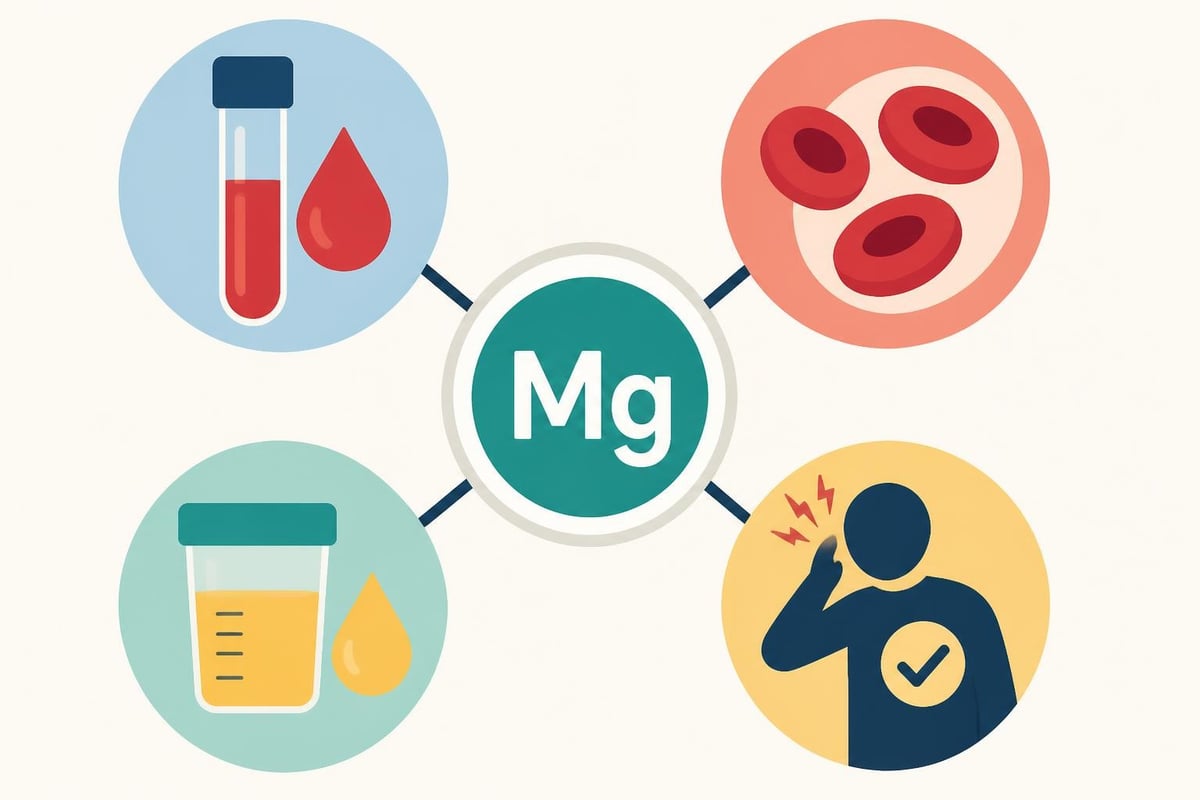
Determining whether supplementation has achieved adequate repletion presents unique challenges. Serum magnesium tests capture less than 1% of total body stores, as most magnesium resides intracellularly or in bone. Normal serum levels can persist despite significant whole-body deficiency.
More accurate assessment methods include red blood cell magnesium concentration and 24-hour urinary magnesium retention tests. However, these tests remain expensive and less widely available. If you're working to improve magnesium status through supplementation, symptom improvement and tolerance to your chosen dose often serve as practical guides.
Transitioning to Lower Maintenance Doses
After addressing deficiency with therapeutic magnesium tablets dosage over 8-12 weeks, many individuals can reduce to maintenance levels. A common strategy involves decreasing the dose by 25-30% every 4-6 weeks while monitoring symptoms.
For example, someone taking 400 mg daily therapeutically might transition as follows:
- Weeks 1-12: 400 mg daily (repletion phase)
- Weeks 13-18: 300 mg daily (step-down phase one)
- Weeks 19-24: 200 mg daily (step-down phase two)
- Week 25+: 150-200 mg daily (maintenance)
Maintenance doses typically range from 100-200 mg of elemental magnesium above dietary intake, adjusted based on individual factors like exercise intensity, stress levels, and medication use. The DoseRank methodology evaluates supplements against multiple criteria including dose fit, helping users identify products aligned with their specific maintenance or therapeutic needs.
Special Populations and Dosing Modifications
Pregnancy and lactation substantially alter magnesium requirements. Pregnant women in their second and third trimesters benefit from 350-360 mg daily (including dietary sources), while lactating women require approximately 310-320 mg. Supplementation during pregnancy should not exceed the UL of 350 mg from supplements alone without obstetric guidance.
Elderly adults often experience reduced magnesium absorption and increased urinary losses alongside higher rates of medication use that depletes magnesium. Those over 65 may require 50-100 mg above standard adult recommendations, typically achieving optimal status with 400-450 mg total daily intake from diet and supplements combined.
Athletes engaged in endurance training lose significant magnesium through sweat and face elevated metabolic demands. Research suggests 400-500 mg daily supports exercise recovery and reduces cramping risk, particularly when training exceeds 8-10 hours weekly.
Recognizing When Professional Guidance is Necessary
While magnesium tablets dosage within standard supplemental ranges proves safe for most healthy adults, certain situations demand medical oversight:
- Existing kidney disease or impaired renal function
- Cardiac conduction abnormalities or heart block
- Concurrent use of antibiotics, particularly aminoglycosides
- Myasthenia gravis or neuromuscular junction disorders
- Plans to exceed 400 mg supplemental magnesium daily
- Persistent symptoms despite adequate supplementation
Healthcare providers can order appropriate testing, evaluate medication interactions, and adjust recommendations based on your complete medical profile.
Finding the right magnesium tablets dosage balances evidence-based guidelines with your unique nutritional gaps, health goals, and individual tolerance. Whether you're addressing deficiency, supporting cardiovascular health, or optimizing athletic performance, understanding elemental content, absorption rates, and safety thresholds empowers informed decisions. DoseRank helps cut through supplement confusion by ranking magnesium products based on evidence strength, dose appropriateness, trust markers, value, and real-world availability, making it easier to identify the best option for your specific needs.