
DOSERANK guide
Magnesium Tablets: Evidence-Based Guide for 2026
Published

Magnesium tablets represent one of the most widely used dietary supplements in the United States, yet choosing the right formulation and dose remains confusing for many consumers. This essential mineral participates in over 300 enzymatic reactions throughout the body, supporting everything from muscle function to nerve transmission, but not all supplement forms deliver equal results. Understanding the science behind different magnesium compounds, absorption rates, and clinical evidence can help you make informed decisions about supplementation.
Understanding Magnesium Deficiency and Supplementation Needs
Magnesium deficiency affects a substantial portion of the population, though identifying it remains challenging without specific testing. Clinical guidelines for detecting and managing magnesium deficiency emphasize that serum magnesium levels often fail to reflect total body stores, since only 1% of the body's magnesium circulates in blood.
Who Benefits Most from Magnesium Tablets
Several populations face elevated risk of inadequate magnesium status:
- Individuals with gastrointestinal conditions that impair absorption, including Crohn's disease, celiac disease, and chronic diarrhea
- People taking certain medications such as proton pump inhibitors, diuretics, or some antibiotics that increase magnesium loss
- Older adults who typically absorb magnesium less efficiently and consume fewer magnesium-rich foods
- Individuals with type 2 diabetes who may excrete excess magnesium through urine
Recent data suggests that roughly 50% of Americans consume less than the recommended dietary allowance for magnesium through diet alone. While food sources remain ideal, magnesium tablets offer a practical solution when dietary intake falls short.

Signs You Might Need Supplementation
Early magnesium insufficiency often manifests through subtle symptoms that people attribute to other causes. These include muscle cramps, particularly at night, persistent fatigue despite adequate sleep, and occasional muscle weakness.
More pronounced deficiency may contribute to abnormal heart rhythms, numbness, tingling sensations, and mood changes. However, these symptoms warrant medical evaluation rather than self-diagnosis, since they overlap with numerous other conditions.
Types of Magnesium Tablets and Their Absorption
The form of magnesium bound to the tablet matters significantly for both absorption and tolerability. Each compound delivers different amounts of elemental magnesium and behaves differently in the digestive tract.
| Magnesium Form | Elemental Mg % | Absorption | Primary Benefits | Common Side Effects |
|---|---|---|---|---|
| Magnesium oxide | 60% | Poor to moderate | High elemental content, low cost | Digestive upset, diarrhea |
| Magnesium citrate | 16% | Good | Well-absorbed, affordable | Laxative effect at high doses |
| Magnesium glycinate | 14% | Excellent | Gentle on stomach, calming | Minimal, may cause drowsiness |
| Magnesium chloride | 12% | Good | Well-tolerated, versatile | Mild digestive effects possible |
| Magnesium malate | 15% | Good | May support energy production | Generally well-tolerated |
| Magnesium taurate | Variable | Good | Cardiovascular support | Minimal reported |
Magnesium Oxide: High Content, Lower Bioavailability
Magnesium oxide tablets contain the highest percentage of elemental magnesium by weight, making them appear cost-effective. However, comprehensive reviews of magnesium supplementation consistently show that oxide forms exhibit significantly lower bioavailability compared to organic salts.
The compound's low solubility in the intestine means much of it passes through unabsorbed, which explains why magnesium oxide effectively treats constipation but performs less reliably for correcting deficiency.
Organic Magnesium Forms: Better Absorption Profile
Magnesium bound to organic compounds (citrate, glycinate, malate) demonstrates superior absorption in controlled studies. These forms dissolve more completely in the digestive tract, allowing better uptake across intestinal cells.
Magnesium citrate balances good bioavailability with reasonable cost. It appears in many quality supplements and generally suits most people when taken with food, though doses above 300 mg may trigger loose stools in sensitive individuals.
Magnesium glycinate pairs magnesium with the amino acid glycine, creating a compound that absorbs well and rarely causes digestive upset. Many practitioners prefer this form for patients with sensitive stomachs or those needing higher supplemental doses.
Magnesium malate combines magnesium with malic acid, a compound involved in cellular energy production. Some evidence suggests it may particularly benefit individuals experiencing fatigue, though direct comparative studies remain limited.
Dosing Guidelines and Safety Considerations
The recommended dietary allowance for magnesium ranges from 310-320 mg daily for adult women and 400-420 mg for adult men, with slight variations by age. Supplemental magnesium adds to dietary intake, so calculating total consumption matters for safety.
Establishing Your Supplemental Dose
Most magnesium tablets provide between 100-500 mg of elemental magnesium per serving. Starting with lower doses (around 100-200 mg daily) and gradually increasing helps minimize digestive side effects while allowing you to assess tolerance.
For individuals with documented deficiency or specific health goals, higher doses may prove necessary. However, the European Food Safety Authority's upper limit guidelines note that supplemental magnesium doses exceeding 250 mg daily can cause adverse effects in some people, particularly digestive symptoms.
When working toward improving magnesium status, consistent daily intake typically produces better results than sporadic high doses. The body regulates magnesium absorption based on current status, absorbing more when stores run low and less when replete.

Timing and Food Interactions
Magnesium tablets generally absorb best when taken with meals, which slows transit through the digestive tract and reduces the likelihood of loose stools. The presence of food also buffers some magnesium forms that might otherwise irritate an empty stomach.
Certain nutrients and medications affect magnesium absorption:
- Calcium competes for absorption when taken simultaneously in very high amounts, though normal dietary or supplemental levels (under 500 mg) rarely interfere
- Zinc and iron may reduce magnesium uptake when consumed together at supplemental doses
- Tetracycline and fluoroquinolone antibiotics bind to magnesium, reducing effectiveness of both substances
- Bisphosphonate medications for bone health require separation from magnesium by at least two hours
Splitting your total daily magnesium dose between morning and evening can improve overall absorption while reducing the digestive burden at any single time.
Quality and Purity: What Independent Testing Reveals
Not all magnesium tablets deliver what their labels promise. Independent quality testing consistently uncovers problems with certain products, from inaccurate labeling to contamination issues.
Third-Party Testing Results
ConsumerLab's 2024 testing of magnesium supplements evaluated multiple products for accuracy of magnesium content, presence of contaminants, and ability to disintegrate properly. Their analysis found that while most products contained claimed amounts of magnesium, several failed disintegration tests, potentially reducing effectiveness.
Key quality markers to seek include:
- Third-party verification seals from USP, NSF International, or ConsumerLab confirming content accuracy
- Clear labeling of the magnesium form (oxide, citrate, glycinate) and elemental magnesium amount
- Absence of unnecessary fillers or artificial colors that serve no functional purpose
- Proper packaging that protects tablets from moisture, which can degrade certain magnesium forms
Manufacturing quality affects consistency between batches. Reputable brands maintain good manufacturing practices (GMP) certification and conduct routine testing to verify product specifications.
Identifying Red Flags
Several warning signs suggest a magnesium supplement may not deliver optimal quality:
- Exceptionally low prices that seem implausible given ingredient costs
- Vague labeling that lists "magnesium" without specifying the compound
- Excessive additional ingredients creating "proprietary blends"
- Absence of contact information or manufacturing location
- Claims that sound too good to be true regarding specific health outcomes
The supplement industry remains less regulated than pharmaceuticals, placing greater responsibility on consumers to evaluate quality before purchasing.
Clinical Applications and Evidence Base
Research supporting magnesium supplementation spans multiple health domains, though evidence quality varies considerably across different applications.
Cardiovascular Function
Multiple studies link adequate magnesium intake with healthy blood pressure levels and cardiovascular function. Some evidence suggests magnesium supplementation may benefit individuals with mild hypertension, though effects appear modest compared to first-line medications.
The mineral supports normal heart rhythm, and deficiency clearly associates with increased risk of arrhythmias. NHS guidance on treating hypomagnesemia emphasizes urgent correction in acute hospital settings when severe deficiency threatens cardiac function.
Bone Health and Calcium Metabolism
Magnesium participates directly in bone formation and influences calcium metabolism throughout the body. Adequate magnesium status appears necessary for optimal bone density, though supplementation alone won't prevent osteoporosis without sufficient calcium and vitamin D.
The relationship between these nutrients remains complex. Magnesium activates vitamin D, which then enhances calcium absorption. This interconnection explains why addressing one deficiency often requires attention to the others.
Metabolic Health and Blood Sugar Control
Individuals with type 2 diabetes frequently exhibit low magnesium levels, and some research suggests supplementation may improve insulin sensitivity and glycemic control. However, results vary between studies, and magnesium tablets shouldn't replace established diabetes management strategies.
The mineral's role in glucose metabolism and insulin action provides biological plausibility for these effects, even when clinical outcomes remain inconsistent across trials.
Sleep Quality and Stress Response
Magnesium influences neurotransmitter systems involved in relaxation and sleep regulation. Small studies suggest supplementation might improve subjective sleep quality and reduce time needed to fall asleep, particularly in older adults or those with deficiency.
The mineral also participates in the body's stress response systems. While magnesium tablets won't eliminate stress, adequate status may support healthier physiological responses to daily pressures affecting stress resilience.
Comparing Magnesium Tablets to Alternative Forms
Tablets represent just one delivery system for supplemental magnesium. Understanding how they compare to liquids, powders, and topical applications helps identify the best option for individual circumstances.
Tablets Versus Capsules and Powders
Tablets offer convenience, precise dosing, and longer shelf life due to compressed formulation. However, some require coating to mask taste or improve disintegration, and individuals with swallowing difficulties may struggle with larger tablets.
Capsules typically contain powdered magnesium in a gelatin or vegetarian shell. They often disintegrate faster than tablets and avoid binders needed for tablet compression, though they generally cost slightly more.
Powders allow flexible dosing and suit people who can't swallow pills. They require mixing with liquid and measuring, which some find inconvenient, but absorption may begin slightly sooner since the magnesium already exists in dispersed form.
| Format | Advantages | Disadvantages | Best For |
|---|---|---|---|
| Tablets | Precise dose, portable, stable | May disintegrate slowly, some contain fillers | Routine daily supplementation |
| Capsules | Fast breakdown, fewer binders | Slightly higher cost, fixed doses | Those sensitive to tablet fillers |
| Powders | Flexible dosing, quick mixing | Requires measuring, less portable | People who can't swallow pills |
| Liquids | Fast absorption, no swallowing | Shorter shelf life, needs refrigeration | Acute needs or absorption issues |
Topical Magnesium: Limited Evidence
Magnesium oils, lotions, and bath salts claim to deliver the mineral through skin, bypassing digestive absorption issues. While skin can absorb some magnesium under specific conditions, evidence that topical application meaningfully improves systemic magnesium status remains weak.
These products may provide localized benefits for muscle cramps or soreness through mechanisms unrelated to magnesium absorption. However, they shouldn't replace oral supplementation when correcting deficiency.
Potential Side Effects and Drug Interactions
Magnesium tablets generally demonstrate good safety when used appropriately, but certain situations require caution or medical supervision.
Common Digestive Effects
The most frequent side effect involves loose stools or diarrhea, particularly with less absorbable forms like magnesium oxide or when exceeding individual tolerance thresholds. This effect relates directly to osmotic activity in the intestine, where unabsorbed magnesium draws water into the bowel.
Strategies to minimize digestive upset include:
- Starting with lower doses and increasing gradually
- Choosing more absorbable forms like glycinate or malate
- Splitting total daily dose across multiple servings
- Taking magnesium with meals rather than on an empty stomach
- Ensuring adequate hydration throughout the day
Serious Risks in Specific Populations
Individuals with impaired kidney function face elevated risk of magnesium accumulation, potentially reaching toxic levels. The kidneys normally excrete excess magnesium efficiently, but compromised kidney function prevents this safety mechanism.
People with heart block or severe cardiac conduction abnormalities should consult physicians before supplementing, as very high magnesium levels can worsen certain arrhythmias.
Anyone taking medications affected by magnesium needs to time doses appropriately or discuss supplementation with their healthcare provider. This includes bisphosphonates, certain antibiotics, and medications for osteoporosis.
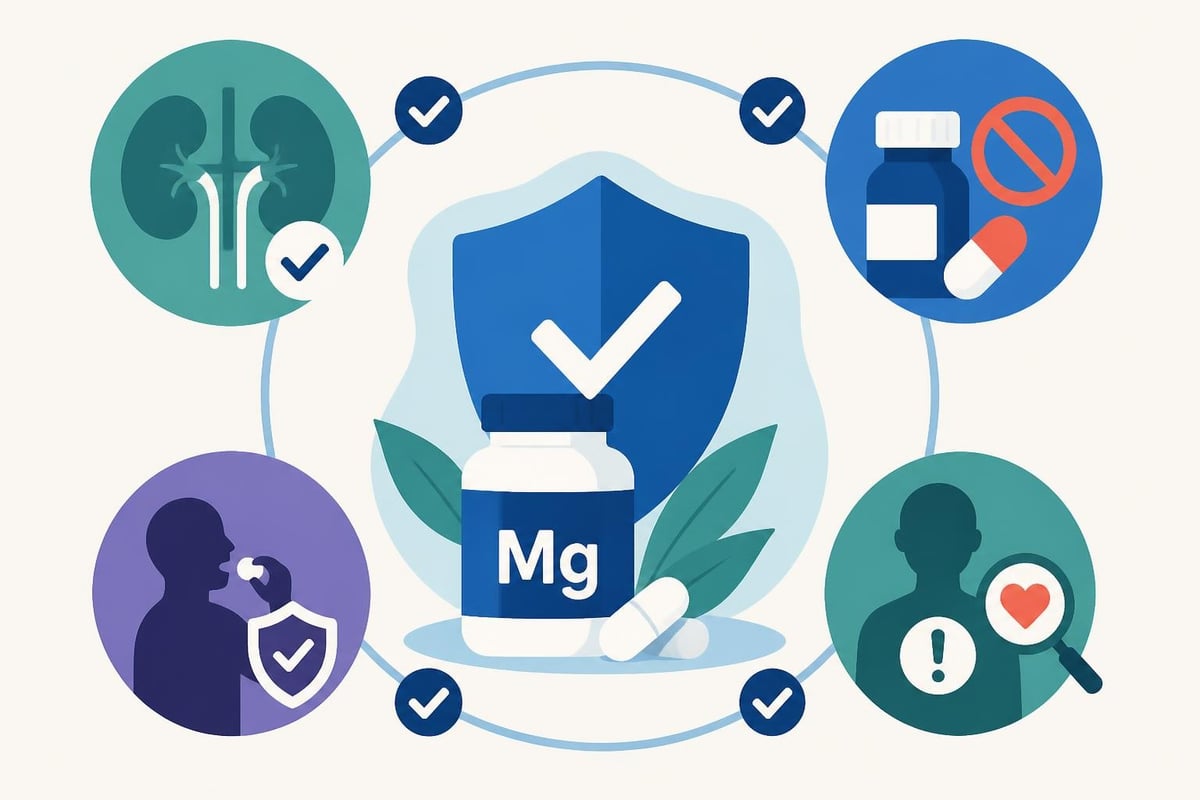
Making an Informed Choice About Magnesium Tablets
Selecting the right magnesium supplement requires weighing multiple factors beyond simply grabbing the first bottle you encounter. A systematic approach helps match product characteristics to your specific needs and circumstances.
Assessment Framework
Begin by evaluating your current magnesium intake through diet. Foods like leafy greens, nuts, seeds, whole grains, and legumes provide substantial amounts. If you regularly consume these foods, you may need less supplemental magnesium than someone eating a more restricted diet.
Next, consider any risk factors for deficiency: digestive disorders affecting absorption, medications that increase magnesium loss, or symptoms potentially related to inadequate status. Platforms like DoseRank evaluate supplements based on evidence quality, appropriate dosing, manufacturer trustworthiness, cost-effectiveness, user feedback, and retail accessibility-offering a structured way to compare options when the choices feel overwhelming.
Finally, determine which magnesium form best suits your situation:
- For general supplementation without specific concerns: Magnesium citrate or glycinate
- For occasional constipation relief: Magnesium oxide or citrate
- For sensitive stomachs: Magnesium glycinate or malate
- For budget-conscious shoppers: Magnesium citrate (good value for absorption)
Reading Labels Effectively
Quality supplement labels provide transparent information about exactly what you're consuming. Look for clear statements of the magnesium compound used and the amount of elemental magnesium per serving, not just the total weight of the compound.
A label reading "500 mg magnesium oxide (300 mg elemental magnesium)" tells you more than one simply listing "magnesium 300 mg" without specifying the form. The DoseRank methodology emphasizes this kind of transparency as a key trust indicator when evaluating supplement quality.
Other label elements that matter include:
- Suggested use instructions that align with evidence-based dosing
- Other ingredients lists showing what fillers, binders, or coatings appear in the formulation
- Allergen statements if you have sensitivities to common ingredients
- Expiration dates ensuring product freshness and potency
Testing and Monitoring Your Response
Once you select a magnesium supplement, track your response over several weeks. Many people notice improvements in symptoms like muscle cramps or fatigue within 2-4 weeks of consistent use.
If you experience persistent digestive upset despite trying different forms and timing strategies, consult a healthcare provider. Some individuals genuinely struggle to tolerate oral magnesium, while others may have underlying conditions requiring different approaches.
For those seriously concerned about deficiency or those with complex health conditions, laboratory testing can provide objective data. Standard serum magnesium tests offer limited information about total body stores, but more specialized testing like red blood cell magnesium or magnesium loading tests provide better assessment of true status.
Special Considerations for Different Life Stages
Magnesium requirements and supplementation strategies shift across the lifespan, influenced by changing physiology, medication use, and health priorities.
Pregnancy and Lactation
Pregnant and breastfeeding women require additional magnesium to support fetal development and milk production. The recommended allowance increases to 350-360 mg daily during pregnancy and 310-320 mg while breastfeeding.
Many prenatal vitamins contain some magnesium, though amounts vary widely. Women experiencing leg cramps during pregnancy often find relief from additional magnesium supplementation, though they should discuss this with their healthcare provider to avoid excessive intake.
Children and Adolescents
Growing children and teenagers need adequate magnesium for proper bone development and metabolic function. While whole food sources remain preferable, picky eaters or those with restricted diets may benefit from supplementation.
Magnesium tablets formulated for adults often provide too much for smaller children. Age-appropriate products typically deliver 50-150 mg per serving for younger children and 150-250 mg for teenagers. Always follow pediatric dosing guidelines rather than scaling down adult doses.
Older Adults
Aging affects magnesium status through multiple pathways: reduced dietary intake, decreased intestinal absorption, increased urinary losses, and more frequent use of medications that deplete magnesium. Older adults also face higher rates of chronic conditions where magnesium status matters, including cardiovascular disease and type 2 diabetes.
For seniors, choosing highly absorbable magnesium forms becomes particularly important, since intestinal uptake efficiency naturally declines with age. Magnesium glycinate or citrate typically work better than oxide in this population.
The Role of Diet Alongside Supplementation
While magnesium tablets offer convenient supplementation, they work best as part of a broader nutritional approach rather than a standalone solution.
Magnesium-Rich Foods
Excellent dietary sources deliver magnesium alongside other beneficial nutrients:
- Pumpkin seeds: 156 mg per ounce
- Almonds: 80 mg per ounce
- Spinach (cooked): 157 mg per cup
- Cashews: 74 mg per ounce
- Black beans: 120 mg per cup
- Edamame: 100 mg per cup
- Dark chocolate (70-85% cacao): 64 mg per ounce
- Avocado: 58 mg per medium fruit
Combining magnesium-rich foods with quality supplementation when needed creates optimal conditions for maintaining healthy status. Food sources also provide the cofactor nutrients that work synergistically with magnesium in metabolic processes.
Factors That Affect Dietary Magnesium
Modern food processing often strips magnesium from grains and other foods. Refined white flour contains 78% less magnesium than whole wheat flour. This processing loss partly explains the gap between recommended intake and actual consumption in many populations.
Soil quality also influences magnesium content in plant foods. Agricultural practices that deplete soil minerals can reduce the magnesium available in crops, though quantifying this effect remains challenging given natural variation in mineral content.
Understanding the science behind magnesium tablets empowers you to make evidence-based decisions about supplementation, from selecting the right form to establishing appropriate doses for your individual needs. With numerous products offering different compounds, absorption profiles, and quality standards, navigating the marketplace requires attention to both research evidence and practical considerations like tolerability and cost. DoseRank systematically ranks supplements across six key dimensions-evidence strength, dose appropriateness, manufacturer trust, value, popularity, and availability-helping you cut through marketing claims to find options that truly match your goals and circumstances.