
DOSERANK guide
Reputable Supplements: Your Guide to Quality Choices
Published
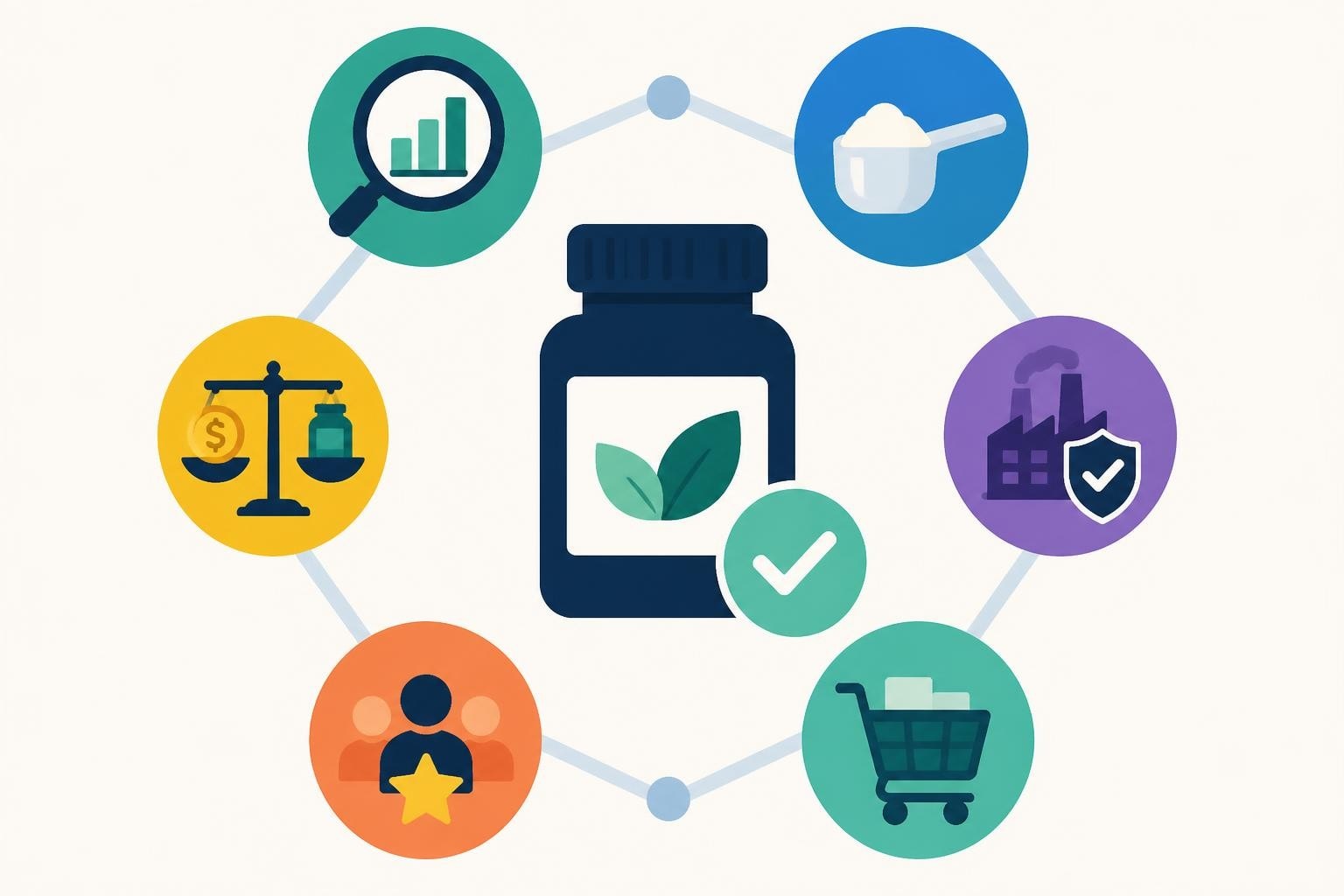
The supplement industry has grown into a multi-billion dollar market, but not all products deliver on their promises. As consumers become increasingly health-conscious, the challenge of identifying reputable supplements has never been more critical. With thousands of brands competing for attention and regulatory oversight remaining limited compared to pharmaceuticals, understanding what separates quality products from questionable ones requires knowledge of specific quality markers, testing standards, and evidence-based selection criteria.
Understanding What Makes Supplements Reputable
Reputable supplements share several core characteristics that distinguish them from lower-quality alternatives. These products typically come from manufacturers who invest in quality control, submit to third-party testing, and base their formulations on scientific research rather than marketing trends alone.
Transparency stands as the foundation of supplement reputation. Companies that openly share information about ingredient sourcing, manufacturing processes, and testing protocols demonstrate commitment to consumer trust. This transparency extends beyond label claims to include access to certificates of analysis, manufacturing facility certifications, and detailed information about ingredient forms and bioavailability.
The research backing a supplement matters significantly. Dietary and herbal supplements that have been studied in human clinical trials carry more weight than those supported only by test-tube or animal studies. Reputable manufacturers reference specific studies and acknowledge limitations in the current evidence base rather than making exaggerated claims.
Key Quality Markers to Evaluate
When assessing supplement quality, several concrete markers provide reliable indicators of reputation and reliability:
- Third-party certification from organizations like NSF International, USP, or ConsumerLab
- cGMP compliance demonstrating adherence to current Good Manufacturing Practices
- Transparent labeling that lists all active and inactive ingredients with precise amounts
- Batch testing results showing purity, potency, and absence of contaminants
- Clear contact information and responsive customer service channels
Manufacturing location also influences quality standards. Facilities operating in countries with strict regulatory oversight typically maintain higher quality control standards than those in regions with minimal supplement regulation.

The Role of Dosage in Supplement Quality
Dosage represents one of the most overlooked aspects of supplement quality. A product might contain the right ingredients but deliver them in amounts too small to produce meaningful effects or too large to ensure safety. Reputable supplements base their dosing on clinical research, matching the amounts shown effective in human studies.
Underdosing remains a common industry practice. Manufacturers sometimes include popular ingredients in trace amounts purely for marketing purposes, a practice known as "pixie dusting." The label technically lists the ingredient, but the amount falls far below the threshold needed for biological activity.
Conversely, overdosing poses different risks. Some manufacturers assume that more equals better, creating formulations with excessive amounts that may cause side effects or interact with medications. Reputable products strike a balance, using doses supported by safety and efficacy data.
| Dosing Approach | Characteristics | Risk Level |
|---|---|---|
| Evidence-based | Matches clinical trial amounts | Low |
| Underdosed | Below effective threshold | Low safety risk, high ineffectiveness risk |
| Overdosed | Exceeds studied amounts | Moderate to high |
| Proprietary blends | Hides individual ingredient amounts | Unknown |
The issue of proprietary blends deserves special attention. While companies claim these protect trade secrets, they prevent consumers from knowing whether individual ingredients appear in effective amounts. Reputable supplements typically avoid this practice, listing each ingredient with its specific quantity.
Navigating Third-Party Testing and Certification
Third-party testing provides independent verification that a supplement contains what its label claims and lacks harmful contaminants. This testing occurs outside the manufacturer's control, reducing conflicts of interest and increasing objectivity.
Different certification programs focus on varying aspects of quality. NSF International offers multiple certifications including NSF Certified for Sport, which tests for banned athletic substances. USP Verification confirms ingredient identity, strength, purity, and quality. ConsumerLab publishes independent test results comparing brands within specific supplement categories.
The testing process examines several critical factors:
- Identity verification confirming the supplement contains the stated ingredients
- Potency testing measuring active compound concentrations
- Purity analysis detecting adulterants, fillers, and unlisted substances
- Contaminant screening checking for heavy metals, pesticides, and microbes
- Dissolution testing ensuring the product breaks down properly for absorption
Understanding these certifications helps consumers make informed decisions. A seal from a recognized testing organization carries more weight than vague quality claims or in-house testing alone. However, certification costs money, so some smaller but reputable manufacturers may produce quality products without formal certification.
Reading Between the Lines on Labels
Label literacy separates informed consumers from those susceptible to misleading marketing. Reputable supplements provide comprehensive information that helps rather than confuses buyers.
Supplement Facts panels should list all ingredients with specific amounts in standardized units. Watch for products that hide behind terms like "complex" or "matrix" without breaking down individual components. The ingredient list should specify the form of each nutrient, such as "magnesium as magnesium glycinate" rather than just "magnesium," since different forms have different absorption rates and effects.
Claims on supplement packaging face legal restrictions, though enforcement varies. Structure-function claims describing how a nutrient affects normal body function are permitted, while disease claims suggesting prevention or treatment require FDA approval. Reputable supplements stick to appropriate claims backed by qualifying language.

Evidence Standards for Different Supplement Types
The strength of evidence varies dramatically across supplement categories. Some products have extensive research support, while others rest on preliminary findings or traditional use claims without modern scientific validation.
Vitamin and mineral supplements generally have the most robust evidence, particularly for correcting deficiencies. For instance, omega-3 supplements have been extensively studied for cardiovascular health, though outcomes vary based on baseline status and dosage. Vitamin D supplementation shows clear benefits for those with deficiency, though universal supplementation remains debated.
Herbal supplements present more complexity. While some like St. John's Wort for mild depression or ginger for nausea have solid research backing, many traditional herbs lack rigorous clinical trials. Reputable manufacturers of herbal products specify standardized extracts with defined active compound percentages rather than using whole herb powders with variable potency.
Sports nutrition products range from well-studied compounds like creatine monohydrate and caffeine to proprietary blends with minimal evidence. The presence or absence of banned substances also matters for competitive athletes, making certification through programs like NSF Certified for Sport essential.
Specialty formulations targeting specific health outcomes require particular scrutiny. Products marketed for weight loss, cognitive enhancement, or stress resilience should reference specific studies supporting their ingredient combinations and doses. Single-ingredient supplements typically have clearer evidence than complex multi-ingredient formulas where interactions and optimal ratios remain uncertain.
Red Flags That Signal Questionable Quality
Certain warning signs indicate a supplement may not meet reputable standards. Recognizing these flags protects consumers from wasted money and potential health risks.
- Extraordinary claims promising rapid results or cure-all effects
- Prices significantly below market average for comparable products
- Lack of manufacturer contact information or unclear company identity
- Marketing that mimics pharmaceutical drug packaging or terminology
- Undisclosed ingredient amounts hidden in proprietary blends
- No mention of manufacturing location or quality certifications
- Heavy reliance on testimonials without scientific references
- Pressure tactics like limited-time offers or countdown timers
The safety concerns surrounding supplements marketed for weight loss, bodybuilding, and sexual enhancement deserve special attention. These categories have high rates of adulteration with undeclared pharmaceutical ingredients, creating serious health risks.
Social media marketing has introduced new red flags. Influencer endorsements without scientific backing, before-and-after photos with unrealistic timelines, and MLM distribution models that prioritize recruitment over product quality all suggest questionable practices.
The Price-Quality Relationship
While higher prices don't guarantee superior quality, extremely low prices often indicate corners cut somewhere in the supply chain. Reputable supplements reflect their costs in several areas:
| Cost Factor | Quality Impact | Budget Alternative |
|---|---|---|
| Raw ingredient purity | Higher bioavailability and safety | Generic versions from certified manufacturers |
| Third-party testing | Independent quality verification | Brands with periodic batch testing |
| Research investment | Evidence-based formulations | Single-ingredient products with strong literature |
| Sustainable sourcing | Environmental and ethical standards | Smaller package sizes from quality brands |
Smart consumers balance cost with quality by focusing on key quality markers rather than assuming expensive means better. Generic versions manufactured by reputable companies often match name-brand quality at lower prices, particularly for basic vitamins and minerals where formulations are straightforward.
How to Research Supplements Before Purchase
Informed purchasing requires active research beyond reading product marketing. Multiple reliable resources help evaluate supplement quality and reputation.
Independent testing databases like ConsumerLab, Labdoor, and Clean Label Project publish results comparing products within categories. These reports reveal which brands meet label claims and which fall short on potency or purity.
Scientific databases including PubMed and Google Scholar provide access to original research. While reading full studies requires some scientific literacy, abstracts typically summarize key findings in accessible language. Look for systematic reviews and meta-analyses that synthesize multiple studies rather than relying on single papers.
Professional organizations offer evidence-based guidelines. The Office of Dietary Supplements maintains fact sheets on individual nutrients with current research summaries. Professional groups like the American College of Sports Medicine publish position statements on sports supplements backed by expert consensus.
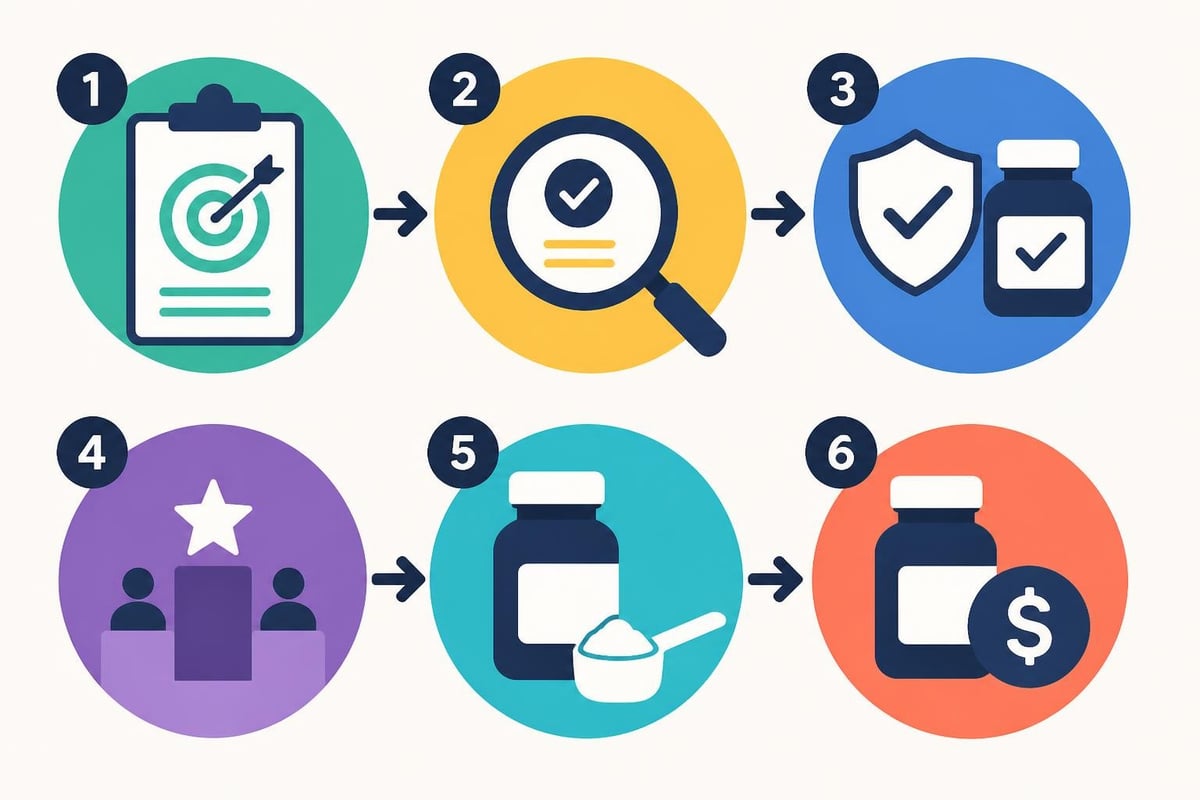
For those seeking personalized recommendations based on specific health goals, platforms like DoseRank evaluate supplements across multiple dimensions including evidence strength, appropriate dosing, manufacturer trustworthiness, value proposition, popularity metrics, and retail availability. This comprehensive approach helps narrow thousands of options to products most likely to deliver meaningful results.
Matching Supplements to Individual Needs
Reputable supplements serve specific purposes rather than claiming universal benefits. The right product depends on individual factors including current health status, dietary patterns, medications, genetic variations, and specific health goals.
Nutrient deficiency correction represents the clearest use case. Blood tests can identify deficiencies in nutrients like vitamin D, B12, iron, or magnesium. Supplementing to restore optimal levels has well-established benefits, though appropriate doses vary based on deficiency severity and individual absorption.
Targeted health outcomes require more careful matching. Someone seeking to improve cognitive function has different needs than someone focused on muscle mass or antioxidant capacity. Reputable products designed for specific outcomes base their formulations on research in those particular areas.
Baseline status dramatically affects supplement responses. A person with adequate nutrient status typically gains little from additional supplementation, while someone deficient may experience significant improvements. This principle explains why study results vary and why blanket recommendations often prove unhelpful.
Understanding Your Personal Context
Several factors determine which supplements might benefit you:
- Dietary patterns creating potential gaps (vegetarian diets and B12, for example)
- Life stage considerations like pregnancy, menopause, or aging
- Health conditions affecting absorption or increasing nutrient needs
- Medication interactions that deplete specific nutrients or contraindicate supplementation
- Genetic variations influencing nutrient metabolism and requirements
Professional guidance from qualified healthcare providers helps navigate these complexities. Dietitians, functional medicine practitioners, and physicians with nutrition training can order appropriate tests, interpret results, and recommend supplements matched to individual circumstances.
Self-assessment tools also provide starting points. Quick questionnaires about diet quality, symptoms, lifestyle factors, and health goals can identify potential nutrient gaps and suitable supplement categories. The outcomes tracked by DoseRank illustrate the range of specific health goals people pursue through supplementation, from sleep quality to digestive comfort.
The Importance of Manufacturing Standards
Where and how supplements are manufactured significantly impacts their quality and safety. Reputable supplements come from facilities adhering to strict standards that minimize contamination risks and ensure consistent potency.
Current Good Manufacturing Practices (cGMP) establish minimum quality standards for dietary supplement manufacturing. FDA regulations require manufacturers to verify ingredient identity, test for contaminants, establish quality control procedures, and maintain detailed records. However, enforcement remains limited, making voluntary adherence a mark of responsible manufacturers.
Facility certifications from organizations like NSF GMP or ISO demonstrate additional commitment to quality systems. These third-party audits examine facility cleanliness, equipment calibration, employee training, record-keeping practices, and quality control procedures.
The geographic location of manufacturing influences oversight intensity. Facilities in the United States, European Union, Canada, and Australia face more rigorous regulatory requirements than those in countries with minimal supplement regulation. However, location alone doesn't guarantee quality-verification through testing and certification matters more than addresses.
Supply chain transparency allows tracing ingredients from source to finished product. Reputable manufacturers can document where raw materials originate, how they're tested upon receipt, and how they're handled during manufacturing. This transparency becomes especially important for herbal supplements where species identification and contamination with heavy metals or pesticides pose risks.
Building a Rational Supplement Strategy
Most people don't need dozens of supplements despite industry marketing suggesting otherwise. A rational approach focuses on identified needs backed by evidence rather than chasing every new trend.
Start with diet rather than supplements. Whole foods provide nutrients in complex matrices with cofactors that enhance absorption and utilization. Medical professionals emphasize that supplements should complement, not replace, a balanced diet rich in vegetables, fruits, whole grains, lean proteins, and healthy fats.
Address documented deficiencies first. Testing removes guesswork and targets supplementation where it will have measurable impact. Common deficiencies in modern populations include vitamin D, omega-3 fatty acids, magnesium, and among certain groups, B12 and iron.
Consider life stage and lifestyle factors that create elevated needs. Pregnant women require folate and iron. Older adults may benefit from B12, vitamin D, and calcium. Athletes using intense training may need higher protein intake and targeted nutrients supporting recovery.
Evaluate claims critically before adding new supplements. Ask whether clinical evidence supports the proposed benefit, whether the dose matches studied amounts, and whether the intended outcome is measurable. Vague promises of "energy" or "wellness" should raise skepticism.
Review your regimen periodically with healthcare providers. Supplement needs change as diet improves, health conditions resolve, or medications shift. Regular reassessment prevents unnecessary supplementation and identifies emerging needs.
Quality Across Different Supplement Forms
Reputable supplements come in various forms, each with advantages and considerations affecting quality and effectiveness.
Capsules and tablets dominate the market due to stability, convenience, and precise dosing. Quality varies based on filler ingredients, coating materials, and dissolution rates. Look for products specifying "no unnecessary fillers" or using minimal excipients like microcrystalline cellulose and magnesium stearate.
Powders offer flexibility in dosing and often better value for bulk nutrients like protein, creatine, or collagen. Quality concerns include clumping, oxidation over time, and potential contamination during manufacturing. Sealed containers with desiccant packs and clear expiration dates indicate quality consciousness.
Liquid formulations provide options for those with swallowing difficulties and sometimes faster absorption. However, they require preservatives to prevent microbial growth, may have shorter shelf lives, and can be more expensive per dose. Reputable liquid supplements use appropriate preservation systems and amber bottles protecting light-sensitive nutrients.
Gummies have gained popularity but present quality challenges. Sugar content, limited stability of certain nutrients, and difficulty achieving therapeutic doses in palatable servings compromise some gummy supplements. When choosing gummies, verify active ingredient amounts match effective doses and check for third-party testing.
| Form | Primary Advantage | Quality Consideration |
|---|---|---|
| Capsule | Precise dosing, stability | Dissolution rate, filler quality |
| Tablet | Cost-effective, long shelf life | Binder ingredients, coating integrity |
| Powder | Flexible dosing, value | Moisture protection, scoop accuracy |
| Liquid | Fast absorption option | Preservative system, light protection |
| Gummy | Palatability, compliance | Active ingredient stability, sugar content |
Specialized delivery systems like liposomal formulations, delayed-release capsules, or sublingual tablets claim enhanced absorption. While some have supporting research, others rely more on marketing than science. Evaluate these premium-priced options critically, looking for comparative studies demonstrating superiority over standard forms.
Staying Updated on Supplement Quality Information
The supplement landscape evolves continuously with new research, updated testing standards, and emerging quality concerns. Staying informed requires ongoing attention to reliable information sources.
Subscribe to evidence-based resources that synthesize research for consumers. Organizations like the Office of Dietary Supplements, National Center for Complementary and Integrative Health, and professional nutrition groups publish regular updates on supplement science.
Follow product recalls and safety alerts issued by regulatory agencies. The FDA maintains databases of recalled supplements, often due to undeclared ingredients or contamination. These alerts reveal quality control failures and identify problematic manufacturers.
Monitor independent testing updates as organizations periodically retest products and publish new findings. Quality can vary between batches, making current information more valuable than outdated reports.
Engage with reputable online communities where healthcare professionals and informed consumers share experiences and evidence. While anecdotal reports don't replace scientific evidence, they can highlight emerging concerns or particularly effective products worth investigating further.
The methodology behind comprehensive supplement ranking systems demonstrates how multiple quality factors can be synthesized into practical guidance. Platforms evaluating evidence strength, dosing accuracy, manufacturer trust, value metrics, and availability help consumers navigate complexity without becoming supplement scientists themselves.
Finding reputable supplements requires looking beyond marketing claims to examine evidence, dosing, testing, and manufacturing standards that truly define quality. While the process demands more effort than simply choosing the most advertised brand, informed selection dramatically increases the likelihood of safe, effective supplementation aligned with your actual health needs. DoseRank simplifies this process by evaluating supplements across six critical dimensions-evidence, dose fit, trust, value, popularity, and availability-then matching options to your specific goals through a quick assessment that cuts through industry noise and delivers personalized recommendations you can trust.