
DOSERANK guide
Magnesium Products: Types, Benefits & Selection Guide
Published

Magnesium plays a critical role in over 300 enzymatic reactions throughout the human body, yet an estimated 45% of American adults consume less than the recommended dietary allowance. This widespread shortfall has driven explosive growth in the supplement market, with magnesium products now representing one of the most diverse and rapidly expanding categories in nutritional health. From traditional capsules and tablets to innovative topical sprays and effervescent powders, consumers face an increasingly complex landscape when selecting the right formulation for their specific needs.
Understanding Different Types of Magnesium Products
The magnesium supplement market has evolved far beyond simple tablets, now offering an extensive array of delivery methods and chemical forms. Each product type brings distinct advantages in terms of absorption, convenience, and targeted application.
Oral Supplement Forms
Capsules and tablets remain the most popular category of magnesium products, accounting for approximately 60% of all sales in 2026. These traditional formats offer precise dosing, extended shelf stability, and familiar consumption patterns. Capsules typically contain powdered magnesium compounds encased in gelatin or vegetarian shells, while tablets compress the active ingredient with binding agents.
Powder formulations have gained significant traction among consumers seeking flexible dosing and rapid dissolution. These products often combine magnesium with flavoring agents, creating beverages that many find more palatable than swallowing pills. Powdered magnesium products also allow users to adjust serving sizes incrementally, which proves valuable when titrating to individual tolerance thresholds.
- Liquid concentrates deliver pre-dissolved magnesium in water-based solutions
- Gummies provide a confection-style alternative with controlled sweetness
- Effervescent tablets create carbonated drinks while dissolving quickly
- Chewable tablets offer portability without requiring water
Slow-release formulations represent a premium segment within oral magnesium products. These specialized tablets use enteric coatings or matrix technologies to extend absorption over several hours, potentially reducing the gastrointestinal side effects associated with rapid magnesium influx.

Topical Magnesium Products
The market for transdermal magnesium applications has expanded dramatically, though scientific scrutiny of their effectiveness continues. Topical magnesium products include oils, sprays, lotions, gels, and bath flakes, all claiming to deliver magnesium through skin absorption.
Research examining transdermal magnesium suggests that while some absorption may occur, the bioavailability through skin remains significantly lower than oral routes. Despite these limitations, many users report subjective benefits, particularly for localized muscle tension when applied directly to affected areas.
Magnesium bath products typically contain magnesium sulfate (Epsom salt) or magnesium chloride flakes dissolved in warm water. The combination of heat, hydration, and prolonged skin contact may facilitate modest transdermal uptake, though clinical guidance from institutions like MD Anderson emphasizes that evidence supporting therapeutic claims remains limited.
Food-Based Magnesium Products
Beyond supplements, fortified foods and beverages have emerged as an important category of magnesium products. Manufacturers now add magnesium to breakfast cereals, protein bars, plant-based milk alternatives, and functional beverages. According to USDA food composition data, these fortified products can contribute meaningfully to daily intake, particularly for populations with dietary restrictions.
Natural food sources rich in magnesium include:
- Dark leafy greens (spinach, Swiss chard, kale)
- Nuts and seeds (almonds, pumpkin seeds, cashews)
- Legumes (black beans, chickpeas, lentils)
- Whole grains (brown rice, quinoa, oats)
- Fatty fish (mackerel, salmon, halibut)
Chemical Forms and Their Distinct Properties
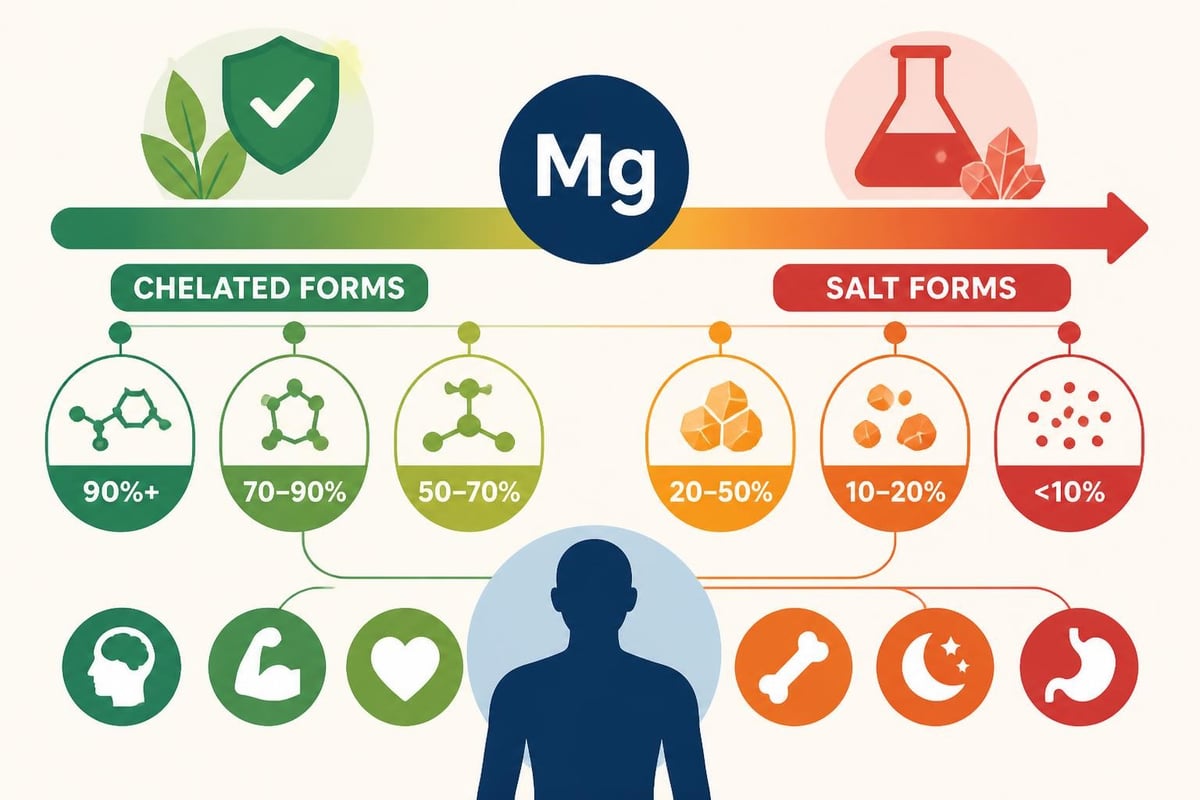
The chemical form of magnesium dramatically influences absorption rates, bioavailability, and specific health applications. Understanding these distinctions helps consumers select appropriate magnesium products for their goals.
Highly Bioavailable Forms
| Magnesium Form | Absorption Rate | Primary Uses | Digestive Tolerance |
|---|---|---|---|
| Magnesium glycinate | High | Sleep, anxiety, general supplementation | Excellent |
| Magnesium citrate | High | Constipation relief, general supplementation | Moderate |
| Magnesium malate | Moderate-High | Energy production, fibromyalgia | Good |
| Magnesium taurate | High | Cardiovascular support | Excellent |
| Magnesium threonate | Moderate | Cognitive function | Good |
Magnesium glycinate binds the mineral to the amino acid glycine, creating a chelated compound with superior absorption and minimal laxative effect. This form has become increasingly popular in premium magnesium products targeting stress resilience and sleep quality.
Magnesium citrate combines magnesium with citric acid, producing one of the most extensively studied supplement forms. Its higher solubility translates to rapid absorption, though this same property can trigger loose stools at elevated doses. Many consumers use magnesium citrate specifically for digestive comfort when addressing occasional constipation.
Specialized and Therapeutic Forms
Magnesium L-threonate represents one of the newer entries among magnesium products, specifically formulated to cross the blood-brain barrier. Preliminary research suggests this form may preferentially elevate brain magnesium concentrations, making it attractive for consumers interested in cognitive function and memory support.
Magnesium taurate pairs the mineral with the amino acid taurine, creating synergistic cardiovascular benefits. This combination appears particularly valuable for supporting healthy blood pressure already in the normal range, with meta-analyses demonstrating consistent effects on vascular function.
Budget-Friendly Forms
Not all magnesium products command premium pricing. Magnesium oxide contains the highest percentage of elemental magnesium by weight but suffers from poor absorption, with bioavailability estimates around 4-5%. Despite this limitation, magnesium oxide remains popular in value-oriented products and continues serving as an effective osmotic laxative.
Magnesium sulfate (Epsom salt) offers an inexpensive option for both oral supplementation and topical application. While oral use typically produces rapid laxative effects, topical bath application provides relaxation benefits at minimal cost.
Dosing Considerations and Safety Parameters
Selecting appropriate magnesium products requires understanding dosing guidelines, individual variation, and safety thresholds. The recommended dietary allowance varies by age and sex, ranging from 310-420 mg daily for adults.
Establishing Individual Requirements
Baseline needs differ substantially across populations. Athletes, pregnant women, individuals with certain medical conditions, and those taking specific medications may require higher intakes. Conversely, people with impaired kidney function must exercise caution, as their bodies cannot efficiently excrete excess magnesium.
The Council for Responsible Nutrition recently updated safety evaluations for magnesium supplementation, providing industry guidance on responsible formulation and labeling practices. These recommendations help manufacturers create magnesium products that balance efficacy with safety.
Common signs that may indicate insufficient magnesium status include:
- Persistent muscle cramps or twitching
- Fatigue despite adequate sleep
- Irregular heart rhythms
- Mood changes or irritability
- Difficulty concentrating
For those concerned about their magnesium levels, improving magnesium status through supplementation and dietary modification represents a measurable health outcome supported by validated biomarkers including serum and red blood cell concentrations.
Tolerance and Timing Strategies
Digestive tolerance represents the primary limiting factor for oral magnesium products. The supplement-related laxative threshold varies individually but typically occurs between 400-800 mg of elemental magnesium taken at once. Dividing doses throughout the day improves tolerance and may enhance absorption.
| Strategy | Benefits | Best For |
|---|---|---|
| Split dosing (2-3 times daily) | Reduced GI distress, steady levels | Most users |
| Evening single dose | Supports sleep, convenient | Those prioritizing sleep |
| Morning dose | Supports energy, bowel regularity | Active individuals |
| With meals | Improved absorption for some forms | Sensitive stomachs |
Timing relative to other supplements matters for certain magnesium products. The mineral can interfere with absorption of antibiotics, bisphosphonates, and thyroid medications, necessitating separation by at least two hours. Conversely, pairing magnesium with vitamin D and calcium may support electrolyte balance and bone health synergistically.
Quality Markers and Selection Criteria
The unregulated nature of the supplement industry creates significant quality variation among magnesium products. Informed consumers evaluate multiple factors beyond marketing claims when making purchasing decisions.
Third-Party Testing and Certifications
Independent verification provides the strongest assurance of product quality. Reputable magnesium products display certifications from organizations such as NSF International, USP (United States Pharmacopeia), or ConsumerLab. These seals confirm that:
- The product contains the stated amount of elemental magnesium
- Contaminants (heavy metals, microbes) fall below safety thresholds
- The formulation will dissolve appropriately for absorption
- Manufacturing facilities follow good manufacturing practices (GMP)
Platforms like DoseRank systematically evaluate supplements across multiple dimensions including evidence strength, dose fit, manufacturer trust, value proposition, and real-world availability. This comprehensive approach helps consumers navigate the crowded magnesium marketplace more effectively than relying on individual product claims alone.
Label Transparency and Formulation Details
Complete disclosure separates premium magnesium products from inferior alternatives. High-quality labels specify the exact chemical form (not just "magnesium"), provide elemental magnesium content separately from compound weight, and list all inactive ingredients.
Red flags that suggest lower-quality magnesium products include:
- Proprietary blends hiding individual ingredient amounts
- Unrealistic health claims unsupported by research
- Absence of contact information or manufacturing location
- Extremely low pricing that seems too good to be true
- No mention of third-party testing or quality verification

Value Assessment Beyond Price
Cost per serving provides more meaningful comparison than bottle price alone. A container of 120 capsules providing 200 mg elemental magnesium each differs substantially from 60 capsules containing 100 mg, even if bottles cost the same. Calculating cost per 100 mg of elemental magnesium normalizes comparisons across products.
Premium pricing sometimes reflects superior forms like magnesium glycinate or L-threonate, which command higher manufacturing costs than magnesium oxide. In these cases, higher prices may correlate with better bioavailability and reduced side effects, potentially justifying the investment for users with specific health goals.
Matching Products to Health Objectives
Different health goals align with specific types of magnesium products and chemical forms. Tailoring selection to intended outcomes optimizes the likelihood of desired benefits.
Sleep and Relaxation Support
For promoting restful sleep, magnesium glycinate represents the gold standard among oral magnesium products. Its calming properties stem from both the magnesium content and the attached glycine molecule, which functions as an inhibitory neurotransmitter. Typical evening doses range from 200-400 mg, taken 30-60 minutes before bedtime.
Magnesium taurate offers another sleep-supportive option, particularly for individuals also concerned with cardiovascular health. The taurine component provides additional GABA-enhancing effects that complement magnesium's natural muscle-relaxing properties.
Digestive Regularity
Magnesium citrate and magnesium oxide dominate this application category due to their osmotic laxative properties. These forms draw water into the intestinal lumen, softening stool and promoting motility. While effective for addressing constipation, users should start with lower doses (200-300 mg) and adjust based on response.
Avoiding these same forms becomes important for individuals prone to loose stools, who should instead select highly absorbable forms like glycinate or taurate that produce minimal laxative effect.
Physical Performance and Recovery
Athletes and active individuals often benefit from magnesium malate, which combines magnesium with malic acid-a key intermediate in cellular energy production. This form may support ATP synthesis and reduce post-exercise muscle soreness, though individual response varies considerably.
Timing around workouts influences effectiveness. Some athletes take magnesium products before exercise to support electrolyte balance, while others prefer post-workout consumption to aid exercise recovery and reduce cramping risk.
Cognitive Function and Mental Clarity
Magnesium L-threonate specifically targets brain magnesium levels, with preliminary research suggesting benefits for learning, memory, and mental sharpness. This specialized form typically costs 2-3 times more than standard magnesium products but may warrant consideration for users prioritizing cognitive outcomes.
Standard forms like magnesium glycinate also support brain health indirectly by promoting better sleep quality and reducing stress-both critical factors for optimal mental performance.
Practical Integration Strategies
Successfully incorporating magnesium products into daily routines requires practical planning and realistic expectations about timeline and outcomes.
Starting and Adjustment Protocols
Gradual introduction minimizes digestive upset and allows assessment of individual tolerance. Begin with 50% of the target dose for 3-5 days, monitoring for gastrointestinal changes. If well-tolerated, increase to the full intended amount.
New users should maintain consistent timing and conditions for at least 4-6 weeks before evaluating effectiveness. Magnesium status changes occur gradually, and many reported benefits-particularly for sleep, mood, and muscle comfort-may require sustained supplementation before becoming apparent.
Combining with Dietary Sources
Synergistic approaches layer supplemental magnesium products with magnesium-rich foods for comprehensive support. This strategy reduces reliance on high-dose supplements while providing additional nutrients that work synergistically.
A balanced daily protocol might include:
- Morning: Magnesium supplement (150 mg) + oatmeal with almonds and banana
- Lunch: Spinach salad with pumpkin seeds and quinoa
- Dinner: Salmon with Swiss chard and brown rice
- Evening: Second magnesium dose (150 mg) before bed
This combination approach typically delivers 400-600 mg total daily magnesium while distributing intake across multiple sources and timepoints.
Monitoring and Adjusting
Response tracking helps optimize magnesium product selection and dosing over time. Simple journaling of sleep quality, muscle comfort, stress levels, and digestive patterns creates objective data for evaluating supplement effectiveness.
If desired outcomes don't materialize after 6-8 weeks of consistent use at adequate doses, consider switching chemical forms rather than immediately increasing amounts. A person experiencing continued muscle cramps on magnesium oxide might achieve better results with magnesium malate or glycinate, for example.
Special Populations and Considerations
Certain groups require modified approaches when selecting and using magnesium products, reflecting unique physiological circumstances or health conditions.
Pregnancy and Breastfeeding
Magnesium requirements increase during pregnancy, rising to 350-360 mg daily. Pregnant individuals should select gentle forms like magnesium glycinate that won't exacerbate common digestive challenges. Always consult healthcare providers before starting any magnesium products during pregnancy, as individual needs vary based on dietary intake, medical history, and prenatal vitamin composition.
Older Adults
Age-related changes in stomach acid production, medication interactions, and kidney function influence how seniors should approach magnesium products. Older adults often benefit from highly bioavailable forms in moderate doses (200-300 mg daily), divided across multiple servings to enhance absorption and minimize gastrointestinal effects.
Common medications in this population-including proton pump inhibitors, diuretics, and certain antibiotics-can affect magnesium status, making professional guidance particularly important.
Athletes and Active Individuals
Heavy sweating increases magnesium losses, elevating requirements for people engaged in regular intense exercise. Athletes may need 500-800 mg daily, though individual variation remains substantial. Magnesium products formulated specifically for athletic populations often include complementary electrolytes like potassium and sodium to support comprehensive mineral balance.
Post-exercise cramping sometimes responds better to topical magnesium products applied directly to affected muscles, though combining both oral and topical approaches often yields optimal results.
Selecting appropriate magnesium products requires balancing chemical form, delivery method, quality indicators, and individual health objectives within a complex and rapidly evolving marketplace. The ideal choice depends on your specific goals, tolerance patterns, budget constraints, and lifestyle preferences. When navigating these decisions, DoseRank systematically evaluates supplements across evidence strength, dose appropriateness, manufacturer trustworthiness, value, and availability-helping you identify the most suitable magnesium products for your unique needs without guesswork or misleading marketing claims.