
DOSERANK guide
Magnesium Pills: Benefits, Types, and How to Choose
Published

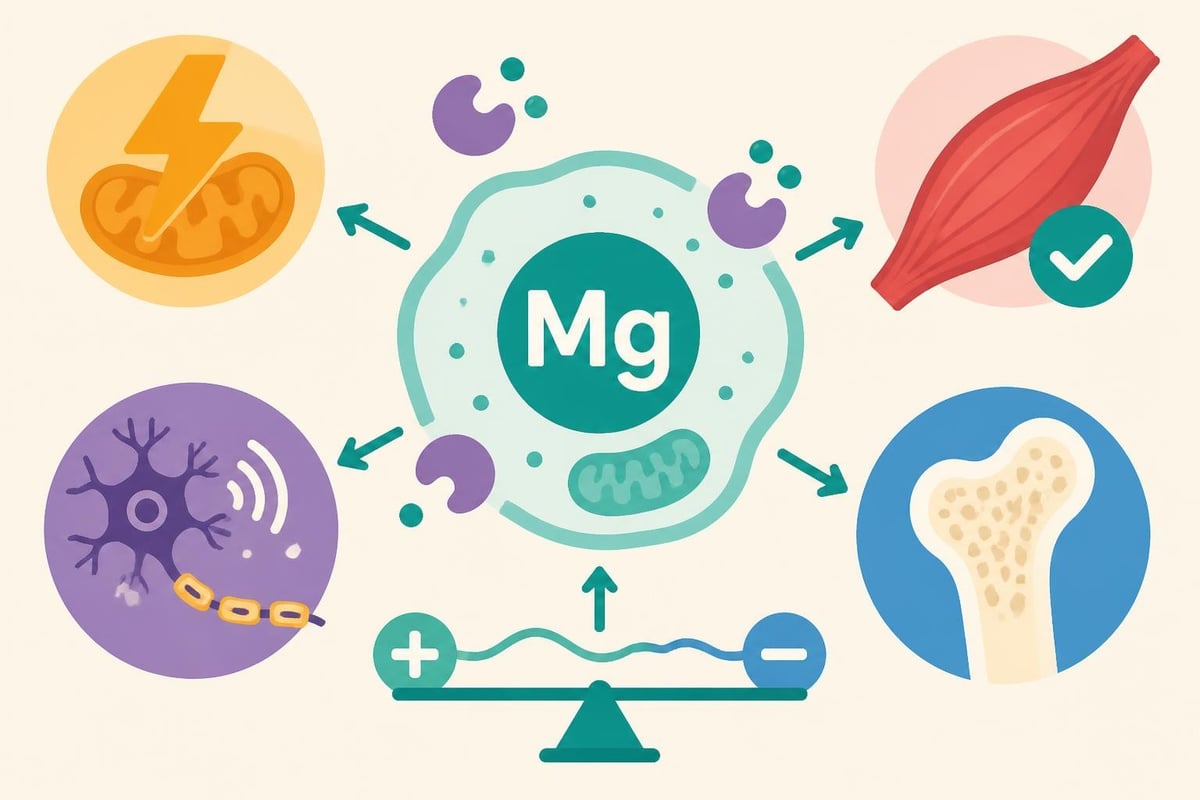
Magnesium plays a starring role in over 300 enzymatic reactions throughout your body, from muscle contraction and nerve transmission to energy production and bone formation. Despite its importance, many Americans fall short of the recommended daily intake through diet alone. That's where magnesium pills step in. Whether you're managing occasional muscle cramps, supporting better sleep, or simply filling nutritional gaps, understanding how these supplements work and which form fits your needs makes all the difference in getting real results without unwanted side effects.
Why Magnesium Matters for Your Health
Your body depends on magnesium for foundational processes that keep you functioning day to day. This mineral regulates muscle and nerve function, steadies heart rhythm, supports immune system performance, and maintains bone strength. It also plays a critical role in synthesizing DNA and RNA while helping your cells produce energy from the food you eat.
When magnesium levels drop below optimal ranges, you might notice subtle signs first. Muscle twitches, occasional cramps, fatigue, and difficulty sleeping can all signal inadequate intake. More serious deficiency, though less common, can lead to numbness, tingling, abnormal heart rhythms, and even seizures in extreme cases.
Who's at higher risk for low magnesium status?
- Older adults, whose absorption efficiency declines with age
- People with gastrointestinal conditions like Crohn's disease or celiac disease
- Individuals with type 2 diabetes, which increases urinary magnesium loss
- Those taking certain medications, including proton pump inhibitors and diuretics
- People with chronic alcohol use disorder
Research continues to link adequate magnesium intake with lower fracture risk, improved metabolic health, and better cardiovascular outcomes. A 2023 systematic review found associations between serum magnesium and fracture risk, highlighting how magnesium status affects bone density and skeletal health over time.
Different Forms of Magnesium Pills Explained
Not all magnesium pills deliver the same experience or absorption rate. The form you choose affects how much magnesium your body actually uses and what additional benefits or side effects you might encounter.
Magnesium Citrate
This highly bioavailable form combines magnesium with citric acid. Your digestive system absorbs it efficiently, making it one of the most popular options for correcting deficiency. The citrate component also draws water into your intestines, which is why magnesium citrate works well for occasional constipation but may cause loose stools at higher doses.
Magnesium Glycinate
Bound to the amino acid glycine, this form offers excellent absorption with minimal digestive upset. Many people choose magnesium glycinate specifically for evening use because glycine itself has calming properties that may improve sleep quality and promote relaxation without the laxative effect common to other forms.
Magnesium Oxide
You'll find this form in many budget-friendly supplements and over-the-counter laxatives. While magnesium oxide contains a high percentage of elemental magnesium by weight, your body absorbs it less efficiently than citrate or glycinate forms. It works effectively for short-term constipation relief but may not be the best choice for addressing broader magnesium status concerns.
Magnesium Threonate
This newer form crosses the blood-brain barrier more effectively than others, leading to research interest in cognitive support applications. Studies suggest it may enhance memory and cognitive function, though it tends to cost more than traditional magnesium supplements.
| Magnesium Form | Bioavailability | Best For | Notable Features |
|---|---|---|---|
| Citrate | High | General supplementation, constipation | Well-absorbed, mild laxative effect |
| Glycinate | High | Sleep support, sensitive digestion | Gentle, calming properties |
| Oxide | Low to moderate | Budget option, constipation | High elemental content, lower absorption |
| Threonate | Moderate | Cognitive support | Crosses blood-brain barrier |
| Chloride | Moderate | Heartburn, low stomach acid | Increases stomach acidity |
| Malate | Moderate to high | Energy, muscle support | May reduce fatigue |
How Much Magnesium Do You Actually Need?
The recommended dietary allowance for magnesium varies by age and sex. Adult men need approximately 400-420 mg daily, while adult women require 310-320 mg. During pregnancy, the requirement increases to 350-360 mg, and lactating women need around 310-320 mg.
Most people get some magnesium from food. Green leafy vegetables, nuts, seeds, whole grains, and legumes all provide meaningful amounts. A typical Western diet often falls 100-200 mg short of daily targets, which explains why supplementation becomes relevant for many individuals.
When determining your supplemental dose, consider:
- Your current dietary intake from food sources
- Any medical conditions affecting absorption or excretion
- Medications that may interact with or deplete magnesium
- Specific health goals beyond basic nutritional adequacy
According to Harvard Health Publishing's evidence-based overview, most people who take magnesium pills use 200-400 mg daily, though individual needs vary. Starting at the lower end and increasing gradually helps your digestive system adjust and minimizes the chance of loose stools.
The tolerable upper limit for supplemental magnesium (not including dietary sources) sits at 350 mg for adults, as noted in EFSA's summary tables on tolerable upper intake levels. Exceeding this threshold raises the risk of diarrhea and gastrointestinal discomfort, though serious toxicity from oral supplements remains rare in people with normal kidney function.
Choosing the Right Magnesium Pills for Your Goals
Your specific health objectives should guide which form and dose of magnesium pills you select. Someone dealing with muscle cramps after exercise might benefit from magnesium malate or glycinate, while someone primarily focused on digestive regularity might find citrate or oxide more appropriate.
If you're working on improving magnesium status as measured by lab tests or clinical assessment, highly bioavailable forms like citrate or glycinate typically deliver better results. These forms ensure that the magnesium you consume actually reaches your bloodstream and tissues rather than passing through unabsorbed.
For individuals managing stress resilience or looking for calming effects, magnesium glycinate stands out. The glycine component adds a gentle relaxation effect that complements magnesium's natural role in regulating the nervous system. Many practitioners recommend taking this form in the evening, about an hour before bed.
Quality markers to look for when selecting magnesium pills:
- Third-party testing certifications (USP, NSF, ConsumerLab)
- Clear labeling of elemental magnesium content per serving
- Disclosure of all ingredients, including fillers and binders
- Manufacturing facility credentials and quality assurance practices
- Transparency about sourcing and testing protocols
The supplement landscape grows more crowded each year, making it harder to distinguish truly effective products from those that underdeliver. Platforms like DoseRank help cut through the noise by ranking supplements based on evidence, dose fit, trust, value, popularity, and availability, giving you a data-driven starting point rather than marketing claims alone.
Timing and Best Practices for Taking Magnesium Pills
When you take magnesium pills matters almost as much as which form you choose. Absorption and effectiveness shift depending on whether you take them with food, at specific times of day, or alongside other supplements and medications.
With Food or Without?
Most magnesium forms absorb better when taken with food. A meal stimulates digestive enzymes and stomach acid, which help break down the supplement and improve bioavailability. This approach also reduces the likelihood of stomach upset, particularly with forms like citrate or oxide that can irritate an empty stomach.
Magnesium glycinate proves gentle enough for many people to take on an empty stomach, though individual tolerance varies. If you experience any nausea or discomfort, switching to mealtime dosing usually resolves the issue.
Optimal Timing Throughout the Day
For general supplementation aimed at maintaining healthy magnesium status, splitting your daily dose between morning and evening keeps blood levels more stable. This approach mimics how you'd get magnesium from food throughout the day rather than in a single large bolus.
If you're specifically using magnesium pills for sleep support or muscle relaxation, taking the full dose 30-60 minutes before bed makes more sense. This timing aligns the peak absorption period with when you want the calming effects to take hold.
Spacing considerations with other supplements:
- Calcium: Take separately from magnesium, as high doses of either can interfere with the other's absorption
- Iron: Space at least two hours apart, since magnesium may reduce iron absorption
- Zinc: Similar to iron, zinc absorption may decrease when taken simultaneously with magnesium
- Vitamin D: Can be taken together, and some research suggests they work synergistically for bone health
Consistency matters more than perfection with timing. Taking magnesium pills at roughly the same time each day helps you build a habit and makes it easier to track whether the supplement is delivering the results you expect.
Potential Side Effects and Safety Considerations
While magnesium pills are generally safe for most people at recommended doses, understanding potential side effects helps you use them effectively and know when to adjust your approach.
The most common complaint centers on digestive issues. Loose stools or diarrhea occur when you take more magnesium than your intestines can absorb, leaving excess in your digestive tract that draws in water. This effect varies by form, with oxide and citrate more likely to cause trouble than glycinate or malate.
| Side Effect | Likelihood | Management Strategy |
|---|---|---|
| Diarrhea | Common with high doses | Reduce dose, switch forms, or split doses |
| Nausea | Occasional | Take with food, try a different form |
| Abdominal cramping | Occasional | Lower dose, ensure adequate hydration |
| Lethargy | Rare | Check for interactions with medications |
| Low blood pressure | Rare, dose-dependent | Monitor if taking blood pressure medications |
People with kidney disease need special caution with magnesium pills. Damaged kidneys struggle to excrete excess magnesium, allowing levels to build up in the blood. This hypermagnesemia can cause serious symptoms including nausea, vomiting, low blood pressure, confusion, and in severe cases, cardiac arrest. Anyone with chronic kidney disease should only use magnesium supplements under direct medical supervision.
Certain medications interact with magnesium pills in ways that affect either the supplement's absorption or the medication's effectiveness. Bisphosphonates for osteoporosis, some antibiotics (tetracyclines and fluoroquinolones), and levothyroxine for thyroid disorders all require spacing of several hours from magnesium doses. Your pharmacist can review your full medication list for potential interactions.
The Cochrane Library's systematic review evidence on magnesium supplementation shows that most healthy adults tolerate doses up to 400 mg daily without significant adverse effects, reinforcing that side effects typically emerge only at higher doses or in vulnerable populations.

Signs Your Magnesium Pills Are Working
How do you know if the magnesium pills you're taking actually make a difference? The timeline and specific improvements depend on why you started supplementing in the first place and how deficient you were at baseline.
For people with genuine deficiency, noticeable changes often emerge within two to four weeks. Muscle cramps that used to wake you at night may become less frequent or disappear entirely. Fatigue that made afternoons feel like a slog might lift as your cells produce energy more efficiently. Sleep improvements sometimes appear even sooner, particularly with glycinate forms taken before bed.
Observable improvements you might experience:
- Reduced frequency and intensity of muscle cramps and spasms
- Better sleep initiation and fewer nighttime awakenings
- More consistent energy levels throughout the day
- Regular bowel movements (especially with citrate or oxide forms)
- Decreased muscle soreness after exercise
- Improved stress response and mental calmness
Lab testing provides the most objective measure of whether magnesium pills are addressing deficiency. Serum magnesium tests are readily available but only capture about 1% of your body's total magnesium, since most stays inside cells and bones. Red blood cell magnesium tests offer a better window into intracellular status, though they cost more and aren't as widely available.
If you don't notice any difference after four to six weeks at an appropriate dose, several explanations are possible. You may not have been deficient to begin with, the form you chose may not suit your body's absorption patterns, or other factors like medication interactions could be interfering. Consulting with a healthcare provider helps you troubleshoot and determine whether continuing supplementation makes sense.
Magnesium-Rich Foods vs. Supplements
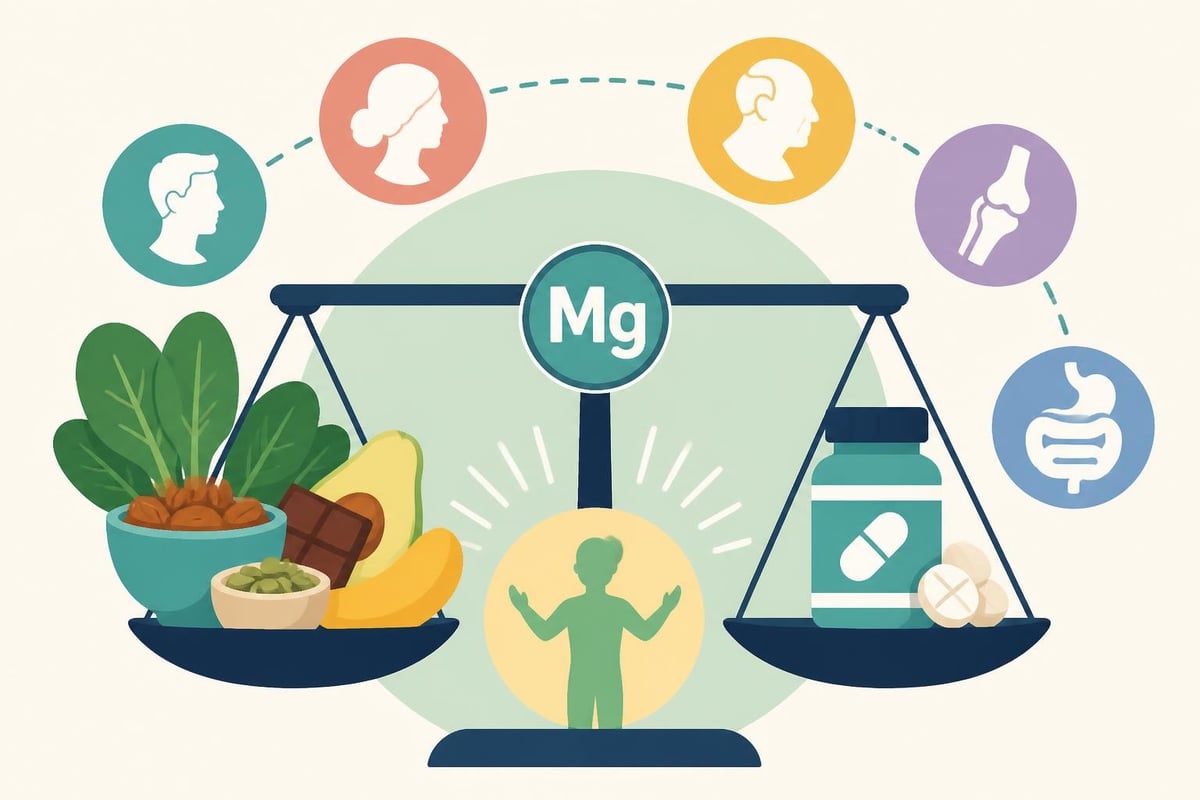
Before reaching for magnesium pills, it's worth evaluating whether dietary changes could close the gap. Whole foods provide magnesium alongside other beneficial nutrients, fiber, and compounds that work together to support health in ways isolated supplements cannot.
Dark leafy greens like spinach, Swiss chard, and kale pack impressive magnesium content. A cup of cooked spinach delivers around 157 mg, nearly half the daily requirement for many adults. Nuts and seeds, particularly almonds, cashews, and pumpkin seeds, offer concentrated sources perfect for snacking. Legumes, whole grains, and even dark chocolate contribute meaningful amounts when you eat them regularly.
Top food sources and their approximate magnesium content:
- Pumpkin seeds (1 oz): 156 mg
- Chia seeds (1 oz): 95 mg
- Almonds (1 oz): 80 mg
- Spinach, cooked (1 cup): 157 mg
- Cashews (1 oz): 74 mg
- Black beans, cooked (1 cup): 120 mg
- Edamame (1 cup): 100 mg
- Dark chocolate 70-85% (1 oz): 64 mg
Despite these rich sources, modern eating patterns often fall short. Processed foods dominate many diets, and agricultural practices that deplete soil minerals mean even whole foods may contain less magnesium than they did decades ago. This reality explains why magnesium pills remain relevant even for people who eat relatively well.
The ideal approach combines both: build your diet around magnesium-rich whole foods and use supplements strategically to fill remaining gaps. This strategy ensures you get the full spectrum of nutrients and compounds that support magnesium absorption and utilization while guaranteeing you hit your daily targets consistently.
Special Populations and Magnesium Supplementation
Certain groups face unique considerations when evaluating whether to use magnesium pills and which form to choose.
Pregnant and Breastfeeding Women
Magnesium requirements increase during pregnancy and lactation, yet many prenatal vitamins provide minimal amounts. Some evidence suggests adequate magnesium intake during pregnancy may reduce the risk of preeclampsia and support fetal bone development. Most practitioners recommend magnesium citrate or glycinate during pregnancy, as these forms are well-studied and generally well-tolerated.
Always discuss supplementation with your obstetrician before starting, since individual needs vary and certain pregnancy complications may require adjusted dosing or monitoring.
Athletes and Active Individuals
Exercise increases magnesium loss through sweat and may raise daily requirements by 10-20% depending on training intensity and duration. Athletes who train hard often benefit from magnesium malate, which combines magnesium with malic acid to support energy production and may reduce post-exercise soreness.
Timing supplementation after training, when your body is primed to replenish depleted stores, may enhance absorption and recovery. Pairing magnesium pills with adequate protein and carbohydrate intake optimizes the recovery process.
Older Adults
Aging brings multiple factors that increase magnesium needs: reduced dietary intake, decreased intestinal absorption, increased urinary loss, and medication use that depletes magnesium. Proton pump inhibitors, commonly prescribed for acid reflux, can significantly impair magnesium absorption over time.
Older adults may benefit from higher-absorption forms like citrate or glycinate and should work with their healthcare team to review medications and monitor magnesium status, especially if they experience unexplained muscle weakness or cardiac rhythm changes.
How to Evaluate Magnesium Supplement Quality
The supplement industry remains largely self-regulated in the United States, creating variability in product quality and label accuracy. Learning to spot quality markers helps you choose magnesium pills that deliver what they promise.
Third-party testing certifications provide the strongest assurance. Organizations like USP (United States Pharmacopeia), NSF International, and ConsumerLab independently verify that supplements contain the ingredients listed on the label in the stated amounts, free from harmful contaminants like heavy metals or microbes.
Red flags that suggest lower-quality magnesium pills:
- Proprietary blends that hide specific ingredient amounts
- Unrealistic health claims or cure-all marketing language
- No contact information or vague manufacturing details
- Prices far below market average for comparable products
- Labels that don't specify elemental magnesium content
Reading beyond the front label reveals important details. The supplement facts panel should clearly state how much elemental magnesium each serving provides, not just the weight of the magnesium compound. For example, 500 mg of magnesium oxide contains only about 300 mg of elemental magnesium that your body can actually use.
Manufacturing location and facility certifications matter too. Look for products made in FDA-registered facilities that follow Good Manufacturing Practices (GMP). These facilities undergo regular inspections and maintain quality control standards that reduce the risk of contamination or formulation errors.
If you want a systematic way to compare options across all these factors, tools like DoseRank's methodology evaluate supplements on evidence, dose appropriateness, manufacturer trust, value for money, popularity, and availability simultaneously, making it easier to identify products that score well across multiple dimensions rather than excelling in just one area.
Choosing the right magnesium pills requires balancing form, dose, timing, and quality against your specific health goals and current status. Whether you're addressing a measured deficiency, supporting better sleep, or simply optimizing your nutrition, the right supplement used consistently can make a measurable difference in how you feel day to day. DoseRank takes the guesswork out of supplement selection by ranking options based on evidence, dose fit, trust, value, and availability, helping you find the magnesium supplement that truly fits your needs without wading through endless product claims.