
DOSERANK guide
Magnesium Capsules: Benefits, Dosage, and Selection
Published

Magnesium plays a crucial role in over 600 enzymatic reactions throughout the human body, yet nearly half of adults in the United States fail to meet their daily magnesium requirements through diet alone. Magnesium capsules offer a convenient, targeted approach to addressing this widespread deficiency, providing measured doses of this essential mineral in forms optimized for absorption and tolerance. Understanding the science behind different magnesium formulations, proper dosing strategies, and evidence-based selection criteria empowers consumers to make informed decisions that align with their specific health goals and physiological needs.
Understanding Magnesium's Biological Functions
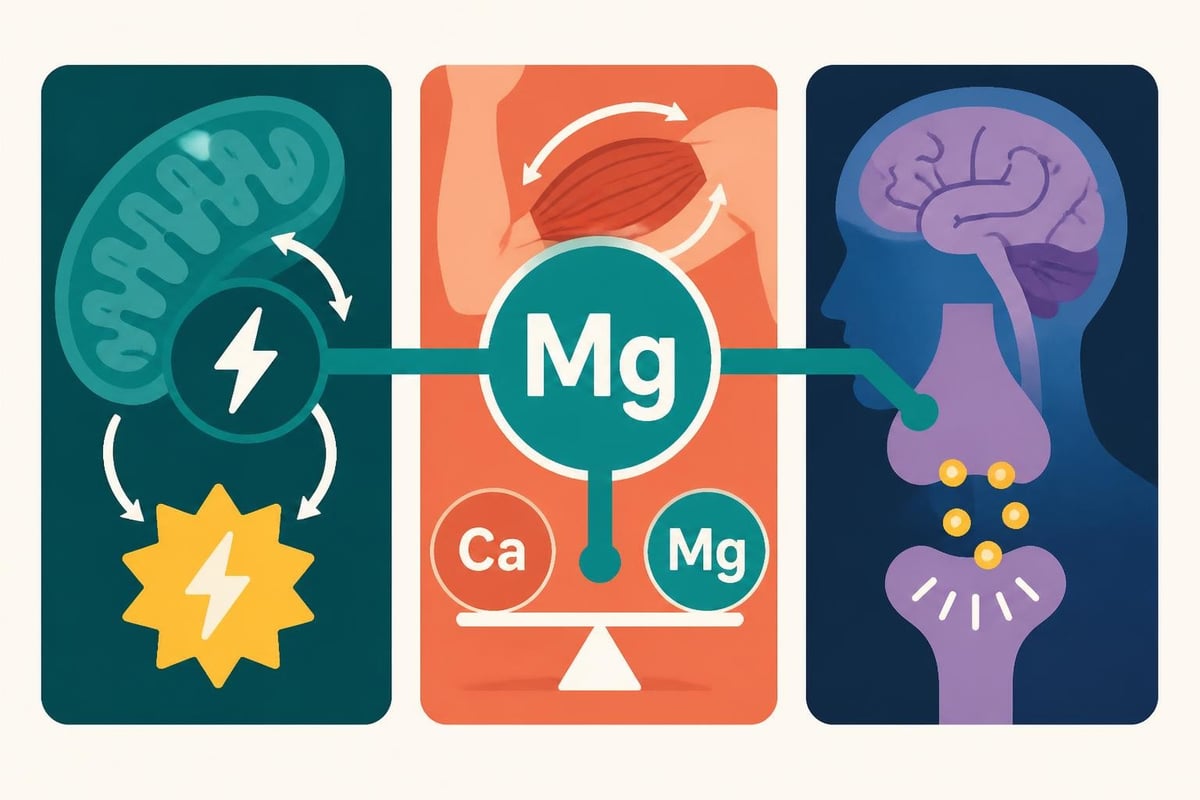
Magnesium serves as a cofactor in hundreds of biochemical pathways that regulate everything from energy metabolism to genetic expression. This mineral directly influences adenosine triphosphate (ATP) synthesis, the primary energy currency of cells, making it indispensable for sustained physical and mental performance throughout the day.
Cellular Energy and Metabolic Processes
The relationship between magnesium and ATP production runs deeper than simple cofactor activity. Every molecule of ATP must bind to a magnesium ion to become biologically active, meaning that without adequate magnesium stores, cellular energy production remains compromised regardless of nutrient intake. This fundamental connection explains why magnesium deficiency often manifests as persistent fatigue and reduced exercise capacity.
Magnesium also regulates glucose metabolism and insulin sensitivity, influencing how efficiently cells extract energy from nutrients. Research demonstrates that individuals with higher magnesium intake show improved insulin function and reduced risk of metabolic syndrome compared to those with chronically low levels.
Neuromuscular Function and Signaling
Muscle contraction and relaxation depend on precise magnesium-calcium balance within muscle cells. Magnesium acts as a natural calcium blocker, preventing excessive muscle contraction and promoting relaxation after exertion. This mechanism explains why many people experience muscle cramps during periods of magnesium depletion, particularly during intense physical activity or heat exposure.
The nervous system relies equally on magnesium for proper signal transmission. This mineral regulates neurotransmitter release and modulates N-methyl-D-aspartate (NMDA) receptors, which play key roles in learning, memory formation, and mood regulation. Adequate magnesium status supports stress resilience by dampening excessive excitatory neurotransmission and promoting gamma-aminobutyric acid (GABA) activity.
Forms of Magnesium in Capsule Supplements
Different chemical forms of magnesium exhibit distinct absorption profiles, tissue distribution patterns, and therapeutic applications. The choice of magnesium form significantly impacts both efficacy and tolerability, making formulation selection a critical consideration for optimal supplementation outcomes.
High-Bioavailability Chelated Forms
Magnesium glycinate pairs magnesium with the amino acid glycine, creating a chelated compound that demonstrates superior absorption and minimal gastrointestinal side effects. The glycine component itself possesses calming properties, making this form particularly valuable for individuals seeking both magnesium repletion and sleep support. Studies indicate that magnesium glycinate produces less laxative effect than inorganic salts while maintaining excellent bioavailability.
Magnesium citrate combines magnesium with citric acid, yielding a highly soluble form with reliable absorption characteristics. While more likely to promote bowel movements than glycinate, this property can be therapeutic for individuals experiencing constipation alongside magnesium deficiency. The citrate form dissolves readily in gastric acid, ensuring consistent uptake across varying digestive conditions.
Magnesium malate links magnesium to malic acid, an intermediate in the Krebs cycle that supports energy production. This combination may offer specific benefits for fatigue and fibromyalgia symptoms, though research remains more limited compared to glycinate and citrate forms.
Specialized and Targeted Formulations
| Magnesium Form | Absorption Rate | Primary Benefits | Considerations |
|---|---|---|---|
| Glycinate | High | Sleep, relaxation, gentle | Higher cost per dose |
| Citrate | High | General repletion, bowel regularity | May cause loose stools |
| Oxide | Low | Budget-friendly | Poor absorption, GI upset |
| Threonate | Moderate | Cognitive support | Limited long-term data |
| Taurate | Moderate | Cardiovascular health | Less widely studied |
Magnesium L-threonate represents a newer formulation specifically designed to cross the blood-brain barrier efficiently. Preliminary research suggests this form may uniquely support cognitive function and memory, though most evidence comes from animal models rather than large-scale human trials.
Magnesium taurate combines magnesium with the amino acid taurine, both of which support cardiovascular function independently. This pairing shows promise for blood pressure regulation and heart rhythm stability, making it relevant for individuals with cardiovascular risk factors.
Evidence-Based Dosing Strategies
Determining appropriate magnesium capsule dosage requires consideration of baseline intake, individual absorption capacity, health status, and specific therapeutic goals. The recommended daily magnesium intake varies by age, sex, and physiological state, with adult men requiring 400-420 mg daily and adult women needing 310-320 mg from all sources combined.
Establishing Baseline Requirements
Most individuals obtain 200-300 mg of magnesium daily from dietary sources including leafy greens, nuts, seeds, whole grains, and legumes. Supplemental magnesium should account for typical dietary intake to avoid both under-dosing and exceeding upper tolerable limits. A thorough assessment of usual food consumption patterns provides the foundation for calculating appropriate supplemental amounts.
Individual absorption efficiency varies considerably based on factors including age, digestive health, medication use, and existing magnesium status. People with lower baseline stores typically absorb supplemental magnesium more efficiently than those with replete levels, as intestinal absorption mechanisms upregulate in response to physiological need.
Therapeutic Dosing Protocols
For general health maintenance and mild deficiency correction, doses between 200-400 mg of elemental magnesium per day typically prove effective when taken consistently over weeks to months. This range aligns with the gap between average dietary intake and recommended daily amounts for most adults.
- Muscle function support: 300-500 mg daily, divided doses
- Sleep quality enhancement: 200-400 mg taken one to two hours before bedtime
- Stress response modulation: 300-600 mg daily in divided doses
- Cardiovascular health: 300-450 mg daily with meals
- Migraine prevention: 400-600 mg daily, often requiring 3-4 months for full effect
Higher therapeutic doses exceeding 600 mg daily should only be pursued under professional guidance, as gastrointestinal tolerance limits effective absorption above certain thresholds. The body's regulatory mechanisms prevent excessive magnesium retention through reduced absorption and increased urinary excretion, but temporary digestive discomfort often emerges before these protective mechanisms fully engage.

Selecting High-Quality Magnesium Capsules
The supplement marketplace offers hundreds of magnesium products with varying quality standards, manufacturing practices, and value propositions. Systematic evaluation across multiple dimensions helps consumers identify products that deliver therapeutic benefit while minimizing risk and optimizing cost-effectiveness.
Manufacturing Quality and Third-Party Verification
Reputable manufacturers implement Good Manufacturing Practices (GMP) and submit products for independent third-party testing to verify label accuracy, purity, and freedom from contaminants. Certifications from organizations such as NSF International, USP, or ConsumerLab provide objective assurance that products contain stated amounts of magnesium without harmful levels of heavy metals or microbiological contamination.
Capsule formulations should clearly state the amount of elemental magnesium rather than total compound weight, as this distinction significantly impacts effective dosing. For example, 500 mg of magnesium oxide contains approximately 300 mg of elemental magnesium, while 500 mg of magnesium glycinate provides only about 50-70 mg of elemental magnesium due to the larger molecular weight of the chelated form.
Form Selection Based on Individual Needs
Different health goals align with specific magnesium forms based on their unique properties and supporting evidence. Individuals seeking improved magnesium status without specific therapeutic targets benefit most from highly bioavailable forms like glycinate or citrate that efficiently restore tissue stores with minimal adverse effects.
Those experiencing digestive sluggishness may intentionally select magnesium citrate or oxide for their gentle laxative properties, while individuals with sensitive digestive systems should prioritize glycinate or malate forms that minimize bowel stimulation. People targeting cognitive support might consider threonate despite its higher cost, while cardiovascular-focused supplementation may warrant taurate or glycinate selection.
Value and Accessibility Assessment
Cost per milligram of elemental magnesium varies substantially across products and forms, making price comparison essential for sustainable supplementation. Budget-conscious consumers often gravitate toward magnesium oxide despite its lower absorption rate, though this strategy may prove less cost-effective when accounting for actual bioavailable dose delivered.
Key evaluation criteria:
- Elemental magnesium content per serving
- Form-specific bioavailability characteristics
- Third-party testing certifications
- Cost per month at therapeutic doses
- Capsule size and ease of swallowing
- Additional ingredients or allergens
- Brand reputation and manufacturing transparency
Online platforms that systematically rank supplements based on evidence strength, dosing appropriateness, manufacturing quality, and real-world availability help consumers navigate complex product landscapes more efficiently. DoseRank applies structured methodology to evaluate supplements across multiple dimensions, providing comparative rankings that account for both efficacy evidence and practical considerations like value and accessibility.
Absorption Optimization and Timing Strategies
Maximizing the therapeutic benefit from magnesium capsules extends beyond form selection to encompass strategic timing, co-supplementation, and awareness of factors that impair uptake or increase losses.
Meal Timing and Food Interactions
Magnesium absorption generally improves when supplements are taken with food, as gastric acid secretion and slower intestinal transit enhance dissolution and uptake. However, certain dietary components can interfere with magnesium absorption when consumed simultaneously. Phytic acid in whole grains and legumes, oxalates in spinach and rhubarb, and excessive fiber intake can all reduce magnesium bioavailability through binding or rapid transit effects.
Spreading magnesium doses across multiple smaller servings throughout the day typically yields better absorption than single large doses, as intestinal uptake mechanisms become saturated at higher concentrations. For example, 150 mg taken three times daily often proves more effective than 450 mg consumed once, particularly for forms with dose-dependent absorption limitations.
Synergistic and Antagonistic Nutrients
Vitamin D and magnesium demonstrate bidirectional relationships, with adequate magnesium required for vitamin D activation and vitamin D supporting magnesium absorption. This interconnection explains why some individuals fail to respond to vitamin D supplementation until magnesium deficiency is addressed concurrently.
Calcium supplementation can competitively inhibit magnesium absorption when taken simultaneously in high doses, as both minerals share common transport pathways. Spacing calcium and magnesium supplements by several hours prevents this interaction while allowing both nutrients to be effectively absorbed.
Nutrients that support magnesium function:
- Vitamin B6 facilitates magnesium transport into cells
- Vitamin D enhances intestinal magnesium absorption
- Adequate protein intake supports magnesium retention
- Potassium works synergistically with magnesium in muscle and nerve function
Safety Considerations and Potential Side Effects
While magnesium capsules demonstrate excellent safety profiles at recommended doses for most individuals, certain populations require modified approaches and medical supervision. Understanding contraindications, drug interactions, and signs of excessive intake ensures safe supplementation practices.
Gastrointestinal Tolerance Thresholds
The most common side effect of magnesium supplementation involves digestive system effects ranging from mild nausea to osmotic diarrhea. These symptoms typically emerge when individual doses exceed absorption capacity, with tolerance thresholds varying based on magnesium form, individual sensitivity, and concurrent food intake.
Starting with lower doses and gradually increasing over one to two weeks allows the digestive system to adapt while identifying personal tolerance levels. If loose stools develop, reducing the dose or switching to a more slowly absorbed form like glycinate often resolves the issue without abandoning supplementation entirely.
Medical Conditions and Contraindications
People with compromised kidney function face increased risk of magnesium accumulation, as the kidneys normally excrete excess magnesium efficiently. Individuals with chronic kidney disease should only supplement magnesium under direct medical supervision with regular monitoring of serum levels.
Certain cardiac conditions, particularly those involving conduction abnormalities, require careful magnesium management as both deficiency and excess can affect heart rhythm. While magnesium generally supports cardiovascular health, individuals with diagnosed heart conditions should coordinate supplementation with their healthcare providers.
| Condition | Magnesium Consideration | Recommendation |
|---|---|---|
| Kidney disease | Reduced excretion capacity | Medical supervision required |
| Heart block | Potential rhythm effects | Consult cardiologist |
| Myasthenia gravis | May worsen muscle weakness | Use with caution |
| Active diarrhea | Increased losses | May need higher doses |
| Hypothyroidism | No direct contraindication | Standard dosing appropriate |
Medication Interactions
Magnesium can interfere with absorption of certain antibiotics (tetracyclines, fluoroquinolones) and bisphosphonates used for bone health. Spacing these medications at least two hours before or four to six hours after magnesium supplements prevents clinically significant interactions.
Diuretics, proton pump inhibitors, and certain diabetes medications can increase magnesium losses or reduce absorption, potentially necessitating higher supplemental doses to maintain adequate status. Regular monitoring through blood testing helps ensure appropriate repletion in individuals taking medications known to affect magnesium balance.

Testing and Monitoring Magnesium Status
While serum magnesium tests remain the most commonly ordered assessment, they provide limited insight into total body stores since less than one percent of body magnesium circulates in blood. More sophisticated testing approaches offer better correlation with functional magnesium status and supplementation needs.
Assessment Methods and Their Limitations
Serum magnesium measurements detect only severe deficiency and fail to identify the subclinical depletion that affects tissue function. Normal serum levels (1.7-2.2 mg/dL) can coexist with depleted intracellular stores, as the body maintains blood concentrations at the expense of muscle and bone reserves.
Red blood cell magnesium testing provides a more accurate picture of intracellular status, though this test remains less widely available and more expensive than serum measurements. Erythrocyte magnesium correlates better with muscle and tissue stores, making it valuable for assessing true deficiency.
Magnesium loading tests measure urinary excretion after an administered magnesium dose, with lower excretion indicating deficiency as the body retains more of the supplemented mineral. This functional assessment requires 24-hour urine collection and remains primarily a research tool rather than routine clinical practice.
Indicators of Adequate Repletion
Rather than relying solely on laboratory measurements, many practitioners assess magnesium adequacy through clinical response to supplementation. Improvement in symptoms like muscle cramps, sleep quality, or stress tolerance over four to twelve weeks suggests successful repletion, even when laboratory values show minimal change.
Combining subjective symptom tracking with occasional laboratory confirmation provides a practical approach for most individuals using magnesium capsules. Those with complex medical conditions or persistent symptoms despite supplementation may benefit from more comprehensive testing through specialized laboratories.
Dietary Sources and Supplementation Synergy
While magnesium capsules offer convenient repletion, combining supplementation with strategic dietary choices maximizes total intake and supports overall nutritional balance. Whole food sources provide magnesium alongside complementary nutrients that enhance absorption and function.
Top Magnesium-Rich Foods
Dark leafy greens lead plant-based magnesium sources, with cooked spinach providing 157 mg per cup and Swiss chard delivering 150 mg in the same serving. However, these foods also contain oxalates that partially reduce magnesium absorption, making their effective contribution somewhat lower than raw magnesium content suggests.
Nuts and seeds offer concentrated magnesium in portable, shelf-stable formats. Pumpkin seeds contain 168 mg per ounce, almonds provide 80 mg per ounce, and cashews deliver 74 mg in the same serving. These foods also supply healthy fats, protein, and complementary minerals like zinc and selenium.
Legumes and whole grains contribute meaningful magnesium alongside fiber and complex carbohydrates. Black beans offer 120 mg per cooked cup, while quinoa provides 118 mg in the same portion. Whole wheat bread, brown rice, and oats all deliver moderate magnesium amounts when consumed regularly.
Building a Magnesium-Supportive Diet
Daily magnesium meal plan example:
- Breakfast: Oatmeal with almonds and banana (150 mg)
- Lunch: Quinoa bowl with black beans and spinach (200 mg)
- Snack: Pumpkin seeds and dark chocolate (120 mg)
- Dinner: Salmon with Swiss chard and brown rice (180 mg)
- Supplement: Magnesium glycinate capsules (200 mg)
Total: 850 mg (well above RDA)
This integrated approach reduces supplemental requirements while providing diverse nutrients that support multiple aspects of health. For individuals who struggle to maintain consistent dietary magnesium intake due to food preferences, digestive limitations, or lifestyle constraints, magnesium capsules fill critical gaps without requiring dramatic dietary overhaul.
Special Population Considerations
Different life stages and physiological states modify magnesium requirements and supplementation strategies. Tailoring approaches to individual circumstances optimizes both safety and effectiveness.
Athletes and Exercise Enthusiasts
Physical activity increases magnesium losses through sweat and urine while simultaneously raising metabolic demand for this mineral in energy production and exercise recovery. Athletes may require 10-20% higher magnesium intake compared to sedentary individuals, with needs further elevated during intense training periods or heat acclimatization.
Magnesium supplementation supports exercise performance through multiple mechanisms including improved oxygen utilization, lactate clearance, and post-exercise muscle recovery. Research demonstrates that magnesium capsules taken consistently for four weeks or longer can enhance strength, endurance, and overall athletic performance in both trained and untrained populations.
Older Adults
Aging reduces magnesium absorption efficiency while simultaneously increasing urinary losses and medication use that further depletes stores. Older adults consuming typical American diets often obtain only 50-60% of recommended magnesium intake, making supplementation particularly valuable in this population.
Beyond supporting general health, adequate magnesium status in older adults may help preserve bone density, maintain cognitive function, and support cardiovascular health. The combination of increased needs and reduced dietary intake makes magnesium capsules a practical intervention for healthy aging when integrated into comprehensive nutritional strategies.
Pregnancy and Lactation
Pregnancy increases magnesium requirements by approximately 40 mg daily to support fetal development and maternal physiological adaptations. While dietary optimization should be the first approach, many pregnant individuals benefit from moderate magnesium supplementation, particularly those experiencing leg cramps or constipation.
Magnesium glycinate represents the preferred form during pregnancy due to its excellent tolerability and minimal laxative effect. Doses between 200-400 mg daily fall well within safe ranges and may offer additional benefits for blood pressure regulation during pregnancy, though medical supervision ensures appropriate integration with prenatal vitamin regimens.
Emerging Research and Future Directions
Scientific understanding of magnesium's health impacts continues expanding beyond traditional roles in muscle and bone health to encompass metabolic, neurological, and cardiovascular applications. Current research investigates optimal forms for specific conditions, personalized dosing based on genetic factors, and long-term supplementation outcomes.
Metabolic Health and Insulin Sensitivity
Multiple large observational studies link higher magnesium intake with reduced diabetes risk, while intervention trials demonstrate that magnesium supplementation can improve insulin sensitivity and glycemic control in both diabetic and prediabetic individuals. The mechanisms involve magnesium's role in insulin receptor function and glucose transporter activity.
Current research explores whether specific magnesium forms offer superior metabolic benefits, with preliminary data suggesting that highly bioavailable forms like glycinate or citrate produce more consistent improvements in glucose metabolism compared to poorly absorbed forms like oxide.
Neurological and Mental Health Applications
The relationship between magnesium status and mental health has gained increasing research attention, with studies investigating magnesium's role in depression, anxiety, and neurodegenerative diseases. Magnesium regulates neurotransmitter systems implicated in mood disorders while also modulating inflammatory pathways that affect brain function.
Clinical trials examining magnesium supplementation for depression have shown mixed but generally promising results, with better outcomes observed in individuals with confirmed deficiency or those using highly absorbable forms. The field continues investigating optimal dosing regimens, form selection, and patient characteristics that predict treatment response.
Cardiovascular Disease Prevention
Magnesium influences cardiovascular health through blood pressure regulation, vascular function, cardiac rhythm stability, and anti-inflammatory effects. Epidemiological data consistently associate higher magnesium intake with reduced cardiovascular disease risk, though intervention trials have produced more variable results depending on study design and population characteristics.
Ongoing research examines whether long-term magnesium supplementation can prevent cardiovascular events in high-risk populations and whether certain magnesium forms demonstrate superior cardiovascular benefits. The combination of strong observational evidence and plausible mechanisms supports continued investigation of magnesium as a cardiovascular disease prevention strategy.
Magnesium capsules provide a practical, evidence-based approach to addressing widespread deficiency while supporting numerous aspects of health from cellular energy production to stress response and muscle function. Selecting the appropriate form, dose, and timing strategy based on individual needs and goals maximizes therapeutic benefit while minimizing potential side effects. When you're ready to find the best magnesium supplement for your specific situation, DoseRank evaluates options across evidence quality, dosing appropriateness, manufacturing standards, value, and real-world availability to help you make informed decisions backed by systematic analysis rather than marketing claims.