
DOSERANK guide
Top Supplements for Health: Evidence-Based Guide 2026
Published

Navigating the supplement industry in 2026 means wading through thousands of products, each claiming to be essential for your health. The reality is more nuanced. While certain supplements offer well-documented benefits for specific populations and health goals, others lack robust evidence or deliver minimal returns on investment. Understanding which supplements deserve a place in your routine requires examining the scientific foundation, dosage accuracy, product quality, and your individual health status. This guide breaks down the top supplements for health based on current research, helping you make informed decisions about what actually works.
Vitamin D: The Sunshine Nutrient with Broad Impact
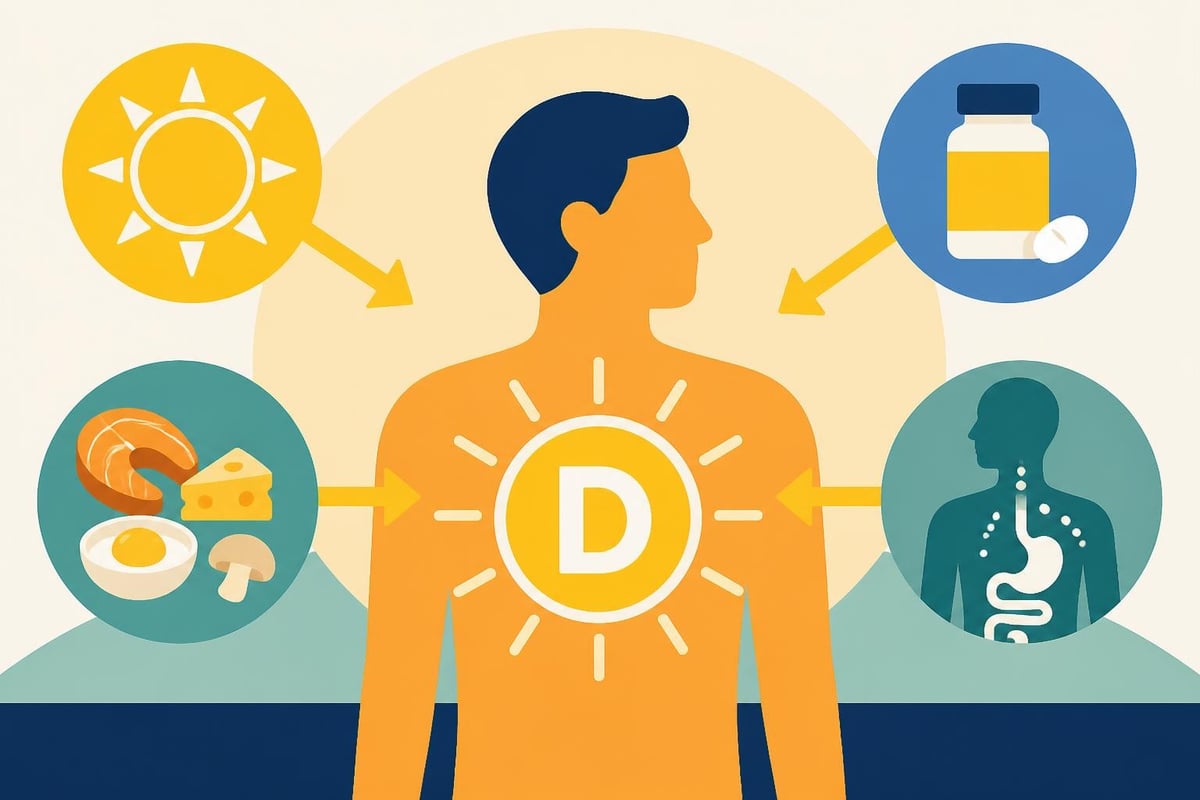
Vitamin D stands out as one of the most extensively studied nutrients, with compelling evidence supporting its role in bone health, immune function, and potentially dozens of other physiological processes. The challenge isn't whether vitamin D matters, it's identifying who needs supplementation and at what dose.
Populations most likely to benefit from vitamin D supplementation include:
- Adults living above 37° latitude (limited UVB exposure year-round)
- Individuals with darker skin pigmentation in northern climates
- Older adults with reduced skin synthesis capacity
- People who spend minimal time outdoors or consistently use sunscreen
- Those with conditions affecting fat absorption
The evidence landscape has evolved considerably. Research from the Cochrane Library demonstrates that vitamin D supplementation can reduce fracture risk in older adults, particularly when combined with adequate calcium intake. However, blanket supplementation for all adults remains controversial.
Dosage Considerations and Testing
Standard recommendations suggest 600-800 IU daily for most adults, but individual needs vary dramatically. A 25-hydroxyvitamin D blood test provides concrete data about your current status, with levels below 20 ng/mL indicating deficiency and 30-50 ng/mL representing sufficiency for most health outcomes.
Many experts now recommend higher doses (2,000-4,000 IU daily) for individuals with confirmed deficiency, though recent U.S. Preventive Services Task Force evaluations have found insufficient evidence to recommend universal supplementation for fracture prevention in community-dwelling adults without deficiency.
Omega-3 Fatty Acids: Marine-Source vs. Plant-Source
Omega-3 fatty acids, particularly EPA (eicosapentaenoic acid) and DHA (docosahexaenoic acid), represent another category where evidence strongly supports specific health benefits. These essential fats play structural roles in cell membranes and produce signaling molecules that regulate inflammation, blood clotting, and arterial function.
The distinction between marine-source omega-3s (fish oil, krill oil, algal oil) and plant-source ALA (alpha-linolenic acid from flaxseed, chia, walnuts) matters considerably. While ALA provides some benefits, the conversion rate to EPA and DHA in humans is inefficient, typically below 10% for EPA and even lower for DHA.
| Omega-3 Type | Primary Sources | Conversion Efficiency | Key Benefits |
|---|---|---|---|
| EPA/DHA | Fatty fish, fish oil, algal oil | N/A (direct form) | Cardiovascular health, inflammation, brain function |
| ALA | Flaxseed, chia seeds, walnuts | 5-10% to EPA, <1% to DHA | Basic essential fatty acid needs |
Who Benefits Most from Omega-3 Supplementation
Research consistently shows cardiovascular benefits for specific populations. Individuals with elevated triglycerides, those who rarely consume fatty fish, and people with inflammatory conditions often see measurable improvements with omega-3 supplementation at doses of 1,000-2,000 mg combined EPA/DHA daily.
The evidence for cognitive benefits remains mixed, though observational studies link higher omega-3 status with better cognitive aging. For those tracking essential fatty acid status, supplementation can normalize the omega-6 to omega-3 ratio, which has shifted dramatically in modern diets.
Magnesium: Addressing a Common Shortfall
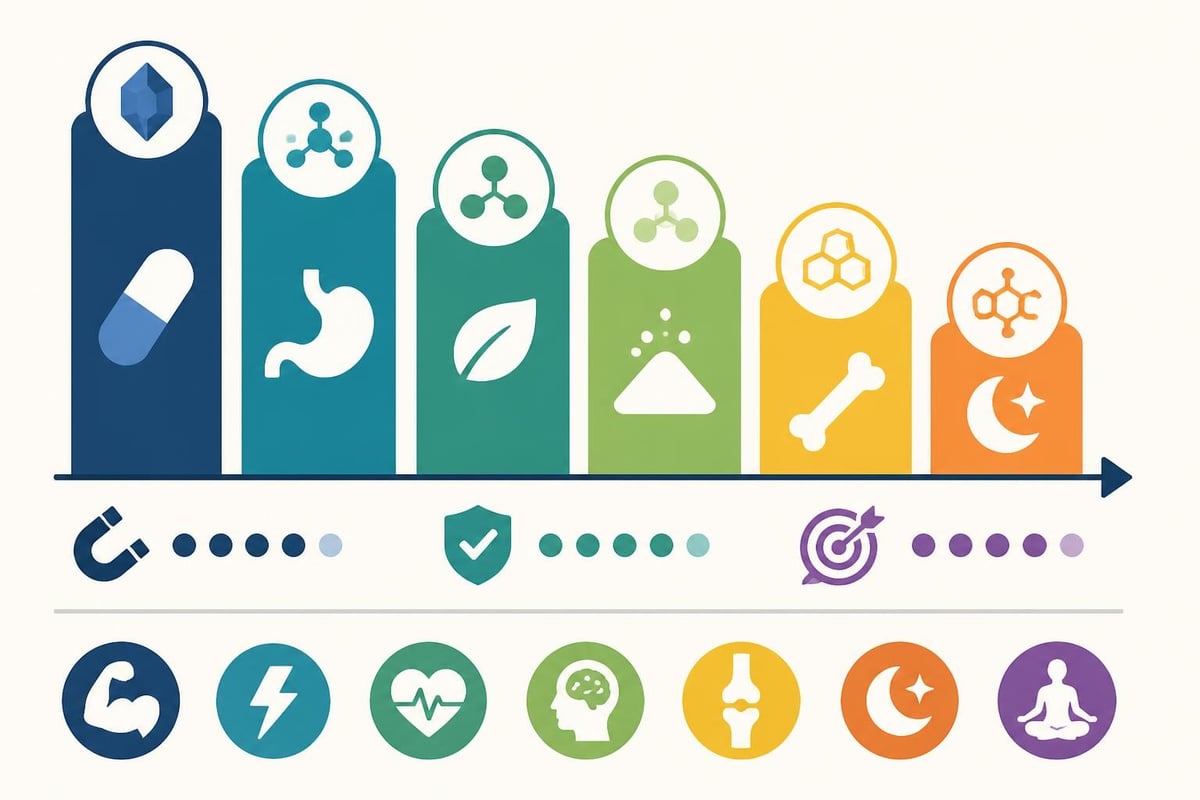
Magnesium participates in over 300 enzymatic reactions, yet surveys consistently show that nearly half of Americans consume less than the recommended amount. This widespread inadequacy makes magnesium one of the top supplements for health, particularly for individuals experiencing muscle cramps, sleep disturbances, or chronic stress.
The challenge with magnesium supplementation lies in selecting the right form. Different magnesium compounds vary dramatically in bioavailability and gastrointestinal tolerance.
Highly bioavailable forms include:
- Magnesium glycinate (well-absorbed, minimal laxative effect)
- Magnesium citrate (good absorption, mild laxative effect)
- Magnesium malate (beneficial for energy production)
- Magnesium threonate (superior blood-brain barrier penetration)
Forms to approach cautiously:
- Magnesium oxide (poor absorption, strong laxative effect)
- Magnesium sulfate (Epsom salts, primarily for topical use)
Research-Backed Applications
Studies demonstrate that magnesium supplementation can improve several health outcomes. Research shows benefits for muscle cramps, particularly in pregnant women and athletes. Evidence also supports magnesium's role in blood pressure regulation, with meta-analyses showing modest but consistent reductions in both systolic and diastolic pressure.
For individuals concerned about stress resilience, magnesium plays a regulatory role in the hypothalamic-pituitary-adrenal axis. Doses ranging from 200-400 mg of elemental magnesium daily align with most research protocols, though individual needs vary based on diet, medications, and health status.
B Vitamins: Beyond Energy Marketing
B vitamins represent a family of eight water-soluble nutrients that function as coenzymes in metabolism, energy production, and cellular function. While marketing often positions B vitamins as "energy boosters," the reality is more specific: they enable energy metabolism in people who are deficient, but provide minimal benefit to those with adequate status.
The B vitamin family and primary roles:
- B1 (Thiamine) - glucose metabolism, nerve function
- B2 (Riboflavin) - energy production, antioxidant recycling
- B3 (Niacin) - DNA repair, cellular signaling
- B5 (Pantothenic acid) - fatty acid synthesis
- B6 (Pyridoxine) - amino acid metabolism, neurotransmitter synthesis
- B7 (Biotin) - fatty acid synthesis, gene regulation
- B9 (Folate) - DNA synthesis, cell division
- B12 (Cobalamin) - nerve function, red blood cell formation
Who Needs B Vitamin Supplementation
Certain populations face elevated risk for B vitamin deficiency. Vitamin B12 deserves particular attention because absorption requires intrinsic factor (a stomach protein) that declines with age and certain medications. Adults over 50, vegetarians, vegans, and individuals taking metformin or proton pump inhibitors should monitor their vitamin B12 status regularly.
Folate requirements increase substantially during pregnancy, making supplementation critical for neural tube defect prevention. The recommended dose of 400-800 mcg daily should begin before conception when possible.
For most healthy adults eating varied diets, individual B vitamin supplementation offers minimal benefit. However, specific situations, such as malabsorption disorders, restrictive diets, or certain medications, create legitimate needs that supplementation addresses effectively.
Probiotics: Strain-Specific Benefits
The probiotic category has exploded in recent years, with products ranging from targeted therapeutic strains to broad-spectrum formulas containing dozens of species. The evidence base reveals a crucial principle: probiotic benefits are highly strain-specific, meaning results from one bacterial strain don't predict outcomes for another, even within the same species.
Research-supported applications include antibiotic-associated diarrhea prevention, irritable bowel syndrome symptom management, and immune function support. However, the specific strains matter tremendously.
| Condition | Evidence-Supported Strains | Typical Dose Range |
|---|---|---|
| Antibiotic-associated diarrhea | Saccharomyces boulardii, Lactobacillus rhamnosus GG | 5-10 billion CFU |
| IBS symptoms | Bifidobacterium infantis 35624, multi-strain combinations | 10-100 billion CFU |
| Immune support | Lactobacillus casei DN-114 001, Lactobacillus rhamnosus GG | 10-20 billion CFU |
Quality and Viability Concerns
Probiotic quality varies dramatically across products. Key considerations include strain documentation, CFU (colony-forming unit) counts at expiration rather than manufacture, appropriate packaging to prevent moisture and heat damage, and third-party verification of contents.
For targeted health outcomes like reducing diarrhea or improving immune function, selecting products with clinical evidence for the specific strain provides the strongest foundation for results.
Vitamin C: Separating Myth from Evidence
Vitamin C remains one of the most popular supplements despite mixed evidence for many claimed benefits. This water-soluble antioxidant supports immune function, collagen synthesis, iron absorption, and cellular protection from oxidative damage. The question isn't whether vitamin C is essential, it's whether supplementation beyond dietary intake provides meaningful health advantages.
Most adults obtain adequate vitamin C through diet, particularly those consuming fruits and vegetables regularly. Deficiency is rare in developed countries, though certain populations face elevated risk: smokers (who have increased vitamin C turnover), individuals with malabsorption conditions, and those with extremely limited produce intake.
Evidence for Supplementation
The common cold research tells an interesting story. While regular vitamin C supplementation doesn't prevent colds in the general population, it may reduce duration by about 8% in adults and 14% in children. Harvard Health reviews note that benefits appear more pronounced in people under heavy physical stress, such as marathon runners.
For wound healing, vitamin C plays a documented role in collagen formation, making supplementation potentially beneficial for individuals with slow healing or inadequate dietary intake. Doses of 500-1,000 mg daily appear in most research, though amounts exceeding 2,000 mg daily increase the risk of gastrointestinal discomfort without additional benefit.

Calcium: Balancing Bone Health and Cardiovascular Concerns
Calcium supplementation recommendations have evolved as researchers uncovered complex relationships between supplemental calcium, bone health, and cardiovascular risk. While calcium's role in bone structure is unquestionable, the optimal delivery method (diet vs. supplements) and appropriate dose ranges continue generating debate.
Key considerations for calcium supplementation:
- Total calcium intake (diet plus supplements) should not exceed 2,000-2,500 mg daily
- Doses above 500 mg per serving reduce absorption efficiency
- Timing with or without food depends on the calcium form
- Adequate vitamin D status improves calcium absorption and utilization
Current Evidence and Recommendations
Research shows that calcium supplementation, particularly when combined with vitamin D, can reduce fracture risk in older adults with low dietary intake. However, some studies have raised concerns about cardiovascular events associated with high-dose calcium supplements, though the evidence remains inconsistent.
The current consensus favors obtaining calcium primarily through dietary sources (dairy products, leafy greens, fortified foods) with supplementation reserved for individuals who cannot meet needs through diet. When supplementation is appropriate, doses of 500-600 mg once or twice daily, taken with food, optimize absorption while minimizing potential risks.
Iron: When Supplementation Matters Most
Iron deficiency remains the most common nutritional deficiency worldwide, affecting approximately 1.6 billion people globally according to the World Health Organization. Despite this prevalence, iron supplementation requires careful consideration because excess iron can cause oxidative stress and gastrointestinal distress.
High-risk populations for iron deficiency include:
- Menstruating women, particularly those with heavy periods
- Pregnant women (increased requirements for fetal development)
- Vegetarians and vegans (plant iron is less bioavailable)
- Endurance athletes (increased losses through sweat and GI tract)
- Individuals with bleeding disorders or regular blood donors
Testing Before Supplementing
Unlike many nutrients where supplementation carries minimal risk, iron requires verification through blood testing before beginning supplementation. A complete blood count (CBC) and ferritin level provide essential information about iron status and stores.
Supplementation typically involves 18-65 mg of elemental iron daily, though doses vary based on severity of deficiency. Taking iron with vitamin C enhances absorption, while calcium, tea, and coffee reduce it. For individuals experiencing muscle weakness or unusual fatigue, iron deficiency represents one possible underlying cause worth investigating.
Zinc: Immune Function and Beyond
Zinc functions in over 300 enzymatic reactions, supporting immune function, wound healing, protein synthesis, and DNA formation. This essential mineral typically receives less attention than its more famous counterparts, yet zinc deficiency can significantly impact health outcomes.
The evidence for zinc supplementation centers primarily on immune support and specific conditions. Research demonstrates that zinc lozenges, when started within 24 hours of symptom onset, may reduce cold duration by approximately one day. For individuals with confirmed zinc deficiency, supplementation improves immune function, wound healing, and nail strength.
Daily zinc intake recommendations sit at 8-11 mg for adults, with tolerable upper limits of 40 mg. Chronic high-dose zinc supplementation can interfere with copper absorption, creating a secondary deficiency. For most individuals, a balanced diet provides adequate zinc, though vegetarians face higher requirements due to phytates in plant foods that reduce zinc absorption.
Making Informed Supplement Choices
Identifying which supplements align with your health goals requires moving beyond marketing claims to examine actual evidence, appropriate dosing, and individual needs. The top supplements for health aren't universal, they vary based on diet quality, health status, geographic location, age, and specific health outcomes you're targeting.
When evaluating supplement options, several factors deserve consideration beyond the nutrient itself. Third-party testing from organizations like USP, NSF, or ConsumerLab provides verification that products contain stated ingredients at claimed doses. The form of the nutrient affects bioavailability and tolerability. Dosage alignment with research protocols and safety limits ensures you're taking amounts supported by evidence.
Rather than assembling a supplement regimen based on individual product marketing, consider taking a structured approach. If you're not sure which supplements align with your specific health goals, taking a quick quiz can help narrow options based on your individual situation and priorities.
The supplement industry will continue evolving, with new products and claims emerging regularly. Grounding decisions in evidence, understanding your baseline nutrient status through appropriate testing, and recognizing that supplements complement rather than replace healthy dietary patterns positions you to make choices that genuinely support your health goals rather than simply enriching supplement manufacturers.
Understanding Supplement Quality and Verification
Product quality represents a critical consideration often overlooked in discussions about the top supplements for health. Unlike prescription medications, supplements face less stringent manufacturing oversight, creating significant variability in actual contents, purity, and potency across brands.
Several quality indicators help distinguish reliable products from questionable ones. Good Manufacturing Practices (GMP) certification ensures facilities follow standardized production protocols. Third-party testing verifies that bottles contain what labels claim, without harmful contaminants. Transparent labeling includes specific forms of nutrients (not just generic names), clear dosage information, and appropriate warnings.
Red flags that should prompt skepticism:
- Proprietary blends that hide individual ingredient amounts
- Claims that seem too good to be true or promise disease cures
- Extremely low prices that suggest quality compromises
- Lack of contact information or physical company address
- No batch or lot numbers for traceability
For individuals seeking evidence-based guidance, platforms like DoseRank evaluate supplements across multiple dimensions, including the strength of research evidence, dose appropriateness, manufacturer trustworthiness, and value proposition, helping consumers identify products that deliver on their promises.
Personalization: Beyond One-Size-Fits-All Recommendations
The future of supplementation increasingly emphasizes personalization rather than generic recommendations. While population-level guidance provides useful starting points, individual factors, including genetics, existing health conditions, medications, dietary patterns, and specific health goals, dramatically influence who benefits from which supplements.
Nutrient requirements vary across life stages. Pregnant women need substantially more folate and iron. Older adults absorb vitamin B12 less efficiently. Athletes may require higher levels of certain minerals lost through sweat. These individual variations mean that identifying your top supplements for health requires assessment of your unique situation rather than following universal advice.
Several approaches to personalization have emerged. Nutrigenetic testing examines genetic variants that affect nutrient metabolism, though clinical utility remains limited for most individuals. Blood testing provides direct measurement of current nutrient status for vitamins D, B12, iron, and other measurable markers. Dietary analysis reveals specific gaps between intake and requirements.
The most practical personalization approach combines awareness of your risk factors (age, diet type, health conditions, medications), attention to symptoms potentially linked to deficiencies, and periodic testing for nutrients where deficiency is common in your demographic group. This targeted approach avoids both the shotgun strategy of taking everything "just in case" and the opposite extreme of ignoring legitimate needs.
Choosing the right supplements means balancing scientific evidence, individual health status, and practical considerations like quality and value. Rather than relying on trends or marketing, focus on nutrients where you face legitimate risk for inadequacy or have specific health goals supported by research. DoseRank simplifies this process by ranking supplements across evidence, dosage accuracy, trust, value, and availability, helping you identify options genuinely suited to your needs without wading through thousands of products and conflicting claims.