
DOSERANK guide
Top Ranked Creatine: Evidence-Based Selection Guide
Published
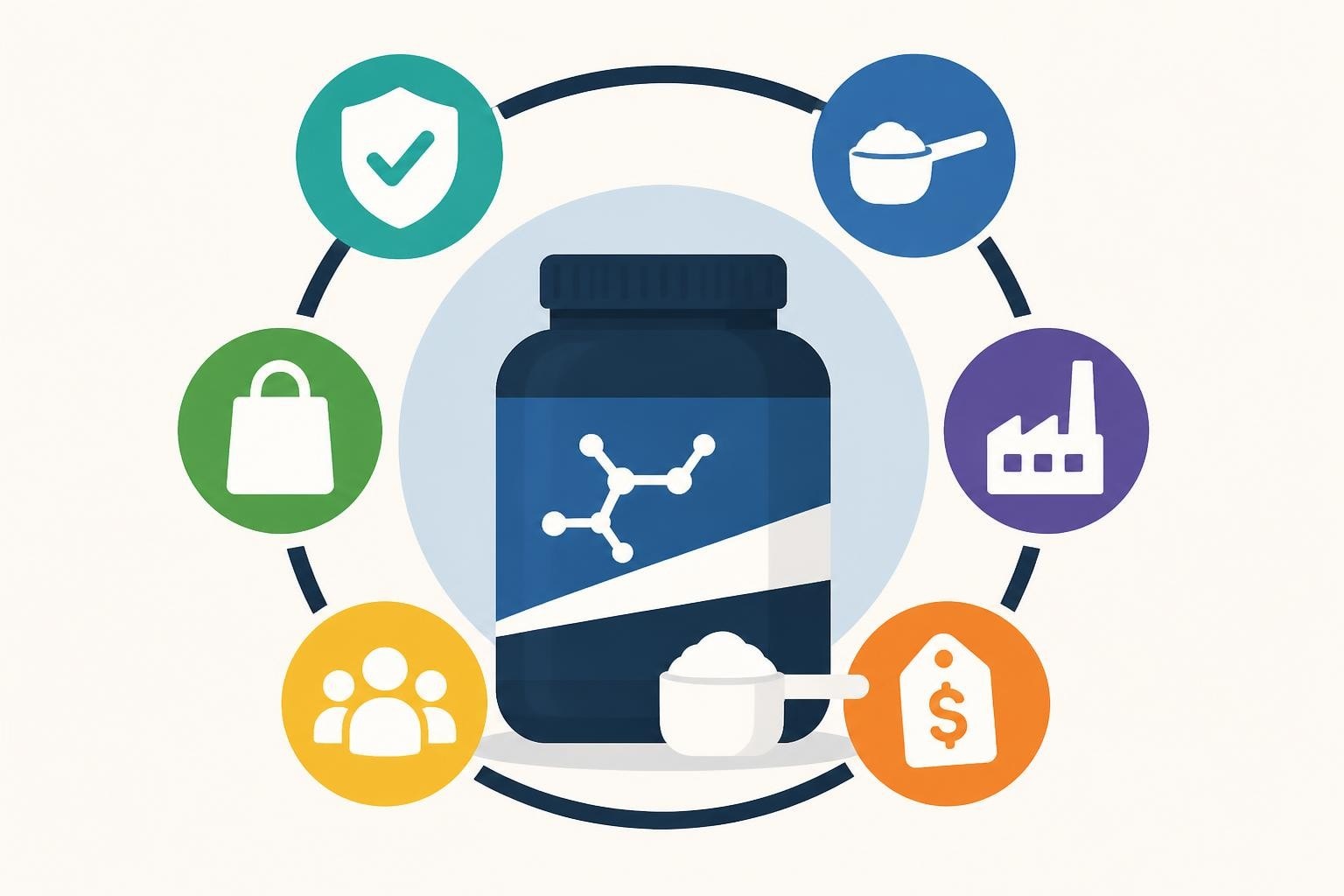
Creatine stands as one of the most extensively researched supplements in sports nutrition, with decades of clinical evidence supporting its effectiveness for strength, power, and recovery. Yet navigating the marketplace to identify truly top ranked creatine products requires understanding what separates genuinely effective formulations from marketing hype. The challenge isn't just choosing a creatine supplement, but selecting one that delivers the right dose, maintains purity standards, comes from trustworthy manufacturers, and offers fair value. This comprehensive guide examines the critical factors that define excellence in creatine supplementation and how to make informed decisions aligned with current scientific understanding.
Understanding Creatine Quality Benchmarks
The foundation of any top ranked creatine product begins with the raw material itself. Creatine monohydrate remains the gold standard, backed by more research than any alternative form on the market. When evaluating quality, several concrete benchmarks separate exceptional products from mediocre ones.
Purity Standards and Testing Protocols
Manufacturing quality directly impacts both safety and effectiveness. The most reliable creatine supplements undergo third-party testing to verify:
- Minimum 99.5% purity of creatine monohydrate
- Absence of contaminants including heavy metals, banned substances, and microbial impurities
- Accurate labeling that matches actual creatine content per serving
- Stability testing confirming the product maintains potency throughout shelf life
Third-party certifications from NSF Certified for Sport, Informed-Sport, or USP provide independent verification that goes beyond manufacturer claims. Research-backed reviews emphasize the importance of these certifications, particularly for athletes subject to drug testing protocols.

Forms and Formulations Worth Considering
While numerous creatine variants exist in the marketplace, clinical evidence overwhelmingly supports creatine monohydrate as the most effective and cost-efficient option. Alternative forms like creatine hydrochloride, buffered creatine, or creatine ethyl ester often carry premium pricing without demonstrating superior results in controlled studies.
| Creatine Form | Evidence Support | Typical Cost | Bioavailability |
|---|---|---|---|
| Monohydrate | Extensive (500+ studies) | Low | High |
| Hydrochloride | Limited | High | Similar to monohydrate |
| Buffered | Minimal | Medium-High | No proven advantage |
| Micronized Monohydrate | Strong | Low-Medium | High, improved mixability |
The data clearly shows that micronized creatine monohydrate offers the best combination of research support, absorption, and value. Comprehensive comparisons consistently rank unflavored micronized monohydrate at the top for these reasons.
Evidence-Based Dosing Protocols
Proper dosing represents a critical yet frequently misunderstood aspect of creatine supplementation. The top ranked creatine products provide clear, research-backed dosing guidance that matches what clinical studies actually demonstrate.
Loading Versus Maintenance Approaches
Two primary dosing strategies have emerged from the scientific literature:
Loading Phase Protocol:
- Consume 20-25 grams daily (split into 4-5 doses) for 5-7 days
- Transition to 3-5 grams daily for maintenance
- Saturates muscle creatine stores rapidly
- Delivers performance benefits within one week
Standard Maintenance Protocol:
- Begin with 3-5 grams daily from day one
- Continue indefinitely at this dose
- Reaches muscle saturation in 3-4 weeks
- Avoids potential digestive discomfort from high initial doses
Both approaches ultimately achieve the same muscle creatine saturation, making the choice largely one of personal preference regarding timeline and tolerance. Safety research published in 2026 confirms that both protocols demonstrate excellent safety profiles across diverse populations.
Timing and Absorption Optimization
While creatine timing proves less critical than consistent daily intake, certain practices may enhance absorption and utilization. Consuming creatine with carbohydrates or a complete meal can improve uptake through insulin-mediated transport mechanisms. However, the most important factor remains taking the appropriate dose every single day, regardless of workout schedule.
Athletes and fitness enthusiasts seeking personalized supplement guidance can benefit from targeted assessment tools. For those unsure about their specific creatine needs alongside other supplements, taking a 60-second quiz helps narrow options based on individual goals and circumstances.
Evaluating Manufacturer Trust and Transparency
The supplement industry operates with varying degrees of regulatory oversight, making manufacturer reputation a crucial factor when identifying top ranked creatine options. Trustworthy companies demonstrate specific characteristics that signal commitment to quality and customer safety.
Manufacturing Practice Standards
Look for manufacturers who maintain:
- GMP certification (Good Manufacturing Practices) from FDA or international equivalents
- Transparent sourcing with disclosed raw material origins
- Batch testing documentation available to consumers upon request
- Clear contact information and responsive customer service
Companies that invest in these practices typically charge slightly more but deliver measurably higher quality and consistency. The price difference often amounts to pennies per serving while significantly reducing contamination risk.
Research Backing and Scientific Transparency
Top-tier creatine brands reference specific studies supporting their formulations rather than making vague health claims. They distinguish between what research conclusively demonstrates versus preliminary findings. Evidence-based research shows that creatine monohydrate benefits extend to muscle strength, power output, exercise capacity, and potentially cognitive function.

Performance Applications and Outcome Tracking
Understanding how creatine actually improves performance helps evaluate whether products deliver meaningful results. The top ranked creatine supplements support measurable outcomes across multiple domains beyond just muscle building.
Strength and Power Enhancement
Creatine supplementation consistently demonstrates 5-15% improvements in:
- Maximum strength across major compound movements
- Power output during explosive efforts
- Total work capacity in high-intensity interval protocols
- Sprint performance in repeated-effort activities
These improvements stem from creatine's role in rapidly regenerating ATP (adenosine triphosphate), the primary energy currency for muscular contractions. Cycling-specific research confirms benefits for sprint efforts even in endurance-oriented athletes.
For individuals focused on building strength, tracking outcomes like muscle mass provides concrete metrics to assess supplement effectiveness. Similarly, those experiencing exercise-related issues can monitor muscle cramps to ensure proper hydration alongside creatine use.
Cognitive and Neurological Benefits
Emerging evidence suggests creatine's benefits extend beyond physical performance. Recent research on brain health indicates potential improvements in memory, processing speed, and mental fatigue resistance, particularly during sleep deprivation or cognitive stress.
The brain requires substantial energy to function optimally, and creatine helps maintain cellular energy reserves in neural tissue. While this research remains newer than the exercise performance literature, the safety profile makes creatine an attractive option for those seeking cognitive support. Individuals interested in mental performance might also track memory and alertness as relevant outcomes.
Value Assessment Beyond Price Per Serving
True value extends beyond simply finding the cheapest creatine per gram. The top ranked creatine products balance cost with quality, purity, and convenience factors that impact long-term adherence and results.
Cost-Effectiveness Calculation
When comparing products, calculate the actual cost per effective serving rather than package price:
Example Comparison:
| Product | Package Price | Servings | Creatine per Serving | Cost per 5g |
|---|---|---|---|---|
| Brand A | $29.99 | 60 | 5g | $0.50 |
| Brand B | $19.99 | 30 | 3g | $0.67 |
| Brand C | $39.99 | 100 | 5g | $0.40 |
Brand C delivers the best value despite the higher upfront cost. This type of analysis reveals that bulk purchasing from reputable manufacturers typically offers superior economics.
Additional Formulation Considerations
Some top ranked creatine products include complementary ingredients that may enhance specific goals:
- Electrolytes to support hydration during loading phases
- Beta-alanine for additional performance benefits in certain training contexts
- Betaine which shares metabolic pathways with creatine
However, single-ingredient creatine monohydrate often provides the most flexibility and value, allowing you to customize your supplement stack based on evolving needs. Rankings that assess multiple factors help identify products that optimize value across purity, testing, and cost dimensions.
Popularity Indicators and Market Trends
While popularity shouldn't be the sole decision factor, market trends often reflect aggregate consumer experience and satisfaction. The top ranked creatine products consistently earn positive reviews across multiple platforms and maintain strong sales positions over extended periods.
Consumer Feedback Patterns
Reliable creatine supplements generate specific types of positive feedback:
- Noticeable strength gains within 2-4 weeks
- Excellent mixability without clumping or residue
- No digestive discomfort at recommended doses
- Measurable improvements in workout performance metrics
Negative reviews for even top-ranked products typically reflect unrealistic expectations rather than product quality issues. Creatine won't build muscle without training, and results require consistent use over weeks rather than days.
Long-Term Market Presence
Brands that maintain market leadership across multiple years typically do so through consistent quality rather than aggressive marketing. These companies invest in relationships with the sports nutrition community, sponsor independent research, and maintain transparent communication about their manufacturing processes.
Availability and Purchasing Considerations
Even the highest quality creatine provides no benefit if you can't access it reliably. The top ranked creatine products maintain consistent availability through multiple retail channels while avoiding suspicious distribution practices.
Retail Channel Reliability
Purchase creatine from established retailers with proper storage and handling:
- Direct from manufacturer ensures freshest product and authenticity
- Major supplement retailers (online and brick-and-mortar) maintain quality standards
- Pharmacy chains stock limited but typically high-quality options
- General marketplaces require careful seller verification
Avoid deeply discounted products from unknown sellers, as these may involve counterfeit supplements, expired inventory, or improper storage that degrades product quality.
Stock Consistency and Batch Variations
Top manufacturers maintain steady production schedules that prevent extended stockouts while ensuring each batch meets identical specifications. Frequent availability issues may indicate manufacturing problems or inconsistent quality control.
When you find a creatine product that works well for you, purchasing a 3-6 month supply makes sense given the ingredient's excellent stability. Properly stored creatine monohydrate maintains potency for years when kept dry and away from extreme temperatures.
Safety Profile and Risk Management
The top ranked creatine supplements demonstrate not just effectiveness but also exceptional safety records across diverse populations. Double-blind research confirms creatine's safety profile while documenting its performance benefits.
Documented Safety Across Populations
Decades of research involving thousands of participants establish creatine monohydrate as one of the safest supplements available:
- No adverse kidney effects in healthy individuals
- No liver toxicity at recommended doses
- No hormonal disruptions or endocrine effects
- Minimal side effects beyond occasional digestive discomfort during loading
The 2026 systematic review on kidney health specifically addressed persistent concerns, finding no evidence that creatine supplementation harms renal function in healthy people or those with existing kidney disease when used appropriately.
Individual Considerations and Contraindications
While generally safe, certain individuals should exercise caution or consult healthcare providers:
- Those with pre-existing kidney conditions should discuss use with nephrologists
- Individuals taking medications affecting kidney function require medical guidance
- Pregnant or nursing women should await more research before supplementing
- People with rare metabolic disorders affecting creatine metabolism need specialized evaluation
Most healthy adults can begin creatine supplementation safely, though starting with the maintenance dose rather than loading may reduce the minor digestive effects some people experience.
Integration with Broader Supplement Strategies
The top ranked creatine products work most effectively when integrated thoughtfully into comprehensive nutrition and training approaches. Creatine isn't a standalone solution but rather one component of performance optimization.
Complementary Supplement Combinations
Creatine pairs effectively with several other evidence-based supplements:
For Strength Athletes:
- Protein powder for muscle protein synthesis
- Vitamin D for muscle function and testosterone support
- Omega-3 fatty acids for inflammation management
For Endurance Athletes:
- Beta-alanine for buffering capacity
- Nitrate sources for cardiovascular efficiency
- Electrolytes for hydration status
For Cognitive Support:
- Caffeine for acute mental performance
- L-theanine for focused alertness without jitters
- B-vitamins for energy metabolism
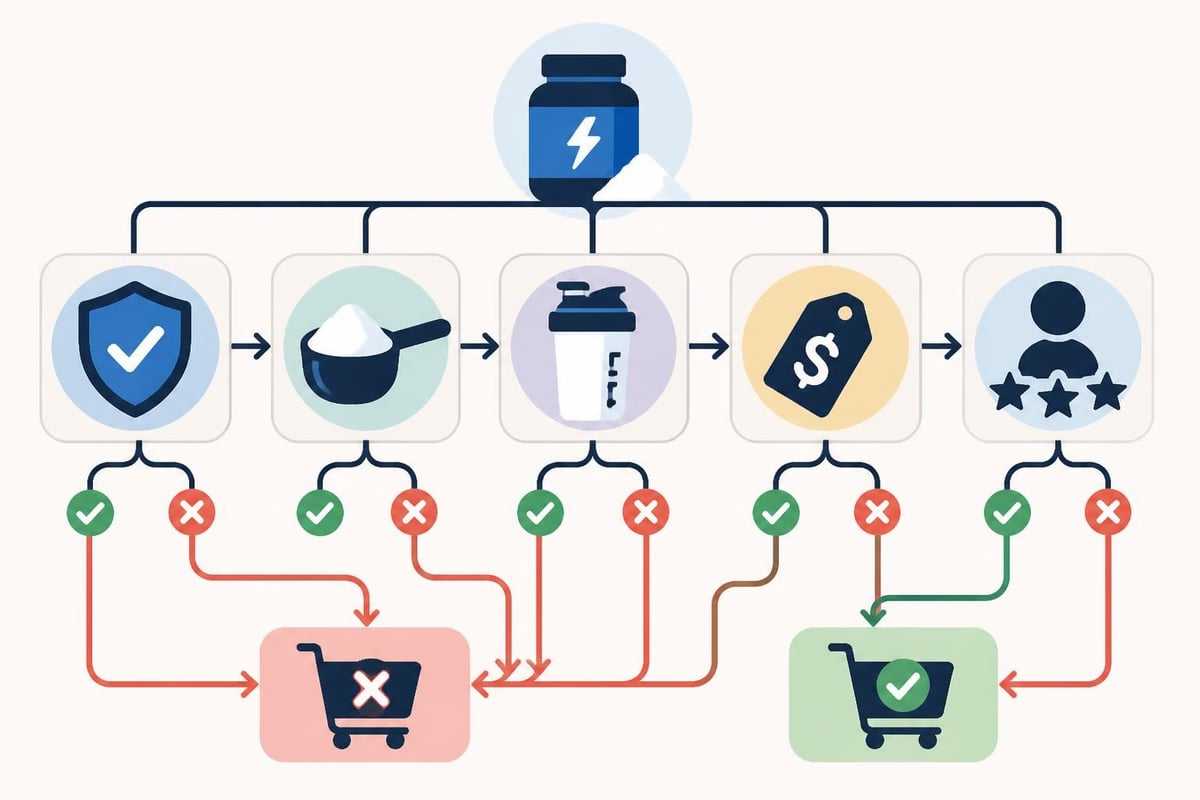
Understanding how various supplements work together helps build effective stacks tailored to specific goals. The DoseRank methodology evaluates supplements across evidence, dosing, trust, value, popularity, and availability to help users make these complex decisions.
Nutrition and Training Foundations
No amount of high-quality creatine compensates for inadequate training stimulus or poor nutritional habits. The supplement amplifies results from solid fundamentals rather than creating results independently:
- Consume adequate protein (1.6-2.2g per kg body weight)
- Maintain progressive overload in resistance training
- Ensure sufficient sleep for recovery and adaptation
- Stay consistently hydrated throughout the day
Athletes often benefit from tracking related health markers like cognitive function to assess how supplementation supports overall performance capacity beyond just physical metrics.
Specialized Applications and Emerging Research
Beyond the established benefits for exercise performance, research continues exploring additional applications where top ranked creatine supplementation may provide value.
Aging and Muscle Preservation
Sarcopenia (age-related muscle loss) represents a significant health concern for older adults. Creatine supplementation combined with resistance training shows promise for preserving muscle mass and function in aging populations. The combination appears more effective than training alone, supporting both strength maintenance and functional independence.
Neurological and Mental Health Applications
Preliminary research investigates creatine's potential role in:
- Reducing mental fatigue in sleep-deprived individuals
- Supporting mood stability in certain populations
- Protecting against cognitive decline associated with aging
- Enhancing recovery from mild traumatic brain injuries
While these applications require more research before definitive recommendations emerge, the established safety profile makes creatine an attractive candidate for further investigation in these domains.
Vegetarian and Vegan Populations
Individuals following plant-based diets consume virtually no dietary creatine, as it occurs primarily in animal products. This makes supplementation particularly relevant for vegetarian and vegan athletes, who often show greater performance improvements from creatine compared to omnivores due to lower baseline muscle stores.
Studies consistently demonstrate that plant-based athletes respond exceptionally well to creatine monohydrate supplementation, often experiencing the upper end of documented strength and power improvements.
Selecting a truly top ranked creatine supplement requires evaluating multiple factors beyond marketing claims, from third-party testing and dosing accuracy to manufacturer transparency and real-world value. The most effective products combine pure creatine monohydrate with trustworthy sourcing, fair pricing, and consistent availability. DoseRank helps cut through the complexity by ranking supplements across evidence strength, dose fit, trust, value, popularity, and availability, then tailoring recommendations to your specific goals through a data-driven approach that puts your health outcomes first.