
DOSERANK guide
Safety of Supplements: What You Need to Know in 2026
Published
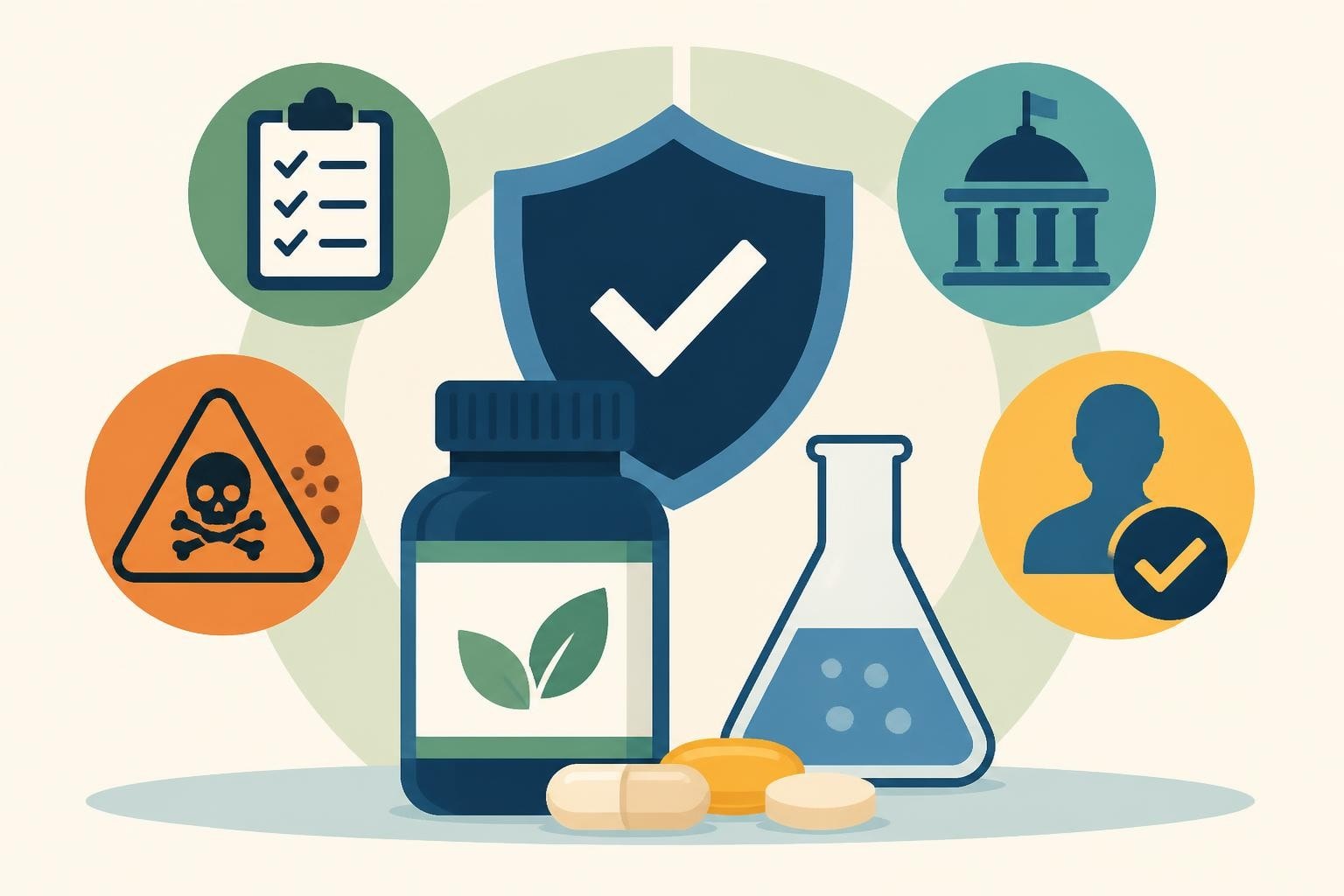
The dietary supplement industry has grown into a $150 billion global market, with millions of Americans taking vitamins, minerals, herbs, and other products daily. Yet despite their widespread use, questions about the safety of supplements remain at the forefront of consumer concerns. Unlike prescription medications, supplements face less stringent regulatory oversight before reaching store shelves, creating a landscape where quality, purity, and efficacy can vary dramatically between brands and products. Understanding how to evaluate supplement safety has become essential for anyone seeking to support their health without exposing themselves to unnecessary risks.
Regulatory Framework and Pre-Market Requirements
The Food and Drug Administration regulates dietary supplements under the Dietary Supplement Health and Education Act of 1994, which treats these products more like foods than drugs. This distinction carries significant implications for the safety of supplements. Manufacturers are not required to prove safety or efficacy before selling their products, though they must ensure their offerings are safe and properly labeled.
Good Manufacturing Practices
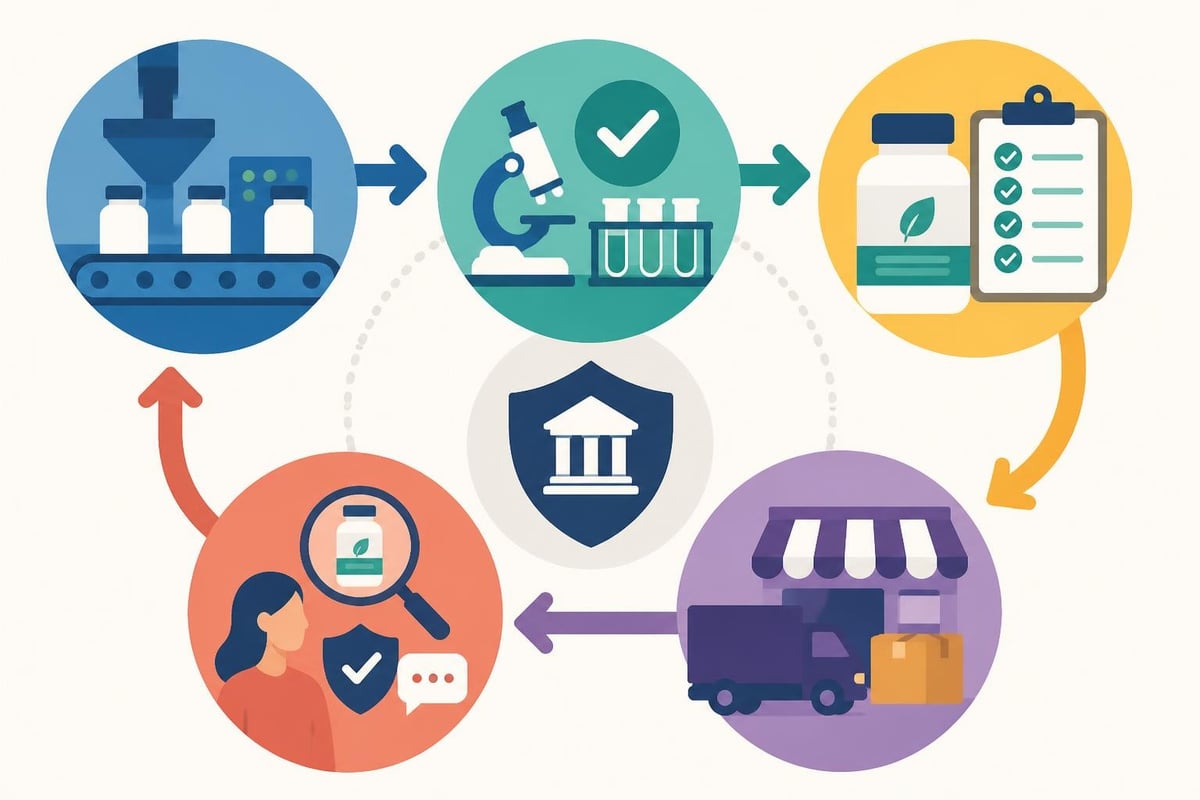
Current Good Manufacturing Practices (cGMP) regulations require supplement manufacturers to establish quality control procedures. These standards cover:
- Identity testing of raw materials
- Purity verification and contaminant screening
- Strength and composition accuracy
- Proper labeling and packaging controls
- Batch record documentation
However, enforcement remains inconsistent. The FDA inspects facilities on a rotating basis, but resource limitations mean many manufacturers operate for years between inspections. This regulatory gap places substantial responsibility on consumers to verify quality independently.
Post-Market Surveillance
The FDA primarily acts after problems emerge through its adverse event reporting system. When serious safety concerns arise, the agency can issue warnings, request recalls, or in extreme cases, remove products from the market. This reactive approach means that unsafe supplements may circulate widely before intervention occurs, highlighting a fundamental challenge in ensuring the safety of supplements across the industry.
Contamination and Adulteration Risks
One of the most significant threats to the safety of supplements stems from contamination with undeclared ingredients, heavy metals, microorganisms, or prescription drugs. Recent investigations have revealed troubling patterns across multiple product categories.
Heavy Metal Contamination
Protein powders, herbal products, and certain mineral supplements have tested positive for concerning levels of lead, arsenic, cadmium, and mercury. A Consumer Reports investigation revealed high levels of lead in protein powders, raising alarm about products marketed primarily to health-conscious consumers. These contaminants enter supplements through:
- Contaminated soil where plants are grown
- Processing equipment and facilities
- Packaging materials that leach metals
- Intentional addition of low-quality raw materials
| Contaminant | Common Sources | Health Risks |
|---|---|---|
| Lead | Herbal supplements, protein powders | Neurological damage, developmental delays |
| Arsenic | Rice protein, certain herbs | Cancer risk, cardiovascular disease |
| Cadmium | Cocoa-based products, some minerals | Kidney damage, bone fragility |
| Mercury | Fish oil supplements | Neurological impairment, developmental harm |
Pharmaceutical Adulterants
Sexual enhancement supplements, weight loss products, and muscle-building formulas frequently contain undeclared prescription drugs or their analogs. These hidden ingredients pose serious risks, particularly for individuals taking medications or managing chronic conditions. The FDA regularly updates its tainted supplements database, which currently lists hundreds of products containing hidden pharmaceutical ingredients.
Dosage Concerns and Nutrient Interactions
Even pure, accurately labeled supplements can compromise safety when taken inappropriately. The safety of supplements depends heavily on proper dosing and understanding how nutrients interact with each other and with medications.
Upper Intake Levels
The National Academies establish Tolerable Upper Intake Levels (ULs) for many nutrients, representing the maximum daily intake unlikely to cause adverse health effects. Exceeding these limits, particularly over extended periods, creates genuine health risks:
- Vitamin A: Doses above 10,000 IU daily may cause liver damage and birth defects
- Vitamin D: Excessive intake can lead to hypercalcemia and kidney function impairment
- Iron: High doses increase oxidative stress and gastrointestinal distress
- Selenium: Toxicity manifests as hair loss, brittle nails, and neurological symptoms
Many supplements contain doses at or near ULs, and consumers taking multiple products risk cumulative exposures that exceed safe limits. This concern intensifies when people consume fortified foods alongside supplements without tracking total nutrient intake.
Drug-Nutrient Interactions
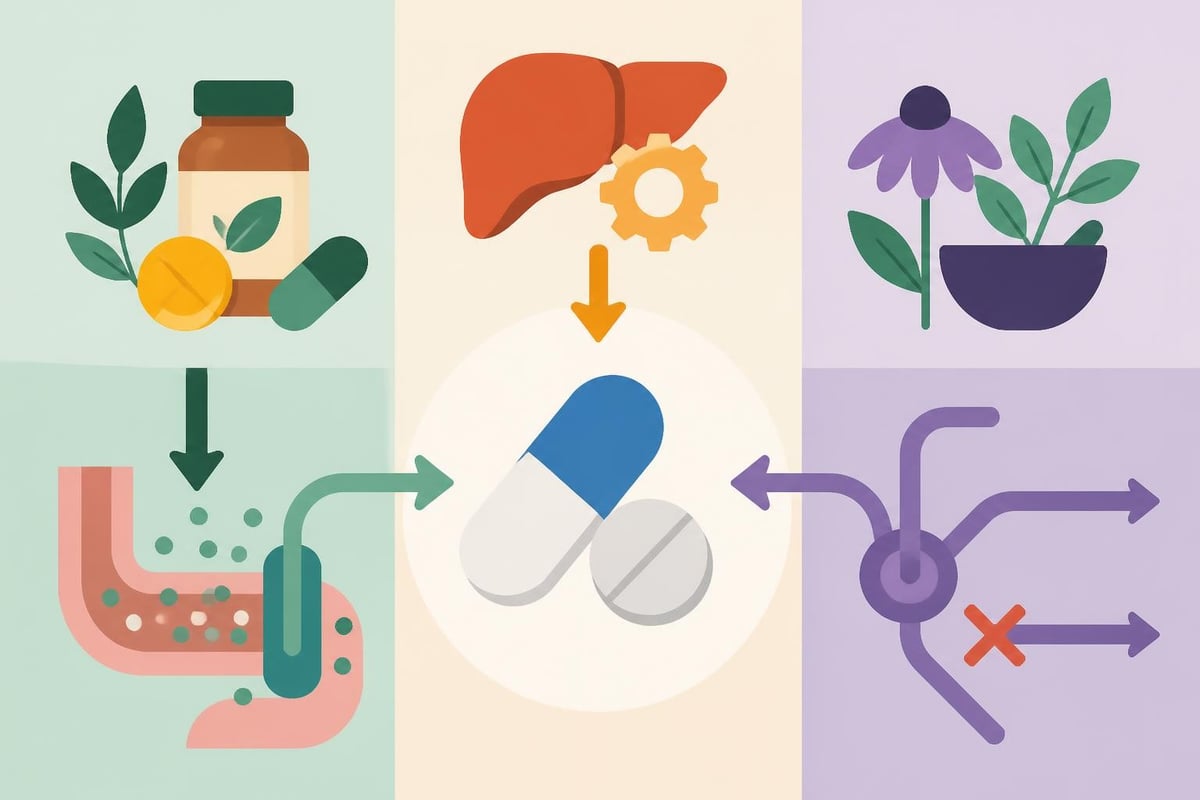
Certain supplements interfere with medication absorption, metabolism, or elimination. St. John's wort accelerates the breakdown of numerous prescription drugs, including birth control pills, antidepressants, and immunosuppressants. Vitamin K interferes with warfarin, while calcium and iron reduce antibiotic effectiveness when taken simultaneously.
Healthcare providers often lack complete information about patients' supplement use because many individuals don't disclose these products during medical appointments. This communication gap represents a critical vulnerability in ensuring the safety of supplements within the broader context of patient care.
Third-Party Testing and Certification Programs
Independent verification has emerged as the most reliable method for consumers to assess product quality. Several organizations offer certification programs that test supplements for purity, potency, and contaminants.
Major Certification Bodies
NSF International operates multiple certification programs, including NSF Certified for Sport, which screens for banned substances and verifies label accuracy. USP (United States Pharmacopeia) provides verification that products contain the ingredients listed on labels in declared potencies, meet purity standards, and are manufactured under quality conditions.
ConsumerLab.com independently purchases and tests supplements, publishing results that identify products meeting quality standards and those failing various criteria. Informed Choice and Informed Sport focus on athletes' needs, testing for prohibited substances.
| Certification | Focus Areas | Testing Frequency | Database Access |
|---|---|---|---|
| NSF Certified for Sport | Banned substances, label accuracy | Every production run | Public registry |
| USP Verified | Purity, potency, manufacturing | Regular audits | Public database |
| ConsumerLab | Independent quality testing | Periodic reviews | Subscription required |
| Informed Choice | Sports anti-doping | Batch testing | Public registry |
Limitations of Certification
While third-party testing significantly improves the safety of supplements, these programs have constraints. Certification verifies that products meet stated claims at the time of testing, but quality can vary between batches. Testing focuses primarily on identity, purity, and potency rather than efficacy or appropriateness for specific health conditions.
Certification costs create barriers for smaller manufacturers, potentially limiting consumer access to quality products from emerging brands. Additionally, no certification program can guarantee absolute safety, particularly regarding long-term effects or individual sensitivity reactions.
Herbal Supplements and Botanical Safety
Plant-based supplements present unique safety challenges due to their chemical complexity, variation in growing conditions, and potential for misidentification. Systematic reviews of adverse events in pharmacovigilance databases have documented thousands of reports linking herbal medicines to liver injury, allergic reactions, and other serious outcomes.
Species Verification and Substitution
DNA testing has revealed widespread substitution in herbal products, where cheaper or more readily available species replace the labeled botanical. This practice threatens safety when:
- The substitute contains different active compounds
- Allergens or toxins present in the substitute species trigger reactions
- Traditional use knowledge doesn't apply to the substitute
- Dosing recommendations become inappropriate
Ginkgo biloba products have been found to contain colchicine-producing plants, while some ginseng supplements contain potentially toxic relatives of the intended species.
Variability in Active Constituents
Unlike synthetic compounds with fixed chemical structures, plant materials contain hundreds of phytochemicals in varying concentrations. Growing conditions, harvest timing, plant part used, and extraction methods all influence final product composition. This variability complicates both efficacy and safety assessments, as the bioactive compounds responsible for benefits may differ from those causing adverse effects.
Standardization to marker compounds attempts to address this issue, but markers don't always correlate with therapeutic activity or safety profiles. The European Food Safety Authority provides guidance on food supplement safety, including assessment frameworks for botanical ingredients that account for traditional use evidence and toxicological data.
Evidence-Based Decision Making
Informed supplement choices require evaluating scientific evidence for both benefits and risks. The National Center for Complementary and Integrative Health offers resources for understanding research quality and identifying misleading claims.
Hierarchy of Evidence
Not all studies carry equal weight when assessing the safety of supplements:
- Systematic reviews and meta-analyses synthesize findings across multiple studies
- Randomized controlled trials minimize bias and establish causation
- Observational studies identify associations but can't prove cause and effect
- Case reports highlight individual experiences but lack generalizability
- In vitro and animal studies provide mechanistic insights but don't translate directly to humans
Marketing claims often cherry-pick favorable studies while ignoring contradictory evidence or relying on preliminary research that hasn't been replicated. Critical evaluation requires examining the full body of evidence, study quality, funding sources, and conflicts of interest.
Understanding Your Specific Needs
Individual factors dramatically influence both supplement needs and safety considerations. Age, sex, pregnancy status, existing health conditions, medications, and genetic variations all affect how the body processes and responds to supplements. What proves safe and beneficial for one person may be inappropriate or harmful for another.
Platforms like DoseRank address this challenge by evaluating supplements based on evidence, dose fit, trust, value, popularity, and availability, helping users identify products aligned with their specific goals. Rather than relying on generic recommendations, consumers can assess whether a supplement's dosing matches research-supported levels for their intended outcome, whether that's supporting immune function, enhancing cognitive function, or addressing specific health concerns.
Vulnerable Populations and Special Considerations
Certain groups face elevated risks when using supplements, requiring additional precautions to ensure safety.
Pregnancy and Lactation
Pregnant and nursing women must exercise particular caution with supplements. While some nutrients like folic acid and iron are essential during pregnancy, others pose serious risks:
- Vitamin A in retinol form can cause birth defects
- Herbal supplements often lack safety data for pregnancy
- High-dose vitamins may affect fetal development
- Transfer through breast milk can expose infants to excess nutrients
Children and Adolescents
Pediatric supplement use has increased substantially, but children are not simply small adults. Their developing organs, different metabolic rates, and lower body weights mean adult-formulated products may deliver excessive doses. Gummy vitamins, while appealing to children, often contain added sugars and may encourage overconsumption due to their candy-like appearance.
Older Adults
Age-related changes in kidney and liver function affect how the body processes supplements. Polypharmacy, the use of multiple medications common among older adults, increases interaction risks. Additionally, age-related declines in stomach acid production can reduce absorption of certain nutrients, while others may accumulate to toxic levels more readily.
Pre-Surgical Patients
Many supplements affect blood clotting, immune function, or interact with anesthesia. Garlic, ginkgo biloba, vitamin E, and fish oil all increase bleeding risk. Echinacea and other immune-stimulating herbs may interfere with immunosuppressive medications used during transplantation. Most surgeons recommend discontinuing supplements one to two weeks before surgery, but patients must disclose all products they're taking.

Quality Red Flags and Warning Signs
Consumers can identify potentially unsafe supplements by recognizing common warning signs in marketing, labeling, and distribution.
Marketing Claims to Avoid
Products making the following claims warrant extreme skepticism:
- "Miracle cure" or "breakthrough" for serious diseases
- Results described as "quick," "guaranteed," or "effortless"
- Claims to treat or cure multiple unrelated conditions
- Statements that the product is "natural" therefore completely safe
- Pressure to buy immediately with limited-time offers
The FDA prohibits supplements from claiming to diagnose, treat, cure, or prevent diseases. Products making such claims operate outside legal boundaries and likely lack quality oversight in other areas.
Label Evaluation
Quality supplement labels include:
- Complete ingredient list with amounts per serving
- Standardization information for herbal extracts
- Third-party certification seals
- Contact information for the manufacturer
- Lot numbers and expiration dates
- Appropriate health disclaimers
Proprietary blends that hide individual ingredient amounts, missing contact information, or labels cluttered with dramatic health claims all suggest products that may compromise safety.
Distribution Channel Risks
Where you purchase supplements affects safety. Products sold through legitimate retailers face greater oversight than those available exclusively online through unverified websites. International suppliers may sell products containing ingredients banned in the United States or manufactured under questionable conditions. Social media marketplaces and peer-to-peer sales channels offer minimal consumer protections.
Building a Safer Supplement Routine
Creating an effective and safe supplement regimen requires a methodical approach that balances potential benefits against risks.
Start with assessment. Before adding any supplement, identify specific health goals and evaluate whether dietary changes might address deficiencies more safely. Laboratory testing can confirm suspected deficiencies rather than assuming need based on symptoms alone. Not sure where to start? Taking a 60-second quiz can help narrow down which supplements align with your individual health objectives.
Research thoroughly. Investigate the evidence supporting both efficacy and safety for your specific situation. Consider consulting healthcare providers familiar with integrative medicine who can provide personalized guidance. Review multiple information sources rather than relying solely on manufacturer claims.
Choose quality products. Prioritize supplements carrying third-party certifications relevant to your needs. Compare products carefully, examining dosages against established safe upper limits and research-supported effective doses.
Monitor and adjust. Track your response to supplements, noting any unexpected symptoms. Schedule regular check-ins with healthcare providers who can monitor relevant biomarkers through laboratory testing. Be prepared to discontinue products that don't provide clear benefits or that cause adverse effects.
Documentation and Communication
Maintaining detailed records of supplement use enhances safety by facilitating better healthcare coordination and enabling you to identify problems quickly.
Create a comprehensive supplement log that includes:
- Product names, brands, and lot numbers
- Dosages and frequency of use
- Start dates and reasons for taking each supplement
- Any observed effects, positive or negative
- Healthcare providers aware of your supplement use
Share this information with all healthcare providers, including physicians, dentists, and specialists. Bring supplements to appointments in their original containers so providers can review labels directly. This transparency proves particularly critical before procedures, when starting new medications, or if unexpected symptoms develop.
Emerging Safety Considerations
The supplement landscape continues to evolve, introducing new safety challenges that require ongoing vigilance.
Novel Ingredients
Manufacturers regularly introduce ingredients with limited human safety data. Novel compounds derived from exotic plants, synthetic variations of natural substances, or newly isolated bioactive molecules may carry unknown long-term risks. The lack of traditional use history or comprehensive toxicological studies means consumers who adopt these products early essentially serve as test subjects.
Combination Products
The trend toward complex formulas containing dozens of ingredients complicates safety assessment. Interactions between components may produce unexpected effects, and high ingredient counts make it difficult to identify which substance causes problems if adverse reactions occur. Additionally, fitting numerous ingredients into standard capsule sizes often requires using doses too small to provide benefits based on research.
Personalized Nutrition Claims
Companies increasingly offer personalized supplement recommendations based on genetic testing, microbiome analysis, or other biomarker assessments. While personalization holds promise, the science supporting many of these services remains preliminary. Recommendations may lack robust evidence, and the safety of suggested combinations hasn't been thoroughly evaluated.
Moving Beyond the Hype
The safety of supplements ultimately depends on approaching these products with appropriate skepticism and rigor. Natural origin doesn't guarantee safety, popularity doesn't confirm efficacy, and expensive doesn't mean better. Each supplement decision should rest on solid evidence, quality verification, appropriate dosing, and consideration of individual circumstances.
By understanding regulatory limitations, recognizing contamination risks, evaluating evidence critically, and choosing products from trustworthy manufacturers who embrace third-party testing, consumers can significantly reduce the risks associated with supplement use. The goal isn't to avoid supplements entirely, but rather to use them intelligently as part of a comprehensive approach to health that prioritizes whole foods, regular physical activity, adequate sleep, and stress management.
Supplements can play valuable supporting roles when chosen carefully and used appropriately. They cannot, however, compensate for poor lifestyle habits or replace medical treatment for diagnosed conditions. The most powerful supplement strategy combines high-quality products, evidence-based selection, professional guidance, and realistic expectations about what these products can and cannot accomplish.
Navigating the complex world of supplement safety requires balancing potential benefits against genuine risks while sorting through marketing hype to find products backed by solid evidence. By prioritizing third-party testing, appropriate dosing, and transparent manufacturing practices, you can make informed decisions that support your health goals without compromising safety. DoseRank helps cut through the confusion by ranking supplements based on evidence, dose fit, trust, value, popularity, and availability, giving you the tools to identify products that meet both safety and efficacy standards for your specific needs.