
DOSERANK guide
Protein Powder Ranking: How to Choose the Best Supplement
Published

Navigating the protein supplement market in 2026 has become increasingly complex, with hundreds of brands competing for attention and shelf space. A systematic protein powder ranking approach helps consumers cut through marketing claims and identify products that deliver measurable results. Understanding how rankings evaluate evidence, dosing, trust, value, popularity, and availability transforms supplement selection from guesswork into an informed decision backed by science and real-world performance data.
Understanding Protein Powder Ranking Criteria
The foundation of any credible protein powder ranking system rests on transparent, measurable criteria. Unlike subjective taste tests or sponsored reviews, evidence-based rankings examine multiple dimensions that directly impact supplement effectiveness and user outcomes.
Evidence Quality and Clinical Support
High-quality protein powder rankings prioritize clinical evidence over marketing claims. This means examining published research on specific protein types, their effects on muscle synthesis, recovery, and body composition. The digestible indispensable amino acid score (DIAAS) has emerged as the gold standard for evaluating protein quality, replacing older metrics like PDCAAS.
A comprehensive protein powder ranking considers:
- Human clinical trials demonstrating efficacy for specific outcomes
- Sample size and study duration of supporting research
- Replication of results across multiple independent studies
- Relevance of study populations to end users

The FAO's evolving framework for protein quality assessment provides standardized methods for comparing different protein sources. Rankings that incorporate these internationally recognized standards deliver more reliable guidance than those relying on proprietary scoring systems.
Dose Fit and Amino Acid Profile
Beyond protein quantity, effective rankings assess whether a product's formulation matches evidence-based dosing for specific goals. A twenty-gram serving might support general health, while muscle building often requires twenty-five to thirty grams per serving with optimal leucine content.
| Goal | Typical Protein Dose | Key Amino Acid | Optimal Timing |
|---|---|---|---|
| Muscle building | 25-30g | Leucine (2.5-3g) | Post-workout |
| Weight management | 20-25g | Complete profile | Between meals |
| Recovery | 20-30g | BCAAs | Within 2 hours |
| General health | 15-20g | Complete profile | Anytime |
The amino acid composition determines how effectively your body uses the protein. Whey isolate typically scores highest for muscle protein synthesis due to its rapid absorption and high leucine content. Plant-based blends have improved significantly, with pea-rice combinations now approaching whey's amino acid profile when properly formulated.
Trust Markers in Protein Supplement Rankings
Trust represents the most critical yet often overlooked dimension in protein powder ranking systems. Third-party testing, manufacturing standards, and ingredient transparency separate legitimate products from questionable options flooding the market.
Third-Party Certification and Testing
NSF Certified for Sport, Informed-Choice, and USP verification provide independent confirmation that products contain what labels claim without banned substances or contaminants. A rigorous protein powder ranking weights these certifications heavily, particularly for athletes subject to drug testing.
Manufacturing quality indicators include:
- GMP (Good Manufacturing Practice) certification for facility standards
- Heavy metal testing for lead, arsenic, cadmium, and mercury
- Microbial testing for bacteria and pathogens
- Ingredient identity verification confirming protein source and purity
Recent research comparing plant versus animal protein supplementation effects demonstrates that source matters less than previously thought when products meet quality standards. Both categories can support muscle growth and body composition goals when properly manufactured and dosed.
Ingredient Transparency and Label Accuracy
Top-ranked protein powders disclose complete ingredient lists with specific quantities, not just proprietary blends. Harvard Health guidance on protein powders emphasizes the importance of knowing exactly what you're consuming, especially regarding added sugars, artificial sweeteners, and potential allergens.
Label accuracy issues plague the supplement industry. Independent testing consistently finds discrepancies between claimed and actual protein content, with some products containing twenty to thirty percent less protein than advertised. Rankings that incorporate third-party verification data protect consumers from these deceptive practices.
Value Assessment Beyond Price Per Serving
Value in a protein powder ranking extends beyond simple cost calculations. While price per serving provides a starting point, comprehensive value analysis considers protein quality, bioavailability, additional ingredients, and long-term cost-effectiveness.
A twenty-dollar whey isolate with superior absorption might deliver better results than a twelve-dollar concentrate, making the higher upfront cost more economical when measured by outcomes. Similarly, a plant-based powder requiring larger servings to match whey's amino acid profile may cost more over time despite a lower sticker price.
Cost-Effectiveness Calculations
Smart protein powder ranking systems calculate value using multiple metrics:
- Cost per gram of actual protein (accounting for serving size and protein percentage)
- Cost per gram of leucine (the primary muscle-building amino acid)
- Bioavailability-adjusted cost (factoring in absorption and utilization rates)
- Servings per container (realistic usage versus marketing claims)
| Protein Type | Avg. Cost/25g Protein | Leucine Content | Absorption Rate | Effective Value Score |
|---|---|---|---|---|
| Whey isolate | $1.20 | High (2.8g) | Very fast | 9.2/10 |
| Whey concentrate | $0.85 | Moderate (2.2g) | Fast | 8.5/10 |
| Pea-rice blend | $0.95 | Moderate (2.0g) | Moderate | 7.8/10 |
| Casein | $1.10 | Moderate (2.1g) | Slow | 7.5/10 |
| Soy isolate | $0.80 | High (2.4g) | Fast | 8.0/10 |

Popularity and Real-World Performance Data
While popularity alone shouldn't determine rankings, aggregated user data provides valuable insights into tolerability, taste, mixability, and practical satisfaction. Products with thousands of verified purchases and consistent positive feedback demonstrate real-world reliability beyond clinical abstracts.
Modern protein powder ranking platforms leverage multiple data sources to validate popularity claims. Sales volume, verified purchase reviews, repeat purchase rates, and social media sentiment analysis create a comprehensive picture of user satisfaction. This approach filters out fake reviews and identifies products that deliver consistent experiences across diverse user populations.
User Outcome Tracking
Advanced ranking systems increasingly incorporate user-reported outcomes beyond subjective satisfaction. When platforms like DoseRank help users identify supplements for specific goals, they can track whether products deliver promised results for muscle mass, exercise recovery, or fatigue reduction.
This outcome data reveals gaps between marketing promises and actual performance. A protein powder might rank highly on paper but fail to help users achieve their stated goals, signaling formulation issues or unrealistic claims that clinical trials alone might miss.
Availability and Distribution Considerations
The best protein powder means nothing if you can't buy it reliably. Comprehensive protein powder ranking systems assess product availability across multiple channels, shipping reliability, stock consistency, and geographic accessibility.
Distribution factors affecting rankings include:
- Multi-channel availability (online retailers, physical stores, direct-to-consumer)
- International shipping options and restrictions
- Stock consistency and backorder frequency
- Subscription options with reliable delivery
- Return policies and customer service quality
Products available exclusively through single vendors or plagued by frequent stockouts receive lower rankings regardless of quality. Supplement effectiveness requires consistent use, making reliable access a practical necessity.
Protein Type Categories in Rankings
Different protein sources serve distinct needs, and sophisticated protein powder ranking systems organize products by category before applying cross-category comparisons.
Whey Protein Rankings
Whey remains the most researched and widely used protein supplement, split into concentrate, isolate, and hydrolysate forms. Whey isolate typically ranks highest for purity and protein percentage, containing ninety percent or more protein by weight with minimal lactose and fat. Concentrate offers comparable muscle-building effects at lower cost, while hydrolysate provides pre-digested protein for faster absorption.
Plant-Based Protein Rankings
Plant protein has evolved dramatically, with modern formulations rivaling whey for comprehensive protein quality metrics. Top-ranked plant powders combine complementary sources such as pea, rice, hemp, and pumpkin seed to create complete amino acid profiles.
Key ranking factors for plant proteins:
- Amino acid completeness and strategic source blending
- Digestibility scores and enzyme additions
- Allergen considerations (soy, gluten, nuts)
- Texture and taste compared to animal proteins
- Sustainability certifications and sourcing transparency
Specialized Protein Formulations
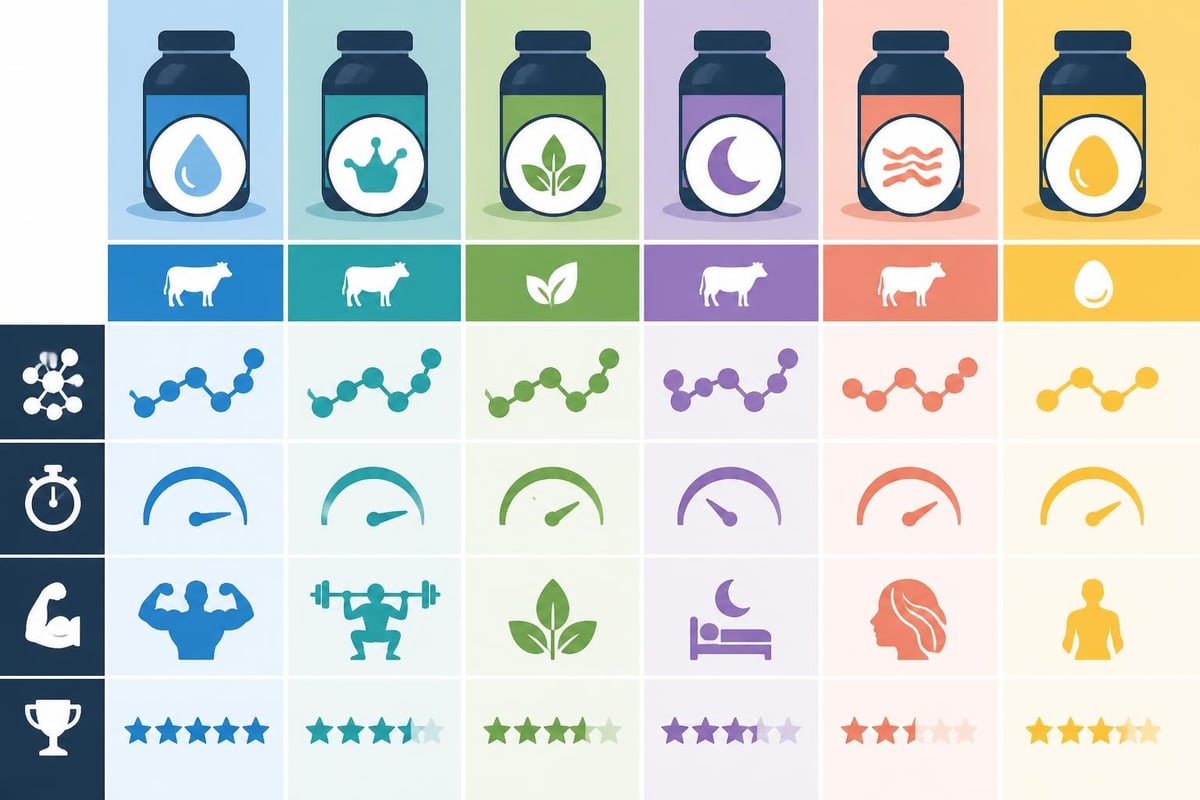
Casein ranks highly for sustained-release applications, particularly overnight muscle recovery. Collagen protein serves different purposes entirely, supporting skin barrier function and joint health rather than muscle building. Beef protein isolate occupies a niche for those avoiding dairy and soy.
Additional Ingredients That Influence Rankings
Modern protein powders increasingly function as comprehensive nutritional supplements rather than pure protein sources. Rankings must evaluate these additional ingredients for both benefits and potential drawbacks.
Beneficial additions that can improve rankings include:
- Digestive enzymes (protease, lactase) improving absorption and reducing bloating
- Probiotics supporting gut health and immune function
- Fiber (inulin, psyllium) enhancing satiety and digestive regularity
- Greens blends providing micronutrients and phytochemicals
- Adaptogens potentially supporting stress resilience
Conversely, excessive sweeteners, artificial colors, proprietary blends hiding inferior proteins, and unnecessary stimulants lower product rankings. The principle of "less is more" applies when additional ingredients obscure protein quality or introduce unwanted effects.
How to Use Protein Powder Rankings Effectively
Understanding how rankings work enables smarter supplement decisions aligned with your specific circumstances and goals. Rather than blindly following top-ten lists, use ranking criteria to evaluate whether highly-rated products match your needs.
Match Rankings to Your Goals
A protein powder ranking number-one for muscle building might rank lower for weight management if it packs extra calories from carbohydrates and fats. Similarly, the top-rated plant protein for general health might not suit someone with specific allergen concerns or digestive sensitivities.
Start by defining your primary goal: muscle building, weight loss, meal replacement, athletic performance, or general nutrition supplementation. Then filter rankings to show products optimized for that outcome. If you're unsure what supplements best match your goals, taking a 60-second quiz can help narrow down options based on your specific health objectives.
Consider Your Individual Factors
Personal factors that should modify how you interpret protein powder ranking results:
- Dietary restrictions (vegan, lactose intolerant, allergens)
- Budget constraints and priority of cost versus quality
- Taste preferences and tolerance for texture variations
- Digestive sensitivity and history with different protein sources
- Activity level and daily protein requirements
A top-ranked product becomes irrelevant if you can't tolerate its taste or it triggers digestive discomfort. Rankings provide guidance, but individual response determines real-world effectiveness.
The Limitations of Protein Powder Rankings
No ranking system perfectly predicts individual results. Acknowledge these limitations when using protein powder ranking data to make decisions.
Biological individuality means absorption rates, muscle synthesis responses, and tolerability vary between people. What works optimally for most users might produce suboptimal results for you due to genetics, gut microbiome composition, training status, or concurrent nutrition.
Additionally, rankings represent snapshots in time. Manufacturers reformulate products, quality control varies between production batches, and new research emerges that should shift rankings. Look for ranking systems with transparent methodology and regular updates reflecting current evidence.
Interpreting Third-Party Lab Testing Results
Independent laboratory analysis provides the most objective data for protein powder ranking systems. Understanding what these tests reveal helps evaluate ranking credibility.
Key testing parameters include:
- Protein content accuracy (claimed versus actual grams per serving)
- Amino acid composition confirming complete profile and leucine levels
- Heavy metal concentrations measured against safety thresholds
- Microbiological contamination screening for bacteria and molds
- Banned substance screening for athletic organizations
Top-tier rankings incorporate multiple rounds of testing across different product batches. Single test results can miss batch-to-batch variations that affect consistency and safety.
| Testing Organization | Scope | Frequency | Public Database | Athlete-Relevant |
|---|---|---|---|---|
| NSF Certified for Sport | Comprehensive | Ongoing | Yes | Yes |
| Informed-Choice | Banned substances | Monthly | Yes | Yes |
| ConsumerLab | Label accuracy | Annual | Subscription | No |
| Clean Label Project | Heavy metals | Periodic | Limited | No |
| USP Verified | Identity/purity | Ongoing | Yes | Limited |
Future Directions in Protein Supplement Ranking
Protein powder ranking systems continue evolving as technology enables more sophisticated analysis and personalization. Emerging trends include genetic-based recommendations, microbiome testing to predict tolerability, and real-time outcome tracking through connected devices.
Artificial intelligence and machine learning will increasingly power ranking algorithms, identifying patterns in user data that predict which products work best for specific demographic and physiological profiles. Rather than one-size-fits-all rankings, expect personalized protein powder recommendations based on your unique biological markers and goals.
Blockchain verification may soon provide immutable supply chain tracking, confirming ingredient sourcing and manufacturing processes claimed by brands. This transparency would eliminate trust concerns that currently complicate protein powder ranking systems.
Sustainability metrics are gaining prominence in rankings as consumers increasingly value environmental impact alongside effectiveness. Carbon footprint, water usage, packaging materials, and regenerative agriculture practices may soon carry equivalent weight to traditional quality measures in comprehensive ranking frameworks.
Selecting the right protein powder requires evaluating multiple factors beyond basic protein content, from evidence quality and amino acid profiles to third-party testing and real-world availability. Understanding how protein powder ranking systems assess these dimensions empowers you to identify supplements that match your specific goals and circumstances. DoseRank simplifies this process by ranking supplements across evidence, dose fit, trust, value, popularity, and availability, then helping you find the best options through a personalized approach tailored to your needs.