
DOSERANK guide
Melatonin Supplements: Evidence, Safety & Selection
Published
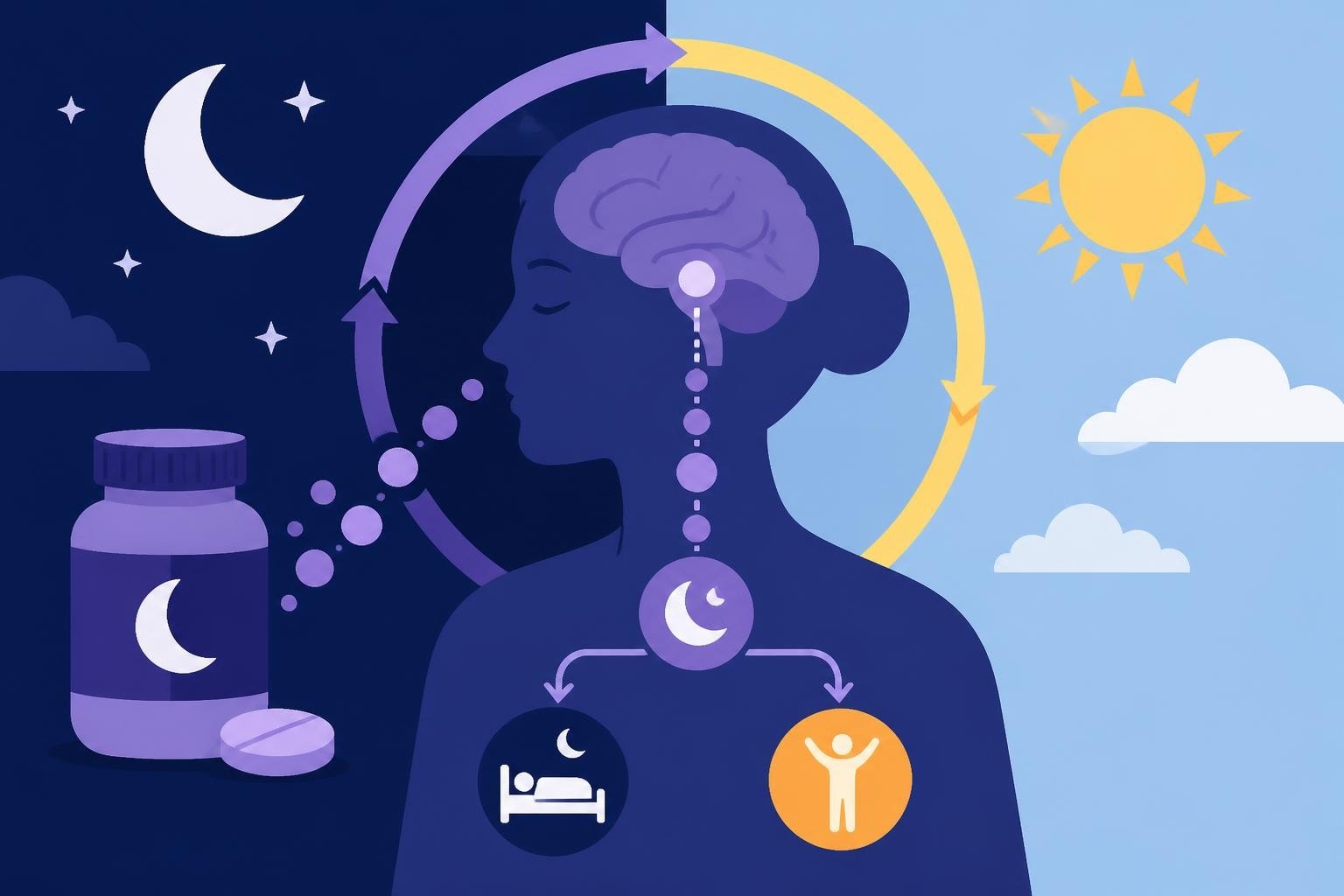
Melatonin supplements have become one of the most popular over-the-counter sleep aids in the United States, with millions of adults turning to this hormone to address sleep disruption, jet lag, and shift work challenges. The hormone melatonin is produced naturally by the pineal gland in response to darkness, signaling to the body that it's time to prepare for sleep. As a dietary supplement, melatonin is widely available without a prescription, raising important questions about appropriate use, effective dosing, product quality, and potential risks that consumers should understand before adding it to their routine.
Understanding Melatonin as a Supplement
Melatonin's primary role in human physiology centers on circadian rhythm regulation. The body's internal clock responds to environmental light cues, with melatonin secretion typically rising in the evening and peaking during nighttime hours. When taken as a supplement, melatonin can shift or reinforce these natural patterns, potentially helping individuals fall asleep faster or adjust to new sleep schedules.
In the United States, melatonin is classified as a dietary supplement rather than a medication. This regulatory distinction means the Food and Drug Administration does not evaluate melatonin products for safety and efficacy before they reach store shelves, in contrast to prescription sleep medications. The National Center for Complementary and Integrative Health notes that this status places responsibility on manufacturers to ensure their products are safe and accurately labeled, though enforcement and oversight remain limited.

Regulatory Landscape and Product Variability
The supplement status of melatonin in North America contrasts sharply with approaches in other regions. In the European Union, for example, prolonged-release melatonin formulations require authorization as medicinal products. The European Medicines Agency has approved Circadin for specific indications in patients aged 55 and older, subjecting it to the same rigorous evaluation standards applied to pharmaceutical drugs.
This regulatory divergence creates meaningful differences in quality control and consumer protection. Research examining over-the-counter melatonin products in the United States has found substantial variability in actual melatonin content compared to label claims. Some products contained more than four times the stated dose, while others delivered less than 20% of the labeled amount. Additional concerns emerged from the presence of serotonin in certain formulations, a finding that raises safety questions given serotonin's potent effects on the nervous system.
Product formulation also varies considerably across the melatonin supplement market:
- Immediate-release tablets and capsules that dissolve quickly in the digestive tract
- Sublingual tablets designed to absorb through oral mucous membranes
- Extended-release formulations that deliver melatonin gradually over several hours
- Liquid preparations offering flexible dosing for children or those who prefer not to swallow pills
- Gummies and lozenges that combine melatonin with sweeteners and flavorings
The European regulatory guidance on prolonged-release melatonin establishes specific standards for dissolution profiles and bioequivalence testing, underscoring the importance of formulation design in determining how the supplement performs in the body.
Clinical Evidence for Common Uses
The evidence base supporting melatonin supplements varies substantially depending on the specific application. Sleep-related uses have received the most research attention, with hundreds of clinical trials examining outcomes across different populations and sleep disorders.
Sleep Latency and Insomnia
Multiple systematic reviews have evaluated melatonin supplements for reducing sleep latency (the time it takes to fall asleep) in adults with insomnia. A 2022 evidence update synthesized data from numerous randomized controlled trials, finding that melatonin typically reduces sleep onset time by 7 to 12 minutes compared to placebo. While statistically significant, this effect represents a modest clinical benefit that may be more meaningful for some individuals than others.
For those seeking to improve sleep quality, the evidence suggests melatonin supplements primarily affect sleep initiation rather than sleep maintenance or overall sleep architecture. Studies measuring total sleep time generally show small increases, on the order of 8 to 15 minutes. Subjective sleep quality ratings show inconsistent improvements across trials, highlighting the gap between falling asleep faster and experiencing truly restorative rest.
The timing of melatonin administration significantly influences its effectiveness. Taking melatonin 30 to 60 minutes before desired bedtime appears most beneficial for sleep onset, though individual variation in absorption and metabolism means optimal timing can differ from person to person.
| Sleep Outcome | Typical Effect Size | Clinical Significance |
|---|---|---|
| Sleep latency reduction | 7-12 minutes | Modest benefit for most users |
| Total sleep time increase | 8-15 minutes | Minimal objective change |
| Sleep quality ratings | Inconsistent improvement | Highly variable individual response |
| Next-day alertness | No consistent benefit | Limited impact on daytime function |
Jet Lag and Shift Work
Melatonin supplements have shown more robust evidence for managing jet lag, particularly when traveling eastward across multiple time zones. The circadian misalignment that occurs after rapid travel can be partially corrected by appropriately timed melatonin doses. Research indicates taking 0.5 to 5 mg at the target destination's bedtime for several days helps resynchronize the sleep-wake cycle.
Shift workers face chronic circadian disruption that differs from the acute challenge of jet lag. The evidence for melatonin supplements in this population remains mixed, with some studies showing improved daytime sleep quality after night shifts while others find minimal benefit. The irregular and rotating schedules many shift workers navigate may limit melatonin's effectiveness as a single intervention.

Pediatric Applications and Safety Concerns
The use of melatonin supplements in children and adolescents has increased dramatically over the past decade, raising important safety and appropriateness questions. The American Academy of Sleep Medicine released a health advisory in 2022 addressing the growing trend, emphasizing that melatonin should not be a first-line treatment for typical childhood sleep problems.
Clinical evidence supports melatonin use in specific pediatric populations, including children with autism spectrum disorder, attention-deficit/hyperactivity disorder, or other neurodevelopmental conditions that often involve significant sleep disturbance. In these contexts, melatonin supplements appear to reduce sleep onset delay and may improve overall sleep duration when used as part of comprehensive behavioral sleep intervention.
However, concerns about long-term safety in developing children remain largely unaddressed. Melatonin plays roles beyond sleep regulation, including in pubertal development and reproductive hormone systems. The absence of long-term safety studies in children means the potential effects of chronic supplementation during critical developmental periods remain unknown.
Dosing Considerations and Pharmacokinetics
Effective melatonin dosing requires understanding both the pharmacokinetics of the supplement and the specific sleep challenge being addressed. Unlike many supplements where "more is better" might seem intuitive, melatonin often follows a different pattern.
Low-Dose Versus High-Dose Approaches
Physiological melatonin production at night results in circulating concentrations of approximately 10 to 80 picograms per milliliter. Taking just 0.3 to 0.5 mg of supplemental melatonin can produce blood levels many times higher than this natural range, raising questions about whether the megadoses (3 mg, 5 mg, or even 10 mg) commonly available are necessary or beneficial.
Research comparing different doses has generally failed to show clear dose-response relationships for sleep outcomes. Studies comparing 0.3 mg to 3 mg or 5 mg doses often find similar effects on sleep latency, suggesting that lower doses may be just as effective as the higher amounts typically sold. Some evidence even suggests that very high doses might be less effective due to receptor saturation or altered pharmacodynamics.
The widespread availability of 3 mg, 5 mg, and 10 mg melatonin supplements likely reflects market forces and consumer expectations rather than clinical evidence. Many individuals start with these higher doses without trying lower amounts that might provide comparable benefits with potentially fewer side effects.
Factors influencing optimal melatonin dose:
- Individual differences in melatonin metabolism and sensitivity
- Specific sleep disorder or circadian challenge being addressed
- Age and body weight (particularly relevant for children)
- Concurrent medications that may interact with melatonin
- Formulation type and release characteristics
- Timing relative to desired sleep onset
Timing and Duration of Use
The chronobiotic (circadian-shifting) effects of melatonin depend critically on when it is taken relative to the body's natural melatonin rhythm. Taking melatonin in the late afternoon or early evening can advance the circadian clock, promoting earlier sleep onset. In contrast, taking it in the early morning hours (as might occur during shift work) can delay the clock.
For most individuals using melatonin supplements for conventional insomnia, taking the supplement 30 to 120 minutes before bedtime aligns with typical recommendations. However, those dealing with delayed sleep phase syndrome may benefit from even earlier administration, sometimes 4 to 6 hours before desired sleep time.
Duration of use represents another area where clinical guidance remains limited. Most research studies evaluate melatonin over weeks or months rather than years. Some individuals use melatonin supplements nightly for extended periods, while others employ it intermittently for specific situations like travel or schedule disruptions. Harvard Health Publishing highlights that long-term safety data remain incomplete, particularly for continuous daily use beyond several months.
Safety Profile and Potential Risks
Melatonin supplements generally demonstrate favorable short-term safety profiles in clinical trials, with most adverse events classified as mild and transient. However, several important safety considerations warrant attention, particularly as use becomes more widespread across diverse populations.
Common Side Effects
Reported side effects in clinical studies typically include:
- Daytime drowsiness or "hangover" effects, particularly with higher doses
- Dizziness or coordination difficulties
- Headache (reported in 5-15% of users in some trials)
- Nausea or digestive discomfort
- Mood changes, including irritability or depressive symptoms
- Vivid dreams or nightmares
The frequency and severity of these effects vary considerably among individuals. Some people report no noticeable side effects even with regular use, while others experience significant next-day impairment that limits practical utility.
Drug Interactions and Contraindications
Melatonin supplements can interact with numerous medications through various mechanisms. Drugs that affect melatonin metabolism, are metabolized by the same enzyme systems, or have additive sedative effects require particular caution:
| Medication Class | Interaction Mechanism | Clinical Consideration |
|---|---|---|
| Anticoagulants (warfarin) | Potential increased bleeding risk | Monitor INR more closely if combining |
| Anticonvulsants | Altered seizure threshold possible | May reduce anticonvulsant efficacy |
| Immunosuppressants | Melatonin may stimulate immune function | Theoretical concern in transplant recipients |
| Diabetes medications | Possible effects on glucose metabolism | Monitor blood sugar when initiating |
| Sedative medications | Additive CNS depression | Increased drowsiness and impairment risk |
Individuals taking any chronic medications should consult healthcare providers before starting melatonin supplements, as package labeling may not adequately address all potential interactions.
Special Populations
Certain groups face elevated risks or uncertainties with melatonin supplementation:
Pregnant and breastfeeding women should avoid melatonin supplements due to insufficient safety data. Animal studies have raised questions about potential effects on fetal development and reproductive outcomes, though human data remain sparse.
Individuals with autoimmune conditions should exercise caution, as melatonin can modulate immune function in complex ways that might theoretically influence disease activity.
Those with seizure disorders should be aware of case reports suggesting melatonin might lower seizure threshold in susceptible individuals, though systematic evidence remains limited.
The Cochrane review examining melatonin in cancer patients illustrates both potential benefits and the need for cautious, evidence-based application in complex clinical populations.
Selecting Quality Melatonin Products
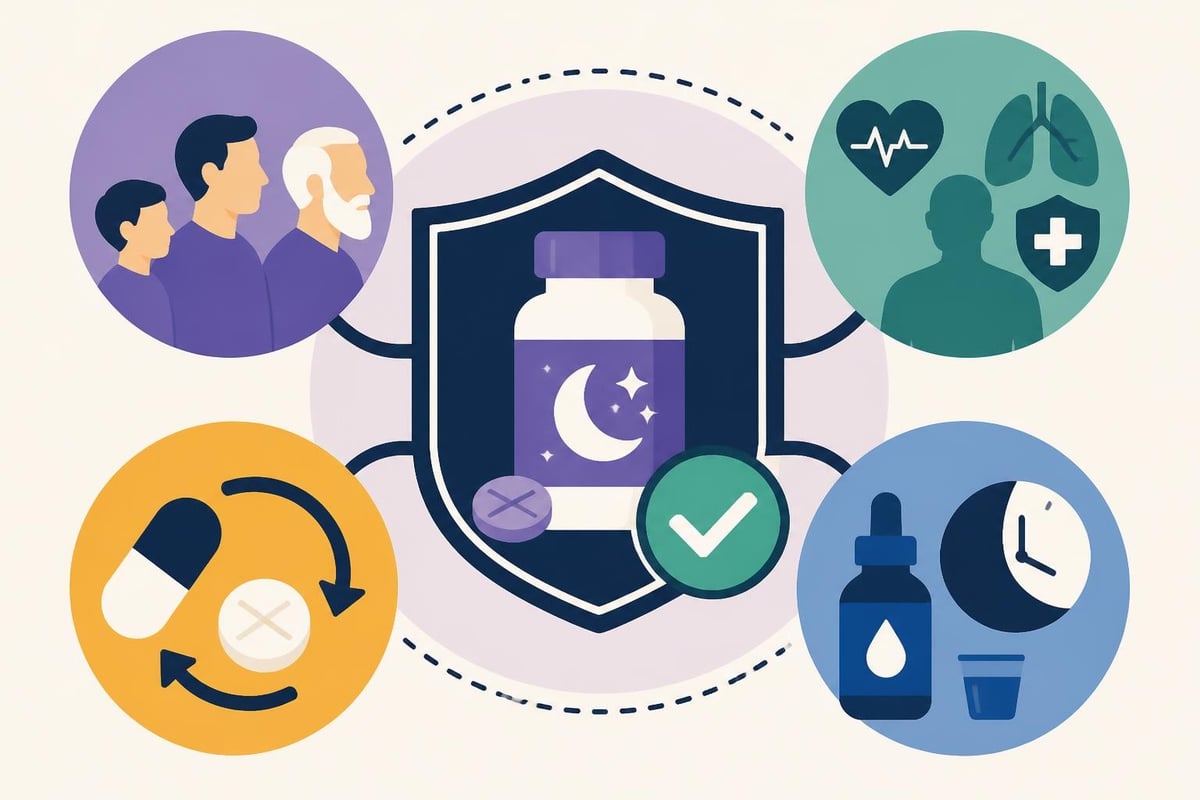
Given the documented variability in melatonin supplement quality, consumers face the challenge of identifying products that actually contain what their labels claim and are free from contaminants. Several strategies can improve the likelihood of selecting a reliable product.
Third-Party Testing and Certification
Independent verification provides the strongest assurance of product quality. Several organizations offer certification programs that test supplements for label accuracy and purity:
- USP Verified Mark indicates the product has been tested by the United States Pharmacopeia and meets specific quality standards
- NSF Certified for Sport confirms the product is free from banned substances and accurately labeled
- ConsumerLab.com conducts independent testing and publishes results comparing brands
- Informed-Choice certification focuses on quality assurance for athletes and includes banned substance screening
Products carrying these marks have undergone testing beyond what manufacturers typically conduct, though certification programs vary in their specific standards and testing frequency.
Label Information and Transparency
High-quality supplement manufacturers typically provide detailed product information beyond minimum regulatory requirements. Look for labels that specify:
- Exact melatonin content per serving with clear units (mg)
- All inactive ingredients and potential allergens
- Manufacturing location and date codes
- Contact information for the manufacturer
- Clear usage instructions including timing recommendations
- Appropriate warnings about side effects and contraindications
Products with vague labeling, missing contact information, or unrealistic claims ("guaranteed sleep" or "prescription strength") warrant skepticism.
Formulation Matching to Individual Needs
Different melatonin formulations suit different sleep challenges. Immediate-release products work well for sleep onset difficulty, while extended-release formulations may better serve those who fall asleep easily but wake during the night. Sublingual forms offer faster absorption but typically shorter duration of effect.
When evaluating supplement options for specific health goals, platforms like DoseRank can help narrow choices based on evidence strength, appropriate dosing, manufacturer trustworthiness, and product value. The methodology used to assess supplements considers multiple factors beyond simple label claims, providing a more comprehensive evaluation framework.
Alternative and Complementary Approaches
While melatonin supplements represent one option for sleep support, they work best as part of a broader strategy addressing sleep hygiene, circadian alignment, and underlying factors contributing to sleep disruption.
Sleep Hygiene Fundamentals
No supplement can overcome consistently poor sleep practices. Essential elements include:
- Maintaining consistent sleep and wake times, even on weekends
- Creating a dark, cool, quiet bedroom environment
- Limiting screen exposure in the 1-2 hours before bed
- Avoiding large meals, caffeine, and alcohol near bedtime
- Getting regular physical activity, preferably earlier in the day
- Managing stress through relaxation techniques or therapy
Many individuals find that addressing these factors reduces or eliminates the need for sleep supplements entirely.
Complementary Supplement Options
Several other supplements have evidence for sleep support, either alone or in combination with melatonin:
Magnesium plays roles in sleep regulation through GABA receptor modulation and nervous system relaxation. Some people respond well to magnesium supplementation for sleep, particularly those with inadequate dietary intake. Understanding your magnesium status can help determine whether this mineral might benefit your sleep.
L-theanine, an amino acid found in tea, promotes relaxation without sedation and may improve sleep quality when combined with other interventions.
Valerian root has traditional use for sleep support, though clinical evidence shows mixed results and product standardization remains challenging.
Glycine, a simple amino acid, has shown promise in small studies for improving sleep quality and reducing daytime fatigue, though more research is needed.
Combining multiple supplements increases complexity and potential interaction risks. Taking a quick quiz can help identify which supplements, if any, align best with your specific sleep challenges and health profile.
Cognitive Behavioral Therapy for Insomnia
Professional sleep medicine organizations increasingly emphasize cognitive behavioral therapy for insomnia (CBT-I) as the preferred first-line treatment for chronic sleep problems. This structured approach addresses thoughts, behaviors, and sleep scheduling that perpetuate insomnia, often producing lasting improvements without ongoing supplement use.
CBT-I typically includes components like stimulus control (using the bed only for sleep), sleep restriction (temporarily limiting time in bed to consolidate sleep), and cognitive techniques to address anxiety about sleep. Evidence consistently shows CBT-I produces larger and more durable benefits than melatonin supplements alone, though it requires more initial effort and often professional guidance.
Understanding Individual Response Variation
Melatonin supplements produce highly variable responses across different people, with some individuals reporting dramatic improvements while others notice minimal effects. This heterogeneity reflects multiple biological and situational factors that influence how melatonin works in any given person.
Genetic and Metabolic Factors
Individual differences in melatonin metabolism explain some of the variation in supplement response. The cytochrome P450 enzyme system, particularly CYP1A2, metabolizes melatonin in the liver. Genetic variants affecting this enzyme's activity can lead to faster or slower melatonin clearance, influencing both duration of effect and optimal dosing.
Natural melatonin production also varies substantially among individuals. Some people produce robust melatonin surges at night, while others show blunted secretion even in ideal conditions. Those with inherently low melatonin production might derive greater benefit from supplementation than those with normal physiological levels.
Age significantly affects melatonin physiology. Older adults often show reduced melatonin production, which may contribute to the sleep changes common in aging. This pattern suggests older individuals might respond differently to supplements than younger adults, though research has not consistently confirmed enhanced efficacy in elderly populations.
Circadian Typology and Timing
Chronotype, the genetically influenced preference for morning or evening activity, interacts with melatonin supplement effects. "Night owls" with delayed sleep phase often show stronger responses to appropriately timed melatonin than those with neutral or early chronotypes. The supplement's circadian-shifting properties align well with the goal of advancing a delayed rhythm.
Conversely, natural "morning larks" who struggle with staying awake in the evening may find melatonin supplements less helpful or even counterproductive if they reinforce an already-advanced circadian phase.
Melatonin supplements offer a generally safe option for specific sleep challenges, particularly jet lag and delayed sleep phase, though evidence for typical insomnia remains modest. Product quality varies substantially, making third-party verification and careful selection essential for anyone considering these supplements. Rather than relying solely on melatonin, addressing sleep hygiene fundamentals and understanding your individual sleep patterns creates the foundation for sustainable improvements. DoseRank evaluates supplements across evidence strength, appropriate dosing, manufacturer trust, and overall value to help you identify the most suitable options for your specific health goals.