
DOSERANK guide
Melatonin 5mg: Dosing, Benefits & What You Should Know
Published
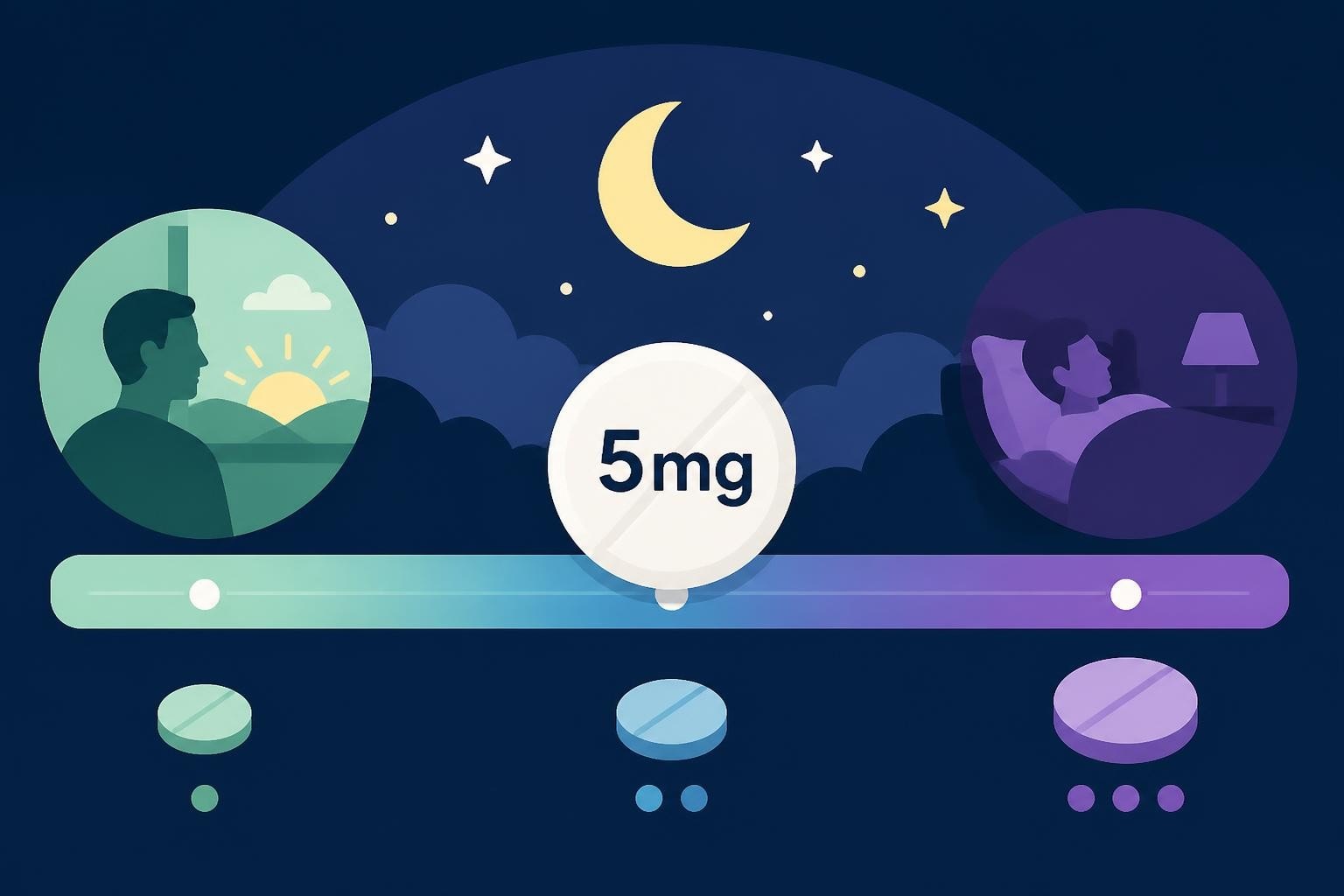
Sleep troubles affect millions of Americans, and melatonin has become one of the most popular over-the-counter solutions. Among the various strengths available, melatonin 5mg sits in a middle range that many users find effective without venturing into higher doses. Understanding whether this particular dose suits your needs requires looking at the science, considering your individual circumstances, and knowing how to evaluate supplement quality. This guide breaks down everything you need to know about melatonin 5mg in 2026, from mechanism to timing to selecting a product that delivers real results.
Understanding Melatonin and the 5mg Dose
Melatonin is a hormone your pineal gland produces naturally in response to darkness, signaling to your body that it's time to prepare for sleep. Supplemental melatonin aims to reinforce or replace this signal when your natural production falls short or when your circadian rhythm needs adjustment.
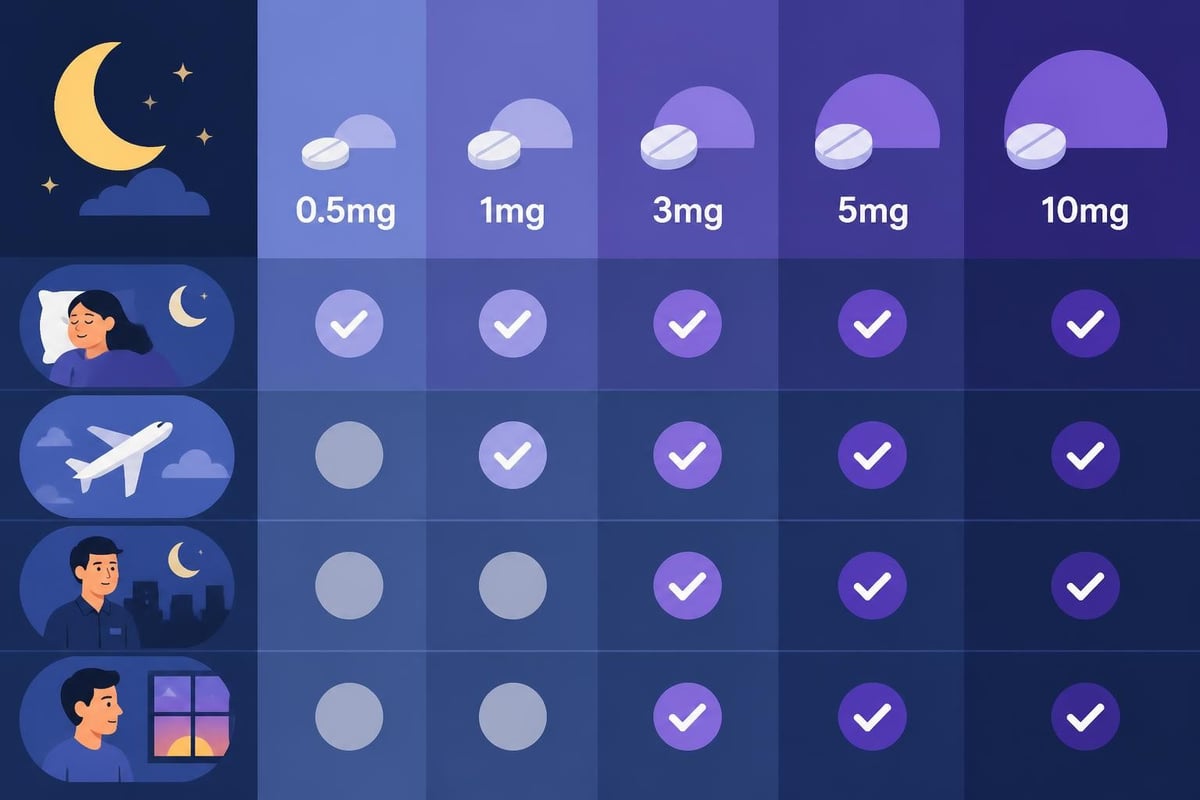
The 5mg dose represents a moderate strength in the melatonin landscape. While lower doses like 0.5mg to 3mg are common for gentle sleep support, and higher doses of 10mg or more appear in some clinical protocols, melatonin 5mg strikes a balance that many practitioners and users gravitate toward.
Why Dose Matters
Your body's natural nighttime melatonin production peaks at levels far below what most supplements provide. Physiologic levels typically reach 10 to 80 picograms per milliliter in your bloodstream. A melatonin 5mg supplement can raise blood levels to 20 to 100 times that amount within an hour.
This pharmacological dosing doesn't simply mimic your natural rhythm. It creates a stronger signal that can help in situations where gentle nudges aren't enough:
- Severe jet lag across multiple time zones
- Shift work that conflicts with natural light-dark cycles
- Delayed sleep phase disorder where your natural rhythm runs very late
- Occasional insomnia that hasn't responded to lower doses
Research shows that dose-response relationships for melatonin aren't always linear. The comprehensive guide on melatonin dosing from the Sleep Foundation notes that timing often matters more than the exact milligram amount once you're in the therapeutic range.
Clinical Evidence for Melatonin 5mg
Multiple studies have examined melatonin in the 3mg to 6mg range, making the 5mg dose well-represented in the scientific literature. A detailed review of melatonin pharmacology and clinical uses published in 2023 examined trials across various sleep disorders and found that doses in this middle range demonstrated consistent sleep latency improvements.
What the Research Shows
| Study Focus | Typical Dose Range | Key Findings |
|---|---|---|
| Primary insomnia | 2-6 mg | Reduced time to fall asleep by 7-12 minutes on average |
| Jet lag | 3-5 mg | Faster adaptation to new time zones when timed appropriately |
| Shift work disorder | 3-6 mg | Improved daytime sleep quality and duration |
| Delayed sleep phase | 3-10 mg | Earlier sleep onset when combined with light therapy |
The European Medicines Agency has evaluated melatonin products, and their public assessment report for prolonged-release 2mg formulations provides regulatory perspective on efficacy and safety. While that specific product uses a lower dose, the safety profile extends to higher amounts used short-term.
Individual Response Variation
Not everyone responds to melatonin 5mg identically. Factors that influence your response include:
- Age: Older adults may be more sensitive to melatonin and experience longer-lasting effects
- Metabolism: Genetic variations in CYP1A2 enzyme activity affect how quickly you clear melatonin
- Baseline production: People with lower natural melatonin may notice more dramatic improvements
- Timing precision: Taking melatonin at the optimal time relative to your desired sleep window matters enormously
When evaluating whether a dose works for you, consistency is key. Track your response over at least five to seven nights before adjusting.
Timing and Usage Guidelines
The effectiveness of melatonin 5mg depends heavily on when you take it relative to your target bedtime. Unlike sleep medications that simply sedate you, melatonin works by shifting your circadian phase and promoting sleepiness at a specific window.
Optimal Timing Strategies
For typical sleep support: Take melatonin 5mg approximately 30 to 60 minutes before your desired bedtime. This allows blood levels to rise as you're winding down.
For jet lag: The timing shifts based on travel direction. When flying east, take your dose at the new local bedtime for the first few nights. When flying west, you may need to delay your dose or skip it initially. MedlinePlus guidance on jet lag recommends 3 to 5mg in the evening at your destination.
For delayed sleep phase: Take melatonin 5mg approximately four to six hours before your current natural sleep onset, gradually shifting earlier each few days. This protocol often requires professional guidance to execute properly.
- Start with the same time each evening for consistency
- Avoid bright screens for 30-60 minutes after taking melatonin
- Dim lights in your environment to support the signal
- Give any dose adjustment at least one week before changing again
Many users find that platforms evaluating supplement quality help identify products with reliable absorption and timing characteristics. DoseRank's methodology considers factors like formulation and evidence-based dosing when ranking sleep supplements.

Safety Profile and Side Effects
Melatonin 5mg is generally well-tolerated in healthy adults for short-term use, but understanding potential side effects and contraindications helps you use it safely.
Common Side Effects
Most people experience no side effects from melatonin 5mg. When effects do occur, they typically include:
- Daytime drowsiness: Especially if taken too late or if you're sensitive to melatonin
- Vivid dreams: Some users report more intense or memorable dreams
- Mild headache: Usually resolves with continued use or dose adjustment
- Dizziness: More common at higher doses or in older adults
These effects are usually mild and transient. Taking melatonin with food may reduce any digestive discomfort, though this can also slow absorption slightly.
Drug Interactions and Contraindications
Melatonin can interact with several medication classes. The Memorial Sloan Kettering integrative medicine database documents important interactions including:
| Medication Class | Interaction Type | Recommendation |
|---|---|---|
| Blood thinners (warfarin) | May increase bleeding risk | Monitor INR closely |
| Immunosuppressants | May reduce effectiveness | Consult physician first |
| Diabetes medications | May affect blood sugar | Monitor glucose levels |
| Blood pressure drugs | May enhance lowering effect | Evening monitoring advised |
| Seizure medications | Variable interactions | Discuss with neurologist |
If you take any prescription medications, discuss melatonin 5mg with your healthcare provider before starting. This is especially critical for medications with narrow therapeutic windows.
Special Populations
Pregnancy and breastfeeding: Evidence remains limited. The MotherToBaby fact sheet notes insufficient human data to confirm safety during pregnancy, though small studies haven't shown major concerns. Most experts recommend avoiding supplemental melatonin unless specifically advised by an obstetrician.
Children: The American Academy of Pediatrics emphasizes that melatonin should never be a first-line approach for childhood sleep problems. When used, pediatric doses are typically much lower than 5mg, and a doctor should guide any use.
Older adults: Increased sensitivity means starting with lower doses is often wise, but melatonin 5mg can be appropriate for some older users, particularly for managing jet lag or supporting improved sleep quality when natural production has declined significantly.
Choosing Quality Melatonin 5mg Supplements
The supplement market offers dozens of melatonin 5mg options, but quality varies dramatically. Independent testing repeatedly finds that many melatonin products don't contain the amount listed on the label, and some harbor concerning contaminants.
What to Look For
Third-party testing: Seek products verified by NSF International, USP, or ConsumerLab. These organizations test for label accuracy and purity.
Formulation type: Immediate-release tablets or capsules are most common. Sublingual forms may work faster but aren't necessarily more effective. Extended-release versions aim to maintain levels overnight but may not suit everyone.
Additional ingredients: Some products combine melatonin 5mg with herbs like valerian, chamomile, or L-theanine. These combinations lack robust evidence and make it harder to identify what's helping or causing side effects.
Manufacturing practices: Look for GMP (Good Manufacturing Practice) certification and brands that provide transparency about sourcing and testing.
Evaluating Product Rankings
When comparing melatonin 5mg supplements, consider multiple factors beyond price:
- Evidence alignment: Does the dose and formulation match what studies have actually tested?
- Dose precision: Does third-party testing confirm the label claim?
- Trust indicators: What's the manufacturer's track record and testing transparency?
- Value proposition: Cost per dose relative to quality metrics
- Availability: Can you reliably repurchase when needed?
Platforms that systematically rank supplements can save significant research time. If you're unsure where to start, taking a quick supplement quiz that considers your specific goals can narrow options based on evidence and quality metrics rather than marketing claims.
Comparing Melatonin 5mg to Other Doses
Understanding where melatonin 5mg fits in the dosing spectrum helps you determine if it's right for your situation or whether you should consider alternatives.
Lower Doses (0.3mg to 3mg)
These doses sit closer to physiological replacement levels. Benefits include:
- Fewer morning grogginess complaints
- Lower risk of dose-dependent side effects
- Often sufficient for mild sleep issues or time-zone shifts of 1-3 hours
Consider starting here if you're new to melatonin or have mild sleep latency issues. You can always increase if needed.
Higher Doses (10mg and above)
Some protocols, particularly in research settings or for specific conditions, use 10mg or more. Characteristics include:
- Stronger circadian shifting effects
- May help severe delayed sleep phase
- Higher likelihood of next-day drowsiness
- Not necessarily more effective than moderate doses for most users
Most experts consider doses above 10mg experimental for sleep purposes, though they appear in studies of other conditions.
Finding Your Personal Dose
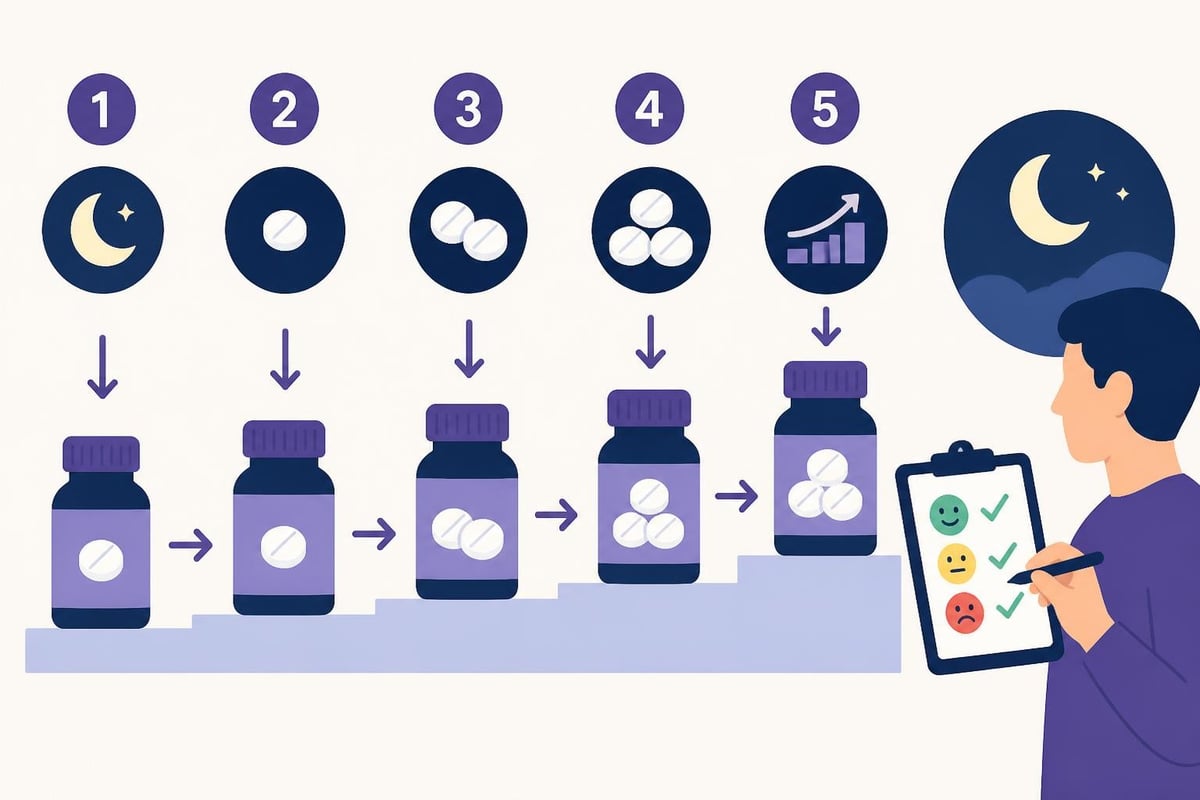
The effective dose varies by individual. A systematic approach:
Week 1: Try 1mg to 3mg for at least five consecutive nights, tracking sleep latency and quality.
Week 2-3: If inadequate, increase to 5mg for another week.
Week 4+: Only move to higher doses if 5mg proves insufficient after consistent use with proper timing.
This staged approach prevents over-dosing while respecting individual variability. Many people find melatonin 5mg hits the sweet spot between effectiveness and tolerability.
Long-Term Use Considerations
Most melatonin research focuses on short-term use spanning days to a few months. The safety and effectiveness of taking melatonin 5mg every night for years remains less well-studied, raising important questions for those considering extended use.
What We Know About Extended Use
Studies lasting up to two years show continued effectiveness without serious adverse events in most participants. However, concerns include:
Receptor desensitization: Theoretical worry that constant exposure might reduce your melatonin receptors' sensitivity. Current evidence doesn't strongly support this in humans, but it remains a consideration.
Natural production suppression: Will supplementing shut down your own melatonin production? Research suggests this isn't a major issue at typical doses, though individual variation exists.
Dependency concerns: Psychological rather than physiological. Some users report anxiety about sleeping without melatonin after extended use, even if the supplement isn't creating chemical dependence.
Intermittent vs. Continuous Protocols
Many practitioners recommend intermittent use:
- Take melatonin 5mg only when needed for jet lag or occasional sleep disruption
- Use nightly for specific periods (2-4 weeks) when resetting sleep patterns, then try tapering
- Cycle on and off (e.g., five nights on, two nights off) to maintain effectiveness
Continuous use makes more sense for certain conditions like delayed sleep phase disorder or when natural production is demonstrably low. This decision should involve healthcare guidance.
Maximizing Melatonin Effectiveness
Taking melatonin 5mg is just one component of good sleep hygiene. Combining supplementation with evidence-based sleep practices enhances results.
Sleep Hygiene Foundations
Light management: Dim indoor lights 1-2 hours before bed. Use blue-light filtering on screens if you must use them. Get bright light exposure in the morning to anchor your circadian rhythm.
Temperature control: Keep your bedroom cool, ideally 65-68°F. Your core body temperature needs to drop for sleep onset.
Consistent schedule: Go to bed and wake at the same times daily, even on weekends. This regularity supports your natural melatonin rhythm.
Activity timing: Finish intense exercise at least three hours before bed. Heavy meals should conclude 2-3 hours before sleep.
- Reserve your bed for sleep and intimacy only
- Limit caffeine after 2 PM (or earlier if sensitive)
- Reduce alcohol, which fragments sleep architecture
- Manage stress through techniques that support stress resilience
Complementary Approaches
Some non-supplement strategies work synergistically with melatonin 5mg:
Cognitive behavioral therapy for insomnia (CBT-I): The gold-standard non-drug treatment addresses thoughts and behaviors perpetuating sleep problems.
Magnesium: Some evidence suggests this mineral supports sleep quality through different mechanisms than melatonin. Checking your magnesium status may reveal whether supplementation makes sense.
Tart cherry juice: Contains natural melatonin precursors, though at doses far below supplemental amounts. May provide additive benefit.
When to Seek Professional Guidance
While melatonin 5mg is available without prescription, certain situations warrant consulting a healthcare provider before starting or continuing use.
Red Flags Requiring Medical Evaluation
- Chronic insomnia lasting more than three months
- Sleep disturbances accompanied by loud snoring, breathing pauses, or daytime sleepiness (possible sleep apnea)
- Unusual sleep behaviors like sleepwalking or night terrors
- Persistent fatigue despite apparently adequate sleep duration
- Mood changes or depression linked to sleep issues
These scenarios may indicate underlying conditions that melatonin alone won't address adequately.
Working with Healthcare Providers
When discussing melatonin 5mg with your doctor, come prepared:
- Sleep diary: Track sleep and wake times, estimated latency, night awakenings, and daytime energy for at least two weeks
- Medication list: Include all supplements, as interactions matter
- Medical history: Mention autoimmune conditions, bleeding disorders, seizures, or depression
- Specific goals: Clarify whether you're addressing jet lag, shift work, chronic insomnia, or circadian rhythm issues
Your provider can help determine if melatonin fits your situation or if other interventions should come first. For complex cases, a sleep medicine specialist offers the most targeted guidance.
Product Forms and Delivery Methods
Melatonin 5mg comes in multiple formats, each with distinct characteristics that may influence effectiveness and user preference.
Common Formulations
Tablets and capsules: Standard immediate-release forms typically reach peak blood levels in 30-60 minutes. Most studies use this format, providing the strongest evidence base.
Sublingual tablets: Dissolve under your tongue for faster absorption. May reach effective levels 10-15 minutes sooner than swallowed forms, useful when you need quicker onset.
Liquid formulas: Allow precise dose titration and suit those who dislike pills. Absorption speed resembles standard tablets. Watch for added sugars or flavoring agents.
Gummies: Popular for palatability but often contain added sugars and may have less precise dosing. Quality control can be inconsistent in this format.
Extended-release: Designed to maintain melatonin levels across the night. May help with sleep maintenance (staying asleep) rather than just onset. Evidence is mixed on whether they outperform immediate-release for most users.
| Format | Onset Time | Duration | Best For |
|---|---|---|---|
| Standard tablet | 30-60 min | 4-6 hours | Most situations, best studied |
| Sublingual | 15-30 min | 3-5 hours | Quick onset needed |
| Extended-release | 60-90 min | 6-8 hours | Sleep maintenance issues |
| Liquid | 30-60 min | 4-6 hours | Dose flexibility |
Additional Ingredients to Consider
Many melatonin 5mg products include complementary ingredients. Common additions:
- Vitamin B6: May support natural melatonin synthesis but adds minimal benefit when you're already taking 5mg
- Magnesium: Has independent sleep benefits but complicates determining what's helping
- L-theanine: Amino acid from tea with calming properties; some evidence for anxiety reduction
- Herbs (valerian, chamomile, passionflower): Traditional sleep herbs with limited robust evidence
Single-ingredient melatonin 5mg products simplify troubleshooting and align most closely with research. If you want additional ingredients, consider taking them separately so you can identify individual effects.
Choosing the right melatonin supplement requires balancing dose, quality, evidence, and your individual needs. While melatonin 5mg offers a well-studied middle ground for many users, finding a product that delivers consistent results depends on factors beyond just the milligram amount. DoseRank evaluates supplements across evidence strength, dose fit, manufacturing trust, value, and availability to help you identify options that match your specific goals. Whether you're managing occasional jet lag or looking to support better sleep patterns, starting with a comprehensive ranking based on real data can save you time, money, and frustration.