
DOSERANK guide
Magnesium Melatonin: Benefits, Dosage & Safety Guide
Published
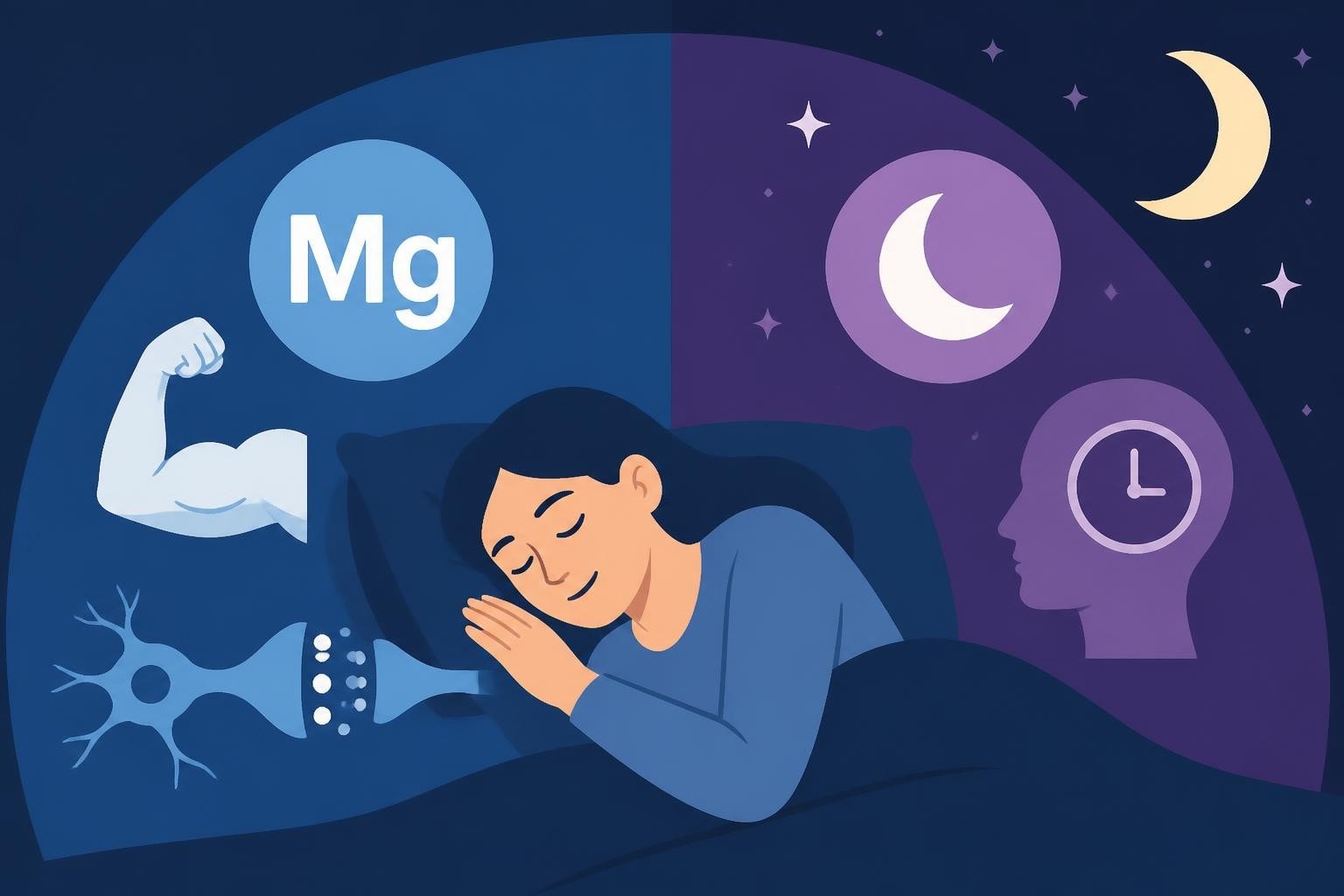
Sleep challenges affect millions of Americans, driving many to seek natural solutions that can help them fall asleep faster and stay asleep longer. Two supplements frequently appear in this conversation: magnesium and melatonin. While each offers distinct benefits on its own, understanding how magnesium melatonin combinations work together can help you make more informed decisions about your sleep support strategy. This guide examines the science behind these popular supplements, explores their individual and combined effects, and provides practical guidance on dosage, safety, and product selection.
Understanding Magnesium's Role in Sleep
Magnesium functions as a cofactor in over 300 enzymatic reactions throughout the body, including several that directly influence sleep quality. This essential mineral regulates neurotransmitters that send signals throughout the nervous system and brain, particularly gamma-aminobutyric acid (GABA), which promotes relaxation and reduces neuronal excitability.
How Magnesium Supports Sleep Architecture
The mineral's sleep benefits extend beyond simple relaxation. Magnesium binds to GABA receptors, helping to quiet the nervous system and prepare the body for rest. It also regulates melatonin production naturally within the body, creating a foundation for healthy circadian rhythms.
Research demonstrates several mechanisms:
- Muscle relaxation through regulation of calcium channels in muscle cells
- Stress hormone modulation by influencing the hypothalamic-pituitary-adrenal axis
- Neurotransmitter balance supporting both GABA and serotonin pathways
- Blood pressure regulation during nighttime hours
Studies examining magnesium supplementation show promising results for sleep quality, particularly in adults with suboptimal magnesium intake. Eight randomized controlled trials found that supplementation improved several sleep metrics, though effects varied based on baseline magnesium status and dose.
Optimal Magnesium Forms and Dosages
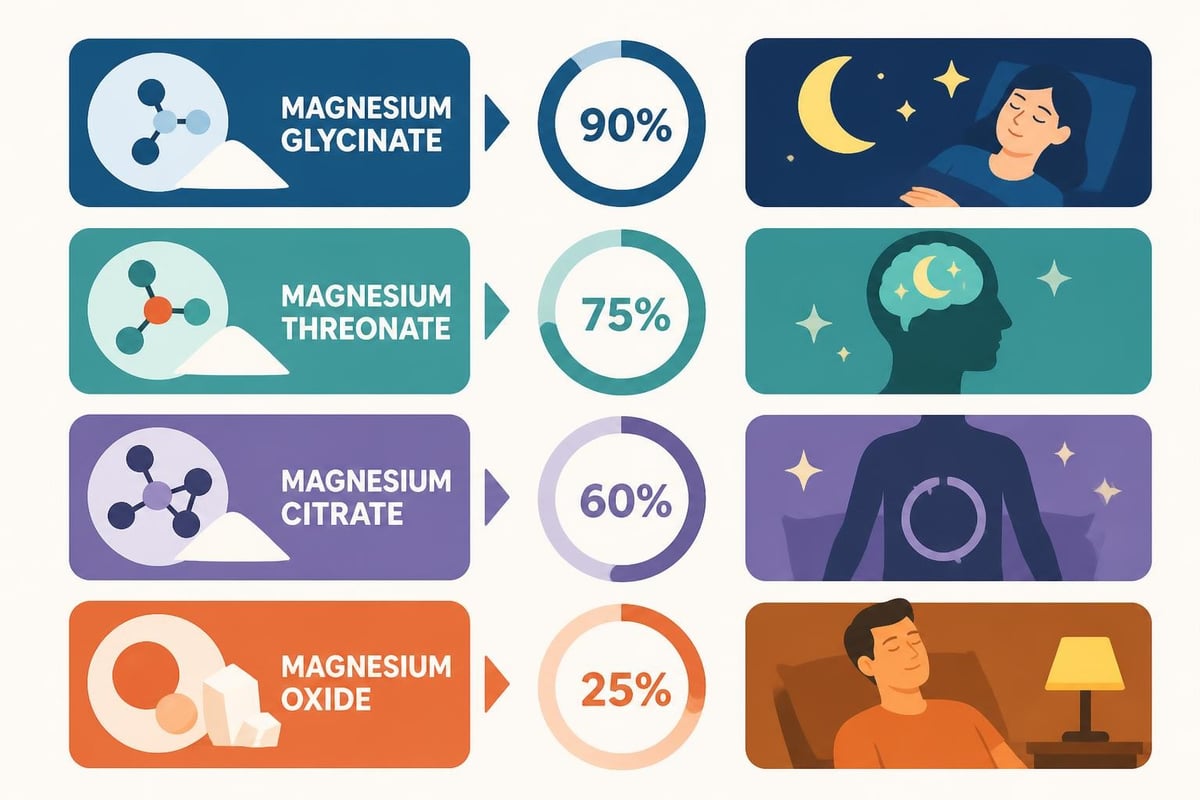
Not all magnesium supplements deliver equal bioavailability. Different forms absorb at different rates and may produce varying effects on sleep.
| Magnesium Form | Absorption Rate | Sleep Benefits | Typical Dose |
|---|---|---|---|
| Magnesium Glycinate | High | Excellent for relaxation | 200-400 mg |
| Magnesium Threonate | High | Crosses blood-brain barrier | 144-200 mg elemental |
| Magnesium Citrate | Moderate-High | Good, mild laxative effect | 200-400 mg |
| Magnesium Oxide | Low | Limited | 400-500 mg |
Clinical studies typically use doses between 200 and 500 mg of elemental magnesium taken 1-2 hours before bedtime. Platforms like DoseRank evaluate supplements based on evidence-backed dosing, helping users identify products that match clinical research protocols.
Melatonin's Circadian Signaling Function
While magnesium works through neurotransmitter and muscle pathways, melatonin operates primarily as a circadian signal. The pineal gland naturally produces this hormone in response to darkness, communicating to the body that nighttime has arrived and sleep should commence.
The Science Behind Melatonin Supplementation
Melatonin supplements don't work like traditional sedatives. Instead, they provide an external signal that reinforces or shifts the body's natural sleep-wake cycle. This distinction matters when understanding appropriate use cases and timing.
Melatonin proves most effective for:
- Jet lag recovery when crossing multiple time zones
- Shift work adaptation for irregular schedules
- Delayed sleep phase syndrome in those who naturally fall asleep late
- Age-related melatonin decline in older adults
A comprehensive comparison of melatonin versus magnesium reveals that melatonin typically reduces sleep onset latency more dramatically, while magnesium may offer broader benefits for sleep maintenance and overall relaxation.
Dosage Considerations and Timing
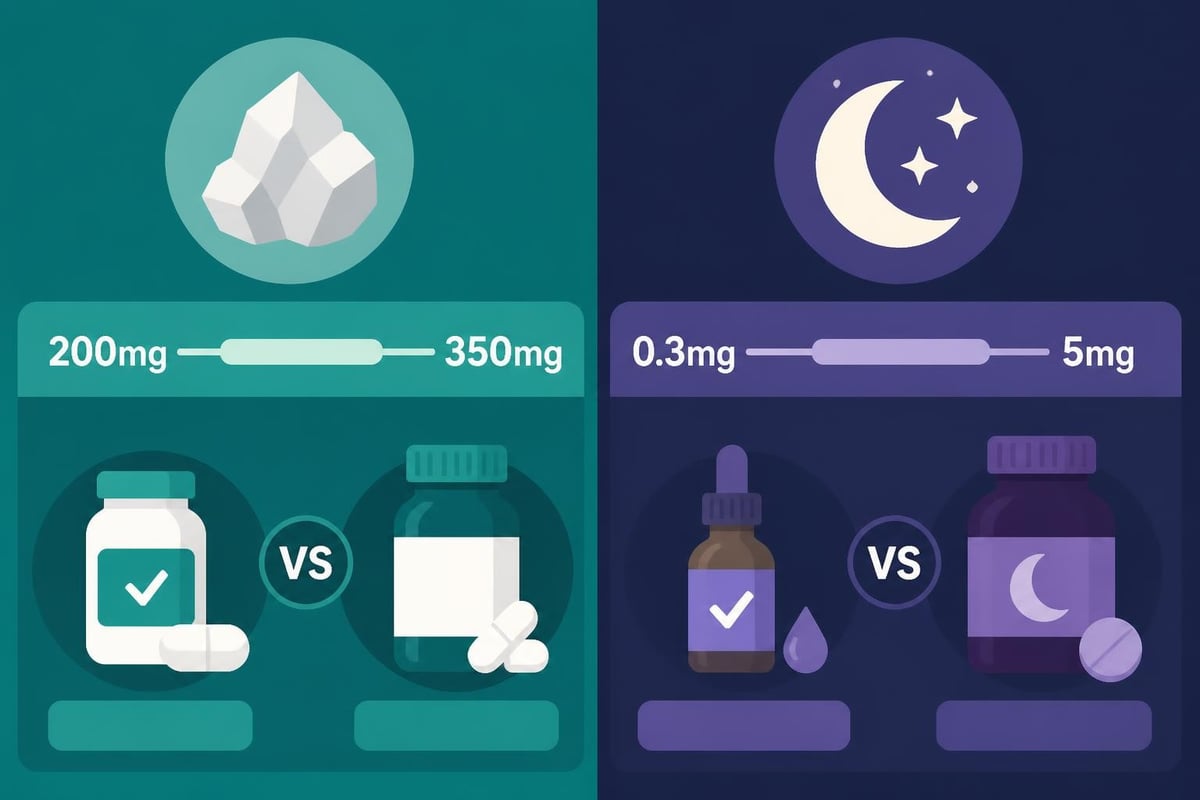
Lower doses often work better than higher ones. Research suggests that physiological doses (0.3-1 mg) may be more effective than the supraphysiological doses (3-10 mg) commonly available in retail products.
Key timing principles:
- Take melatonin 30-60 minutes before desired sleep time
- Use consistently at the same time each evening
- Combine with light reduction and screen avoidance
- Allow 2-4 weeks to assess effectiveness
The body's natural melatonin production peaks at approximately 50-200 picograms per milliliter of blood. Supplemental doses of 0.5-1 mg produce blood levels similar to this natural peak, while higher doses create levels far exceeding physiological norms.
Combining Magnesium Melatonin for Enhanced Sleep
The rationale for combining these two supplements stems from their complementary mechanisms. While melatonin signals sleep timing, magnesium prepares the physical and neurological environment for quality rest.
Synergistic Mechanisms
Research published in medical journals has examined magnesium melatonin combinations alongside other sleep-supporting nutrients. One study investigated a combination formula containing magnesium, melatonin, and vitamin B complex for treating insomnia, finding improvements in sleep quality and reduced sleep onset latency.
The theoretical synergy includes:
- Magnesium supports endogenous melatonin synthesis
- Melatonin provides circadian timing signals
- Magnesium reduces physical tension and muscle cramping
- Melatonin reduces sleep onset latency
- Both influence neurotransmitter systems involved in sleep
This dual approach may address multiple sleep disruption pathways simultaneously, potentially offering more comprehensive support than either supplement alone.

Evidence for Combined Supplementation
While individual research on each supplement is robust, studies specifically examining magnesium melatonin combinations remain more limited. Analyses of combination products suggest that formulas typically contain 200-400 mg of magnesium alongside 1-5 mg of melatonin.
| Study Parameter | Magnesium Alone | Melatonin Alone | Combined Approach |
|---|---|---|---|
| Sleep Onset Latency | Moderate improvement | Strong improvement | Potentially enhanced |
| Sleep Maintenance | Good improvement | Variable | Good improvement |
| Muscle Relaxation | Strong benefit | Minimal | Strong benefit |
| Circadian Reset | Indirect support | Direct effect | Direct effect |
| Morning Grogginess | Rare | Occasional | Variable |
When evaluating specific products, consider platforms like DoseRank that assess supplements across multiple dimensions including evidence strength, appropriate dosing, manufacturer trust, and cost-effectiveness.
Safety Profile and Potential Interactions
Both magnesium and melatonin demonstrate generally favorable safety profiles when used appropriately, but understanding potential concerns helps ensure responsible supplementation.
Magnesium Safety Considerations
The upper tolerable limit for supplemental magnesium (not including dietary intake) is 350 mg daily for adults. Exceeding this amount may cause digestive discomfort, particularly loose stools or diarrhea.
Caution advised for:
- Individuals with kidney disease or impaired renal function
- Those taking certain antibiotics or bisphosphonates
- People on diuretics or proton pump inhibitors
- Anyone with heart block or severe heart disease
Magnesium can interact with various medications by affecting absorption or altering drug effects. Spacing doses by at least two hours from medications helps minimize interaction risks.
Melatonin Safety and Contraindications
Melatonin supplementation carries a low risk of serious adverse effects in most populations. Common side effects include daytime drowsiness, headache, dizziness, or nausea, typically associated with higher doses.
Special populations requiring caution:
- Pregnant or nursing women (insufficient safety data)
- Children and adolescents (potential effects on development)
- Those with autoimmune conditions (may affect immune function)
- Individuals taking immunosuppressants (potential interactions)
The safety profile of taking magnesium and melatonin together depends largely on total dosage and individual health status. No significant negative interactions between the two supplements have been documented in clinical literature.
Monitoring Your Response
Starting with lower doses and gradually increasing allows assessment of individual tolerance and effectiveness. Keep a simple sleep diary noting:
- Sleep onset time (how long to fall asleep)
- Night wakings (frequency and duration)
- Morning alertness and energy
- Any side effects or unusual symptoms
This tracking helps determine whether magnesium melatonin supplementation provides meaningful benefits for your specific situation.
Choosing Quality Magnesium Melatonin Products
The supplement market offers numerous options, from single-ingredient products to comprehensive sleep formulas. Product quality varies significantly across manufacturers and price points.
Third-Party Testing and Certification
Look for products certified by independent testing organizations that verify label accuracy and screen for contaminants:
- USP Verified confirms ingredient identity, strength, purity, and disintegration
- NSF Certified for Sport tests for banned substances and label claims
- ConsumerLab Approved independently verifies product quality
- Informed Choice provides assurance for athletes
These certifications cost manufacturers money to obtain, often signaling higher quality standards and manufacturing practices.
Evaluating Combination Formulas
Many products combine magnesium melatonin with additional sleep-supporting ingredients like L-theanine, GABA, or herbal extracts. While these may offer benefits, they also increase complexity in determining what works.
Questions to ask when evaluating products:
- Does the magnesium dose match clinical research (200-400 mg elemental)?
- Is the melatonin dose physiological (0.5-3 mg) or supraphysiological (5-10 mg)?
- Are the specific forms of each ingredient listed (e.g., magnesium glycinate)?
- Does the manufacturer provide transparency about sourcing and testing?
DoseRank's supplement evaluation system analyzes products across six key dimensions, helping consumers identify options that balance evidence, appropriate dosing, trustworthiness, value, and accessibility. For those seeking to improve magnesium status specifically, targeted analysis can reveal which products deliver optimal bioavailable forms at doses supported by clinical data.
Alternative Approaches and Lifestyle Factors
While magnesium melatonin supplementation can support sleep quality, these nutrients work best as part of a comprehensive approach to sleep hygiene.
Sleep Hygiene Fundamentals
No supplement can fully compensate for poor sleep practices. Sleep specialists emphasize that fundamental sleep hygiene often produces more dramatic improvements than supplementation alone.
Core principles include:
- Consistent sleep schedule (same bedtime and wake time daily)
- Light exposure management (bright light morning, darkness evening)
- Temperature optimization (cool bedroom, around 65-68°F)
- Caffeine timing (none within 8-10 hours of bedtime)
- Screen reduction (minimize blue light 1-2 hours before sleep)
Dietary Sources of Magnesium
Comparing magnesium supplements versus magnesium-rich foods reveals that dietary sources offer magnesium alongside other beneficial compounds. However, reaching therapeutic doses through diet alone can be challenging.
High-magnesium foods include:
| Food Source | Serving Size | Magnesium Content |
|---|---|---|
| Pumpkin seeds | 1 ounce | 156 mg |
| Spinach (cooked) | 1 cup | 157 mg |
| Swiss chard (cooked) | 1 cup | 150 mg |
| Dark chocolate (70-85%) | 1 ounce | 64 mg |
| Almonds | 1 ounce | 80 mg |
| Black beans | 1 cup | 120 mg |
Combining dietary magnesium with strategic supplementation may optimize status while supporting overall nutritional quality.
Comparing Magnesium Melatonin to Other Sleep Supplements
The sleep supplement category extends far beyond these two nutrients. Understanding how magnesium melatonin stacks up against alternatives helps inform personal choices.
Magnesium Versus Other Minerals
Glycine versus magnesium comparisons highlight different mechanisms for sleep support. Glycine, an amino acid, may promote sleep through body temperature regulation and NMDA receptor modulation, while magnesium works through multiple pathways including GABA activity.
Both demonstrate clinical evidence, though magnesium offers broader physiological benefits beyond sleep alone, supporting muscle function, stress response, and cardiovascular health.
Individual Versus Combination Approaches
Direct comparisons between magnesium and melatonin show distinct use cases. Melatonin excels for circadian rhythm disruptions like jet lag or shift work, while magnesium provides more comprehensive support for sleep quality and duration.
Consider melatonin primarily when:
- Adjusting to new time zones
- Managing delayed sleep phase
- Experiencing age-related sleep changes
- Dealing with short-term sleep disruptions
Consider magnesium primarily when:
- Experiencing muscle tension or cramping
- Managing stress or anxiety
- Addressing chronic sleep maintenance issues
- Supporting overall mineral status
The magnesium melatonin combination may suit individuals who want to address both circadian timing and physiological preparation for sleep, though personalized approaches often work best.
Personalization and Finding Your Optimal Approach
Sleep challenges vary considerably across individuals, reflecting differences in genetics, lifestyle, health status, and environmental factors. A personalized approach to magnesium melatonin supplementation acknowledges this variability.
Identifying Your Sleep Profile
Different sleep issues may respond better to different interventions. Trouble falling asleep differs from difficulty staying asleep, just as stress-related sleep disruption differs from circadian misalignment.
Common sleep profiles:
- Difficulty initiating sleep (long sleep onset latency) - May benefit more from melatonin
- Frequent night wakings (poor sleep maintenance) - May benefit more from magnesium
- Combined initiation and maintenance issues - May benefit from magnesium melatonin combination
- Circadian rhythm disruption - May benefit primarily from melatonin with timed light exposure
- Stress-related sleep issues - May benefit from magnesium with stress management techniques
Understanding your specific pattern helps target interventions more effectively.
Trial Periods and Adjustment
Adequate trial periods allow proper assessment of magnesium melatonin effects. Sleep improvements may emerge gradually rather than immediately.
Recommended approach:
- Begin with a 2-4 week trial of consistent use
- Track sleep metrics objectively (apps, wearables, or sleep diary)
- Adjust timing or dosage based on response
- Consider cycling or alternating approaches if benefits plateau
- Consult healthcare providers for persistent sleep issues
Individual responses vary significantly. What works optimally for one person may prove less effective for another, making personal experimentation within safe parameters a valuable strategy.
Understanding how magnesium melatonin supplements work individually and together empowers better decisions about sleep support strategies that align with your specific needs and circumstances. Rather than relying on guesswork or marketing claims, evidence-based evaluation of supplement quality, appropriate dosing, and personal response patterns leads to more effective outcomes. DoseRank helps you navigate these choices by ranking supplements based on clinical evidence, optimal dosing, manufacturer trust, value, and availability, ensuring you find options that truly match your goals.