
DOSERANK guide
Magnesium Glycine: Benefits, Dosage, and Evidence
Published
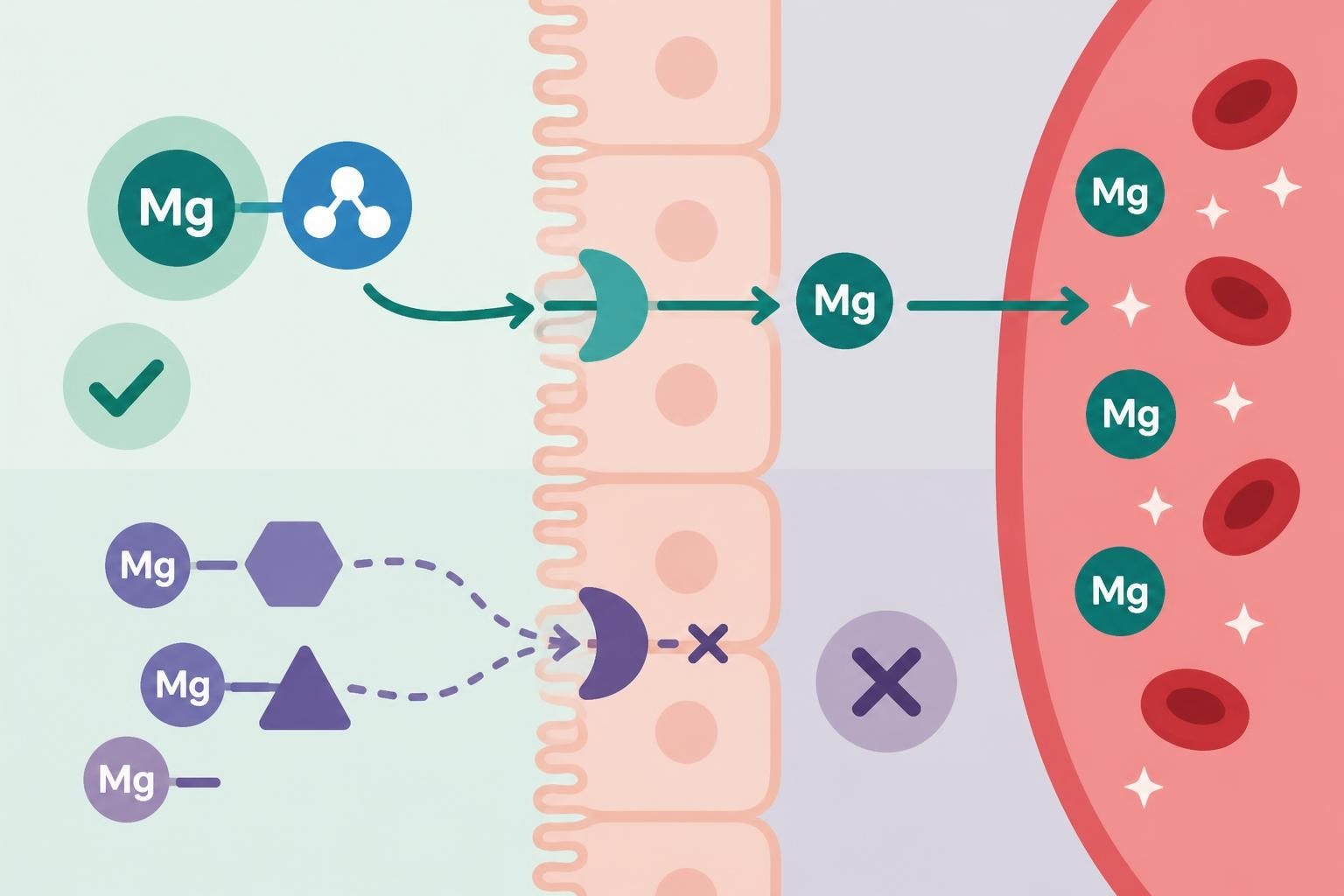
Magnesium glycine, more commonly known by its technical name magnesium bisglycinate or magnesium glycinate, has emerged as one of the most studied and recommended forms of supplemental magnesium in 2026. This chelated form binds elemental magnesium to the amino acid glycine, creating a compound praised for superior absorption, gentle digestive tolerance, and unique dual benefits. As researchers continue publishing trials on sleep quality, anxiety reduction, and bioavailability, understanding what sets this form apart has become essential for anyone evaluating magnesium supplements.
What Makes Magnesium Glycine Different
Magnesium supplements flood the market in dozens of chemical forms, each with distinct properties that affect how your body handles them. Magnesium glycine stands out because of its chelated structure.
The Chelation Advantage
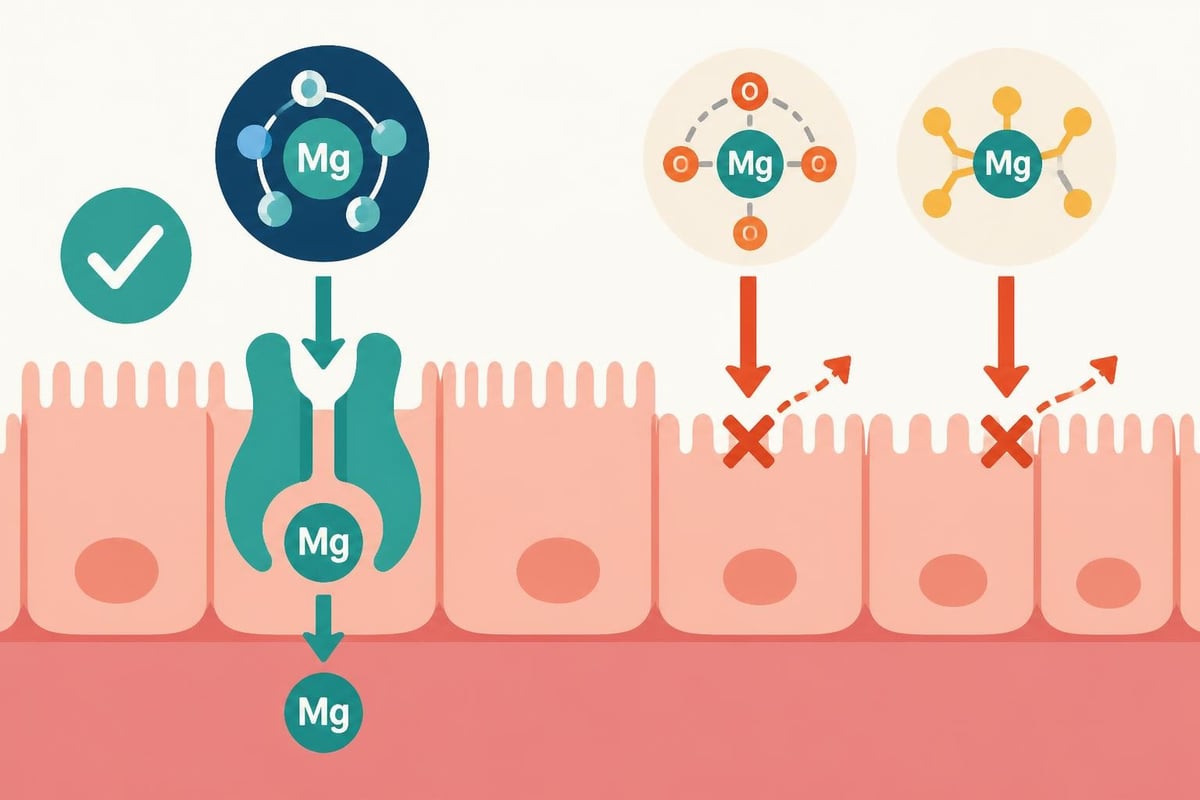
When magnesium ions bind to two glycine molecules, they form a stable ring structure that survives stomach acid intact. This protective shell allows the compound to reach the small intestine where absorption occurs. Unlike inorganic salts such as magnesium oxide or magnesium chloride, which rely on acidic stomach conditions to ionize and dissolve, chelated forms maintain stability across varying pH levels.
The glycine component does more than protect magnesium during transit. Amino acids have dedicated transport systems in the intestinal wall, and glycine exploits these pathways to carry magnesium across cell membranes. This dual mechanism delivers higher bioavailability than forms that depend solely on passive diffusion or active magnesium transport.
Digestive Tolerance Profile
One practical advantage has made magnesium glycine a preferred choice for long-term supplementation. Most magnesium salts draw water into the intestinal lumen through osmotic action, which explains why magnesium citrate serves as an effective laxative and why magnesium oxide frequently causes loose stools.
Chelated magnesium bypasses much of this osmotic effect. The bound form passes through the digestive tract without pulling significant water, reducing gastrointestinal side effects even at therapeutic doses. For individuals who experience cramping or diarrhea with other magnesium supplements, switching to magnesium glycine often resolves the issue while maintaining effective dosing.
Evidence From Clinical Research
The body of research specifically testing magnesium glycine has grown substantially, with controlled trials now examining targeted health outcomes rather than just measuring blood levels.
Sleep Quality Trials
A randomized, placebo-controlled trial published in 2025 tested magnesium bisglycinate in adults reporting poor sleep. Participants received 400 mg of elemental magnesium per day for eight weeks, with outcomes measured through validated sleep questionnaires and actigraphy. The magnesium group showed statistically significant improvements in sleep efficiency, total sleep time, and subjective sleep quality compared to placebo.
Key trial parameters:
- Dose: 400 mg elemental magnesium as bisglycinate
- Duration: 8 weeks
- Primary outcomes: Pittsburgh Sleep Quality Index, sleep efficiency percentage
- Results: 15-point improvement in sleep quality scores, 22-minute increase in total sleep time
The trial protocol was registered in the German Clinical Trials Register before participant enrollment, ensuring transparency in methodology and outcome selection.
Anxiety and Mood Outcomes
A 2024 systematic review examined supplemental magnesium's effects on self-reported anxiety across multiple forms. While the review included magnesium oxide, citrate, and chloride, several included trials used magnesium glycinate specifically. The analysis found moderate evidence that magnesium supplementation reduces anxiety scores in individuals with mild to moderate symptoms, though effect sizes varied by baseline magnesium status and concurrent conditions.
The glycine component may contribute independently to these effects. Glycine functions as an inhibitory neurotransmitter in the central nervous system, modulating NMDA receptors and potentially enhancing the calming effects observed with magnesium supplementation.
| Study Type | Magnesium Form | Dose Range | Duration | Primary Finding |
|---|---|---|---|---|
| RCT (2025) | Bisglycinate | 400 mg/day | 8 weeks | Sleep quality improved 15 points |
| Systematic review (2024) | Multiple forms | 200-500 mg/day | 4-16 weeks | Moderate anxiety reduction |
| Bioavailability study (2023) | Glycinate vs. oxide | 300 mg/day | Single dose | 2.1x higher serum increase |
Bioavailability Compared to Other Forms
Understanding absorption rates helps explain why dose recommendations vary across magnesium compounds.
Comparative Absorption Studies
Human trials measuring serum magnesium after single doses consistently rank magnesium glycine among the most bioavailable forms. One crossover study gave healthy adults equivalent doses of elemental magnesium as glycinate, citrate, and oxide, then measured blood levels at intervals over 24 hours. Magnesium glycinate produced serum concentrations 2.1 times higher than oxide and slightly exceeded citrate.
These differences compound over time. With daily supplementation, the cumulative effect of superior absorption means users can achieve target magnesium status with lower doses of glycinate compared to less bioavailable forms, reducing pill burden and cost per absorbed milligram.
Factors That Influence Individual Absorption
Even the most bioavailable form encounters variables that affect how much magnesium your body ultimately retains:
- Baseline status: Individuals with depleted stores absorb more efficiently through upregulated transport systems
- Dietary intake: High calcium or zinc intake competes for some absorption pathways
- Gastrointestinal health: Inflammatory bowel conditions reduce surface area and transporter function
- Kidney function: Urinary excretion increases when intake exceeds needs
When evaluating whether magnesium supplementation is supporting your goals, platforms like DoseRank map outcomes to human study data on magnesium status, incorporating metrics such as serum levels, red blood cell magnesium, and urinary excretion to help you track meaningful changes.

Optimal Dosing Guidelines
Determining the right dose requires balancing efficacy evidence, safety thresholds, and individual needs.
Evidence-Based Dose Ranges
Most clinical trials testing magnesium glycine for specific outcomes use 200 to 400 mg of elemental magnesium daily. This range aligns with recommendations from Harvard Health, which notes that supplemental magnesium should complement dietary intake to reach the recommended daily allowance of 310-420 mg for adults, depending on age and sex.
Typical dosing protocols by outcome:
- Sleep support: 300-400 mg elemental magnesium, taken 1-2 hours before bed
- General supplementation: 200-300 mg daily, divided or single dose
- Athletic recovery: 400-500 mg daily, often split between morning and evening
- Digestive sensitivity: Start with 100-200 mg and increase gradually
When supplement labels list "magnesium glycinate 2000 mg," remember this refers to the total compound weight. Magnesium typically comprises 10-14% of the total, so 2000 mg of magnesium bisglycinate delivers roughly 200-280 mg of elemental magnesium. Always check the elemental magnesium content to compare products accurately.
Timing and Split Dosing
The glycine component's calming properties make evening dosing popular for sleep-focused supplementation. However, research has not conclusively shown that timing affects absorption rates or magnesium status markers over weeks of consistent use.
Some practitioners recommend splitting doses above 300 mg to maximize absorption, based on the concept that intestinal transporters have finite capacity. While theoretically sound, clinical trials using single daily doses of 400 mg have successfully increased serum magnesium, suggesting that splitting is optional rather than mandatory.
Safety Considerations and Interactions
Magnesium glycine carries an excellent safety profile, but understanding potential interactions prevents problems.
Side Effect Threshold
The most common side effect remains loose stools, though magnesium glycine causes this less frequently than citrate or oxide. The threshold varies individually, typically appearing when daily elemental intake exceeds 500-600 mg from supplements alone, excluding dietary sources.
Red flags that warrant medical consultation:
- Persistent diarrhea lasting more than 48 hours
- Muscle weakness or unusual fatigue
- Irregular heartbeat or palpitations
- Diminished reflexes or neurological symptoms
Medication Interactions
Magnesium can interfere with absorption of certain drugs when taken simultaneously:
| Medication Class | Interaction Mechanism | Recommended Spacing |
|---|---|---|
| Bisphosphonates (alendronate) | Forms insoluble complexes | 2+ hours apart |
| Tetracycline antibiotics | Chelation reduces drug absorption | 2-3 hours apart |
| Fluoroquinolones (ciprofloxacin) | Binding reduces antibiotic levels | 6 hours apart |
| Thyroid hormones (levothyroxine) | Reduces hormone absorption | 4+ hours apart |
Individuals with impaired kidney function should consult healthcare providers before supplementing, as reduced renal clearance can allow magnesium to accumulate to toxic levels. The kidneys normally excrete excess magnesium efficiently, making toxicity rare in people with normal kidney function.
Selecting Quality Magnesium Glycine Products
Not all supplements deliver what their labels promise, making evaluation criteria essential.
Manufacturing Standards and Third-Party Testing
Look for products that carry third-party verification from organizations like NSF International, USP, or ConsumerLab. These seals confirm that bottles contain the labeled amount of magnesium glycine without contaminants such as heavy metals or microbes.
Good manufacturing practices (GMP) certification indicates that facilities follow standardized production protocols, though this alone does not verify potency or purity of finished products. Combining GMP certification with batch-specific third-party testing provides the strongest quality assurance.
Evaluating Value and Effectiveness
Price per serving tells only part of the story. Calculate cost per milligram of elemental magnesium, factoring in bioavailability. A cheaper magnesium oxide product may cost more per absorbed milligram than a moderately priced glycinate option.
Platforms that rank supplements on multiple dimensions help cut through marketing claims. The DoseRank methodology evaluates supplements across evidence strength, dose appropriateness, manufacturer trust, value, popularity, and availability, giving you a comprehensive view that single criteria miss.

Who Benefits Most From Magnesium Glycine
Certain populations gain particular advantage from this form's properties.
Populations With Higher Needs
Athletes and physically active individuals often require more magnesium than sedentary peers. Exercise increases urinary and sweat losses, and magnesium plays direct roles in muscle contraction, protein synthesis, and energy metabolism. The gentle digestive profile allows athletes to maintain consistent supplementation without GI distress that could affect training.
People managing stress resilience may benefit from both the magnesium and glycine components working synergistically. Magnesium regulates the hypothalamic-pituitary-adrenal axis, while glycine modulates neurotransmitter activity, potentially offering complementary pathways for stress response modulation.
Older adults face multiple factors that compromise magnesium status: reduced dietary intake, medications that increase urinary losses (diuretics, proton pump inhibitors), and age-related decreases in absorption efficiency. Highly bioavailable forms become particularly valuable when the body's ability to extract magnesium from food declines.
When Magnesium Glycine May Not Be Optimal
Despite its advantages, magnesium glycine is not universally superior for every application. Individuals specifically seeking a laxative effect should choose magnesium citrate or hydroxide, which provide faster osmotic action. Those with severe acute magnesium deficiency under medical management may receive intravenous magnesium sulfate for rapid repletion before transitioning to oral maintenance.
Budget constraints might favor magnesium citrate, which offers good bioavailability at lower cost than glycinate, though with higher likelihood of loose stools. The decision tree depends on weighing priorities: if gentle tolerance matters most, glycinate justifies the premium; if cost is the primary barrier to consistent supplementation, citrate may deliver better value.
Dietary Sources and Supplementation Context
Supplements should complement rather than replace dietary magnesium.
Food Sources to Prioritize
Whole foods provide magnesium along with complementary nutrients that support absorption and utilization:
- Dark leafy greens: Spinach, Swiss chard, and kale (chlorophyll contains magnesium)
- Nuts and seeds: Almonds, pumpkin seeds, and cashews
- Whole grains: Brown rice, quinoa, and oats
- Legumes: Black beans, chickpeas, and lentils
- Dark chocolate: 70%+ cacao provides substantial magnesium per serving
Processing reduces magnesium content substantially. Refined grains lose 80-95% of magnesium during milling, and modern agricultural practices have decreased mineral density in some crops compared to historical levels.
When Supplementation Becomes Necessary
Even well-planned diets may fall short of magnesium needs due to soil depletion, food preferences, or increased requirements. Symptoms associated with inadequate magnesium include muscle cramps, fatigue, sleep disturbances, and irregular heartbeat, though these are nonspecific and overlap with many conditions.
Laboratory testing can confirm status, but standard serum magnesium captures only 1% of total body stores and may appear normal even with significant depletion. Red blood cell magnesium provides a better indicator of intracellular status, though it is less commonly ordered. When direct testing is impractical, a therapeutic trial of supplementation can serve as a diagnostic tool, with improvement in target symptoms suggesting that inadequate magnesium contributed to the issue.
Emerging Research Directions
Investigation into magnesium glycine continues expanding into new territories.
Bone Health and Mineral Density
While calcium dominates bone health discussions, magnesium influences bone matrix quality and regulates parathyroid hormone. Preliminary research suggests that adequate magnesium intake may improve bone mineral density independently of calcium, with chelated forms potentially offering advantages for individuals with absorption challenges.
Ongoing trials are testing whether long-term magnesium glycine supplementation reduces fracture risk in postmenopausal women, a population particularly vulnerable to osteoporosis. Results will clarify whether the form-specific properties of glycinate translate to measurable skeletal benefits beyond general magnesium sufficiency.
Metabolic and Cardiovascular Applications
Magnesium participates in over 300 enzymatic reactions, including those regulating glucose metabolism and blood pressure. Observational studies link higher magnesium intake with reduced cardiovascular disease risk and better glycemic control in diabetes.
Current randomized trials are examining whether magnesium supplementation can slow progression of prediabetes to type 2 diabetes and whether specific forms offer advantages. The anti-inflammatory properties attributed to both magnesium and glycine have generated interest in testing magnesium glycine specifically for metabolic endpoints, though definitive evidence awaits completion of longer-duration intervention studies.
Integrating Magnesium Glycine Into Your Routine
Successful supplementation requires more than purchasing the right product.
Creating Consistency Habits
Magnesium's benefits accumulate over weeks of regular intake rather than appearing immediately. Linking supplementation to an existing daily routine improves adherence. Pairing magnesium glycine with a specific meal, placing the bottle next to your toothbrush, or setting a phone reminder converts intention into action.
Tracking outcomes provides motivation and helps assess whether the supplement meets your goals. Sleep apps, symptom journals, or periodic check-ins on target measures (muscle cramps frequency, stress levels, digestive comfort) create objective feedback loops. Platforms focused on specific health outcomes can help you define measurable targets before starting supplementation.
Adjusting Based on Response
Individual variation means your optimal dose may differ from trial protocols or general recommendations. Start at the lower end of the range (200 mg elemental magnesium) and increase gradually if you do not observe benefits after three to four weeks. If loose stools develop, reduce the dose or split it into two smaller servings taken 8-12 hours apart.
Some people respond better to specific timing. Experimenting with morning versus evening dosing, with meals versus empty stomach, or split versus single-dose regimens helps identify your individual pattern. The gentle nature of magnesium glycine allows this experimentation without significant side effects.
Magnesium glycine stands out among supplement forms for its combination of superior bioavailability, digestive tolerance, and growing clinical evidence across sleep, anxiety, and general health outcomes. Whether you are addressing specific symptoms or optimizing foundational nutrient status, choosing the right form and dose determines success. DoseRank evaluates magnesium supplements across evidence quality, dose appropriateness, third-party testing, value, and availability, helping you identify products that match your specific health goals with confidence backed by data rather than marketing claims.