
DOSERANK guide
Magnesium Glycinate Dosage: Evidence-Based Guidelines
Published

Magnesium glycinate has become one of the most popular supplemental forms of magnesium, prized for its superior absorption and gentle effect on digestion. Yet many consumers struggle to determine the right amount to take. Understanding proper magnesium glycinate dosage requires distinguishing between elemental magnesium content and total compound weight, recognizing individual needs based on health goals, and respecting established safety thresholds. This guide examines clinical evidence, regulatory guidance, and practical factors to help you navigate dosing decisions with confidence.
Understanding Elemental Versus Compound Weight
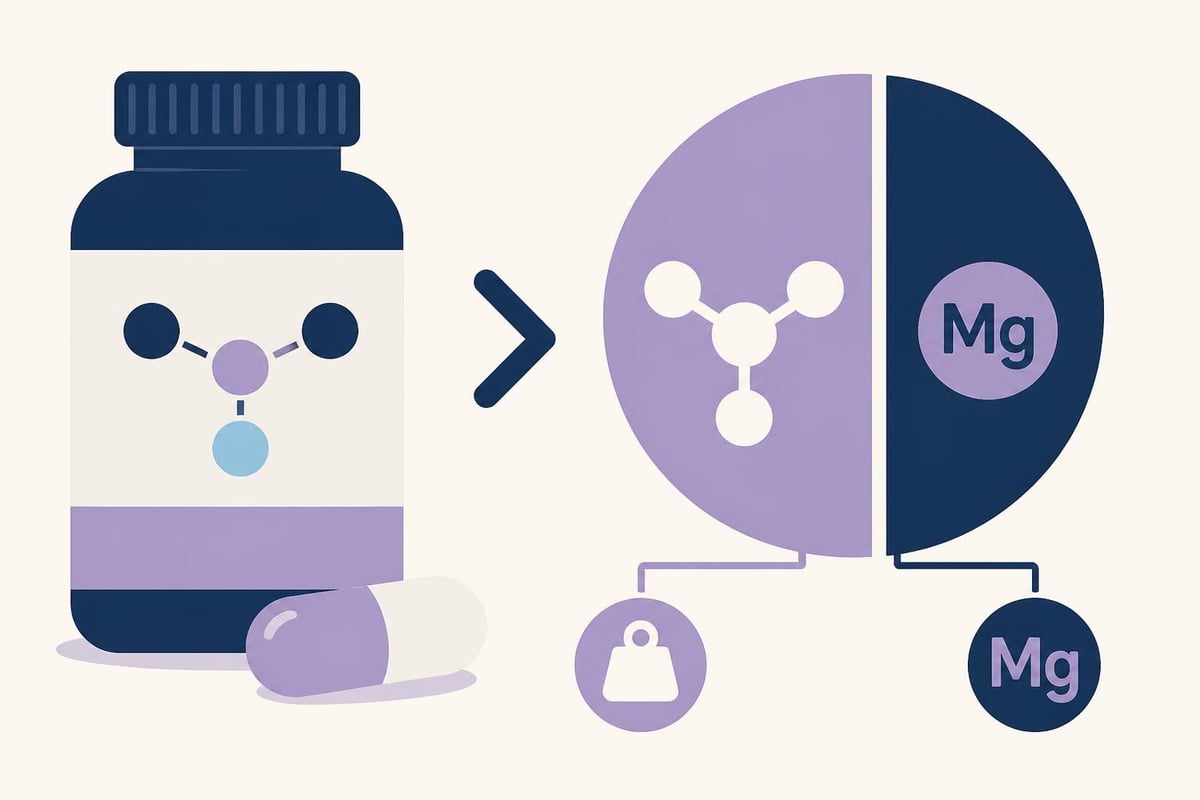
The most common source of confusion when determining magnesium glycinate dosage stems from the difference between elemental magnesium and total compound weight. Magnesium glycinate consists of magnesium bound to two glycine molecules, meaning the capsule or tablet weight includes both the mineral and the amino acid.
Elemental magnesium represents the actual amount of absorbable magnesium in the supplement. Most supplement labels list both figures, but dosing recommendations always refer to elemental magnesium. A 500 mg magnesium glycinate capsule typically delivers approximately 50–100 mg of elemental magnesium, depending on the manufacturer's formulation and whether they use magnesium bisglycinate or another chelated variant.
Why Form Matters for Absorption
Research comparing magnesium supplement bioavailability shows that chelated forms such as glycinate demonstrate superior absorption compared to inorganic salts like magnesium oxide. A systematic review of magnesium supplement bioavailability found that organic forms, particularly glycinate and citrate, consistently outperformed oxide in both absorption studies and retention measures.
This enhanced bioavailability influences practical dosing. Someone taking magnesium oxide might need 400 mg elemental magnesium to achieve the same tissue-level effect as 300 mg from glycinate. This difference matters when translating clinical trial doses to your supplement routine.
Recommended Daily Intake Baselines
Before determining supplemental magnesium glycinate dosage, establish your baseline requirement. The National Institutes of Health sets Recommended Dietary Allowances (RDA) for total magnesium intake from all sources (food plus supplements):
| Age/Gender | RDA (mg/day) | Pregnancy | Lactation |
|---|---|---|---|
| Men 19-30 | 400 | - | - |
| Men 31+ | 420 | - | - |
| Women 19-30 | 310 | 350 | 310 |
| Women 31+ | 320 | 360 | 320 |
These values reflect total magnesium needs. Most adults consume 250–350 mg daily from diet alone, creating a supplemental "gap" of 50–170 mg for those seeking optimal intake. However, individual requirements vary based on factors including stress levels, exercise intensity, medication use, and health conditions.
Health Canada's dietary reference tables provide similar guidance with slight regional variations, reinforcing that 300–420 mg total daily magnesium represents the evidence-based target for most adults.
Adjusting for Individual Factors
Several circumstances increase magnesium requirements beyond baseline RDA values:
- Intense physical activity: Athletes may require an additional 10–20% due to increased losses through sweat and urine
- Chronic stress: Elevated cortisol accelerates urinary magnesium excretion
- Certain medications: Diuretics, proton pump inhibitors, and some antibiotics impair magnesium absorption or increase losses
- Digestive conditions: Crohn's disease, celiac disease, and chronic diarrhea reduce magnesium uptake
- Aging: Absorption efficiency declines after age 60, often requiring higher supplemental intake
When these factors apply, a magnesium glycinate dosage at the higher end of recommended ranges becomes appropriate. Platforms like DoseRank evaluate these variables alongside clinical evidence to help identify supplements that match your specific health context and goals.
Clinical Dosing for Specific Health Outcomes
Research investigating magnesium supplementation for targeted health goals provides concrete dosing benchmarks. These studies used measured amounts of elemental magnesium, offering practical guidance for supplement selection.
Sleep Quality and Duration
A randomized, placebo-controlled trial of magnesium bisglycinate for sleep in adults used 300 mg elemental magnesium taken 60 minutes before bedtime. Participants showed significant improvements in sleep efficiency, reduced nighttime awakenings, and better subjective sleep quality scores compared to placebo. This dose proved both effective and well-tolerated over the eight-week study period.
For those exploring supplements to improve sleep quality, this evidence suggests 250–350 mg elemental magnesium from glycinate represents a reasonable starting range. The form's gentleness on digestion makes evening dosing practical without gastrointestinal disruption.
Stress and Mood Support
Clinical trials examining magnesium for stress resilience typically employ doses ranging from 200–400 mg elemental magnesium daily. Studies measuring cortisol response, perceived stress scores, and anxiety symptom scales found benefits clustering in the 250–350 mg range when magnesium was paired with cognitive-behavioral approaches.
The glycine component of magnesium glycinate may provide additional benefit here, as glycine itself acts as an inhibitory neurotransmitter with calming properties. This dual mechanism makes glycinate particularly suitable when addressing stress-related magnesium supplementation goals.

Muscle Function and Exercise Recovery
Research on magnesium for muscle health demonstrates benefits at 300–500 mg elemental magnesium daily, particularly when addressing deficiency states. Studies measuring muscle strength, exercise performance, and recovery markers suggest that athletes or active individuals may benefit from doses toward the upper end of this range.
Magnesium plays essential roles in muscle contraction, relaxation, and energy metabolism. Supplementation can help reduce muscle cramps and support exercise recovery, especially when baseline intake from diet falls short of requirements.
Safety Thresholds and Upper Limits
Establishing a safe maximum magnesium glycinate dosage requires understanding regulatory guidance on tolerable upper intake levels. Unlike RDA values, upper limits (UL) apply specifically to supplemental magnesium, excluding dietary sources.
The EFSA tolerable upper intake levels summary sets the UL for supplemental magnesium at 250 mg/day for adults, based on osmotic diarrhea as the critical adverse effect. This conservative threshold reflects the fact that excessive magnesium from supplements can draw water into the intestines, causing loose stools.
However, real-world tolerance varies considerably. The NHS guidance on vitamins and minerals notes that supplemental magnesium doses up to 400 mg per day are unlikely to cause harm in healthy adults, acknowledging that individual tolerance depends on the magnesium form used.
Why Glycinate Tolerates Higher Doses
Magnesium glycinate's chelated structure reduces its osmotic effect compared to forms like magnesium oxide or citrate. Many users tolerate 400–500 mg elemental magnesium from glycinate without digestive discomfort, whereas the same dose from oxide commonly triggers diarrhea.
This difference explains why clinical studies safely use glycinate doses exceeding regulatory UL values. The bound glycine stabilizes magnesium passage through the digestive tract, minimizing the rapid fluid shifts that cause osmotic diarrhea with less absorbable forms.
Signs of Excessive Intake
Even with well-tolerated forms, excessive magnesium glycinate dosage can produce unwanted effects:
- Loose stools or diarrhea (most common)
- Nausea or abdominal cramping
- Lethargy or muscle weakness
- In extreme cases (typically >5,000 mg), dangerous cardiac effects
Individuals with impaired kidney function face heightened risk, as the kidneys normally excrete excess magnesium efficiently. Anyone with chronic kidney disease should consult healthcare providers before beginning magnesium supplementation, regardless of the form.
Splitting Doses for Optimal Absorption
Research on magnesium pharmacokinetics suggests that absorption efficiency decreases as single-dose size increases. The intestinal magnesium transporters responsible for active absorption become saturated at higher doses, reducing the percentage of magnesium absorbed.
Practical dosing strategies to maximize absorption:
- Divide total daily magnesium glycinate dosage across 2–3 doses (e.g., 150 mg with breakfast, 150 mg with dinner rather than 300 mg once daily)
- Take with food to slow transit time and enhance contact with absorption sites
- Separate from high-fiber meals by 1–2 hours if targeting maximum absorption, as certain fibers can bind magnesium
- Avoid taking with calcium supplements at the same time, as both compete for the same absorption pathways
These strategies become particularly important when using doses above 200 mg elemental magnesium. Splitting a 400 mg daily target into 200 mg twice daily typically yields better tissue-level results than taking the full amount at once.
Timing Considerations for Different Goals
The optimal time to take magnesium glycinate dosage depends on your primary health objective. Clinical evidence and physiological principles suggest different timing strategies for different outcomes.
| Health Goal | Optimal Timing | Rationale |
|---|---|---|
| Sleep improvement | 30–60 min before bed | Maximizes calming effect during natural sleep onset window |
| Stress management | Morning + evening split | Maintains stable levels throughout high-stress periods |
| Exercise recovery | Post-workout + bedtime | Supports acute recovery and overnight muscle repair |
| Digestive regularity | Morning with breakfast | Gentle osmotic effect aids morning bowel movements |
| General health | With largest meals | Enhances absorption through extended transit time |
The glycine component contributes to glycinate's suitability for evening use. Unlike some magnesium forms that may cause digestive urgency at bedtime, glycinate's gentle nature makes pre-sleep dosing practical for most users.

Starting Doses and Adjustment Strategies
When beginning magnesium glycinate supplementation, a conservative approach minimizes adjustment challenges and helps identify your optimal dose. Most experts recommend a methodical escalation strategy rather than jumping immediately to higher doses.
Week-by-Week Titration Protocol
Week 1: Start with 100–150 mg elemental magnesium once daily with dinner. Monitor for any digestive changes or other effects. This conservative start establishes baseline tolerance.
Week 2: If well-tolerated, increase to 200 mg daily, either as a single dose or split between morning and evening. Continue monitoring stool consistency and overall response.
Week 3–4: Adjust to target dose based on goals (typically 250–400 mg for most health objectives). Many users find their optimal magnesium glycinate dosage in this range, experiencing benefits without side effects.
Ongoing: Reassess every 4–6 weeks. Some individuals discover they can reduce to a maintenance dose after initial repletion, while others maintain higher doses long-term.
This gradual approach allows your digestive system to adapt and helps distinguish supplement effects from other variables. If fatigue or other deficiency symptoms improve within 2–4 weeks, you've likely identified an effective dose. Persistence beyond that timeframe may indicate the need for dosage adjustment or investigation of other contributing factors.
Interactions with Medications and Other Supplements
Magnesium glycinate dosage decisions must account for potential interactions with medications and other supplements. While glycinate demonstrates excellent safety, certain combinations require spacing or dose modification.
Medications affected by magnesium:
- Bisphosphonates (osteoporosis drugs): Separate by at least 2 hours to prevent binding
- Antibiotics (fluoroquinolones, tetracyclines): Take magnesium at least 4 hours apart
- Thyroid medications: Separate by 4+ hours as magnesium reduces absorption
- Blood pressure medications: Magnesium may enhance hypotensive effects; monitor closely
- Muscle relaxants: Additive effects possible; medical supervision recommended
Supplement combinations requiring attention:
Calcium and magnesium compete for absorption when taken together in high doses. If supplementing both, consider taking calcium with breakfast and magnesium with dinner. However, the traditional concern about maintaining a specific calcium-to-magnesium ratio lacks strong evidence; focus instead on meeting individual needs for each mineral.
Vitamin D supplementation may increase magnesium requirements, as vitamin D metabolism depends on magnesium-dependent enzymes. Individuals addressing both nutrients might consider platforms like DoseRank that evaluate dose compatibility across multiple supplements.
Special Populations and Modified Dosing
Certain groups require modified approaches to magnesium glycinate dosage based on altered physiology or increased vulnerability to adverse effects.
Pregnancy and Lactation
Pregnant and breastfeeding women have elevated magnesium requirements (350–360 mg total daily intake) but should approach supplementation cautiously. While magnesium glycinate is generally considered safe during pregnancy, doses should remain below 350 mg elemental magnesium from supplements unless specifically recommended by a healthcare provider.
The enhanced bioavailability of glycinate means pregnant women can often meet elevated needs with moderate supplemental doses (150–250 mg) when combined with dietary sources. Excessive intake may theoretically affect fetal muscle tone, though this primarily concerns intravenous magnesium at clinical doses far exceeding oral supplementation levels.
Older Adults
Adults over 60 commonly experience reduced gastric acid production and altered intestinal function, both of which impair magnesium absorption. This age group often benefits from the superior bioavailability of chelated forms like glycinate.
A magnesium glycinate dosage of 200–400 mg daily helps many older adults maintain adequate status despite age-related absorption decline. This population should monitor for medication interactions more carefully, as polypharmacy increases interaction probability.
Athletes and High Activity Levels
Endurance athletes and individuals engaged in intense training lose substantial magnesium through sweat-potentially 10–20% of daily requirements during prolonged exercise. These individuals may require supplemental magnesium glycinate dosage at the higher end of safe ranges (350–500 mg elemental magnesium).
Research on athletic populations demonstrates that magnesium repletion can improve strength, reduce muscle damage markers, and enhance recovery. Athletes should consider split dosing strategies, with one dose timed post-exercise to support acute recovery processes.
Laboratory Testing and Dose Optimization
Standard serum magnesium tests detect only severe deficiency, as the body maintains blood levels within narrow ranges at the expense of tissue stores. Red blood cell (RBC) magnesium provides a more accurate reflection of longer-term status but remains unavailable in many clinical settings.
For those without access to specialized testing, functional indicators guide magnesium glycinate dosage optimization:
- Muscle cramping frequency: Improvement within 2–4 weeks suggests responsive deficiency
- Sleep quality changes: Enhanced sleep latency or reduced nighttime awakenings
- Stress tolerance: Subjective improvements in stress resilience or anxiety levels
- Digestive regularity: Normalization of bowel movements (without diarrhea)
- Exercise performance: Reduced perceived exertion or improved recovery
The absence of improvement after 6–8 weeks at adequate doses may indicate that magnesium deficiency isn't the limiting factor for your health goal. In such cases, DoseRank's methodology can help identify alternative supplements with stronger evidence for your specific outcome.
Comparing Costs Across Dosage Forms
Magnesium glycinate typically costs more per elemental milligram than cheaper forms like oxide, but this comparison misleads when bioavailability differences are factored. A value-focused analysis examines cost per absorbed milligram rather than cost per capsule.
Consider these examples from typical 2026 supplement pricing:
- Magnesium oxide: $0.02 per 100 mg elemental (absorption ~4–10%)
- Magnesium glycinate: $0.15 per 100 mg elemental (absorption ~40–60%)
- Effective cost per absorbed mg: Oxide $0.20–0.50; Glycinate $0.25–0.38
When absorption is considered, glycinate often provides comparable or superior value while eliminating the digestive discomfort that makes oxide impractical for many users. The ability to use lower total doses due to better absorption further narrows any cost gap.
Quality variations among magnesium glycinate products also affect value. Third-party testing certifications (USP, NSF, ConsumerLab) ensure accurate label claims and absence of contaminants, factors that DoseRank incorporates when ranking supplements by value alongside evidence and dose fit.
Dietary Magnesium and Supplemental Needs
Even when using magnesium glycinate supplements, dietary magnesium intake significantly influences total status and optimal supplemental dosage. Magnesium-rich foods include:
- Nuts and seeds: Almonds, cashews, pumpkin seeds (75–160 mg per ounce)
- Legumes: Black beans, chickpeas, lentils (60–120 mg per cooked cup)
- Whole grains: Brown rice, quinoa, whole wheat (40–90 mg per cooked cup)
- Leafy greens: Spinach, Swiss chard (75–160 mg per cooked cup)
- Fish: Mackerel, pollock, tuna (40–80 mg per 3 oz serving)
Someone consuming 2–3 servings daily of these foods may obtain 200–300 mg dietary magnesium, reducing supplemental needs to 100–200 mg to reach optimal total intake. Conversely, diets low in whole plant foods may create larger gaps requiring 300–400 mg supplemental magnesium.
This interaction between diet and supplements explains why individualized approaches outperform one-size-fits-all recommendations. Tools that account for dietary patterns alongside supplement doses provide more accurate guidance than generic dosing charts.
Reassessing Dosage Over Time
Magnesium glycinate dosage requirements change as health status, activity levels, stress exposure, and dietary patterns evolve. A dose that effectively addresses initial deficiency may exceed needs once tissue stores replete, while life changes that increase requirements may render previously adequate doses insufficient.
Circumstances warranting dose reassessment:
- After 3–6 months of consistent supplementation: Deficiency correction may allow reduction to lower maintenance doses
- Significant diet changes: Major shifts in food patterns alter baseline dietary magnesium intake
- New medications: Introduction of drugs affecting magnesium status
- Altered activity levels: Starting or stopping intense exercise programs
- Life stress changes: Major life transitions affecting stress hormone patterns
- Advancing age: Age-related absorption changes may require dose increases
Regular reassessment every 3–6 months ensures your magnesium glycinate dosage remains aligned with current needs rather than continuing a dose selected under different circumstances. This dynamic approach optimizes both efficacy and cost-effectiveness over time.
Choosing the right magnesium glycinate dosage involves balancing established safety limits, clinical evidence for specific health goals, individual absorption factors, and dietary intake patterns. Most adults find their optimal dose between 200–400 mg elemental magnesium daily, split across multiple doses and adjusted based on tolerance and response. DoseRank helps cut through supplement confusion by ranking magnesium products based on evidence strength, dose appropriateness, quality indicators, and value-giving you confidence that your choice aligns with both science and your specific health objectives.