
DOSERANK guide
Magnesium Best Supplements: 2026 Expert Ranking Guide
Published

Magnesium plays a crucial role in over 300 biochemical reactions throughout your body, supporting everything from muscle function and nerve transmission to energy production and bone health. Despite its importance, nearly half of American adults fail to meet the recommended daily intake through diet alone. This widespread deficiency has fueled growing interest in supplementation, but navigating the crowded marketplace of magnesium products can feel overwhelming. Understanding which supplements deliver real results requires looking beyond marketing claims to examine the science behind different formulations, their bioavailability, and how they align with your specific health goals.
Understanding Magnesium Supplement Forms
Not all magnesium supplements are created equal. The form you choose directly impacts how much magnesium your body actually absorbs and utilizes. Each type binds magnesium to different compounds, creating distinct characteristics in terms of bioavailability, gastrointestinal tolerance, and therapeutic applications.
Magnesium Citrate
Magnesium citrate stands out as one of the most bioavailable and cost-effective options on the market. This form binds magnesium to citric acid, creating a compound that dissolves readily in water and absorbs efficiently through the intestinal wall.
- Absorption rate typically exceeds 30%
- Well-tolerated at moderate doses
- Natural laxative effect at higher doses
- Ideal for addressing deficiency quickly
Research indicates that magnesium citrate offers superior absorption compared to oxide forms, making it a reliable choice for most users. The gentle laxative properties can actually benefit those dealing with occasional constipation, though sensitive individuals may need to start with lower doses.
Magnesium Glycinate
For those seeking magnesium glycinate, this chelated form combines magnesium with the amino acid glycine. The result is exceptional absorption without the digestive disruption common to other forms.
| Feature | Magnesium Glycinate | Magnesium Citrate | Magnesium Oxide |
|---|---|---|---|
| Bioavailability | High | High | Low |
| GI Tolerance | Excellent | Good | Poor |
| Calming Effect | Strong | Moderate | Minimal |
| Cost | Higher | Moderate | Lower |
This form particularly excels for evening use, as glycine itself promotes relaxation and supports quality sleep. The combination makes magnesium glycinate one of the magnesium best supplements for individuals managing stress or sleep disruption.

Magnesium Malate
Magnesium malate pairs magnesium with malic acid, a compound naturally found in fruits that plays a role in cellular energy production. This unique combination makes it particularly valuable for active individuals and those experiencing fatigue.
Studies suggest malic acid may enhance ATP production in cells, potentially explaining why users often report increased energy levels. Unlike forms that promote relaxation, magnesium malate tends to be energizing, making it better suited for morning or midday supplementation rather than evening use.
Magnesium Threonate
The newest player in the magnesium supplement arena, magnesium threonate, has generated significant interest for its ability to cross the blood-brain barrier effectively. Research published in peer-reviewed journals demonstrates that this form specifically elevates brain magnesium levels.
- Supports cognitive function and memory
- May enhance learning capacity
- Premium pricing reflects specialized benefits
- Smaller serving sizes compared to other forms
While more expensive than traditional options, magnesium threonate represents a targeted approach for individuals focused on cognitive support and mental clarity. The evidence supporting its unique brain benefits continues to grow through ongoing clinical research.
Evaluating Quality and Purity Standards
The supplement industry operates with varying levels of oversight, making third-party testing and quality certifications essential considerations when selecting magnesium best supplements. Understanding what separates premium products from questionable ones protects both your health and your wallet.
Third-Party Testing and Certifications
Independent verification provides assurance that what's listed on the label actually appears in the bottle. Look for products bearing certifications from recognized organizations such as NSF International, USP (United States Pharmacopeia), or ConsumerLab.
Key quality markers include:
- Certificate of Analysis (COA) available upon request
- Testing for heavy metals and contaminants
- Verification of active ingredient potency
- Good Manufacturing Practices (GMP) certification
- Transparent sourcing and manufacturing locations
Products without these credentials may contain inconsistent doses, contaminants, or ineffective forms of magnesium. The methodology behind supplement evaluation emphasizes these quality factors because they directly impact safety and effectiveness.
Reading Labels Effectively
Supplement labels contain crucial information, but decoding them requires understanding a few key principles. The elemental magnesium content matters more than the total compound weight. For example, 500 mg of magnesium oxide contains only about 300 mg of actual elemental magnesium.
| Label Component | What to Check | Why It Matters |
|---|---|---|
| Elemental Mg | Actual magnesium amount | Determines true dose |
| Serving Size | Capsules/tablets per dose | Affects convenience |
| Other Ingredients | Fillers and additives | Identifies allergens |
| Daily Value % | Percentage of RDA | Gauges adequacy |
Additional ingredients deserve scrutiny. While some fillers serve necessary manufacturing purposes, excessive additives, artificial colors, or common allergens may not align with your health priorities.
Dosage Considerations and Timing
Determining the right magnesium dose depends on multiple factors including age, gender, health status, and specific goals. The recommended dietary allowance ranges from 310-420 mg daily for adults, but therapeutic doses sometimes exceed these baseline recommendations.
Starting Doses and Adjustment
Conservative starting approach:
- Begin with 100-200 mg daily
- Monitor digestive tolerance for one week
- Gradually increase by 50-100 mg increments
- Split doses throughout the day if needed
- Assess effects before reaching target dose
This measured approach minimizes the risk of loose stools while allowing your body to adapt. Some individuals tolerate higher doses of certain forms better than others, making personal experimentation necessary within safe limits.

Optimal Timing Strategies
When you take magnesium influences both absorption and effects. Magnesium citrate and oxide absorb better with food, as stomach acid enhances dissolution. Conversely, taking these forms on an empty stomach may trigger digestive discomfort.
For sleep and relaxation benefits, evening supplementation makes sense. Many users find taking magnesium glycinate 30-60 minutes before bed supports their wind-down routine. If you're targeting magnesium status specifically, you might explore how improving magnesium status aligns with evidence-based outcomes tracked through measurable biomarkers.
Energy-focused forms like magnesium malate work better during daytime hours. Taking them too late may interfere with sleep for some individuals, though responses vary.
Comparing Popular Brands and Formulations
The marketplace offers hundreds of magnesium products, each claiming superiority. Cutting through marketing noise requires examining actual formulation quality, dosing appropriateness, and value proposition.
Premium Versus Budget Options
Price differences among magnesium supplements often reflect formulation sophistication, testing rigor, and ingredient sourcing rather than just brand marketing. Understanding where your money goes helps identify genuine value.
Premium products typically offer:
- Chelated or highly bioavailable forms
- Extensive third-party testing documentation
- Organic or non-GMO certifications
- Gentle, stomach-friendly formulations
- Transparent supply chain information
Budget options frequently use magnesium oxide, the least expensive and least absorbable form. While this doesn't make them worthless, it means you may need higher doses to achieve similar results, potentially offsetting the initial cost savings.
Combination Formulas
Many manufacturers bundle magnesium with complementary nutrients like vitamin D, calcium, or B vitamins. These combinations can offer convenience but require careful evaluation to ensure each ingredient appears at effective doses.
| Combination Type | Potential Benefit | Consideration |
|---|---|---|
| Mg + Vitamin D | Bone health support | Check D3 dose adequacy |
| Mg + Calcium | Skeletal system | Balance Ca:Mg ratio |
| Mg + B Complex | Energy production | Individual B vitamin levels |
| Mg + Zinc | Immune function | Avoid excess zinc |
Single-ingredient formulations provide more flexibility for customizing your supplement stack and adjusting individual nutrients independently. This approach particularly benefits those already taking multiple supplements or working with specific therapeutic targets.
Addressing Common Concerns and Side Effects
Even the magnesium best supplements can cause unwanted effects when used improperly. Understanding potential issues and how to minimize them ensures a positive supplementation experience.
Digestive Tolerance
The most common complaint about magnesium supplements centers on gastrointestinal effects, particularly loose stools or diarrhea. This occurs because unabsorbed magnesium draws water into the intestines through osmotic action.
Strategies to minimize digestive upset:
- Choose highly bioavailable forms (glycinate, citrate)
- Divide total daily dose into smaller servings
- Take supplements with meals
- Start low and increase gradually
- Switch forms if problems persist
According to comprehensive magnesium supplement guidance, these digestive effects typically diminish as your body adapts, though individual tolerance varies significantly. If symptoms persist despite adjustments, consult a healthcare provider to rule out underlying conditions.
Drug Interactions
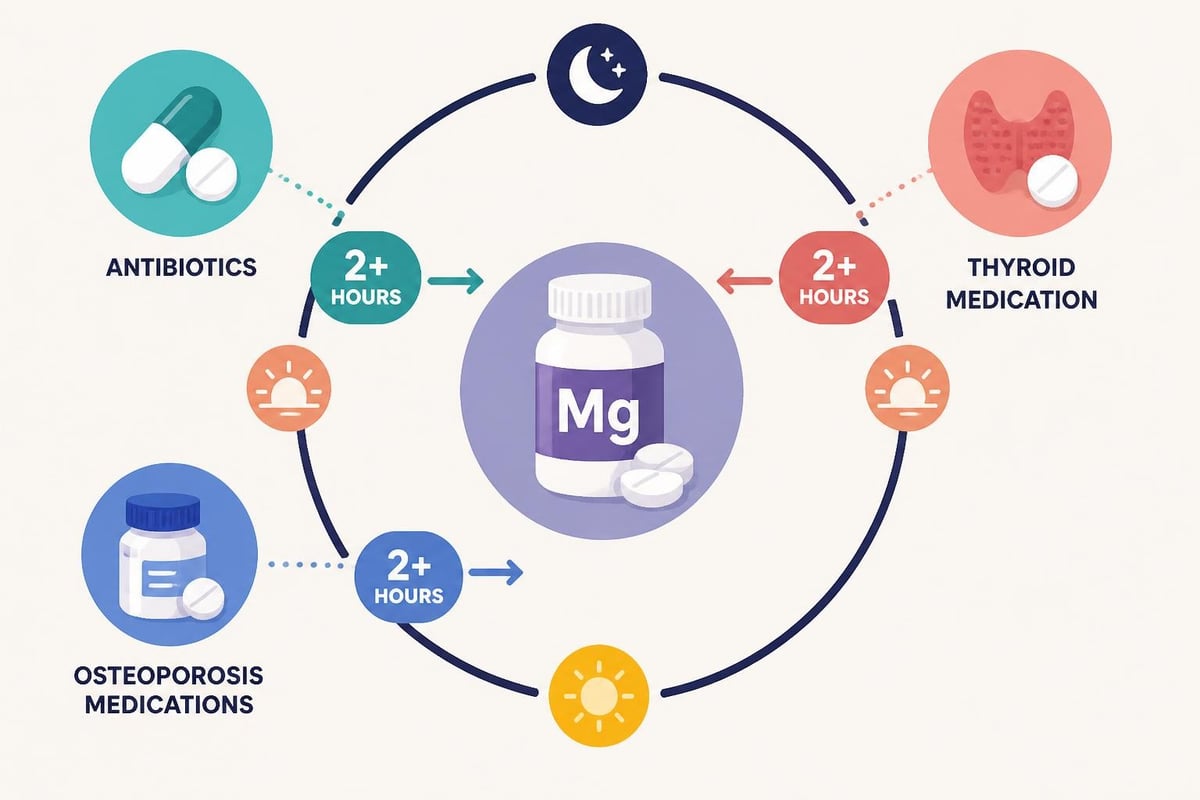
Magnesium can interact with several medication classes, potentially altering their effectiveness or increasing side effect risk. Antibiotics, particularly tetracyclines and fluoroquinolones, bind to magnesium in the digestive tract, reducing absorption of both substances.
Critical timing guidelines:
- Take magnesium 2-3 hours before or after antibiotics
- Separate from thyroid medications by 4 hours
- Monitor carefully with diuretics (may deplete magnesium)
- Discuss with healthcare provider if taking bisphosphonates
- Consider interactions with proton pump inhibitors
People taking medications for diabetes, blood pressure, or osteoporosis should specifically discuss magnesium supplementation with their healthcare team, as dosing adjustments may become necessary.
Evidence-Based Health Applications
The research supporting magnesium supplementation spans decades and encompasses numerous health domains. Examining the evidence helps set realistic expectations about potential benefits.
Cardiovascular Support
Magnesium plays essential roles in heart rhythm regulation, blood pressure control, and vascular function. Clinical research demonstrates that adequate magnesium intake associates with reduced cardiovascular disease risk.
Cardiovascular benefits supported by research:
- Blood pressure reduction in hypertensive individuals
- Improved endothelial function
- Reduced arterial stiffness
- Lower risk of atrial fibrillation
- Enhanced exercise capacity in some populations
Meta-analyses of randomized controlled trials show that magnesium supplementation can produce modest but meaningful blood pressure reductions, particularly in individuals with pre-existing deficiency or prehypertension. The effects appear dose-dependent within safe ranges.
Bone Density and Skeletal Health
While calcium receives most attention for bone health, magnesium proves equally critical. Approximately 60% of your body's magnesium resides in bone tissue, where it influences both bone formation and mineral density.
Population studies reveal that higher magnesium intake correlates with improved bone mineral density across age groups. This relationship appears especially important for postmenopausal women, who face accelerated bone loss risks. Supplementation studies show that combining adequate magnesium with vitamin D and calcium produces superior outcomes compared to calcium alone.
Mental Health and Neurological Function
The brain requires magnesium for neurotransmitter synthesis, neuronal signaling, and maintaining the blood-brain barrier. Emerging evidence suggests magnesium supplementation may benefit several neurological and psychological conditions.
Mental health research highlights:
- Reduced anxiety symptoms in mild-to-moderate anxiety
- Improved sleep quality and reduced insomnia severity
- Potential mood stabilization in depression
- Migraine frequency reduction
- Protection against age-related cognitive decline
According to wellness experts tracking supplement trends, social media has amplified interest in magnesium for stress and sleep support. While anecdotal reports abound, controlled clinical trials provide more measured evidence of benefit, particularly for individuals with documented deficiency.
Muscle Function and Recovery
Athletes and active individuals often turn to magnesium supplementation to support muscle performance and exercise recovery. Magnesium facilitates muscle contraction and relaxation, energy production during exercise, and protein synthesis during recovery periods.
Research demonstrates that maintaining adequate magnesium status supports normal muscle function and may reduce cramping frequency. However, evidence for performance enhancement in already-sufficient athletes remains limited. The most consistent benefits appear in individuals correcting deficiency rather than those seeking supraphysiological effects.
Special Population Considerations
Different life stages and health conditions create varying magnesium needs and supplement considerations. Tailoring your approach to personal circumstances optimizes both safety and effectiveness.
Athletes and Active Individuals
Exercise increases magnesium losses through sweat and urine while simultaneously raising cellular demands for this mineral. Research suggests athletes may require 10-20% more magnesium than sedentary individuals to maintain optimal status.
Factors affecting athletic magnesium needs:
- Training intensity and volume
- Environmental conditions (heat increases losses)
- Dietary adequacy
- Individual sweat rates
- Sport-specific demands
Endurance athletes particularly benefit from monitoring magnesium status, as prolonged exercise creates sustained demands. Understanding how supplements support specific outcomes helps athletes make informed decisions aligned with their performance goals.
Older Adults
Aging affects magnesium metabolism through multiple pathways. Older adults typically consume less dietary magnesium, absorb it less efficiently, and excrete more through urine. Additionally, medication use increases with age, creating more potential for drug-nutrient interactions.
| Age-Related Factor | Impact on Magnesium | Supplementation Implication |
|---|---|---|
| Reduced stomach acid | Lower absorption | Choose chelated forms |
| Medication use | Increased interactions | Careful timing essential |
| Kidney function decline | Altered excretion | Monitor dosing carefully |
| Dietary variety | Lower intake | Supplementation more critical |
Regular monitoring becomes particularly important for older adults, as both deficiency and excess pose risks. Healthcare provider involvement ensures supplementation aligns with overall medication management and health status.
Pregnancy and Breastfeeding
Pregnant and nursing women require increased magnesium to support fetal development and milk production. While food sources should provide the foundation, supplementation may help some women meet elevated needs.
Pregnancy-specific considerations:
- Recommended intake increases to 350-360 mg daily
- Supports fetal bone and tissue development
- May reduce leg cramp frequency
- Could lower preeclampsia risk
- Typically included in prenatal formulas
Always consult with obstetric care providers before adding supplements during pregnancy or breastfeeding. Prenatal vitamins often contain magnesium, making additional supplementation unnecessary or potentially excessive.
Making Your Selection Decision
Choosing among the magnesium best supplements requires weighing multiple factors against your specific situation. A systematic approach leads to better outcomes than random selection based on marketing claims.
Assessing Your Individual Needs
Start by identifying why you're considering magnesium supplementation. Are you addressing a documented deficiency, supporting specific health goals, or taking preventive measures? Your primary objective should guide form selection and dosing strategy.
Decision framework:
- Define your primary goal (sleep, muscle function, general health)
- Consider your digestive sensitivity
- Evaluate your budget constraints
- Review potential medication interactions
- Determine preferred delivery method (capsule, powder, liquid)
Laboratory testing can identify frank deficiency, though serum magnesium levels don't always reflect total body status. Red blood cell magnesium provides a more accurate long-term marker but costs more and isn't routinely available. Many people choose to supplement based on symptoms and dietary analysis rather than testing.
Using Ranking Systems Effectively
Supplement ranking platforms evaluate products across multiple dimensions beyond just ingredient quality. When you explore rankings, understanding the criteria helps you interpret results appropriately.
DoseRank evaluates supplements based on evidence strength, dose fit, trust markers, value proposition, popularity, and market availability. This multidimensional approach reveals how products perform across factors that matter for real-world use. A top-ranked supplement might excel in evidence and dose fit while offering moderate value, whereas another highly-rated option could balance solid effectiveness with exceptional affordability.
Rather than defaulting to the single highest-ranked product, consider which ranking factors matter most for your situation. Budget-conscious buyers might prioritize value, while those managing specific health conditions may weight evidence more heavily.
Trial Period and Assessment
Even the most carefully selected supplement requires personal testing to confirm suitability. Plan a structured trial period to evaluate effectiveness and tolerance.
Effective trial approach:
- Commit to at least 4-6 weeks of consistent use
- Track specific metrics (sleep quality, muscle cramps, stress levels)
- Monitor digestive tolerance throughout
- Maintain stable dosing before adjusting
- Document both positive and negative effects
Keep expectations realistic. According to medical guidance on magnesium benefits, noticeable improvements typically emerge gradually rather than overnight. Subtle changes in energy, sleep, or muscle comfort may accumulate over weeks before becoming obvious.
Beyond Supplementation
While focusing on the magnesium best supplements makes sense when exploring options, supplementation works best as part of a comprehensive approach to maintaining adequate status.
Dietary Sources
Food should provide your magnesium foundation whenever possible. Whole foods deliver magnesium alongside complementary nutrients and beneficial compounds that supplements cannot replicate.
Excellent dietary magnesium sources include:
- Dark leafy greens (spinach, Swiss chard)
- Nuts and seeds (almonds, pumpkin seeds)
- Legumes (black beans, chickpeas)
- Whole grains (quinoa, brown rice)
- Dark chocolate (70% cacao or higher)
- Avocados
- Fatty fish (mackerel, salmon)
A diet rich in these foods may provide 300-400 mg of magnesium daily, potentially meeting needs without supplementation. However, modern food processing and soil depletion have reduced the magnesium content of many foods compared to historical levels, making supplementation more relevant for many individuals.
Lifestyle Factors Affecting Status
Several lifestyle choices influence how well your body maintains magnesium balance. Addressing these factors enhances the effectiveness of both dietary intake and supplementation.
| Lifestyle Factor | Effect on Magnesium | Optimization Strategy |
|---|---|---|
| Alcohol consumption | Increases urinary loss | Moderate intake |
| Caffeine intake | Mild increase in excretion | Limit to moderate amounts |
| Stress levels | Accelerates depletion | Practice stress management |
| Sleep quality | Affects utilization | Prioritize consistent sleep |
| Exercise intensity | Increases requirements | Match intake to activity |
Chronic stress deserves particular attention, as it triggers hormonal cascades that accelerate magnesium depletion. Supporting stress resilience through multiple interventions often produces better results than supplementation alone.
Monitoring and Adjustment
Magnesium needs change over time based on life circumstances, activity levels, and health status. Periodic reassessment ensures your approach remains aligned with current requirements.
Reassessment triggers:
- Significant changes in exercise routine
- New medication prescriptions
- Dietary pattern shifts
- Emerging health concerns
- Life stage transitions
Rather than supplementing indefinitely without evaluation, schedule regular check-ins with yourself or healthcare providers. Laboratory testing every 6-12 months can confirm adequacy if you have specific health conditions warranting closer monitoring.
Finding the right magnesium supplement requires balancing scientific evidence, personal needs, and practical considerations like cost and convenience. The magnesium best supplements deliver adequate elemental magnesium in bioavailable forms, backed by quality testing and appropriate dosing for your specific goals. Whether you're addressing deficiency, supporting particular health outcomes, or maintaining optimal status preventively, DoseRank helps you navigate the crowded supplement marketplace with rankings based on evidence, dose fit, trust, value, popularity, and availability to find your ideal match.