
DOSERANK guide
Magnesium Before Sleeping: Benefits, Dosage, and Timing
Published
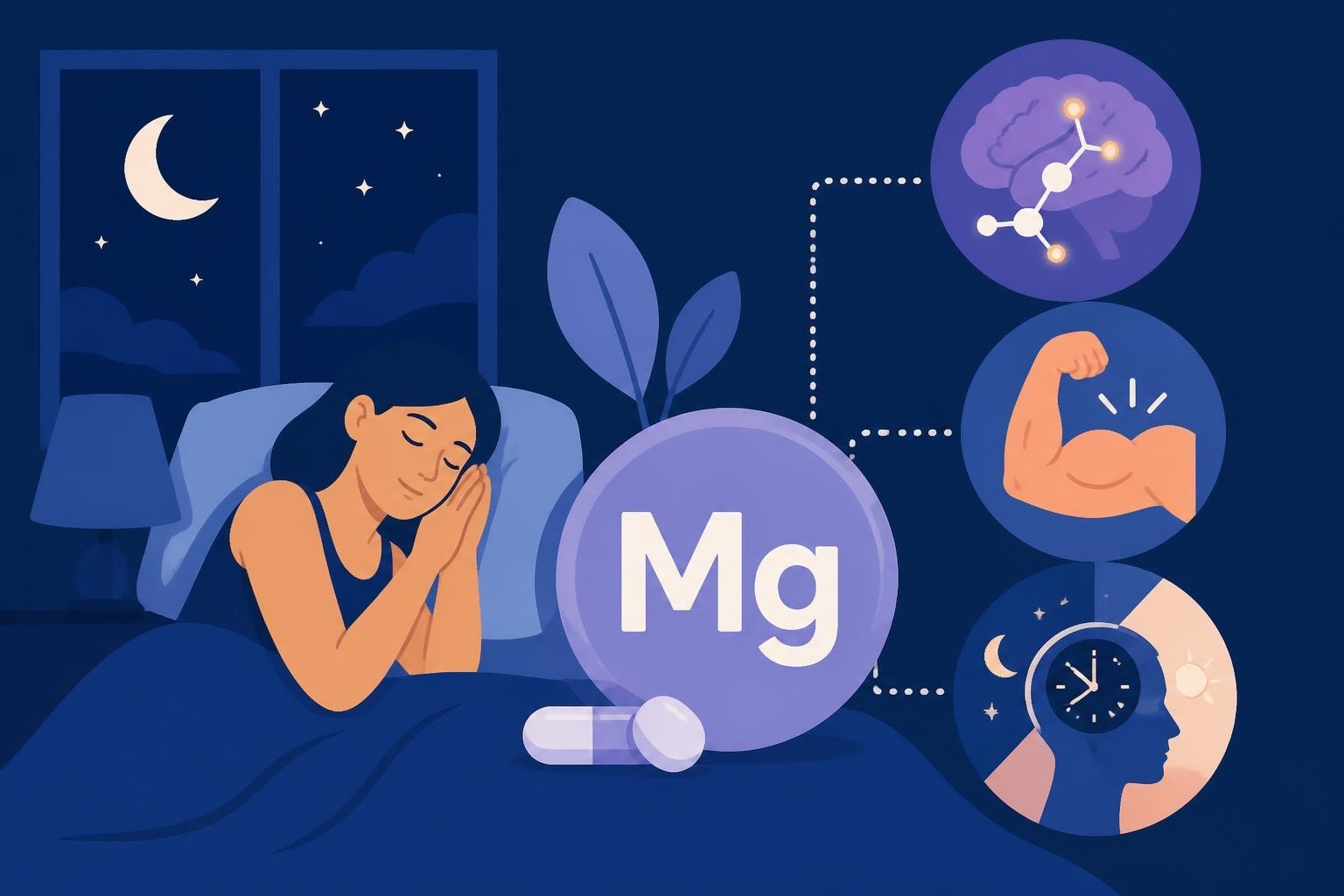
Taking magnesium before sleeping has become a widely discussed strategy for improving rest, yet the evidence behind this practice varies considerably depending on dose, form, and individual magnesium status. Magnesium plays essential roles in hundreds of enzymatic reactions, including those that regulate neurotransmitters, muscle contraction, and circadian rhythms. Understanding when and how to supplement can help you optimize both safety and effectiveness while avoiding the common pitfalls of poorly absorbed formulations or mistimed doses.
Why Magnesium Matters for Sleep Physiology
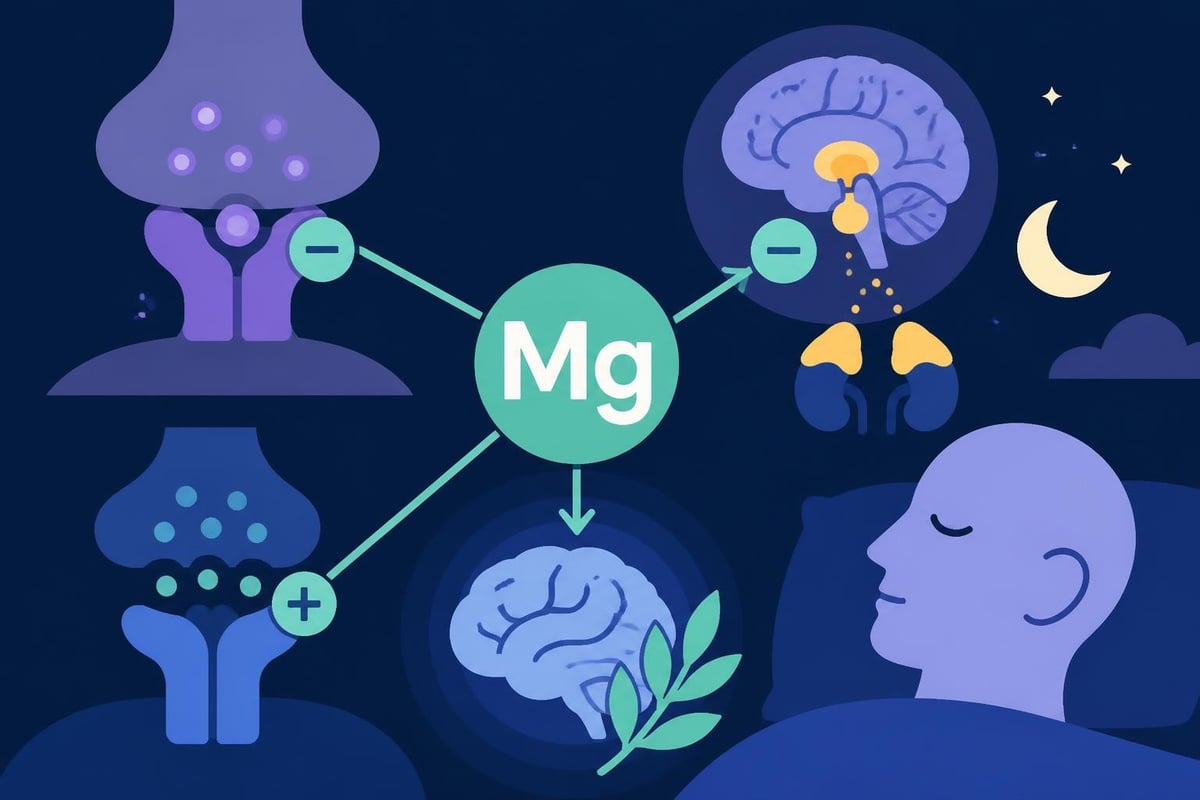
Magnesium influences sleep through multiple biological pathways. The mineral acts as a natural antagonist at N-methyl-D-aspartate (NMDA) receptors, reducing excitatory signaling in the brain and promoting relaxation. It also binds to gamma-aminobutyric acid (GABA) receptors, the same targets used by many prescription sleep medications, which helps quiet nervous-system activity as bedtime approaches.
Beyond neurotransmitter modulation, magnesium regulates the hypothalamic-pituitary-adrenal (HPA) axis, blunting excessive cortisol release and supporting the body's natural transition from wakefulness to sleep. A systematic review of magnesium and sleep health found that supplementation improved subjective sleep quality, reduced sleep-onset latency, and increased sleep duration in populations with documented deficiency or suboptimal intake.
How Magnesium Status Affects Sleep Outcomes
Low magnesium levels correlate with increased sleep disturbances, including restless legs, frequent awakenings, and difficulty maintaining deep sleep. Intracellular magnesium depletion impairs melatonin synthesis and reduces pineal-gland responsiveness to circadian cues, making it harder to establish consistent sleep-wake rhythms.
Observational studies show that individuals consuming less than the recommended dietary allowance (RDA) of magnesium-310–420 mg daily for adults-report poorer sleep quality and higher rates of insomnia. However, supplementation benefits appear most pronounced in those with marginal or outright deficiency, rather than in well-nourished populations.
Choosing the Right Magnesium Form for Sleep
Not all magnesium supplements deliver the same bioavailability or therapeutic effect. The form you choose directly impacts absorption, gastrointestinal tolerance, and how effectively the mineral reaches target tissues, including the brain.
| Form | Bioavailability | Primary Use Case | Notes |
|---|---|---|---|
| Magnesium glycinate | High | Sleep, relaxation, muscle tension | Well-tolerated; glycine itself promotes calming |
| Magnesium threonate | Moderate (brain-targeted) | Cognitive support, sleep quality | Crosses blood-brain barrier more efficiently |
| Magnesium citrate | High | General deficiency, constipation | May cause loose stools at higher doses |
| Magnesium oxide | Low | Budget option, not ideal for sleep | Poor absorption; often used as a laxative |
| Magnesium chloride | Moderate | Topical or oral use | Often used in baths or oils |
Magnesium glycinate stands out for nighttime use because the amino acid glycine itself has calming properties and may enhance sleep architecture. A recent randomized controlled trial examined magnesium-L-threonate and found improvements in sleep quality and daytime functioning, highlighting the importance of brain bioavailability for cognitive and rest-related outcomes.
Avoid magnesium oxide for sleep purposes. Its low absorption means most of the dose remains in the gut, where it draws water into the bowel and can trigger diarrhea rather than delivering meaningful systemic benefits.
Optimal Dosage and Timing Strategies
The effective dose of magnesium before sleeping typically ranges from 200 to 400 mg of elemental magnesium, depending on baseline intake, body weight, and individual tolerance. Higher doses do not necessarily produce better results and may increase the risk of gastrointestinal side effects or interference with other minerals.
Timing Recommendations
- 30–60 minutes before bed: This window allows absorption to begin and plasma levels to rise as you prepare for sleep.
- With a light snack: Taking magnesium with a small amount of food can reduce stomach upset and improve absorption, particularly for forms like citrate or threonate.
- Consistent schedule: Daily timing consistency helps stabilize magnesium status and supports circadian regularity.
Some users report benefits from splitting the dose, taking half in the late afternoon and half before bed, to maintain steadier levels throughout the evening. This approach may be especially useful for individuals who experience muscle cramps or restlessness earlier in the night.

Adjusting for Individual Needs
Start with the lower end of the dosage range (200 mg) and monitor your response over one to two weeks. Signs that you may need to adjust include:
- Persistent loose stools: Reduce dose or switch to glycinate or threonate
- No noticeable improvement: Consider increasing to 300–400 mg or evaluating other sleep-hygiene factors
- Morning grogginess: Try taking magnesium earlier (90 minutes before bed) or lowering the dose
If you're already addressing sleep quality through behavioral changes, magnesium can complement those efforts rather than serve as a standalone solution. Factors such as light exposure, caffeine intake, and bedroom temperature remain critical.
Evidence from Clinical Trials and Meta-Analyses
The body of research on magnesium before sleeping includes both high-quality randomized controlled trials and observational studies with varying methodologies. The Sleep Foundation's evidence-based guide summarizes current findings and notes that while many studies show promise, effect sizes are often modest and most pronounced in older adults or those with documented deficiency.
A comprehensive open-access review on magnesium health effects emphasizes that bioavailability differences across forms can confound trial results, making direct comparisons difficult. Trials using poorly absorbed forms may underestimate magnesium's true potential, while those using highly bioavailable chelates may overstate benefits for the general population.
Key Trial Findings
- Insomnia in older adults: Supplementation with 500 mg magnesium daily for eight weeks improved sleep efficiency and reduced early-morning awakenings compared to placebo.
- Restless legs syndrome: Magnesium reduced symptom severity in several small trials, though results were inconsistent across studies.
- Anxiety-related sleep disturbance: A systematic review on magnesium, anxiety, and sleep found that magnesium's anxiolytic effects may indirectly improve sleep by lowering nighttime rumination and physiological arousal.
The National Center for Complementary and Integrative Health cautions that while preliminary evidence supports magnesium for sleep, higher-quality, large-scale trials are still needed to establish clear clinical guidelines.
Safety, Interactions, and Contraindications
Magnesium supplementation is generally safe for most adults when taken at recommended doses, but exceeding the tolerable upper intake level (UL) of 350 mg from supplements can lead to adverse effects.
Common Side Effects
- Diarrhea (dose-dependent, form-dependent)
- Nausea
- Abdominal cramping
- Electrolyte imbalance at very high doses
Individuals with kidney disease should avoid magnesium supplementation unless supervised by a healthcare provider, as impaired renal clearance can lead to hypermagnesemia, a potentially dangerous condition characterized by muscle weakness, hypotension, and cardiac arrhythmias. FDA labeling guidance for magnesium-containing medications highlights these risks and recommends monitoring in at-risk populations.
Drug Interactions
Magnesium can interfere with the absorption or effectiveness of several medication classes:
- Bisphosphonates (osteoporosis drugs): Separate dosing by at least two hours
- Antibiotics (tetracyclines, fluoroquinolones): Take magnesium at least two hours before or four to six hours after
- Proton-pump inhibitors: Long-term use can reduce magnesium absorption, increasing deficiency risk
- Diuretics: Some types (loop, thiazide) increase urinary magnesium loss
Always consult a healthcare provider before starting magnesium if you take prescription medications or have chronic health conditions. The DoseRank methodology evaluates supplement-drug interactions as part of its trust and safety scoring, helping users identify potential conflicts before purchasing.
Magnesium and Comorbid Sleep Issues
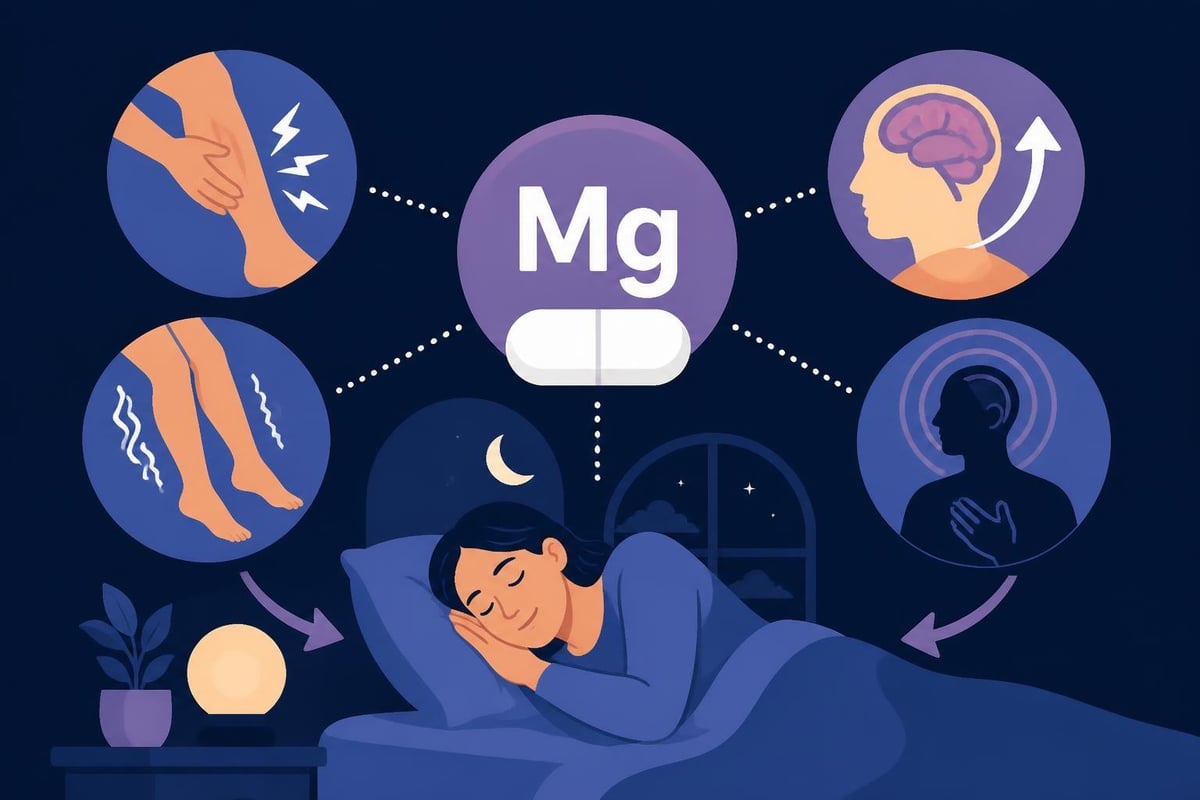
Taking magnesium before sleeping may address secondary factors that disrupt rest, including muscle cramps, restless sensations, and anxiety. Many users report fewer nighttime leg cramps after consistent magnesium supplementation, though controlled trials show mixed results.
For individuals experiencing stress resilience challenges, magnesium's role in HPA-axis regulation can lower evening cortisol spikes that interfere with sleep onset. Pairing magnesium with behavioral stress-management techniques often yields better outcomes than supplementation alone.
Magnesium in Multifactorial Approaches
Sleep disorders rarely have a single cause, and magnesium should be viewed as one component of a comprehensive strategy. Effective sleep hygiene includes:
- Consistent sleep-wake schedule: Even on weekends
- Light management: Dim lights 1–2 hours before bed; minimize blue-light exposure
- Caffeine cutoff: No caffeine after 2 PM
- Physical activity: Regular exercise, but not within three hours of bedtime
- Bedroom environment: Cool, dark, quiet space dedicated to sleep
When combined with these practices, magnesium before sleeping can help consolidate improvements and reduce the time required to fall asleep. Tracking your response over several weeks provides clearer insight into whether the supplement is contributing meaningfully to your rest.
Dietary Sources and Baseline Intake
Before adding a supplement, assess your dietary magnesium intake. Whole foods provide magnesium alongside other synergistic nutrients, and a diet rich in magnesium-containing foods may reduce or eliminate the need for supplementation.
Top Dietary Sources (magnesium per serving):
- Pumpkin seeds (1 oz): 156 mg
- Spinach, cooked (½ cup): 78 mg
- Swiss chard, cooked (½ cup): 75 mg
- Dark chocolate (1 oz, 70–85% cacao): 64 mg
- Black beans (½ cup): 60 mg
- Almonds (1 oz): 76 mg
- Avocado (1 medium): 58 mg
Even with a nutrient-dense diet, modern agricultural practices and food processing have reduced the magnesium content of many staples, making it harder to meet the RDA through food alone. Soil depletion and reliance on refined grains contribute to widespread subclinical deficiency.
Comparing Magnesium to Other Sleep Supplements
Magnesium occupies a unique position among sleep supplements due to its essential-nutrient status and broad physiological roles. Unlike melatonin, which directly regulates circadian timing, or sedative herbs like valerian, magnesium works through foundational metabolic pathways.
| Supplement | Mechanism | Best Use Case | Dependence Risk |
|---|---|---|---|
| Magnesium | NMDA/GABA modulation, muscle relaxation | Chronic use, deficiency correction | Very low |
| Melatonin | Circadian signaling | Jet lag, shift work, short-term | Low |
| L-theanine | GABA promotion, stress reduction | Anxiety-related insomnia | Very low |
| Valerian root | GABAergic activity (unclear mechanism) | Short-term insomnia | Low to moderate |
| 5-HTP | Serotonin precursor | Mood-related sleep issues | Moderate (avoid long-term) |
Magnesium can be used safely over extended periods without developing tolerance or dependence, making it suitable for long-term management of sleep quality. Many users combine magnesium with complementary nutrients like L-theanine or glycine for a synergistic effect.
Monitoring Your Response and Adjusting Strategy
Track your sleep outcomes using a simple journal or wearable device to determine whether magnesium before sleeping produces measurable benefits. Key metrics to monitor include:
- Sleep-onset latency: Time required to fall asleep
- Number of awakenings: Frequency of nighttime disruptions
- Total sleep time: Hours of actual sleep
- Morning restedness: Subjective energy upon waking
- Muscle cramps or restlessness: Presence or absence during the night
If you notice improvements within two to four weeks, continue your regimen and reassess periodically. If no change occurs, consider adjusting the dose, switching forms, or exploring whether other factors (e.g., sleep apnea, chronic stress, cognitive function issues) require attention.
Platforms like DoseRank evaluate supplements across evidence quality, dosage fit, trust, value, and availability, helping you identify high-quality magnesium products that align with your goals. Taking a quick quiz can narrow down which forms and doses best suit your needs based on your health profile and sleep patterns.
Practical Tips for Success
Maximizing the benefits of magnesium before sleeping requires attention to formulation quality, timing consistency, and lifestyle integration. Follow these guidelines to optimize your results:
- Choose chelated or highly bioavailable forms: Glycinate, threonate, or citrate
- Start low and titrate up: Begin with 200 mg and adjust based on response
- Pair with sleep hygiene: Magnesium enhances but does not replace good habits
- Monitor gastrointestinal tolerance: Switch forms if diarrhea or cramping occurs
- Store properly: Keep supplements in a cool, dry place away from moisture
- Check third-party testing: Look for USP, NSF, or ConsumerLab certification to ensure purity and label accuracy
When purchasing magnesium, verify that the label lists elemental magnesium content rather than total compound weight. For example, 500 mg of magnesium glycinate may contain only 50–100 mg of elemental magnesium, so read labels carefully to ensure adequate dosing.
Who Benefits Most from Magnesium Before Sleeping
While magnesium supplementation can support sleep across diverse populations, certain groups experience more pronounced benefits:
- Older adults: Age-related declines in magnesium absorption and dietary intake increase deficiency risk
- Athletes: High sweat losses and increased metabolic demand elevate magnesium needs
- Individuals with gastrointestinal disorders: Conditions like Crohn's disease or celiac disease impair absorption
- Those taking certain medications: Diuretics, proton-pump inhibitors, and some antibiotics deplete magnesium
- People with chronic stress or anxiety: Elevated cortisol accelerates urinary magnesium excretion
If you fall into one of these categories and experience poor sleep, addressing magnesium status may yield noticeable improvements. Laboratory testing (serum or red-blood-cell magnesium) can confirm deficiency, though standard serum tests often miss mild depletion because the body tightly regulates blood levels at the expense of tissue stores.
Taking magnesium before sleeping offers a safe, evidence-supported approach to improving rest quality, particularly when deficiency or suboptimal intake contributes to sleep disturbances. By selecting the right form, timing your dose appropriately, and integrating supplementation into a broader sleep-hygiene strategy, you can maximize benefits while minimizing risks. DoseRank helps you identify the best magnesium supplements by ranking options based on evidence, dose fit, trust, value, and availability, ensuring you invest in products that truly match your sleep goals and health profile.