
DOSERANK guide
Best Supplements for Sleep: Evidence-Based Guide 2026
Published
Quality sleep remains one of the most elusive health goals for millions of Americans. While lifestyle changes and sleep hygiene form the foundation of healthy rest, many people turn to supplements when behavioral strategies alone aren't enough. The market overflows with sleep-promoting products, each making bold promises, yet the evidence supporting these claims varies dramatically. Understanding which supplements genuinely improve sleep and which merely drain your wallet requires careful examination of clinical research, dosing standards, and safety profiles. This guide evaluates the best supplements for sleep based on peer-reviewed evidence, helping you make informed decisions about what might actually work for your specific sleep challenges.
Understanding How Sleep Supplements Work
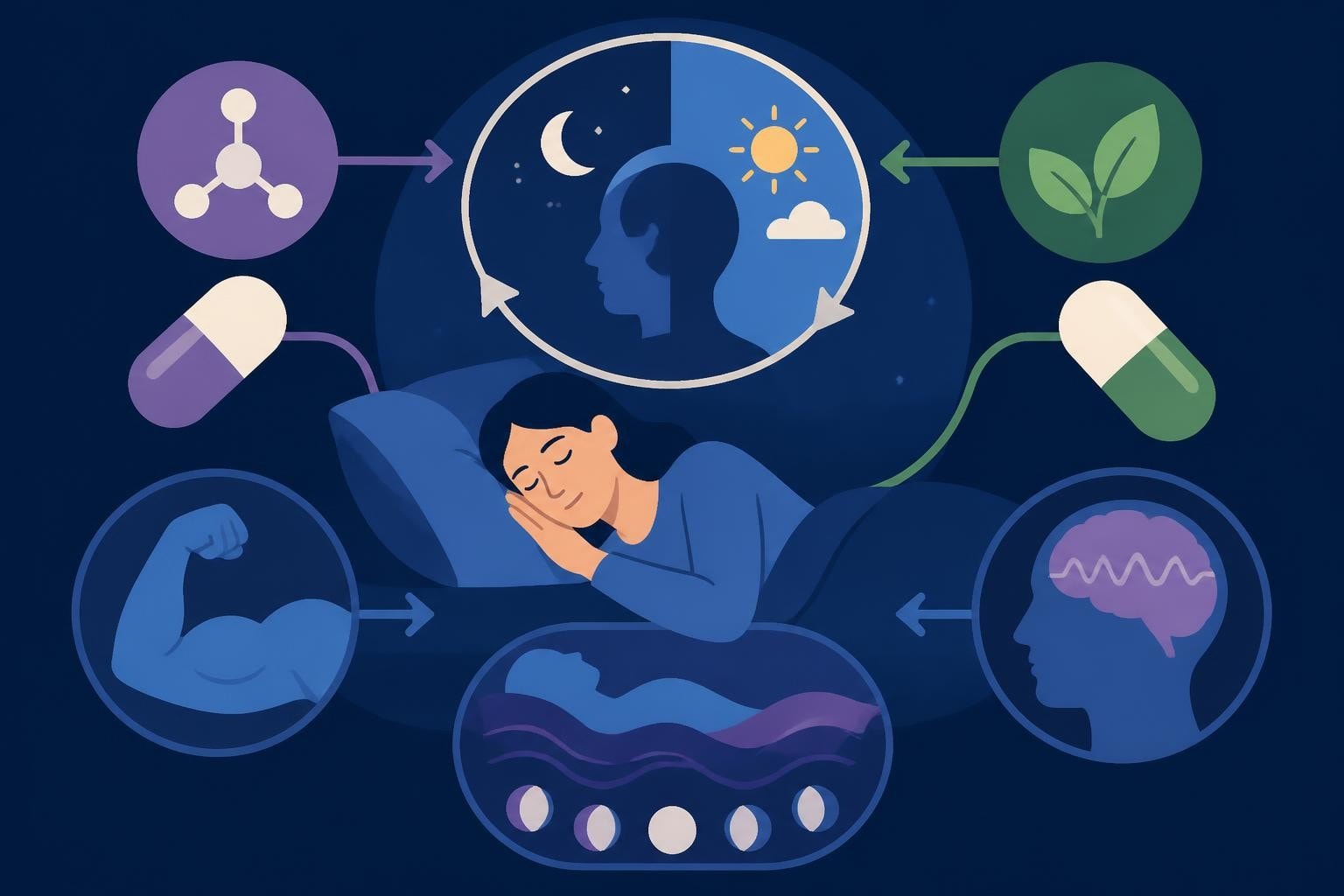
Sleep supplements don't function like prescription sedatives that force unconsciousness. Instead, most work through gentler mechanisms that support your body's natural sleep-wake regulation. The Sleep Foundation's evidence-based guides explain how different compounds address distinct aspects of sleep physiology.
The Circadian Rhythm Connection
Many of the best supplements for sleep target your internal biological clock. Melatonin, for example, signals darkness to your brain, helping shift your circadian phase when timed correctly. Other compounds like magnesium influence neurotransmitter systems that prepare your nervous system for rest.
Key mechanisms include:
- Regulating sleep-wake signaling hormones
- Reducing nervous system hyperactivity
- Supporting neurotransmitter balance
- Decreasing physical tension and muscle tightness
- Modulating stress-response pathways
The Harvard Nutrition Source emphasizes that supplements work best as part of a comprehensive approach, not as standalone solutions. Sleep hygiene, consistent schedules, and dietary patterns create the environment where supplements can enhance outcomes rather than compensate for poor habits.

Melatonin: The Circadian Regulator
Melatonin stands as the most extensively studied supplement for sleep, particularly for circadian rhythm disorders. Your pineal gland naturally produces this hormone as darkness falls, but supplementation can help when your internal clock falls out of sync with your desired schedule.
Evidence and Efficacy
The National Center for Complementary and Integrative Health summarizes decades of research showing melatonin's strongest effects for jet lag and shift work. For general insomnia, results prove more modest but still meaningful for many users.
Research-backed applications:
- Delayed sleep phase disorder - Shifts sleep onset earlier when taken 2-3 hours before target bedtime
- Jet lag recovery - Reduces adjustment time by approximately one day per time zone crossed
- Shift work adaptation - Helps align sleep timing with irregular work schedules
- Age-related sleep changes - May partially compensate for declining natural production
Dosing Considerations
| Dose Range | Application | Timing |
|---|---|---|
| 0.3-0.5 mg | Physiological replacement | 30-60 min before bed |
| 1-3 mg | Circadian phase shift | 2-3 hours before target sleep |
| 5-10 mg | Acute jet lag | At destination bedtime |
Most people start with doses far higher than necessary. Research suggests 0.3 to 1 mg often produces effects comparable to 3-5 mg without next-day grogginess. Higher doses don't necessarily improve sleep quality and may actually disrupt natural melatonin rhythms with chronic use.
Magnesium: The Calming Mineral
Magnesium participates in over 300 enzymatic reactions, including several that directly influence sleep quality. This essential mineral helps regulate neurotransmitters that send signals throughout your nervous system and brain, promoting the relaxation necessary for sleep initiation.
Clinical Evidence
A systematic review and meta-analysis of magnesium supplementation for insomnia found modest but consistent improvements in subjective sleep quality, sleep onset latency, and early morning awakening. The effects appear strongest in older adults and those with documented magnesium deficiency.
Benefits supported by research:
- Reduced time to fall asleep (approximately 17 minutes on average)
- Fewer nighttime awakenings
- Improved subjective sleep quality ratings
- Reduced restless leg symptoms that disrupt sleep
- Better stress resilience through cortisol regulation
Forms and Absorption
Different magnesium compounds vary significantly in bioavailability and gastrointestinal tolerance. Magnesium glycinate and citrate demonstrate superior absorption compared to oxide forms commonly found in budget supplements.
| Magnesium Form | Absorption | GI Tolerance | Best For |
|---|---|---|---|
| Glycinate | High | Excellent | Sleep, anxiety |
| Citrate | Moderate-High | Good | General use, constipation |
| Threonate | High (brain) | Good | Cognitive benefits |
| Oxide | Low | Poor | Not recommended for sleep |
Typical effective doses range from 200 to 400 mg of elemental magnesium taken 1-2 hours before bed. Those looking to improve magnesium status systematically may benefit from tracking response over several weeks, as meaningful improvements often require consistent supplementation rather than immediate effects.
L-Theanine: The Anxiolytic Amino Acid
L-theanine, an amino acid found primarily in green tea, promotes relaxation without sedation by modulating several neurotransmitter systems. Its unique ability to reduce anxiety while maintaining alertness makes it particularly valuable for those whose racing thoughts prevent sleep onset.
Mechanism and Research
L-theanine increases alpha brain wave activity associated with wakeful relaxation and enhances GABA, serotonin, and dopamine levels in specific brain regions. Studies show it reduces physiological stress responses, lowering heart rate and salivary immunoglobulin-A reactivity.
Evidence-based benefits include:
- Reduced pre-sleep cognitive arousal and worry
- Improved sleep quality in ADHD populations
- Enhanced relaxation without next-day drowsiness
- Synergistic effects when combined with magnesium or GABA
Doses of 200 to 400 mg taken 30-60 minutes before bed demonstrate the most consistent effects in clinical trials. Unlike sedative compounds, L-theanine doesn't force sleep but creates mental conditions more conducive to natural sleep onset.
Glycine: The Thermoregulatory Amino Acid
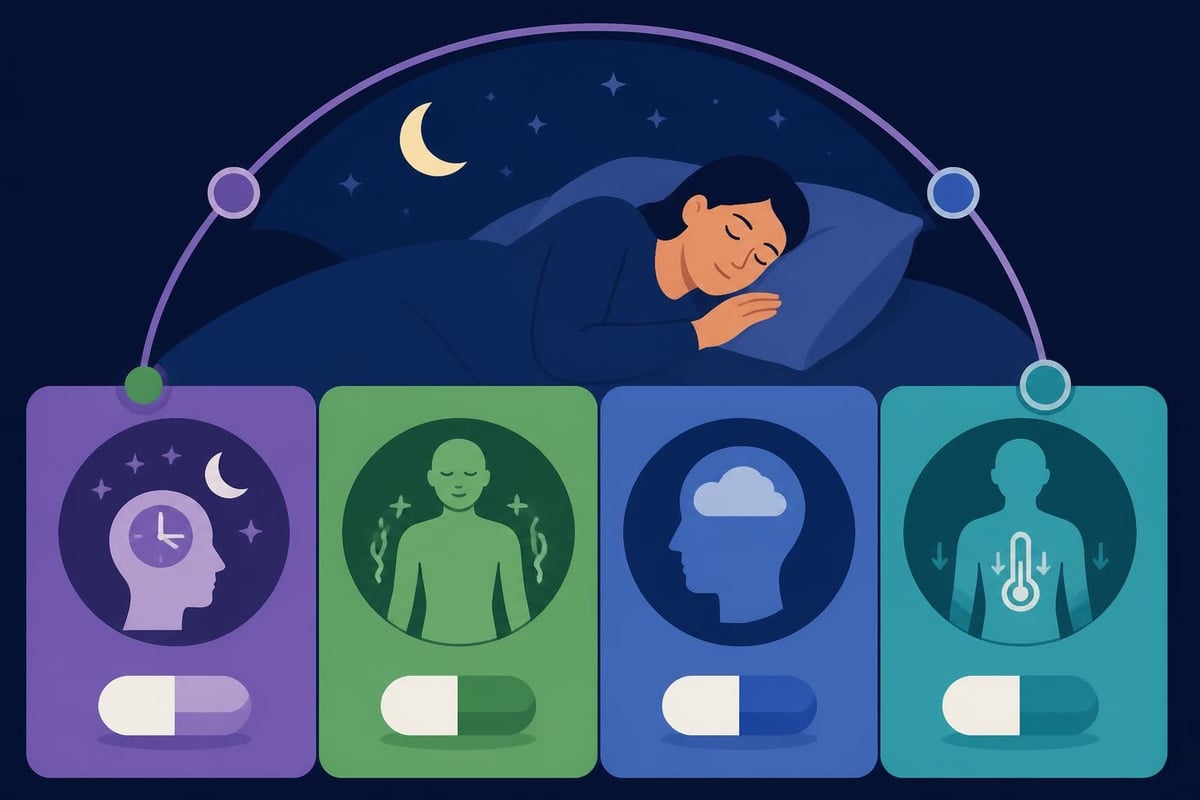
Glycine represents one of the lesser-known but well-researched options among the best supplements for sleep. This simple amino acid improves sleep quality through a fascinating mechanism involving body temperature regulation and neurotransmitter modulation.
How Glycine Promotes Sleep
Research demonstrates that glycine lowers core body temperature by increasing blood flow to extremities, a process essential for sleep initiation. It also acts as an inhibitory neurotransmitter in certain brain regions, reducing neuronal excitability.
Studies using 3 grams of glycine before bedtime report:
- Faster sleep onset (reduced latency by 20-30 minutes)
- Enhanced subjective sleep quality
- Reduced daytime sleepiness following poor sleep
- Improved cognitive performance after sleep restriction
The Cleveland Clinic's evaluation of sleep products notes glycine's unique position as both safe and modestly effective, with virtually no reported side effects at recommended doses.
Valerian Root: The Traditional Herbal Option
Valerian has been used for centuries as a sleep aid, but modern research reveals mixed results. A systematic review and meta-analysis examining valerian for sleep found that while many studies report positive outcomes, methodological limitations prevent definitive conclusions.
Evidence Strengths and Limitations
Potential benefits:
- Improved subjective sleep quality in some populations
- Reduced sleep onset latency in chronic poor sleepers
- Mild anxiolytic effects that may indirectly support sleep
- Generally well-tolerated with minimal side effects
Research challenges:
- High variability in preparation methods and potency
- Inconsistent results across clinical trials
- Lack of standardization in commercial products
- Possible interactions with sedative medications
Effective doses typically range from 300 to 600 mg of standardized extract taken 30-60 minutes before bed. Results often require several weeks of consistent use, as valerian appears to build effectiveness over time rather than producing acute effects.
Emerging and Combination Approaches
Several other compounds show promise as part of comprehensive sleep support strategies, though evidence remains preliminary compared to the best supplements for sleep already discussed.
Tart Cherry and Montmorency Cherry
Natural sources of melatonin and anti-inflammatory compounds, tart cherry juice or concentrate provides approximately 85 mcg of melatonin per serving alongside polyphenols that may extend melatonin's activity.
Passionflower and Lemon Balm
These herbs demonstrate mild GABAergic activity in preclinical models, suggesting possible anxiolytic and sleep-promoting effects. Human studies remain limited but suggest potential for stress-related sleep disturbances.
GABA Supplementation
While GABA serves as the primary inhibitory neurotransmitter in your brain, its ability to cross the blood-brain barrier when taken orally remains debated. Some research suggests peripheral effects on the nervous system may still promote relaxation.
Combination strategies:
- Magnesium + L-theanine for physical and mental relaxation
- Low-dose melatonin + glycine for circadian and thermoregulatory support
- Magnesium + valerian for muscle relaxation and mild sedation
- L-theanine + tart cherry for anxiety reduction and melatonin support
Safety, Timing, and Practical Considerations
Even natural supplements carry risks when used improperly or combined with certain medications. Understanding safety profiles and optimal usage patterns separates effective supplementation from potential problems.
Safety Profiles
| Supplement | Safety Rating | Key Precautions |
|---|---|---|
| Melatonin | Generally safe | May affect blood pressure, diabetes medications |
| Magnesium | Very safe | High doses cause diarrhea; caution with kidney disease |
| L-theanine | Very safe | Minimal interactions; safe for long-term use |
| Glycine | Very safe | No significant side effects at therapeutic doses |
| Valerian | Generally safe | Possible liver effects with long-term high doses |
Pregnant or nursing individuals should consult healthcare providers before using any sleep supplements. Those taking prescription medications, particularly sedatives, antidepressants, or blood pressure drugs, need professional guidance to avoid interactions.
Timing and Consistency
Supplement timing significantly influences effectiveness:
- Melatonin: 30 minutes to 2 hours before target sleep time, depending on goal
- Magnesium: 1-2 hours before bed for optimal absorption and effect
- L-theanine: 30-60 minutes before bed or during evening wind-down
- Glycine: 30-60 minutes before bed with or without food
- Valerian: 30-60 minutes before bed; effectiveness builds over weeks
Consistency matters more than most people realize. Taking supplements sporadically reduces their effectiveness compared to nightly use for an adequate trial period, typically 2-4 weeks.

Matching Supplements to Sleep Problems
Different sleep challenges respond better to specific supplement strategies. Identifying your primary issue helps target the most appropriate intervention among the best supplements for sleep.
Sleep Onset Insomnia
Characterized by: Difficulty falling asleep despite feeling tired, excessive time to sleep onset (>30 minutes)
Best supplement matches:
- Melatonin for circadian misalignment
- L-theanine for racing thoughts and anxiety
- Magnesium for physical tension and restlessness
Sleep Maintenance Insomnia
Characterized by: Frequent nighttime awakenings, difficulty returning to sleep, early morning awakening
Best supplement matches:
- Magnesium glycinate for sustained relaxation
- Glycine for sleep architecture improvement
- Extended-release melatonin formulations
Poor Sleep Quality
Characterized by: Sufficient sleep duration but non-restorative rest, daytime fatigue despite adequate time in bed
Best supplement matches:
- Magnesium for deep sleep stages
- Glycine for sleep efficiency
- Combination approaches addressing multiple factors
For those seeking personalized guidance on sleep quality improvement through supplements, evidence-based ranking systems consider not just clinical research but also dosing accuracy, product quality, and individual response variability.
Evaluating Product Quality and Value
The supplement industry lacks the rigorous oversight of pharmaceuticals, creating significant quality variation between products claiming identical contents. When selecting the best supplements for sleep, manufacturing standards and testing protocols matter as much as active ingredients.
Third-Party Testing and Certification
Look for certifications from:
- USP Verified: Confirms identity, strength, purity, and dissolution
- NSF Certified: Independent testing for contaminants and label accuracy
- ConsumerLab Approved: Systematic quality testing across brands
- Informed Choice/Sport: Particularly important for athletes concerned with banned substances
Products without third-party verification may contain inaccurate doses, contaminated ingredients, or unlisted compounds. One analysis found that 25% of herbal sleep supplements contained ingredients not listed on labels.
Dose Accuracy and Bioavailability
The cheapest products often contain poorly absorbed forms or doses outside evidence-based ranges. Magnesium oxide costs less than glycinate but delivers minimal bioavailable magnesium. Similarly, some melatonin products contain 10 mg when research suggests 0.3-1 mg produces optimal effects with fewer side effects.
Value assessment factors:
- Cost per effective dose, not per bottle
- Form and bioavailability of active ingredients
- Third-party testing and quality certifications
- Company transparency about sourcing and manufacturing
- Actual match between label claims and research-backed doses
Understanding DoseRank's methodology for evaluating supplements reveals how systematic ranking across evidence, dosing, trust, value, and availability helps identify products that deliver genuine benefits rather than marketing promises.
Lifestyle Integration and Realistic Expectations
Supplements work best as components of comprehensive sleep hygiene rather than standalone solutions. The most effective approach combines behavioral strategies with targeted supplementation based on individual needs.
Core Sleep Hygiene Practices
Even the best supplements for sleep produce limited benefits without foundational habits:
- Consistent sleep schedule: Same bedtime and wake time, even weekends
- Light management: Darkness before bed, bright light upon waking
- Temperature optimization: Cool bedroom (65-68°F optimal for most)
- Caffeine and alcohol timing: No caffeine after 2 PM, limit evening alcohol
- Exercise timing: Regular activity but not within 3 hours of bed
Setting Appropriate Expectations
Realistic supplement outcomes:
- Sleep onset improvements of 15-30 minutes
- Modest increases in total sleep time (20-45 minutes)
- Enhanced subjective sleep quality ratings
- Reduced nighttime awakenings by 1-2 episodes
- Better daytime function following improved sleep
Unrealistic expectations:
- Immediate, dramatic results after single use
- Complete resolution of chronic insomnia without addressing underlying causes
- Perfect sleep every night regardless of circumstances
- Elimination of all sleep disturbances
- Substitution for medical treatment of sleep disorders
If supplements don't produce noticeable improvements after 4-6 weeks of consistent use alongside solid sleep hygiene, consulting a sleep medicine specialist helps identify underlying conditions like sleep apnea, restless leg syndrome, or circadian rhythm disorders requiring specific treatment.
Special Populations and Considerations
Certain groups face unique considerations when selecting sleep supplements. Age, medical conditions, and life circumstances influence both safety and effectiveness.
Older Adults
Natural melatonin production declines with age, potentially making supplementation more effective in adults over 55. However, older adults also metabolize compounds more slowly and take more medications, increasing interaction risks. Starting with lower doses and monitoring for morning grogginess proves particularly important.
Shift Workers
Melatonin helps shift workers adjust circadian rhythms to non-traditional schedules, but timing becomes critical. Taking melatonin at the "wrong" circadian phase can worsen rather than improve sleep alignment. Strategic light exposure combined with carefully timed melatonin produces better outcomes than supplementation alone.
Individuals with Chronic Conditions
Diabetes: Melatonin may affect blood sugar; monitor glucose levels when starting Hypertension: Some supplements interact with blood pressure medications Autoimmune conditions: Immune-modulating effects of certain supplements require medical oversight Depression/anxiety: While some supplements reduce anxiety, they shouldn't replace prescribed treatments
Those managing stress resilience alongside sleep challenges may benefit from adaptogens like ashwagandha or rhodiola in addition to direct sleep-promoting compounds, though evidence for these combinations remains limited.
Building Your Personal Sleep Supplement Strategy
Creating an effective supplement protocol requires matching specific products to individual needs, circumstances, and responses. Cookie-cutter approaches often fail because sleep problems stem from diverse causes requiring targeted solutions.
Step-by-Step Protocol Development
Phase 1: Identify Your Primary Sleep Challenge (Week 1)
Track sleep patterns for one week without changes, noting:
- Time to fall asleep after lying down
- Number and duration of nighttime awakenings
- Total sleep time versus time in bed
- Next-day energy and cognitive function
Phase 2: Select Initial Supplement (Weeks 2-5)
Choose one supplement matching your primary issue. Single-ingredient trials reveal which compounds work for your physiology:
- Sleep onset → Start with magnesium glycinate or L-theanine
- Sleep maintenance → Try glycine or extended-release melatonin
- Circadian misalignment → Begin with low-dose melatonin (0.3-1 mg)
Phase 3: Evaluate and Adjust (Week 6+)
After 4 weeks of consistent use, assess changes objectively. If benefits prove insufficient, consider:
- Adjusting dose within evidence-based ranges
- Trying a different form of the same compound
- Adding a complementary second supplement
- Consulting a healthcare provider for medical evaluation
Monitoring Progress
Objective tracking prevents both premature abandonment of effective supplements and continued use of ineffective ones:
- Sleep diary: Record daily sleep/wake times, latency, awakenings
- Daytime function: Rate energy, mood, concentration on 1-10 scales
- Side effects: Note any morning grogginess, vivid dreams, digestive changes
- Long-term patterns: Review monthly trends rather than daily fluctuations
Many people abandon effective supplements after a few poor nights, not realizing that sleep naturally fluctuates and supplements provide modest average improvements rather than perfect sleep every night.
Selecting the best supplements for sleep requires understanding both the evidence supporting different compounds and your individual sleep challenges. Melatonin, magnesium, L-theanine, and glycine each offer distinct benefits backed by clinical research, but no single supplement works universally. Quality matters as much as ingredients, with third-party testing and appropriate dosing separating effective products from questionable ones. When you're ready to find supplements precisely matched to your sleep goals, DoseRank ranks options based on evidence, dose accuracy, quality certifications, value, and real-world availability, helping you navigate the overwhelming marketplace with confidence.