
DOSERANK guide
Valerian Supplements: Evidence, Safety, and Quality
Published
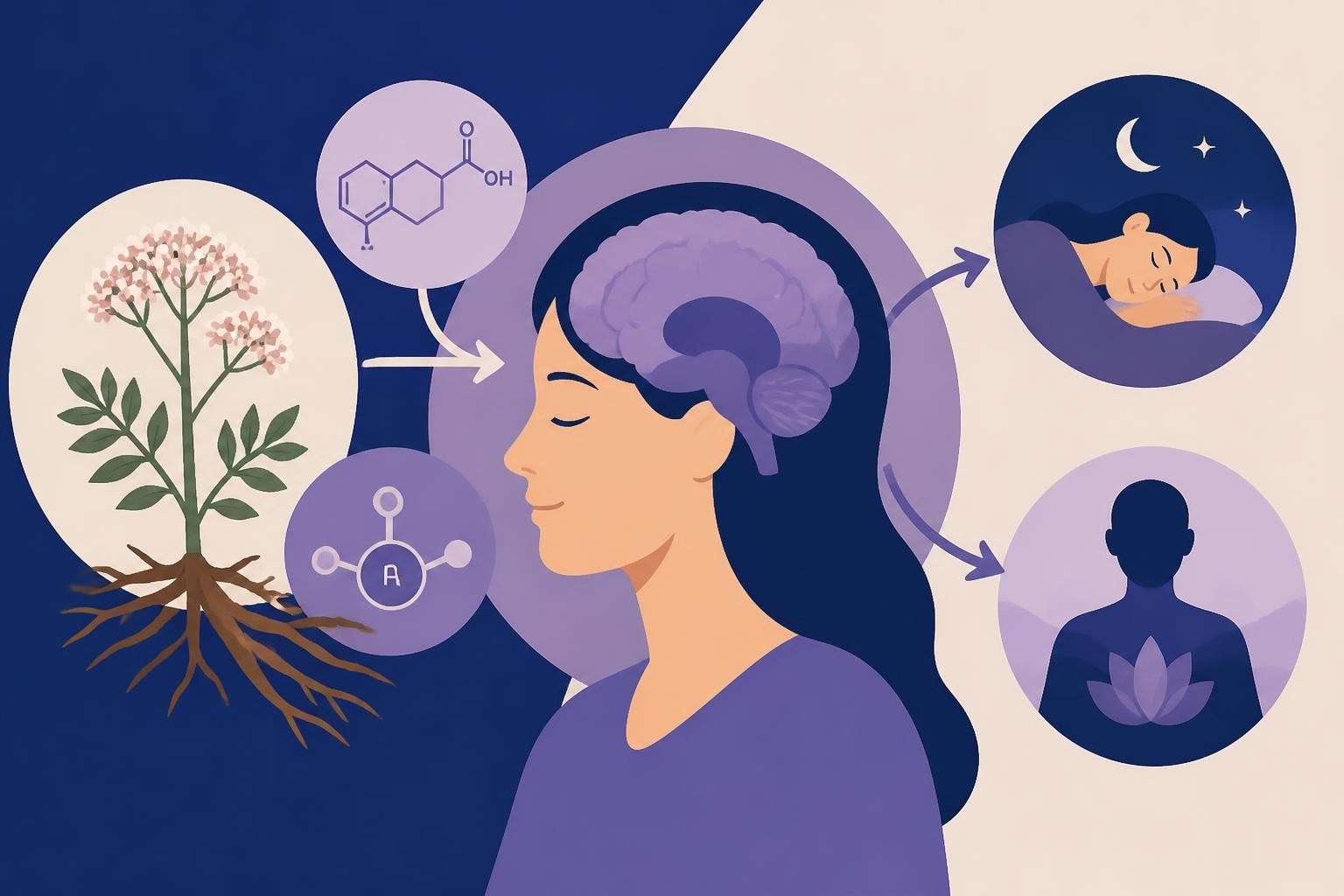
Valerian supplements have been used for centuries as a remedy for restlessness and sleep difficulties, yet their place in modern wellness remains a topic of debate. Derived from the roots of Valeriana officinalis, these supplements are marketed primarily for insomnia and anxiety, with millions of consumers reaching for valerian each year. But what does the current evidence actually say about their effectiveness, and how can consumers make informed choices when evaluating products? Understanding the research landscape, active compounds, safety profile, and quality considerations is essential for anyone considering valerian supplements in 2026.
Understanding Valerian and Its Active Compounds
Valerian root contains more than 150 identified chemical constituents, making its pharmacology complex and difficult to pin down. The most widely studied bioactive compounds include valerenic acid, valepotriates, and various sesquiterpenes, each thought to contribute to the herb's sedative and anxiolytic effects. Valerenic acid, in particular, has been shown in preclinical models to modulate GABA-A receptors in the central nervous system, potentially explaining valerian's calming properties.
Beyond valerenic acid, the phytochemical profile varies significantly by species, growing conditions, harvest timing, and extraction method. Research on the ethnopharmacology and biological activities of Valeriana species highlights that different preparations can contain vastly different concentrations of active compounds. This variability poses a major challenge for consumers trying to compare products or interpret clinical trial results.
How Valerian Is Thought to Work
The proposed mechanisms of action for valerian supplements center on the GABAergic system. GABA (gamma-aminobutyric acid) is the brain's primary inhibitory neurotransmitter, and enhancing its activity can promote relaxation and reduce neuronal excitability. Some evidence suggests that valerenic acid inhibits the breakdown of GABA in synaptic clefts, while other studies point to direct binding at GABA-A receptor sites.
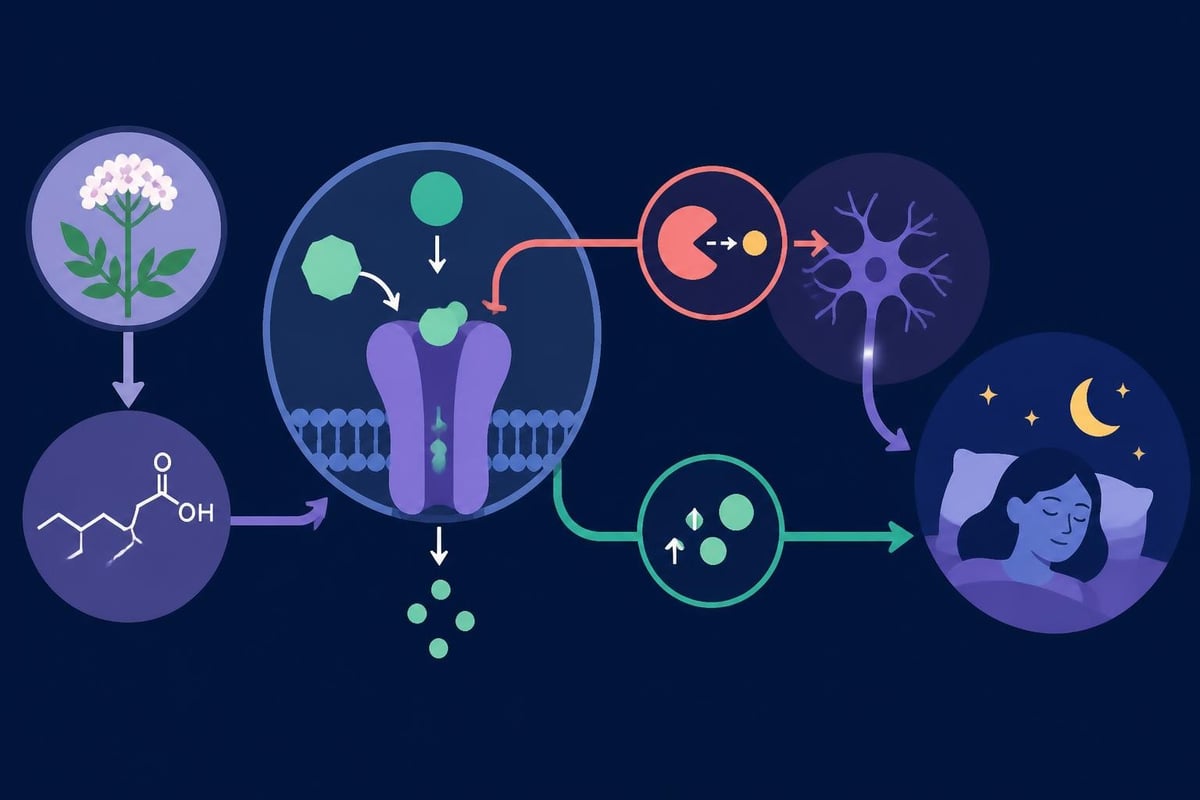
Additional pathways may involve adenosine receptors, serotonin modulation, and antioxidant activity, though these remain less well-characterized. The complexity of valerian's composition means it likely acts through multiple, overlapping mechanisms rather than a single pharmacological target.
| Compound Class | Examples | Proposed Activity |
|---|---|---|
| Sesquiterpenes | Valerenic acid, acetoxyvalerenic acid | GABA-A modulation, enzyme inhibition |
| Valepotriates | Valtrate, isovaltrate | Sedative (though unstable and often degraded) |
| Flavonoids | Hesperidin, linarin | Antioxidant, possible receptor binding |
| Alkaloids | Actinidine, valerianine | Minor sedative effects |
Clinical Evidence for Sleep and Insomnia
The most common reason people turn to valerian supplements is to improve sleep quality or reduce the time it takes to fall asleep. However, the clinical evidence remains mixed and has been subject to extensive systematic review. A 2024 umbrella review of systematic reviews and meta-analyses found that while some individual trials report modest benefits, the overall quality of evidence is low to moderate, with high heterogeneity across studies.
Several randomized controlled trials have reported subjective improvements in sleep quality, particularly in individuals with chronic insomnia or mild sleep disturbances. Participants often rate their sleep as more restful or report fewer nighttime awakenings. Yet objective measures, such as polysomnography or actigraphy, frequently fail to show statistically significant changes in sleep architecture or total sleep time.
Why the Evidence Is Inconsistent
The inconsistency in valerian research stems from multiple factors:
- Dose variation: Trials have used anywhere from 300 mg to 1,800 mg per day, often without standardization to specific marker compounds.
- Extraction methods: Aqueous extracts, ethanolic extracts, and dry powders all appear in the literature, each with different phytochemical profiles.
- Duration: Some studies last only a few days, while others extend for several weeks; valerian may require cumulative dosing to show benefit.
- Population differences: Studies enroll healthy volunteers, chronic insomniacs, or individuals with comorbid anxiety, making direct comparisons difficult.
The National Center for Complementary and Integrative Health (NCCIH) notes that while valerian is generally considered safe for short-term use, the evidence supporting its efficacy for sleep disorders remains inconclusive. For those looking to improve sleep quality, understanding how valerian ranks against other interventions-based on evidence, dose fit, and individual health goals-can clarify whether it's the right choice.
Valerian for Anxiety and Stress Resilience
Though less commonly promoted than for sleep, valerian supplements are also used to reduce anxiety and support stress resilience. The Cochrane evidence summary on valerian for anxiety disorders highlights that rigorous, large-scale trials are scarce, and the available data do not yet support a strong recommendation for valerian as a standalone anxiolytic.
Smaller trials have occasionally shown reductions in self-reported anxiety scores, particularly in situations of acute stress or mild generalized anxiety. However, these findings are not consistently replicated, and the magnitude of effect is often modest. Individuals seeking to improve stress resilience may benefit from comparing valerian's evidence base to that of other adaptogens or calming herbs before making a decision.
Comparing Valerian to Other Calming Supplements
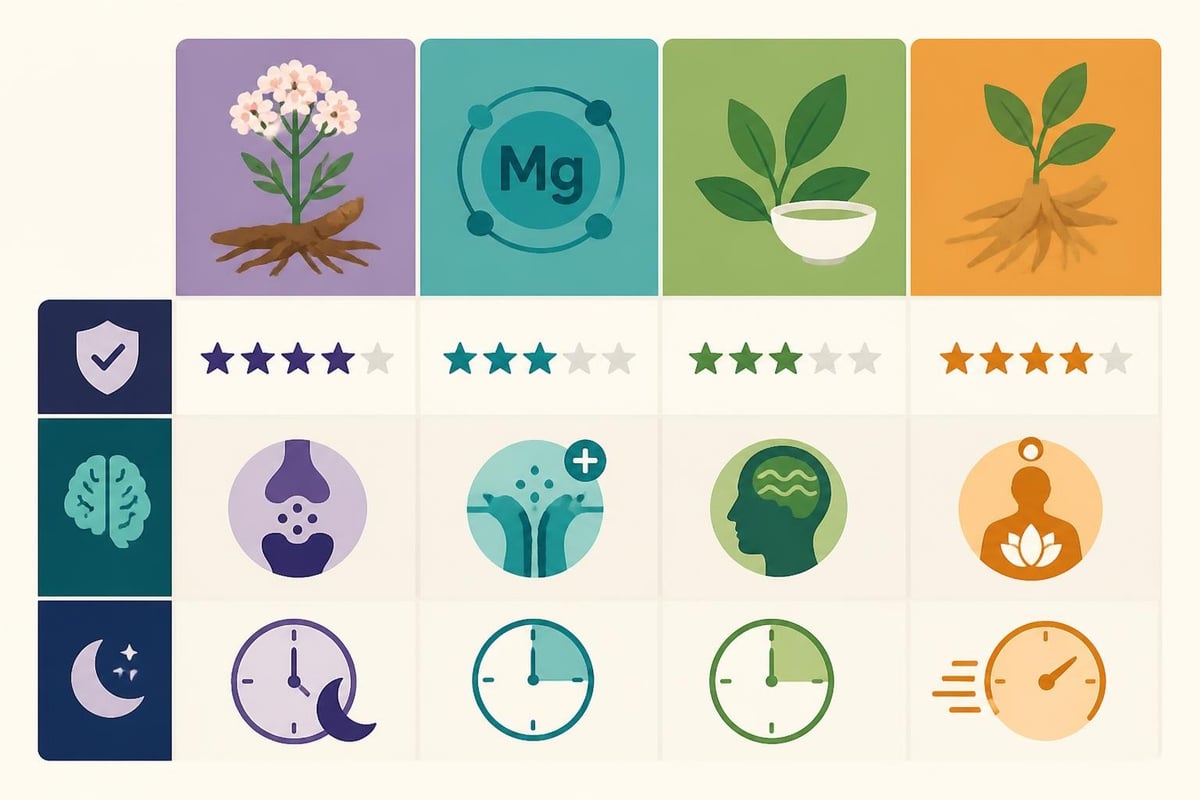
When evaluating valerian supplements against alternatives, consider the following:
- Magnesium: Stronger evidence for muscle relaxation and sleep support; well-tolerated with clear dosing guidelines.
- L-theanine: Moderate evidence for acute stress reduction and attention; rapid onset, minimal side effects.
- Passionflower: Similar traditional use profile; limited but promising data for anxiety.
- Ashwagandha: Robust evidence for cortisol modulation and stress; more trials with larger sample sizes.
Valerian may offer value for individuals who respond well to GABAergic modulation or who prefer herbal options, but it is not universally superior across all stress-related outcomes.
Safety, Side Effects, and Drug Interactions
Valerian supplements are generally well-tolerated in the short term, with most adverse events being mild. The most frequently reported side effects include headache, dizziness, gastrointestinal upset, and, paradoxically, daytime drowsiness. A small subset of users reports vivid dreams or a "hangover" effect upon waking, though these are not consistently documented across trials.
The European Medicines Agency herbal monograph for valerian root specifies that valerian should not be used during pregnancy or breastfeeding due to insufficient safety data. It also advises caution in individuals operating heavy machinery or driving, given valerian's sedative potential.
Potential Drug Interactions
One of the most important safety considerations involves drug interactions, particularly with central nervous system depressants. Research on pharmacokinetic and pharmacodynamic herb–drug interactions for CNS herbs indicates that valerian may potentiate the effects of:
- Benzodiazepines (e.g., lorazepam, diazepam)
- Barbiturates
- Sedative antidepressants (e.g., amitriptyline, trazodone)
- Alcohol
- Opioid analgesics
Concurrent use can lead to excessive sedation, impaired motor coordination, and increased risk of falls, particularly in older adults. Although the clinical significance of these interactions has not been quantified in large-scale studies, caution is warranted.
Valerian may also influence hepatic cytochrome P450 enzymes (particularly CYP3A4), though the data are limited and the direction of effect (inhibition vs. induction) remains unclear. Individuals taking medications with narrow therapeutic windows should consult a healthcare provider before adding valerian supplements to their regimen.
Quality, Contamination, and Standardization Issues
A recurring concern with valerian supplements is product quality and contamination. Herbal products are subject to less stringent regulation than pharmaceuticals in many jurisdictions, leading to variability in active ingredient content and the presence of adulterants or contaminants. Toxicological risk assessment and heavy-metal analyses in valerian products have identified concerning levels of lead, cadmium, and arsenic in some commercial preparations, particularly those sourced from regions with poor soil quality or lax manufacturing standards.
What to Look for in a Valerian Supplement
When evaluating valerian supplements, prioritize products that meet the following criteria:
- Third-party testing: Certifications from NSF International, USP, or ConsumerLab indicate independent verification of label claims and contaminant screening.
- Standardization: Look for extracts standardized to 0.8% valerenic acid or similar marker compounds, ensuring consistency across batches.
- Transparent sourcing: Reputable manufacturers disclose the geographic origin of raw materials and provide certificates of analysis.
- Appropriate extraction: Hydroalcoholic (ethanol-water) extracts are most common in research; avoid products that don't specify extraction solvent or ratio.
| Quality Indicator | Why It Matters | What to Look For |
|---|---|---|
| Third-party certification | Confirms purity and potency | NSF, USP, ConsumerLab seals |
| Standardization | Ensures consistent active levels | ≥0.8% valerenic acid |
| Heavy-metal testing | Prevents toxic exposure | Test results for Pb, Cd, As, Hg |
| Expiration dating | Maintains compound stability | Clear "use by" date |
Platforms like DoseRank evaluate supplements not only on clinical evidence and dose fit but also on trust indicators such as third-party testing and manufacturing transparency. This multi-dimensional ranking helps consumers identify products that balance efficacy, safety, and value.
Dosing Recommendations and Timing
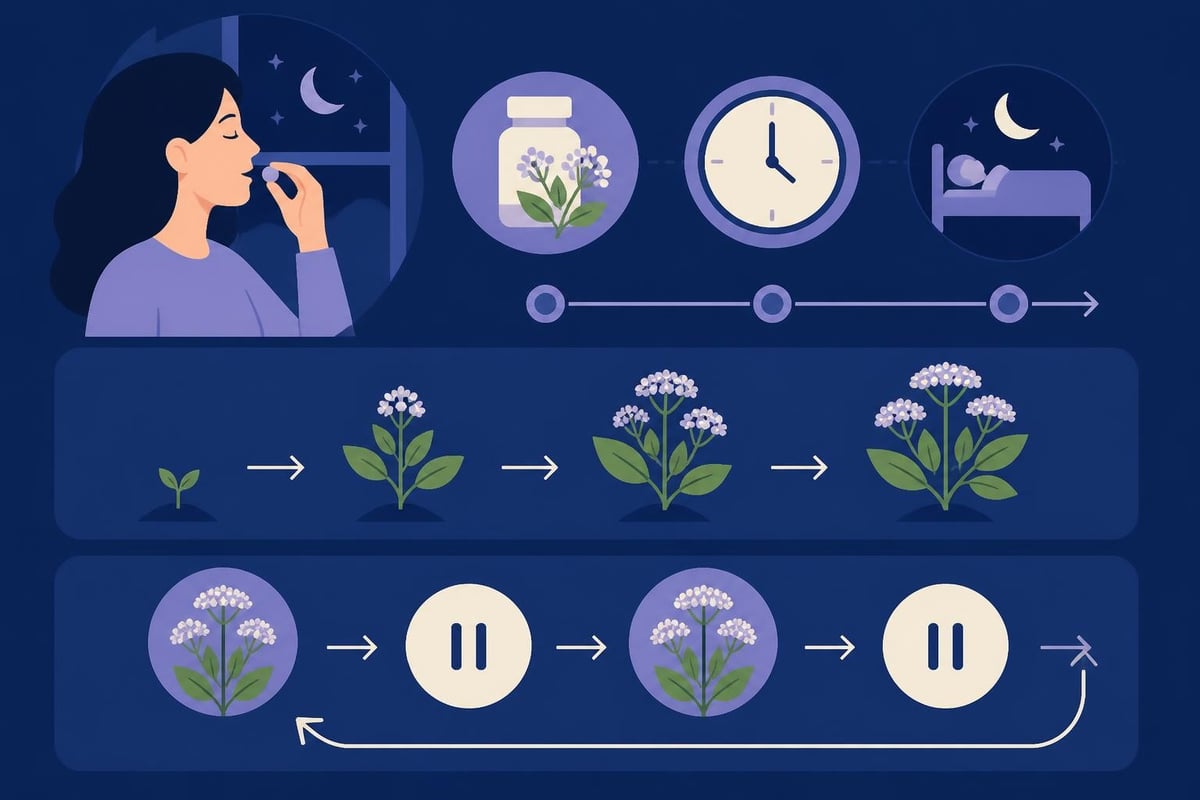
Typical dosing for valerian supplements ranges from 300 mg to 600 mg of root extract, taken 30 to 120 minutes before bedtime. Some protocols recommend starting with a lower dose (e.g., 300 mg) and titrating upward if no effect is observed after one to two weeks. Because valerian's effects may be cumulative, single-dose studies often underestimate its potential benefit.
For anxiety or daytime stress, split dosing (e.g., 200 mg twice daily) is occasionally used, though evidence for this approach is limited. Valerian should not be combined with alcohol or other sedatives without medical supervision.
Duration of Use
Most clinical trials have evaluated valerian for periods of two to six weeks. Long-term safety data beyond three months are scarce, and there is theoretical concern about tolerance or dependence with extended use, though no robust evidence of withdrawal symptoms has been documented. Cycling valerian (e.g., four weeks on, one week off) is sometimes recommended as a precautionary measure, though this practice is based more on tradition than data.
Regulatory and Policy Perspectives
Regulatory agencies worldwide have taken varying stances on valerian supplements. In the European Union, valerian is classified as a traditional herbal medicinal product for the relief of mild nervous tension and sleep disturbances, provided it meets quality and safety standards outlined in the EMA monograph. In the United States, valerian is sold as a dietary supplement under the Dietary Supplement Health and Education Act (DSHEA), meaning it does not require pre-market approval for safety or efficacy.
A Swiss health-technology assessment examining complementary treatments for insomnia concluded that while valerian may offer modest benefit for some individuals, the evidence is not sufficient to recommend it as a first-line therapy over cognitive-behavioral interventions or pharmacotherapy in cases of clinically significant insomnia. This pragmatic, evidence-based approach underscores the importance of context when interpreting valerian's role in sleep management.
Consumers navigating these regulatory differences can benefit from tools that synthesize evidence, assess product quality, and account for individual health goals. Exploring DoseRank's methodology reveals how rankings incorporate not only clinical data but also regulatory status, availability, and value-factors that matter in real-world decision-making.
Who Might Benefit Most from Valerian Supplements
Valerian supplements are not a universal solution, but certain populations may find them useful:
- Individuals with mild, transient insomnia who prefer herbal options and have not responded to sleep hygiene interventions alone.
- Those experiencing situational anxiety (e.g., pre-exam nerves, travel-related stress) who seek a non-pharmaceutical calming aid.
- People sensitive to or wishing to avoid prescription sleep medications, particularly benzodiazepines or Z-drugs, due to side effects or dependence concerns.
- Shift workers or travelers adjusting to new sleep schedules, though evidence is weaker in these contexts.
Valerian is less likely to benefit individuals with severe insomnia, major depressive disorder, or chronic anxiety disorders that warrant evidence-based psychotherapy or pharmacotherapy. In these cases, valerian should be considered an adjunct at most, not a replacement for standard care.
Emerging Research and Future Directions
Current research on valerian supplements is shifting toward understanding inter-individual variability in response. Genetic polymorphisms affecting GABA receptor subtypes, cytochrome P450 enzymes, and gut microbiota composition may all influence how individuals metabolize and respond to valerian's active compounds. Precision nutrition and pharmacogenomics could eventually allow for more targeted recommendations.
Additionally, newer formulations combining valerian with other botanicals (e.g., hops, lemon balm, passionflower) are being studied for potential synergistic effects. Early trials suggest that combination products may outperform valerian monotherapy in some outcomes, though the evidence base remains preliminary.
Investigational uses beyond sleep and anxiety-such as menopausal hot flashes, restless legs syndrome, and chronic pain-are also under exploration, but none have sufficient evidence to warrant routine recommendation as of 2026.
Practical Tips for Using Valerian Supplements
If you decide to try valerian supplements, keep these practical considerations in mind:
- Start low and go slow: Begin with 300 mg and assess tolerance before increasing the dose.
- Be patient: Effects may take one to two weeks to manifest; don't judge efficacy after a single dose.
- Avoid mixing with sedatives: Do not combine valerian with alcohol, benzodiazepines, or prescription sleep aids without medical guidance.
- Monitor for side effects: Discontinue use if you experience persistent headache, dizziness, or gastrointestinal distress.
- Choose quality products: Prioritize third-party tested, standardized extracts from reputable manufacturers.
- Consult a provider: If you have a chronic health condition, take multiple medications, or are pregnant or breastfeeding, seek professional advice before starting valerian.
For those unsure whether valerian is the best fit for their goals, taking a quick quiz can help narrow down supplement options based on individual needs, evidence strength, and other personalized factors.
Understanding the Limitations of Valerian Research
It's important to acknowledge what the current evidence cannot tell us. Most valerian trials are small, short-term, and methodologically inconsistent. Many rely on subjective sleep diaries or self-report anxiety scales rather than objective physiological measures. Publication bias-where positive results are more likely to be published-may inflate the apparent benefits of valerian supplements in the literature.
Furthermore, the "file drawer problem" in herbal medicine research means that negative or null findings often go unreported, skewing the meta-analytic evidence toward positive conclusions. A 2024 umbrella review specifically addressing methodological quality found that fewer than 30% of included trials met criteria for low risk of bias, raising questions about the reliability of pooled effect estimates.
Given these limitations, valerian should be viewed as a low-risk, potentially helpful option for individuals with mild symptoms who have realistic expectations, rather than a proven therapeutic with robust, reproducible benefits.
Making Informed Decisions About Valerian Supplements
Choosing whether to use valerian supplements involves weighing the available evidence, your personal health context, and the opportunity cost of forgoing other interventions. Unlike pharmaceuticals, valerian's benefits are subtle, and its effects are highly individual. Some users report meaningful improvements in sleep onset or subjective relaxation, while others notice no change at all.
Understanding how valerian compares to alternatives across multiple dimensions-evidence, dose fit, trust, value, popularity, and availability-can clarify where it fits in your personal health strategy. Tools that rank supplements systematically, considering both the strength of research and real-world product quality, empower consumers to make choices aligned with their goals and values.
Whether you're exploring valerian for the first time or reassessing your current regimen, prioritizing transparency, evidence, and safety will help you navigate the crowded supplement landscape with confidence.
Valerian supplements occupy a unique middle ground-rooted in traditional use yet scrutinized by modern science, with evidence that is promising but not definitive. For individuals seeking gentle, herbal support for mild sleep disturbances or situational stress, valerian may offer value, provided products are high-quality and expectations are realistic. DoseRank helps you cut through the noise by ranking supplements on evidence, dose fit, trust, value, popularity, and availability, so you can find the best option for your specific goals. Start with the quick quiz to discover which supplements align with your needs.