
DOSERANK guide
Top Rated Health Supplements: Evidence-Based Rankings
Published
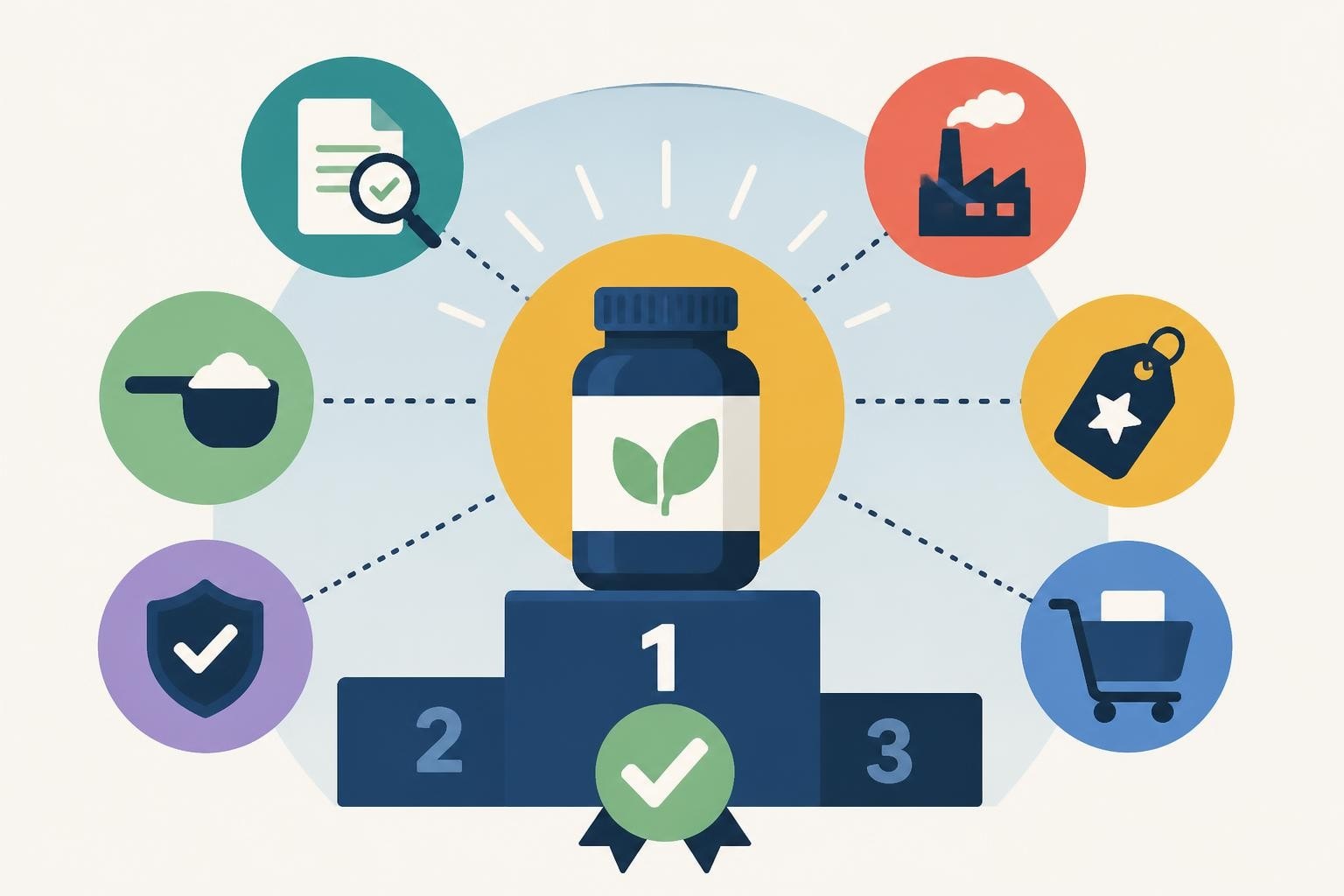
The health supplement industry reached over $150 billion in global sales by 2026, yet navigating this crowded marketplace remains challenging for consumers seeking genuinely effective products. With thousands of brands making bold claims and conflicting information flooding social media, identifying top rated health supplements requires a systematic approach grounded in scientific evidence, proper dosing, manufacturing quality, and real-world performance. Understanding how to evaluate supplements across multiple dimensions ensures you invest in products that deliver measurable results rather than empty promises.
What Makes a Supplement Top Rated
Identifying top rated health supplements demands more than scanning customer reviews or choosing the most expensive bottle on the shelf. A comprehensive evaluation system examines six critical factors that separate genuinely effective products from marketing hype.
Evidence Quality and Clinical Research
The foundation of any top-rated supplement rests on robust scientific evidence. Products backed by multiple randomized controlled trials, systematic reviews, and meta-analyses demonstrate a higher probability of delivering promised benefits. When evaluating evidence quality, consider:
- Study design: Randomized, double-blind, placebo-controlled trials provide the strongest evidence
- Sample size: Larger studies (100+ participants) produce more reliable results than small pilot studies
- Replication: Multiple independent research teams confirming similar findings strengthen credibility
- Publication quality: Peer-reviewed journals with rigorous standards indicate thorough scientific scrutiny
According to Cochrane's systematic review methodology, even well-studied supplements like omega-3 fatty acids show nuanced results that require careful interpretation beyond simple "works" or "doesn't work" classifications.

Dose Fit and Therapeutic Ranges
Even supplements with strong evidence bases fail when products contain ineffective doses. Dose fit examines whether a supplement provides amounts that match clinically effective ranges established in human research.
Many budget supplements underdose active ingredients to reduce costs, delivering only 10-20% of research-supported amounts. Conversely, some products dangerously exceed safe upper limits, risking adverse effects. The National Academies' Dietary Reference Intakes establish science-based nutrient recommendations that help identify appropriate dosing ranges.
| Dosing Issue | Example | Risk |
|---|---|---|
| Underdosing | 100mg magnesium (effective dose: 300-400mg) | No therapeutic benefit |
| Overdosing | 10,000 IU vitamin A daily (safe limit: 3,000 IU) | Potential toxicity |
| Wrong form | Magnesium oxide (poor absorption) vs. glycinate | Reduced bioavailability |
Evaluating Manufacturing Trust and Quality
The supplement industry faces minimal regulatory oversight compared to pharmaceutical drugs, making manufacturing standards a crucial differentiator among top rated health supplements.
Third-Party Testing and Certifications
Independent verification provides essential quality assurance. Look for supplements displaying certifications from:
- USP Verified: Confirms identity, strength, purity, and manufacturing quality
- NSF Certified for Sport: Tests for over 270 banned substances
- ConsumerLab.com: Independent testing of label accuracy and contaminant levels
- Informed Choice: Batch testing for prohibited substances
Consumer Reports' fish oil investigations revealed significant quality variations across brands, with some products containing rancid oils, incorrect EPA/DHA levels, or contaminants not disclosed on labels.
Good Manufacturing Practices (GMP) Compliance
FDA-mandated GMP standards require manufacturers to verify ingredient identity, test for contaminants, and ensure consistent product quality. Top rated health supplements come from facilities that exceed minimum requirements through:
- Regular third-party GMP audits
- Comprehensive contaminant testing (heavy metals, microbes, pesticides)
- Stability testing to verify potency through expiration dates
- Transparent supply chain documentation
Companies that voluntarily submit to stricter standards demonstrate commitment to quality beyond regulatory minimums.
Value Considerations Beyond Price
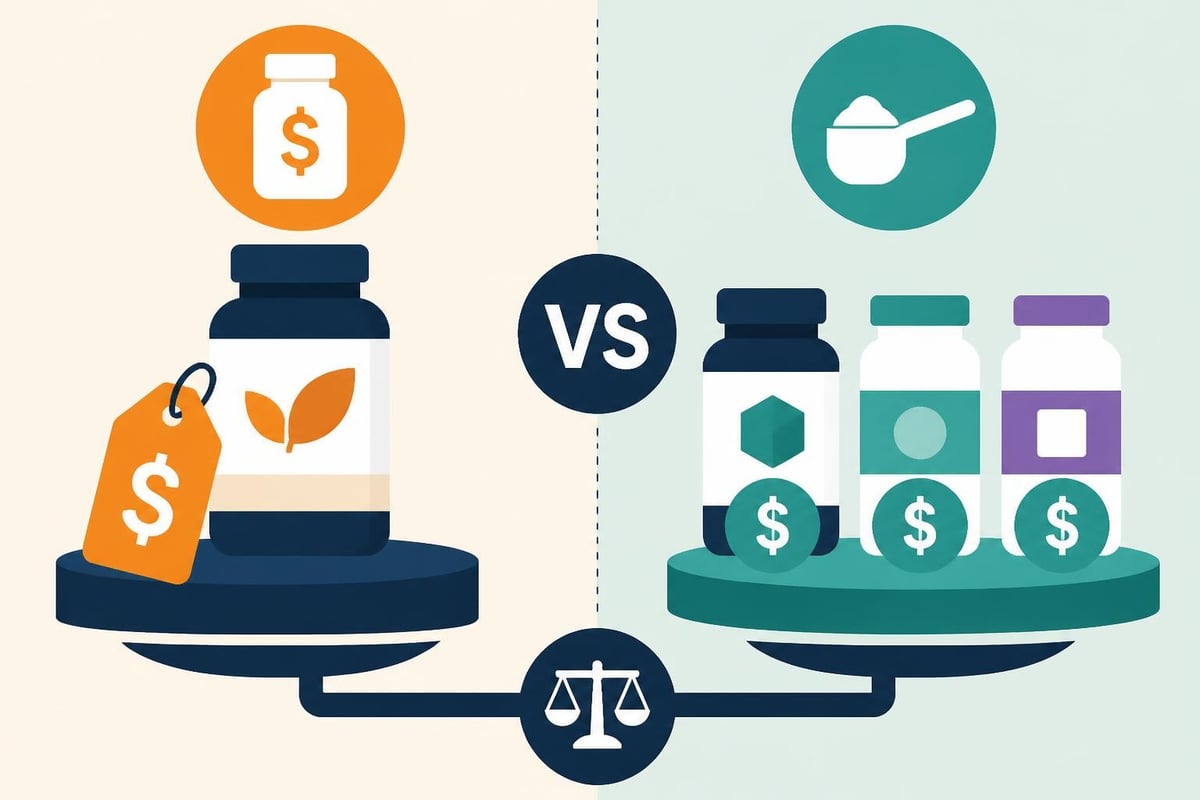
Cost-effectiveness analysis examines whether a supplement delivers therapeutic doses at a reasonable price per serving. The cheapest product rarely represents the best value when accounting for dose fit and bioavailability.
Price per effective dose provides a more accurate value metric than simple bottle price. A $30 bottle containing 60 servings at clinically effective doses costs $0.50 per dose, while a $15 bottle with 30 underdosed servings costs $0.50 per serving but delivers no meaningful benefit.
Consider these value factors:
- Active ingredient cost per milligram in therapeutic amounts
- Bioavailability of the specific form used (chelated minerals vs. oxides)
- Serving size required to reach effective doses
- Formulation efficiency (standalone vs. ineffective "kitchen sink" blends)
Premium pricing sometimes reflects higher-quality raw materials, superior absorption forms, or rigorous testing protocols that justify the cost difference.
Popularity and Real-World Performance
While scientific evidence forms the foundation, real-world usage patterns and consumer experiences provide valuable supplementary information for identifying top rated health supplements.
Market Adoption and Longevity
Products that maintain strong sales over multiple years suggest consistent consumer satisfaction and repeat purchases. However, popularity alone doesn't guarantee efficacy, as marketing budgets often drive sales more than product quality.
Analyze popularity through multiple lenses:
- Professional recommendations: Which products do registered dietitians, physicians, and evidence-based practitioners suggest?
- Longevity: Has the product maintained quality and formulation consistency over years?
- Transparency: Does the company openly share research, testing results, and ingredient sourcing?
User Feedback Patterns
Systematic analysis of user reviews reveals patterns that individual testimonials miss. Look for:
| Review Element | Reliable Indicator | Red Flag |
|---|---|---|
| Timeframe | Reviews spanning weeks/months | Only immediate responses |
| Specificity | Detailed outcomes described | Vague "amazing" claims |
| Consistency | Similar benefits across users | Wildly contradictory reports |
| Realism | Modest, gradual improvements | Miracle cure testimonials |
Be skeptical of products with exclusively five-star reviews, which often indicate review manipulation or insufficient sample size.
Availability and Accessibility
Even exceptional supplements provide little value if consumers cannot reliably purchase them. Retail availability across multiple channels indicates established supply chains and business stability.
Top rated health supplements typically offer:
- Multiple purchase options: Direct-to-consumer websites, major retailers, and specialty health stores
- Consistent inventory: Products regularly in stock rather than frequent shortages
- Geographic reach: International shipping or country-specific formulations meeting local regulations
- Subscription options: Automated delivery for products requiring consistent daily use
Limited availability sometimes reflects small-batch production focusing on quality over scale, which isn't necessarily negative. However, products perpetually "out of stock" or available only through single distributors raise concerns about business viability and supply chain reliability.
Category-Specific Top Performers
Different supplement categories require specialized evaluation criteria beyond general quality metrics. Understanding category-specific benchmarks helps identify genuinely top rated health supplements in each class.
Omega-3 Fatty Acids
Leading omega-3 supplements demonstrate:
- EPA/DHA concentration of at least 500-1,000mg combined per serving
- Triglyceride or phospholipid form for superior absorption over ethyl esters
- Third-party testing for oxidation levels (TOTOX score below 26)
- Sustainable sourcing certifications (MSC, Friend of the Sea)
Harvard Health's omega-3 guide emphasizes checking for freshness indicators and understanding different formulation types when selecting fish oil products.
Vitamin D
Optimal vitamin D supplements provide:
- D3 (cholecalciferol) rather than less effective D2 (ergocalciferol)
- 1,000-4,000 IU per serving depending on individual status and goals
- Oil-based softgels or formulations with healthy fats to enhance absorption
- Combined with vitamin K2 in some formulations to support bone health
Research on vitamin D and depression highlights the importance of adequate dosing, as many studies showing minimal effects used insufficient amounts or tested subjects who weren't deficient.
Magnesium
Top rated magnesium supplements feature:
- Highly bioavailable forms: glycinate, citrate, malate, or threonate
- 300-400mg elemental magnesium per serving for adults
- Minimal gastrointestinal side effects compared to oxide or sulfate forms
- Specific outcome targeting: threonate for cognitive support, citrate for digestive regularity
Different magnesium forms serve distinct purposes, making "best" context-dependent on individual goals and tolerance.
Common Quality Red Flags
Certain warning signs indicate supplements unlikely to rank among top rated health supplements regardless of marketing claims.
Watch for these concerning patterns:
- Proprietary blends hiding individual ingredient amounts
- Mega-dose formulations far exceeding established safe limits
- Unverifiable claims like "clinically proven" without citing actual studies
- Absence of third-party testing from any recognized certification body
- Dramatic before/after photos suggesting drug-like effects
- Pressure tactics like limited-time offers or scarcity manipulation
Products making disease treatment claims ("cures diabetes" or "eliminates cancer") violate FDA regulations and indicate either dangerous ignorance or willful deception. Supplements may support health outcomes but cannot legally claim to diagnose, treat, cure, or prevent diseases.

Evidence-Based Selection Strategy
Choosing top rated health supplements becomes systematic when following a structured decision framework. If you're looking to address specific health goals like improving cognitive function or reducing fatigue, starting with clearly defined outcomes helps narrow appropriate supplement options.
Step-by-Step Evaluation Process
- Define your specific goal: General "wellness" is too vague; target concrete, measurable outcomes
- Research evidence strength: Review systematic reviews and meta-analyses on PubMed or Cochrane
- Identify effective doses: Note amounts used in successful clinical trials
- Compare product formulations: Match product specs against research-backed doses and forms
- Verify manufacturing quality: Check for third-party certifications and testing transparency
- Calculate cost-effectiveness: Determine price per therapeutic dose, not just per bottle
- Assess availability: Ensure reliable access through preferred purchasing channels
Matching Supplements to Personal Context
Individual factors significantly influence which supplements rate highest for specific people:
- Current nutrient status: Deficient individuals respond dramatically; replete individuals see minimal benefit
- Dietary patterns: Vegans require different supplementation than omnivores
- Health conditions: Medications, digestive issues, or metabolic disorders affect absorption and needs
- Life stage: Pregnancy, aging, and growth periods alter nutritional requirements
Understanding these contextual factors explains why universally "best" supplements don't exist. The DoseRank methodology addresses this complexity by ranking supplements against specific, measurable health outcomes rather than vague general categories.
Personalized Supplement Selection
Generic supplement recommendations ignore individual biochemistry, lifestyle factors, and health goals that determine actual effectiveness. Personalization transforms supplement selection from guesswork into targeted intervention.
Modern approaches to identifying top rated health supplements for individual needs include:
- Biomarker testing: Blood work revealing specific deficiencies (vitamin D, B12, iron, magnesium)
- Genetic testing: Identifying polymorphisms affecting nutrient metabolism (MTHFR, VDR, APOE)
- Symptom tracking: Monitoring measurable changes in energy, sleep, cognition, or physical performance
- Dietary analysis: Calculating nutrient gaps between current intake and optimal levels
Professional guidance from registered dietitians or functional medicine practitioners helps interpret testing results and design evidence-based supplement protocols. Self-directed selection using validated assessment tools provides a middle ground between pure guesswork and full clinical evaluation.
For those unsure where to start, platforms like DoseRank's supplement outcomes directory organize options around specific, measurable health goals backed by human research data.
Integration with Lifestyle Factors
Top rated health supplements complement rather than replace fundamental health behaviors. No supplement compensates for inadequate sleep, chronic stress, poor nutrition, or sedentary lifestyle.
Supplements as Gap-Fillers
The most effective supplementation strategy addresses genuine nutritional gaps:
- Modern soil depletion reducing mineral content in produce
- Indoor lifestyles limiting sun exposure and vitamin D synthesis
- Processed food consumption displacing nutrient-dense whole foods
- Dietary restrictions creating predictable deficiencies (B12 in vegans, iron in plant-based diets)
When whole-food sources provide adequate nutrients, supplementation typically offers minimal additional benefit. Vitamin C from oranges delivers the same ascorbic acid molecule as supplements, often with complementary phytonutrients enhancing absorption and utilization.
Synergistic Combinations
Certain nutrients work synergistically, improving outcomes when combined:
| Primary Nutrient | Synergistic Partner | Mechanism |
|---|---|---|
| Vitamin D | Magnesium | Required for D3 activation and metabolism |
| Iron | Vitamin C | Enhances non-heme iron absorption up to 300% |
| Calcium | Vitamin K2 | Directs calcium to bones rather than soft tissues |
| Curcumin | Black pepper (piperine) | Increases bioavailability 2,000% |
Understanding these interactions helps design more effective supplementation protocols while avoiding antagonistic combinations that reduce absorption or efficacy.
Monitoring and Adjusting
Effective supplement use requires ongoing assessment rather than indefinite continuation without evaluation. Regular monitoring prevents both deficiency and excess while optimizing cost-effectiveness.
Establishing Baselines and Tracking
Before starting supplementation:
- Document current symptoms using validated scales or questionnaires
- Test relevant biomarkers if feasible (vitamin D, ferritin, magnesium RBC)
- Record baseline measurements for outcomes you're targeting (sleep quality, energy levels, exercise performance)
After 8-12 weeks of consistent supplementation:
- Reassess symptoms using the same measurement tools
- Retest biomarkers to confirm status improvement
- Evaluate subjective changes in target outcomes
This data-driven approach identifies which supplements deliver measurable value versus those producing placebo effects or no detectable benefit.
When to Continue, Adjust, or Discontinue
Clear decision criteria prevent both premature abandonment of effective supplements and wasteful continuation of ineffective ones:
Continue when biomarkers normalize, symptoms improve, and benefits justify costs.
Adjust dosing if partial improvement occurs but targets aren't fully met, or if biomarkers indicate excessive accumulation.
Discontinue when testing shows sufficiency, no measurable improvement occurs after 12 weeks at therapeutic doses, or adverse effects emerge.
Some nutrients require lifelong supplementation (vitamin B12 for vegans), while others address temporary deficiencies or seasonal needs (vitamin D supplementation during winter months).
Emerging Categories and Innovation
The supplement industry continuously evolves as research identifies new compounds and delivery methods. Staying current with evidence-based innovations helps identify tomorrow's top rated health supplements before they achieve mainstream recognition.
Novel Formulations and Delivery Systems
Recent advances improving supplement effectiveness include:
- Liposomal encapsulation: Phospholipid bubbles protecting nutrients through digestion and enhancing cellular uptake
- Time-release mechanisms: Sustained delivery matching physiological absorption rhythms
- Nanoemulsion technology: Reducing particle size for improved bioavailability of fat-soluble nutrients
- Microbiome-targeted prebiotics: Precision fibers feeding specific beneficial bacterial strains
These innovations sometimes justify premium pricing when they demonstrably improve bioavailability or therapeutic outcomes. However, many represent marketing gimmicks offering minimal advantage over standard formulations.
Research Frontiers
Emerging areas generating evidence for future top rated health supplements:
- Postbiotic metabolites: Bacterial fermentation products providing benefits without live organisms
- Targeted polyphenols: Specific plant compounds affecting gene expression and cellular signaling
- NAD+ precursors: Nicotinamide riboside and NMN supporting cellular energy metabolism
- Senolytic compounds: Agents potentially clearing aged cells to promote healthy longevity
Distinguish between preliminary research (cell cultures, animal models) and human clinical evidence before adopting supplements from cutting-edge categories. Early-stage findings frequently fail to translate into meaningful human benefits.
Identifying truly top rated health supplements requires looking beyond marketing claims to evaluate evidence quality, dose accuracy, manufacturing standards, cost-effectiveness, and real-world performance. The most effective approach combines systematic evaluation criteria with personalized context, matching specific supplements to individual goals and biochemistry. DoseRank simplifies this process by ranking supplements across evidence, dose fit, trust, value, popularity, and availability, helping you find options tailored to your specific health outcomes through a quick assessment that cuts through industry noise.