
DOSERANK guide
Top Ranked Vitamins for Optimal Health in 2026
Published

Choosing the right vitamins can feel overwhelming when faced with countless bottles lining store shelves and conflicting advice online. Understanding which vitamins truly deserve a place in your daily routine requires looking beyond marketing claims to evaluate scientific evidence, proper dosing, product quality, and real-world effectiveness. The top ranked vitamins consistently earn their position through proven benefits, optimal formulation, and measurable impact on specific health outcomes.
What Makes a Vitamin Top-Ranked
The distinction between average and exceptional vitamins extends far beyond brand recognition or price point. A systematic evaluation framework considers multiple dimensions that collectively determine whether a vitamin supplement delivers genuine value.
Evidence Quality and Clinical Research
Top ranked vitamins rest on a foundation of rigorous human clinical trials rather than preliminary animal studies or theoretical benefits. The strength of evidence matters because it separates scientifically validated outcomes from speculative health claims. Randomized controlled trials, meta-analyses, and systematic reviews provide the gold standard for assessing whether a vitamin genuinely improves specific health markers.
The National Center for Complementary and Integrative Health emphasizes that quality evidence should demonstrate consistent results across multiple studies with adequate sample sizes. When evaluating vitamins, look for products backed by peer-reviewed research published in respected medical journals rather than testimonials or marketing materials.

Dose Fit and Bioavailability
Even well-researched vitamins fall short if they contain inappropriate doses or poorly absorbed forms. The concept of dose fit examines whether a supplement provides the specific amount shown effective in clinical trials for your intended health outcome. Some vitamins require higher doses for therapeutic effects, while others work optimally at levels closer to recommended dietary allowances.
Bioavailability determines what percentage of the vitamin your body actually absorbs and utilizes. Consider these bioavailability factors:
- Chemical form: Methylcobalamin versus cyanocobalamin for vitamin B12
- Delivery mechanism: Liposomal encapsulation versus standard tablets
- Cofactors: Presence of complementary nutrients that enhance absorption
- Timing: Fat-soluble vitamins requiring dietary fat for optimal uptake
According to information from the Cleveland Clinic on fat-soluble vitamins, vitamins A, D, E, and K require dietary fat for proper absorption, making dose timing and meal pairing critical considerations.
Top Ranked Vitamins by Category
Different vitamins excel for different health priorities, making categorical rankings more useful than a single universal list. The following sections break down the highest-performing vitamins within specific functional categories.
Bone and Structural Health
Calcium and vitamin D consistently rank at the top for skeletal support, but magnesium and vitamin K2 deserve equal attention for comprehensive bone health. These nutrients work synergistically rather than in isolation.
| Vitamin | Primary Function | Optimal Daily Dose | Key Research Finding |
|---|---|---|---|
| Vitamin D3 | Calcium absorption, bone mineralization | 2000-4000 IU | Reduces fracture risk by 20% in older adults |
| Vitamin K2 (MK-7) | Directs calcium to bones | 100-200 mcg | Improves bone mineral density markers |
| Magnesium | Bone matrix formation | 300-500 mg | Correlates with higher bone density |
The intersection of these nutrients explains why single-nutrient supplementation often produces modest results. Top ranked vitamins for bone health typically combine complementary nutrients in ratios that mirror successful clinical trials.
Immune Function and Antioxidant Defense
Vitamin C and vitamin D dominate immune support rankings, though zinc (technically a mineral) frequently appears alongside them in comprehensive immune formulas. The evidence base for these nutrients extends across multiple immune markers and infection outcomes.
Vitamin C demonstrates particular strength in:
- Reducing cold duration by approximately one day
- Supporting neutrophil function during infections
- Regenerating other antioxidants like vitamin E
- Protecting against oxidative stress during illness
Vitamin D's immune benefits extend beyond infection resistance to immune regulation and inflammation modulation. Research continues to reveal vitamin D's influence on innate and adaptive immunity, making it a permanent fixture among top ranked vitamins for immune health.
Energy Production and Metabolic Support
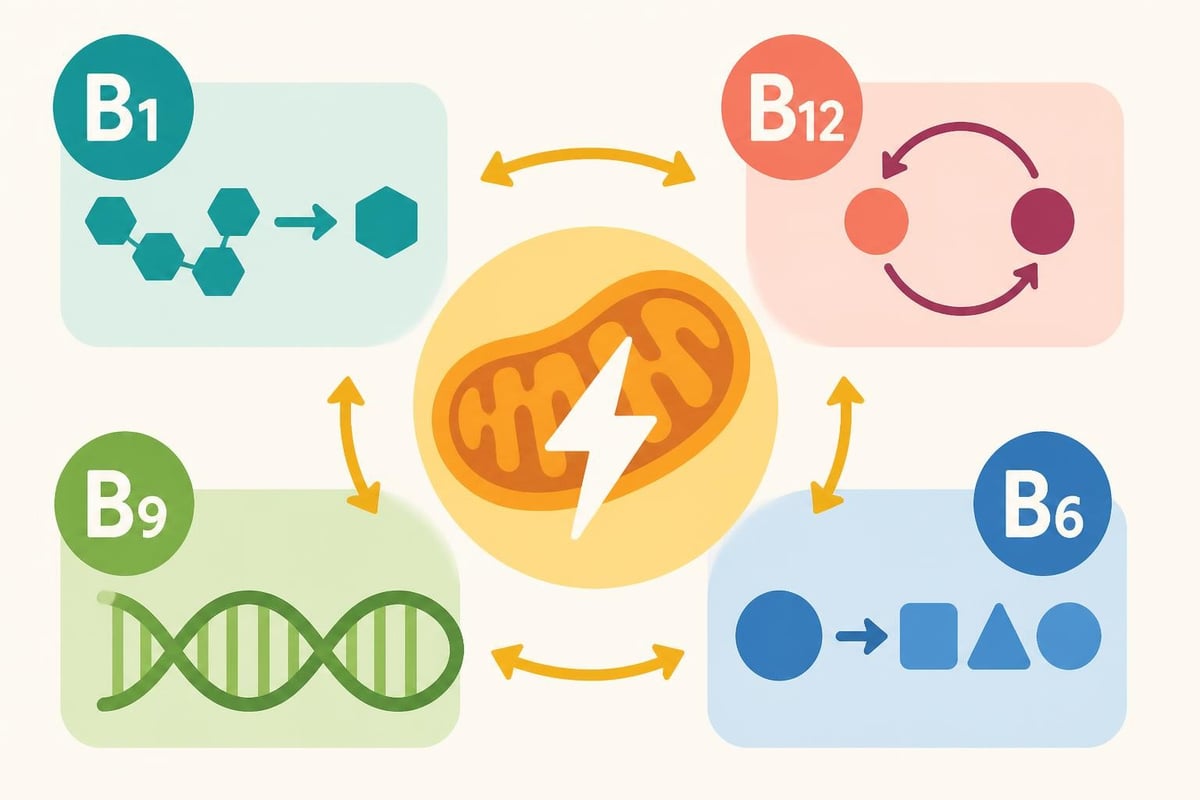
The B-vitamin complex earns top rankings for energy metabolism because these vitamins serve as essential cofactors in cellular energy production pathways. Rather than providing direct energy like calories, B vitamins enable your cells to extract energy from food efficiently.
Individual B vitamins that consistently rank highest include:
- Vitamin B12 (methylcobalamin): Critical for red blood cell formation and neurological function
- Vitamin B6 (pyridoxal-5-phosphate): Required for amino acid metabolism and neurotransmitter synthesis
- Folate (5-MTHF): Essential for DNA synthesis and homocysteine metabolism
- Thiamine (B1): Primary cofactor for glucose metabolism
Many people benefit from B-complex formulations rather than isolated B vitamins because these nutrients work together in overlapping metabolic pathways. The Merck Manual's overview of vitamins provides detailed context on how B vitamins interact within metabolic processes.
Cognitive Function and Neuroprotection
Vitamins that support brain health rank highly among aging populations and those experiencing cognitive demands. The evidence distinguishes between vitamins that maintain normal function versus those that may enhance performance or slow decline.
Omega-3 fatty acids (EPA and DHA) technically fall outside the vitamin category but frequently rank alongside B vitamins for cognitive support. The B vitamins most relevant to brain health include B12, folate, and B6 due to their roles in homocysteine metabolism, which impacts vascular health and neurological function.
Vitamin E (as mixed tocopherols) maintains its position among top ranked vitamins for neuroprotection despite mixed results in Alzheimer's research. The key appears to be using natural mixed tocopherols rather than synthetic alpha-tocopherol alone, plus consuming vitamin E as part of a comprehensive antioxidant strategy rather than as monotherapy.
For those interested in specific cognitive outcomes, platforms like DoseRank help identify supplements that target markers such as memory through evidence-based rankings that consider dose accuracy and clinical validation.
How Vitamin Rankings Address Individual Needs
Generic rankings provide starting points, but personalized vitamin selection requires matching specific deficiencies and health goals to appropriate supplements. Individual factors dramatically influence which vitamins rank highest for your particular situation.
Testing and Deficiency Detection
Laboratory testing transforms vitamin selection from guesswork into precision targeting. Common deficiency tests include:
- Serum 25-hydroxyvitamin D: The standard marker for vitamin D status
- Serum B12 and methylmalonic acid: Combined markers for accurate B12 assessment
- Red blood cell magnesium: More reliable than serum magnesium for tissue levels
- Ferritin: Primary marker for iron storage status
Understanding your baseline nutrient status allows you to prioritize vitamins where you demonstrate actual deficiency rather than supplementing across the board. This targeted approach typically produces better outcomes and reduces unnecessary supplement costs.
Goal-Specific Vitamin Selection
Different health objectives require different vitamin priorities. The concept of outcome-specific supplementation means selecting vitamins based on the specific physiological change you want to achieve rather than general wellness claims.
For example, someone focused on stress resilience would prioritize B-complex vitamins, vitamin C, and magnesium over vitamins primarily beneficial for other outcomes. Someone targeting bone health would emphasize vitamin D, K2, and magnesium in specific ratios.
Comprehensive supplement ranking platforms evaluate vitamins against defined health outcomes built from human clinical trials, allowing you to identify which products actually target your specific goals with appropriate dosing and formulation.
Life Stage and Demographic Considerations
Top ranked vitamins shift across different life stages and demographic groups based on changing nutritional needs and absorption capacity:
| Life Stage | Priority Vitamins | Primary Rationale |
|---|---|---|
| Pregnancy/Lactation | Folate, D, B12, Choline | Fetal development, increased demands |
| Children (2-12) | D, A, C | Growth, immune development, bone formation |
| Adults (18-50) | D, B-complex, C | Energy, stress response, immune function |
| Older Adults (65+) | B12, D, B6, E | Absorption decline, bone health, cognition |
| Athletes | D, B-complex, C, E | Recovery, energy metabolism, oxidation protection |
These generalizations require individual adjustment based on diet quality, sun exposure, medical conditions, and medication interactions. Nutrition.gov's vitamin and mineral resource provides population-specific guidance for various demographic groups.
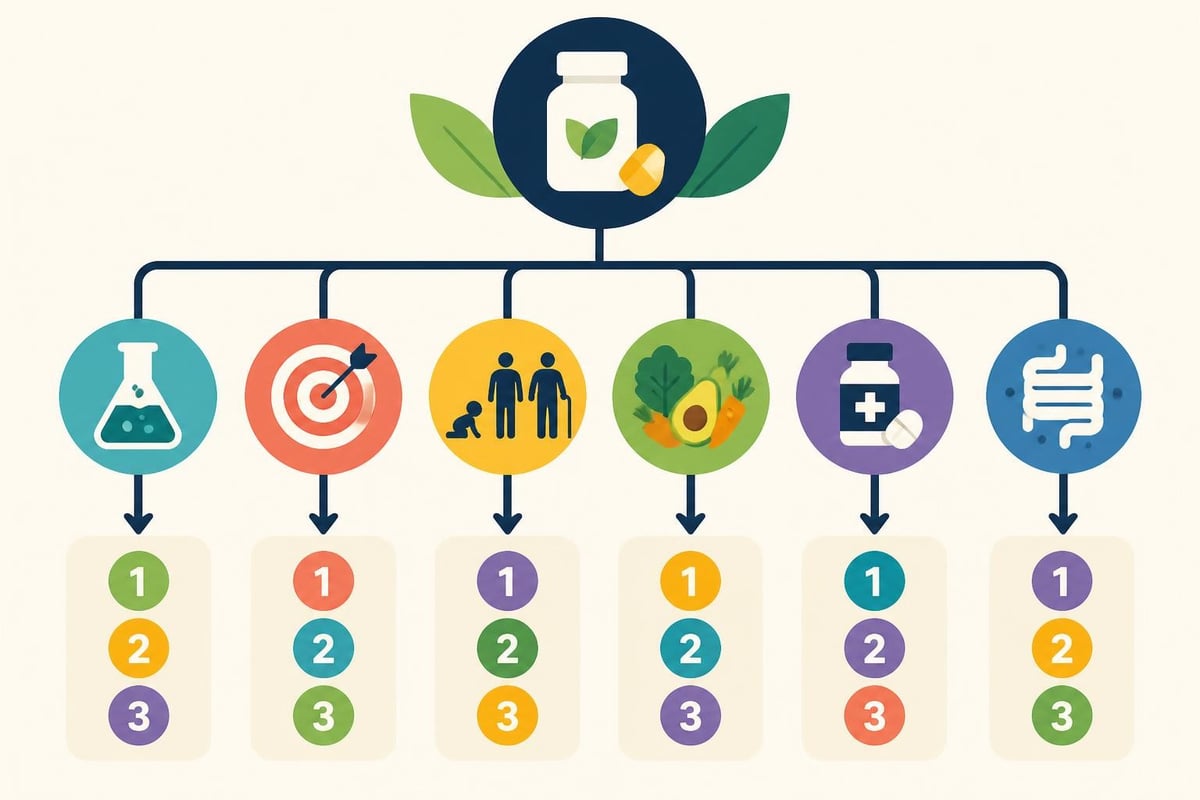
Evaluating Vitamin Quality and Manufacturer Trust
The supplement industry lacks the rigorous oversight applied to pharmaceuticals, making manufacturer trustworthiness a critical ranking factor. Top ranked vitamins come from companies that voluntarily exceed minimum regulatory standards.
Third-Party Testing and Certification
Independent verification programs provide objective quality assessment beyond manufacturer claims. Look for these certifications when evaluating vitamin products:
- USP Verified: United States Pharmacopeia testing for purity, potency, and dissolution
- NSF Certified for Sport: Screening for banned substances and contaminants
- ConsumerLab Approved: Independent testing of label accuracy and contamination
- BSCG Certified: Banned Substances Control Group verification
These certifications cost manufacturers money and require ongoing compliance, signaling commitment to quality beyond legal minimums. Products carrying multiple certifications typically rank higher than uncertified alternatives with similar formulations.
Manufacturing Standards and Transparency
Good Manufacturing Practices (GMP) represent the baseline for supplement production, but top-ranked vitamin manufacturers often implement pharmaceutical-grade standards that exceed GMP requirements. Transparency markers include:
- Published certificates of analysis for specific batches
- Disclosed ingredient sourcing and supplier relationships
- Accessible contamination testing results
- Clear explanation of manufacturing processes
Companies that openly share this information demonstrate confidence in their quality systems and respect for informed consumer decision-making. Conversely, manufacturers that provide minimal transparency about sourcing and testing warrant skepticism regardless of marketing sophistication.
Value Analysis Beyond Price
Top ranked vitamins balance cost against multiple value dimensions rather than simply offering the lowest price per unit. Value analysis considers cost-per-serving in context with bioavailability, dose accuracy, and expected outcomes.
Cost-Effectiveness Calculation
True supplement value emerges from dividing the total cost by the clinically effective dose rather than the serving size listed on the label. A vitamin that costs twice as much but contains the therapeutic dose shown effective in research may deliver better value than a cheaper alternative with suboptimal dosing.
Consider these value factors:
- Dose per serving vs. effective dose: Does one capsule provide the research-supported amount?
- Bioavailable forms: Do higher-absorption forms justify premium pricing?
- Serving frequency: Daily versus multiple doses throughout the day
- Expected outcome timeline: How long until measurable benefits appear?
The cheapest vitamin often proves most expensive when it fails to deliver intended outcomes, requiring either higher doses or alternative products. Premium pricing becomes justified when it reflects superior formulation, testing, and bioavailability rather than marketing costs alone.
Comparing Across Brands and Formats
Direct comparison requires normalizing for dose, form, and intended outcome. A comparison table helps visualize value differences:
| Brand | Vitamin D Form | IU per Serving | Servings per Container | Cost per 1000 IU | Third-Party Tested |
|---|---|---|---|---|---|
| Premium A | D3 + K2 | 5000 | 60 | $0.08 | Yes (USP) |
| Mid-Tier B | D3 | 2000 | 90 | $0.06 | Yes (CL) |
| Budget C | D2 | 1000 | 100 | $0.04 | No |
This analysis reveals that the premium option provides better value when accounting for the superior D3 form, addition of synergistic K2, and third-party verification despite a higher absolute cost per container.
Availability and Access Considerations
The best vitamin provides no benefit if you cannot consistently obtain it. Top ranked vitamins balance quality with practical accessibility across various retail channels and geographic regions.
Retail Distribution Patterns
Vitamins available through multiple channels typically rank higher than those restricted to single sources because consistent access enables sustained supplementation rather than interrupted protocols. Distribution considerations include:
- National retail chains: Widespread physical availability
- Online marketplaces: Convenient delivery and subscription options
- Healthcare practitioner offices: Professional-grade products with guidance
- Direct-to-consumer: Manufacturer websites and subscription services
Each channel offers distinct advantages. Physical retail allows immediate purchase and label inspection, while online channels often provide better selection and competitive pricing. Professional-grade lines available through practitioners may offer superior formulation quality despite limited accessibility.
Supply Chain Reliability
Consistent product availability matters more than most consumers recognize. Supply chain disruptions, reformulations, or product discontinuation force users to find alternatives and restart their evaluation process. Top ranked vitamins typically come from established manufacturers with stable supply chains and long product histories.
Recent years have highlighted how global supply chain disruptions impact supplement availability differently across manufacturers. Companies with diversified ingredient sourcing and domestic manufacturing operations demonstrated greater supply stability than those dependent on single overseas suppliers.
Emerging Vitamins and Future Rankings
The landscape of top ranked vitamins evolves as research reveals new applications for existing nutrients and identifies optimal formulations. Several emerging trends may reshape future rankings.
Novel Delivery Systems
Liposomal encapsulation, sustained-release formulations, and sublingual delivery systems promise enhanced bioavailability that could elevate previously lower-ranked vitamins. Early research suggests these technologies may improve absorption of water-soluble vitamins and reduce gastrointestinal side effects at higher doses.
Personalized Nutrition and Genetic Testing
Nutrigenomics examines how genetic variations influence vitamin requirements and metabolism. As testing becomes more accessible, vitamin rankings may become increasingly personalized based on genetic polymorphisms affecting nutrient processing.
For example, individuals with MTHFR gene variants require methylfolate rather than folic acid, making the active form higher-ranked for this population. Similar genetic influences exist for vitamins D, B12, and others, suggesting future rankings may segment by genetic profile.
Combination Products and Synergistic Formulas
Research increasingly reveals that vitamins work synergistically rather than independently. Future top ranked vitamins may shift from single nutrients to evidence-based combinations that enhance absorption, efficacy, or safety.
The vitamin D and K2 pairing exemplifies this trend, as K2 directs calcium deposited through vitamin D supplementation to appropriate tissues. Similar synergies exist between B vitamins, antioxidants, and minerals, potentially elevating comprehensive formulas over isolated nutrients in future rankings.
Making Informed Vitamin Decisions
Selecting from among top ranked vitamins requires synthesizing multiple information streams while avoiding common decision-making pitfalls. Evidence-based vitamin selection follows a systematic process rather than impulse purchases or trend-following.
Red Flags and Marketing Deception
The supplement industry employs sophisticated marketing that often obscures meaningful quality differences. Watch for these warning signs:
- Proprietary blends that hide individual ingredient doses
- Unrealistic health claims unsupported by human trials
- Celebrity endorsements replacing scientific evidence
- Extremely low pricing suggesting quality compromises
- Lack of third-party testing or certification
Top ranked vitamins typically avoid exaggerated marketing in favor of transparent communication about research evidence, appropriate use cases, and realistic outcome timelines. When manufacturers over-promise results or obscure formulation details, question whether the product genuinely ranks among the best options.
Integrating Multiple Ranking Criteria
No single factor determines whether a vitamin deserves top ranking. The most reliable evaluation integrates evidence quality, dose accuracy, manufacturer trust, value, and accessibility into a composite assessment. Platforms designed for comprehensive supplement rankings systematically evaluate products across these dimensions rather than relying on single metrics like customer reviews or sales volume.
When confronted with conflicting information, prioritize clinical evidence and objective quality markers over subjective testimonials. A vitamin with modest consumer ratings but strong clinical validation and third-party testing generally outperforms a popular product lacking research support or quality verification.
Consultation and Professional Guidance
Top ranked vitamins complement rather than replace professional healthcare guidance. Certain situations require medical supervision:
- Existing health conditions or medication interactions
- Pregnancy or breastfeeding
- High-dose supplementation above tolerable upper limits
- Symptoms suggesting serious deficiency
- Children's supplementation
Healthcare providers can order appropriate laboratory tests, interpret results in context with your complete medical history, and identify contraindications that generic rankings cannot account for. The best supplement strategy combines evidence-based product selection with personalized professional oversight.
Understanding which vitamins truly deserve top rankings empowers you to invest in supplements that deliver measurable benefits rather than expensive placebos. By evaluating evidence quality, dose fit, manufacturer trustworthiness, value, and practical accessibility, you can identify vitamins that genuinely support your specific health goals with appropriate formulation and dosing.
Navigating the complex supplement landscape requires more than generic advice, it demands a systematic approach that evaluates vitamins against your specific health objectives. DoseRank simplifies this process by ranking supplements across evidence quality, dose accuracy, manufacturer trust, value, and availability, then matching them to your goals through a comprehensive evaluation system. Whether you are addressing a known deficiency or optimizing for specific outcomes, the platform helps you identify top ranked vitamins tailored to your individual needs rather than one-size-fits-all recommendations.