
DOSERANK guide
Top Ranked Fat Burners: Evidence-Based Guide for 2026
Published

Selecting a fat burner supplement in 2026 requires more than browsing marketing claims or influencer endorsements. With thousands of formulations flooding the market, each promising rapid weight loss and metabolic acceleration, consumers face an overwhelming decision landscape cluttered with exaggerated promises and inconsistent quality. Understanding how to identify top ranked fat burners based on objective criteria rather than hype separates effective supplementation from wasted money and potential health risks.
What Defines Top Ranked Fat Burners in 2026
Fat burner supplements occupy a unique position in the wellness industry, sitting at the intersection of metabolic science, ingredient research, and consumer demand. The best formulations combine ingredients with demonstrated thermogenic effects, appetite suppression properties, or metabolic support backed by human clinical trials.
Evidence Quality Separates Leaders from Pretenders
Top ranked fat burners distinguish themselves through rigorous clinical validation. Unlike products that rely on animal studies or test-tube research, leading supplements cite randomized controlled trials conducted on human subjects with measurable outcomes. These studies typically track body composition changes, resting metabolic rate alterations, and fat oxidation markers over weeks or months.
The NCCIH summary on dietary supplements marketed for weight loss highlights the gap between marketing promises and scientific support. Many ingredients popular in fat burners lack sufficient evidence, while others show modest effects only when combined with caloric restriction and exercise. This reality underscores why evidence-based ranking systems matter.
Key evidence markers include:
- Published peer-reviewed trials with control groups
- Replication across multiple independent research teams
- Effect sizes that reach statistical and clinical significance
- Long-term safety data spanning months or years
- Transparent disclosure of funding sources and conflicts

Core Ingredients in Leading Formulations
Understanding which compounds appear consistently in top ranked fat burners helps consumers decode supplement labels and distinguish science-backed ingredients from filler components.
Caffeine and Thermogenic Compounds
Caffeine remains the most extensively researched thermogenic compound in fat burner formulations. Research demonstrates that caffeine increases energy expenditure by 3-11% and enhances fat oxidation during both rest and exercise. The European Food Safety Authority guidance on caffeine establishes safety thresholds and acknowledges metabolic effects at doses between 100-400 mg.
Green tea extract, particularly standardized for EGCG (epigallocatechin gallate) content, frequently appears alongside caffeine. The catechin-caffeine combination shows synergistic effects on energy expenditure and fat oxidation that exceed either compound alone.
| Ingredient | Typical Dose | Primary Mechanism | Evidence Strength |
|---|---|---|---|
| Caffeine | 100-400 mg | Thermogenesis, lipolysis | Strong |
| Green tea extract (EGCG) | 400-500 mg | Fat oxidation, metabolic rate | Moderate to Strong |
| Capsaicin | 2-4 mg | Heat production, energy expenditure | Moderate |
| L-carnitine | 500-2,000 mg | Fat transport to mitochondria | Mixed |
| Conjugated linoleic acid | 3-6 g | Body composition modulation | Weak to Moderate |
Appetite Regulation and Satiety Compounds
Beyond thermogenesis, top ranked fat burners often incorporate ingredients that influence hunger signals and satiety. Glucomannan, a soluble fiber from konjac root, expands in the stomach to promote fullness when taken with adequate water before meals. Clinical trials show modest weight loss when combined with caloric restriction.
Chromium picolinate appears in many formulations based on its theoretical role in blood sugar regulation and reduced cravings. However, systematic reviews of dietary supplements for weight loss reveal inconsistent results across trials, with effect sizes often minimal in well-designed studies.
5-HTP (5-hydroxytryptophan) and other serotonin precursors target appetite through neurotransmitter pathways, though evidence remains preliminary and safety concerns exist regarding long-term use and potential interactions.
Ranking Methodology Beyond Marketing Claims
Professional supplement ranking systems employ multidimensional frameworks that extend far beyond simple ingredient lists. Understanding these evaluation criteria helps consumers identify which products deserve consideration and which rely primarily on marketing sophistication.
The Six-Pillar Evaluation Framework
DoseRank evaluates supplements across evidence, dose fit, trust, value, popularity, and availability. This comprehensive approach recognizes that the most scientifically validated ingredient becomes worthless if dosed inadequately, sourced from unreliable manufacturers, priced beyond reasonable access, or unavailable in key markets.
Evidence assessment examines the quality and quantity of human clinical trials supporting each ingredient at the specific dose provided. A fat burner containing green tea extract at 100 mg receives lower evidence scores than one delivering 400 mg, even if both cite the same foundational research.
Dose fit compares label claims against clinically effective ranges established in peer-reviewed literature. Many products contain "pixie dust" doses-trace amounts included purely for label appeal rather than physiological effect. Top ranked fat burners match or exceed the doses proven effective in human trials.
Trust evaluation investigates manufacturer quality systems, third-party testing, certification holdings, and regulatory compliance history. Brands with NSF, USP, or Informed-Sport certification demonstrate commitment to label accuracy and contaminant screening.
Value and Accessibility Considerations
Cost per effective dose provides more meaningful comparison than simple price tags. A $60 bottle lasting 60 days at clinically effective doses often delivers better value than a $30 bottle requiring double-dose consumption to match evidence-based intake levels.
Geographic availability affects practical access, particularly for international consumers or those in regions with limited specialty supplement retailers. Products requiring international shipping or exclusive distributor relationships create barriers that reduce real-world usability despite theoretical effectiveness.
If you're uncertain which supplements align with your specific weight management goals, platforms like DoseRank help narrow options through quick assessment tools that match individual needs to evidence-based formulations.

Safety Profiles and Risk Management
The pursuit of accelerated fat loss often leads consumers to overlook safety considerations in favor of promised results. Top ranked fat burners balance efficacy with established safety profiles, avoiding ingredients with concerning adverse event histories or interactions.
Stimulant Tolerance and Cardiovascular Concerns
Many highly-ranked fat burners rely on stimulant compounds, primarily caffeine but also synephrine, yohimbine, and other adrenergic agents. While these ingredients demonstrate metabolic effects, they also elevate heart rate, blood pressure, and anxiety in sensitive individuals.
- Users with cardiovascular conditions should consult healthcare providers before using stimulant-based fat burners
- Tolerance development reduces thermogenic effects over time, necessitating cycling strategies
- Combining multiple stimulant sources (coffee, pre-workout, fat burner) can exceed safe thresholds
- Evening consumption disrupts sleep quality, which paradoxically impairs metabolic health and weight management
Hepatotoxicity and Contamination Risks
Several weight loss ingredients have demonstrated liver toxicity in case reports and systematic surveillance. Green tea extract at very high doses (above 800 mg EGCG daily) shows elevated liver enzyme risk in susceptible individuals. Herbal ingredients like garcinia cambogia have generated safety signals requiring ongoing monitoring.
Contamination with undeclared pharmaceutical agents remains a persistent problem in the weight loss supplement category. FDA inspections regularly identify products adulterated with sibutramine, phenolphthalein, and other withdrawn drugs. Third-party certification provides essential protection against these risks.
Comparing Supplements to Foundational Interventions
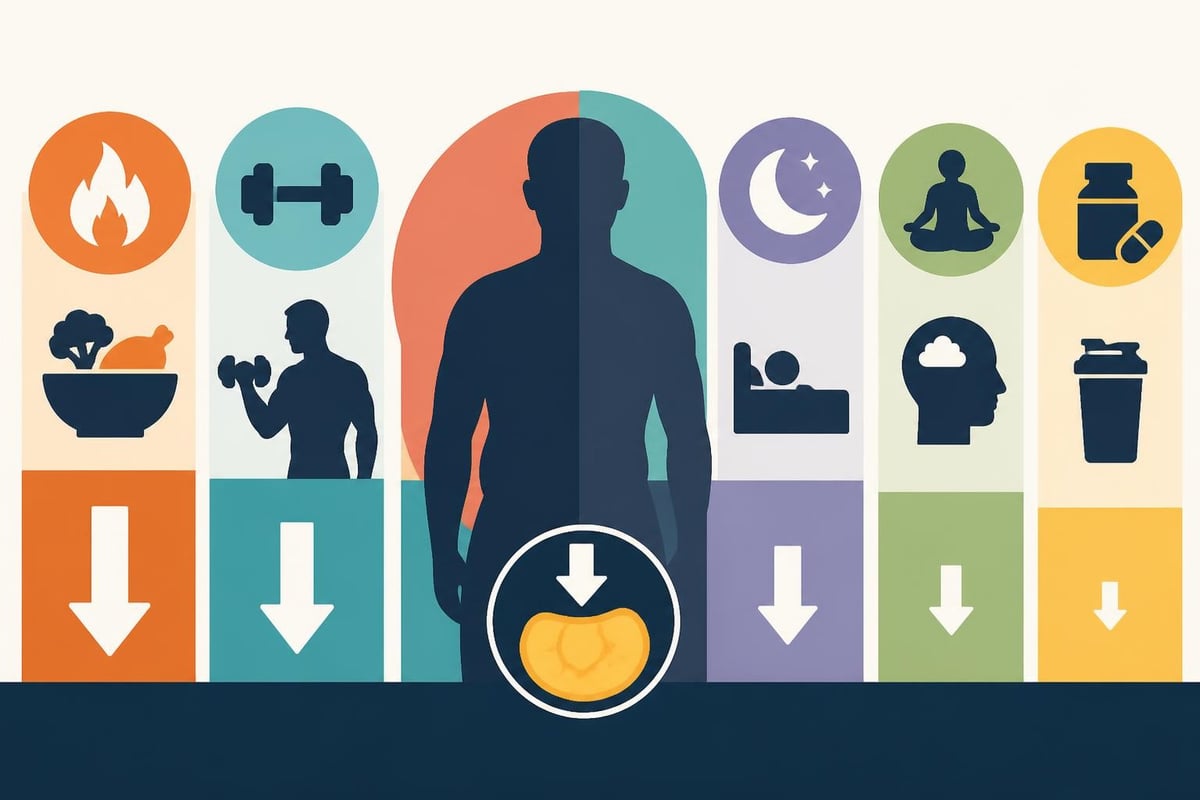
An honest assessment of top ranked fat burners acknowledges their role as adjuncts rather than replacements for dietary modification and physical activity. Research comparing thermogenic supplements to diet and exercise consistently shows that lifestyle interventions produce larger, more sustainable effects.
Realistic Effect Sizes in Context
Most clinically validated fat burner ingredients produce modest effects when measured objectively. Caffeine's 3-11% increase in energy expenditure translates to approximately 50-150 additional calories burned daily for an average adult. Over one month, this might contribute to 0.5-1.5 pounds of additional fat loss compared to placebo, assuming no compensatory increase in caloric intake.
Green tea catechins show similar magnitude effects, with meta-analyses suggesting 1-2 kg additional weight loss over 12 weeks when combined with caloric restriction. These results, while statistically significant, represent incremental improvements rather than transformative outcomes.
Practical effect comparison:
- Caloric deficit of 500 calories daily: approximately 1 pound fat loss per week
- Addition of structured resistance training: 2-4 pounds muscle gain per month, elevated resting metabolic rate
- Top-tier fat burner supplement: 0.5-2 pounds additional monthly loss when combined with items 1 and 2
- Sleep optimization to 7-9 hours nightly: improved insulin sensitivity, reduced cortisol, better appetite regulation
Harvard Health's analysis of metabolism and weight loss emphasizes that no supplement overcomes chronic sleep deprivation, excessive stress, or fundamental dietary excess. The most effective weight management strategies address these foundational factors before adding supplemental support.
Personalization and Individual Response Variability
Generic "best fat burner" recommendations ignore the significant individual variation in supplement response driven by genetics, metabolism, lifestyle factors, and health status.
Genetic Polymorphisms Affecting Ingredient Metabolism
CYP1A2 gene variants determine caffeine metabolism speed, creating "fast" and "slow" metabolizers. Fast metabolizers clear caffeine rapidly, experiencing shorter-duration effects and potentially requiring higher doses for thermogenic benefits. Slow metabolizers maintain elevated blood caffeine levels longer, increasing jitteriness risk and cardiovascular stress.
COMT gene variations influence catecholamine breakdown, affecting response to stimulant-based thermogenics. Individuals with "met/met" COMT genotypes show heightened sensitivity to adrenergic stimulation, experiencing more pronounced effects but also greater anxiety and stress response from yohimbine or synephrine.
Individual assessment factors include:
- Baseline metabolic rate and thyroid function status
- Current caffeine consumption and tolerance level
- Sleep quality and circadian rhythm stability
- Exercise frequency, intensity, and training status
- Stress levels and cortisol regulation patterns
- Medication interactions and health condition considerations
Platforms focused on personalized supplement selection help navigate this complexity by matching individual characteristics to appropriate formulations. The DoseRank methodology incorporates goal-specific filtering that accounts for personal health objectives beyond simple weight loss, recognizing that metabolic health encompasses stress resilience, energy levels, and overall vitality.
Quality Markers and Label Literacy
Learning to decode supplement labels separates informed consumers from those swayed by proprietary blend opacity and marketing buzzwords.
Proprietary Blend Red Flags
Many fat burners hide precise ingredient doses behind "proprietary blend" designations that list total blend weight without disclosing individual component amounts. This practice prevents consumers from verifying whether ingredients reach clinically effective doses and complicates safety assessment when adverse reactions occur.
Top ranked fat burners embrace transparency through fully disclosed labels showing exact milligram quantities for each active ingredient. This openness allows direct comparison to research literature and enables informed decision-making about potential effectiveness.
| Label Feature | Preferred Format | Red Flag Format |
|---|---|---|
| Ingredient disclosure | Individual mg for each component | Proprietary blend total only |
| Standardization | Specific percentage (e.g., 50% EGCG) | Generic extract listing |
| Third-party testing | Named certifications (NSF, USP) | "Quality tested" without specifics |
| Serving clarity | Clear daily dose instructions | Variable or unclear dosing |
| Warning completeness | Specific contraindications listed | Generic "consult physician" only |
Certification and Third-Party Verification
NSF International, US Pharmacopeia (USP), and Informed-Sport represent gold-standard third-party testing programs that verify label accuracy and screen for contamination. Products bearing these certifications undergo regular batch testing to confirm that label claims match contents and that banned substances remain absent.
ConsumerLab provides independent testing results for popular supplements, including fat burners, offering subscription access to comparative analysis across brands. These resources empower consumers to verify manufacturer claims against objective laboratory analysis.
Integration with Comprehensive Wellness Strategies
Top ranked fat burners achieve optimal results when integrated into broader health optimization frameworks rather than used as isolated interventions.
Timing and Cycling Strategies
Strategic timing maximizes thermogenic effects while minimizing tolerance development and sleep disruption. Most experts recommend taking stimulant-based fat burners in the morning and early afternoon, avoiding consumption within 6-8 hours of intended sleep time.
Cycling protocols that alternate 8-12 weeks of supplementation with 2-4 week breaks help prevent receptor downregulation and maintain sensitivity to thermogenic ingredients. This approach sustains effectiveness over extended periods while reducing dependence and side effect risks.
Sample integration protocol:
- Establish consistent caloric deficit through dietary modification (3-4 weeks baseline)
- Add structured exercise program emphasizing resistance training (ongoing)
- Optimize sleep hygiene to achieve 7-9 hours nightly (ongoing)
- Introduce fat burner at week 4, taken 30 minutes before breakfast and lunch
- Monitor body composition, energy levels, sleep quality, and stress response weekly
- Adjust dosing based on individual tolerance and effect magnitude
- Implement deload week at week 12 with reduced supplement dose
- Full supplement break at week 16-18 while maintaining diet and exercise
Monitoring Outcomes Beyond Scale Weight
Effective fat loss assessment tracks multiple metrics rather than fixating on scale weight alone. Body composition changes, energy levels, workout performance, and subjective well-being provide more comprehensive success indicators than pounds lost.
Waist circumference measurements and progress photographs capture fat distribution changes that scale weight misses, particularly when simultaneous muscle gain occurs. Strength progression in the gym indicates preserved or increased lean mass during caloric deficit, suggesting healthy fat loss rather than muscle catabolism.
Sleep quality and stress resilience deserve monitoring during fat burner supplementation, as stimulant-based formulations can compromise both if dosing exceeds individual tolerance thresholds.
Emerging Ingredients and Future Directions
The fat burner category continues evolving as research identifies novel compounds and mechanisms for metabolic support.
Mitochondrial Function Enhancers
Newer formulations incorporate ingredients targeting mitochondrial biogenesis and function rather than simple thermogenesis. Pyrroloquinoline quinone (PQQ), nicotinamide riboside, and other NAD+ precursors show promise for metabolic health through cellular energy optimization, though weight loss specific evidence remains preliminary.
Berberine, a compound from various plants, demonstrates metabolic effects comparable to metformin in some studies, influencing glucose metabolism and insulin sensitivity. Its inclusion in advanced fat burner formulations represents a shift toward metabolic health rather than pure thermogenesis.
Gut Microbiome Modulators
Research linking gut bacteria composition to obesity and metabolic health has spawned interest in probiotic and prebiotic additions to weight management supplements. Specific strains like Lactobacillus gasseri and Akkermansia muciniphila show associations with favorable body composition in preliminary studies.
However, microbiome science remains in early stages, with most weight loss claims outpacing current evidence quality. Top ranked fat burners incorporating these ingredients typically position them as metabolic health supporters rather than primary fat loss mechanisms.
Navigating the crowded fat burner market requires looking beyond marketing claims to evaluate evidence quality, dosing accuracy, manufacturer trustworthiness, and realistic expectations about effect magnitude. The most effective supplements complement rather than replace foundational dietary, exercise, and lifestyle interventions. DoseRank helps cut through supplement confusion by ranking formulations across evidence, dose fit, trust, value, popularity, and availability, empowering you to make informed decisions aligned with your specific health goals and individual needs.