
DOSERANK guide
Supplements for Sleep: Evidence-Based Options for 2026
Published
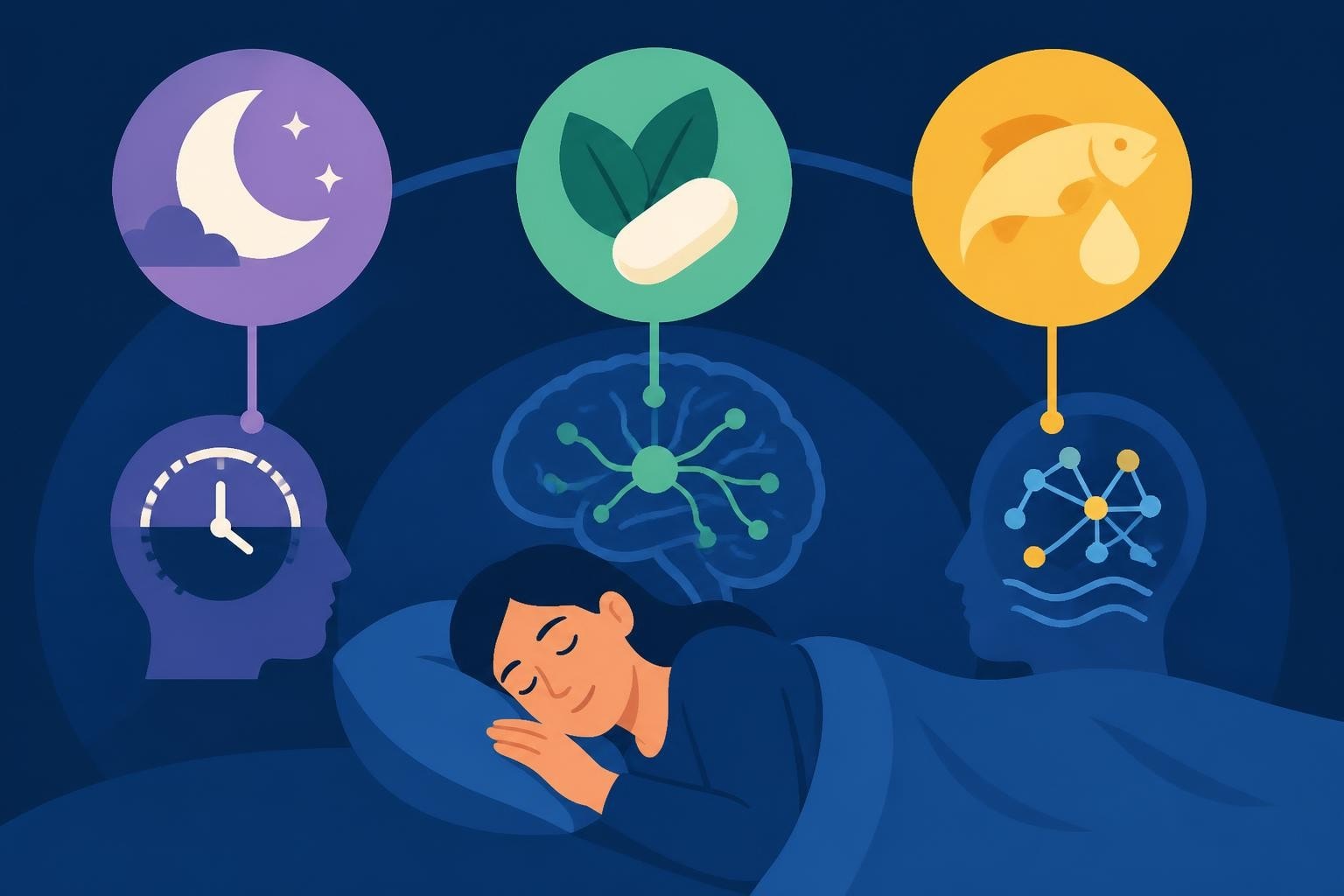
Sleep difficulties affect millions of Americans, driving many to explore supplements for sleep as an alternative or complement to prescription medications. The supplement market has responded with hundreds of products promising better rest, but the evidence supporting these claims varies widely. Understanding which supplements have solid research backing, appropriate dosing, and genuine safety profiles requires careful evaluation. This guide examines the most studied supplements for sleep, their mechanisms of action, clinical evidence, and practical considerations for choosing products that align with both science and individual needs.
The Science Behind Sleep Supplements
Sleep supplements work through various biological pathways, from hormone regulation to neurotransmitter modulation. Unlike pharmaceutical sleep aids that often force sedation, many supplements for sleep support the body's natural sleep-wake mechanisms.
How Different Compounds Affect Sleep Architecture
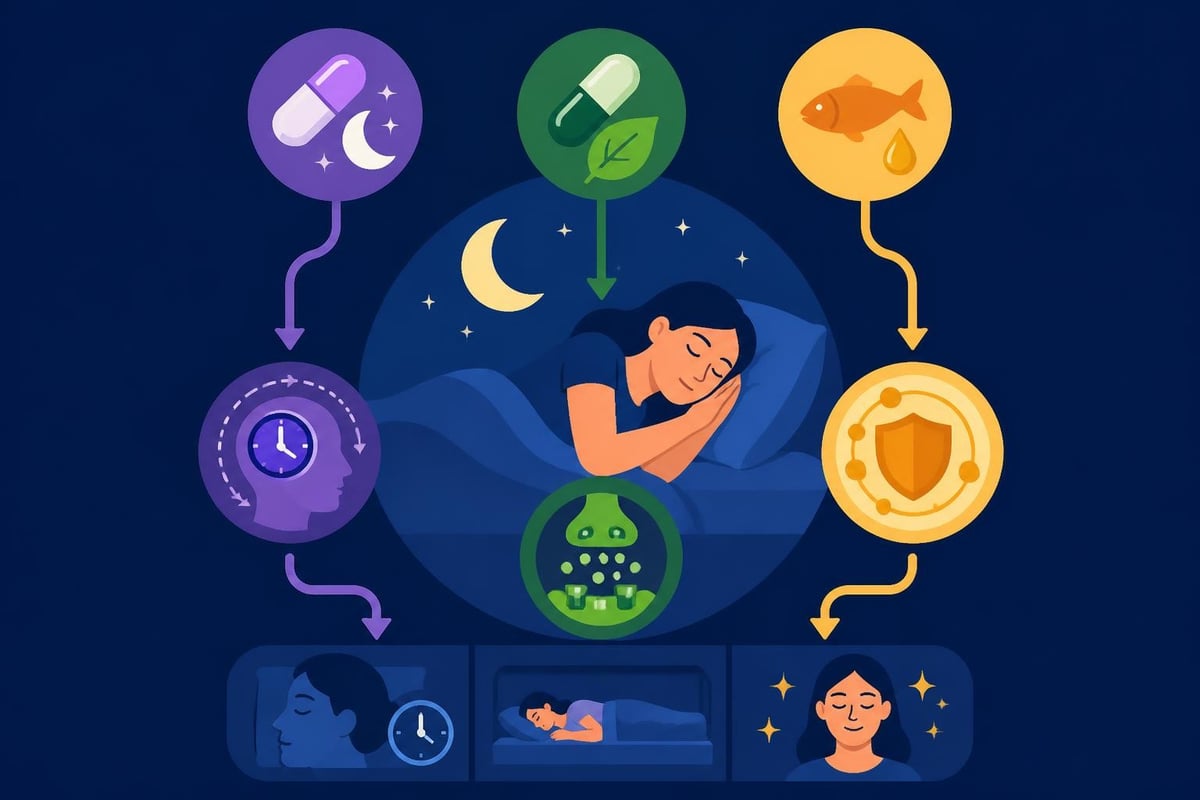
The human sleep cycle involves multiple stages, each serving distinct restorative functions. Effective sleep supplements typically influence one or more of these mechanisms:
- Circadian rhythm regulation through melatonin receptor activation
- GABAergic activity that promotes nervous system calming
- Inflammation reduction that can interfere with sleep quality
- Neurotransmitter balance affecting sleep onset and maintenance
Research published in systematic reviews of dietary supplements and sleep demonstrates that certain nutrients show consistent effects across multiple trials, while others lack sufficient evidence. The challenge lies in distinguishing marketing claims from measurable outcomes.
Evidence Levels and Study Quality
Not all supplement studies carry equal weight. Randomized controlled trials provide stronger evidence than observational studies, and meta-analyses that combine multiple trials offer the most reliable insights.
When evaluating supplements for sleep, consider:
- Sample size and study duration
- Objective versus subjective measurements (actigraphy vs. self-reports)
- Comparison groups (placebo-controlled trials are most reliable)
- Replication across independent research teams
- Publication bias and funding sources
The National Center for Complementary and Integrative Health's overview provides a framework for evaluating which approaches have genuine clinical support versus those marketed without adequate testing.
Melatonin: The Most Studied Sleep Supplement
Melatonin remains the most extensively researched supplement for sleep, with hundreds of clinical trials examining its effects across various populations and sleep disorders.
Clinical Applications and Efficacy
The evidence summary on exogenous melatonin reveals a nuanced picture. Melatonin shows strongest efficacy for:
- Delayed sleep phase syndrome with consistent phase-shifting effects
- Jet lag recovery when timed appropriately
- Shift work adaptation in certain protocols
- Sleep onset latency in individuals with low endogenous production
However, efficacy for chronic insomnia in healthy adults shows more mixed results, with modest improvements that may not meet clinical significance thresholds for all users.
| Condition | Evidence Strength | Typical Dose | Timing Before Sleep |
|---|---|---|---|
| Delayed Sleep Phase | Strong | 0.5-5 mg | 2-3 hours |
| Jet Lag | Moderate-Strong | 0.5-5 mg | At destination bedtime |
| Age-Related Sleep Changes | Moderate | 0.3-3 mg | 30-60 minutes |
| Primary Insomnia | Weak-Moderate | 1-10 mg | 30-60 minutes |
Dosing Considerations
Lower doses often prove more effective than the high-dose products commonly marketed. Research suggests 0.3-1 mg may optimize circadian effects without causing next-day grogginess or desensitization.
Timing matters significantly. Taking melatonin too early can shift sleep phase forward, while taking it too late reduces its chronobiotic effects. Individual response varies based on existing melatonin production patterns and circadian phenotype.
Magnesium: The Relaxation Mineral
Magnesium deficiency correlates with poor sleep quality, and supplementation studies show promising results for specific populations struggling with rest.
Forms and Bioavailability
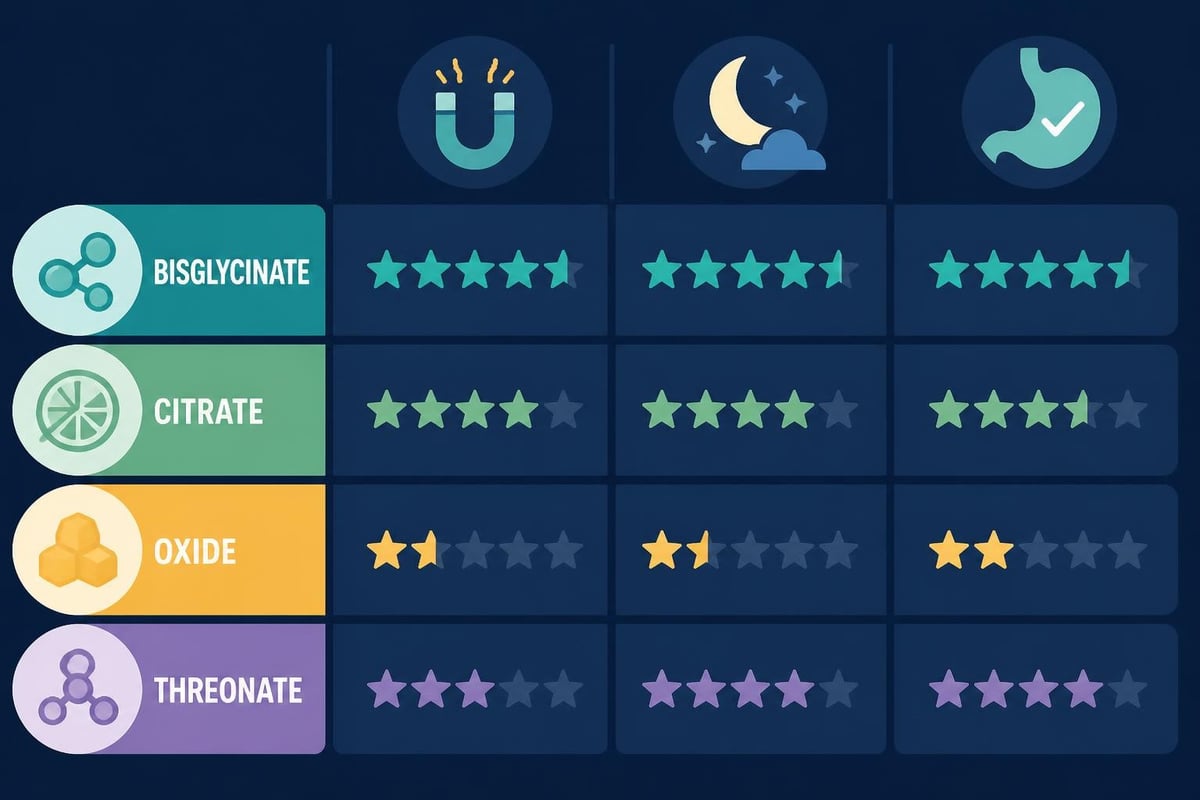
Not all magnesium supplements deliver equivalent results. Bioavailability varies substantially across different chemical forms:
- Magnesium bisglycinate shows superior absorption and tolerability
- Magnesium citrate absorbs well but may cause digestive effects
- Magnesium oxide has poor bioavailability despite low cost
- Magnesium threonate crosses the blood-brain barrier more effectively
A recent randomized controlled trial demonstrated that magnesium bisglycinate at 250 mg daily improved insomnia symptoms in adults with poor sleep, supporting both the form and dosage range.
Mechanisms Beyond Simple Deficiency Correction
Magnesium influences sleep through multiple pathways. It acts as a natural calcium channel blocker, promotes GABA activity, and regulates the hypothalamic-pituitary-adrenal axis that governs stress responses interfering with sleep.
Evening supplementation typically produces better results than morning doses, likely because magnesium's relaxation effects complement natural evening physiology. When choosing supplements for sleep quality, platforms like DoseRank's sleep quality outcome help identify products with appropriate magnesium forms and dosing backed by human studies on sleep efficiency and restfulness ratings.
Omega-3 Fatty Acids and Sleep Architecture
The relationship between omega-3 fatty acids and sleep has emerged as a growing research area, with recent evidence suggesting meaningful effects on sleep quality and duration.
EPA and DHA Ratios
Docosahexaenoic acid (DHA) appears particularly important for sleep regulation, with higher brain concentrations correlating with better sleep efficiency. A meta-analysis on omega-3 and sleep found improvements in sleep efficiency and subjective sleep quality across studies, though optimal EPA:DHA ratios remain under investigation.
Proposed mechanisms include:
- Anti-inflammatory effects reducing sleep-disrupting cytokines
- Melatonin synthesis support
- Serotonin pathway modulation
- Membrane fluidity optimization in brain cells
Dosing and Duration
Unlike melatonin's immediate effects, omega-3 supplementation for sleep requires consistent intake over weeks to months as tissue levels gradually increase. Typical effective doses range from 1,000-2,000 mg combined EPA/DHA daily, with higher DHA ratios potentially offering advantages for sleep-specific outcomes.
Herbal Supplements: Separating Tradition from Evidence
Numerous botanical supplements for sleep have long histories in traditional medicine, but modern clinical evidence reveals a complex picture of efficacy and safety.
Valerian Root
Valerian (Valeriana officinalis) ranks among the most popular herbal sleep aids, yet research support remains surprisingly weak. An umbrella review of valerian evidence concluded that while safety profiles look favorable, efficacy for insomnia shows inconsistent or weak results across studies.
Possible explanations for mixed findings include:
- Highly variable active compound concentrations across products
- Different extraction methods yielding non-comparable preparations
- Placebo responses in subjective sleep studies
- Publication bias favoring positive results
Other Botanical Options
| Supplement | Evidence Quality | Primary Mechanism | Notable Limitations |
|---|---|---|---|
| Chamomile | Weak | Apigenin binding to GABA receptors | Few rigorous trials |
| Passionflower | Weak | GABAergic activity | Limited human studies |
| Lavender | Weak-Moderate | Aromatherapy effects, anxiolytic | Form-dependent (oil vs. oral) |
| L-Theanine | Moderate | Alpha brain wave promotion | Often studied in combination |
The integrative review of sleep disorder treatments highlights substantial evidence gaps for most herbal supplements, emphasizing the need for standardized products and rigorous testing protocols.
L-Tryptophan and 5-HTP: Precursor Approach
Amino acid precursors to serotonin and melatonin offer another category of supplements for sleep, though evidence quality varies.
Biochemical Pathways
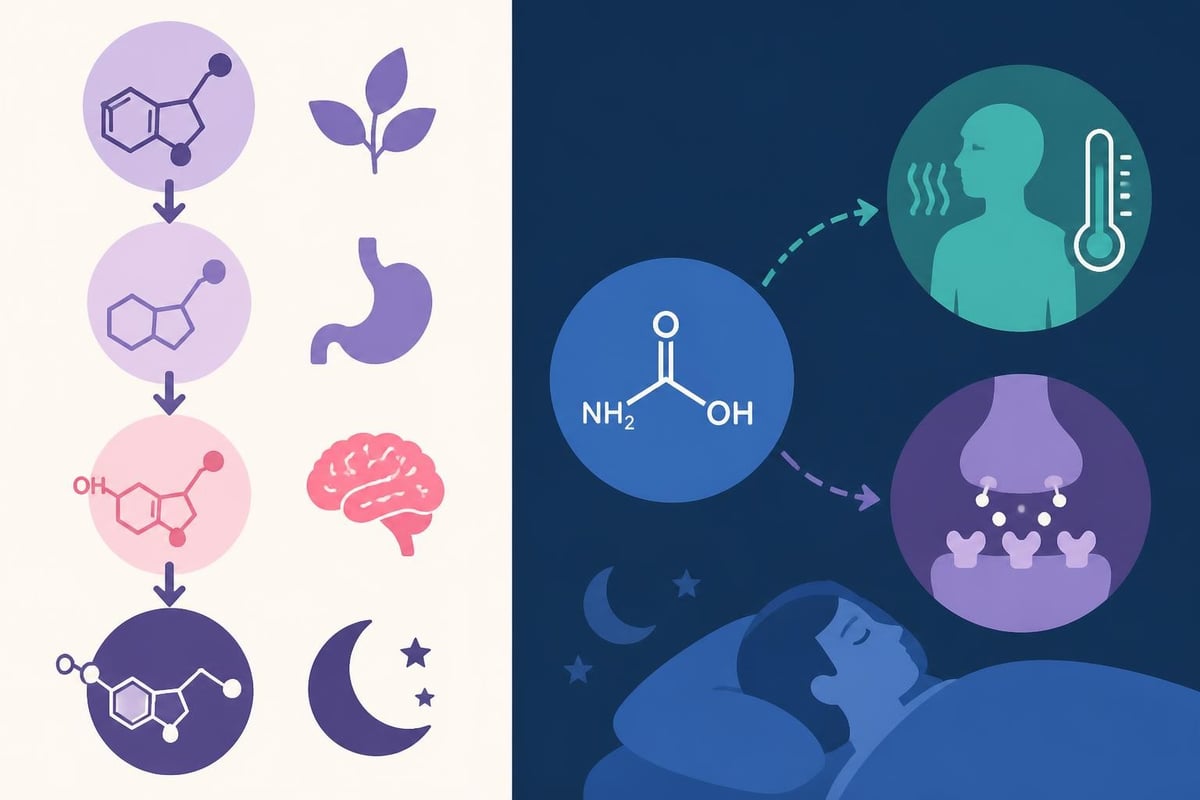
L-tryptophan converts to 5-hydroxytryptophan (5-HTP), then to serotonin, and finally to melatonin. Theoretically, increasing precursor availability should enhance this cascade. However, the conversion efficiency depends on numerous cofactors and competing metabolic pathways.
5-HTP bypasses the rate-limiting tryptophan hydroxylase step, potentially offering advantages. Yet clinical trials show inconsistent results, possibly due to:
- Dose-response variability across individuals
- Timing relative to protein intake affecting absorption
- Peripheral conversion reducing CNS availability
- Lack of standardized outcome measures
Safety Considerations
Both supplements generally show good tolerability, but 5-HTP carries theoretical risks of serotonin syndrome when combined with psychiatric medications. Contamination concerns have affected some L-tryptophan products historically, making manufacturer quality control essential.
Glycine: The Emerging Sleep Amino Acid
Glycine supplementation represents a newer area of sleep research, with preliminary studies suggesting benefits through unique mechanisms.
Three grams of glycine before bed has shown improvements in subjective sleep quality and daytime alertness in small trials. Proposed mechanisms include:
- Body temperature reduction through vasodilation
- NMDA receptor modulation
- Glycine receptor activation in the suprachiasmatic nucleus
Unlike sedating supplements, glycine appears to improve sleep without causing grogginess, though larger confirmatory trials remain needed. DoseRank's methodology for evaluating such emerging supplements considers the strength of available evidence alongside dose fit and safety profiles.
Vitamin D and Sleep Relationships
The connection between vitamin D status and sleep quality has generated substantial research interest, though the directionality of effects remains debated.
Correlation Versus Causation
Observational studies consistently link vitamin D deficiency with poor sleep quality, but controlled supplementation trials show mixed results. This pattern suggests:
- Sleep disruption may reduce sun exposure, lowering vitamin D
- Vitamin D receptors in sleep-regulating brain regions may mediate effects
- Confounding factors like obesity affect both variables
- Threshold effects may exist where only deficient individuals benefit
Supplementation appears most beneficial when correcting documented deficiency rather than as a universal sleep intervention. Typical doses for deficiency correction (2,000-5,000 IU daily) differ substantially from the lower doses often included in multi-ingredient sleep formulas.
Multi-Ingredient Formulas: Synergy or Marketing
Many products combine multiple supplements for sleep, claiming synergistic effects that exceed individual ingredients. The evidence supporting these combinations rarely matches the marketing.
Scientific Basis for Combinations
Few studies test specific multi-ingredient formulas against individual components. When combinations show benefits, determining which ingredients drive effects becomes impossible. Proprietary blends complicate matters further by hiding specific doses.
Potential issues include:
- Subtherapeutic doses of multiple ingredients
- Interactions reducing bioavailability
- Increased side effect risk
- Higher cost without proportional benefit
Single-ingredient approaches allow precise dose optimization and clearer cause-effect relationships when assessing personal response.
Safety, Side Effects, and Drug Interactions
Even natural supplements for sleep carry potential risks that warrant consideration before use.
Common Side Effects by Supplement
| Supplement | Frequent Side Effects | Serious Concerns | Drug Interactions |
|---|---|---|---|
| Melatonin | Morning grogginess, vivid dreams | Generally minimal | Blood thinners, immunosuppressants |
| Magnesium | Digestive upset (dose/form dependent) | Hypermagnesemia (rare, renal impairment) | Bisphosphonates, antibiotics |
| Valerian | Headache, digestive issues | Possible liver effects (rare) | Sedatives, anesthetics |
| 5-HTP | Nausea, digestive upset | Serotonin syndrome (with medications) | SSRIs, MAOIs, other serotonergics |
The NIH guidance on insomnia treatments emphasizes that supplements lack the regulatory oversight of prescription medications, placing greater responsibility on consumers for safety verification.
Quality and Purity Concerns
Third-party testing becomes critical when selecting supplements for sleep. Look for certifications from:
- USP (United States Pharmacopeia)
- NSF International
- ConsumerLab.com
- Informed-Choice (particularly for athletes)
Contamination with undeclared pharmaceuticals, heavy metals, or incorrect labeled doses occurs more frequently than ideal in the supplement industry.
Special Populations and Considerations
Different groups face unique sleep supplement considerations based on physiology, medication use, and health status.
Pregnancy and Breastfeeding
Most supplements for sleep lack adequate safety data in pregnant or nursing women. Melatonin crosses the placenta and appears in breast milk, with unknown fetal/infant effects. Magnesium generally shows better safety profiles but should still involve healthcare provider discussion.
Older Adults
Age-related changes in supplement metabolism, increased medication use, and higher fall risk create special considerations. Lower starting doses typically prove wise, and certain supplements (especially sedating ones) may increase fall risk through morning grogginess or nighttime awakening confusion.
Children and Adolescents
Pediatric use of sleep supplements continues rising despite limited safety and efficacy data. Melatonin shows reasonable short-term safety for specific conditions like ADHD-related sleep difficulties, but long-term effects on development remain unknown.
Platforms like DoseRank's outcomes page help identify supplements with appropriate evidence for different populations and health goals.
Selecting the Right Supplement Approach
Choosing among supplements for sleep requires matching individual sleep issues with evidence-based interventions.
Identifying Your Sleep Problem Type
Different sleep difficulties respond to different interventions:
- Sleep onset delay: Melatonin, magnesium
- Sleep maintenance issues: Magnesium, glycine
- Non-restorative sleep: Omega-3, vitamin D (if deficient)
- Circadian misalignment: Melatonin (timed appropriately)
Self-assessment helps narrow options, though persistent sleep problems warrant professional evaluation to rule out conditions like sleep apnea that supplements cannot address.
Evidence-Based Decision Framework
When evaluating any supplement for sleep:
- Verify clinical trial support for your specific sleep concern
- Check appropriate dosing ranges from research
- Assess potential interactions with current medications
- Evaluate product quality through third-party testing
- Set realistic expectations based on effect sizes in studies
- Plan adequate trial duration (most supplements need weeks)
Starting with single ingredients at evidence-based doses allows clearer assessment of individual response compared to multi-ingredient products.
Behavioral Interventions and Supplement Synergy
Supplements for sleep work best as part of comprehensive sleep hygiene rather than isolated interventions.
Sleep Hygiene Fundamentals
No supplement compensates for poor sleep habits. Evidence-based behavioral approaches include:
- Consistent sleep-wake schedules, even on weekends
- Bedroom environment optimization (temperature, darkness, noise)
- Light exposure timing (morning bright light, evening dimming)
- Caffeine and alcohol timing restrictions
- Screen time management before bed
The combination of behavioral interventions with appropriate supplementation typically exceeds either approach alone, though few studies formally test these combinations.
When Supplements Aren't Enough
Persistent sleep difficulties despite supplement trials and good sleep hygiene may indicate:
- Undiagnosed sleep disorders (apnea, restless legs syndrome)
- Underlying medical conditions affecting sleep
- Medication side effects disrupting rest
- Psychiatric conditions requiring treatment
Cognitive behavioral therapy for insomnia (CBT-I) shows stronger and more durable effects than any supplement, representing the gold standard for chronic insomnia treatment.
Emerging Research and Future Directions
The field of sleep supplementation continues evolving with new compounds and delivery methods under investigation.
Novel Compounds in Development
Researchers are exploring various substances for sleep support:
- Lactium (casein-derived peptide) for stress-related sleep issues
- Honokiol (magnolia bark extract) with GABAergic properties
- Apigenin (isolated from chamomile) at higher, standardized doses
- Phosphatidylserine for cortisol regulation
Most remain in early research phases, lacking the extensive evidence base of established supplements for sleep.
Personalized Approaches
Genetic testing for circadian chronotype, melatonin receptor variants, and metabolic pathways may eventually guide individualized supplement selection. Current applications remain limited, but the concept of matching supplements to individual biology rather than universal protocols holds promise.
Understanding that different factors drive sleep difficulties in different people reinforces the value of personalized assessment. Resources like DoseRank's quick quiz can help narrow supplement options based on individual goals and circumstances rather than one-size-fits-all recommendations.
Practical Implementation Strategy
Successfully integrating supplements for sleep requires strategic planning and realistic expectations.
Starting and Adjusting Protocol
A methodical approach yields better results:
- Begin with sleep hygiene improvements for 2-3 weeks
- Add one supplement at the lower end of the effective dose range
- Maintain consistent timing relative to desired sleep time
- Track outcomes using sleep diaries or wearable devices
- Allow adequate trial duration (minimum 2-4 weeks for most supplements)
- Adjust dose or timing based on response before adding additional supplements
This systematic approach clarifies what works versus what adds expense without benefit.
Cost-Effectiveness Considerations
Sleep supplements vary dramatically in price relative to evidence quality. Monthly costs can range from $10 for basic magnesium to $60+ for multi-ingredient proprietary formulas.
Higher price rarely correlates with superior efficacy. Generic melatonin from reputable manufacturers works identically to premium brands at a fraction of the cost. Focusing on evidence-backed ingredients with third-party testing provides better value than marketing-heavy products.
The landscape of supplements for sleep offers both genuine evidence-based options and overhyped products lacking solid research support. Melatonin, magnesium, and omega-3 fatty acids show the strongest clinical backing, while many herbal preparations lack consistent efficacy despite long traditional use. Success requires matching supplement choice to specific sleep difficulties, using appropriate doses and timing, and maintaining realistic expectations based on research effect sizes. DoseRank helps cut through marketing claims by ranking supplements based on evidence, proper dosing, trust, value, and availability-making it easier to identify options genuinely suited to your sleep goals through a personalized assessment.