
DOSERANK guide
Supplements Capsules: Manufacturing & Quality Guide
Published
Supplements capsules represent one of the most popular delivery methods for vitamins, minerals, and herbal extracts in the nutritional supplement industry. These compact, easy-to-swallow dosage forms have revolutionized how millions of people incorporate nutritional support into their daily routines. Understanding the science, manufacturing processes, and quality standards behind supplements capsules empowers consumers to make informed decisions about the products they choose to support their health goals.
The Evolution of Capsule Technology in Supplements
The history of supplements capsules dates back to the mid-19th century when pharmacists first developed gelatin shells as an alternative to pills and powders. Today's capsule technology has advanced significantly, offering improved bioavailability, stability, and consumer convenience. Modern supplements capsules come in two primary forms: hard-shell capsules and soft-shell capsules, each designed for specific types of ingredients and release profiles.
Hard-shell capsules typically consist of two interlocking pieces that contain dry powders, granules, or pellets. These capsules dominate the vitamin and mineral supplement market due to their versatility and cost-effectiveness. Soft-shell capsules, also known as softgels, encapsulate liquid or semi-solid fills and are particularly useful for oil-based nutrients like omega-3 fatty acids and fat-soluble vitamins.
The choice between capsule types depends on several factors including ingredient stability, desired absorption rate, and manufacturing considerations. Hard capsules allow for precise dosing of multiple ingredients and can include delayed-release coatings, while softgels provide superior protection for oxygen-sensitive compounds and often deliver better bioavailability for lipophilic nutrients.
Manufacturing Process: From Raw Materials to Finished Product
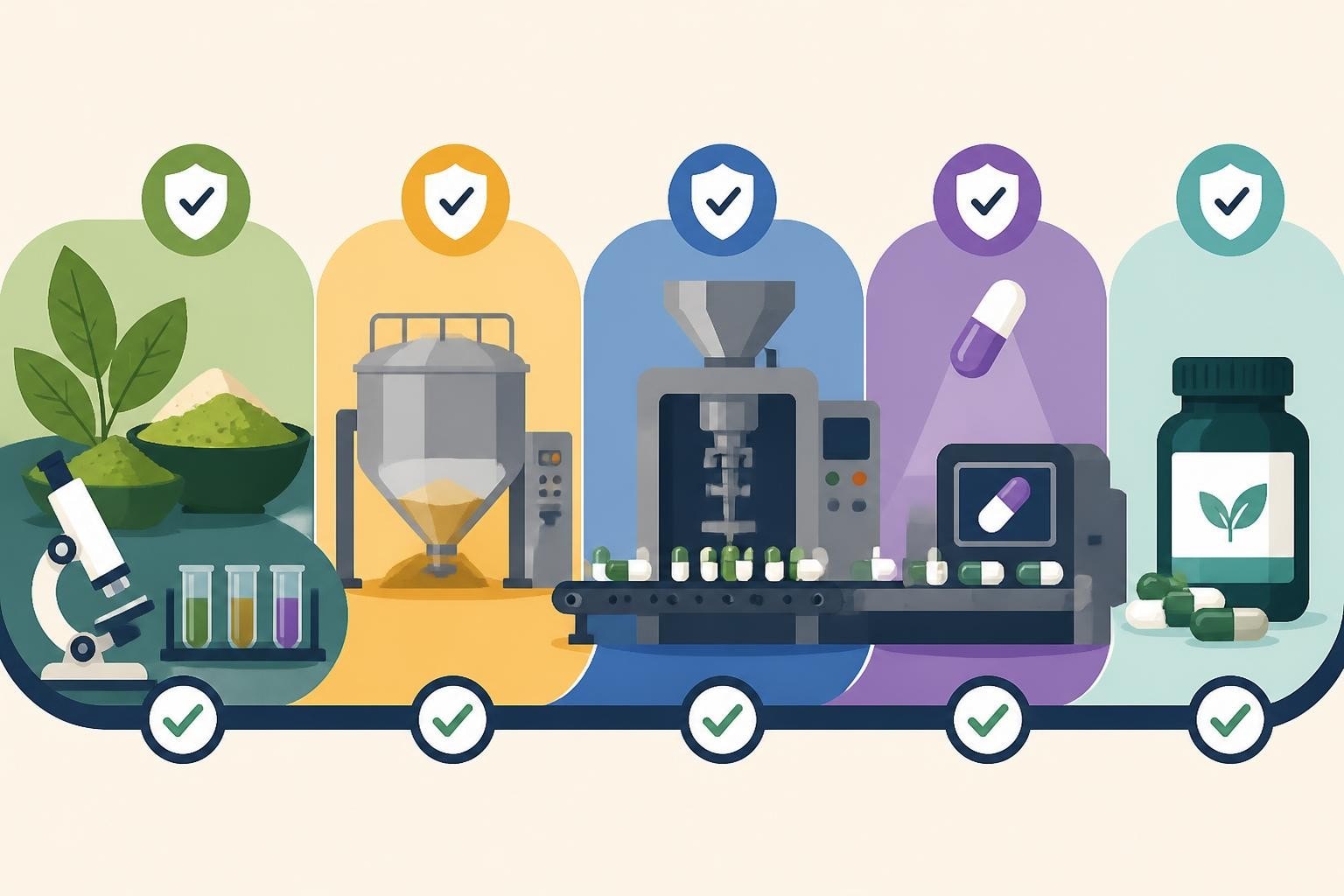
The production of supplements capsules involves multiple sophisticated stages that ensure consistency, purity, and efficacy. Understanding this process helps consumers appreciate the complexity behind each bottle of supplements they purchase.
Ingredient Selection and Testing
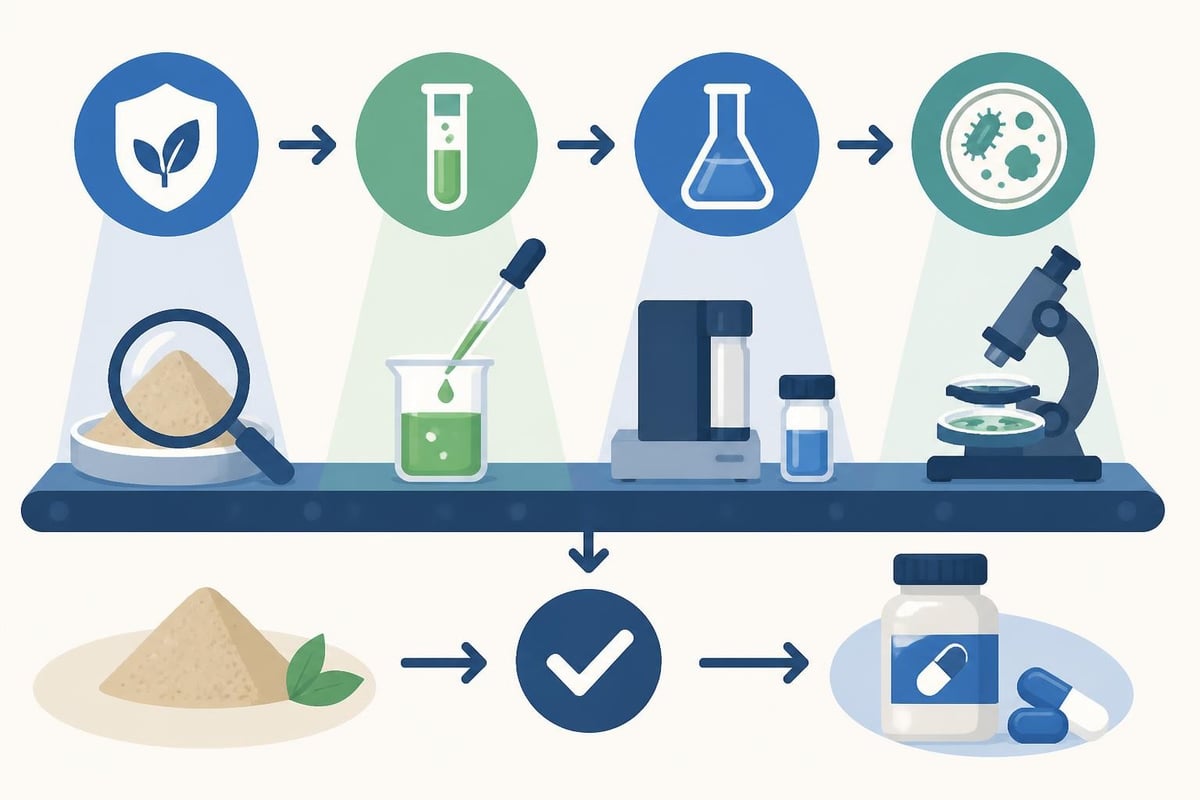
Every batch begins with rigorous raw material verification. Manufacturers source active ingredients and excipients from certified suppliers who provide certificates of analysis documenting identity, purity, and potency. Third-party testing laboratories perform additional verification using techniques such as:
- High-performance liquid chromatography (HPLC) for ingredient identification
- Mass spectrometry for detecting contaminants
- Microbiological testing for pathogens and bacteria
- Heavy metal screening for safety compliance
This initial quality control stage prevents contaminated or mislabeled ingredients from entering the production stream, a critical safeguard for consumer safety.
Blending and Granulation
After ingredient approval, the capsule manufacturing process moves to blending, where raw materials combine in precise ratios. Industrial blenders ensure uniform distribution of active ingredients throughout the powder mixture, preventing dose variation between individual capsules. This homogeneity is critical for supplements capsules to deliver consistent amounts of nutrients in every dose.
For ingredients with poor flow properties, manufacturers employ granulation techniques. This process binds fine powders into larger particles that flow more smoothly through encapsulation equipment. Wet granulation involves adding a liquid binder and drying the resulting granules, while dry granulation compacts powders using mechanical pressure.
| Manufacturing Stage | Purpose | Quality Check |
|---|---|---|
| Raw Material Testing | Verify identity and purity | Certificate of analysis, HPLC |
| Blending | Uniform ingredient distribution | Blend uniformity testing |
| Granulation | Improve flow properties | Particle size analysis |
| Encapsulation | Fill capsule shells | Weight variation, fill accuracy |
| Polishing | Remove dust and debris | Visual inspection |
| Packaging | Protect from environment | Seal integrity testing |
Encapsulation and Shell Production
The actual filling of supplements capsules occurs on specialized encapsulation machines that can produce thousands of units per hour. These automated systems maintain precise control over fill weight, ensuring each capsule contains the labeled amount of active ingredients.
Hard-shell capsules start as gelatin or vegetarian alternatives (typically hydroxypropyl methylcellulose) that are molded into two-piece shells. The encapsulation machine separates the cap and body, fills the body with the powder blend, then rejoins the pieces in a single fluid motion. Modern equipment includes inline weight checking to reject any capsules outside specification limits.
Softgel production follows a different path. Manufacturers prepare a gelatin mass by mixing gelatin with plasticizers and water, then feed this material along with the fill liquid into a rotary die encapsulation machine. The die presses create individual capsules that are simultaneously filled and sealed, producing a one-piece unit without seams.
Quality Control Standards and Regulatory Compliance
Quality assurance for supplements capsules extends beyond manufacturing into comprehensive testing programs that verify finished product specifications. The dietary supplement industry operates under current Good Manufacturing Practices (cGMP) established by regulatory authorities, which mandate specific quality control procedures.
Finished Product Testing
Before supplements capsules reach consumers, manufacturers perform extensive release testing. These analytical procedures confirm that each batch meets label claims for:
- Potency: Active ingredient content within specified ranges (typically 90-110% of label claim)
- Purity: Absence of contaminants, heavy metals, and microbial pathogens
- Dissolution: Capsule breaks down within appropriate timeframes for absorption
- Stability: Product maintains potency throughout shelf life under normal storage conditions
Third-party certification programs add another layer of verification. Organizations like NSF International, USP, and ConsumerLab test supplements capsules independently, verifying that products contain what labels claim without harmful levels of contaminants. These certifications provide consumers with objective quality confirmation.
Manufacturing Environment Controls
The facilities where supplements capsules are produced must maintain controlled environments to prevent contamination. Climate-controlled production areas regulate temperature and humidity to ensure capsule shell integrity and ingredient stability. Air filtration systems remove particulates, while segregated production zones prevent cross-contamination between different products.
Documentation practices trace every component from receipt through final packaging. Batch records capture critical parameters like blending times, encapsulation speeds, and quality test results. This traceability enables rapid response if quality issues emerge, allowing precise identification of affected batches.
Capsule Shell Options: Materials and Innovations
The shell material of supplements capsules significantly impacts product performance, stability, and consumer acceptance. Traditional gelatin capsules have dominated the market for decades, but evolving consumer preferences and technical requirements have driven innovation in shell composition.
Gelatin-Based Capsules
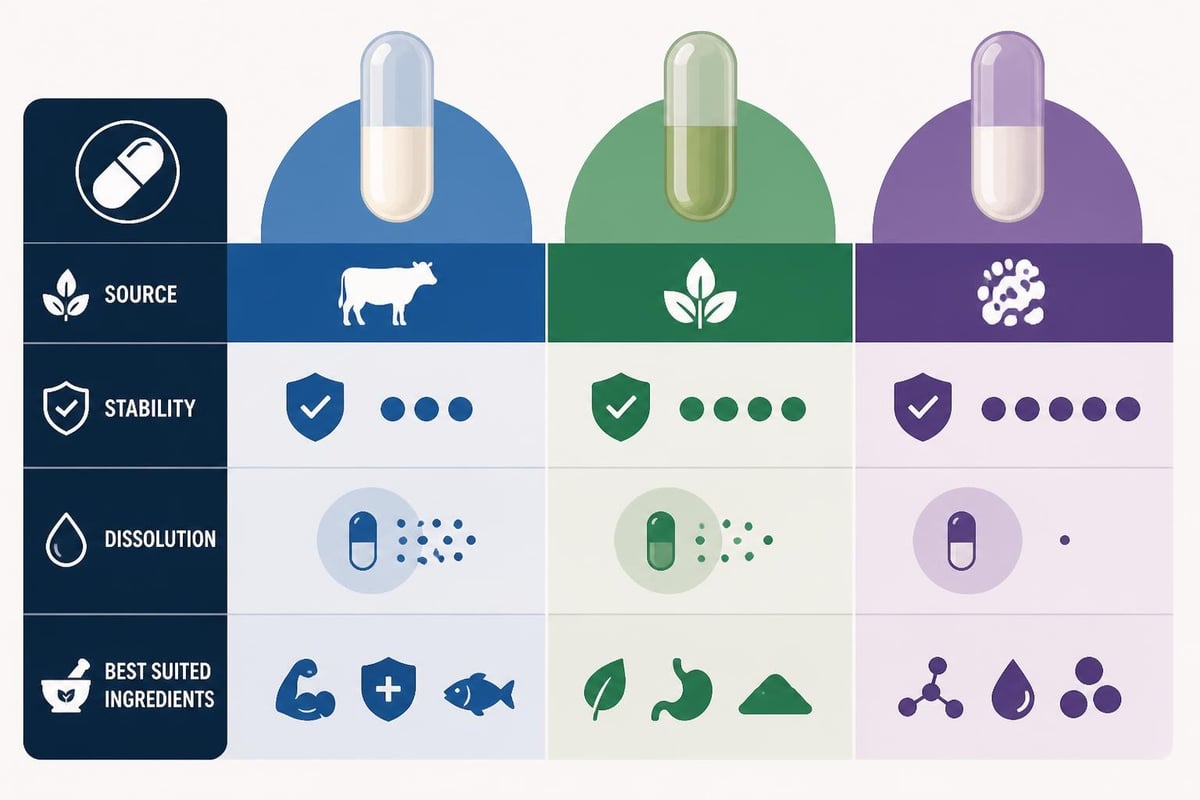
Gelatin remains the most common capsule shell material, derived from collagen extracted from animal sources. These shells offer excellent mechanical properties, rapid dissolution in the stomach, and compatibility with most supplement ingredients. Gelatin capsules are cost-effective and well-established in regulatory frameworks worldwide.
However, gelatin presents limitations for certain consumer segments. Vegetarian and vegan consumers seek plant-based alternatives, while some religious dietary laws restrict animal-derived ingredients. Additionally, gelatin capsules can become brittle in low-humidity environments and sticky in high humidity, affecting shelf life and consumer experience.
Vegetarian and Vegan Alternatives
Plant-based capsule shells address dietary restrictions while maintaining performance characteristics. The most prevalent vegetarian option uses hydroxypropyl methylcellulose (HPMC), a cellulose derivative that forms clear, flexible shells. HPMC capsules demonstrate superior stability across varying humidity conditions and dissolve reliably in digestive fluids.
Pullulan capsules represent another plant-based option, derived from fermented tapioca. These shells offer excellent oxygen barrier properties, making them ideal for oxygen-sensitive ingredients. However, pullulan capsules typically cost more than HPMC alternatives, limiting their use to premium supplement formulations.
| Shell Material | Source | Advantages | Considerations |
|---|---|---|---|
| Gelatin | Animal collagen | Low cost, fast dissolution | Not vegetarian, humidity sensitive |
| HPMC | Plant cellulose | Vegetarian, stable in varied humidity | Slightly higher cost |
| Pullulan | Fermented tapioca | Excellent oxygen barrier, vegan | Premium pricing |
| Starch | Plant starch | Allergen-free, vegan | Limited availability |
Bioavailability and Absorption Considerations
The effectiveness of supplements capsules depends not just on what they contain, but how well the body can access and utilize those nutrients. Bioavailability refers to the proportion of an ingested nutrient that reaches systemic circulation and becomes available for physiological functions.
Factors Affecting Nutrient Release
Capsule design directly influences how quickly supplements release their contents in the digestive system. Standard gelatin and HPMC capsules typically disintegrate within 15-30 minutes in stomach acid, releasing their contents for absorption in the small intestine. This rapid release works well for water-soluble vitamins and minerals that absorb readily in the upper GI tract.
Some nutrients benefit from modified release profiles. Delayed-release capsules use special coatings that resist stomach acid, allowing the capsule to reach the small intestine before dissolving. This approach protects acid-sensitive ingredients like certain probiotics and enzymes while potentially reducing gastric side effects from nutrients like iron.
The particle size of ingredients within supplements capsules also affects absorption. Micronized or nano-sized particles present greater surface area to digestive enzymes and absorptive cells, potentially enhancing bioavailability for poorly soluble compounds. However, smaller particles may also pose manufacturing challenges related to powder flow and blend uniformity.
Enhancing Absorption Through Formulation
Sophisticated supplement formulations incorporate absorption enhancers and complementary nutrients within capsules. For example, fat-soluble vitamins like D, E, and K absorb more effectively when combined with healthy fats in the formulation. Black pepper extract (piperine) increases absorption of certain nutrients by temporarily slowing their metabolism in the liver.
Chelated minerals represent another bioavailability enhancement strategy. These forms bind minerals to amino acids or organic acids, creating more stable complexes that the body absorbs more efficiently than inorganic mineral salts. While chelated forms typically cost more, they may deliver better results at lower doses, making supplements capsules more effective per serving.
Choosing Quality Supplements: What to Look For
Navigating the vast supplements capsules market requires understanding quality indicators that separate evidence-based products from ineffective or potentially unsafe options. Informed consumers examine multiple factors before selecting supplements for their health goals.
Label Transparency and Third-Party Testing
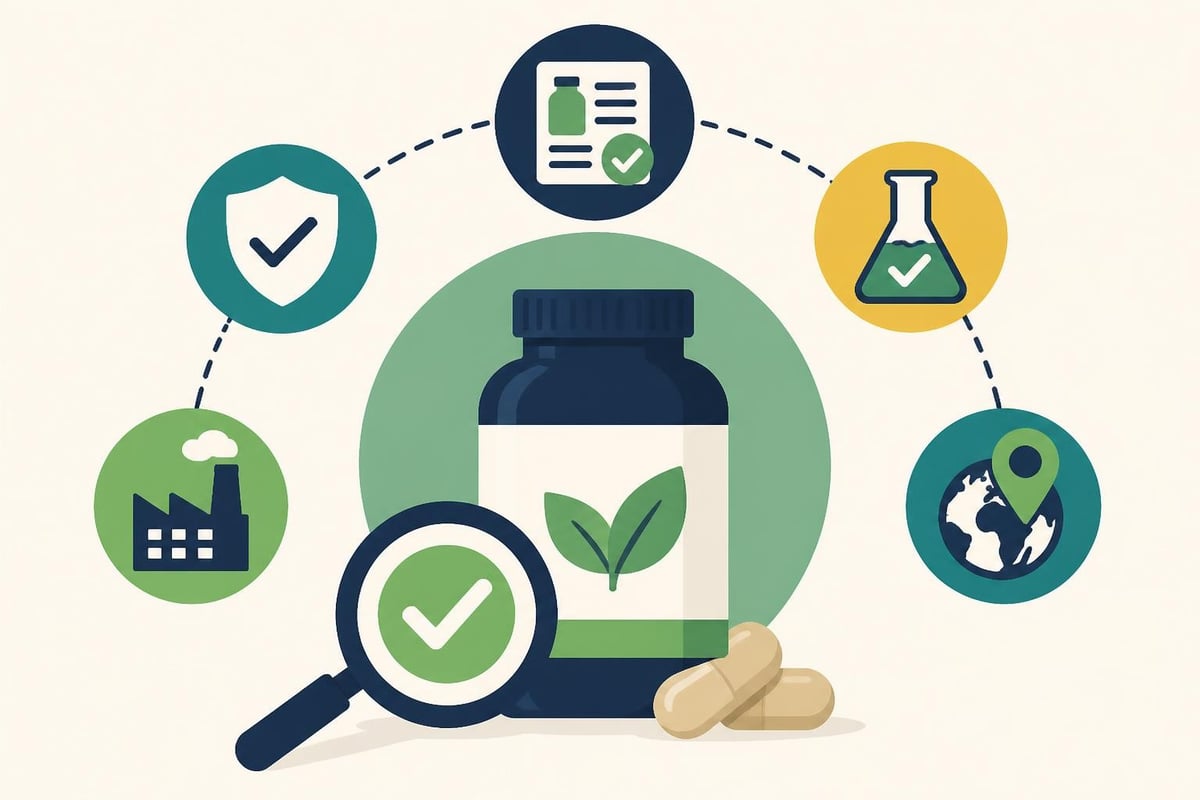
High-quality supplements capsules feature comprehensive labels that disclose all active and inactive ingredients with specific amounts rather than hiding behind proprietary blends. Clear dosing information enables consumers to compare products and assess whether they provide effective amounts based on research.
Third-party certifications provide independent verification of supplement quality. Look for seals from organizations that test finished products rather than just reviewing manufacturing facilities. These certifications confirm that supplements capsules contain labeled ingredients at stated potencies without excessive contaminants.
Reputable manufacturers make certificates of analysis available upon request, demonstrating transparency about testing results. These documents reveal detailed information about potency verification, purity testing, and microbial screening for specific batches.
Evidence-Based Dosing and Formulation
Effective supplements capsules contain ingredients at dosages supported by human clinical research. Many products use trace amounts of trendy compounds that generate marketing appeal without therapeutic benefit. Understanding cognitive function research, for instance, reveals that effective brain health supplements require specific ingredient forms and doses demonstrated in controlled studies.
The formulation complexity also matters. Single-ingredient supplements capsules allow precise control over intake and easier identification of beneficial effects or adverse reactions. Multi-ingredient formulas can provide convenience but make it difficult to attribute results to specific components or adjust individual nutrient levels.
Manufacturing Standards and Sourcing
Premium supplements capsules come from facilities certified for cGMP compliance by regulatory authorities or third-party auditors. These certifications indicate that manufacturers follow strict protocols for ingredient testing, production controls, and quality verification throughout the capsule manufacturing process.
Ingredient sourcing transparency helps consumers understand product quality. Manufacturers who disclose ingredient origins and use trademarked, researched forms demonstrate commitment to quality over cost-cutting with generic alternatives. Branded ingredients often come with manufacturer guarantees of identity, purity, and potency.
Storage and Handling for Maximum Effectiveness
Even the highest-quality supplements capsules degrade if stored improperly. Environmental factors like heat, light, moisture, and oxygen gradually reduce nutrient potency and can compromise capsule shell integrity. Understanding proper storage extends supplement shelf life and ensures optimal effectiveness.
Optimal Storage Conditions
Most supplements capsules perform best when stored in cool, dry locations away from direct sunlight. Temperature fluctuations cause expansion and contraction that can compromise bottle seals and accelerate degradation. Medicine cabinets in bathrooms often create poor storage environments due to humidity from showers and temperature variations.
Keep supplements capsules in their original containers unless transferring to specialized storage designed for pharmaceuticals. Original packaging includes desiccants that absorb moisture and barriers that block light and oxygen. Pill organizers offer convenience but expose capsules to more environmental stress, particularly if left open or stored in humid areas.
Refrigeration benefits certain supplements capsules, particularly probiotics and omega-3 products, but check manufacturer recommendations. Some capsules become brittle or sticky at low temperatures, affecting dissolution and consumer experience. Never freeze supplements unless specifically directed, as freezing can crack capsule shells and damage active ingredients.
Recognizing Degradation Signs
Visual inspection helps identify supplements capsules that have degraded beyond acceptable limits. Discolored capsules, strong or rancid odors, sticky or brittle shells, and capsules adhering to each other indicate quality problems. Softgels that leak, deflate, or show visible particles suspended in the fill should be discarded.
Check expiration dates regularly and organize supplements to use older bottles first. Expiration dates represent the period during which manufacturers guarantee labeled potency under proper storage conditions. While many supplements remain safe beyond expiration, potency typically declines, potentially rendering them ineffective at labeled doses.
Innovation Trends Shaping the Future
The supplements capsules industry continues evolving with technological advances and changing consumer preferences. Emerging trends promise improved efficacy, sustainability, and personalization in the coming years.
Personalized Supplementation
Advances in nutritional assessment and manufacturing technology enable increasingly personalized supplements capsules tailored to individual needs. DNA testing, blood biomarker analysis, and symptom questionnaires inform custom formulations that address specific deficiencies or health goals. Platforms that rank supplements based on evidence, dose fit, trust, value, popularity, and availability help consumers navigate options and find products aligned with their specific requirements.
On-demand manufacturing technologies allow small-batch production of customized supplement blends without the large minimum orders traditional manufacturing requires. This flexibility enables practitioners to create patient-specific formulations and consumers to adjust their supplement regimens based on changing needs or test results.
Sustainable and Clean Label Initiatives
Environmental consciousness drives development of more sustainable supplements capsules. Manufacturers explore marine alternatives to land-animal gelatin, such as fish-derived or algae-based shells. These options reduce environmental impact while meeting dietary preferences for pescatarian consumers.
Clean label trends push manufacturers toward simpler formulations with fewer excipients and additives. Consumers increasingly scrutinize inactive ingredients, preferring supplements capsules free from artificial colors, titanium dioxide, and synthetic preservatives. This movement challenges formulators to maintain product stability and performance with minimal processing aids.
Advanced Delivery Systems
Emerging capsule technologies target specific release locations and timing within the digestive tract. Pulsatile-release systems deliver multiple doses from a single capsule over extended periods, potentially improving compliance for supplements requiring multiple daily servings. Gastroretentive capsules remain in the stomach longer, extending absorption windows for nutrients with limited intestinal uptake sites.
Microencapsulation techniques protect sensitive ingredients within tiny particles before filling into capsules. These microscopic shells shield reactive compounds from degradation while controlling release rates. Such innovations in capsule production improve stability for challenging ingredients like probiotics, enzymes, and highly reactive antioxidants.
Common Myths and Misconceptions
Despite widespread use, numerous misconceptions about supplements capsules persist among consumers. Addressing these myths helps set realistic expectations and improve supplement outcomes.
"More Ingredients Equals Better Results"
Kitchen-sink formulations that pack dozens of ingredients into supplements capsules often shortchange effective dosing. Limited capsule volume forces manufacturers to include sub-therapeutic amounts of many ingredients rather than effective doses of fewer compounds. Research-backed supplementation typically requires specific minimum doses that comprehensive formulas cannot accommodate without requiring multiple large capsules daily.
Focused formulations with fewer ingredients at evidence-based doses generally outperform crowded blends. This approach also simplifies identifying which supplements provide benefits and allows flexible adjustment of individual nutrient levels based on testing or symptoms.
"All Capsules Absorb the Same"
Significant variation exists in how different supplements capsules release and deliver nutrients. Factors including shell material, ingredient particle size, excipient selection, and formulation pH all influence bioavailability. Two products with identical active ingredient labels may deliver vastly different amounts to the bloodstream depending on formulation quality.
Understanding how supplements are manufactured reveals why seemingly similar products perform differently. Quality manufacturers invest in bioavailability research and formulation optimization, while budget products may prioritize cost reduction over effectiveness.
"Natural Automatically Means Safe"
Natural-source ingredients in supplements capsules are not inherently safer than synthetic alternatives. Many potent toxins occur naturally, while synthetic vitamins often match their natural counterparts molecularly. Safety depends on appropriate dosing, quality control, and individual health status rather than ingredient origin.
Some natural ingredients interact with medications or pose risks for specific health conditions. Research examining supplement efficacy and safety emphasizes that both natural and synthetic supplements require careful evaluation of evidence, proper dosing, and consideration of individual health factors.
Regulatory Landscape and Consumer Protection
The regulatory environment for supplements capsules varies significantly across countries, affecting product quality, safety claims, and consumer recourse. Understanding these frameworks helps consumers navigate the market and assess product reliability.
United States Framework
In the U.S., dietary supplements fall under the Dietary Supplement Health and Education Act (DSHEA) of 1994, which treats them as a category of food rather than drugs. This framework requires manufacturers to ensure safety and label accuracy but does not mandate pre-market approval for most ingredients. The FDA enforces cGMP regulations and can take action against unsafe products or false claims.
This regulatory approach places significant responsibility on consumers to research products and manufacturers. While the system encourages innovation and market access for new ingredients, it also allows questionable products to reach shelves. Savvy consumers rely on third-party testing, manufacturer reputation, and evidence-based information to identify quality supplements capsules.
International Variations
Other countries enforce stricter pre-market requirements for supplements capsules. The European Union treats many supplements as medicinal products requiring authorization before sale. Australia's Therapeutic Goods Administration maintains a register of approved supplements with specific quality and safety standards.
These stricter regulatory environments may reduce availability of innovative ingredients but generally ensure higher baseline quality for marketed products. Consumers purchasing supplements internationally should verify that products meet destination country requirements and clear customs legally.
Selecting effective supplements capsules requires understanding manufacturing quality, bioavailability factors, and evidence-based dosing while avoiding marketing hype and unsupported claims. The complex journey from raw ingredients to finished products involves sophisticated quality controls and scientific formulation principles that separate premium supplements from ineffective alternatives. DoseRank simplifies this challenging selection process by ranking supplements based on evidence, dose fit, trust, value, popularity, and availability, helping you identify products that align with your specific health goals through an efficient assessment process.