
DOSERANK guide
Strongest Melatonin: Dosage, Safety & What You Need
Published
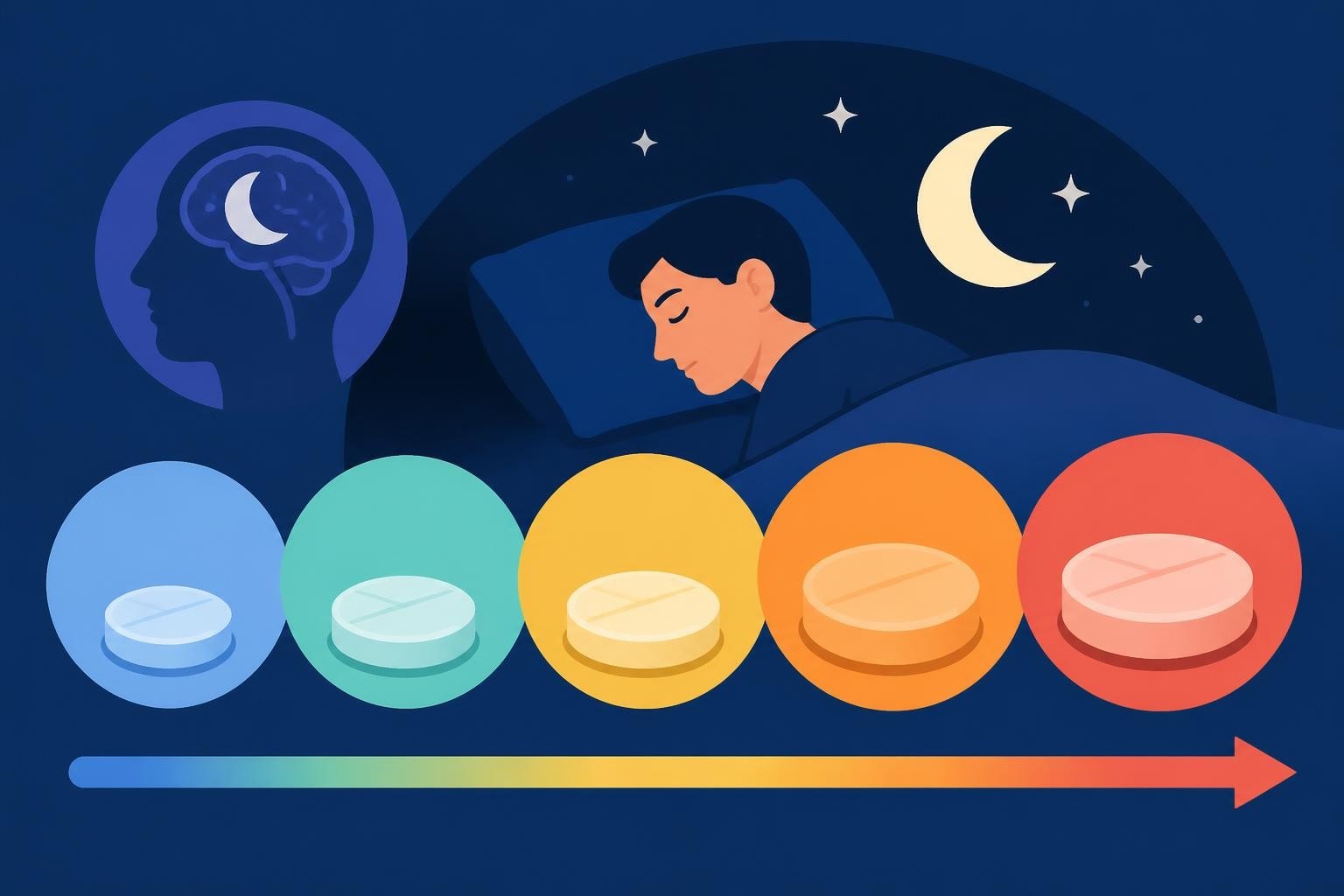
Sleep troubles affect millions of Americans every year, driving many to search for the strongest melatonin supplements on the market. While higher doses might seem like a faster route to better sleep, understanding how melatonin potency actually works can save you from wasted money and unwanted side effects. The supplement industry now offers melatonin in doses ranging from 0.3 milligrams all the way up to 20 milligrams or more per serving, creating confusion about what strength you actually need. This guide cuts through the marketing claims to explain how melatonin strength relates to effectiveness, safety considerations for high-dose products, and practical strategies for choosing the right potency for your situation.
Understanding Melatonin Strength and Potency
Melatonin supplements are measured in milligrams (mg), with products typically ranging from 0.3mg to 20mg per dose. The term "strongest melatonin" usually refers to products at the higher end of this spectrum, though strength alone doesn't determine effectiveness.
Your body naturally produces about 0.3mg of melatonin during its peak nighttime secretion. This baseline helps explain why some researchers argue that lower doses often work better than mega-doses. The pineal gland releases melatonin in response to darkness, signaling to your body that it's time to prepare for sleep.
Common Melatonin Dosage Ranges
The market offers a wide spectrum of melatonin potencies:
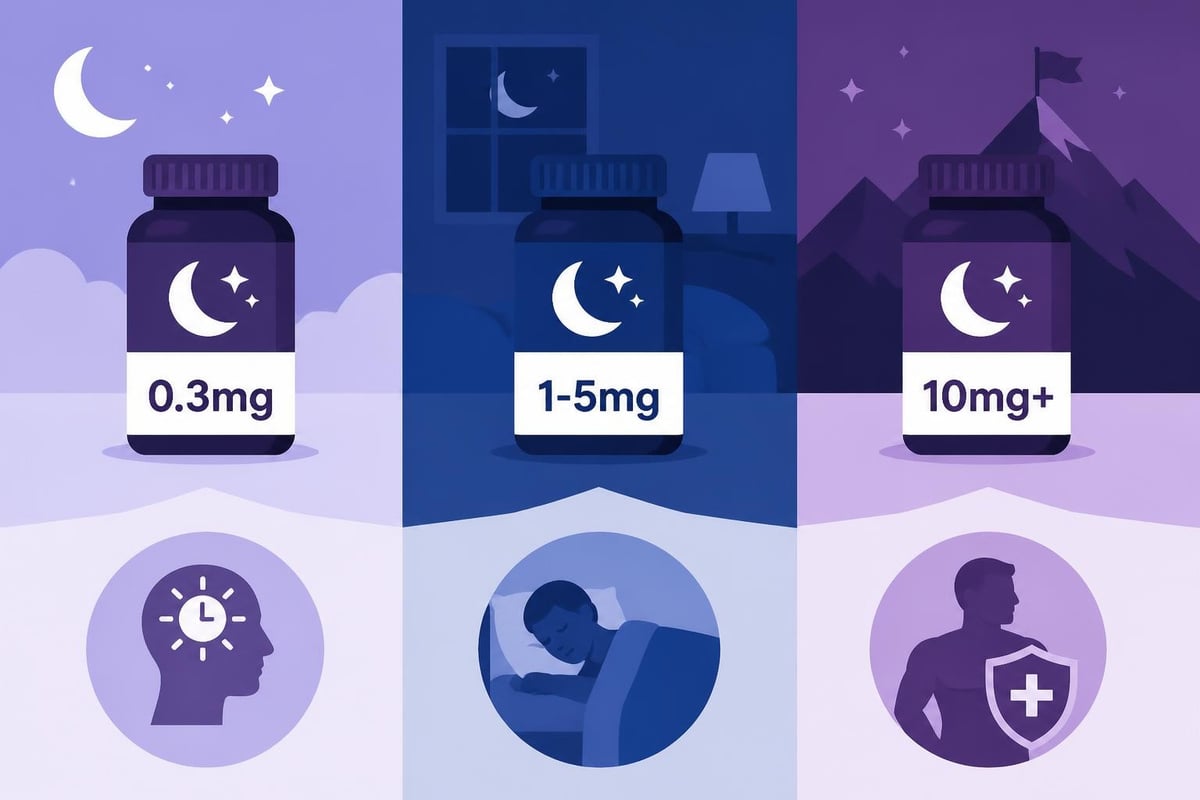
- Low-dose: 0.3mg to 1mg (closer to physiological levels)
- Standard-dose: 1mg to 5mg (most common retail products)
- High-dose: 5mg to 10mg (marketed as extra-strength)
- Very high-dose: 10mg to 20mg+ (strongest melatonin formulations)
Research suggests that most people respond adequately to doses between 0.5mg and 5mg. Understanding melatonin's benefits helps clarify why more isn't always better when it comes to this hormone supplement.
What Makes High-Dose Melatonin Different
The strongest melatonin products contain doses significantly above natural production levels, creating different effects than standard formulations. These high-potency versions are often marketed for severe sleep disruption, jet lag, or shift work scenarios.
High-dose melatonin doesn't necessarily mean faster sleep onset or longer sleep duration. The hormone works primarily as a signal molecule rather than a sedative, meaning the dose-response curve isn't linear. Taking 10mg doesn't produce effects twice as strong as 5mg.
| Dose Range | Typical Use Case | Peak Blood Level | Duration of Effect |
|---|---|---|---|
| 0.3-1mg | Circadian adjustment | Physiological | 4-6 hours |
| 3-5mg | Sleep onset issues | 10-100x normal | 6-8 hours |
| 10mg+ | Specific medical uses | 100-1000x normal | 8-12 hours |
Some conditions warrant higher doses under medical supervision. Delayed sleep phase disorder, certain types of insomnia, and specific neurological conditions sometimes respond better to the strongest melatonin formulations. However, these situations typically require professional guidance.
Extended-Release vs. Immediate-Release Formulations
Beyond total milligram content, how the strongest melatonin products release their dose matters significantly:
Immediate-release formulas flood your system quickly, creating a sharp spike in blood melatonin levels that mimics the natural evening surge. These work best for sleep onset difficulties.
Extended-release versions meter out the dose over several hours, maintaining elevated levels throughout the night. These suit people who fall asleep easily but wake frequently.
Some manufacturers combine both approaches in biphasic formulations, delivering an initial burst followed by gradual release. According to Sleep Foundation's dosage guidance, the release mechanism can matter as much as total dose.
Safety Considerations for High Potency Products
While melatonin enjoys a strong safety profile compared to prescription sleep medications, the strongest melatonin products still carry considerations worth understanding. The supplement's over-the-counter status in the United States means potent formulations are easily accessible without prescription.
Short-term use of high-dose melatonin appears generally safe for most healthy adults. Studies have used doses up to 10mg nightly for several months without serious adverse events. However, long-term safety data for mega-doses remains limited.
Potential Side Effects of Strong Melatonin
Higher doses increase the likelihood and intensity of side effects:
- Daytime drowsiness or grogginess (melatonin hangover)
- Vivid dreams or nightmares
- Dizziness and headaches
- Nausea or digestive discomfort
- Hormonal fluctuations
Research on melatonin side effects indicates that while serious reactions are rare, the dose-dependent nature of these symptoms makes starting low and increasing gradually the safer approach.
Drug Interactions and Contraindications
The strongest melatonin supplements can interact with various medications:
- Blood thinners (warfarin): Melatonin may increase bleeding risk
- Immunosuppressants: Potential interference with immune-modulating drugs
- Diabetes medications: Possible effects on blood sugar regulation
- Blood pressure medications: May enhance hypotensive effects
- Sedatives and CNS depressants: Additive drowsiness
People with autoimmune conditions, seizure disorders, or hormone-sensitive conditions should consult healthcare providers before using high-dose melatonin. Pregnant and breastfeeding women should avoid these products due to insufficient safety data.
Does Higher Dose Mean Better Sleep?
The relationship between melatonin dose and sleep quality defies the "more is better" assumption many consumers hold. Research consistently shows that effectiveness plateaus well before reaching the strongest melatonin doses available commercially.
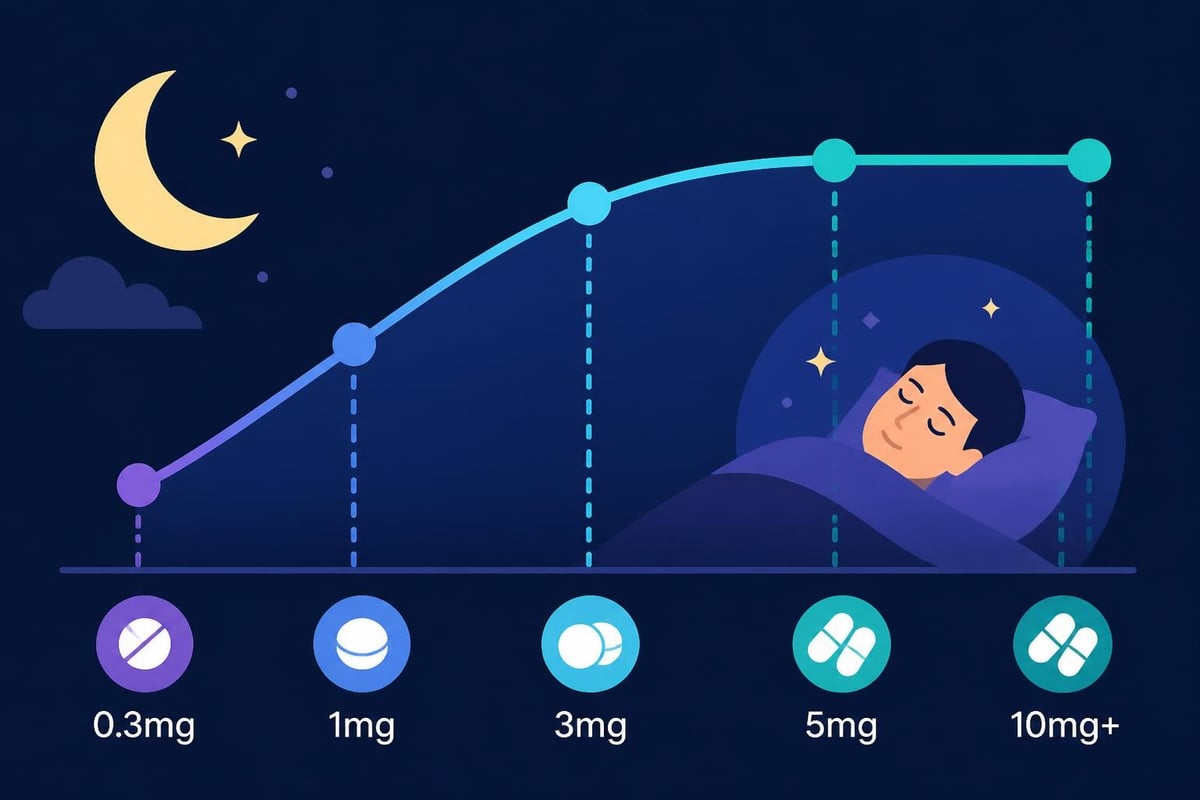
A landmark study comparing 0.3mg to 3mg doses found the lower amount actually produced better sleep quality metrics. The higher dose elevated blood melatonin to supraphysiological levels without proportional benefit. This suggests the body's melatonin receptors saturate at relatively modest doses.
Individual Response Variability
Melatonin sensitivity varies significantly between individuals based on:
- Genetic factors: Receptor polymorphisms affect responsiveness
- Age: Natural production declines with age, potentially increasing sensitivity
- Body weight: Though less critical than with many drugs
- Metabolism: CYP1A2 enzyme activity influences breakdown speed
- Existing sleep patterns: Circadian phase determines optimal timing
Some people feel effects from 0.5mg while others need 3-5mg for noticeable results. This variability explains why the strongest melatonin doesn't work better for everyone. Finding your minimum effective dose through gradual titration often yields better results than starting high.
Choosing the Right Melatonin Strength
Selecting appropriate melatonin potency requires matching dose to your specific situation rather than automatically reaching for the strongest melatonin available. A systematic approach helps identify your ideal strength.
Start low and titrate up. Begin with 0.5-1mg taken 30-60 minutes before bedtime. If you notice no improvement after 3-4 nights, increase by 0.5-1mg increments. Most people find their sweet spot between 1-3mg.
Consider your sleep challenge type. Trouble falling asleep typically responds to lower doses of immediate-release melatonin. Difficulty staying asleep might benefit from extended-release formulations. Early morning awakening often indicates circadian misalignment rather than simple melatonin deficiency.
Quality Markers Beyond Dose
Potency isn't the only factor determining melatonin effectiveness:
- Third-party testing: USP, NSF, or ConsumerLab verification
- Actual vs. labeled dose: Studies show wide variation
- Purity: Absence of contaminants and undeclared ingredients
- Bioavailability: Sublingual and liquid forms absorb faster
Platforms like DoseRank evaluate supplements across multiple dimensions including evidence strength, dose appropriateness, manufacturer trust, and value, helping you find products that match your specific sleep quality goals rather than just choosing the highest dose.
Timing and Context for High-Dose Use
While lower doses suit most everyday sleep challenges, certain situations may warrant the strongest melatonin formulations under appropriate guidance.
Jet Lag and Circadian Disruption
Trans-meridian travel creates circadian misalignment that sometimes responds to higher melatonin doses. Research on jet lag suggests 5-8mg taken at the destination's bedtime can help reset your internal clock faster than lower doses.
The direction of travel matters. Eastward flights (advancing your clock) typically prove more challenging than westward travel (delaying your clock). Higher doses may help with the more difficult eastward adjustment.
Shift Work Sleep Disorder
Night shift workers face chronic circadian disruption that standard sleep hygiene can't fully address. Some research supports 3-6mg of melatonin taken before daytime sleep to improve duration and quality.
The strongest melatonin products marketed for shift workers often combine high doses with extended-release mechanisms. However, timing becomes crucial since taking melatonin at the wrong circadian phase can worsen adaptation rather than help it.
| Scenario | Suggested Dose Range | Timing | Duration |
|---|---|---|---|
| Jet lag (eastward) | 5-8mg | Destination bedtime | 3-5 days |
| Shift work | 3-6mg | Before daytime sleep | As needed |
| Age-related insomnia | 2-3mg extended-release | 1-2 hours before bed | Ongoing |
| Occasional sleeplessness | 0.5-3mg | 30-60 min before bed | As needed |
Alternatives to Mega-Dose Melatonin
Before defaulting to the strongest melatonin you can find, consider complementary approaches that enhance effectiveness at lower doses or address root causes that supplements can't fix.
Sleep Hygiene Optimization
Basic sleep hygiene practices often work synergistically with lower melatonin doses:
- Consistent sleep-wake schedule (including weekends)
- Dark, cool bedroom environment (65-68°F)
- Limited blue light exposure 2-3 hours before bed
- Caffeine cutoff 8-10 hours before sleep
- Regular exercise (not close to bedtime)
- Stress management techniques
Sleep experts suggest trying these methods before or alongside melatonin supplementation for more sustainable results.

Light Exposure Timing
Since melatonin is light-sensitive, strategic light exposure provides a natural way to boost production:
- Morning bright light (within 30 minutes of waking) anchors circadian rhythm
- Afternoon outdoor time reinforces the day signal
- Evening light reduction allows natural melatonin surge
- Red/amber lighting after sunset minimizes suppression
This approach works with your body's systems rather than overriding them with the strongest melatonin supplements. Combined with modest supplemental doses, light timing often proves more effective than high doses alone.
Complementary Supplements
Other supplements can enhance sleep through different mechanisms, potentially reducing reliance on the strongest melatonin:
- Magnesium: Supports GABA function and relaxation (glycinate form preferred for sleep)
- L-theanine: Promotes alpha brain waves associated with relaxation
- Glycine: May improve sleep onset and quality
- Valerian root: Traditional sleep herb with modest evidence
- Passionflower: Anxiolytic properties may help sleep-onset anxiety
Addressing overall stress resilience often improves sleep more durably than high-dose sleep aids. The DoseRank methodology evaluates supplements for specific outcomes based on evidence quality, not just popularity or dose strength.
Special Populations and Dosing Considerations
Certain groups require modified approaches to melatonin dosing, making blanket "strongest is best" recommendations particularly problematic.
Older Adults
Natural melatonin production declines with age, theoretically supporting higher supplemental doses. However, older adults also metabolize drugs more slowly and take more medications, increasing interaction risks.
Studies in elderly populations show benefits from 2-3mg extended-release formulations. The strongest melatonin products (10mg+) rarely provide additional benefit and may increase next-day cognitive impairment in this age group.
Children and Adolescents
Pediatric melatonin use has increased dramatically in recent years, but appropriate dosing differs significantly from adults. Children's developing endocrine systems may respond unpredictably to supraphysiological doses.
Pediatric specialists typically recommend starting with 0.5-1mg, rarely exceeding 3-5mg even for diagnosed sleep disorders. Parents should avoid the strongest melatonin products marketed for adults without specific medical guidance.
People with Medical Conditions
Several conditions affect appropriate melatonin dosing:
- Diabetes: Monitor blood sugar closely with any dose
- Depression: High doses may worsen symptoms in some individuals
- Autoimmune disease: Immune-stimulating effects require caution
- Epilepsy: Seizure threshold changes possible
Anyone with chronic conditions should discuss even moderate doses with their healthcare provider before using the strongest melatonin supplements.
Product Quality and Third-Party Testing
Melatonin supplements face minimal FDA regulation, creating significant quality variability even among products claiming identical strength. A 2017 study found actual melatonin content ranged from 83% below to 478% above labeled amounts.
This variability makes trusting product quality as important as selecting appropriate strength. The strongest melatonin on the label may not reflect what's actually in the bottle.
Verification Programs
Several third-party organizations test supplements for accuracy and purity:
USP Verified indicates the product contains declared ingredients in stated amounts, will dissolve properly, and has been screened for contaminants. The program tests both raw materials and finished products.
NSF Certified for Sport provides assurance that products are free from banned athletic substances, with broader quality testing included. While designed for athletes, this certification indicates rigorous manufacturing standards.
ConsumerLab.com independently purchases and tests supplements, publishing results for subscribers. Their melatonin testing has revealed significant quality issues across multiple brands.
Look for these seals when choosing high-potency products, since quality control becomes increasingly important as dose increases.
Long-Term Use and Dependency Concerns
Questions about melatonin dependency frequently arise, especially regarding the strongest melatonin formulations used over extended periods. Unlike benzodiazepines or Z-drugs, melatonin doesn't create classical physiological dependence.
However, recent research suggests potential cardiovascular considerations with long-term use at higher doses, warranting periodic reassessment of continued need. The body's natural production doesn't appear to decrease with supplementation, but psychological reliance can develop.
Tolerance Development
Unlike many sleep medications, melatonin doesn't typically produce tolerance requiring escalating doses. People who effectively use 3mg for months don't suddenly need to jump to the strongest melatonin available to maintain results.
If you find yourself constantly increasing dose for the same effect, this suggests either an underlying sleep disorder requiring different treatment or lifestyle factors undermining sleep quality. How melatonin affects sleep explains why it works as a circadian signal rather than a sedative, helping clarify these patterns.
Cycling and Breaks
While not medically required, some practitioners recommend periodic breaks from melatonin supplementation:
- Weekend breaks for people using it weeknightly
- Monthly weeks off to reassess baseline sleep
- Seasonal adjustments aligned with natural light changes
This approach helps distinguish true sleep disorders from transient issues while preventing psychological dependence on supplements.
Evaluating Whether You Need Strong Doses
Before purchasing the strongest melatonin product available, honestly assess whether your situation warrants high potency or whether other factors deserve attention first.
Signs You Might Benefit from Higher Doses
Certain patterns suggest trying doses in the 5-10mg range:
- Lower doses (1-3mg) provided zero noticeable effect after 2 weeks
- Severe jet lag across multiple time zones
- Diagnosed delayed sleep phase disorder
- Medical recommendation for specific conditions
- Temporary severe stress or schedule disruption
Even in these cases, working up gradually from moderate doses makes more sense than immediately using the strongest melatonin.
Signs You Should Address Other Factors
These patterns indicate that simply increasing melatonin dose won't solve the underlying problem:
- Difficulty staying asleep (versus falling asleep)
- Racing thoughts or anxiety preventing sleep
- Chronic pain or discomfort
- Medication side effects
- Sleep apnea or breathing issues
- Restless legs or periodic limb movements
These situations require different interventions beyond even the strongest melatonin supplements. Platforms focused on evidence-based outcomes can help identify whether supplements address your specific situation or whether other approaches make more sense.
Making an Informed Decision
Choosing melatonin strength ultimately requires balancing effectiveness, safety, quality, and cost while considering your individual response patterns and sleep challenges.
Start conservative. Despite marketing hype around the strongest melatonin products, beginning with 0.5-1mg gives you room to find your minimum effective dose without overshooting. This approach minimizes side effects while maximizing long-term sustainability.
Prioritize quality over potency. A tested 3mg product from a reputable manufacturer will likely outperform a questionable 10mg supplement with unknown actual content. DoseRank's quick quiz can help narrow options based on your specific goals and circumstances.
Track your response systematically. Keep a simple log noting dose, timing, sleep latency, night wakings, morning alertness, and any side effects. This data helps determine whether higher doses actually improve outcomes or just increase morning grogginess.
Consider professional guidance for doses above 5mg or use extending beyond a few months. While melatonin's safety profile is reassuring, individual factors might warrant medical input when using the strongest melatonin formulations.
Finding the right melatonin strength means matching dose to your specific sleep challenges rather than defaulting to the highest available potency. Most people achieve optimal results with moderate doses between 1-5mg, though individual needs vary based on age, health status, and sleep disorder type. When you're ready to find supplements backed by evidence rather than marketing claims, DoseRank ranks products across multiple quality dimensions to match your specific goals, helping you make decisions based on science rather than guesswork.