
DOSERANK guide
Quality Supplements: How to Find Effective Products
Published

The supplement industry continues to expand at an extraordinary rate, with American consumers spending over $50 billion annually on vitamins, minerals, and specialty formulas. Yet this growth has created a paradox: more choices have made it harder, not easier, to identify products that deliver meaningful results. Quality supplements stand apart not through marketing claims or celebrity endorsements, but through verifiable evidence, appropriate dosing, manufacturing integrity, and transparent sourcing. Understanding these distinctions empowers consumers to make informed decisions that align with their health goals and budgets.
The Evidence Foundation of Supplement Quality
The strongest predictor of supplement effectiveness is the depth and quality of research supporting its formulation. Quality supplements draw from randomized controlled trials, systematic reviews, and meta-analyses published in peer-reviewed journals rather than relying on preliminary animal studies or anecdotal reports.
What Constitutes Strong Evidence
Evidence quality exists on a spectrum. At the top tier sit systematic reviews and meta-analyses that synthesize data from multiple well-designed human trials. These studies provide the most reliable estimates of effect size and safety profiles. Individual randomized controlled trials with adequate sample sizes and proper blinding occupy the middle ground, while observational studies and mechanistic research offer supportive but weaker evidence.
The European Food Safety Authority applies rigorous standards when evaluating health claims for supplements, requiring consistent evidence across multiple high-quality human intervention studies. Their framework illustrates the level of scientific substantiation that separates validated benefits from speculative marketing.

Application to Specific Health Outcomes
Evidence must connect directly to defined, measurable outcomes. For instance, if you're looking to improve sleep quality, the research should demonstrate changes in objective sleep parameters such as sleep efficiency, wake after sleep onset, or total sleep time using validated measurement tools like polysomnography or actigraphy.
Claims based on biomarkers alone require interpretation. A supplement might raise vitamin D levels without demonstrating functional benefits in bone density, immune response, or fracture risk. Quality supplements tie biochemical changes to meaningful improvements in how people feel, function, or perform.
Dosing Accuracy and Bioavailability
Even evidence-backed ingredients fail to deliver results when dosed incorrectly. This dimension of quality separates products designed around research from those formulated for marketing appeal or cost minimization.
Matching Research Doses
Clinical trials establish effective dose ranges through systematic testing. A magnesium supplement containing 50 mg might list the mineral on its label, but when studies show benefits at 300-400 mg daily, that dosage falls short of therapeutic relevance.
Quality supplements match or exceed the doses used in positive clinical trials while staying within established safe upper limits. They account for bioavailability differences between forms-for example, magnesium glycinate typically absorbs better than magnesium oxide, meaning lower doses of the former may achieve equivalent tissue levels.
| Dosing Factor | Poor Quality Approach | High Quality Approach |
|---|---|---|
| Amount per serving | Below therapeutic threshold | Matches clinical research |
| Daily regimen | Unclear or inconvenient | Aligns with study protocols |
| Form selection | Cheapest available | Optimized for absorption |
| Combination ratios | Arbitrary blends | Evidence-based proportions |
Bioavailability Considerations
The form and delivery method dramatically affect how much of an ingredient reaches systemic circulation. Fat-soluble vitamins like D and K absorb better when taken with meals containing dietary fat. Certain mineral chelates demonstrate superior uptake compared to inorganic salts.
Quality supplements consider these factors in their formulation. They may include absorption enhancers, use specific molecular forms validated in research, or provide timing guidance to optimize bioavailability. Transparency about these choices signals manufacturer sophistication and commitment to efficacy.
Manufacturing Standards and Third-Party Testing
The purity and accuracy of supplement labels remain persistent concerns across the industry. Independent analyses regularly uncover products with missing ingredients, incorrect doses, or undisclosed contaminants.
Good Manufacturing Practices Certification
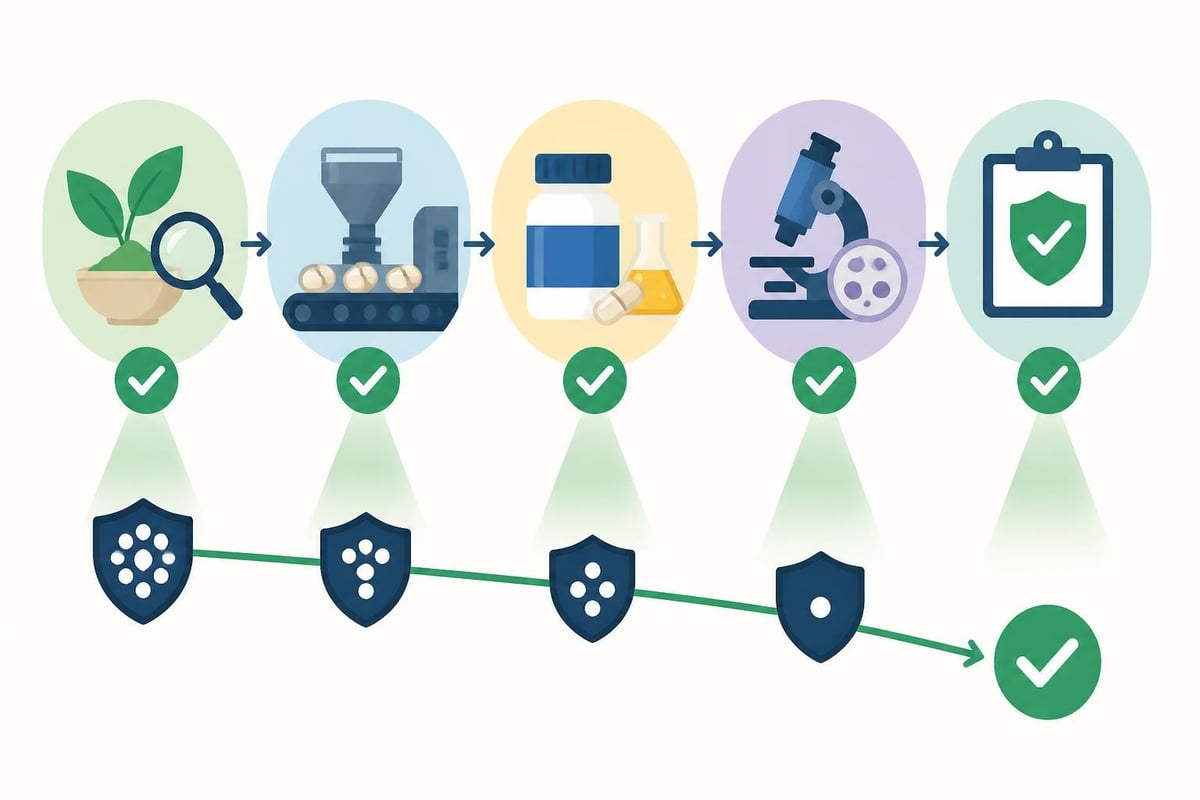
Current Good Manufacturing Practices (cGMP) establish baseline quality standards for supplement production. These regulations require identity testing of raw materials, documentation of manufacturing processes, and verification of finished product specifications.
Facilities certified by third parties such as NSF International or Underwriters Laboratories undergo regular audits beyond minimum FDA requirements. Quality supplements come from manufacturers who embrace these voluntary standards and make their certifications publicly verifiable.
Independent Verification Programs
Third-party testing programs provide an additional quality layer. Organizations like ConsumerLab, NSF Certified for Sport, and USP verify that products:
- Contain the ingredients listed on labels
- Match claimed potency within acceptable ranges
- Remain free from harmful levels of contaminants
- Exclude banned substances (relevant for athletes)
The systematic review on unauthorized pharmaceuticals in supplements documents widespread adulteration, particularly in weight loss, sexual enhancement, and sports performance categories. Independent testing identifies these risks before they reach consumers.
Trust Signals and Transparency
Beyond certifications and test results, quality supplements distinguish themselves through proactive transparency about sourcing, funding, and potential conflicts of interest.
Ingredient Sourcing Disclosure
High-quality manufacturers specify the geographic origin of ingredients, particularly for botanicals where growing conditions affect phytochemical profiles. They identify which suppliers provide raw materials and may share certificates of analysis upon request.
This level of transparency allows consumers to assess risk. For example, certain regions have higher rates of heavy metal contamination in soil, affecting crops grown there. Knowing source locations enables informed evaluation.
Research Funding and Bias Assessment
Industry-funded research isn't inherently invalid, but independent replication strengthens confidence. Companies that support but don't exclusively control their product research demonstrate greater commitment to scientific truth than efficacy claims.
Quality supplements often cite both industry-sponsored and independent studies. When most positive evidence comes from the manufacturer while independent research shows null effects, skepticism is warranted. The balanced perspective from Consumer Reports highlights this critical distinction.
Value Beyond Price
Cost per serving provides incomplete information about supplement value. Quality supplements may carry higher price tags while delivering superior cost-effectiveness when evaluated against outcomes achieved.
Calculating True Cost Per Dose
A $10 supplement with 30 servings containing subtherapeutic doses costs less upfront than a $25 product with 30 servings at research-backed amounts. However, the former delivers no benefit, making its actual value zero regardless of price.
Effective cost calculation divides price by the number of evidence-based servings provided:
- Product A: $20 for 60 capsules, 2 capsules daily at therapeutic dose = $0.67/day
- Product B: $12 for 90 capsules, 3 capsules daily at subtherapeutic dose = $0.40/day (but ineffective)
The Harvard Health perspective on multivitamins acknowledges that while expensive doesn't guarantee quality, very cheap products often cut corners on ingredient forms, testing, or effective dosing.
Avoiding the "Kitchen Sink" Trap
Some products pack dozens of ingredients at minimal doses to create impressive labels. This approach fragments the cost across too many components, preventing any single ingredient from reaching therapeutic levels.
Quality supplements typically focus on fewer ingredients at meaningful amounts rather than creating comprehensive but ineffective blends. Targeted formulations allow adequate investment in each component's quality, form, and dose.
| Product Type | Ingredient Count | Typical Dose Per Ingredient | Effectiveness |
|---|---|---|---|
| Kitchen sink formula | 30-50+ | Well below research doses | Low |
| Focused formulation | 3-8 | Matches clinical studies | High |
| Single-ingredient | 1 | Full therapeutic dose | Highest (for specific needs) |
Matching Supplements to Individual Goals
Generic recommendations rarely align with personal health priorities, baseline nutrient status, or genetic factors affecting absorption and metabolism. Personalization represents a crucial dimension of supplement quality.
Assessment Before Supplementation
Blood testing establishes baseline status for nutrients like vitamin D, B12, iron, and magnesium. This data prevents unnecessary supplementation while identifying genuine deficiencies requiring intervention. Quality supplements address documented needs rather than theoretical gaps.
For individuals focused on cognitive performance, targeting cognitive function through compounds like omega-3 fatty acids, phosphatidylserine, or citicoline makes more sense than broad-spectrum multivitamins that dilute investment across unneeded nutrients.
Goal-Oriented Selection
Different health objectives require different supplement strategies. Someone working to reduce fatigue might benefit from iron (if deficient), CoQ10, or B-complex vitamins, while improving immune function may call for vitamin D, zinc, or elderberry extract.
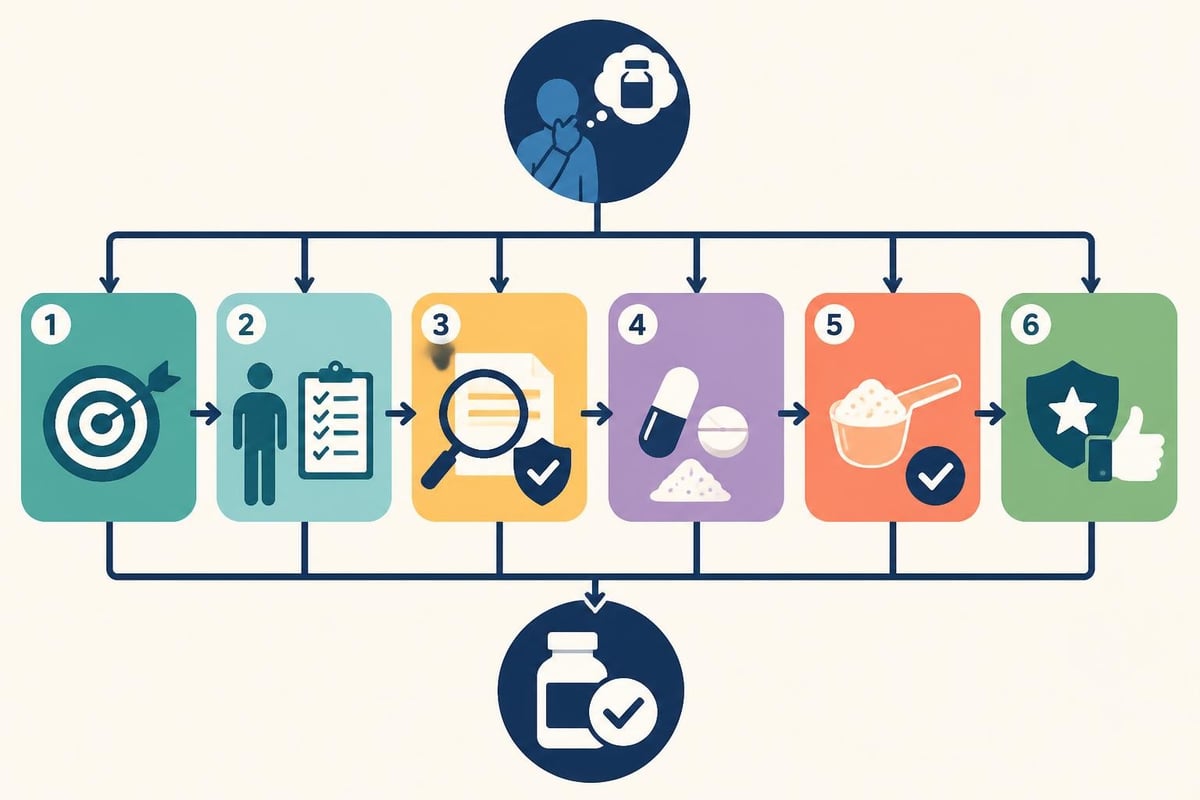
Platforms that rank supplements based on evidence, dose fit, trust, value, and availability for specific outcomes help narrow overwhelming options to targeted recommendations. The DoseRank methodology exemplifies this approach, filtering products through multiple quality dimensions simultaneously.
Avoiding Common Quality Pitfalls
Even informed consumers encounter challenges when evaluating quality supplements. Several recurring issues compromise both safety and effectiveness across the industry.
Proprietary Blend Opacity
Manufacturers sometimes list ingredients within "proprietary blends" without disclosing individual amounts. This practice prevents dose verification and makes comparison shopping impossible. While companies claim competitive protection, the lack of transparency undermines quality assessment.
Quality supplements provide complete supplement facts panels with specific amounts for every active ingredient. Transparency enables consumers to verify doses against research and calculate cost-effectiveness accurately.
Adulteration and Contamination Risks
The analytical review of adulteration in supplements reveals particularly high risks in sports nutrition, sexual enhancement, and weight loss categories. Undeclared pharmaceuticals, synthetic stimulants, and banned substances appear with concerning frequency.
Choosing products with third-party testing substantially reduces these risks. Athletes should specifically seek NSF Certified for Sport or Informed-Sport verification to avoid inadvertent doping violations from contaminated supplements.
Misleading Label Claims
Regulatory limitations allow manufacturers to make structure-function claims without FDA approval, provided they include disclaimers. Phrases like "supports," "promotes," or "maintains" can suggest benefits without substantiation.
Critical consumers examine whether label promises connect to specific evidence. Quality supplements either cite relevant research in product literature or provide references demonstrating the claimed effects in human studies.
The Role of Professional Guidance
While consumer education empowers better choices, complex health situations benefit from professional oversight. Healthcare providers offer context that self-directed research cannot fully replace.
When to Consult Practitioners
Certain scenarios warrant professional guidance before beginning supplementation:
- Pregnancy or breastfeeding
- Existing medical conditions, especially liver or kidney disease
- Multiple prescription medications
- Planned surgeries or procedures
- Unexplained symptoms requiring diagnosis
Registered dietitians, naturopathic doctors, and integrative medicine physicians can interpret lab values, identify nutrient interactions, and recommend therapeutic protocols that extend beyond single supplements.
Collaborative Decision-Making
The most effective approach combines professional expertise with consumer awareness. Patients who research quality supplements before appointments arrive prepared with informed questions. They can discuss specific products, review evidence together with providers, and create personalized plans that integrate supplementation with dietary and lifestyle modifications.
This collaboration prevents both the risks of unsupervised self-treatment and the limitations of practitioners unfamiliar with the latest supplement research. Quality outcomes emerge from this partnership.
Digital Tools for Quality Assessment
Technology has created new resources for evaluating quality supplements beyond reading labels and searching research databases manually.
Supplement Ranking Platforms
Comprehensive platforms analyze products across multiple quality dimensions simultaneously. Rather than researching dosing, checking for third-party testing, comparing prices, and reviewing evidence separately, integrated systems streamline this process.
Users specify their health goals, and algorithms filter thousands of products to surface options meeting evidence, dose, trust, and value thresholds. For instance, someone seeking to improve stress resilience receives rankings of ashwagandha, rhodiola, or L-theanine products that meet quality standards for that specific outcome.
Database and Research Tools
Several free resources support informed supplement selection:
- PubMed for accessing peer-reviewed research
- Examine.com for evidence summaries on ingredients
- NIH Office of Dietary Supplements for nutrient fact sheets
- Labdoor and ConsumerLab for independent test results
Cross-referencing information across sources reveals consensus while identifying conflicting claims that warrant skepticism. Quality supplements withstand scrutiny across multiple evaluation frameworks.
Building a Sustainable Supplement Strategy
Short-term supplementation for specific deficiencies differs from long-term maintenance approaches. Quality assessment must account for these different use cases and time horizons.
Acute Intervention vs. Ongoing Support
Correcting iron deficiency anemia requires higher doses for several months until iron stores replenish, followed by lower maintenance amounts or dietary sufficiency. This differs from ongoing vitamin D supplementation in individuals with limited sun exposure who need consistent intake.
Quality supplements for acute needs prioritize therapeutic dosing and rapid bioavailability. Maintenance products emphasize sustainable cost, minimal excipients, and forms suitable for extended use without accumulation risks.
Periodic Reassessment
Supplement needs change with age, activity level, diet quality, medication status, and health conditions. Annual or biannual review prevents unnecessary continued use while identifying new requirements.
Retesting biomarkers after three to six months of supplementation confirms whether chosen products achieve intended effects. If vitamin D remains low despite supplementation, the issue may involve absorption problems, inadequate dosing, or product quality rather than simple deficiency.
Integration with Dietary Sources
Quality supplements complement rather than replace whole food nutrition. The synergistic effects of nutrients consumed together in their natural food matrices often exceed isolated compound supplementation.
Food First Philosophy
Obtaining nutrients from diverse whole foods provides fiber, phytonutrients, and cofactors absent from supplements. A diet rich in fruits, vegetables, whole grains, lean proteins, and healthy fats establishes the foundation for health that supplementation enhances but cannot substitute.
Supplements address gaps where dietary intake consistently falls short due to preferences, restrictions, or increased requirements. Someone following a vegan diet might need vitamin B12 supplementation regardless of overall diet quality, since this nutrient appears almost exclusively in animal products.
Synergy and Absorption Optimization
Certain nutrients enhance each other's absorption when consumed together. Fat-soluble vitamins (A, D, E, K) absorb better with dietary fat. Vitamin C improves iron absorption from plant sources. Vitamin D aids calcium absorption and utilization.
Quality supplements sometimes include cofactors that support bioavailability-vitamin K2 in combination with vitamin D3, or bioperine (black pepper extract) to enhance curcumin absorption. These thoughtful formulations reflect evidence-based design.
Making Your First Quality Purchase
After understanding the dimensions that define quality supplements, practical steps guide the selection process for specific products.
Start with Clear Goals
Define what you want to achieve before browsing products. "General health" proves too vague for targeted evaluation. Instead, identify specific outcomes like supporting muscle recovery after exercise, addressing occasional constipation, or improving memory.
Specific goals enable research into which ingredients demonstrate efficacy for those outcomes. This focus prevents purchasing based on marketing rather than evidence.
Apply Quality Criteria Systematically
For each product under consideration:
- Verify doses match research-backed amounts
- Check for third-party testing certification
- Confirm cGMP manufacturing
- Review ingredient forms for bioavailability
- Calculate cost per evidence-based serving
- Search for independent analyses or reviews
- Assess manufacturer transparency and reputation
Products meeting most or all criteria represent quality supplements worth purchasing. Those failing multiple checks warrant exclusion regardless of price or marketing appeal.
Leverage Decision Support Tools
Rather than manually researching every dimension, tools like the DoseRank platform aggregate quality metrics across thousands of products. Quick assessments through the supplement quiz identify personalized recommendations that have already passed screening for evidence, dosing, trust, and value.
This approach saves hours of research while reducing the risk of overlooking critical quality factors. It transforms supplement selection from an overwhelming task into a straightforward process guided by data rather than guesswork.
Identifying quality supplements requires evaluating evidence strength, dose accuracy, manufacturing integrity, third-party testing, and alignment with individual health goals rather than relying on marketing claims or brand recognition. When you're ready to cut through the noise and find supplements that actually work for your specific needs, DoseRank provides evidence-based rankings across all these quality dimensions, helping you invest in products that deliver measurable results.