
DOSERANK guide
Pre Workouts Ranked: Evidence-Based Performance Guide
Published
Finding the right pre-workout supplement can feel overwhelming when you're faced with hundreds of options, each claiming to deliver superior energy, focus, and performance. Whether you're a competitive athlete or someone simply looking to maximize gym sessions, understanding how pre workouts ranked can help you make informed decisions based on evidence rather than marketing hype. The supplement industry continues to grow in 2026, with new formulas launching monthly, but not all products deliver on their promises. This guide breaks down what separates genuinely effective pre-workouts from those that fall short.
Understanding Pre-Workout Supplement Rankings
Pre-workout supplements have evolved significantly over the past decade. Early formulations relied heavily on excessive caffeine and proprietary blends that obscured actual ingredient doses. Modern consumers demand transparency, and the best products now feature clear labeling with clinically studied dosages.
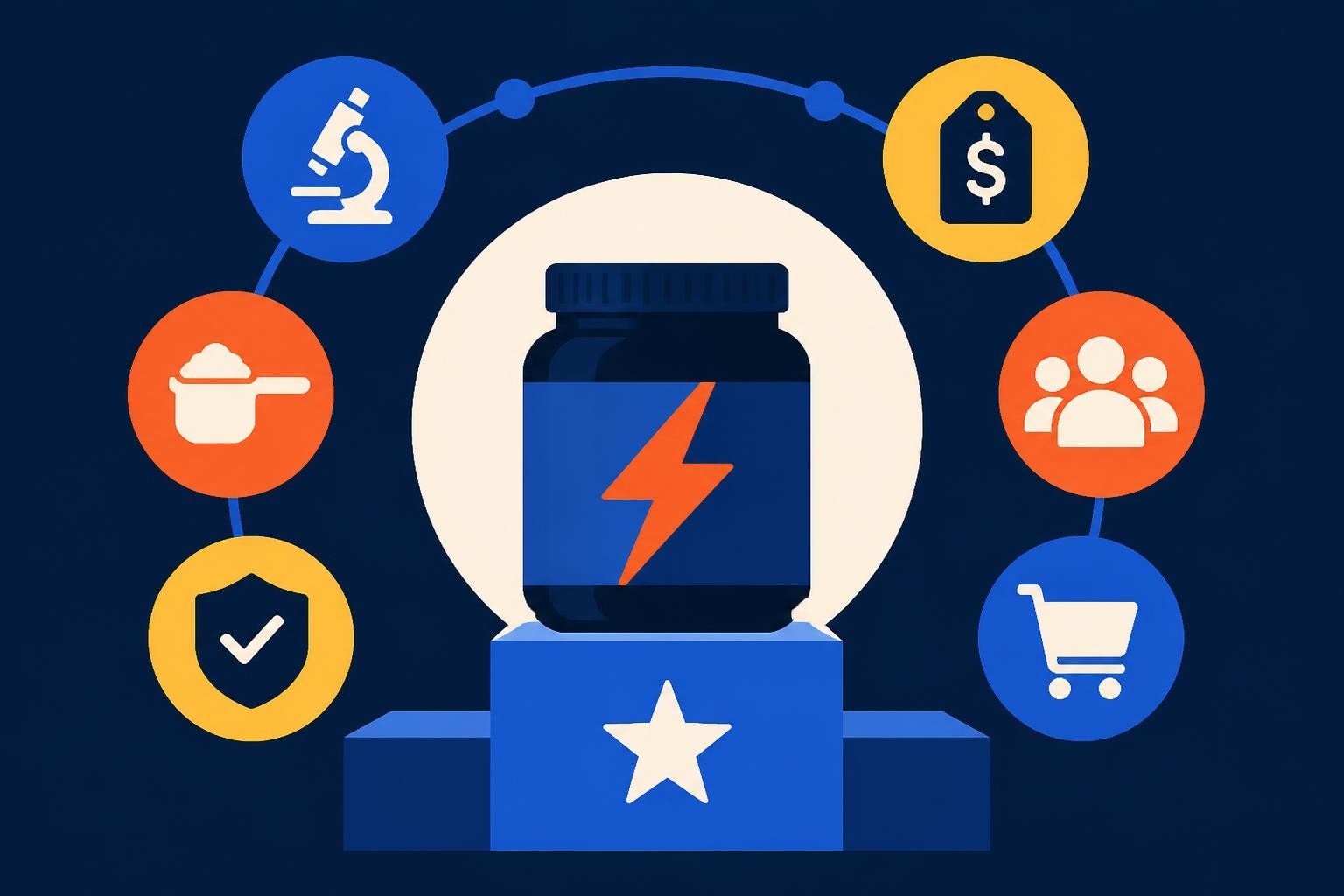
When evaluating how pre workouts ranked, several critical factors emerge. Evidence quality examines whether ingredients have legitimate research backing their performance claims. Dose accuracy determines if formulas contain enough of each active ingredient to produce measurable effects. Brand trust reflects manufacturing standards, third-party testing, and company transparency. Value considers cost per serving relative to ingredient quality. Popularity indicates real-world user satisfaction, while availability ensures you can actually purchase the product when needed.
The Six Pillars of Pre-Workout Rankings

A comprehensive ranking system should weigh multiple dimensions rather than focusing solely on ingredient lists. Here's how each pillar contributes to overall quality:
| Ranking Criterion | What It Measures | Why It Matters |
|---|---|---|
| Evidence Strength | Peer-reviewed research supporting ingredients | Separates science from marketing claims |
| Dose Fit | Alignment with clinically effective amounts | Underdosed formulas waste money |
| Brand Trust | Testing, certifications, transparency | Ensures label accuracy and safety |
| Value | Cost per effective dose | Prevents overpaying for hype |
| Popularity | User reviews and repeat purchases | Reflects real-world satisfaction |
| Availability | Distribution and stock consistency | Matters for long-term use |
This systematic methodology provides a framework for evaluating any supplement category objectively.
Core Ingredients That Define Quality Pre-Workouts
The foundation of any pre-workout formula lies in its active ingredients. Research on multi-ingredient pre-workout supplements demonstrates that properly dosed formulas can enhance both anaerobic and aerobic performance markers. However, effectiveness depends entirely on ingredient selection and dosing.
Caffeine: The Universal Performance Enhancer
Caffeine remains the most researched and effective pre-workout ingredient. Studies consistently show that doses between 3-6 mg per kilogram of body weight improve endurance, strength output, and mental focus. For a 180-pound individual, this translates to approximately 200-400 mg per serving.
Key caffeine considerations:
- Tolerance builds with regular use
- Timing matters (consume 30-60 minutes pre-workout)
- Source quality varies (anhydrous vs. natural extracts)
- Individual sensitivity ranges widely
Some formulas include 150 mg while others exceed 400 mg. Neither extreme suits everyone, which is why understanding your personal tolerance proves essential before selecting a product.
Beta-Alanine for Muscular Endurance
Beta-alanine produces that distinctive tingling sensation many users associate with pre-workouts. Beyond the paresthesia, this amino acid serves a legitimate performance function. It increases muscle carnosine levels, which buffers hydrogen ions during high-intensity exercise.
Effective dosing requires patience. While acute doses of 3.2-6.4 grams produce immediate tingling, the performance benefits accumulate over weeks of consistent supplementation. Studies examining acute pre-workout effects show enhanced power output, but chronic loading strategies deliver more substantial gains.
Citrulline and Nitric Oxide Production
L-citrulline and citrulline malate have largely replaced L-arginine in modern formulas. The body converts citrulline to arginine more efficiently than directly supplemented arginine, leading to superior nitric oxide production and improved blood flow.
Research supports doses of 6-8 grams of citrulline malate or 3-6 grams of pure L-citrulline. Many budget pre-workouts include only 1-2 grams, insufficient to produce meaningful vasodilation or performance enhancement.
How Evidence Separates Top-Tier Pre-Workouts
The gap between marketing claims and scientific evidence remains substantial across the supplement industry. When examining how pre workouts ranked based on evidence quality, several patterns emerge that distinguish legitimate products from those relying on pseudoscience.
Research-Backed vs. Proprietary Blends
Proprietary blends represent a significant red flag in pre-workout formulations. These undisclosed mixtures prevent consumers from verifying actual ingredient doses. A product might list "6,000 mg Proprietary Performance Blend" containing ten ingredients, but you cannot determine if the caffeine dose is 50 mg or 500 mg.
Transparent labeling has become the industry standard among reputable manufacturers. Comprehensive reviews of popular pre-workout supplements consistently favor products with clear ingredient disclosure over those hiding behind proprietary formulas.
Clinical Doses vs. Pixie Dusting
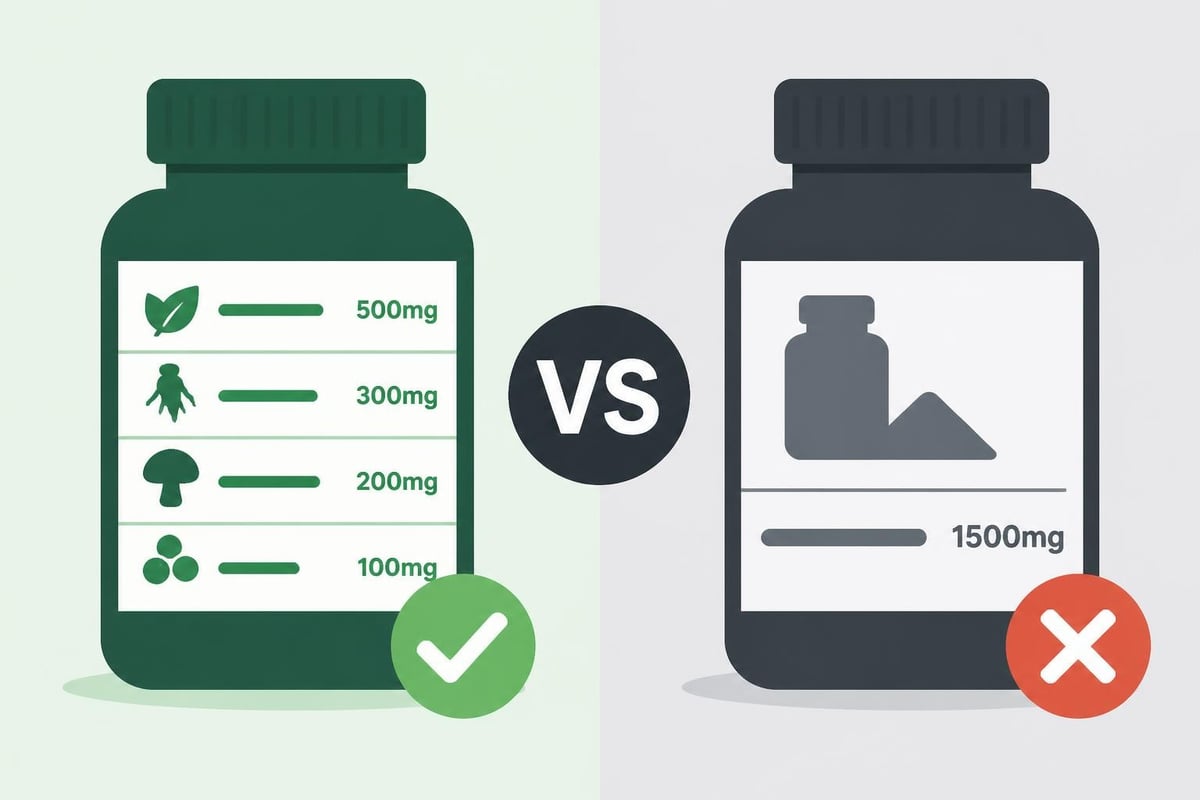
"Pixie dusting" describes the practice of including trace amounts of popular ingredients solely for marketing purposes. A formula might contain 25 mg of an ingredient requiring 500 mg for efficacy, allowing the manufacturer to claim the ingredient is present while providing no actual benefit.
Common pixie-dusted ingredients in pre-workouts:
- Alpha-GPC (needs 300-600 mg, often included at 50 mg)
- L-theanine (effective at 100-200 mg, often added at 25 mg)
- Betaine (requires 2.5 grams, frequently present at 500 mg)
- Rhodiola rosea (needs 200-600 mg, commonly included at 50 mg)
Savvy consumers compare label amounts against established research thresholds. This simple practice eliminates many products that prioritize marketing over effectiveness.
Pre-Workout Categories and Specialized Formulations
Not all pre-workouts serve identical purposes. Understanding different categories helps match products to specific training goals and individual needs.
Stimulant-Based vs. Stimulant-Free Options
Traditional pre-workouts center around caffeine and other stimulants. These formulas excel for morning workouts, energy boosts during fatigue, and activities requiring peak alertness. However, late-day training, stimulant sensitivity, or simple preference drives demand for stimulant-free alternatives.
Quality stimulant-free pre-workouts emphasize pump ingredients (citrulline, agmatine), endurance compounds (beta-alanine, betaine), and focus enhancers that don't affect sleep (L-tyrosine at lower doses). These products prove particularly valuable for individuals already consuming adequate caffeine through coffee or energy drinks.
Strength-Focused Formulations
Pre-workouts designed specifically for strength training typically include higher doses of creatine monohydrate, betaine, and sometimes ingredients supporting phosphocreatine recovery. Research on pre-workout supplements and strength performance indicates that creatine-containing formulas produce measurable improvements in power output and total training volume.
These formulas often contain lower caffeine doses than endurance-oriented products, recognizing that excessive stimulation can interfere with technical lifting requiring precise motor control.
Endurance and Cardio Optimization
Endurance athletes benefit from different ingredient profiles. Sodium bicarbonate buffers lactate, while higher beta-alanine doses extend time to exhaustion. Studies on metabolic responses to pre-workout supplementation demonstrate that properly formulated products can reduce perceived exertion during prolonged exercise.
Electrolyte inclusion becomes more critical for endurance formulas, particularly for sessions exceeding 60 minutes or training in hot environments. The best endurance pre-workouts balance energy support with hydration and buffering capacity.
Timing, Dosing, and Cycling Strategies
How you consume pre-workouts matters as much as which product you choose. Optimal timing and strategic cycling maximize benefits while minimizing tolerance development and potential side effects.
Absorption Windows and Workout Timing
Most pre-workout ingredients reach peak blood concentration 30-60 minutes after ingestion. Caffeine absorbs relatively quickly (15-45 minutes), while amino acids like citrulline may require 45-90 minutes for maximal effect.
Practical timing guidelines:
- Powder formulas on empty stomach: 30-45 minutes pre-workout
- Capsule formulas: 45-60 minutes pre-workout
- After small meal: Add 15-30 minutes to absorption time
- For morning workouts: Consider taking immediately upon waking
Individual digestive speed varies. Some users experience optimal effects at 20 minutes, while others need a full hour. Experimentation determines personal timing.
Tolerance Management and Cycling Protocols
Caffeine tolerance develops within 1-2 weeks of consistent use. Adenosine receptor adaptation reduces caffeine's effectiveness, requiring higher doses to achieve identical effects. Strategic cycling prevents this adaptation while maintaining performance benefits.
| Cycling Strategy | Protocol | Best For |
|---|---|---|
| Weekly Reset | 2 days off per week | Moderate users (1 serving daily) |
| Monthly Break | 5-7 days off every 4 weeks | Heavy users (2+ servings daily) |
| Alternating Products | Rotate stimulant and non-stim formulas | Those training 6-7 days weekly |
| Dose Variation | Alternate full and half doses | Maintaining minimum effective dose |
Cycling also applies to non-stimulant ingredients. Beta-alanine maintains effectiveness with continuous use, but cycling citrulline (2-3 months on, 2-4 weeks off) may preserve vascular responsiveness.
Safety Considerations and Quality Markers
Pre-workout supplements remain largely unregulated by the FDA, placing responsibility on consumers to verify product safety and quality. Several markers help identify trustworthy manufacturers and formulations.
Third-Party Testing and Certifications
Independent testing provides the only reliable verification of label accuracy. Several organizations offer certification programs that test for banned substances, heavy metals, and label claim verification.
Recognized third-party certifications:
- NSF Certified for Sport
- Informed Choice/Informed Sport
- USP Dietary Supplement Verification
- ConsumerLab.com Approved Quality
Products carrying these certifications undergo regular batch testing. While certification increases product cost, it provides assurance particularly important for competitive athletes subject to drug testing.
Red Flags and Ingredients to Avoid
Certain ingredients signal potentially dangerous or ineffective formulations. DMAA (1,3-dimethylamylamine) and its analogs remain illegal in many jurisdictions yet occasionally appear in pre-workouts. Synephrine at high doses can elevate blood pressure and heart rate beyond safe levels.
Long-term studies examining pre-workout supplementation with and without questionable ingredients highlight the importance of selecting formulas with established safety profiles. Excessive caffeine (over 400 mg per serving) poses cardiovascular risks, particularly when combined with other stimulants.
Evaluating Value Beyond Price Per Serving
Cost analysis requires looking beyond simple price comparisons. A $20 pre-workout with 20 servings ($1.00 per serving) might seem cheaper than a $45 product with 30 servings ($1.50 per serving), but if the cheaper option requires double-dosing for effectiveness, it actually costs more.
True Cost Analysis Framework
Calculate effective cost by dividing total price by the number of effective doses rather than labeled servings. If a product recommends 1-2 scoops and you consistently need 2 scoops for desired effects, that 30-serving container actually provides 15 workouts.
Value calculation example:
- Product A: $40 for 30 servings at clinically effective doses = $1.33 per workout
- Product B: $25 for 30 servings underdosed, requiring 2 scoops = $1.67 per workout
- Product C: $60 for 40 servings at premium doses = $1.50 per workout
Product A delivers better value than Product B despite higher sticker price, while Product C represents a premium option justified by superior formulation.
Comparing Standalone Ingredients vs. Pre-Made Formulas
Some athletes prefer purchasing individual ingredients and creating custom stacks. This approach offers maximum control and potentially superior value, but requires knowledge, time, and tolerance for mixing powders.
| Approach | Pros | Cons | Best For |
|---|---|---|---|
| Pre-Made Formulas | Convenience, taste, balanced ratios | Higher cost per ingredient, less flexibility | Most users, beginners |
| DIY Stacks | Maximum customization, best value | Time investment, taste challenges, requires knowledge | Experienced users, budget-conscious |
| Hybrid Approach | Core pre-workout plus targeted additions | Moderate complexity and cost | Intermediate users with specific needs |
Many experienced users adopt a hybrid approach, selecting a base pre-workout and supplementing with additional ingredients like creatine or extra citrulline to match personal requirements. If you're uncertain about which supplements best match your specific training goals, platforms like DoseRank help identify products through a 60-second quiz that considers your individual needs and preferences.
How Individual Goals Influence Pre-Workout Selection
Training objectives dramatically affect which pre-workout formulation delivers optimal results. A powerlifter's needs differ substantially from a marathon runner's requirements, just as a beginner's tolerance varies from a veteran athlete's capacity.
Matching Formulas to Training Styles
High-intensity interval training (HIIT) demands quick energy availability and buffering capacity. Pre-workouts for HIIT should emphasize beta-alanine (4-6 grams), caffeine (200-300 mg), and sodium bicarbonate. Recovery between intervals improves with adequate citrulline (6-8 grams).
Bodybuilding and hypertrophy training benefits from pump-focused ingredients and sustained energy. Citrulline malate, glycerol, and agmatine sulfate enhance muscle fullness. Moderate caffeine (150-250 mg) maintains focus without excessive stimulation that might impair mind-muscle connection.
Powerlifting and maximal strength requires mental arousal and phosphocreatine support. Creatine monohydrate (5 grams), betaine (2.5 grams), and moderate-to-high caffeine (250-350 mg) optimize neural drive and power output. Beta-alanine provides minimal benefit for sets under 12 repetitions.
Endurance training prioritizes lactate buffering, mental focus during fatigue, and sustained energy release. Beta-alanine, moderate caffeine (100-200 mg for caffeine-sensitive endurance athletes), and electrolytes support performance without gastrointestinal distress common with high-stimulant formulas.
Accounting for Individual Response Variation
Genetic factors influence caffeine metabolism, stimulant sensitivity, and beta-alanine tingling intensity. CYP1A2 gene variants determine whether you're a fast or slow caffeine metabolizer. Fast metabolizers clear caffeine quickly, potentially requiring higher doses or multiple daily servings. Slow metabolizers experience prolonged effects and elevated side effect risk.
Self-assessment questions for personalization:
- How do you respond to coffee or energy drinks?
- Do you train morning, afternoon, or evening?
- Are you sensitive to tingling sensations?
- Do you experience anxiety or jitters from stimulants?
- What's your primary training goal this quarter?
Honest answers guide product selection more effectively than generic recommendations. Someone training at 6 PM who struggles sleeping should avoid high-caffeine formulas regardless of training goals.
The Future of Pre-Workout Supplementation
Innovation continues reshaping the pre-workout category. Novel ingredients, improved delivery systems, and personalization technologies promise enhanced effectiveness and user experience in coming years.
Emerging Ingredients and Delivery Technologies
Paraxanthine represents the next evolution in caffeine supplementation. This primary caffeine metabolite delivers energy and focus benefits without the jitters or sleep disruption associated with traditional caffeine. Early products featuring paraxanthine launched in 2025, with wider adoption expected throughout 2026.
Time-release caffeine systems use microencapsulation to extend energy delivery across 4-6 hours rather than producing a sharp spike followed by a crash. These sustained-release formulations particularly benefit endurance athletes and those training for extended sessions.
Nootropic integration brings cognitive enhancement ingredients previously limited to standalone brain supplements into pre-workout formulas. Lion's mane mushroom extract, alpha-GPC, and huperzine A appear in premium formulations targeting enhanced focus and mind-muscle connection. For individuals experiencing mental cloudiness that affects training quality, addressing cognitive function through proper supplementation can improve workout focus and results.
Personalization Through Data and AI
Advanced platforms now offer customized pre-workout recommendations based on genetic data, training metrics, and individual response patterns. Integration with fitness wearables allows algorithms to adjust ingredient recommendations based on sleep quality, heart rate variability, and training load.
This data-driven approach moves beyond generic formulations toward truly personalized supplementation. Rather than guessing which product might work, users receive specific recommendations tailored to their biochemistry and goals.

Real-World Application and Testing Protocols
Understanding how pre workouts ranked in laboratory settings provides valuable information, but real-world testing determines whether a product truly delivers for your specific needs and training context.
Establishing Baseline Metrics
Before introducing any pre-workout supplement, establish baseline performance metrics. This allows objective assessment of whether a product produces measurable improvements or simply creates subjective feelings without actual performance enhancement.
Recommended baseline measurements:
- Strength training: Record weight, reps, and perceived exertion for 3-5 key exercises over 2 weeks
- Endurance work: Track time to completion, average heart rate, and rate of perceived exertion for standard distances
- HIIT sessions: Monitor total rounds completed, rest periods needed, and recovery heart rate between intervals
- Subjective factors: Rate energy (1-10), focus (1-10), and motivation (1-10) pre-workout over 2 weeks
After establishing baselines, introduce the pre-workout while maintaining identical training protocols. Comparison between baseline and supplemented periods reveals actual product effects rather than placebo responses.
Structured Testing Approach
Valid testing requires controlling variables and allowing adequate trial periods. Scientific reviews of pre-workout supplement effectiveness emphasize the importance of consistent protocols and sufficient duration to observe genuine adaptations.
4-Week Testing Protocol:
- Week 1: Establish baseline performance without supplementation
- Week 2-3: Use pre-workout at recommended dose 30-45 minutes before training
- Week 4: Washout week without supplementation to assess sustained benefits
- Ongoing: Rotate products every 6-8 weeks to prevent tolerance and compare effectiveness
This structured approach identifies products that genuinely enhance performance versus those producing only short-term placebo effects or adaptation independent of supplementation.
Industry Trends Shaping Pre-Workout Development
Consumer preferences and regulatory pressures continuously reshape pre-workout formulations. Several trends dominate product development in 2026, influencing how manufacturers approach new releases and reformulations.
Clean Label Movement and Natural Ingredients
Demand for "clean" supplements free from artificial colors, flavors, and sweeteners has forced manufacturers to reformulate flagship products. Natural alternatives like stevia, monk fruit, and fruit-based colors replace artificial additives, though these natural options sometimes compromise taste and mixability.
The clean label trend extends beyond cosmetic ingredients to active compounds. Plant-based caffeine from green tea or coffee beans replaces synthetic caffeine anhydrous in some formulas. While chemically identical, natural sources appeal to consumers prioritizing whole-food-derived ingredients.
Transparency and Full Disclosure Labeling
Proprietary blends have largely disappeared from premium pre-workouts. Consumers increasingly demand complete transparency, forcing brands to disclose exact ingredient doses. This shift empowers informed decision-making but also reveals that many "premium" products contain identical ingredients at similar doses, differentiated primarily by branding and marketing.
Full disclosure creates competitive pressure to increase doses to clinically effective levels. A transparent formula underdosing key ingredients faces immediate consumer backlash and poor rankings on review platforms.
Sustainability and Ethical Sourcing
Environmental consciousness influences purchasing decisions for supplement consumers in 2026. Brands emphasize sustainable ingredient sourcing, recyclable packaging, and carbon-neutral shipping. While these factors don't affect product efficacy, they increasingly influence brand loyalty and purchase decisions among environmentally conscious athletes.
Fair-trade certifications for ingredients like coffee-derived caffeine and sustainably harvested adaptogens appear on premium product labels. Whether these certifications justify premium pricing depends on individual value alignment beyond pure performance considerations.
Choosing an effective pre-workout supplement requires evaluating multiple factors beyond marketing claims and flashy packaging. Evidence quality, dose accuracy, brand trust, value, and individual compatibility all contribute to finding a product that genuinely enhances your training. The best pre-workout for you depends on your specific goals, stimulant tolerance, training schedule, and budget constraints. DoseRank simplifies this complex decision by ranking supplements across evidence, dose fit, trust, value, popularity, and availability, helping you identify products that match your needs through objective, data-driven evaluation rather than marketing hype.