
DOSERANK guide
Natural Supplements to Sleep: Evidence-Based Guide 2026
Published
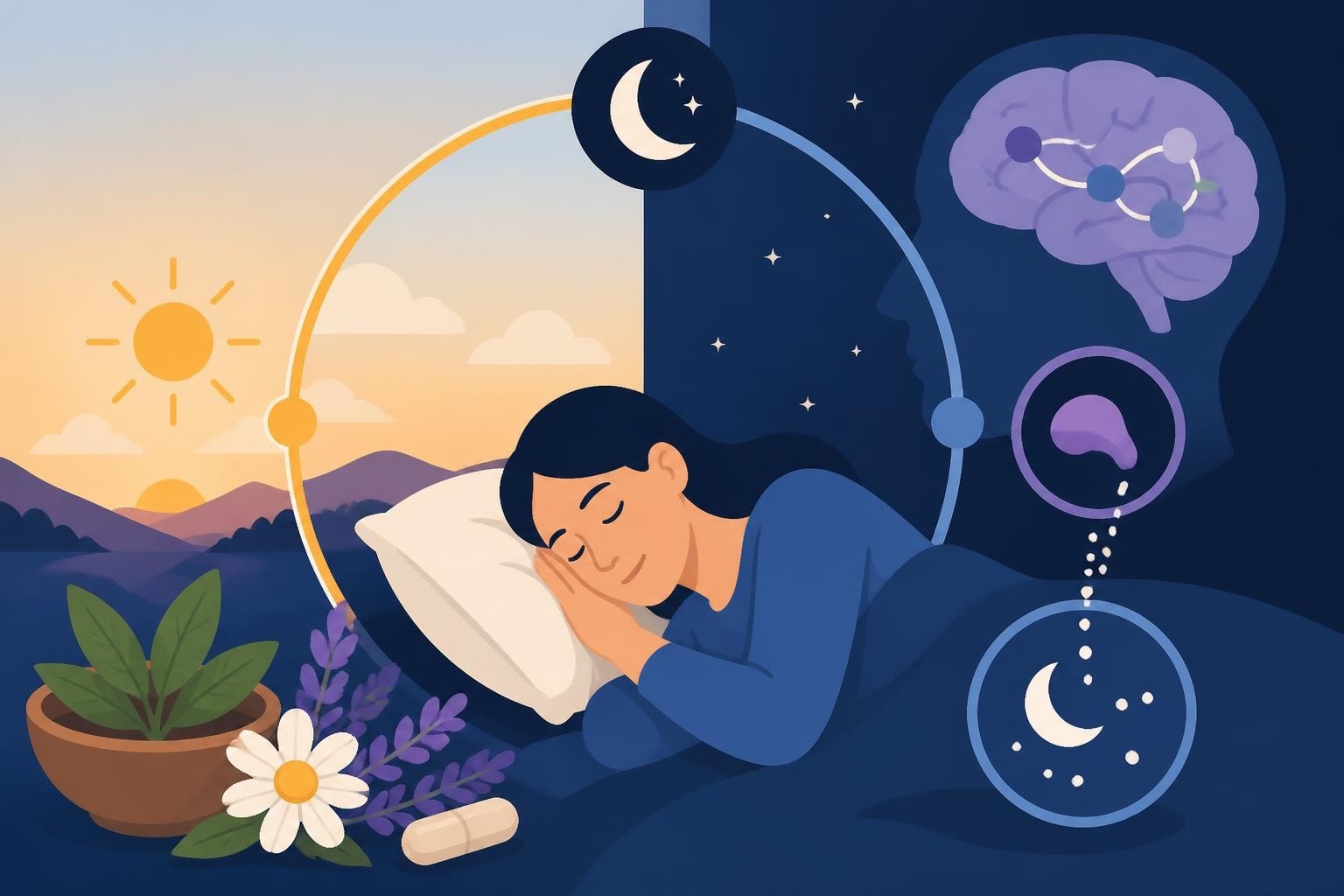
Sleep challenges affect millions of Americans, with many turning to natural supplements to sleep rather than prescription medications. The supplement market offers dozens of options claiming to improve rest, but the evidence behind these products varies significantly. Understanding which natural supplements to sleep actually work requires examining clinical research, optimal dosing strategies, and how different compounds interact with your body's sleep mechanisms. This guide explores the most studied options available in 2026, helping you make informed decisions based on scientific evidence rather than marketing claims.
Understanding How Natural Sleep Supplements Work
Natural supplements to sleep target different physiological pathways that regulate your sleep-wake cycle. Some compounds work directly on neurotransmitter systems, while others influence hormonal signals or muscle relaxation.
The circadian rhythm, your body's internal clock, plays a central role in sleep regulation. This 24-hour cycle responds to environmental cues and internal chemical messengers. Natural supplements can influence this rhythm by either mimicking sleep-promoting hormones or supporting the production of calming neurotransmitters like GABA.
Key mechanisms of action include:
- Hormone regulation through melatonin supplementation
- GABA receptor activation for nervous system calming
- Muscle relaxation via mineral support
- Inflammation reduction affecting sleep quality
- Cortisol modulation to manage stress response
Different supplements work best at different stages of the sleep problem. Some help you fall asleep faster by promoting drowsiness, while others improve sleep maintenance, keeping you asleep throughout the night. Understanding these distinctions helps match the right supplement to your specific sleep challenge.
Melatonin: The Most Studied Sleep Hormone
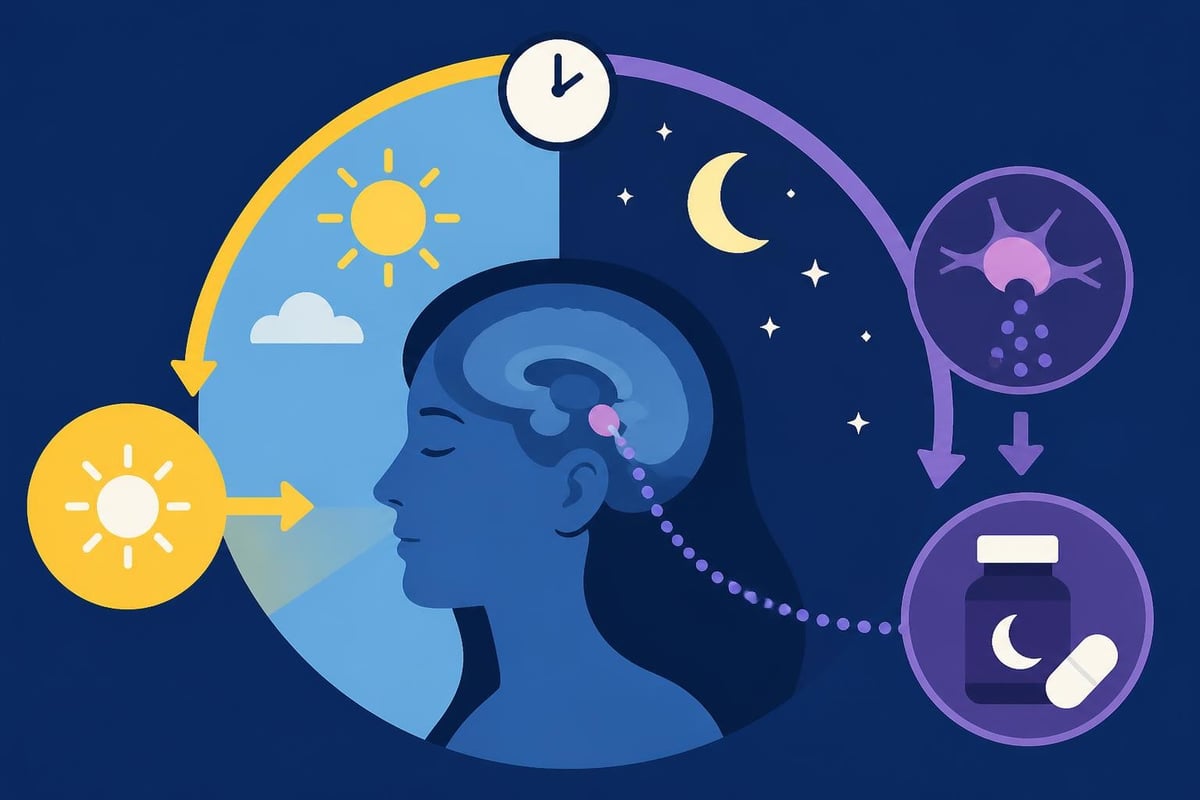
Melatonin stands as the most researched natural supplement to sleep, with hundreds of clinical trials examining its effectiveness. Your pineal gland naturally produces this hormone in response to darkness, signaling to your body that it's time to sleep.
Supplemental melatonin works best for specific sleep issues rather than as a universal solution. Research shows particular effectiveness for jet lag, shift work disorder, and delayed sleep phase syndrome. Studies on melatonin timing and dosage reveal that timing matters more than most people realize.
Optimal Melatonin Dosing and Timing
The effective dose range varies considerably based on the sleep issue being addressed. Most research uses doses between 0.3 mg and 5 mg, with lower doses often proving as effective as higher ones for many conditions.
| Sleep Issue | Recommended Dose | Timing Before Bed | Duration |
|---|---|---|---|
| Jet lag | 0.5-5 mg | 30-60 minutes | 3-5 days |
| Shift work | 2-3 mg | Before intended sleep | As needed |
| Delayed sleep phase | 0.3-5 mg | 2-3 hours | 4-12 weeks |
| General insomnia | 1-3 mg | 30-60 minutes | Short-term |
Taking melatonin too early or too late reduces its effectiveness. The supplement works by shifting your circadian rhythm, not by inducing immediate sedation like sleeping pills. This distinction explains why some users report disappointing results when using it incorrectly.
Extended-release formulations may benefit people who wake frequently during the night, though immediate-release versions work better for sleep initiation problems. The choice between formulations should align with your specific sleep pattern disruptions.
Magnesium for Sleep Quality and Muscle Relaxation
Magnesium represents another well-studied natural supplement to sleep, working through different mechanisms than melatonin. This essential mineral supports over 300 enzymatic reactions in your body, including those involved in nervous system regulation and muscle function.
Research on magnesium as a sleep aid demonstrates benefits for people with deficiency or borderline-low levels. The mineral acts on GABA receptors, promoting relaxation and reducing neural excitability. It also regulates melatonin production and helps maintain healthy circadian rhythms.
Different magnesium forms offer varying absorption rates and effects:
- Magnesium glycinate: High bioavailability, gentle on digestion, best for sleep
- Magnesium citrate: Good absorption, may have laxative effects at higher doses
- Magnesium oxide: Poor absorption, primarily used for constipation relief
- Magnesium threonate: Crosses blood-brain barrier, researched for cognitive benefits
- Magnesium malate: Energy production support, less sedating
Most sleep-focused research uses magnesium glycinate at doses between 200-400 mg taken 30 minutes before bed. This form combines magnesium with glycine, an amino acid that also promotes relaxation through its own mechanisms.
Platforms that evaluate supplements based on evidence and dose fit can help identify products using appropriate forms and amounts. DoseRank analyzes these factors alongside trust, value, and availability to rank options for specific health outcomes, including sleep quality improvement.
L-Theanine and GABA-Promoting Compounds
L-theanine, an amino acid found primarily in tea leaves, has gained attention as a natural supplement to sleep that works through calming neurotransmitter pathways. Unlike sedatives, it promotes relaxation without causing drowsiness during the day.
Clinical research shows L-theanine increases alpha brain wave activity, associated with relaxed alertness. It also modulates levels of serotonin, dopamine, and GABA. Studies typically use doses between 200-400 mg, taken either during the day for stress management or before bed for sleep support.
Comparing GABA-Influencing Supplements
Several natural supplements to sleep work by enhancing GABA activity, the primary inhibitory neurotransmitter in your brain. Each compound takes a different approach to achieving this calming effect.
| Supplement | Mechanism | Typical Dose | Evidence Level |
|---|---|---|---|
| L-theanine | Increases GABA, serotonin, dopamine | 200-400 mg | Moderate |
| Valerian root | GABA receptor modulation | 300-600 mg | Mixed |
| Passionflower | GABA enhancement | 250-500 mg | Limited |
| Lemon balm | GABA transaminase inhibition | 300-500 mg | Preliminary |
The evidence for natural sleep aids varies considerably across different compounds, with some showing consistent benefits while others demonstrate effects barely distinguishing from placebo. Evaluating supplement options requires looking beyond marketing claims to examine actual clinical trial results.
Herbal Supplements: Valerian, Chamomile, and Lavender
Traditional herbal remedies remain popular natural supplements to sleep, though their scientific backing varies. Valerian root has the most extensive research among herbal options, with studies spanning several decades.
Valerian appears to work through multiple mechanisms, including GABA receptor interaction and adenosine pathway modulation. Safety concerns and effectiveness questions have emerged regarding standardization and potential side effects, particularly with long-term use.
Evidence summary for common herbal sleep aids:
- Valerian root: Mixed results in clinical trials, may require 2-4 weeks for full effects
- Chamomile: Mild effects, primarily studied for anxiety rather than sleep specifically
- Lavender: Aromatherapy shows promise, oral supplementation less studied
- Passionflower: Limited human trials, traditionally combined with other herbs
- Hops: Emerging research on GABAA receptor modulation shows potential mechanisms
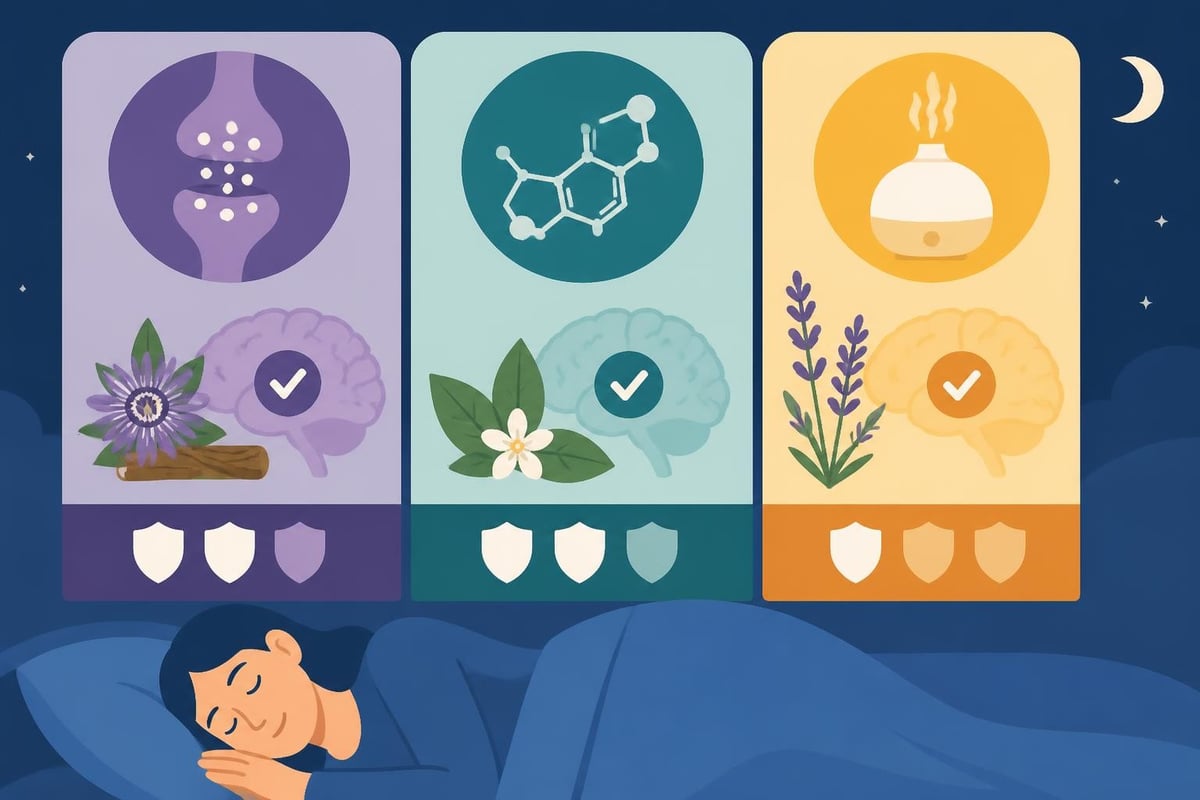
Most herbal supplements work gradually rather than providing immediate sedation. This pattern means they require consistent use over days or weeks to demonstrate full effectiveness, unlike pharmaceutical sleep aids that work the first night.
Quality control presents challenges with herbal products, as active compound concentrations vary significantly between brands and even between batches from the same manufacturer. Standardized extracts provide more consistent dosing than whole herb preparations.
Glycine and Amino Acid Support for Sleep
Glycine, the simplest amino acid, functions as both an inhibitory neurotransmitter and a building block for proteins throughout your body. As a natural supplement to sleep, glycine offers unique benefits backed by intriguing research.
Studies show that 3 grams of glycine taken before bed improves subjective sleep quality and reduces daytime sleepiness. The amino acid appears to work by lowering core body temperature and modulating circadian rhythms through receptors in the suprachiasmatic nucleus.
Research participants report falling asleep faster, experiencing fewer nighttime awakenings, and feeling more refreshed upon waking. These effects occur without the grogginess or dependency risks associated with pharmaceutical sleep medications.
Tryptophan and 5-HTP Pathways
Tryptophan and its metabolite 5-HTP represent another category of amino acid supplements targeting sleep through serotonin production. Your body converts tryptophan to 5-HTP, which then converts to serotonin and eventually melatonin.
Supplemental tryptophan faces competition from other amino acids for brain uptake, reducing its effectiveness when taken with protein-containing meals. 5-HTP bypasses this competition, potentially offering advantages as a natural supplement to sleep.
Doses studied for sleep typically range from 500-1000 mg for tryptophan and 50-300 mg for 5-HTP. Taking these supplements on an empty stomach with a small amount of carbohydrate may enhance absorption and effectiveness.
Combination Formulas and Synergistic Effects
Many supplement manufacturers combine multiple ingredients into sleep-focused formulas, attempting to create synergistic effects. These products might include melatonin, magnesium, L-theanine, and various herbs in a single capsule.
The theoretical advantage lies in targeting multiple sleep-regulation pathways simultaneously. A combination might address sleep onset through melatonin, muscle relaxation through magnesium, and anxiety reduction through L-theanine, creating a comprehensive approach.
Common combination patterns include:
- Melatonin + magnesium + L-theanine
- Valerian + hops + passionflower
- GABA + 5-HTP + magnesium
- Glycine + melatonin + chamomile
- Ashwagandha + L-theanine + magnesium
The challenge with combination products involves determining which ingredient provides the benefit if the formula works, and which might be causing problems if side effects occur. Individual ingredients tested separately in research may interact differently when combined.
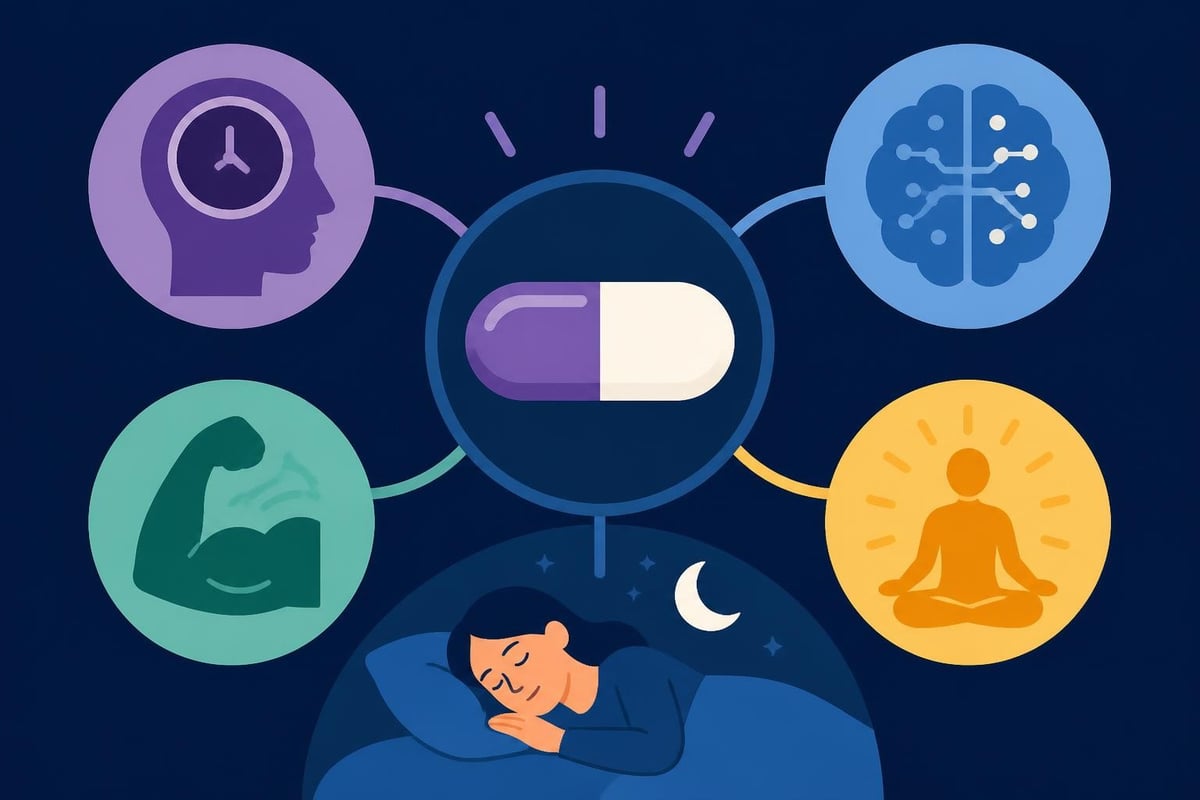
Evaluating these formulas requires examining whether each ingredient appears at effective doses or whether manufacturers include token amounts for label appeal. A systematic approach to ranking supplements based on dose appropriateness helps separate effective combinations from marketing-driven formulations.
Adaptogens and Stress-Related Sleep Issues
When stress interferes with sleep, adaptogens offer an indirect approach as natural supplements to sleep. These compounds help regulate the body's stress response systems rather than directly inducing drowsiness.
Ashwagandha leads adaptogen research for sleep applications, with multiple studies showing improvements in sleep quality measures. The herb appears to work by reducing cortisol levels and modulating GABA activity. Effective doses typically range from 300-600 mg of standardized extract.
Rhodiola rosea presents interesting timing considerations, as it can be energizing when taken during the day but may improve sleep quality through stress reduction. Taking rhodiola early in the day rather than evening typically produces better sleep outcomes.
Adaptogens for Sleep: Key Considerations
| Adaptogen | Primary Action | Sleep Benefit | Optimal Timing |
|---|---|---|---|
| Ashwagandha | Cortisol reduction | Direct improvement | Evening |
| Rhodiola | Stress resilience | Indirect through day stress management | Morning |
| Holy basil | HPA axis regulation | Moderate | Twice daily |
| Reishi mushroom | Immune and nervous system | Mild direct effect | Evening |
Supporting your body's stress resilience during waking hours may prove more effective than taking sedating supplements at night when stress is the root cause of sleep problems. This approach addresses the underlying issue rather than simply masking symptoms.
Safety Considerations and Potential Interactions
Natural supplements to sleep generally carry fewer risks than prescription medications, but "natural" doesn't automatically mean safe for everyone. Understanding potential side effects and interactions helps prevent problems.
Melatonin can cause daytime drowsiness, dizziness, or headaches in some users, particularly at higher doses. It may also interact with blood thinners, immunosuppressants, and diabetes medications. People with autoimmune conditions should consult healthcare providers before using melatonin supplements.
Magnesium at high doses can cause digestive upset, with some forms more likely to trigger diarrhea than others. Individuals with kidney problems should exercise particular caution, as impaired kidney function affects magnesium clearance.
Important safety considerations include:
- Pregnancy and breastfeeding compatibility varies by supplement
- Autoimmune conditions may be affected by immune-modulating herbs
- Surgical procedures require stopping many supplements 2 weeks prior
- Liver or kidney disease alters metabolism and clearance
- Medication interactions occur with blood thinners, diabetes drugs, and antidepressants
Comprehensive safety evaluations of sleep supplements emphasize the importance of quality testing and appropriate dosing. Third-party testing for contaminants and accurate labeling provides additional safety assurance.
Optimizing Timing and Dosing Strategies
Success with natural supplements to sleep often depends more on proper timing and dosing than simply taking the product consistently. Each supplement class has optimal windows for administration based on its mechanism of action.
Fast-acting supplements like melatonin and L-theanine work best 30-60 minutes before your desired sleep time. This window allows absorption and initial effects to coincide with your bedtime routine. Taking them too early wastes the peak effect period, while taking them too late may cause morning grogginess.
Slower-acting compounds like valerian root or ashwagandha may require consistent daily use for 2-4 weeks before demonstrating full benefits. These supplements build effects over time rather than providing acute sedation.
Cycling and Tolerance Management
Some natural supplements to sleep may develop tolerance with continuous use, reducing their effectiveness over time. Cycling strategies help maintain responsiveness to these compounds.
Recommended cycling approaches:
- 5 days on, 2 days off: Maintains effectiveness for most supplements
- 3 weeks on, 1 week off: Useful for adaptogens and herbal formulas
- As-needed use: Reserve for occasional sleep disruptions rather than nightly use
- Rotating different supplements: Alternate between melatonin, magnesium, and L-theanine weekly
The need for cycling varies by individual and supplement type. Magnesium typically doesn't require cycling since it's addressing a nutritional need rather than manipulating receptors. Melatonin and herbal compounds may benefit more from strategic breaks.
Starting with the lowest effective dose and increasing only if needed prevents building unnecessary tolerance. Comparing different sleep aid options helps identify which compounds work best for your individual biochemistry and sleep patterns.
Quality Markers and Product Selection
Choosing effective natural supplements to sleep requires evaluating product quality beyond just the label claims. Manufacturing standards, testing protocols, and ingredient sourcing all impact both safety and effectiveness.
Third-party testing certifications from organizations like NSF International, USP, or ConsumerLab provide assurance that products contain what labels claim without harmful contaminants. These certifications test for heavy metals, microbiological contamination, and accurate ingredient amounts.
Quality indicators to prioritize:
- GMP (Good Manufacturing Practice) certification
- Third-party testing for purity and potency
- Transparent labeling with specific ingredient forms
- Clear dosing information based on research
- Batch testing results available to consumers
- Company reputation and history in supplement industry
Generic "proprietary blends" that hide individual ingredient amounts make it impossible to verify effective dosing. Reputable manufacturers list each component separately with specific quantities, allowing comparison against research-supported doses.
Bioavailability varies significantly between different forms of the same supplement. Chelated minerals absorb better than oxide forms, while certain extracts provide more active compounds than raw herb powders. Understanding supplement methodology helps evaluate whether products use optimal forms and doses.
Building a Personalized Sleep Supplement Protocol
Creating an effective regimen with natural supplements to sleep involves matching specific supplements to your individual sleep challenges and overall health status. A systematic approach yields better results than randomly trying popular products.
Start by identifying your specific sleep issue: difficulty falling asleep, frequent nighttime awakenings, early morning awakening, or non-restorative sleep. Different supplements target these distinct problems through varied mechanisms.
For sleep onset difficulties, consider melatonin or L-theanine as primary options. Sleep maintenance problems may respond better to magnesium glycinate or glycine. Non-restorative sleep despite adequate duration might benefit from adaptogens addressing underlying stress.
Implementation Strategy
| Week | Action | Supplements to Try | Evaluation Metrics |
|---|---|---|---|
| 1-2 | Establish baseline | None | Track sleep onset, wake times, quality |
| 3-4 | Single supplement trial | Start with best-matched option | Compare to baseline |
| 5-6 | Adjust dose or timing | Optimize current choice | Monitor improvements |
| 7-8 | Add second supplement if needed | Complementary mechanism | Assess combination effects |
Track sleep metrics consistently using a journal or app to identify genuine improvements versus placebo effects. Note sleep onset latency, number of awakenings, total sleep time, and subjective morning refreshment.
Consider taking DoseRank's quick assessment to identify supplements that match your specific sleep goals with appropriate evidence backing and dosing. This targeted approach prevents wasting time and money on products unlikely to address your particular needs.
Lifestyle Integration and Maximizing Effectiveness
Natural supplements to sleep work best when combined with solid sleep hygiene practices rather than relying on pills alone to overcome poor habits. Creating an environment and routine conducive to sleep amplifies supplement benefits.
Core sleep hygiene practices include consistent sleep and wake times, limiting blue light exposure in the evening, maintaining a cool bedroom temperature, and avoiding caffeine after early afternoon. These foundational habits create conditions where supplements can work optimally.
Exercise timing influences both supplement effectiveness and natural sleep drive. Morning or afternoon physical activity typically improves nighttime sleep, while intense evening exercise may interfere for some people. Finding your optimal exercise window supports better sleep independently of supplementation.
Factors that enhance supplement effectiveness:
- Consistent bedtime routine signaling sleep preparation
- Bedroom temperature between 60-67°F for optimal melatonin production
- Complete darkness or eye masks to prevent circadian disruption
- Stress management practices reducing cortisol interference
- Limited alcohol consumption avoiding REM sleep disruption
Certain foods support natural sleep processes through nutrient content or timing effects. Tryptophan-rich foods consumed with carbohydrates enhance brain uptake of this sleep-promoting amino acid. Tart cherry juice provides natural melatonin along with anti-inflammatory compounds.
Understanding your individual patterns helps determine optimal supplement timing relative to meals, exercise, and stress exposure. Keeping a detailed log during the initial weeks reveals patterns that guide long-term optimization.
Emerging Research and Future Directions
The science of natural supplements to sleep continues evolving as researchers identify new compounds and mechanisms. Several emerging options show promise based on preliminary evidence, though they require more extensive human trials before reaching mainstream recommendation status.
Advanced sleep research using natural language processing may eventually help personalize supplement recommendations based on detailed sleep pattern analysis. This technology could identify subtle patterns linking specific sleep disruptions to responsive supplement protocols.
Cannabidiol (CBD) has generated significant interest for sleep applications, though research remains limited regarding optimal dosing and long-term effects. Early studies suggest potential benefits for anxiety-related sleep issues, but quality control concerns and regulatory uncertainty complicate product selection.
Apigenin, a flavonoid found in chamomile, shows promise as an isolated compound rather than as whole chamomile extract. Research suggests it acts as a benzodiazepine receptor partial agonist, potentially offering relaxation benefits without dependency risks.
Pipeline Compounds Worth Monitoring
Several naturally-occurring compounds currently under investigation may expand the roster of evidence-backed natural supplements to sleep:
- Lactium: Milk protein hydrolysate showing stress-reduction properties
- Magnolia bark: Traditional Asian remedy with preliminary modern research
- Jujube seed: Used in traditional Chinese medicine, limited Western studies
- Tart cherry extract: Standardized for melatonin and anthocyanin content
- Honokiol: Magnolia-derived compound with GABA activity
The supplement landscape will likely shift as research accumulates and regulation potentially tightens. Staying informed about evolving evidence helps maintain an effective, safe approach to natural sleep support.
Selecting effective natural supplements to sleep requires balancing scientific evidence, individual biochemistry, and practical considerations like timing and quality. While no single supplement works universally, understanding the mechanisms behind melatonin, magnesium, amino acids, and adaptogens allows for informed experimentation guided by research rather than marketing. DoseRank evaluates supplements across evidence strength, appropriate dosing, manufacturer trust, and value to help you identify products most likely to support your specific sleep goals without wasting time on ineffective options.