
DOSERANK guide
Natrol Melatonin Tablets: Evidence, Dosing & Safety
Published

Millions of adults turn to melatonin supplements each year to address sleep disruptions, jet lag, and circadian rhythm challenges. Among the most recognized brands in this category, natrol melatonin tablets have established themselves as a staple in pharmacy aisles and online marketplaces. Understanding what sets these tablets apart, how to use them safely, and what the evidence actually says can help you make an informed decision about whether they belong in your supplement routine.
What Makes Natrol Melatonin Tablets Distinct
Natrol positions itself as one of the pioneering supplement manufacturers to offer melatonin in convenient tablet form, dating back to the 1990s when consumer interest in sleep aids began to surge. The brand has expanded its product line to include various dosages, release mechanisms, and combination formulas.
Available Formulations and Dosages
The natrol melatonin tablets portfolio includes several distinct options designed to meet different user preferences and sleep challenges:
- Immediate-release tablets ranging from 1 mg to 10 mg
- Time-release formulations that deliver melatonin gradually over several hours
- Fast-dissolve tablets that break down quickly under the tongue
- Combination products pairing melatonin with botanicals like valerian or chamomile
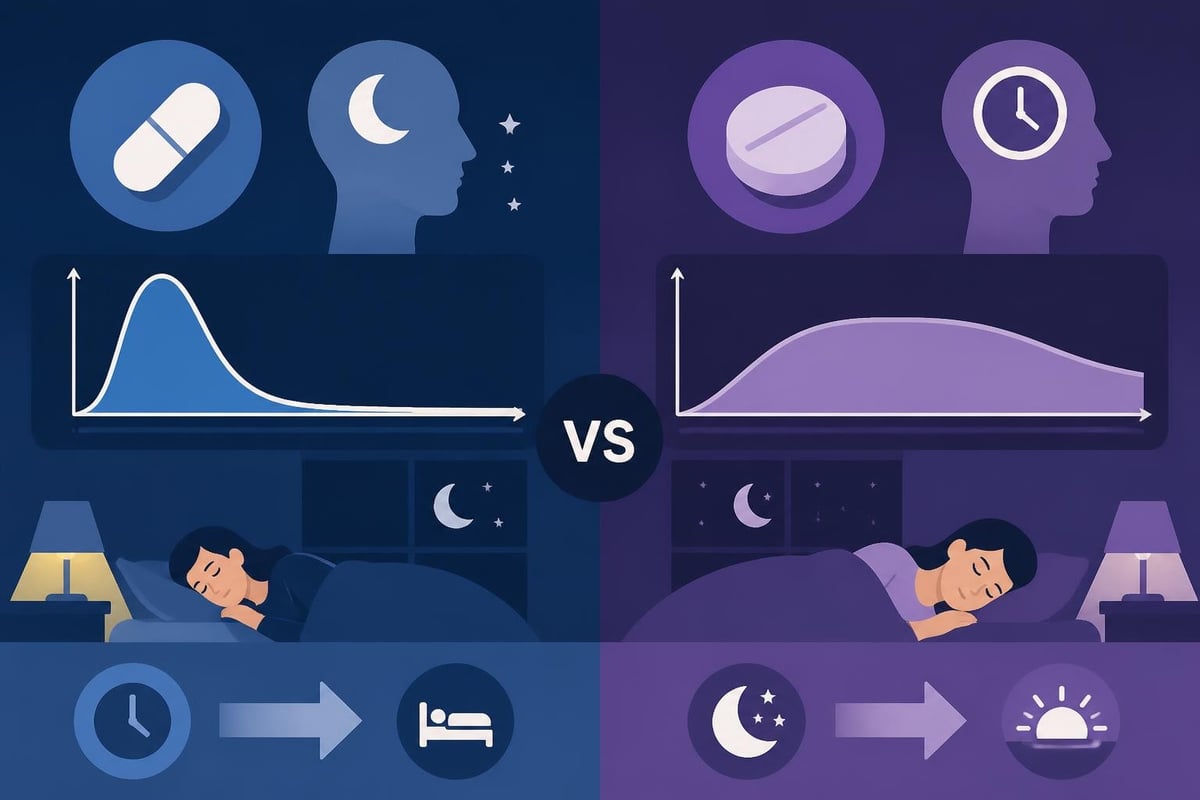
Each formulation targets specific sleep patterns. Immediate-release versions aim to help users fall asleep faster, while time-release options address frequent nighttime awakenings. The Sleep Foundation highlights that most adults respond to doses between 0.5 mg and 5 mg, though commercial products often exceed this range.
| Formulation Type | Typical Onset | Primary Use Case | Dose Range |
|---|---|---|---|
| Immediate Release | 30-60 minutes | Sleep initiation | 1-10 mg |
| Time Release | 30-90 minutes | Sleep maintenance | 3-10 mg |
| Fast Dissolve | 15-30 minutes | Rapid onset needs | 1-5 mg |
| Combination | 30-60 minutes | Multiple mechanisms | Varies |
Quality Markers and Third-Party Testing
The dietary supplement industry operates with less regulatory oversight than pharmaceuticals, making third-party verification particularly valuable. Natrol melatonin tablets carry several quality indicators, though not all products within the line have identical certifications.
Key quality signals to evaluate:
- USP Verified mark on select products, confirming ingredient accuracy and purity
- Non-GMO Project verification for formulas free from genetically modified organisms
- Vegetarian certification for plant-based capsules and tablets
- GMP (Good Manufacturing Practices) facility production
The FDA maintains resources on melatonin that emphasize the agency's limited pre-market authority over supplements. Unlike prescription medications, supplements do not require FDA approval before reaching shelves, placing greater responsibility on manufacturers to ensure quality and consumers to verify it.
Evidence Base for Melatonin Supplementation
Research on melatonin spans decades and covers numerous health outcomes beyond sleep. The NCCIH provides a comprehensive overview of what clinical trials have demonstrated and where evidence remains limited.
Sleep Onset and Maintenance
The strongest evidence supports melatonin for reducing sleep latency (the time it takes to fall asleep). A comprehensive review published by the NIH analyzed multiple randomized controlled trials and concluded that melatonin shortens sleep onset by an average of 7 to 12 minutes compared to placebo.
Primary sleep outcomes with evidence support:
- Reduced time to fall asleep in people with delayed sleep phase syndrome
- Improved sleep quality ratings in shift workers
- Faster adjustment to new time zones in travelers crossing multiple zones
- Modest improvements in total sleep time (typically 8-20 additional minutes)
The effect size varies considerably across individuals. Some users experience dramatic improvements, while others notice minimal changes. If you're exploring supplement options to improve sleep quality, understanding how different formulations stack up against clinical evidence becomes essential.
Jet Lag and Circadian Disruption
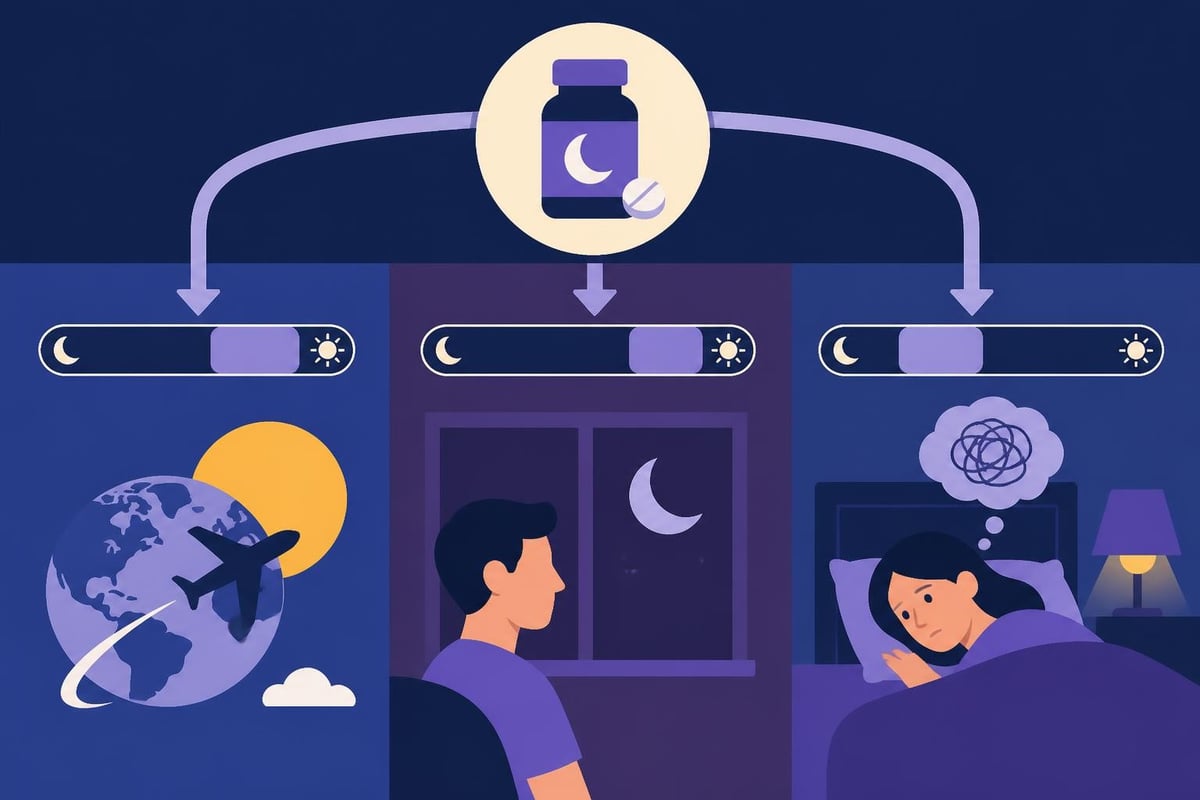
Melatonin demonstrates particularly robust effects for circadian rhythm disorders. Travelers crossing five or more time zones show the most consistent benefit, with optimal results when taking 0.5 to 5 mg at the target bedtime in the new time zone.
| Condition | Evidence Grade | Typical Effective Dose | Timing Recommendation |
|---|---|---|---|
| Jet lag (eastward) | Strong | 0.5-5 mg | At bedtime in new zone |
| Shift work disorder | Moderate | 1-3 mg | Before desired sleep time |
| Delayed sleep phase | Moderate to Strong | 0.5-3 mg | 2-3 hours before bedtime |
| Insomnia (primary) | Weak to Moderate | 1-5 mg | 30-60 min before bed |
Pediatric Use Concerns
Melatonin use in children has increased dramatically, raising important safety questions. The American Academy of Sleep Medicine issued a health advisory emphasizing that long-term safety data in developing bodies remains insufficient.
Pediatric considerations that apply to natrol melatonin tablets:
- No established safe dosage range for children under 18
- Potential interference with puberty-related hormonal development
- Risk of morning grogginess affecting school performance
- Lack of data on multi-year continuous use in young people
HealthyChildren.org guidance from the American Academy of Pediatrics recommends behavioral interventions as first-line treatment for pediatric sleep issues, reserving melatonin for specific medical conditions under physician supervision.
Choosing the Right Natrol Product
With multiple formulations available, matching the product to your specific sleep challenge improves the likelihood of a positive outcome.
Dose Selection Strategy
Higher doses do not necessarily produce better results. Research suggests a dose-response ceiling exists, beyond which additional melatonin provides no extra benefit and may increase side effects.
Dose progression approach:
- Start with 0.5 to 1 mg for two weeks
- Assess sleep onset time and morning alertness
- Increase by 0.5 to 1 mg increments if needed
- Cap at 5 mg unless under medical supervision
- Avoid exceeding 10 mg without documented clinical need
Many natrol melatonin tablets come in doses of 5 mg or 10 mg, which exceed the amounts tested in most clinical trials. Consider breaking tablets or choosing lower-dose options for initial trials.
Release Mechanism Matching
Your sleep pattern should guide formulation choice. Fast-dissolve tablets suit occasional use when rapid onset matters. Time-release versions better serve those who fall asleep easily but wake frequently during the night.
Decision framework:
- Trouble falling asleep only: Immediate-release or fast-dissolve, 1-3 mg
- Frequent nighttime awakenings: Time-release, 3-6 mg
- Both onset and maintenance issues: Time-release, starting at 3 mg
- Jet lag or shift work: Immediate-release, 0.5-3 mg
Users exploring options beyond single-ingredient supplements can reference DoseRank's methodology for understanding how different formulations compare across evidence strength, appropriate dosing, and third-party verification.
Safety Profile and Interaction Risks
Melatonin carries a relatively favorable safety profile for short-term use in adults, but several important cautions deserve attention.
Common Side Effects
Most users tolerate natrol melatonin tablets well, though some experience mild adverse effects that typically resolve with dose adjustment or discontinuation.
Reported side effects in clinical trials:
- Daytime drowsiness or "hangover" effect (especially with doses above 5 mg)
- Vivid dreams or nightmares
- Headache
- Dizziness
- Nausea
- Irritability
Morning grogginess represents the most frequent complaint, particularly with time-release formulations or doses exceeding 3 mg. If you notice this pattern, consider reducing the dose or switching to an immediate-release version.
Drug and Supplement Interactions
Melatonin can interact with several medication classes, sometimes amplifying effects or reducing efficacy:
| Medication Class | Interaction Type | Clinical Concern |
|---|---|---|
| Blood thinners (warfarin) | Increased bleeding risk | May enhance anticoagulant effect |
| Diabetes medications | Blood sugar changes | Potential glucose elevation |
| Immunosuppressants | Immune activation | May counteract therapeutic intent |
| Sedatives/hypnotics | Additive sedation | Excessive drowsiness |
| Blood pressure drugs | Reduced effectiveness | May decrease medication efficacy |
Always consult with a healthcare provider before combining melatonin with prescription medications. This precaution applies equally to over-the-counter options like natrol melatonin tablets as to any other supplement.
Long-Term Use Questions
While short-term studies (up to three months) demonstrate acceptable safety, data on continuous melatonin use beyond one year remains limited. The body naturally produces melatonin, and questions persist about whether chronic supplementation might suppress endogenous production.
Current evidence does not confirm this concern, but the absence of long-term safety data suggests periodic breaks or cycling off supplements may represent a prudent approach for those using melatonin regularly.

Product Quality Verification Steps
Not all natrol melatonin tablets undergo identical quality testing, and supplement contamination or mislabeling remains an industry-wide challenge.
Independent Testing Results
Third-party testing organizations periodically analyze popular supplements for label accuracy and contaminant levels. Studies have found concerning variability in melatonin products:
- Actual melatonin content ranging from 83% to 478% of label claims
- Presence of unlisted serotonin in some products
- Variability between batches from the same manufacturer
Verification steps for any melatonin purchase:
- Look for USP Verified, NSF Certified, or ConsumerLab tested seals
- Check lot-specific certificates of analysis when available
- Purchase from retailers with quality guarantees
- Review recent testing reports from independent labs
- Compare product information against manufacturer transparency standards
The DoseRank platform evaluates supplements across multiple dimensions including third-party verification, helping users identify products that meet rigorous quality standards without conducting their own laboratory analysis.
Storage and Expiration Considerations
Melatonin stability depends on proper storage conditions. Heat, light, and moisture can degrade potency over time, making expiration dates particularly important for this supplement.
Storage best practices:
- Keep natrol melatonin tablets in original packaging until use
- Store in a cool, dry location away from direct sunlight
- Avoid bathroom medicine cabinets where humidity fluctuates
- Discard products past expiration date
- Check for changes in color, odor, or tablet integrity before use
Alternatives and Complementary Approaches
Melatonin works best as part of comprehensive sleep hygiene rather than as a standalone solution.
Behavioral Sleep Interventions
Research consistently shows that combining melatonin with behavioral changes produces superior outcomes compared to supplementation alone:
- Consistent sleep schedule: Same bedtime and wake time daily, including weekends
- Light exposure optimization: Bright light in morning, dim lighting in evening
- Screen time reduction: Avoid blue light from devices 1-2 hours before bed
- Bedroom environment: Cool temperature (60-67°F), dark, quiet
- Caffeine timing: No caffeine after 2 PM for most individuals
When these foundational elements align, lower melatonin doses often suffice, or supplements may become unnecessary.
Other Sleep-Supporting Supplements
Several alternatives to natrol melatonin tablets show evidence for sleep support:
- Magnesium glycinate: May improve sleep quality through nervous system relaxation
- L-theanine: Amino acid promoting calm without sedation
- Valerian root: Traditional herb with modest evidence for sleep onset
- Glycine: Simple amino acid supporting core body temperature regulation
- 5-HTP: Serotonin precursor with mixed evidence for sleep improvement
Comparing these options across evidence strength, appropriate dosing, safety profile, and cost requires systematic evaluation. The outcomes tracked by DoseRank provide a framework for matching supplements to specific sleep goals based on clinical research rather than marketing claims.
Making an Informed Purchase Decision
Beyond choosing between natrol melatonin tablets and competing brands, several practical factors influence value and effectiveness.
Price-Per-Dose Analysis
Melatonin costs vary dramatically based on dose, formulation, and bottle size. Calculating price per milligram helps identify the best value:
Example comparison:
- Natrol 1 mg, 90 tablets: $0.08 per 1 mg dose
- Natrol 5 mg, 60 tablets: $0.12 per 5 mg dose ($0.024 per 1 mg)
- Natrol 10 mg time-release, 60 tablets: $0.18 per 10 mg dose ($0.018 per 1 mg)
Higher-dose tablets often provide better per-milligram value, but only if you actually need those doses. Buying 10 mg tablets when you require 2 mg means breaking tablets or taking excess melatonin.
Formulation Features Worth the Premium
Some natrol melatonin tablets cost more due to specific features. Evaluate whether these justify the price difference for your situation:
- Fast-dissolve technology: Worthwhile for rapid onset needs or difficulty swallowing
- Time-release mechanism: Valuable for sleep maintenance problems
- Added botanicals: Limited evidence for combination formulas; may increase side effects
- Organic/Non-GMO: Personal preference; no evidence of efficacy difference
When to prioritize specific features:
- Traveling frequently: Fast-dissolve or immediate-release at multiple dose options
- Consistent night waking: Time-release formulation
- Sensitive to additives: Simple formulations without added herbs
- Budget-conscious: Basic immediate-release tablets at lowest effective dose
For personalized supplement recommendations based on your specific sleep challenges and budget, exploring tools like the DoseRank supplement quiz can narrow options efficiently.
Monitoring Effectiveness and Adjusting Use
Tracking your response to natrol melatonin tablets provides valuable data for dose optimization and continuation decisions.
Metrics to Track
Subjective sleep quality matters most, but specific metrics reveal patterns:
- Sleep latency: Minutes from lights-out to sleep onset
- Night awakenings: Frequency and duration
- Total sleep time: Hours of actual sleep
- Morning alertness: Energy and cognitive clarity upon waking
- Next-day functioning: Mood, focus, and performance
Keep a simple log for at least two weeks before making dose changes. This baseline helps distinguish true effects from placebo response and natural variation.
When to Discontinue or Seek Alternatives
Certain response patterns suggest melatonin may not be the right solution:
- No improvement after 4 weeks at progressively higher doses
- Worsening sleep quality or increased awakenings
- Persistent morning grogginess despite dose reduction
- New or worsening side effects beyond initial adjustment period
- Tolerance development requiring escalating doses for same effect
If you experience these patterns with natrol melatonin tablets, consider consulting a sleep medicine specialist before trying alternative supplements or higher doses.
Regulatory Landscape and Quality Standards
Understanding how melatonin regulation differs from prescription sleep aids helps set appropriate expectations for quality and consistency.
Current Regulatory Status
Melatonin occupies an unusual regulatory position in the United States. Classified as a dietary supplement rather than a drug, it avoids FDA pre-market approval requirements while remaining subject to post-market surveillance.
Implications for consumers:
- Manufacturers self-affirm safety and labeling accuracy
- FDA can take enforcement action only after problems emerge
- Clinical trial requirements don't apply before market entry
- Label claims must avoid disease treatment assertions
- Quality control standards depend on voluntary adherence to GMPs
This framework places greater due diligence responsibility on consumers when selecting natrol melatonin tablets or any other brand.
International Perspective Differences
Melatonin regulation varies globally, affecting availability and oversight:
| Region | Regulatory Status | Availability |
|---|---|---|
| United States | Dietary supplement | Over-the-counter |
| European Union | Prescription medication (most countries) | Restricted |
| United Kingdom | Prescription only | Medical supervision required |
| Canada | Natural health product | Over-the-counter with regulations |
| Australia | Prescription required | Medical supervision needed |
These differences reflect varying risk assessments and regulatory philosophies rather than new safety data. The stricter oversight in some regions doesn't necessarily indicate danger, but does reflect different approaches to consumer access.
Natrol melatonin tablets represent just one option in a crowded market of sleep supplements, each varying in dose, formulation, quality verification, and value. Understanding the evidence behind melatonin, matching formulations to your specific sleep challenges, and verifying product quality through third-party testing helps ensure you're making an informed choice. When you're ready to compare options systematically across evidence strength, appropriate dosing, and verified quality standards, DoseRank provides the tools to identify supplements that truly match your goals based on clinical research rather than marketing promises.