
DOSERANK guide
Natrol Melatonin 5 mg: Complete Guide for Better Sleep
Published

Sleep struggles affect millions of Americans, leading many to explore supplementation as a natural approach to better rest. Among the most recognized brands in the sleep supplement category, Natrol offers multiple formulations of their popular 5 mg melatonin products, each designed to address different sleep challenges. Understanding the distinctions between these options, how they work, and whether the 5 mg dose aligns with your needs can help you make an informed decision about incorporating melatonin into your nighttime routine.
Understanding Natrol Melatonin 5 mg Formulations
Natrol produces several distinct versions of their melatonin supplements at the 5 mg dosage level, each engineered for specific sleep patterns and preferences.
The Fast Dissolve tablets represent one of the most popular options, designed to dissolve quickly on the tongue without water. Natrol's Fast Dissolve formulation appeals to users who want rapid absorption and convenient administration, particularly when traveling or unable to access water at bedtime.
Time Release Technology
The Time Release version uses a two-layer tablet design that delivers melatonin in stages throughout the night. This formulation combines immediate and extended release layers to address both sleep onset and sleep maintenance.

Key differences across formulations include:
- Standard tablets: Basic melatonin delivery in traditional pill form
- Fast Dissolve: Strawberry-flavored sublingual absorption without water
- Time Release: Dual-layer technology for extended overnight support
- Gummies: Chewable option with 5 mg per serving for those who prefer not to swallow pills
| Formulation | Onset Speed | Duration | Best For |
|---|---|---|---|
| Fast Dissolve | 15-30 minutes | 4-6 hours | Difficulty falling asleep |
| Time Release | 20-40 minutes | 6-8 hours | Staying asleep through night |
| Standard Tablet | 30-60 minutes | 4-6 hours | General sleep support |
| Gummies | 20-40 minutes | 4-6 hours | Pill-swallowing difficulty |
The choice between these formats often depends on your specific sleep challenge. Those who fall asleep easily but wake frequently may benefit more from the time release option, while individuals struggling primarily with sleep onset might prefer the fast-acting dissolve tablets.
Dosage Considerations and Evidence
The 5 mg dose sits in the middle range of commonly available melatonin supplements, which typically span from 1 mg to 10 mg per serving.
Research on optimal melatonin dosing reveals considerable variation in individual response. Some studies suggest lower doses between 0.3 mg and 1 mg may be sufficient for many people, while others find benefit from higher doses like 5 mg or above. The natrol melatonin 5 mg dose represents a level that balances accessibility with effectiveness for a broad user base.
Individual Response Variation
Several factors influence how people respond to 5 mg of melatonin:
- Body weight and metabolism
- Existing melatonin production levels
- Severity of sleep disruption
- Concurrent medications or supplements
- Time of administration relative to desired sleep time
Many healthcare providers recommend starting with lower doses and increasing gradually if needed. However, the widespread availability and established safety profile of 5 mg formulations make them a common starting point for many supplement users.
When evaluating whether natrol melatonin 5 mg aligns with your needs, platforms like DoseRank assess supplements across multiple dimensions including evidence quality, dose appropriateness, manufacturer trust, and overall value. This multi-factor evaluation helps identify products that match specific health goals rather than relying solely on brand recognition or price.
Ingredient Composition and Quality Factors
Beyond melatonin itself, the complete ingredient profile matters for both effectiveness and tolerability.
Standard natrol melatonin 5 mg tablets typically contain:
- 5 mg melatonin per serving
- Vitamin B6 (in some formulations)
- Calcium (as dicalcium phosphate)
- Cellulose and cellulose gum
- Stearic acid and magnesium stearate
- Silicon dioxide and methylcellulose
Enhanced Formulations
The Time Release version adds vitamin B6 specifically to support the body's natural production of melatonin over time. This inclusion reflects research suggesting B6 plays a role in converting tryptophan to serotonin and subsequently to melatonin.
Gummy formulations differ significantly in their inactive ingredients due to the chewable format:
- Pectin or gelatin base
- Natural flavors (typically strawberry)
- Citric acid for tartness
- Natural colors from vegetable sources
- Sugar or sugar alternatives
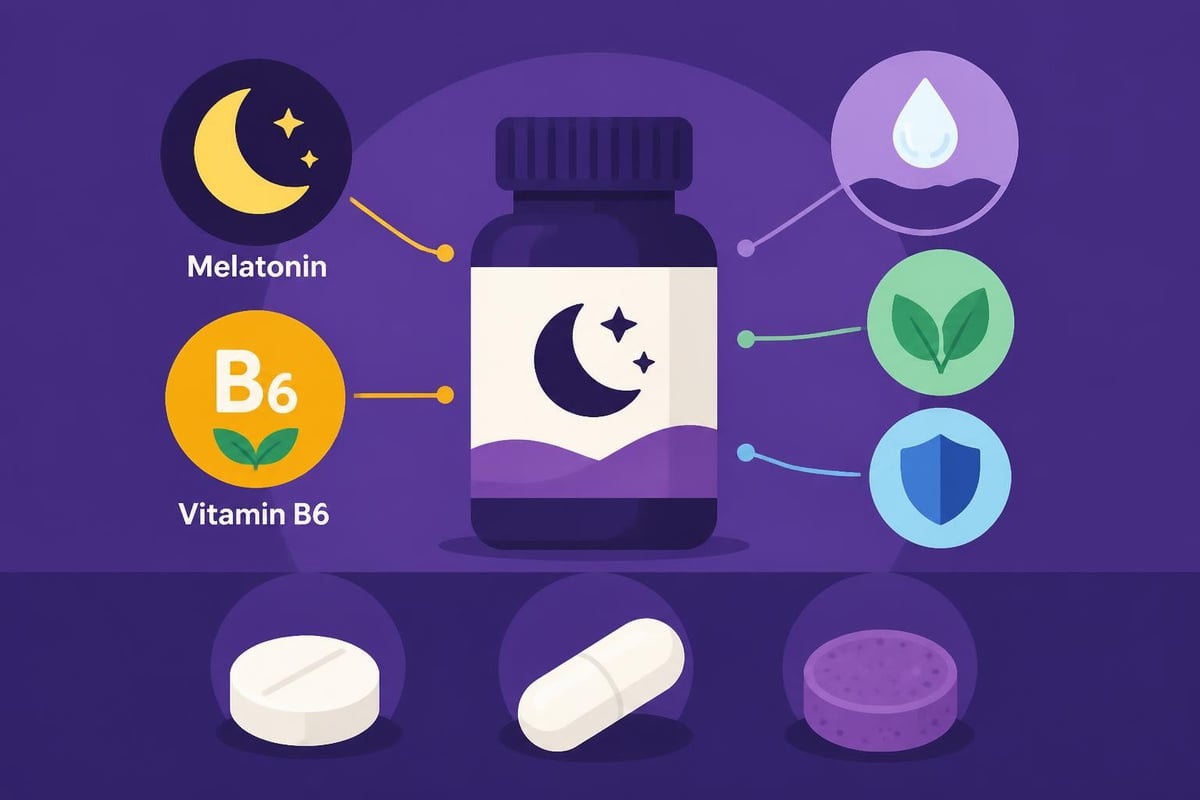
Quality considerations extend beyond the ingredient list to manufacturing practices, third-party testing, and consistency across batches. Natrol, as an established supplement manufacturer, maintains GMP (Good Manufacturing Practices) certification, though independent verification through third-party testing organizations adds another layer of quality assurance.
Timing and Usage Strategies
Effective melatonin supplementation depends heavily on proper timing and consistent usage patterns.
Most experts recommend taking melatonin 30 to 60 minutes before desired sleep time, though this window varies by formulation. Fast Dissolve versions may work within 15 to 30 minutes, while standard tablets require the full hour for absorption and effect.
Establishing Routine
Consistency in timing produces better results than sporadic use:
- Set a regular bedtime and work backward to determine supplement timing
- Take natrol melatonin 5 mg at the same time each night for at least two weeks
- Minimize light exposure after taking melatonin, especially blue light from screens
- Maintain other sleep hygiene practices like cool room temperature and comfortable bedding
- Avoid heavy meals within two hours of taking melatonin
The relationship between melatonin supplementation and sleep quality extends beyond simple chemical intervention. Establishing healthy sleep patterns, which you can track through sleep quality metrics, provides a foundation that supplementation can enhance but not replace.
Travel and Shift Work Applications
Melatonin's role in regulating circadian rhythms makes it particularly relevant for:
- Jet lag recovery after crossing time zones
- Shift work adjustment when sleep schedules rotate
- Seasonal affective patterns that disrupt normal sleep-wake cycles
- Weekend sleep schedule misalignment recovery
For these applications, the 5 mg dose often proves sufficient, though timing becomes even more critical. Taking melatonin at the destination's bedtime (rather than your origin timezone) helps reset circadian rhythms more effectively.
Comparing Value and Availability
Price per serving and package sizes vary considerably across retailers and formulation types.
| Retailer | Package Size | Price Point | Cost Per Serving |
|---|---|---|---|
| CVS | 100 tablets | $11.99 | $0.12 |
| Costco | 250 tablets | $15.99 | $0.06 |
| Vitacost | 60 tablets | $7.49 | $0.12 |
| Amazon | 90 gummies | $13.99 | $0.16 |
Bulk purchasing through retailers like Costco significantly reduces per-serving costs, though this requires commitment to the specific formulation and certainty that the 5 mg dose works well for you.
Value assessment extends beyond simple price comparison:
- Formulation premium: Gummies and Fast Dissolve typically cost 20-40% more than standard tablets
- Bulk discounts: Larger packages reduce per-serving cost by 30-50%
- Subscription services: Some retailers offer 5-15% discounts for recurring deliveries
- Store brands: Generic melatonin 5 mg alternatives cost 30-60% less than Natrol
Generic alternatives raise an important consideration. While the active ingredient (melatonin) remains the same across brands at equivalent doses, differences in manufacturing quality, inactive ingredients, and delivery mechanisms can affect both efficacy and tolerability.
Safety Profile and Considerations
Melatonin generally demonstrates excellent safety across short-term and moderate-term use, though several considerations merit attention.
Common mild effects some users report include:
- Morning grogginess or "hangover" feeling
- Vivid dreams or nightmares
- Daytime drowsiness if taken too late
- Headache in sensitive individuals
- Temporary dizziness upon waking
These effects typically diminish with consistent use or resolve when adjusting dosage or timing. Starting with a lower dose and increasing gradually helps identify your personal tolerance threshold.
Interaction Awareness
Melatonin can interact with certain medications and conditions:
- Blood thinners may have enhanced effects when combined with melatonin
- Immunosuppressants could be counteracted by melatonin's immune-modulating properties
- Diabetes medications require monitoring as melatonin may affect blood sugar
- Blood pressure medications might interact with melatonin's cardiovascular effects
Anyone taking prescription medications should consult with their healthcare provider before starting melatonin supplementation, even at the relatively modest 5 mg dose level. The DoseRank methodology for evaluating supplements considers these interaction potentials as part of the overall safety assessment.
Special Populations
Certain groups require additional caution or modified approaches:
- Pregnant or nursing women should avoid melatonin unless specifically recommended by their physician
- Children typically require much lower doses, making adult 5 mg formulations inappropriate
- Older adults may be more sensitive to melatonin and experience enhanced effects
- Individuals with autoimmune conditions should exercise caution due to immune system effects
Long-term safety data for daily melatonin use remains limited compared to shorter intervention periods studied in research. Most clinical trials examine use periods from several weeks to several months rather than years of continuous supplementation.

Evaluating Product Claims and Marketing
Supplement marketing often amplifies benefits while minimizing limitations, making critical evaluation essential.
Natrol markets their melatonin products with several core claims:
- "Fall asleep faster" backed by research on sleep latency reduction
- "Stay asleep longer" emphasized in Time Release formulations
- "Drug-free sleep aid" distinguishing from pharmaceutical options
- "100% vegetarian" appealing to dietary preferences
These claims generally align with melatonin research, though individual results vary significantly. The phrase "clinically studied" appears frequently in marketing materials, referring to melatonin as an ingredient rather than the specific Natrol formulation.
Evidence-Based Expectations
What research actually demonstrates about melatonin at doses including 5 mg:
- Reduces time to fall asleep by an average of 7-12 minutes in meta-analyses
- Improves total sleep time by approximately 8-25 minutes across studies
- Shows greater benefit for individuals with delayed sleep phase syndrome
- Demonstrates efficacy for jet lag recovery when timed appropriately
- Provides modest improvements in subjective sleep quality ratings
These improvements, while statistically significant in research, may feel subtle in real-world experience. Setting realistic expectations based on evidence rather than marketing helps users evaluate whether natrol melatonin 5 mg delivers meaningful benefit for their specific situation.
The supplement industry operates with less regulatory oversight than pharmaceuticals, placing greater responsibility on consumers to verify claims and assess quality. Independent testing organizations like ConsumerLab, NSF International, and USP provide third-party verification of supplement contents and purity, though not all products undergo this additional scrutiny.
Making an Informed Selection
Choosing between natrol melatonin 5 mg formulations requires matching product characteristics to your specific sleep challenges and preferences.
Decision framework:
Start by identifying your primary sleep issue: difficulty falling asleep, frequent waking, or both. This determines whether Fast Dissolve or Time Release better suits your needs.
Consider format preferences based on convenience and absorption. Pills require water and may be harder to swallow, while gummies and dissolve tablets offer easier administration with taste considerations.
Evaluate your sensitivity to supplements generally. If you experience side effects easily, starting with a lower dose before committing to 5 mg makes sense, even if that means choosing a different product initially.
Testing and Adjustment Period
Plan for a 14 to 21 day trial period when starting melatonin supplementation:
- Track sleep onset time, wake frequency, and morning alertness
- Note any side effects or unusual responses
- Maintain consistent timing and dosing throughout the trial
- Keep other sleep variables constant (bedtime, environment, etc.)
- Document whether benefits justify continued use
This systematic approach provides clearer data than sporadic use or inconsistent evaluation. Simple sleep diaries or smartphone apps can facilitate tracking without requiring complex measurement tools.
If 5 mg proves too much (excessive grogginess) or too little (minimal effect), adjusting up or down in increments helps identify your optimal dose. Many people find their sweet spot between 1 mg and 10 mg, with 5 mg serving as a reasonable midpoint for initial trials.
When broader supplement decisions feel overwhelming, tools like the DoseRank quick quiz help narrow options based on your specific goals and circumstances, considering factors beyond marketing claims to identify genuinely suitable products.
Label Reading and Regulatory Context
Understanding supplement labels helps verify you're getting what you expect from natrol melatonin 5 mg products.
The Supplement Facts panel provides critical information:
- Serving size: Confirms how many tablets/gummies equal 5 mg
- Servings per container: Determines total package value
- Amount per serving: Should clearly state 5 mg melatonin
- Percent Daily Value: Not established for melatonin (marked with *)
- Other ingredients: Lists all inactive components
The NIH Dietary Supplement Label Database provides access to verified label information for many Natrol products, allowing comparison against physical package labels to confirm accuracy.
Regulatory Framework
Dietary supplements in the United States fall under DSHEA (Dietary Supplement Health and Education Act), which differs substantially from pharmaceutical regulation:
- Manufacturers verify safety and labeling accuracy rather than FDA pre-approval
- Claims must be truthful but don't require the same evidence level as drugs
- "Structure/function" claims allowed without disease treatment claims
- Post-market surveillance catches problems rather than preventing them through testing
This framework means supplement users bear more responsibility for verifying quality and suitability. Choosing established brands like Natrol reduces but doesn't eliminate risk, as even major manufacturers occasionally face recalls or quality issues.
Expiration dates on melatonin supplements indicate the manufacturer's guarantee of potency and purity through that date. Supplements can degrade over time, particularly when exposed to heat, light, or humidity, making proper storage and adherence to expiration dates important for maintaining expected 5 mg dosing.
Integration with Sleep Hygiene Practices
Melatonin supplementation works best as one component of comprehensive sleep optimization rather than a standalone solution.
Fundamental sleep hygiene principles that enhance melatonin effectiveness:
- Consistent sleep and wake times, even on weekends
- Dark, quiet, cool bedroom environment (65-68°F optimal)
- Limitation of blue light exposure 2-3 hours before bed
- Regular physical activity, but not within 3 hours of sleep
- Caffeine cessation 6-8 hours before bedtime
- Alcohol moderation, as it disrupts sleep architecture
Many people turn to supplements like natrol melatonin 5 mg before addressing these foundational factors. While melatonin can certainly help, it works synergistically with good habits rather than compensating for poor ones.
Light exposure timing plays a particularly important role in circadian rhythm regulation. Morning bright light exposure (ideally natural sunlight) helps set the body's clock, making evening melatonin supplementation more effective. This connection between light, circadian rhythms, and melatonin forms the biological basis for why the supplement can support sleep.
Stress and Sleep Connection
Psychological stress significantly impacts sleep quality through multiple mechanisms. The relationship between stress resilience and sleep creates a bidirectional cycle where poor sleep worsens stress response, and high stress disrupts sleep quality.
Addressing stress through relaxation techniques, cognitive behavioral therapy for insomnia (CBT-I), or other evidence-based approaches often improves sleep outcomes more than supplementation alone. Combining stress management with melatonin supplementation may provide greater benefit than either intervention independently.
Selecting the right melatonin supplement requires balancing formulation type, dose appropriateness, quality standards, and personal sleep patterns. While natrol melatonin 5 mg offers several well-designed options, the ideal choice depends on your specific needs and how you respond to supplementation. DoseRank evaluates supplements across evidence quality, dose fit, trust, value, popularity, and availability to help you identify products genuinely suited to your goals rather than simply the most marketed options.