
DOSERANK guide
Melatonin Tablets 5mg: Dosage, Safety, and Effectiveness
Published

Sleep struggles affect millions of Americans, and many turn to melatonin supplements for relief. Among the various strengths available, melatonin tablets 5mg represent one of the most commonly purchased doses on pharmacy shelves. This strength sits in the middle range of available options, but understanding whether it fits your specific needs requires examining the science behind melatonin supplementation, appropriate dosing strategies, and key safety considerations. The right dose can make the difference between restful nights and disappointing results.
Understanding Melatonin and How It Works
Melatonin is a hormone naturally produced by the pineal gland in response to darkness. This neurohormone plays a central role in regulating the sleep-wake cycle, also known as the circadian rhythm. When light decreases in the evening, your body ramps up melatonin production, signaling that it's time to prepare for sleep.
Supplemental melatonin mimics this natural process, though the doses available commercially often exceed what the body produces on its own. Your body typically secretes between 0.1 and 0.3 milligrams of melatonin naturally each night. In contrast, melatonin tablets 5mg deliver roughly 16 to 50 times that amount.
The Science Behind Supplementation
Research from the National Center for Complementary and Integrative Health indicates that melatonin supplements can be effective for certain sleep-related issues, particularly those involving circadian rhythm disruption. Studies have examined melatonin's impact on jet lag, shift work sleep disorder, and delayed sleep phase syndrome with varying degrees of success.
The mechanism of action involves melatonin binding to specific receptors in the brain (MT1 and MT2 receptors). These receptors help regulate sleep timing and duration. When you take melatonin tablets 5mg, the hormone floods these receptor sites, potentially triggering drowsiness and helping reset disrupted sleep patterns.

Is 5mg the Right Dose for You?
Determining the appropriate melatonin dosage remains more art than science, as individual responses vary significantly. According to expert analysis on melatonin dosing, 5mg may be higher than necessary for many users, though it falls within the commonly recommended range for specific situations.
Dosage Considerations by Use Case
Different sleep challenges may warrant different approaches:
- Occasional sleeplessness: 0.5mg to 3mg typically suffices
- Jet lag prevention: 2mg to 5mg taken at bedtime in the new time zone
- Shift work adjustment: 2mg to 5mg before planned sleep time
- Delayed sleep phase disorder: 3mg to 5mg taken several hours before desired bedtime
Starting with the lowest effective dose remains the gold standard recommendation. Many sleep specialists suggest beginning with 0.5mg or 1mg and gradually increasing only if needed. However, melatonin tablets 5mg are often chosen by individuals who have already tried lower doses without satisfactory results.
| Dosage Level | Typical Use | Response Time | Duration |
|---|---|---|---|
| 0.5-1mg | Mild sleep onset delay | 30-60 minutes | 4-6 hours |
| 2-3mg | Moderate circadian disruption | 20-45 minutes | 5-7 hours |
| 5mg | Persistent sleep issues, jet lag | 15-30 minutes | 6-8 hours |
| 10mg+ | Generally not recommended without medical supervision | Variable | 8+ hours |
The comprehensive pharmacology review published in medical literature emphasizes that higher doses don't necessarily produce better sleep outcomes. In some cases, excessive melatonin can actually disrupt sleep architecture or cause next-day grogginess.
Timing Your Melatonin Intake
When you take melatonin matters as much as how much you take. Melatonin tablets 5mg should be timed strategically based on your specific sleep goal.
Optimal Timing Strategies
For standard sleep support, take your dose 30 to 60 minutes before your target bedtime. This allows the supplement to reach peak blood concentration as you're preparing to sleep. The half-life of melatonin is relatively short, typically between 20 and 50 minutes, though effects can persist for several hours.
For jet lag management, the timing shifts depending on travel direction:
- Eastward travel: Take melatonin tablets 5mg at the bedtime of your destination for several nights after arrival
- Westward travel: Take melatonin in the late afternoon or early evening of your destination time
- Pre-trip preparation: Some protocols suggest starting 2-3 days before departure
Consistency enhances effectiveness. Taking melatonin at the same time each night helps reinforce your desired sleep schedule. If you're working to improve sleep quality, maintaining this regularity becomes especially important as your body learns the new pattern.
Safety Profile and Side Effects
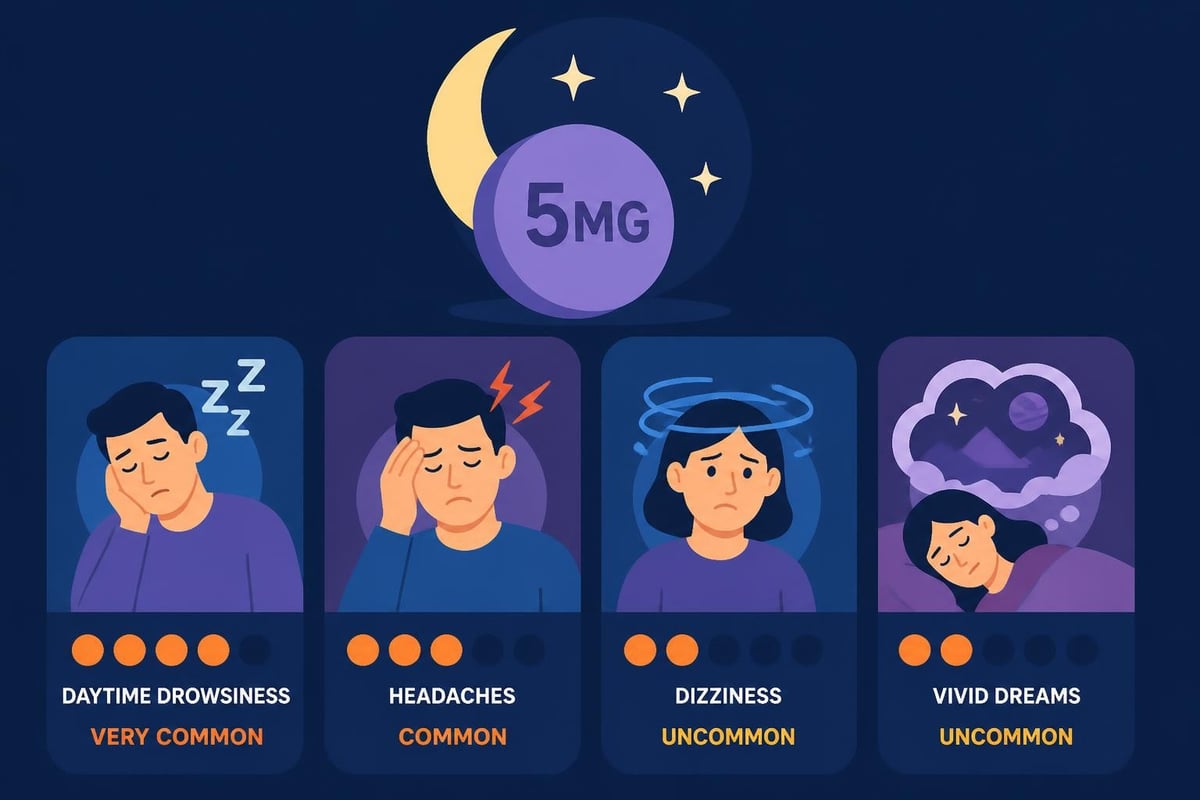
Melatonin enjoys a relatively favorable safety profile for short-term use, but melatonin tablets 5mg can produce side effects in some individuals. Understanding these potential reactions helps you make informed decisions and recognize when adjustment may be necessary.
Common Side Effects
Short-term use typically presents minimal issues, though some users report:
- Daytime drowsiness or grogginess
- Headaches
- Dizziness or lightheadedness
- Mild nausea
- Vivid dreams or nightmares
These effects tend to be dose-dependent, meaning higher doses like 5mg may increase their likelihood compared to lower strengths. The detailed labeling information from supplement databases confirms these known reactions while noting that most users tolerate the supplement well.
Who Should Exercise Caution
Certain populations should approach melatonin supplementation carefully or avoid it altogether:
- Pregnant or breastfeeding women (insufficient safety data)
- Children and adolescents (without pediatric guidance)
- People with autoimmune disorders
- Individuals with seizure disorders
- Those taking blood thinners or immunosuppressants
Melatonin can interact with various medications, including blood pressure drugs, diabetes medications, and sedatives. Professional drug information resources provide detailed interaction profiles, but consulting your healthcare provider before starting melatonin tablets 5mg remains the safest approach.
Comparing 5mg to Other Strengths
Melatonin supplements are available in a wide range of doses, from 0.3mg up to 10mg or higher. Understanding where melatonin tablets 5mg fit in this spectrum helps contextualize whether this strength matches your needs.
Dose Comparison Overview
| Strength | Best For | Pharmacological Impact | Availability |
|---|---|---|---|
| 0.3-0.5mg | Physiologic replacement, minimal disruption | Closest to natural production | Less common, specialty brands |
| 1-3mg | General sleep support, first-time users | Moderate receptor activation | Widely available |
| 5mg | Persistent issues, jet lag, established users | Strong receptor saturation | Very common |
| 10mg+ | Specific medical conditions only | Supraphysiologic levels | Available but often excessive |
Research indicates that doses above 5mg rarely provide additional benefit and may increase side effect risk. The research on melatonin's therapeutic potential suggests that efficacy plateaus at moderate doses for most sleep applications.
Some users find that melatonin tablets 5mg provide reliable results after lower doses proved insufficient. Others discover that splitting a 5mg tablet to create smaller doses offers better outcomes with fewer next-day effects.
Extended-Release vs. Immediate-Release Formulations
Melatonin tablets 5mg come in different formulation types that affect how the supplement is absorbed and utilized by your body. This distinction can significantly impact effectiveness depending on your specific sleep challenge.
Immediate-Release Tablets
Standard melatonin tablets dissolve quickly, releasing the full 5mg dose into your system within 30 to 60 minutes. This formulation works well for:
- Difficulty falling asleep initially
- Acute jet lag adjustment
- One-time or occasional use
- Situations requiring rapid onset
The quick absorption means blood levels rise sharply but may also decline relatively quickly, potentially limiting benefits for those who struggle with staying asleep throughout the night.
Extended-Release Options
Time-release or extended-release melatonin tablets 5mg gradually release the dose over several hours. Benefits include:
- Sustained melatonin levels throughout the night
- Reduced middle-of-night awakening for some users
- More natural mimicry of the body's melatonin curve
- Potentially fewer next-morning side effects due to gradual clearance
The choice between formulations depends on your specific sleep pattern disruption. Someone who falls asleep easily but wakes at 3 AM might benefit more from extended-release, while someone who lies awake for hours might prefer immediate-release.

Quality and Purity Considerations
Not all melatonin tablets 5mg are created equal. The supplement industry faces less stringent regulation than pharmaceutical drugs, making quality verification essential for safety and effectiveness.
What to Look for in Quality Supplements
Third-party testing provides the strongest assurance of purity and potency. Organizations like USP, NSF International, and ConsumerLab independently verify that products contain what their labels claim without harmful contaminants.
Research has revealed significant variability in melatonin supplements. Some products contain substantially more or less than their labeled dose, while others include unlisted ingredients. For melatonin tablets 5mg specifically, studies have found actual content ranging from 83% to 478% of the claimed amount in some products.
Additional quality markers include:
- GMP (Good Manufacturing Practice) certification
- Clear labeling of all ingredients
- Batch number and expiration date
- Transparency about sourcing and manufacturing
- Absence of unnecessary fillers or allergens
When evaluating supplement options, platforms like DoseRank can help by ranking products based on evidence, dose fit, trust, value, popularity, and availability, making it easier to identify high-quality melatonin options.
Long-Term Use and Tolerance
While melatonin tablets 5mg are generally considered safe for short-term use, questions about long-term supplementation deserve careful consideration. The effects of taking melatonin nightly for months or years remain less thoroughly studied than short-term use.
Potential Tolerance Development
Tolerance occurs when your body becomes less responsive to a substance over time, requiring higher doses to achieve the same effect. Current evidence on melatonin tolerance is mixed. Some users report that melatonin tablets 5mg remain effective even after prolonged use, while others find diminishing returns.
Theoretical concerns include:
- Suppression of natural melatonin production
- Receptor desensitization over time
- Disruption of natural circadian regulation
- Dependency on supplementation for sleep
However, comprehensive studies on tolerance are limited. Most research focuses on use periods of weeks to a few months rather than years.
Cycling and Breaks
Some experts recommend periodic breaks from melatonin supplementation to preserve sensitivity. Strategies include:
- Taking melatonin 4-5 nights per week rather than daily
- Implementing monthly breaks of 3-7 days
- Using melatonin only during particularly challenging periods
- Gradually reducing dose over time if circumstances improve
These approaches remain largely anecdotal, but they offer a conservative path for those using melatonin tablets 5mg over extended periods.
Special Populations and Use Cases
Certain groups face unique considerations when contemplating melatonin tablets 5mg. Age, health status, and specific circumstances all influence appropriate use and dosing.
Older Adults
Melatonin production naturally declines with age, which may explain why older adults often experience sleep difficulties. Some research suggests that supplementation might help restore more youthful sleep patterns. However, older adults also metabolize medications differently and may be more sensitive to side effects like morning grogginess or dizziness.
Starting doses for seniors should typically be lower than 5mg, with gradual increases only if necessary and well-tolerated.
Shift Workers
People working non-traditional hours face particular circadian challenges. Melatonin tablets 5mg can help shift workers adjust their sleep schedules, but timing becomes crucial. Taking melatonin before your planned sleep period, even if it falls during daylight hours, helps signal to your body that it's time to rest.
Athletes and Performance
Some athletes use melatonin to manage travel fatigue and optimize recovery. The dose of 5mg may support better sleep quality during competition travel, potentially aiding exercise recovery. However, timing matters significantly-taking melatonin too close to competition or training could impair alertness and reaction time.
Combining Melatonin with Other Sleep Strategies
Melatonin tablets 5mg work best as part of a comprehensive sleep hygiene approach rather than as a standalone solution. Supplements address only one piece of the sleep puzzle.
Complementary Sleep Practices
Effective sleep hygiene includes multiple elements working in concert:
- Light management: Dimming lights 1-2 hours before bed, using blue light filters
- Temperature control: Keeping the bedroom cool (65-68°F optimal)
- Consistent schedule: Going to bed and waking at the same times daily
- Stress reduction: Practicing relaxation techniques or meditation
- Exercise timing: Completing vigorous activity at least 3 hours before bed
- Dietary considerations: Avoiding large meals, caffeine, and alcohol near bedtime
When melatonin tablets 5mg are combined with these practices, effectiveness typically improves. The supplement helps regulate timing while behavioral changes support deeper, more restorative sleep.
Supplement Interactions
If you're taking other supplements, consider potential interactions. Magnesium, for instance, may complement melatonin's effects as it supports muscle relaxation and GABA activity. However, combining multiple sleep-promoting supplements without guidance increases the risk of excessive sedation.
Some supplements worth considering alongside or instead of melatonin include magnesium glycinate, L-theanine, and valerian root. Each works through different mechanisms, and individual responses vary considerably.
Making an Informed Decision
Choosing whether melatonin tablets 5mg fit your situation requires weighing multiple factors against your specific circumstances and sleep challenges. This dose represents a moderate-to-high strength that may offer benefits for certain users while proving excessive for others.
Key Decision Points
Consider these questions when evaluating melatonin tablets 5mg:
- Have you tried lower doses (1-3mg) without success?
- Do you face significant circadian disruption (jet lag, shift work)?
- Are you comfortable with potentially stronger side effects?
- Have you addressed underlying sleep hygiene issues?
- Are you taking medications that might interact with melatonin?
Professional guidance from a healthcare provider or sleep specialist can provide personalized recommendations based on your health history, current medications, and specific sleep pattern challenges.
For many individuals, starting with a lower dose and increasing gradually offers the safest path forward. However, those with established melatonin use or acute circadian disruption may find melatonin tablets 5mg provide the strength needed for meaningful improvement.
Understanding your specific health goals helps refine supplement choices. Whether you're addressing sleep onset difficulty, maintaining sleep through the night, or managing travel-related disruption, matching the intervention to the problem improves outcomes. The DoseRank methodology evaluates supplements across multiple dimensions to help users identify options that align with their individual needs and evidence-based effectiveness.
Finding the right melatonin dose requires balancing efficacy against side effects while considering your unique sleep challenges and health status. Melatonin tablets 5mg offer a middle-ground option that works well for some individuals but may exceed the needs of others. Whether you're navigating jet lag, shift work, or persistent sleep difficulties, combining supplementation with solid sleep hygiene practices provides the strongest foundation for restful nights. DoseRank evaluates melatonin and other sleep supplements based on evidence, proper dosing, quality, value, and real-world availability, helping you identify the most effective options for your specific goals through a simple quiz that narrows down the best choices.