
DOSERANK guide
Melatonin Strongest: Dosage, Safety, and Effectiveness
Published
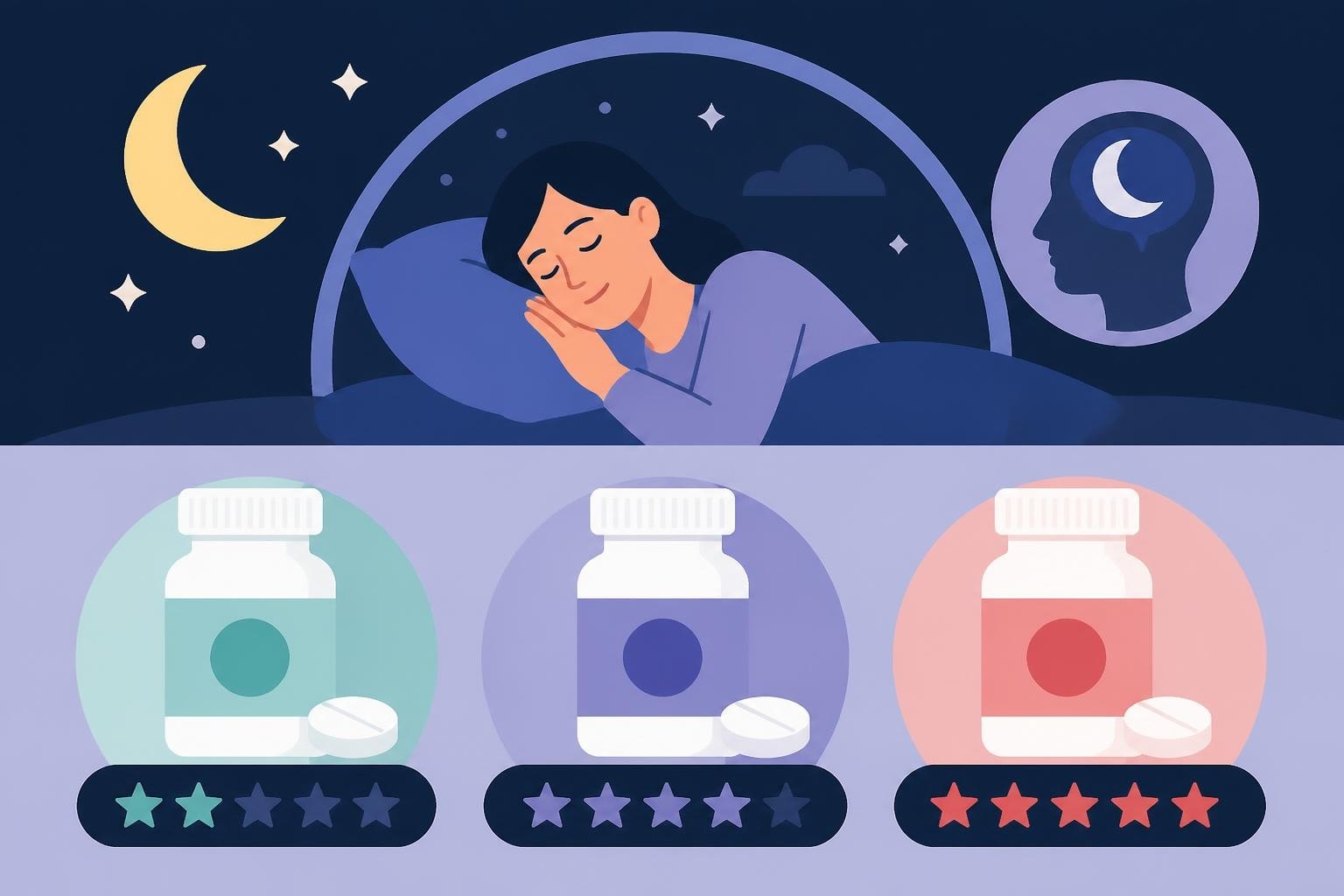
When shopping for melatonin supplements, you'll find products ranging from 0.5 mg to 10 mg or higher, leaving many wondering what constitutes the melatonin strongest dose and whether more is actually better. The answer isn't straightforward. While higher doses are readily available, research suggests that melatonin's effectiveness doesn't necessarily increase proportionally with strength, and the optimal dose varies based on individual needs, age, and the specific sleep challenge you're addressing.
Understanding Melatonin Potency and Availability
The supplement market offers melatonin in an impressive range of strengths, but "strongest" doesn't always mean most effective. Standard over-the-counter formulations typically range from 1 mg to 10 mg, though some manufacturers produce 20 mg or even 30 mg tablets marketed as maximum strength options.
What Constitutes High-Dose Melatonin
According to clinical pharmacology research, melatonin doses can be categorized into three tiers:
- Low-dose: 0.3 mg to 1 mg (physiological doses)
- Standard-dose: 2 mg to 5 mg (most common commercial formulations)
- High-dose: 10 mg to 30 mg (maximum strength options)
The melatonin strongest formulations available without prescription typically cap at 10 mg per tablet, though compounding pharmacies can create higher concentrations. These high-dose options are often marketed for individuals who haven't responded to lower doses or who experience severe sleep disruptions.

Immediate-Release vs. Extended-Release Formulations
Strength isn't just about milligram count. The delivery mechanism significantly impacts effectiveness:
| Formulation Type | Release Pattern | Best For | Typical Strengths |
|---|---|---|---|
| Immediate-release | Quick absorption (30-60 min) | Sleep onset issues | 1-10 mg |
| Extended-release | Gradual release over 6-8 hours | Sleep maintenance problems | 2-10 mg |
| Sublingual | Very rapid absorption (15-30 min) | Acute sleep initiation | 1-5 mg |
| Liquid | Customizable, fast-acting | Children or dose adjustments | Variable |
Extended-release formulations may contain the same total melatonin as immediate-release versions but distribute it over time, potentially making them more effective for specific sleep patterns despite identical strength ratings.
The Science Behind Melatonin Dosing
Research challenges the assumption that the melatonin strongest dose produces the best results. A systematic review in Nutrition Journal found that doses as low as 0.3 mg to 2 mg effectively promoted sleep quality, with minimal additional benefit from higher doses for most individuals.
Dose-Response Relationships
The relationship between melatonin dose and sleep outcomes isn't linear. Studies show that:
Sleep onset latency (time to fall asleep) improves with doses from 0.3 mg to 5 mg, but increasing beyond 5 mg rarely produces proportional improvements. Many people achieve optimal results with 1-3 mg taken 30-60 minutes before bedtime.
Sleep duration and quality show similar patterns. Higher doses don't necessarily translate to longer or more restful sleep. In fact, excessive doses may lead to next-day grogginess or alter natural sleep architecture.
Circadian rhythm regulation responds well to lower doses. For jet lag or shift work, research suggests 0.5 mg to 3 mg is typically sufficient to help reset the body's internal clock.
Individual Variation in Melatonin Response
Your optimal melatonin strength depends on several personal factors:
- Age: Older adults naturally produce less melatonin and may benefit from slightly higher doses (3-5 mg)
- Body weight: Some evidence suggests larger individuals may require moderately higher doses
- Metabolism: Genetic variations in melatonin metabolism affect how quickly your body processes the supplement
- Sleep issue type: Difficulty falling asleep versus staying asleep may require different approaches
- Current medications: Some drugs interact with or affect melatonin levels
When considering sleep support options, platforms like DoseRank evaluate supplements across multiple factors beyond just strength, including evidence quality and dose appropriateness for specific health goals like sleep quality improvement.
Safety Considerations for High-Strength Melatonin
While melatonin is generally well-tolerated, the melatonin strongest formulations carry specific considerations that users should understand before selecting high-dose options.
Common and Serious Side Effects
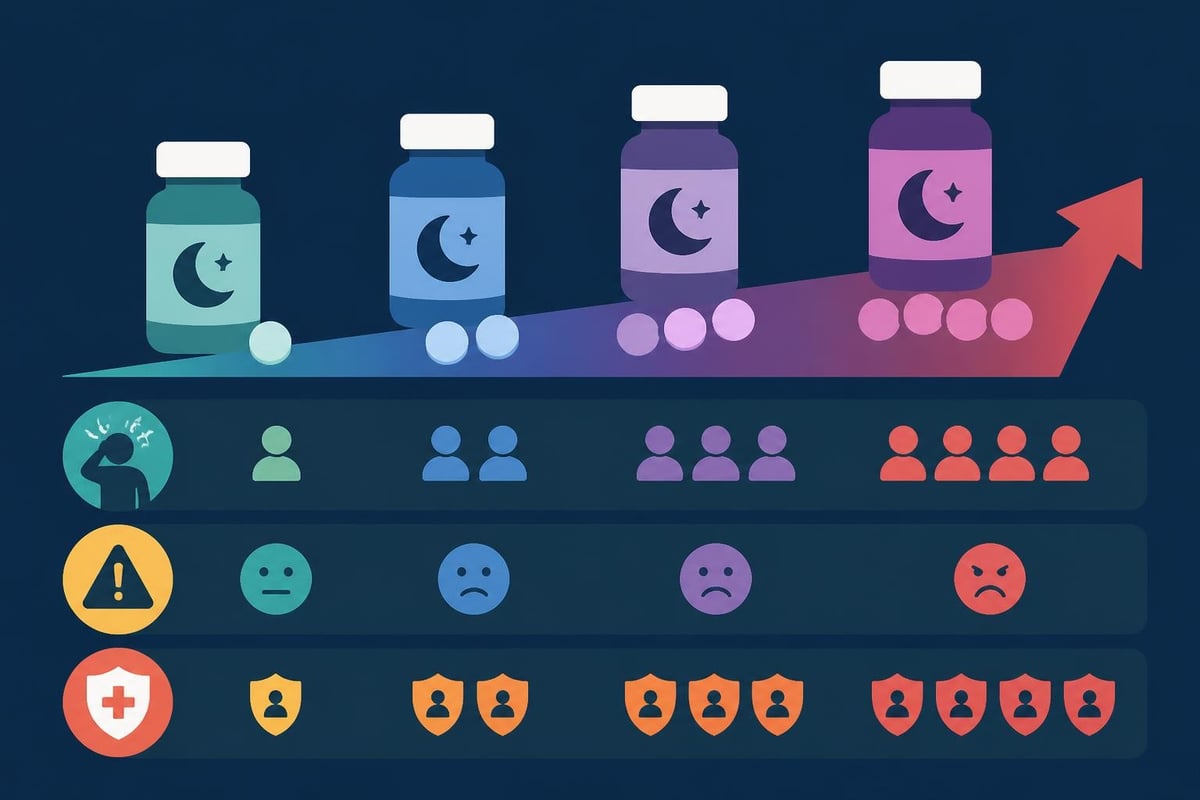
The Sleep Foundation's analysis of melatonin safety profiles reveals that side effects become more common with higher doses:
Frequent mild effects (especially with doses above 5 mg):
- Morning drowsiness or grogginess
- Headaches
- Dizziness
- Nausea
- Vivid dreams or nightmares
Less common but notable concerns:
- Daytime sleepiness affecting work or driving safety
- Mood changes including irritability or mild depression
- Hormonal fluctuations (melatonin affects reproductive hormones)
- Blood pressure variations
Recent research has raised questions about long-term use of higher doses. A study discussed by Tom's Guide found associations between prolonged melatonin use and increased cardiovascular concerns, though more research is needed to establish definitive causation.
Who Should Avoid High-Dose Melatonin
Certain populations should exercise particular caution with the melatonin strongest formulations:
| Population | Recommendation | Reason |
|---|---|---|
| Pregnant women | Avoid or consult physician | Limited safety data; affects hormones |
| Children under 12 | Use only under medical supervision | Developing endocrine systems |
| People with autoimmune conditions | Consult specialist | May affect immune function |
| Those on blood thinners | Medical consultation required | Potential interaction effects |
| Individuals with seizure disorders | Discuss with neurologist | May lower seizure threshold |
Choosing the Right Melatonin Strength
Rather than automatically selecting the melatonin strongest option, a strategic approach yields better outcomes. Sleep specialists increasingly recommend starting low and adjusting based on response.
The Start-Low Strategy
Begin with 0.5 mg to 1 mg taken 30-60 minutes before your desired bedtime. This physiological dose closely mimics natural melatonin production and allows you to assess your individual sensitivity. Track your response for 3-5 nights before making adjustments.
If the initial dose proves insufficient, increase gradually:
- Week 1: Try 0.5-1 mg
- Week 2: If needed, increase to 2-3 mg
- Week 3: Consider 5 mg if lower doses were ineffective
- Week 4: Evaluate whether higher doses (above 5 mg) are necessary or if non-dose factors need attention
Many people discover that 2-3 mg provides optimal results without requiring the melatonin strongest formulations available.
Quality and Purity Matter More Than Strength
A 10 mg tablet from a poorly manufactured source may be less effective than a 3 mg dose from a quality-controlled manufacturer. Consider these factors:
Third-party testing: Look for USP, NSF, or ConsumerLab verification. Studies have found significant label inaccuracies in melatonin supplements, with actual content varying by 83% to 478% of stated amounts.
Additional ingredients: Some formulations combine melatonin with L-theanine, magnesium, or herbs. These additions may enhance effectiveness but also introduce variables.
Manufacturing standards: GMP-certified facilities ensure consistent dosing and purity.
DoseRank's methodology evaluates supplements across multiple dimensions including manufacturing quality and dose accuracy, not just advertised strength.
When Higher Doses May Be Appropriate
While lower doses work for most people, specific situations may warrant consideration of the melatonin strongest options under medical guidance.
Clinical Applications of High-Dose Melatonin
Medical research has explored doses of 10-20 mg for specific conditions:
Neurodevelopmental disorders: Some studies in children with autism spectrum disorder or ADHD have used 6-10 mg under medical supervision, showing improvements in sleep onset and duration.
Delayed sleep phase syndrome: Individuals whose circadian rhythms are significantly delayed may benefit from 5-10 mg combined with light therapy and sleep schedule adjustments.
Cluster headaches: Research into melatonin's role in preventing cluster headaches has examined doses up to 10 mg taken nightly.
Preoperative anxiety and recovery: Some surgical protocols use 3-10 mg before procedures to reduce anxiety and potentially improve postoperative outcomes.
These applications require professional oversight. Self-prescribing high doses for complex conditions isn't advisable.
Alternatives to Increasing Melatonin Dose
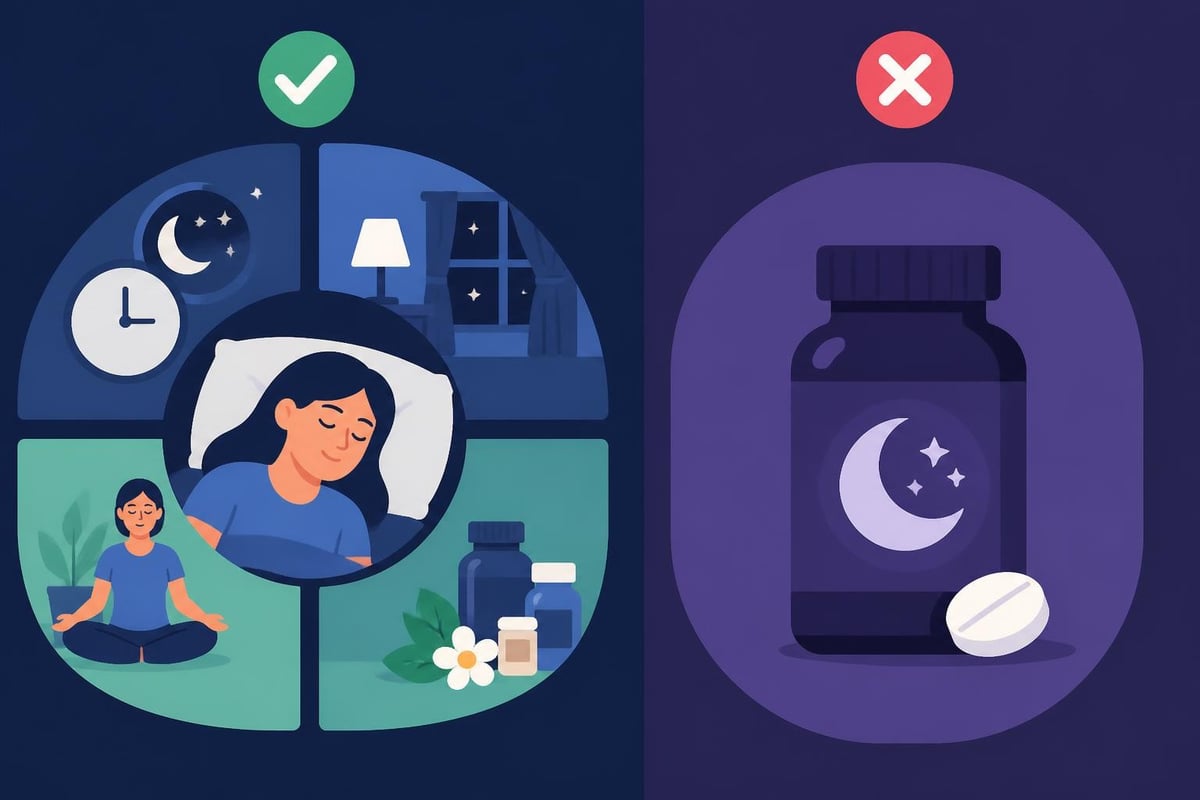
Before escalating to the melatonin strongest formulations, consider these evidence-based alternatives:
Timing optimization: Taking melatonin too early or too late reduces effectiveness. The optimal window is typically 30-60 minutes before bed, but individual variation exists.
Sleep hygiene improvements: Dark, cool bedrooms, consistent schedules, and reduced screen time before bed enhance melatonin's natural production and supplement effectiveness.
Combination approaches: Pairing standard-dose melatonin with magnesium, glycine, or behavioral sleep interventions may prove more effective than simply increasing melatonin strength.
As noted in expert sleep advice, many sleep specialists emphasize behavioral modifications over supplement strength escalation.
Special Populations and Melatonin Strength
Different life stages and health conditions influence optimal melatonin dosing strategies.
Melatonin for Older Adults
Natural melatonin production declines significantly with age, leading many older adults to consider supplementation. Research suggests:
- Adults over 55 may benefit from 2-5 mg doses
- Extended-release formulations may better address age-related sleep maintenance issues
- Interactions with common medications (blood pressure drugs, diabetes medications) require careful monitoring
- Starting with 1-2 mg remains prudent despite age-related production declines
Athletes and Shift Workers
These populations face unique sleep challenges that sometimes lead to consideration of higher melatonin doses:
Athletes traveling across time zones may use 3-5 mg to adjust circadian rhythms more rapidly. The timing relative to destination time zone matters as much as dose strength.
Shift workers attempting to sleep during daylight hours face environmental and biological challenges. Doses of 3-6 mg combined with blackout curtains and sleep masks show the best evidence, though the melatonin strongest options don't necessarily improve outcomes over moderate doses.
Comparing Melatonin Products and Formulations
The market offers numerous melatonin products at varying strengths, making informed selection challenging without a systematic approach.
Reading Supplement Labels Effectively
Understanding what you're actually purchasing requires attention to several label elements:
Melatonin content per serving: Verify whether the stated dose is per tablet or per serving (some products recommend multiple tablets).
Other active ingredients: Many sleep supplements combine melatonin with L-theanine, GABA, valerian, or other compounds, making strength comparisons complex.
Inactive ingredients: Fillers, binders, and coatings affect absorption rate and may cause sensitivities in some individuals.
Expiration dates: Melatonin degrades over time; potency decreases in improperly stored products.
Cost-Effectiveness Across Strengths
The melatonin strongest products aren't always the best value:
| Strength | Average Cost per Dose | Cost per Month* | Typical Effectiveness |
|---|---|---|---|
| 1 mg | $0.05-0.10 | $1.50-3.00 | High for most users |
| 3 mg | $0.08-0.15 | $2.40-4.50 | High for most users |
| 5 mg | $0.12-0.20 | $3.60-6.00 | Moderate improvement over 3mg |
| 10 mg | $0.20-0.35 | $6.00-10.50 | Minimal improvement over 5mg |
*Based on nightly use
Many users find that purchasing 3 mg or 5 mg tablets and splitting them as needed offers better flexibility and value than buying the melatonin strongest formulations.
Platforms like DoseRank help consumers evaluate supplements across multiple criteria including cost-effectiveness relative to evidence-backed dosing, not just raw potency.
Medical Consultation and Monitoring
Before committing to high-strength melatonin, professional guidance offers important safeguards.
When to Consult a Healthcare Provider
According to Mayo Clinic expert guidance, medical consultation becomes particularly important when:
- Sleep problems persist beyond 2-3 weeks despite melatonin use
- You're considering doses above 5 mg
- You take medications that might interact with melatonin
- You have chronic health conditions affecting sleep
- You experience unusual side effects at any dose
Sleep disorders like sleep apnea, restless leg syndrome, or chronic insomnia require professional diagnosis. Melatonin, regardless of strength, treats symptoms rather than underlying conditions.
Monitoring Long-Term Use
If using melatonin regularly, especially at higher strengths, periodic evaluation ensures continued appropriateness:
Effectiveness assessment: Does the supplement still work at the current dose, or have you developed tolerance requiring strength increases?
Side effect monitoring: Track any changes in mood, daytime alertness, or other functions that might relate to melatonin use.
Dependency concerns: While melatonin isn't physically addictive, psychological reliance can develop. Periodic breaks help assess whether continued use remains necessary.
Alternative exploration: Reassess whether behavioral modifications or other interventions might reduce or eliminate supplement need.
Future Directions in Melatonin Research
Understanding of optimal melatonin dosing continues evolving as research expands beyond simple strength considerations.
Personalized Melatonin Dosing
Emerging research explores genetic testing to predict individual melatonin metabolism and optimal dosing. The CYP1A2 gene significantly influences how quickly your body processes melatonin, potentially explaining why some people respond well to low doses while others require the melatonin strongest formulations.
Future supplement selection may incorporate:
- Genetic testing for melatonin metabolism variants
- Circadian rhythm phenotyping to optimize timing
- Sleep tracking data integration for dose adjustments
- Artificial intelligence-driven dosing recommendations
Novel Delivery Systems
Beyond traditional tablets, researchers are developing:
Transdermal patches that deliver consistent melatonin levels throughout the night, potentially more effective than high-dose immediate-release options.
Micro-dosing regimens that provide multiple small doses rather than single large doses, better mimicking natural melatonin secretion patterns.
Combination formulations with complementary compounds targeting different sleep mechanisms, reducing reliance on simply increasing melatonin strength.
Regulatory Landscape and Quality Control
The melatonin supplement market operates under different regulatory frameworks than prescription medications, affecting quality and labeling accuracy.
FDA Oversight Limitations
In the United States, melatonin is classified as a dietary supplement, not a drug. This classification means:
- Manufacturers aren't required to prove effectiveness before marketing
- Potency and purity testing isn't mandatory
- Label claims face less stringent verification than pharmaceutical products
- Post-market surveillance is limited compared to prescription drugs
These regulatory gaps make third-party testing and quality certifications particularly valuable when selecting any melatonin product, especially the melatonin strongest formulations where dosing accuracy matters most.
International Availability Differences
Melatonin regulation varies globally:
In the European Union, many countries classify melatonin as prescription-only above 2 mg, limiting over-the-counter access to lower strengths.
Canada requires Natural Product Numbers (NPNs) for melatonin supplements, providing some quality assurance but still allowing various strengths.
Australia restricts melatonin to prescription status, with most approved formulations at 2 mg.
These international differences reflect varying perspectives on appropriate melatonin strength and regulation.
Practical Implementation Guidelines
Successfully using melatonin, regardless of strength, requires attention to several practical factors beyond simply selecting the highest dose.
Creating an Effective Sleep Protocol
Maximize melatonin effectiveness through comprehensive sleep optimization:
- Set consistent sleep-wake times (even on weekends)
- Take melatonin 30-60 minutes before target bedtime
- Dim lights and reduce screen exposure after taking melatonin
- Maintain a cool bedroom temperature (65-68°F optimal)
- Avoid caffeine after 2 PM and alcohol within 3 hours of bed
These behavioral factors often matter more than whether you use 3 mg or the melatonin strongest 10 mg option.
Tracking and Adjusting Your Approach
Maintain a simple sleep log recording:
- Melatonin dose and timing
- Time to fall asleep (estimated)
- Number of nighttime awakenings
- Wake time and morning alertness rating
- Any side effects noted
After 1-2 weeks, patterns emerge that guide adjustments. Many people discover that timing modifications or sleep hygiene improvements outperform strength increases.
Finding the right melatonin strength requires balancing efficacy, safety, and individual response patterns rather than simply choosing the highest dose available. The evidence consistently shows that more isn't necessarily better, with most people achieving optimal results at moderate doses of 1-5 mg when combined with proper timing and sleep hygiene. If you're looking for personalized supplement recommendations based on comprehensive evidence evaluation rather than marketing claims, DoseRank helps you identify the best options for your specific sleep goals through data-driven rankings that consider dose appropriateness, scientific evidence, and real-world effectiveness.