
DOSERANK guide
Melatonin 6mg: Dosing, Evidence, and What You Need to Know
Published
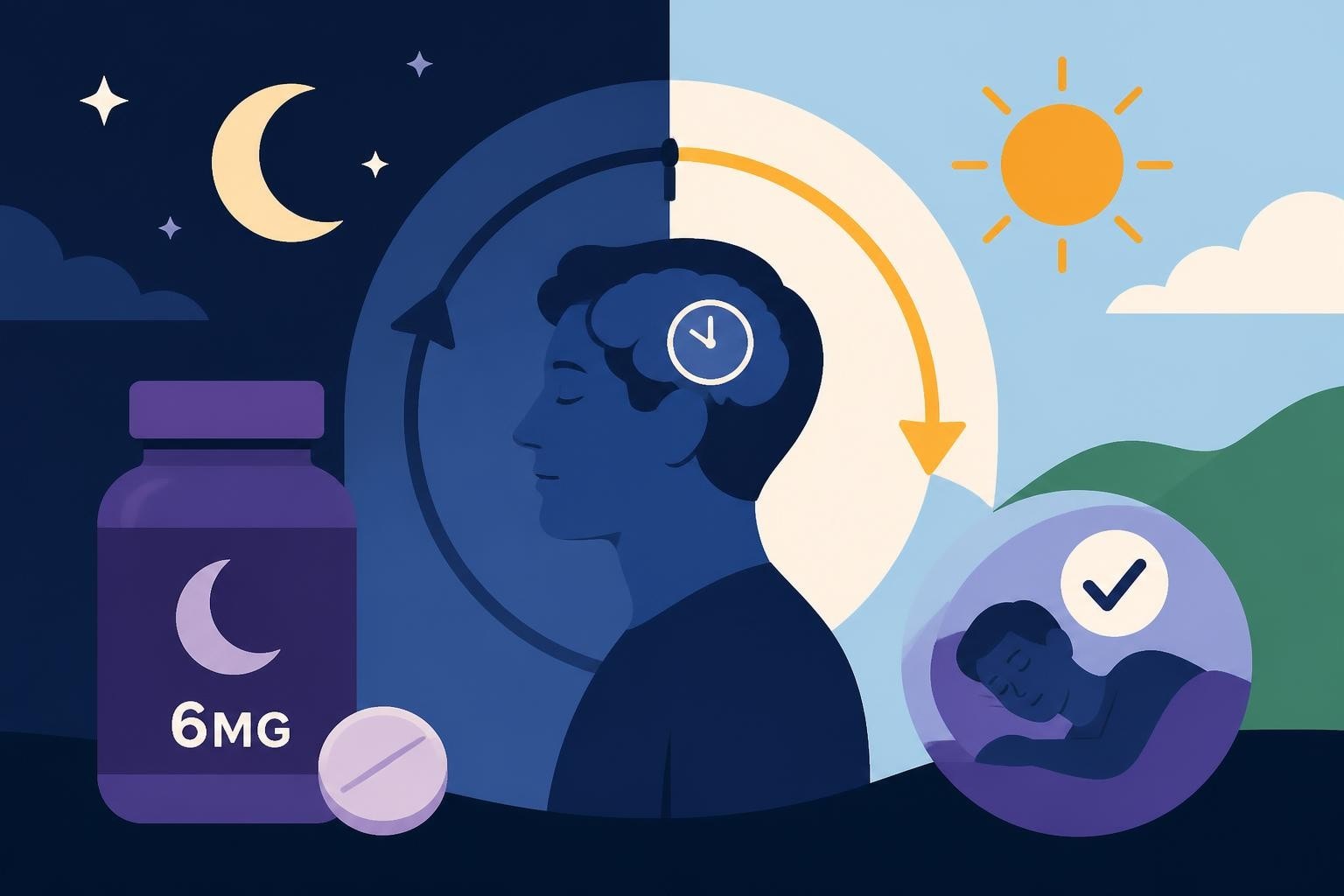
Melatonin supplements have become a staple in medicine cabinets across America, with millions of adults reaching for them to support better sleep. Among the many dosing options available, melatonin 6mg sits in a middle range that raises important questions about appropriateness, efficacy, and safety. This dose is higher than the minimal effective amounts often studied in clinical trials yet lower than the megadoses sometimes marketed for specific conditions. Understanding where 6mg fits in the evidence landscape, who might benefit, and what cautions apply requires a closer look at melatonin's mechanism, pharmacokinetics, and the research that has tested various doses head to head.
Understanding Melatonin and How Dose Matters
Melatonin is a hormone naturally produced by the pineal gland in response to darkness, signaling to the body that it's time to prepare for sleep. Supplemental melatonin works primarily by reinforcing this signal, helping to shift circadian timing or promote sleep onset depending on when it's taken.
The Mechanism Behind Melatonin Supplementation
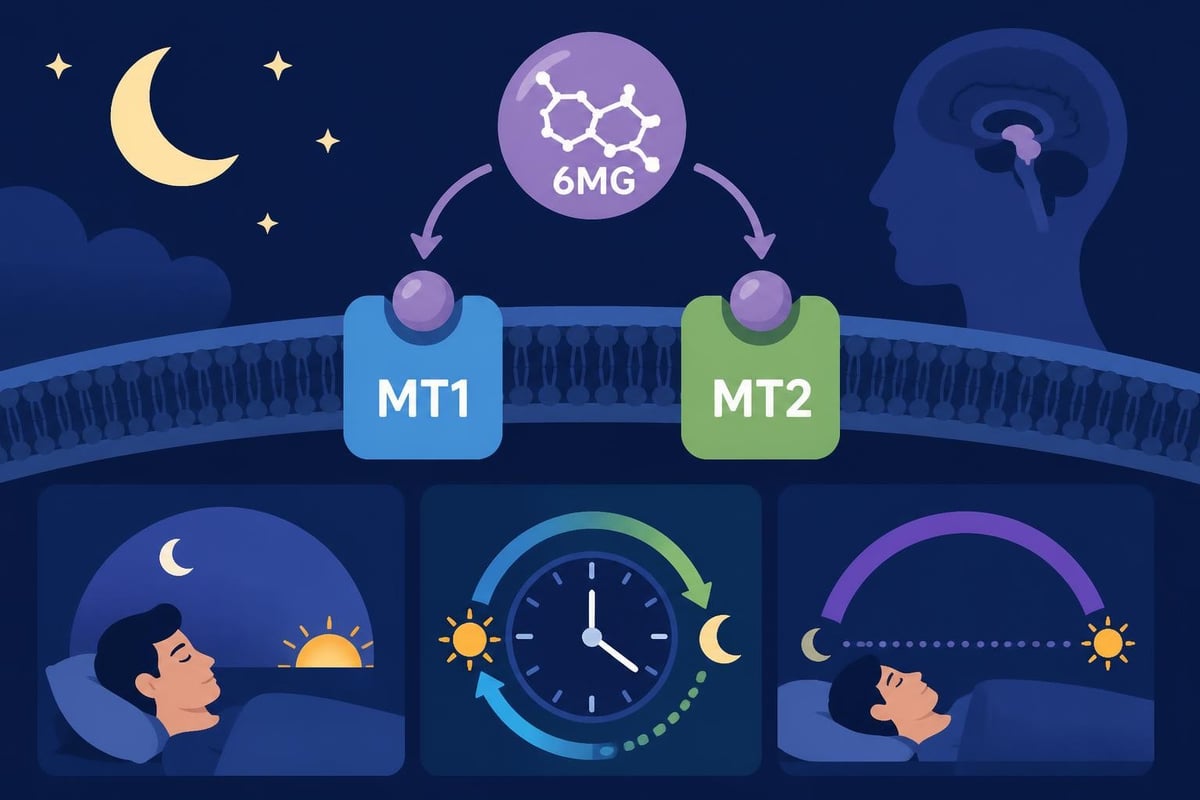
When you take melatonin orally, it binds to MT1 and MT2 receptors in the brain and throughout the body. The StatPearls clinical overview describes how MT1 receptor activation promotes sleep onset, while MT2 receptor activation helps regulate circadian phase. This dual action makes melatonin effective for both falling asleep faster and adjusting sleep-wake timing.
Key factors that influence melatonin's effects:
- Timing of administration: Taking melatonin 1-2 hours before desired bedtime typically works best for sleep onset
- Individual metabolism: Hepatic first-pass metabolism varies widely, affecting peak concentration and duration
- Light exposure: Bright light after dosing can counteract melatonin's circadian signals
- Baseline production: People with naturally low melatonin may respond differently than those with normal levels
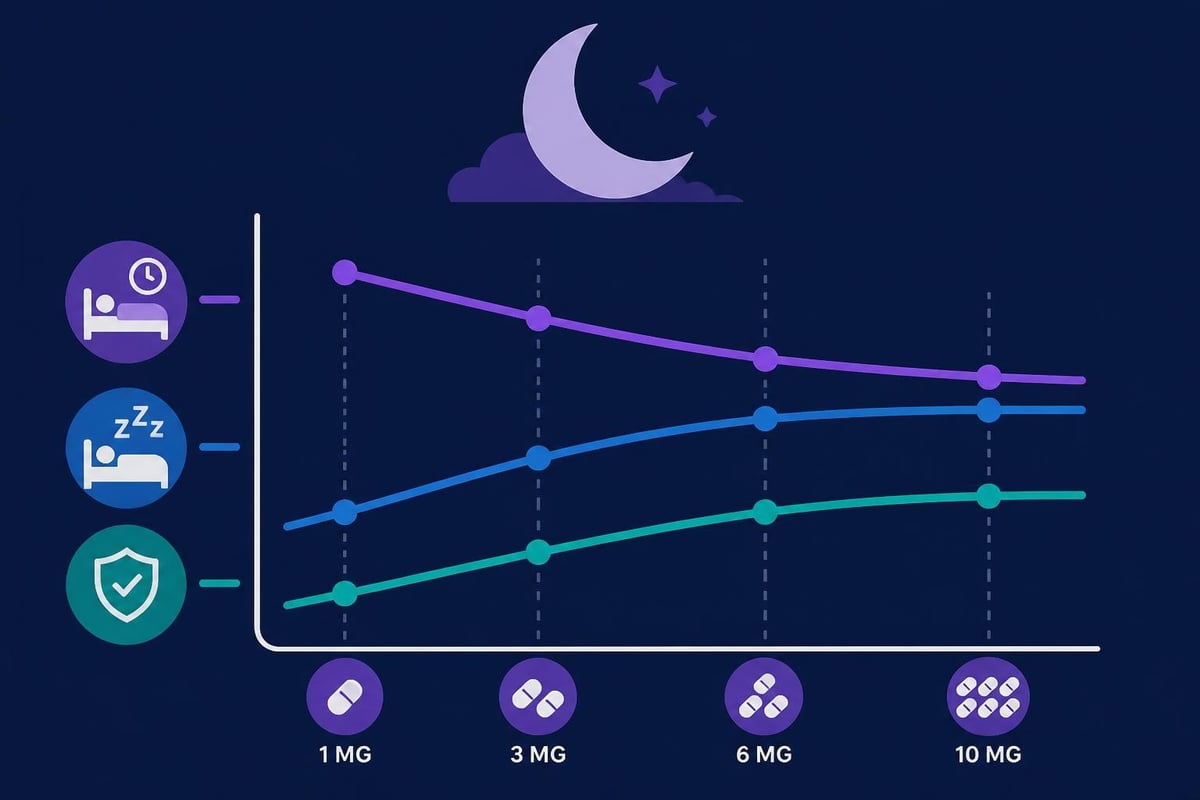
The relationship between dose and effect is not strictly linear. Research shows that melatonin's sleep-promoting effects plateau at relatively low doses for many people, while higher doses may prolong duration of action or produce different metabolic effects beyond sleep.
Pharmacokinetics of a 6mg Dose
Melatonin 6mg produces substantially higher peak serum concentrations than physiological nighttime levels. Natural nocturnal melatonin peaks around 60-100 pg/mL, while a 6mg oral dose can produce levels 10 to 100 times higher depending on formulation and individual absorption.
| Dose | Approximate Peak (pg/mL) | Time to Peak | Duration Elevated |
|---|---|---|---|
| Physiological (night) | 60-100 | N/A | 8-10 hours |
| 0.3mg supplement | 200-500 | 45-60 min | 3-4 hours |
| 3mg supplement | 2,000-5,000 | 45-90 min | 4-6 hours |
| 6mg supplement | 4,000-10,000+ | 60-120 min | 6-8 hours |
The review on melatonin dose and timing explains that standard immediate-release formulations reach peak concentration within 60-90 minutes, but individual variability is substantial. A 6mg dose typically maintains elevated melatonin levels for 6-8 hours, which may extend beyond the desired sleep window for some individuals.
Prolonged-release formulations approved in Europe aim to mimic natural overnight melatonin patterns more closely. The European Medicines Agency assessment for 2mg prolonged-release melatonin shows how formulation can alter pharmacokinetics, but most over-the-counter 6mg products in the United States use immediate-release formats.
Clinical Evidence for Melatonin 6mg
The evidence base for melatonin includes hundreds of randomized trials, but relatively few have tested 6mg specifically. Most studies have used doses ranging from 0.3mg to 10mg, with 2-3mg being the most common range in sleep research.
What the Meta-Analyses Show
A comprehensive 2024 dose-response meta-analysis examined how different doses affect sleep outcomes. The analysis found that melatonin doses between 2mg and 5mg produced similar improvements in sleep latency (time to fall asleep), with diminishing returns at higher doses for this outcome.
Key findings across dose ranges:
- Sleep latency reduction: Significant at 1mg and above; plateaus around 3-5mg
- Total sleep time increase: Modest gains across all doses; slightly larger effects with 5mg+
- Sleep quality ratings: Subjective improvements reported across 0.5-10mg range
- Next-day effects: Residual sleepiness more common above 5mg
The evidence suggests melatonin 6mg may offer marginal additional benefit for total sleep time compared to 3mg, but sleep onset effects are likely comparable. The dose might be more appropriate when longer duration of action is desired or when addressing conditions beyond primary insomnia.
Specific Populations and Conditions
Clinical guidelines and research have explored melatonin across various populations. The American Academy of Sleep Medicine guidance notes that melatonin may be considered for circadian rhythm sleep disorders, though they recommend starting with the lowest effective dose.
Contexts where 6mg has been studied:
- Delayed sleep phase disorder: Higher doses (3-6mg) taken 4-5 hours before desired bedtime to advance circadian phase
- Jet lag prevention: 5-6mg taken at target bedtime in the new time zone
- Shift work adaptation: 3-6mg before daytime sleep periods
- REM sleep behavior disorder: Some studies used 3-12mg, though 6mg is a common mid-range dose
For individuals trying to improve sleep quality, the choice between 3mg and 6mg should consider individual response, timing goals, and whether next-day effects are tolerable. Platforms like DoseRank evaluate supplements based on dose fit alongside evidence and other factors, helping users identify whether a 6mg product aligns with research-backed dosing for their specific sleep goals.
Safety Considerations and Side Effects
Melatonin is generally well-tolerated across a wide dose range, but higher doses like 6mg carry a greater likelihood of side effects compared to lower amounts.
Short-Term Safety Profile
The most commonly reported side effects with melatonin 6mg include daytime drowsiness, headache, dizziness, and nausea. These tend to be dose-dependent and more frequent when doses exceed 3-5mg.
| Side Effect | Frequency at 1-3mg | Frequency at 5-10mg |
|---|---|---|
| Daytime sleepiness | Rare to occasional | Occasional to common |
| Headache | Rare | Occasional |
| Dizziness | Rare | Occasional |
| Vivid dreams | Occasional | Common |
| Nausea | Rare | Rare to occasional |
A systematic review of adverse effects in children and adolescents examined studies using 0.5-15mg and found that side effects were generally mild and transient, though daytime fatigue was more common at doses above 5mg. While this review focused on pediatric populations, the dose-dependent pattern likely applies to adults as well.
Long-Term Use and Special Populations
Long-term safety data for daily melatonin 6mg is limited. Most clinical trials have lasted 4-12 weeks, with few extending beyond six months. Observational data suggests chronic use is generally safe, but concerns about suppression of endogenous production or tolerance development remain theoretical rather than proven.
Groups requiring extra caution:
- Pregnant or nursing women (insufficient safety data)
- Individuals with autoimmune disorders (melatonin can modulate immune function)
- People taking anticoagulants or antiplatelet drugs (potential interaction)
- Those with seizure disorders (mixed evidence on seizure threshold effects)
The Memorial Sloan Kettering monograph on melatonin provides detailed information on drug interactions, noting that melatonin can interact with blood thinners, immunosuppressants, diabetes medications, and central nervous system depressants. These interactions may be more clinically significant at higher doses like 6mg compared to 1-2mg.
Choosing Between Melatonin Doses
The decision to use melatonin 6mg rather than a lower or higher dose should be based on individual response, specific sleep goals, and practical considerations.
When 6mg May Be Appropriate
Melatonin 6mg might be a reasonable choice in several scenarios:
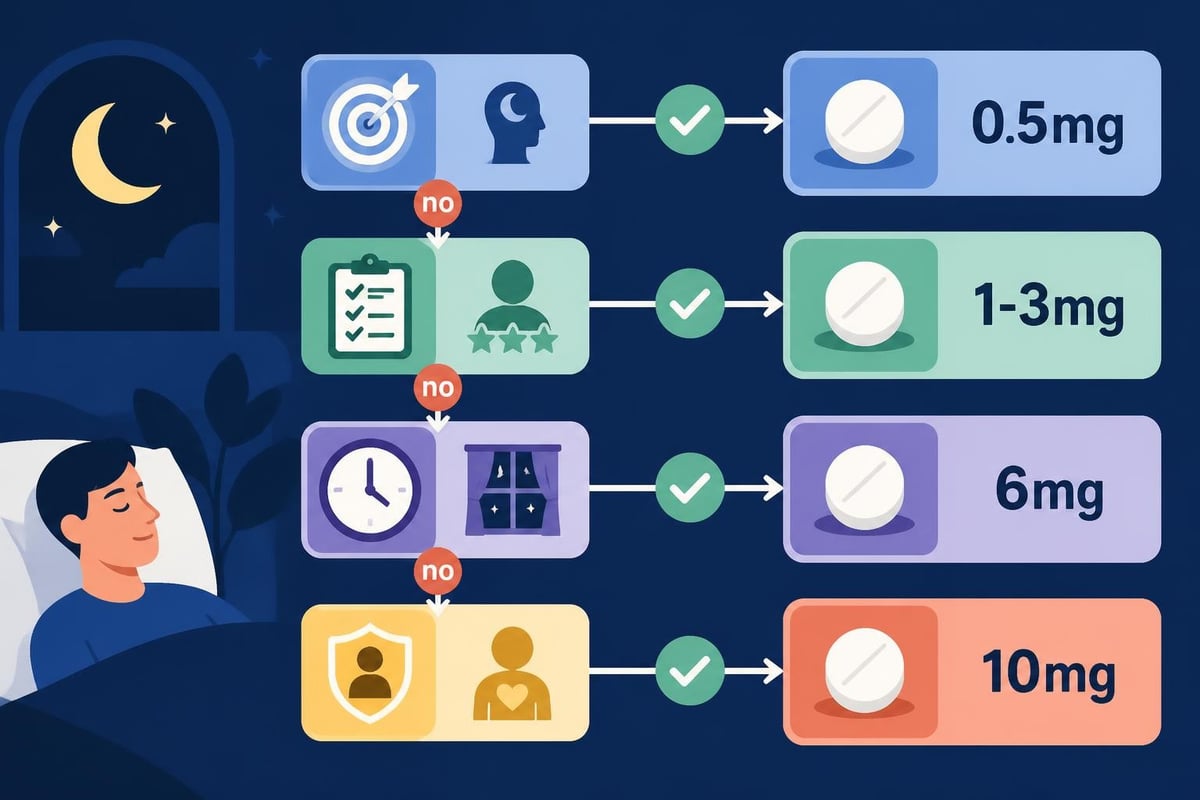
- After inadequate response to lower doses: If 1-3mg produced minimal effect after consistent use for at least one week
- Delayed sleep phase requiring stronger circadian shift: When taken several hours before desired bedtime
- Short-term intensive intervention: For jet lag or acute schedule disruption
- Conditions requiring higher doses: Some research on specific medical conditions has used 5-10mg
Starting with the lowest effective dose remains the standard recommendation. Many individuals respond well to 0.5-3mg, and there's no evidence that "more is better" for typical sleep onset insomnia.
The Case for Lower Doses
Research suggests that for most healthy adults with difficulty falling asleep, melatonin doses of 0.3-3mg are sufficient. Lower doses may produce fewer side effects while delivering comparable sleep benefits.
Advantages of starting at 1-3mg:
- Lower risk of next-day drowsiness
- More physiological serum levels
- Reduced cost per dose
- Easier to assess individual response
- Less likelihood of vivid dreams or headaches
If you're exploring supplement options systematically, resources like the DoseRank methodology can help you understand how to evaluate dose fit against the broader context of evidence quality, product trust, and value.
Product Quality and Formulation Factors
Not all melatonin 6mg supplements are created equal. Significant variability in actual melatonin content has been documented in over-the-counter products.
What to Look for in a 6mg Product
Independent testing by third-party laboratories has found that melatonin supplements can contain anywhere from 83% less to 478% more melatonin than labeled. For a 6mg product, this means actual content could range from about 1mg to over 30mg in extreme cases.
Quality markers to prioritize:
- Third-party testing verification (USP, NSF, ConsumerLab)
- Clear formulation type (immediate-release vs. prolonged-release)
- Minimal additional ingredients (avoid products with multiple added herbs or sedatives)
- Proper storage recommendations (light-protected packaging)
Immediate-release 6mg tablets or capsules are most common, but time-release formulations aim to extend the duration of elevated melatonin. The pharmacokinetic profile differs substantially between formulation types, which affects both efficacy and side effect risk.
Contamination and Purity Concerns
Some melatonin supplements have been found to contain serotonin, a neurotransmitter that should not be present. Others contain contaminants from the manufacturing process or include unlabeled sedative ingredients.
For anyone seeking reliable supplement information across multiple factors including purity, DoseRank's ranking approach considers trust signals like third-party testing alongside dose appropriateness and clinical evidence. This multi-dimensional evaluation helps identify products that not only contain the labeled 6mg dose but also meet higher standards for safety and quality.
Timing Strategies for 6mg Doses
When you take melatonin 6mg matters as much as the dose itself. The timing strategy should align with your specific goal.
For Sleep Onset Problems
If your primary issue is difficulty falling asleep at your desired bedtime, taking melatonin 6mg approximately 60-90 minutes before you want to sleep is a common approach. This allows the supplement to reach peak concentration around the time you're trying to initiate sleep.
Timing protocol for sleep onset:
- Dim lights and reduce screen exposure starting 2 hours before bed
- Take melatonin 6mg 60-90 minutes before target sleep time
- Engage in relaxing activities during the wait period
- Maintain consistent timing every night for at least one week
Because 6mg produces higher and longer-lasting melatonin levels, residual effects the next morning are possible. If you experience grogginess, consider moving the dose earlier or reducing to 3mg.
For Circadian Phase Shifting
When the goal is to shift your circadian rhythm earlier (such as for delayed sleep phase or eastward jet lag), melatonin timing follows different rules. Taking 6mg approximately 4-6 hours before your current sleep time can help advance your circadian clock over several days.
| Goal | Timing Relative to Current Sleep | Typical Duration |
|---|---|---|
| Sleep onset only | 1-2 hours before | Ongoing |
| Advance phase 1-2 hours | 4-5 hours before current sleep | 3-7 days |
| Jet lag (eastward) | At target bedtime, new time zone | 2-4 days |
| Jet lag (westward) | Morning in new time zone (or skip) | 1-3 days |
The circadian phase-shifting effect of melatonin is time-dependent and follows a phase-response curve. Light exposure timing becomes equally important when using melatonin for circadian adjustment, as bright light in the evening can counteract melatonin's phase-advancing effects.
Monitoring Response and Adjusting
Using melatonin 6mg effectively requires paying attention to both desired effects and unwanted side effects, then adjusting accordingly.
Tracking Sleep Outcomes
Give any new melatonin dose at least 3-5 nights to assess its effects, as response can vary night to night. Track the following:
- Sleep latency: How long it takes to fall asleep after turning out the lights
- Wake after sleep onset: Number and duration of nighttime awakenings
- Total sleep time: Hours of actual sleep obtained
- Morning alertness: How you feel upon waking and during the first few hours
If melatonin 6mg reduces sleep latency but leaves you groggy in the morning, the dose may be too high or taken too late. If it produces no noticeable benefit after one week of consistent use, the timing may need adjustment before concluding the dose is ineffective.
When to Step Down or Discontinue
Melatonin is generally intended for short-to-medium-term use or for specific situations like jet lag. If you've been using 6mg nightly for several weeks and your sleep schedule has stabilized, consider whether you can step down to 3mg or even 1mg while maintaining benefits.
Signs it may be time to reduce the dose:
- Next-day drowsiness that persists beyond mid-morning
- Vivid or disturbing dreams that affect sleep quality
- Headaches or dizziness
- Sleep improvements have plateaued at current dose
Discontinuing melatonin rarely causes withdrawal effects, though some people report temporary sleep disruption after stopping chronic use. Tapering the dose over a few days may help avoid any rebound sleep difficulty.
Comparing 6mg to Alternative Approaches
Melatonin isn't the only option for sleep support, and higher doses aren't automatically superior to behavioral interventions or other supplements.
Behavioral Sleep Interventions
Cognitive-behavioral therapy for insomnia (CBT-I) is considered the first-line treatment for chronic insomnia and has demonstrated efficacy equal to or better than sleep medications without side effects. Elements include stimulus control, sleep restriction, and cognitive restructuring.
For individuals with stress resilience concerns affecting sleep, addressing the underlying stress through behavioral techniques may reduce the need for supplemental melatonin or allow lower doses to be effective.
Other Sleep-Supporting Supplements
Several other supplements are used for sleep support, each with different mechanisms and evidence levels:
- Magnesium (200-400mg): May support sleep through GABA receptor modulation and muscle relaxation
- L-theanine (200mg): Amino acid that promotes relaxation without sedation
- Glycine (3g): May improve sleep quality by lowering core body temperature
- Valerian root: Herbal supplement with inconsistent evidence for sleep
Comparing these options requires evaluating evidence strength, dose appropriateness, and individual response patterns. Tools like the supplement quiz can help narrow options based on your specific sleep challenges and preferences.
Regulatory Status and Prescription Formulations
Melatonin's regulatory classification varies globally, affecting access and formulation options.
Over-the-Counter vs. Prescription Status
In the United States, melatonin is classified as a dietary supplement and available over-the-counter in any dose, including 6mg. No prescription is required, and products are not FDA-approved as drugs.
In contrast, many European countries classify melatonin as a medicine requiring prescription, typically limiting doses to 2mg prolonged-release formulations for adults over 55. This regulatory difference reflects varying perspectives on melatonin's appropriate role in healthcare.
Key regulatory differences:
| Region | Status | Typical Available Doses | Prescription Required |
|---|---|---|---|
| United States | Dietary supplement | 0.3-10mg+ | No |
| European Union | Medicine (most countries) | 2mg prolonged-release | Yes (with exceptions) |
| Canada | Natural health product | 0.5-10mg | No |
| Australia | Schedule 4 (>2mg) | ≤2mg OTC, higher Rx | Yes for >2mg |
This regulatory landscape affects both product quality oversight and clinical guidance. Prescription melatonin products undergo pharmaceutical manufacturing standards, while dietary supplements face less stringent requirements.
Special Considerations for Different Age Groups
Age affects both melatonin's appropriateness and the relevance of a 6mg dose.
Older Adults
Natural melatonin production declines with age, which is one reason sleep problems become more common in older populations. Some research suggests older adults may benefit from melatonin supplementation to compensate for reduced endogenous production.
However, older adults may also be more sensitive to melatonin's effects and more likely to experience side effects like dizziness or daytime drowsiness. Starting with 1-2mg is generally recommended, with increases to 6mg only if lower doses prove inadequate.
Younger Adults and Adolescents
For adolescents with delayed sleep phase syndrome, melatonin doses of 0.5-5mg have been studied, with timing 4-6 hours before desired bedtime showing benefit for circadian phase advancement. A 6mg dose is on the higher end for this population and should be used only under healthcare provider guidance.
Younger adults with work schedules or lifestyle habits that misalign with natural circadian rhythms may benefit from strategic melatonin use, but developing consistent sleep hygiene practices should remain the foundation of any approach.
Making an Informed Decision About Melatonin 6mg
Choosing melatonin 6mg involves weighing potential benefits against side effect risk and considering whether lower doses might achieve similar results with better tolerability.
The clinical evidence shows that for most people with typical sleep onset insomnia, doses between 1-3mg are sufficient and may produce similar sleep latency improvements with fewer next-day effects. Melatonin 6mg finds its place in specific scenarios: inadequate response to lower doses, circadian rhythm disorders requiring stronger phase shifts, or short-term intensive use for jet lag.
Decision factors checklist:
- Have you tried lower doses (1-3mg) consistently for at least one week?
- Is your goal sleep onset, circadian phase shift, or both?
- Do you tolerate medications and supplements well, or are you sensitive to side effects?
- Are you taking any medications that might interact with melatonin?
- Have you addressed sleep hygiene basics (consistent schedule, dark room, cool temperature)?
Product quality remains critical at any dose. Choosing supplements that have undergone third-party testing and contain the labeled amount helps ensure you're actually getting 6mg rather than a highly variable quantity.
If you're uncertain where to start or want to compare multiple supplement options systematically across evidence, dose, quality, and value dimensions, platforms like DoseRank provide structured evaluations to support more informed decisions.
Melatonin 6mg occupies a middle ground in the dosing landscape, offering potential benefits for specific sleep and circadian challenges while carrying a higher side effect risk than lower doses. The key is matching the dose to your individual needs and response patterns rather than assuming higher amounts deliver better results. Whether you're managing jet lag, delayed sleep phase, or persistent insomnia that hasn't responded to lower doses, understanding the evidence and quality considerations helps you use melatonin 6mg safely and effectively. For personalized supplement recommendations that account for dose fit, clinical evidence, and product quality, DoseRank offers comprehensive rankings and a quick assessment to match supplements to your specific goals.