
DOSERANK guide
Melatonin 5 mg Time Release: Complete Guide for 2026
Published
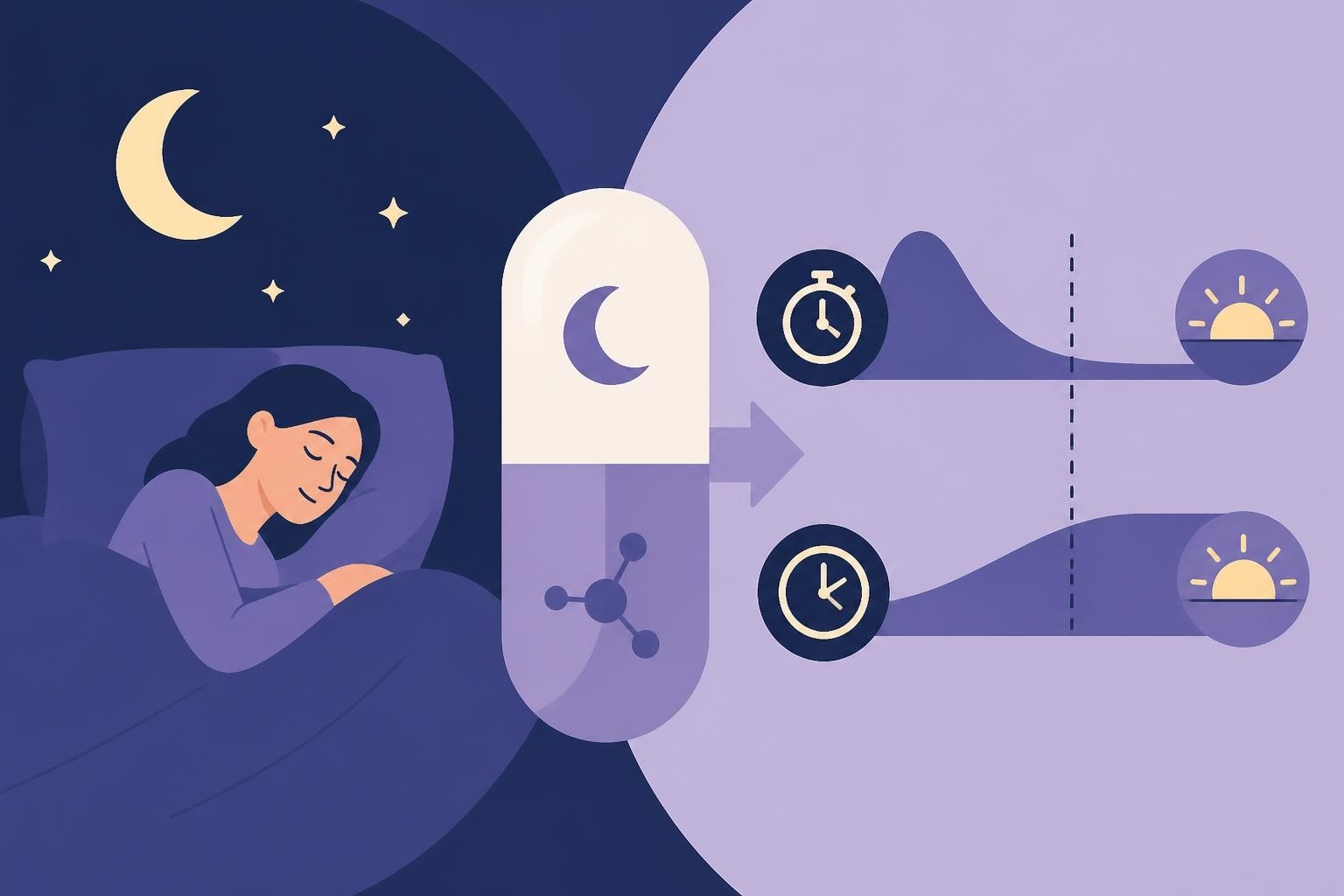
Sleep difficulties affect millions of Americans, with many turning to supplemental melatonin for relief. Among the various formulations available, melatonin 5 mg time release has gained significant attention for its ability to provide sustained support throughout the night. Unlike immediate-release versions that deliver their full dose at once, time-release formulations gradually release melatonin over several hours, more closely mimicking the body's natural overnight melatonin production. This approach may offer distinct advantages for those who struggle with staying asleep rather than just falling asleep initially.
Understanding Time-Release Melatonin Technology
Time-release formulations use specialized delivery systems to control how quickly the active ingredient enters your bloodstream. For melatonin 5 mg time release, manufacturers typically employ one of several technologies: enteric coatings that dissolve slowly in the digestive tract, microencapsulation that protects portions of the dose, or matrix systems that bind melatonin molecules to gradually release over time.
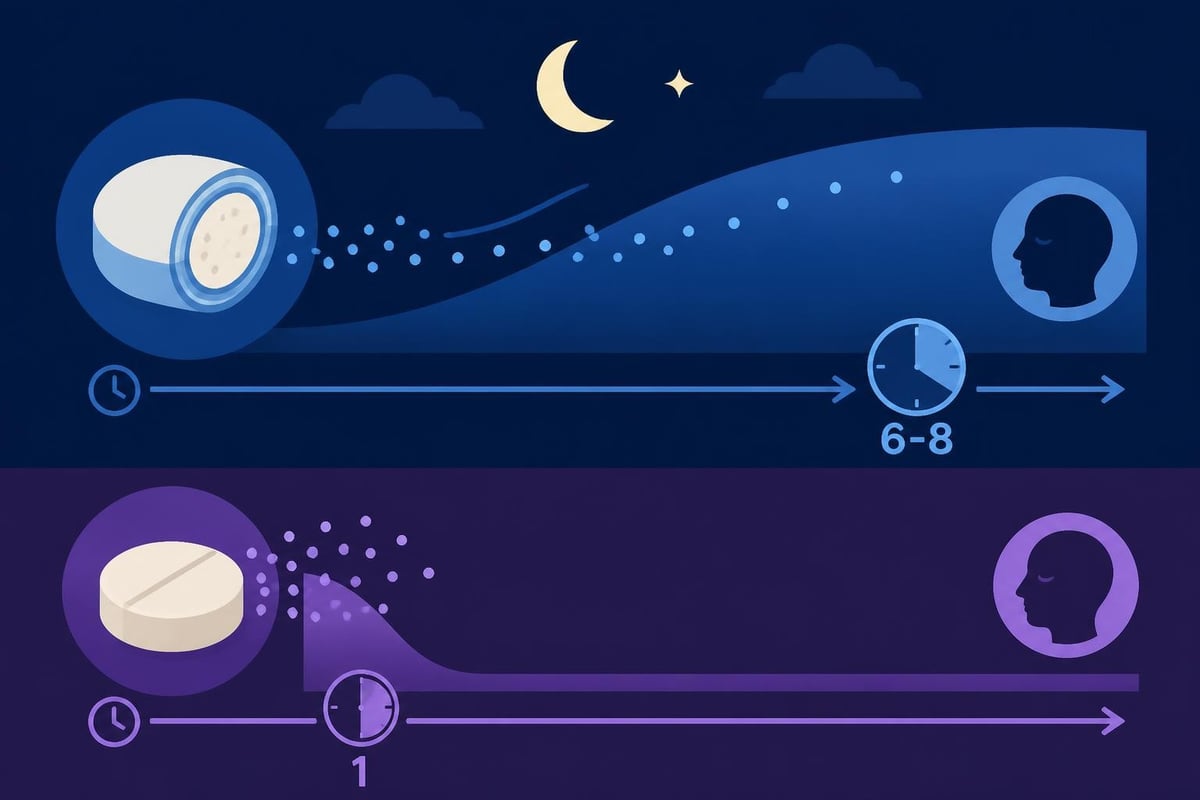
The duration of melatonin's effects varies based on formulation type, metabolic rate, and individual physiology. Standard immediate-release melatonin reaches peak plasma levels within 30 to 60 minutes and typically clears from the system within four to five hours. Time-release versions extend this window, maintaining therapeutic levels for six to eight hours or longer.
Benefits of Extended Release
The primary advantage of time-release technology centers on maintaining sleep throughout the night. While immediate-release formulas excel at initiating sleep, they may not provide adequate support for middle-of-the-night awakenings or early-morning waking patterns.
Key benefits include:
- Sustained melatonin levels matching natural nighttime production
- Reduced likelihood of middle-of-the-night awakenings
- Potentially lower next-day grogginess compared to higher immediate-release doses
- More stable blood concentration curves
Research on sleep supplements continues to evolve, with studies examining how different release profiles affect various sleep stages and overall sleep architecture. The 5 mg dose represents a middle-ground option, higher than the 1-3 mg doses often recommended for initial use but lower than the 10 mg formulations some individuals try.
Comparing Time-Release to Immediate-Release Formulations
The choice between time-release and immediate-release melatonin depends on your specific sleep challenges. Understanding how long melatonin takes to work helps determine which formulation aligns with your needs.
| Feature | Immediate-Release 5 mg | Time-Release 5 mg |
|---|---|---|
| Onset Time | 20-30 minutes | 30-45 minutes |
| Peak Level | 60 minutes | 2-3 hours |
| Duration | 4-5 hours | 6-8 hours |
| Best For | Falling asleep | Staying asleep |
| Next-Day Effects | Moderate | Lower potential |
Immediate-release versions work best for individuals whose primary challenge involves sleep onset. If you struggle to fall asleep but then sleep soundly through the night, a faster-acting formula may serve you better. The rapid absorption means melatonin levels rise quickly, promoting drowsiness at bedtime.
Time-release formulations target sleep maintenance. For those who fall asleep easily but wake frequently, or who wake too early and cannot return to sleep, the gradual release helps maintain the hormone levels that support continuous rest.
Individual Response Variations
Metabolism plays a crucial role in how any supplement affects you. Factors including liver function, concurrent medications, age, and genetic variations in melatonin receptors all influence individual response. Some people metabolize melatonin rapidly, potentially benefiting more from time-release versions that compensate for quick clearance.
Body weight and composition also matter. While melatonin dosing doesn't scale directly with weight like some compounds, larger individuals sometimes require higher doses or benefit from extended-release formulations to maintain effective levels.
Optimal Timing and Usage Guidelines
Timing your melatonin 5 mg time release intake correctly maximizes its effectiveness. Because time-release formulas take slightly longer to begin working than immediate-release versions, proper scheduling becomes essential.
Recommended timing protocol:
- Take your dose 60-90 minutes before your desired sleep time
- Dim bright lights after taking your supplement
- Avoid screens and stimulating activities
- Maintain a cool, dark sleeping environment
- Use consistently at the same time each evening
The comprehensive overview of melatonin from sleep experts emphasizes that melatonin works best as part of good sleep hygiene rather than as a standalone solution. When you take melatonin 5 mg time release alongside practices like maintaining a regular sleep schedule, limiting caffeine, and creating a relaxing bedtime routine, you're more likely to experience meaningful improvements.
Duration of Use Considerations
Short-term use for jet lag, shift work, or temporary sleep disruptions represents the most straightforward application. Time-release formulations can help your body adjust to new sleep schedules or recover from disrupted sleep patterns.
For longer-term use, consultation with a healthcare provider becomes more important. While melatonin shows a favorable safety profile in studies, individual circumstances vary. Some people use melatonin nightly for extended periods without issues, while others find it loses effectiveness or prefer intermittent use.

Evaluating Quality and Formulation Factors
Not all melatonin 5 mg time release products deliver identical results. Manufacturing quality, additional ingredients, and formulation specifics vary significantly across brands. The NIH's Dietary Supplement Label Database provides detailed information on specific products, including inactive ingredients and manufacturing claims.
Quality indicators to examine include third-party testing certifications, GMP (Good Manufacturing Practices) compliance, and transparency about ingredient sources. Some manufacturers use synthetic melatonin, while others derive it from plant sources. Both can be effective, but purity and consistency matter more than origin.
Additional Ingredients to Consider
Many time-release melatonin products combine the hormone with complementary ingredients. Common additions include:
- L-theanine: An amino acid that promotes relaxation without sedation
- Magnesium: Supports muscle relaxation and nervous system calming
- Valerian root: Traditional herb associated with sleep support
- Chamomile extract: Mild calming properties
- Vitamin B6: Involved in melatonin synthesis
When evaluating combination products, consider whether you want single-ingredient purity or appreciate the potential synergy of multiple compounds. Some users prefer standalone melatonin to isolate its effects, while others find combination formulas more effective.
If you're looking to improve sleep quality through evidence-based supplement selection, platforms that rank products based on dosing, trust, and research can help you navigate the overwhelming number of options available in 2026.
Side Effects and Safety Considerations
Melatonin generally demonstrates good tolerability, but individual reactions vary. Common side effects associated with melatonin 5 mg time release remain similar to those of immediate-release versions, though the extended delivery may influence their presentation.
Potential side effects include:
- Morning grogginess or drowsiness
- Vivid dreams or nightmares
- Mild headache
- Dizziness
- Nausea
The time-release formulation may reduce next-day drowsiness compared to immediate-release at the same dose, as it avoids the high peak concentrations that sometimes contribute to morning grogginess. However, because it maintains levels longer, timing becomes critical. Taking it too late in the evening could result in elevated melatonin levels upon waking.
Drug Interactions and Contraindications
Melatonin can interact with various medications. Blood thinners, immunosuppressants, diabetes medications, and birth control pills may all interact with melatonin supplementation. Sedative medications combined with melatonin could produce excessive drowsiness.
| Medication Class | Potential Interaction | Recommendation |
|---|---|---|
| Blood thinners | Increased bleeding risk | Consult physician |
| Diabetes drugs | Altered blood sugar | Monitor glucose |
| Immunosuppressants | Reduced drug efficacy | Medical supervision |
| Sedatives | Excessive drowsiness | Avoid combination |
| Blood pressure meds | Altered BP control | Monitor pressure |
Pregnant or nursing women should avoid melatonin unless specifically directed by their healthcare provider, as research on safety during pregnancy remains limited. Children and adolescents represent another group requiring medical guidance before using melatonin supplements.
Dosage Optimization Strategies
Five milligrams represents a moderate dose in the melatonin spectrum. Some individuals find success with as little as 0.5 mg, while others use 10 mg or more. The optimal dose depends on your individual physiology, the severity of sleep difficulties, and previous supplement experience.

Starting with the lowest effective dose makes physiological sense. Even if you purchase melatonin 5 mg time release tablets, you might begin by taking half a tablet (2.5 mg) for several nights to assess response. If insufficient, the full 5 mg dose follows as the next step.
Signs You've Found the Right Dose
Effective melatonin supplementation should produce noticeable improvements without significant side effects. Indicators that your current regimen works well include:
- Falling asleep within 30-45 minutes of lying down
- Maintaining sleep with minimal night awakenings
- Waking naturally near your target time
- Feeling refreshed rather than groggy upon waking
- No significant daytime drowsiness
If you experience excessive morning grogginess, vivid disturbing dreams, or find yourself sleeping too long, your dose may be too high. Conversely, if sleep quality doesn't improve after consistent use for one to two weeks, you might need a higher dose or a different approach entirely.
Who Benefits Most From Time-Release Formulations
Sleep disorders vary widely in their presentation. While melatonin 5 mg time release offers advantages for many users, certain profiles benefit more than others. Understanding how long melatonin lasts in your system helps determine whether extended release matches your needs.
Ideal candidates for time-release melatonin:
- People with sleep maintenance insomnia (frequent awakenings)
- Individuals experiencing early morning awakening
- Shift workers needing sustained sleep during daylight hours
- Older adults with reduced natural melatonin production
- Those who find immediate-release melatonin wears off too quickly
Conversely, people whose only sleep challenge involves falling asleep may find immediate-release formulations more appropriate. Similarly, those highly sensitive to supplements might prefer starting with lower doses of immediate-release products before progressing to time-release versions.
Age-Related Considerations
Natural melatonin production typically declines with age, beginning around age 40 and becoming more pronounced in later decades. Older adults often produce significantly less melatonin than younger individuals, potentially explaining increased sleep difficulties in this population.
Time-release formulations may particularly benefit older users by providing sustained levels throughout the night, compensating for diminished natural production. The 5 mg dose offers meaningful supplementation without excessive amounts that could increase side effect risk in this potentially more sensitive population.
Combining With Sleep Hygiene Practices
No supplement, regardless of formulation quality, replaces fundamental sleep hygiene. Melatonin 5 mg time release works best within a comprehensive approach to sleep health that addresses behavioral, environmental, and lifestyle factors.
Essential sleep hygiene practices:
- Consistent sleep and wake times, even on weekends
- Dark, cool bedroom environment (65-68°F optimal)
- Removal of electronic devices or use of blue light filters
- Caffeine cutoff at least 6-8 hours before bedtime
- Regular physical activity, but not within 3 hours of sleep
- Stress management through meditation, journaling, or relaxation techniques
The synergy between proper sleep hygiene and melatonin supplementation often produces better results than either approach alone. When you align your supplement timing with circadian-friendly behaviors, you support your body's natural sleep-wake cycle from multiple angles.
Light Exposure Management
Light represents the most powerful synchronizer of circadian rhythms, even more influential than melatonin supplementation. Bright light exposure, particularly blue wavelengths from screens, suppresses natural melatonin production and can counteract supplemental melatonin's effects.
Managing light exposure means getting adequate bright light during morning and daytime hours to reinforce alertness, then progressively dimming environmental light as evening approaches. This natural progression supports your body's melatonin production, allowing supplemental melatonin 5 mg time release to enhance rather than fight against your physiology.
Selecting High-Quality Products
The supplement industry's lack of mandatory pre-market approval means product quality varies substantially. When choosing melatonin 5 mg time release, several factors distinguish higher-quality options from inferior products.
Third-party testing certifications from organizations like NSF International, USP (United States Pharmacopeia), or ConsumerLab provide independent verification of label accuracy and purity. These certifications confirm that products contain the stated melatonin dose without excessive contaminants.
Manufacturing standards matter significantly. Companies following GMP guidelines maintain quality control processes that reduce batch-to-batch variability and contamination risk. Transparency about sourcing, testing, and manufacturing processes often correlates with overall product quality.
Label Reading Skills
Examining supplement labels carefully helps you make informed decisions. Beyond the active ingredient amount, check the "Other Ingredients" section for time-release technologies used, potential allergens, and unnecessary fillers. The NIH's detailed product labels demonstrate the level of information available for many supplements.
Expiration dates ensure potency, as melatonin can degrade over time, particularly with exposure to heat, light, or moisture. Storing your supplements properly, in cool, dry locations away from direct sunlight, preserves their effectiveness.
When evaluating the dozens of options available, using evidence-based ranking systems that assess supplements across multiple dimensions including dose appropriateness, manufacturing trust, and research support can streamline your decision-making process. The DoseRank methodology exemplifies this systematic approach to supplement evaluation.
Tracking Your Response
Individual response to melatonin 5 mg time release varies enough that personal tracking provides valuable insights. Simple monitoring helps you determine whether your current regimen works or requires adjustment.
Metrics worth tracking:
- Time to fall asleep after lying down
- Number of nighttime awakenings
- Total sleep duration
- Next-day energy levels and mood
- Side effects experienced
A basic sleep diary, whether paper-based or using smartphone apps, creates a record you can review over weeks. Patterns emerge more clearly with data than with memory alone. You might notice that melatonin works better on certain days, perhaps correlating with stress levels, exercise timing, or dietary factors.
Give any new melatonin regimen at least seven to ten days of consistent use before making dose or formulation changes. Single-night responses can mislead due to multiple variables affecting sleep. Consistent patterns over a week provide more reliable information for decision-making.
Time-release melatonin 5 mg offers a targeted approach for those seeking sustained sleep support throughout the night, though individual needs vary considerably. Finding the right supplement means considering your specific sleep challenges, examining product quality carefully, and integrating supplementation within broader sleep hygiene practices. DoseRank helps you navigate these decisions by ranking supplements based on evidence, dose fit, trust, value, and availability, with a quick quiz to identify options matched to your specific sleep goals.