
DOSERANK guide
Melatonin 5: Dosing, Evidence, and What Science Says
Published
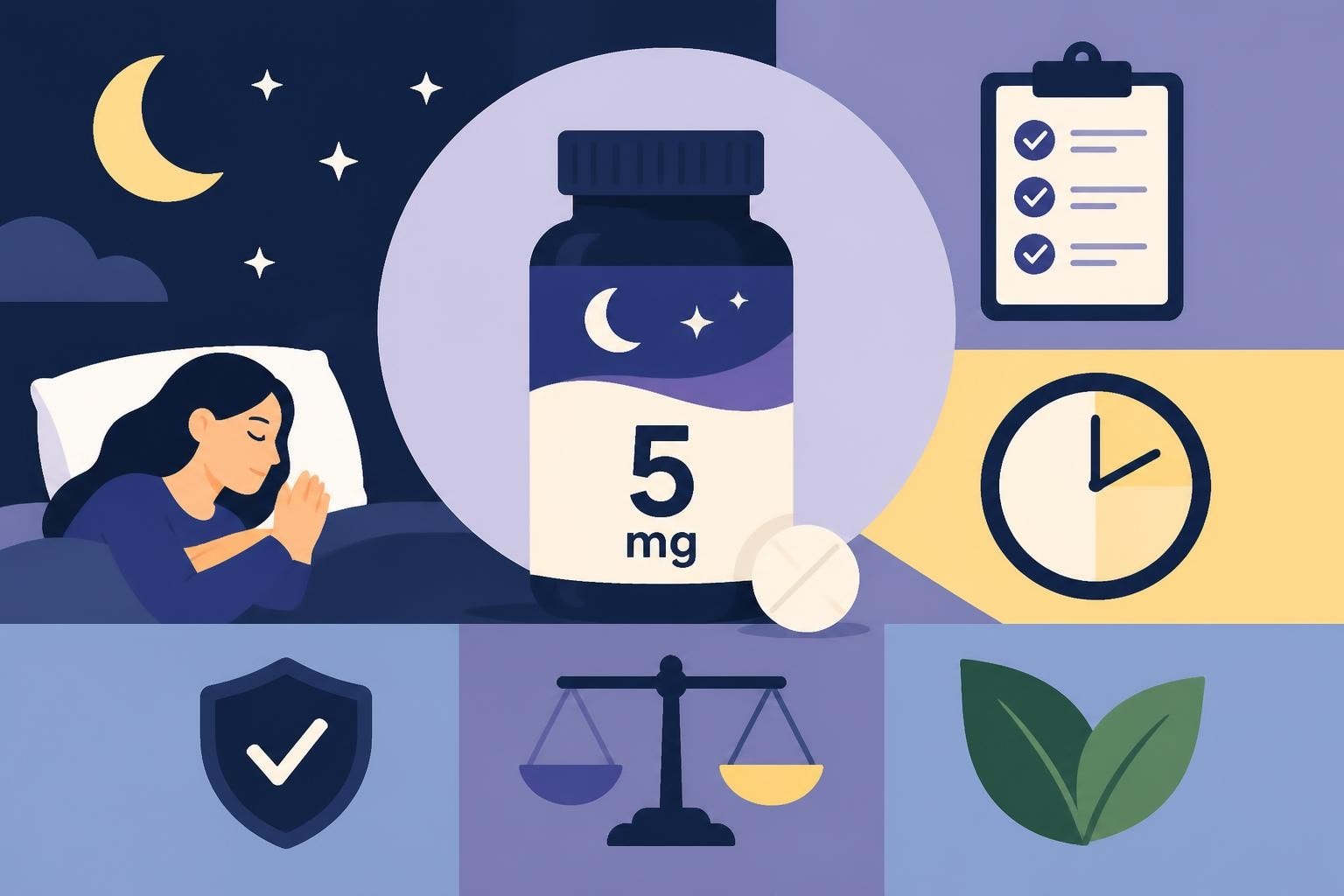
When you browse the supplement aisle or shop online for sleep support, melatonin 5 mg bottles line the shelves alongside 1 mg, 3 mg, and 10 mg options. This mid-range dose has become a popular choice for adults seeking better rest, yet many consumers struggle to understand whether 5 mg is appropriate for their needs, how it compares to other doses, and what science actually supports. Understanding melatonin 5 mg requires looking beyond marketing claims to examine clinical evidence, individual response patterns, and quality considerations that separate effective products from those that fall short.
Understanding Melatonin 5 mg in Context
Melatonin is a hormone naturally produced by the pineal gland in response to darkness, signaling the body that it's time to prepare for sleep. Supplemental melatonin attempts to enhance or shift this signal, and the 5 mg dose sits in an interesting middle ground. Lower doses of 0.5 to 2 mg more closely mimic physiological levels, while higher doses of 10 mg or more push well beyond what the body produces naturally.
The popularity of melatonin 5 has grown partly because consumers often assume "more is better" when initial lower doses don't produce immediate results. However, research suggests that dose response with melatonin doesn't follow a simple linear pattern.
Physiological Versus Pharmacological Dosing
Natural nighttime melatonin peaks reach roughly 100 to 200 picograms per milliliter in blood plasma. Even a 0.3 mg supplemental dose can raise levels well above this natural range, while melatonin 5 mg creates concentrations 10 to 100 times higher than physiological peaks.
Key differences between dose ranges:
- 0.3–1 mg: Approximates natural secretion, may support circadian timing with minimal overshoot
- 3–5 mg: Creates supraphysiological levels, commonly studied in clinical trials for insomnia
- 10+ mg: Far exceeds natural production, sometimes used for specific conditions but not necessarily more effective for typical sleep issues
According to clinical dosing guidance from health authorities, doses above 5 mg typically offer no additional benefit for most sleep disturbances, suggesting that consumers may be paying for excess without improved outcomes.

Evidence for Melatonin 5 mg in Sleep Applications
Clinical trials investigating melatonin for sleep often use doses in the 2 to 6 mg range, making melatonin 5 a commonly studied formulation. The evidence base reveals both strengths and limitations that consumers should understand.
Primary Insomnia and Sleep Onset
Multiple randomized controlled trials have examined melatonin for difficulty falling asleep. Meta-analyses generally show that melatonin reduces sleep onset latency (the time it takes to fall asleep) by approximately 7 to 12 minutes on average. While statistically significant, this modest reduction may not feel dramatic to every user.
For individuals dealing with delayed sleep phase disorder, where the circadian clock runs later than desired, the evidence is somewhat stronger. Properly timed melatonin can help shift sleep timing earlier when combined with behavioral approaches.
A recent rapid review of melatonin's clinical effectiveness examined multiple systematic reviews and found consistent but modest benefits for sleep latency, with variable effects on total sleep time and sleep quality ratings.
| Study Focus | Typical Dose Range | Average Sleep Latency Reduction | Quality of Evidence |
|---|---|---|---|
| Primary insomnia | 2–6 mg | 7–12 minutes | Moderate |
| Delayed sleep phase | 0.5–5 mg | 30–60 minute phase shift | Moderate |
| Jet lag | 2–5 mg | Variable by time zones | Low to moderate |
| Shift work disorder | 1–10 mg | Inconsistent findings | Low |
Special Populations and Contexts
Research has explored melatonin in specific groups where sleep disturbance is common. Systematic reviews examining melatonin for improving sleep in intensive care patients highlight the complexity of using supplements in medically complex situations, where environmental factors and underlying conditions heavily influence outcomes.
For those exploring sleep support through evidence-based supplements, platforms that rank options by clinical data can help narrow choices. Improve sleep quality outcomes tracked across human studies provide a clearer picture of which interventions show consistent benefits versus those with limited support.
Timing and Administration Factors
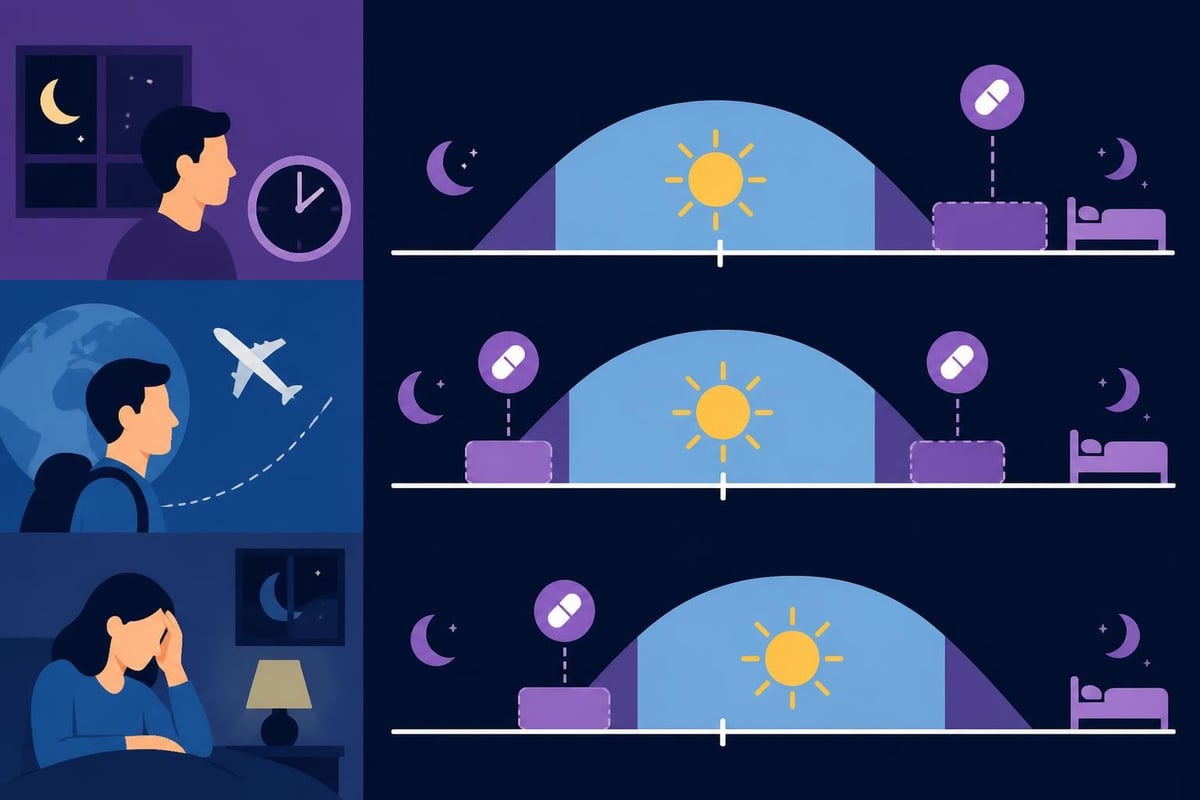
When you take melatonin 5 mg matters as much as the dose itself. Melatonin works primarily as a circadian signal rather than a traditional sedative, meaning timing relative to your desired sleep window is critical.
Optimal Timing Windows
For sleep onset difficulties, most research protocols administer melatonin 30 to 90 minutes before target bedtime. Taking it too early may cause drowsiness at unintended times, while taking it too late reduces the signal strength when you actually want to sleep.
Evidence-based timing strategies:
- For delayed sleep phase: Take 4–6 hours before current sleep time, gradually shifting earlier
- For jet lag eastward: Take at target bedtime in new time zone for 2–4 nights
- For general sleep onset: Take 60 minutes before desired sleep time
- For sleep maintenance issues: Evidence is weaker; controlled-release formulations may help but aren't clearly superior
European expert recommendations on melatonin dosing and timing emphasize that consistency in administration time matters more than most people realize, as irregular timing can confuse rather than reinforce circadian signals.
Formulation Considerations
Melatonin 5 comes in immediate-release, extended-release, sublingual, and liquid forms. Each has theoretical advantages, but head-to-head comparisons are limited. Immediate-release formulations peak in blood within 30 to 60 minutes, while extended-release aims to maintain levels through the night.
Most clinical trials used immediate-release forms, making this the better-studied option. Extended-release products cost more but don't consistently show superior outcomes in available research.
Quality and Label Accuracy Challenges
A significant concern with melatonin 5 mg products is the gap between label claims and actual content. Independent laboratory analyses have repeatedly found discrepancies ranging from 17% to 478% of stated doses in tested products.
What Label Testing Reveals
Testing by academic laboratories and consumer safety organizations found that many melatonin supplements contained significantly different amounts than labeled. Some products marketed as melatonin 5 mg actually delivered doses ranging from less than 2 mg to more than 11 mg per serving.
This variability creates multiple problems:
- Dose uncertainty: Consumers cannot reliably know what dose they're actually taking
- Inconsistent response: Night-to-night variation in symptom relief may reflect product inconsistency
- Safety concerns: Higher-than-labeled doses increase the risk of next-day grogginess
- Cost inefficiency: Paying for 5 mg but receiving 2 mg represents poor value
The Dietary Supplement Label Database entry for melatonin 5 mg products shows how manufacturers present dose information, but doesn't verify actual content. Third-party testing becomes essential for consumers seeking reliable products.
Third-Party Verification Programs
Several organizations offer independent testing and certification for supplements, including melatonin. Products bearing USP, NSF, or ConsumerLab verification have undergone testing to confirm label accuracy and check for contaminants.
| Certification | What It Tests | Melatonin-Specific Value |
|---|---|---|
| USP Verified | Dose accuracy, purity, dissolution | Confirms 5 mg claim within tight tolerance |
| NSF Certified for Sport | Dose, banned substances, contaminants | Useful for athletes concerned about testing |
| ConsumerLab Approved | Dose accuracy, contaminants, breakdown | Regular retesting provides ongoing assurance |
| Informed Choice/Sport | Banned substances primarily | Less focus on dose accuracy |
Choosing certified products increases the likelihood that melatonin 5 mg actually means 5 mg, though certification adds to retail cost. DoseRank evaluates supplement rankings based on evidence, dose fit, trust, value, and availability, helping consumers identify products that balance quality verification with reasonable pricing.
Individual Response Variability
Not everyone responds identically to melatonin 5 mg, and understanding why helps set realistic expectations. Genetics, age, existing sleep patterns, and concurrent medications all influence outcomes.
Genetic and Metabolic Factors
Enzymes in the CYP1A family metabolize melatonin, and genetic variations in these enzymes affect how quickly your body clears the hormone. Fast metabolizers may experience shorter duration effects, while slow metabolizers might feel morning grogginess from the previous night's dose.
Age also matters significantly. Older adults naturally produce less melatonin and may respond more noticeably to supplementation, while younger adults with robust natural production might see minimal added benefit.
Medication Interactions
Melatonin 5 can interact with several medication classes. Blood pressure medications, anticoagulants, diabetes medications, and immunosuppressants all show potential interactions that range from minor to clinically significant.
Common interaction categories:
- Anticoagulants (warfarin): Melatonin may increase bleeding risk
- Blood pressure drugs: Possible additive effects on lowering pressure
- CNS depressants: Combined sedation with alcohol, benzodiazepines, or sleep aids
- Diabetes medications: May affect blood glucose control
Anyone taking prescription medications should consult a healthcare provider before starting melatonin 5, as dose adjustments or timing changes may be necessary.
Comparing Melatonin 5 mg to Alternative Doses
Given that lower doses often prove equally effective with fewer side effects, understanding when melatonin 5 makes sense versus starting with 1 mg or 3 mg helps optimize both outcomes and budgets.
Starting Low Strategy
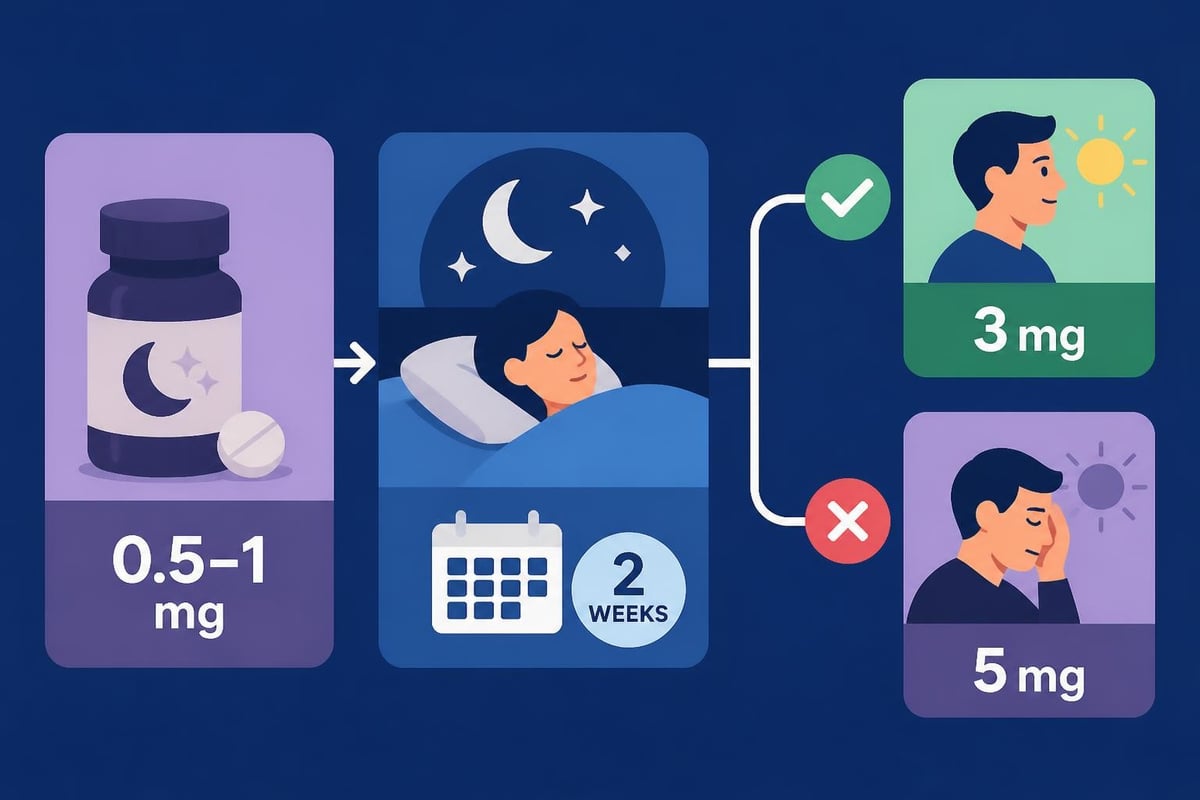
Sleep medicine specialists increasingly recommend beginning with the lowest effective dose, typically 0.5 to 1 mg, and increasing only if response is inadequate after one to two weeks. This approach minimizes side effects and avoids desensitization that may occur with chronic high-dose use.
Many users report success with doses well below 5 mg once they establish consistent timing and address behavioral sleep factors. The additional cost of higher-dose products may deliver no added value.
When Higher Doses May Apply
Certain neurological conditions, including autism spectrum disorders and neurodevelopmental disabilities, sometimes utilize higher melatonin doses under medical supervision. These applications involve different mechanisms than typical sleep support and shouldn't guide general consumer choices.
For standard insomnia or circadian issues in healthy adults, evidence doesn't support routine use of 5 mg over lower doses as a first-line approach. If exploring supplement options based on comprehensive evidence reviews, resources that evaluate cognitive function and other outcomes can help identify which interventions have the strongest support for your specific goals.
Safety Profile and Side Effects
Melatonin 5 mg is generally well tolerated in short-term use, but potential side effects and longer-term safety questions deserve attention, especially for consumers considering chronic use.
Common Adverse Effects
The most frequently reported side effects at 5 mg doses include:
- Daytime drowsiness or grogginess (especially if taken too late or in slow metabolizers)
- Headache (reported in roughly 10–15% of users in trials)
- Dizziness
- Nausea
- Irritability or mood changes
These effects are dose-dependent, meaning they occur more often and more severely with higher doses. Reducing to 3 mg or 1 mg often resolves side effects while maintaining sleep benefits.
Long-Term Use Considerations
Most clinical trials studied melatonin for weeks to a few months rather than years. Long-term safety data in healthy adults remains limited, particularly for doses above physiological replacement levels.
Theoretical concerns include:
- Receptor desensitization: Chronic supraphysiological doses might reduce natural receptor sensitivity
- Suppression of natural production: Though evidence for this in humans is weak
- Hormonal effects: Melatonin influences reproductive hormones, raising questions about chronic use in reproductive-age individuals
- Tolerance development: Some users report diminishing effectiveness over time
These remain theoretical for the most part, and available evidence doesn't show major safety signals in adults using melatonin intermittently. However, treating melatonin as a nightly requirement for months or years without medical guidance may not be ideal.
Making Evidence-Based Choices
For consumers navigating the crowded melatonin market, several practical steps can improve the likelihood of choosing an effective melatonin 5 mg product and using it appropriately.
Evaluation Checklist
Before purchasing, consider these factors:
Product quality markers:
- Third-party certification (USP, NSF, ConsumerLab)
- Manufacturing in GMP-certified facilities
- Transparent ingredient sourcing
- Reasonable price relative to certified competitors
Personal suitability factors:
- Current medications and potential interactions
- Existing sleep pattern (onset versus maintenance)
- Previous response to lower doses
- Age and metabolic considerations
Evidence alignment:
- Clear reason for choosing 5 mg over lower doses
- Realistic expectations based on research (modest improvements, not miracle cures)
- Willingness to track response systematically over two weeks minimum
Integration with Sleep Hygiene
Melatonin works best as part of comprehensive sleep hygiene rather than a standalone solution. Behavioral factors often contribute more to sleep quality than supplements.
Evidence-based sleep practices to combine with melatonin:
- Consistent sleep and wake times, including weekends
- Light exposure management (bright light in morning, dim light in evening)
- Screen time limits in the 1–2 hours before bed
- Cool bedroom temperature (65–68°F optimal for most people)
- Stress management approaches throughout the day
Platforms focused on stress resilience and other lifestyle factors recognize that supplement effectiveness often depends heavily on the context in which they're used. Melatonin 5 taken at 10 PM while scrolling bright screens until 11 PM will underperform compared to 1 mg taken at 10 PM followed by dim light and a consistent routine.
Cost-Effectiveness Considerations
Melatonin 5 mg products range widely in price, from budget bottles at $0.02 per dose to premium formulations exceeding $0.50 per dose. Understanding what drives cost helps identify good value without sacrificing quality.
Price Drivers and Value Assessment
Higher prices sometimes reflect better quality control, third-party testing, or premium ingredients. But many expensive products simply leverage marketing rather than superior formulation.
| Price Point | Typical Features | Value Considerations |
|---|---|---|
| Budget (<$0.05/dose) | Basic formulation, no certification | Higher risk of dose inaccuracy; may still be effective if from reputable manufacturer |
| Mid-range ($0.10–$0.25/dose) | Often includes third-party testing | Sweet spot for quality-conscious consumers |
| Premium (>$0.30/dose) | Added ingredients, marketing claims | Rarely justified unless specific formulation need |
Given that lower doses often work as well as melatonin 5, buying a 1 mg or 3 mg product may deliver better value. A bottle of 1 mg tablets at $0.03 per dose offers more flexibility than 5 mg at $0.15, allowing dose adjustment without cutting tablets.
Consumers seeking the best combination of evidence, dose appropriateness, trust markers, and value can benefit from comprehensive supplement rankings. DoseRank evaluates products across these dimensions, helping identify options that balance quality and cost rather than simply choosing the cheapest or most heavily advertised.
Regulatory Status and Label Claims
Unlike prescription drugs, melatonin operates under dietary supplement regulations in the United States, creating both opportunities and challenges for consumers. Understanding this regulatory context explains why quality varies so dramatically between products.
FDA Oversight Limitations
The FDA does not approve supplements for safety and effectiveness before they reach market. Manufacturers are responsible for ensuring their products meet safety standards and that label claims are truthful, but pre-market verification doesn't occur.
This means melatonin 5 mg products can enter the market without independent testing confirming the dose accuracy or checking for contaminants. Post-market surveillance exists but relies on adverse event reports and occasional inspections rather than systematic product testing.
Allowable Versus Prohibited Claims
Supplement labels can make structure-function claims ("supports restful sleep") but cannot claim to diagnose, treat, cure, or prevent diseases ("treats insomnia"). This regulatory distinction shapes how products market themselves while often confusing consumers about what benefits are actually supported by evidence.
Marketing language like "clinically studied dose" or "doctor recommended" may appear on melatonin 5 mg bottles, but these phrases don't guarantee that the specific product was studied or that the recommendation applies to your situation. Critical evaluation of such claims protects against marketing manipulation.
Future Directions in Melatonin Research
Ongoing research continues to refine understanding of optimal melatonin dosing, timing, and applications. Several areas show promise for clarifying when melatonin 5 mg makes sense and when alternatives may serve better.
Personalized Dosing Approaches
Emerging research explores whether genetic testing, chronotype assessment, or melatonin level measurement could guide individualized dosing. Rather than one-size-fits-all recommendations, future approaches might match dose to metabolic profile and circadian phenotype.
Early studies suggest that people with later chronotypes (natural night owls) may respond differently to melatonin timing and dose than early chronotypes (morning larks). Tailoring recommendations based on these factors could improve outcomes while reducing unnecessary supplement use.
Novel Formulations and Delivery Systems
Research into alternative delivery methods includes transdermal patches, intranasal sprays, and micronized formulations claimed to improve absorption. Whether these innovations offer meaningful advantages over standard oral melatonin 5 mg tablets remains an open question, with limited head-to-head comparison data available.
Combination Products
Some manufacturers combine melatonin with herbs like valerian, chamomile, or L-theanine, or nutrients like magnesium and B vitamins. The rationale suggests synergistic effects, but rigorous trials testing combination products against melatonin alone are scarce. Consumers pay premium prices for combinations that may offer no advantage over single-ingredient products.
For those interested in evidence-based approaches to multiple health outcomes, exploring platforms that track human study results across various supplement categories can reveal where combination strategies have support versus where they rely mainly on marketing theory.
Melatonin 5 mg represents a middle-ground dose with reasonable evidence for modest sleep improvements, but higher doses don't necessarily mean better results, and quality varies dramatically between products. Starting with lower doses, choosing third-party certified products, and combining supplementation with strong sleep hygiene practices optimizes outcomes while minimizing cost and side effects. When you're ready to find supplements ranked by evidence, dose appropriateness, and value rather than marketing claims, DoseRank offers a comprehensive platform that helps narrow your options to products that genuinely fit your specific goals.