
DOSERANK guide
Melatonin 3 mg: Dosage, Timing, and Evidence Guide
Published
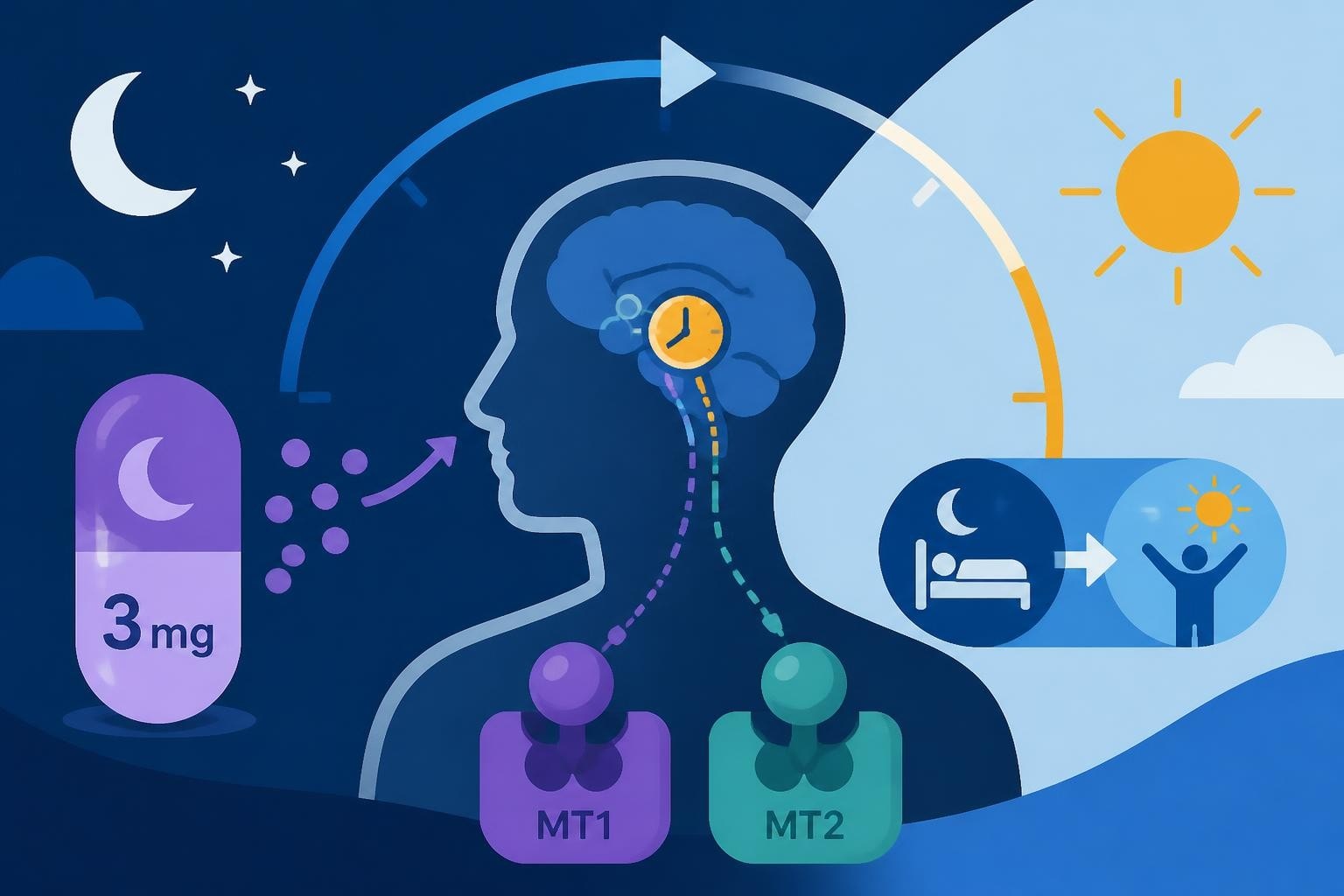
Melatonin supplements have become one of the most widely used sleep aids in America, with millions reaching for this hormone-based supplement to manage jet lag, shift work, or everyday sleep troubles. Among the various strengths available, melatonin 3 mg has emerged as a popular middle-ground dose that balances efficacy with safety. This specific strength represents more than just a convenient pill size-it reflects decades of research into optimal dosing, receptor pharmacology, and circadian biology. Understanding why 3 mg works, when to take it, and how to evaluate product quality can transform your approach to sleep supplementation from guesswork into an evidence-based strategy.
Why the 3 mg Dose Became Standard
The journey to establishing melatonin 3 as a common dosage involved extensive clinical research and practical experience. Early studies explored a wide range of doses, from as low as 0.3 mg to as high as 10 mg or more, attempting to identify the sweet spot between effectiveness and side effects.
Pharmacological Rationale
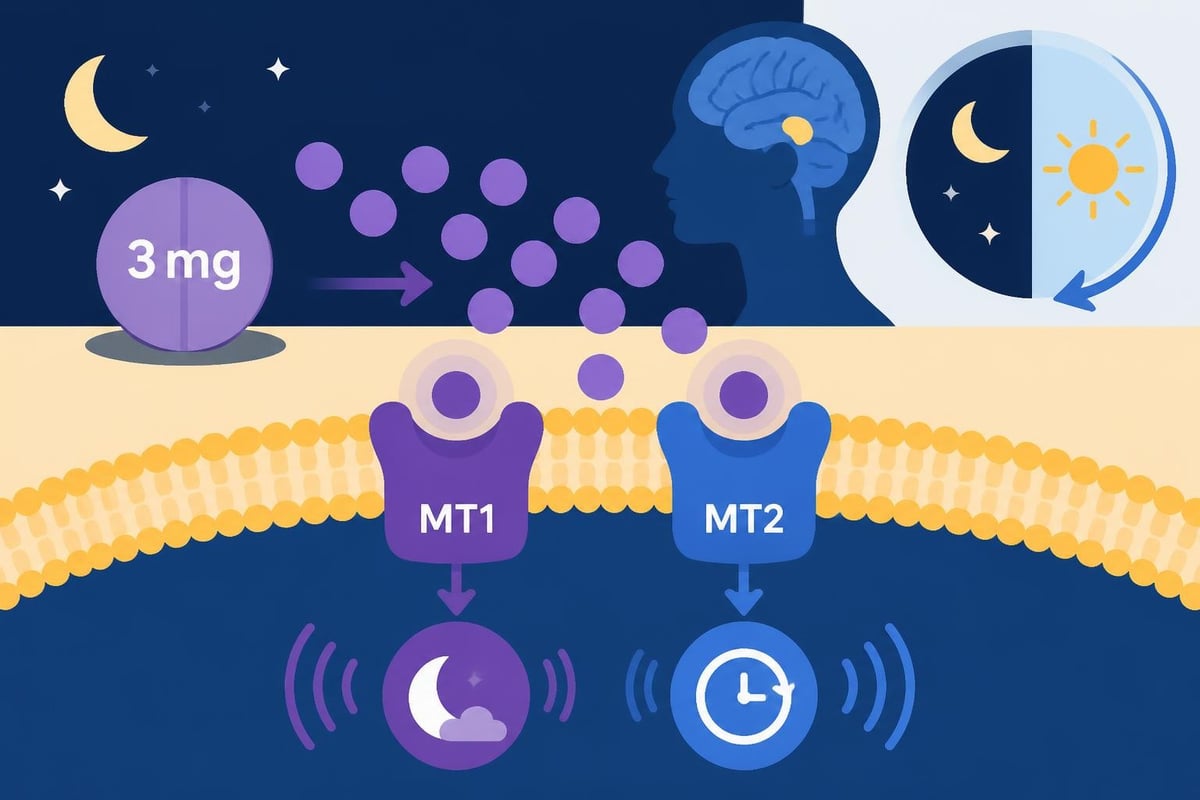
Physiological melatonin production in healthy adults typically peaks at night between 10 and 200 picograms per milliliter of blood. A 3 mg oral dose creates blood concentrations far exceeding natural levels, typically reaching 10 to 100 times higher than endogenous nighttime peaks. This supraphysiological approach works because melatonin receptors MT1 and MT2 saturate at relatively modest concentrations, triggering the cascade of sleep-promoting signals even when receptor occupancy plateaus.
The dose-response curve for melatonin shows interesting characteristics:
| Dose Range | Blood Concentration | Primary Effect | Common Applications |
|---|---|---|---|
| 0.3–0.5 mg | Near-physiological | Gentle circadian nudge | Circadian phase shifts, elderly users |
| 1–3 mg | Moderately elevated | Sleep onset facilitation | General insomnia, jet lag |
| 5–10 mg | Highly elevated | Maximal receptor activation | Delayed sleep phase, neurological conditions |
Melatonin 3 sits in the therapeutic zone where most people experience sleep benefits without encountering the next-day grogginess or vivid dreams that higher doses sometimes trigger. This positioning explains its popularity in over-the-counter formulations and its frequent appearance in product labeling approved by regulatory authorities.
Clinical Evidence Base
Research consistently demonstrates that melatonin 3 mg produces measurable improvements in sleep latency (time to fall asleep) and subjective sleep quality across diverse populations. Meta-analyses covering thousands of participants show average reductions in sleep onset time of 7 to 12 minutes, with responders experiencing even greater benefits.
The National Center for Complementary and Integrative Health acknowledges melatonin's established role for certain sleep disorders, particularly those related to circadian rhythm disruption. While individual responses vary, the 3 mg dose represents the most studied strength in controlled trials examining primary insomnia, shift work disorder, and delayed sleep-wake phase disorder.
Timing and Circadian Considerations
Melatonin's effectiveness depends critically on when you take it relative to your desired sleep time and your body's internal clock. Unlike sedative-hypnotics that force sleep regardless of circadian phase, melatonin works with your biology.
Optimal Administration Windows
For sleep onset insomnia, expert guidance suggests taking melatonin 30 to 60 minutes before your target bedtime. This window allows the supplement to be absorbed, reach peak blood concentrations, and begin activating receptors in the suprachiasmatic nucleus-your brain's master circadian pacemaker-right as you're preparing for sleep.
Different timing strategies apply to specific scenarios:
- Jet lag (eastward travel): Take melatonin 3 at the destination's bedtime for 2–3 nights
- Shift work: Take 2–3 hours before desired daytime sleep period
- Delayed sleep phase: Take 4–5 hours before current sleep onset to gradually shift rhythm earlier
- General insomnia: Take 30–60 minutes before consistent target bedtime
The key principle underlying all these strategies is that melatonin sends a "biological darkness" signal to your brain. When timed correctly, this signal reinforces your desired sleep-wake schedule. When timed poorly-such as taking it too early in the evening-it can paradoxically make it harder to stay awake through the evening or shift your rhythm in unwanted directions.
Formulation Differences
Melatonin 3 comes in multiple formulation types that affect timing and duration of action:
Immediate-release tablets and capsules dissolve quickly, producing a sharp spike in blood melatonin that peaks within 30 to 90 minutes. These work well for sleep onset problems but may not sustain levels through the night.
Sustained-release or prolonged-release formulations gradually release melatonin over 4 to 8 hours, more closely mimicking natural nighttime secretion patterns. These often help with sleep maintenance (staying asleep) rather than just initiation.
Sublingual and liquid forms bypass first-pass liver metabolism, potentially creating faster onset with slightly different pharmacokinetics. Some users find these helpful for adjusting timing precision.
Your choice of formulation should match your specific sleep complaint. When evaluating supplements, platforms like DoseRank assess not just the active dose but also how formulation, third-party testing, and manufacturing quality affect real-world outcomes.
Evidence Across Sleep Conditions
The clinical literature on melatonin 3 spans dozens of conditions and populations, with varying levels of supporting evidence. Understanding where the data is strongest helps set realistic expectations.
Primary Insomnia and Sleep Quality
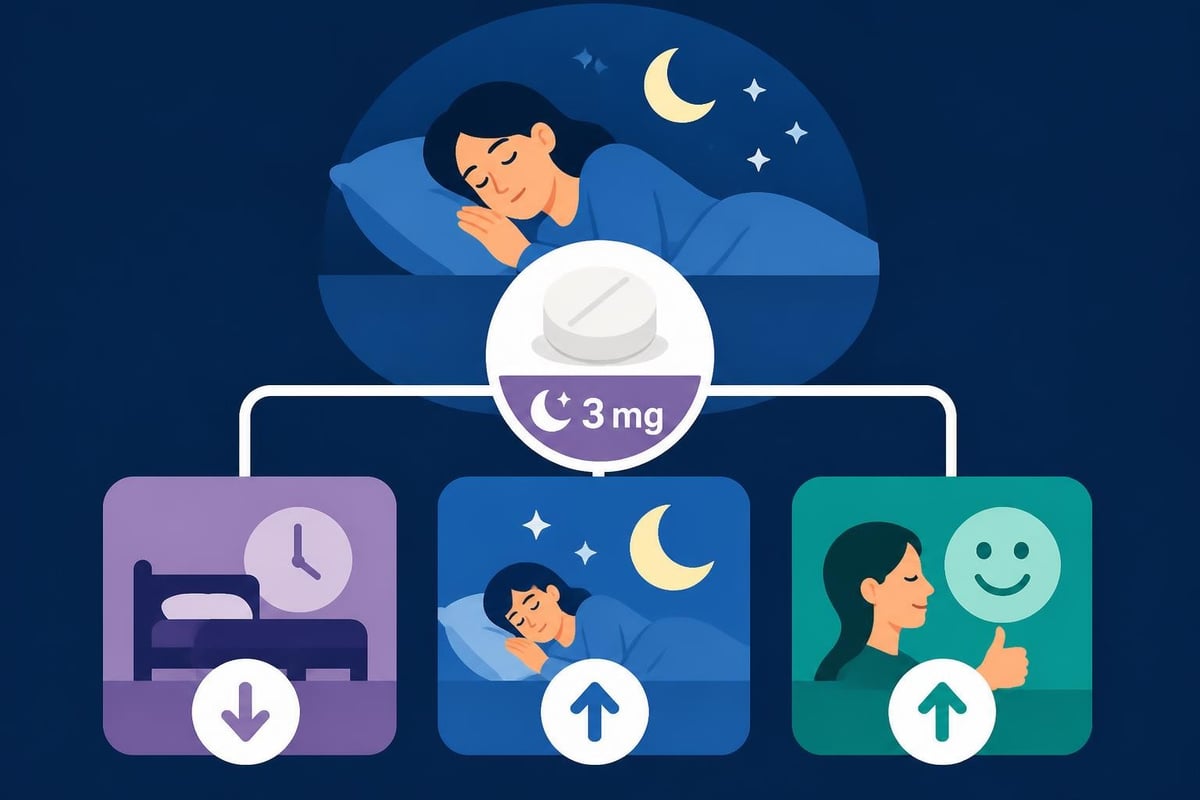
Controlled trials in adults with primary insomnia show that melatonin 3 mg reduces sleep latency by an average of 7–12 minutes compared to placebo. While this might sound modest, for individuals lying awake for an hour or more, shaving off even 10 minutes represents meaningful relief. More importantly, subjective sleep quality ratings improve significantly, suggesting benefits beyond just faster sleep onset.
For those exploring evidence-based approaches to better rest, resources focused on improve sleep quality outcomes draw from the same controlled trial data that established melatonin 3 as an effective dose for many users.
Circadian Rhythm Disorders
The strongest evidence for melatonin supports its use in circadian rhythm sleep-wake disorders. Delayed sleep-wake phase disorder, common among adolescents and young adults, responds particularly well to timed melatonin administration. Studies show that taking melatonin 3 several hours before habitual sleep onset gradually advances the sleep-wake cycle, allowing people to fall asleep and wake earlier.
Shift workers represent another population with robust supporting evidence. Taking melatonin 3 after finishing a night shift and before attempting daytime sleep improves sleep duration and quality, helping workers adapt to reversed schedules.
Blind individuals who cannot entrain their circadian rhythms to the light-dark cycle often experience dramatic benefits from daily melatonin supplementation, though they may require personalized timing and dosing strategies.
Special Populations and Emerging Uses
Research has explored melatonin 3 in children with neurodevelopmental disorders, adults with ADHD, and elderly individuals with age-related melatonin decline. While benefits appear across these groups, dose optimization often differs from the general adult population.
Cochrane systematic reviews have examined melatonin for cancer patients experiencing sleep disturbances related to treatment or the disease itself. The evidence suggests modest improvements in sleep quality, though more research is needed to establish optimal protocols.
Some preliminary research points to benefits for cognitive outcomes and stress response, though these applications remain investigational. Understanding the molecular mechanisms through melatonin receptor subtypes helps explain why this hormone influences such diverse physiological processes beyond sleep regulation alone.
Safety Profile and Side Effects
Melatonin enjoys a generally favorable safety profile, particularly at the 3 mg dose level. Decades of use and extensive clinical trials provide reassuring data, though individual responses vary and certain precautions apply.
Common Side Effects
Most users tolerate melatonin 3 well, with side effects typically mild and transient. The most frequently reported issues include:
- Next-morning drowsiness or grogginess (especially with higher doses or late-night dosing)
- Vivid dreams or nightmares (reported by approximately 5–10% of users)
- Headache (usually mild, resolving with continued use)
- Dizziness (more common when standing quickly after taking melatonin)
- Nausea (rare at 3 mg, more common with doses above 5 mg)
These effects tend to diminish with consistent use as your body adapts. If side effects persist, adjusting timing, reducing dose, or switching formulations often resolves the problem.
Drug Interactions and Contraindications
Melatonin can interact with several medication classes:
| Medication Class | Interaction Type | Clinical Significance |
|---|---|---|
| Blood thinners (warfarin) | May enhance anticoagulant effect | Monitor INR more frequently |
| Immunosuppressants | May counteract immunosuppressive action | Consult transplant team before use |
| Diabetes medications | May affect blood sugar regulation | Monitor glucose levels initially |
| CNS depressants | Additive sedative effects | Use caution with combinations |
| Blood pressure medications | May enhance hypotensive effect | Monitor blood pressure initially |
Pregnant and breastfeeding women should avoid melatonin 3 unless specifically recommended by their healthcare provider, as safety data in these populations remains limited.
Individuals with autoimmune disorders should exercise caution, as melatonin can modulate immune function in ways that might theoretically affect disease activity.
Quality and Purity Concerns
A major challenge with over-the-counter melatonin supplements involves product quality variability. Independent testing has revealed that actual melatonin content can vary from 83% below to 478% above label claims. Some products tested contained serotonin, an unlisted contaminant with its own pharmacological effects.
When evaluating melatonin 3 products, prioritize:
- Third-party testing by organizations like USP, NSF International, or ConsumerLab
- Good Manufacturing Practice (GMP) certification from the facility
- Batch-to-batch consistency verified through certificate of analysis
- Minimal fillers and additives to reduce allergen exposure
Understanding how to assess these quality markers helps ensure the melatonin 3 you purchase actually contains 3 mg of active ingredient and minimal contaminants.
Choosing the Right Product
With hundreds of melatonin 3 products on the market, systematic evaluation criteria help narrow options to high-quality choices aligned with your specific needs.
Formulation Selection Strategy
Your sleep pattern determines which formulation type works best:
- Difficulty falling asleep only: Immediate-release melatonin 3 mg taken 30–60 minutes before bed
- Trouble staying asleep: Sustained-release melatonin 3 mg for gradual overnight release
- Both onset and maintenance issues: Dual-release formulations combining immediate and sustained components
- Rapid onset needs: Sublingual or liquid melatonin 3 for faster absorption
Some products combine melatonin 3 with additional ingredients like L-theanine, magnesium, or herbs such as valerian or chamomile. While these combinations might offer synergistic benefits, they also introduce additional variables that can make it harder to identify which component helps or causes side effects.
Value Assessment Framework
Price per serving varies dramatically across melatonin 3 products, from a few cents to over a dollar per dose. Value assessment should consider:
- Cost per 3 mg dose (accounting for pills per bottle and price)
- Quality indicators (testing, certifications, manufacturing standards)
- Formulation appropriateness for your specific sleep issue
- Brand reputation and transparency about sourcing
- Return or satisfaction policies
Beware of assuming higher price equals better quality. Some premium-priced products offer no meaningful advantages beyond marketing and packaging. Conversely, the cheapest options often skimp on testing and quality control.
Platforms focused on evidence-based supplement evaluation, such as those using systematic ranking methodologies, can help cut through marketing claims to identify products that truly deliver on dose accuracy, purity, and value.
Beyond Sleep: Other Potential Applications
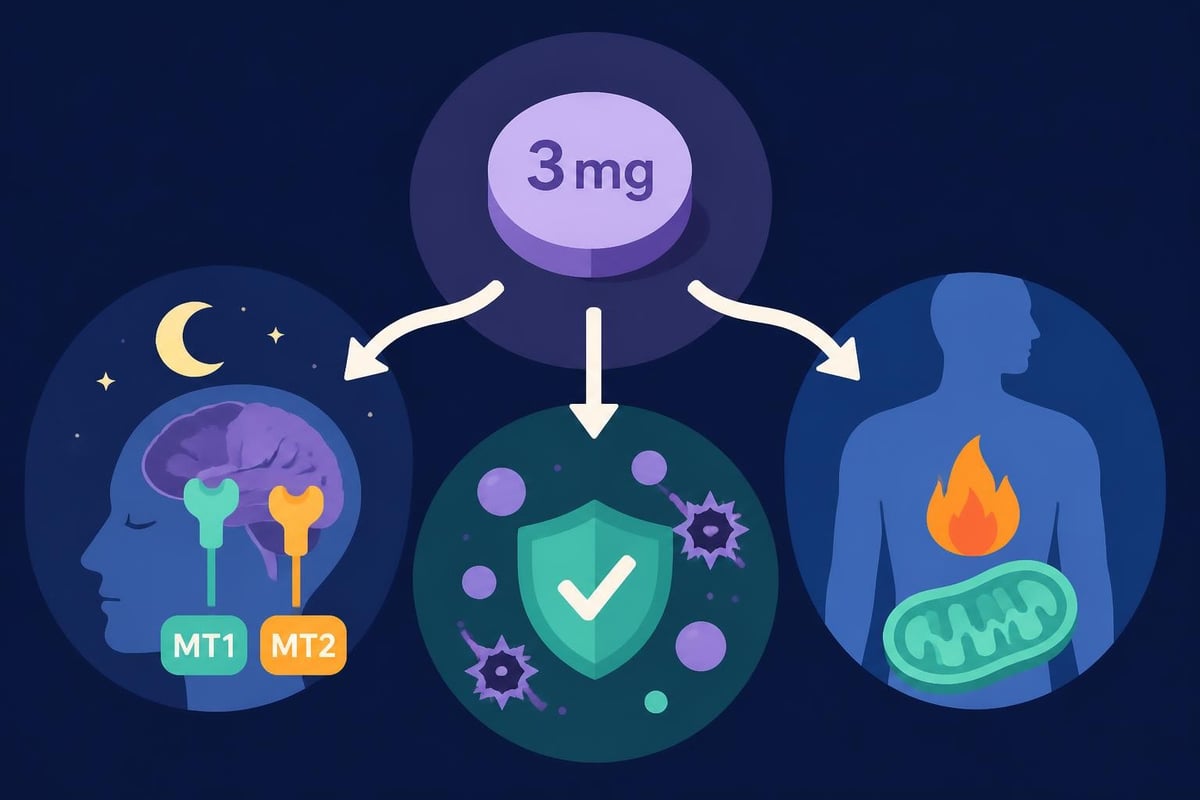
While sleep remains melatonin's primary clinical application, research continues exploring its effects on other physiological systems. These emerging uses involve the same melatonin 3 dose many people already take for sleep.
Antioxidant and Neuroprotective Properties
Melatonin functions as a potent antioxidant, directly scavenging free radicals and upregulating antioxidant enzymes. This property has sparked research into neurodegenerative diseases, though clinical applications remain investigational. The same 3 mg dose used for sleep provides these antioxidant effects as a secondary benefit.
Metabolic and Cardiovascular Effects
Some studies suggest melatonin influences glucose metabolism, insulin sensitivity, and blood pressure regulation. While these effects appear modest at typical doses, they represent areas of active research that might eventually expand melatonin's therapeutic profile beyond sleep disorders.
Immune Modulation
Melatonin interacts with immune system components, potentially influencing inflammatory responses and immune cell function. Research in this area remains preliminary, with questions about optimal dosing and timing for immune-related applications still unanswered.
These broader applications shouldn't drive melatonin 3 use in the absence of sleep concerns, but they do suggest that the nightly dose many take for sleep might provide additional health benefits through mechanisms still being elucidated.
Practical Implementation Guide
Successfully using melatonin 3 requires more than just swallowing a pill. Optimal results come from integrating supplementation into a comprehensive sleep hygiene approach.
Starting Protocol
Week 1: Establish your baseline sleep patterns without melatonin. Track sleep onset time, wake time, number of awakenings, and subjective sleep quality. This creates a reference point for measuring improvement.
Week 2: Begin melatonin 3 mg taken 30 minutes before your target bedtime. Maintain consistent timing (within 15 minutes) every night, including weekends. Continue tracking sleep metrics.
Week 3: Adjust timing if needed. If you feel groggy in the morning, try taking it 45–60 minutes before bed instead. If it's not helping you fall asleep, consider taking it 60–90 minutes before bed.
Week 4: Evaluate results. Compare sleep metrics to baseline. Determine whether to continue, adjust dose (in consultation with a healthcare provider), or try a different formulation.
Complementary Sleep Hygiene Practices
Melatonin works best as part of a comprehensive approach:
- Dim lights 1–2 hours before bed to support natural melatonin production
- Avoid screens (phones, tablets, computers) 30–60 minutes before melatonin intake
- Keep bedroom cool (65–68°F), dark, and quiet
- Maintain consistent sleep-wake times, even on weekends
- Limit caffeine after 2 PM and alcohol within 3 hours of bed
- Get morning sunlight exposure to reinforce circadian rhythms
Think of melatonin 3 as an amplifier for good sleep habits, not a replacement for them. Even the most perfectly timed dose can't overcome the circadian-disrupting effects of bright screens, irregular schedules, or poor sleep environment.
When to Reassess or Discontinue
Most experts recommend using melatonin intermittently rather than indefinitely. Consider reassessing after:
- 3–4 weeks of consistent use with no improvement (may indicate sleep issues requiring different approaches)
- Successfully resetting your sleep schedule (such as after jet lag recovery)
- Changes in medications or health conditions that might affect sleep
- Persistent side effects that don't resolve with timing or formulation adjustments
Melatonin doesn't create dependency in the traditional sense, but psychological reliance can develop. Periodic breaks help ensure you're not using supplementation when simpler interventions might suffice.
Comparing Melatonin 3 to Other Doses
Understanding how melatonin 3 compares to lower and higher doses helps contextualize whether this strength represents the best choice for your situation.
Lower Doses (0.3–1 mg)
Some research suggests that lower doses more closely match physiological melatonin levels and might provide similar benefits with fewer side effects. Studies using 0.3 mg have shown effectiveness for circadian phase shifting, though they may work more slowly than 3 mg doses.
Advantages of lower doses: Less morning grogginess, fewer vivid dreams, potentially more sustainable long-term use
Disadvantages: May take longer to produce noticeable effects, harder to find in retail stores, often requires cutting pills (reducing precision)
Higher Doses (5–10 mg)
Many over-the-counter products contain 5 or 10 mg of melatonin, significantly higher than the 3 mg standard. These doses don't necessarily produce better sleep outcomes due to receptor saturation effects.
When higher doses might help: Severe delayed sleep phase disorder, certain neurological conditions, individuals with particularly robust melatonin metabolism
Potential drawbacks: Increased side effects (grogginess, headache, dizziness), potential hormonal effects with chronic use, diminishing returns beyond receptor saturation
| Dose | Typical Use Case | Average Sleep Latency Reduction | Side Effect Frequency |
|---|---|---|---|
| 0.3–0.5 mg | Gentle circadian nudge | 5–8 minutes | Low (5–10%) |
| 1–3 mg | Standard sleep support | 7–12 minutes | Moderate (10–15%) |
| 5–10 mg | Severe disorders | 8–15 minutes | Higher (15–25%) |
The evidence suggests that melatonin 3 mg hits the efficacy sweet spot for most people, providing meaningful benefits without the increased side effect burden of higher doses.
Integration with Health Goals
For individuals using supplements strategically to support multiple health outcomes, melatonin 3 represents just one component of a comprehensive approach. Sleep quality influences virtually every other aspect of health, from cognitive function to immune resilience.
Quality sleep serves as a force multiplier for other health interventions. Even optimally dosed vitamins, minerals, and specialty supplements work better when sleep is restorative. Conversely, chronic poor sleep undermines nutritional interventions and lifestyle modifications.
When building a supplement regimen, consider how different products interact and whether timing conflicts might arise. For example, stimulating supplements taken too late in the day can counteract melatonin's sleep-promoting effects. Platforms that help users evaluate supplements across multiple dimensions-dose appropriateness, quality, timing, and interactions-provide valuable guidance for building coherent, evidence-based regimens.
Regulatory and Market Landscape
Melatonin occupies an interesting regulatory position in the United States. Unlike many countries where it requires a prescription, melatonin is classified as a dietary supplement under the Dietary Supplement Health and Education Act (DSHEA). This classification means it faces less stringent premarket approval requirements than pharmaceutical drugs.
Quality Control Challenges
The supplement classification creates a market where quality varies dramatically. Manufacturers aren't required to prove efficacy before marketing melatonin 3 products, and routine testing of finished products isn't mandatory. This regulatory gap explains why independent testing sometimes reveals significant discrepancies between label claims and actual content.
Consumers bear the responsibility for vetting product quality-a task made easier by choosing products with third-party certifications and consulting resources that systematically evaluate supplements across quality dimensions.
Market Trends and Innovation
The melatonin market has evolved significantly over the past decade. Innovations include:
- Microencapsulated formulations for more controlled release
- Combination products targeting specific sleep issues
- Liquid and spray delivery systems for dose flexibility
- Organic and allergen-free formulations for sensitive individuals
While innovation can improve user experience, it also creates confusion. Not every "advanced" formulation offers meaningful advantages over standard melatonin 3 tablets. Critical evaluation separates genuine improvements from marketing hype.
Melatonin 3 mg represents a well-researched, generally safe dose for supporting sleep onset and circadian rhythm regulation, backed by decades of clinical evidence and millions of user experiences. The key to success lies in proper timing, choosing quality products, and integrating supplementation with sound sleep hygiene practices. When you're ready to move beyond trial and error and find supplements that truly fit your needs, DoseRank offers evidence-based rankings that account for dose accuracy, clinical support, manufacturing quality, value, and real-world availability-helping you make informed decisions backed by data, not marketing claims.