
DOSERANK guide
Melatonin 2.5mg: Dosage Guide, Safety & Effectiveness
Published
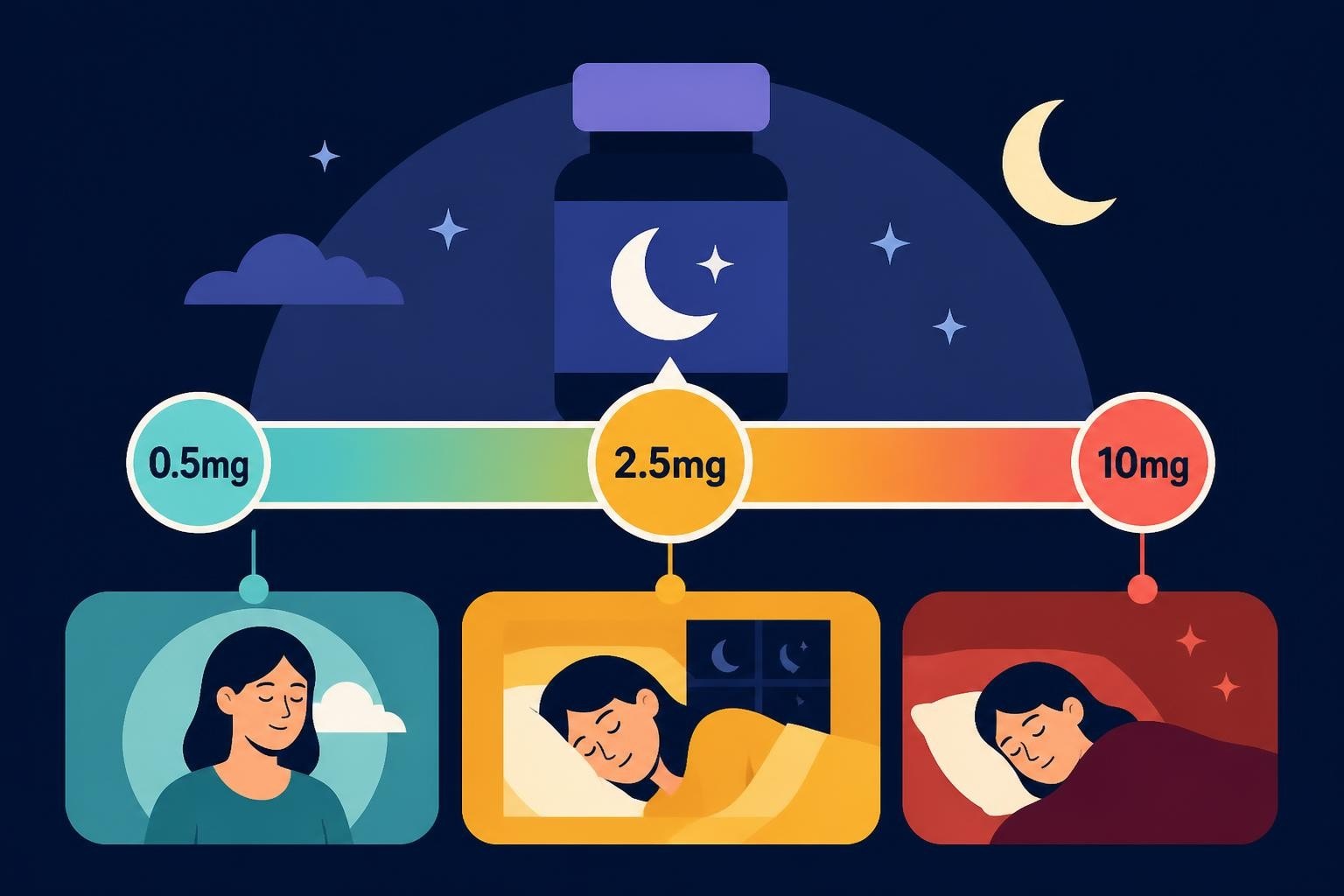
Melatonin has become one of the most widely used sleep aids in the United States, with millions of adults and children turning to this naturally occurring hormone to address sleep difficulties. Among the various dosage options available, melatonin 2 5mg represents a middle-ground choice that balances effectiveness with safety considerations. This dose falls between the lower "physiological" doses (0.3-1mg) and the higher pharmacological doses (5-10mg) commonly marketed, making it a popular starting point for many users. Understanding when this particular strength makes sense, how it compares to alternatives, and what the science actually says about its effectiveness can help you make an informed decision about whether melatonin 2 5mg is right for your sleep goals.
Understanding Melatonin Dosage Context
Melatonin supplements are available in an exceptionally wide range of doses, from 0.3mg microdoses to 10mg or higher. The 2.5mg dose sits in what many researchers and clinicians consider a moderate range-high enough to produce measurable effects in most people, yet low enough to minimize the risk of next-day grogginess or tolerance development.
The Physiological vs. Pharmacological Divide
Physiological doses (0.3-1mg) aim to mimic the body's natural overnight melatonin production, which typically peaks at 10-80 pg/mL in the bloodstream. These lower doses often produce blood levels similar to natural nocturnal peaks and may be sufficient for people with mild circadian rhythm issues or jet lag.
Pharmacological doses (3-10mg) create blood levels far above natural production and are commonly used for more significant sleep disorders or when daytime alertness issues make larger doses necessary. Research shows that higher doses don't necessarily improve sleep outcomes proportionally and may increase side effects.
Melatonin 2 5mg occupies a transitional zone: it exceeds natural replacement but typically stays below the threshold where side effects become common. This positioning makes it a frequent recommendation for adults beginning melatonin therapy.
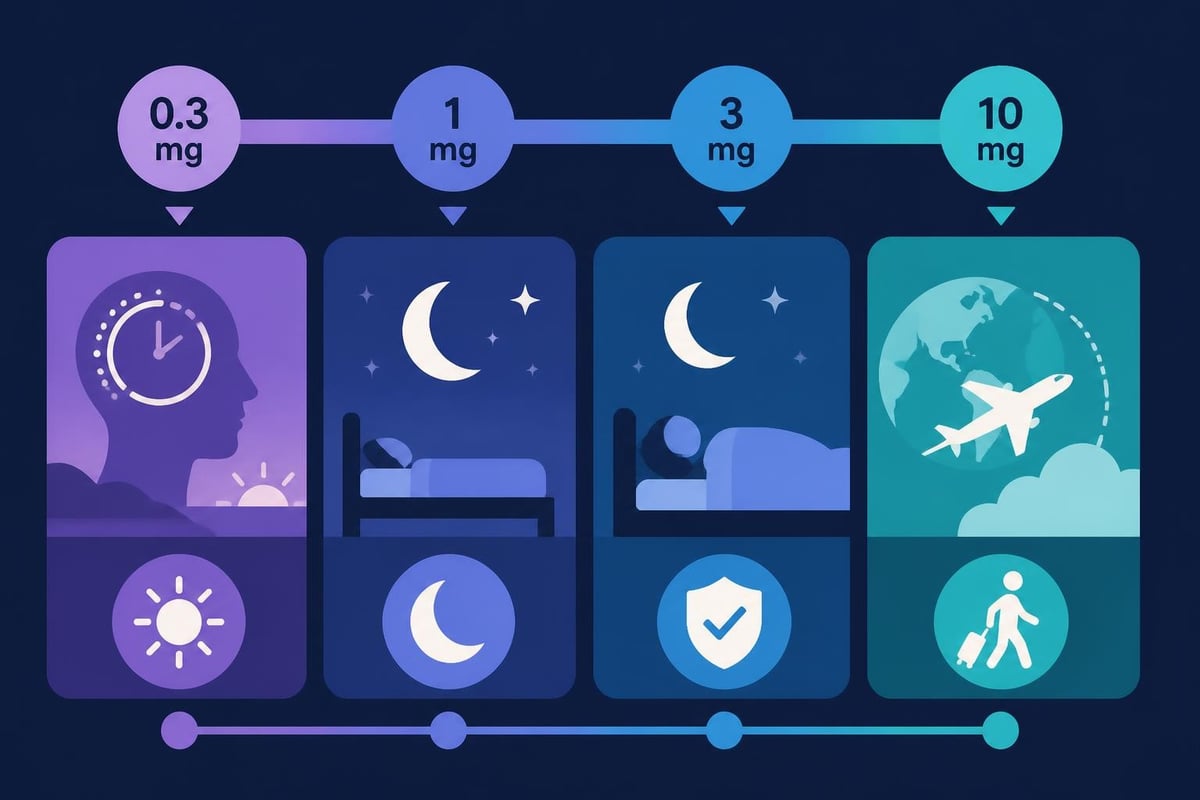
| Dose Range | Blood Level Effect | Common Uses | Side Effect Risk |
|---|---|---|---|
| 0.3-1mg | Near-physiological | Jet lag, mild rhythm shifts | Very low |
| 1.5-3mg | Moderate elevation | Sleep onset difficulty | Low to moderate |
| 3-5mg | High elevation | Insomnia, shift work | Moderate |
| 5-10mg+ | Very high elevation | Specific medical conditions | Higher |
When Melatonin 2.5mg Makes Sense
The decision to use melatonin 2 5mg should be based on your specific sleep challenge, age, body weight, and response to previous interventions.
Adults with Sleep Onset Delay
For adults who struggle to fall asleep at their desired bedtime but sleep normally once asleep, 2.5mg taken 30-60 minutes before target sleep time often proves effective. This pattern-called delayed sleep phase-is particularly common among young adults and those with irregular schedules.
Studies examining this dose range demonstrate measurable reductions in sleep latency (time to fall asleep), typically shortening it by 7-12 minutes compared to placebo. While this might seem modest, for someone lying awake for 45-60 minutes nightly, it represents meaningful relief.
Older Adults Considering Lower Starting Doses
Adults over 55 often metabolize melatonin more slowly, and some evidence suggests their natural melatonin production declines with age. Starting with melatonin 2 5mg rather than higher doses (5-10mg) can help gauge individual sensitivity while still providing a therapeutically relevant amount.
The National Center for Complementary and Integrative Health notes that older adults may experience more pronounced effects at lower doses, making 2.5mg a reasonable initial trial before considering dose adjustments.
Children and Adolescents (With Caution)
Pediatric melatonin use has increased dramatically, yet dosing remains an area of active debate. The American Academy of Pediatrics provides guidance suggesting that when melatonin is appropriate for children with specific sleep disorders, doses typically range from 0.5mg to 3mg depending on age and weight.
For larger adolescents or teenagers (particularly those over 100 pounds), melatonin 2 5mg may be appropriate under medical supervision. However, pediatric use should always involve consultation with a healthcare provider, as long-term effects on development remain incompletely studied.
Key pediatric considerations:
- Start with the lowest effective dose (often 0.5-1mg)
- Reserve melatonin for documented sleep disorders, not routine sleep hygiene issues
- Monitor for behavioral or mood changes
- Reassess need regularly rather than assuming indefinite use
Timing and Formulation Considerations
The effectiveness of melatonin 2 5mg depends heavily on when you take it and what formulation you choose. These variables can dramatically alter outcomes.
Immediate-Release vs. Extended-Release
Immediate-release melatonin 2 5mg dissolves quickly and produces peak blood levels within 30-60 minutes. This formulation works best for sleep onset problems-difficulty falling asleep initially.
Extended-release formulations gradually release melatonin over 4-6 hours, maintaining elevated levels throughout the night. These versions target sleep maintenance issues (waking during the night) rather than initial sleep onset.
A pharmacokinetic study comparing formulations demonstrated that sublingual immediate-release products achieve faster and higher peak concentrations, while oral extended-release versions provide more sustained levels. For most people using melatonin 2 5mg, immediate-release taken 30-90 minutes before bed proves most practical.
Optimal Timing Windows
Melatonin works by shifting your circadian rhythm and promoting drowsiness. The timing determines which effect dominates:
- 2-3 hours before bed: Primarily shifts circadian rhythm earlier; useful for delayed sleep phase
- 30-60 minutes before bed: Balanced approach combining mild rhythm shift with direct sleep-promoting effects
- At bedtime: Mainly promotes drowsiness with minimal rhythm shift
For melatonin 2 5mg used for general sleep onset difficulty, the 30-60 minute window before your target sleep time typically yields the best results. This allows blood levels to peak around the time you want to fall asleep while you improve sleep quality through consistent timing.
Safety Profile and Side Effects
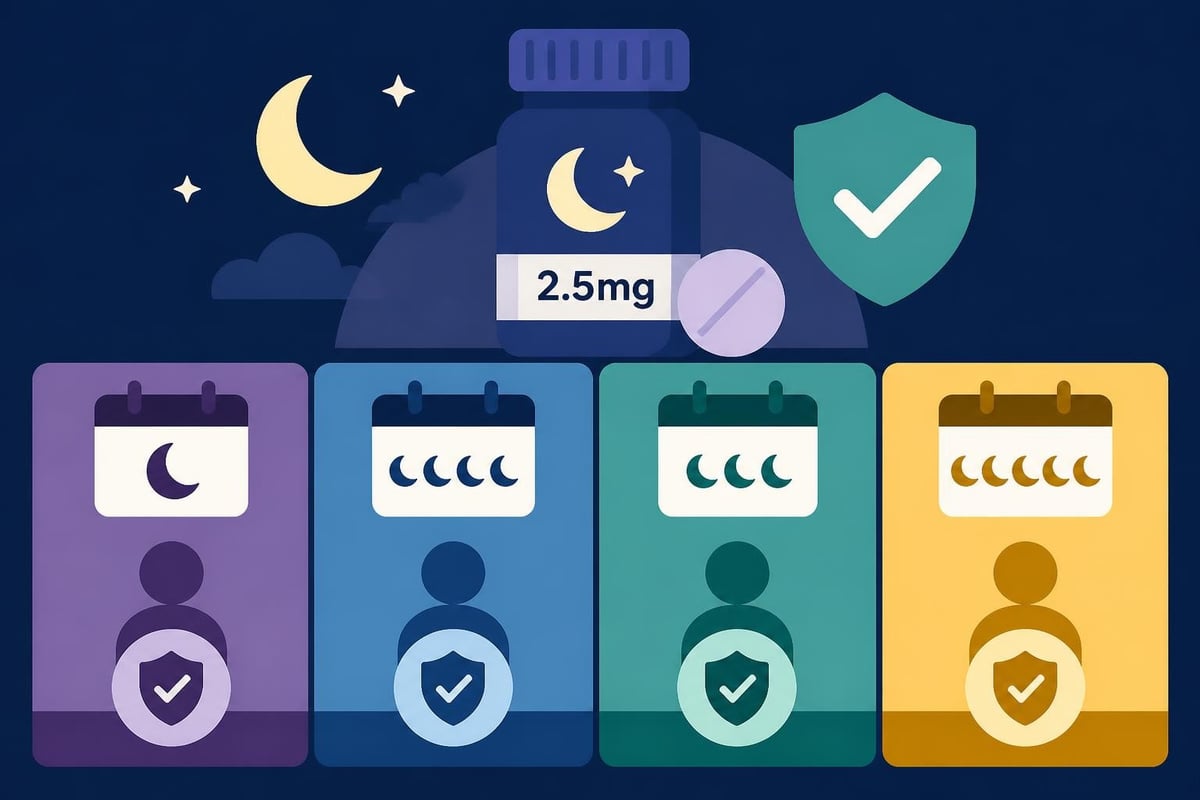
Melatonin 2 5mg is generally well-tolerated in healthy adults for short-term use, but understanding potential side effects and interactions helps set realistic expectations.
Common Side Effects
Most people taking melatonin 2 5mg experience no adverse effects. When side effects do occur, they're typically mild:
- Next-day drowsiness (5-10% of users)
- Vivid dreams or nightmares (occasional)
- Headache (uncommon)
- Dizziness (rare at this dose)
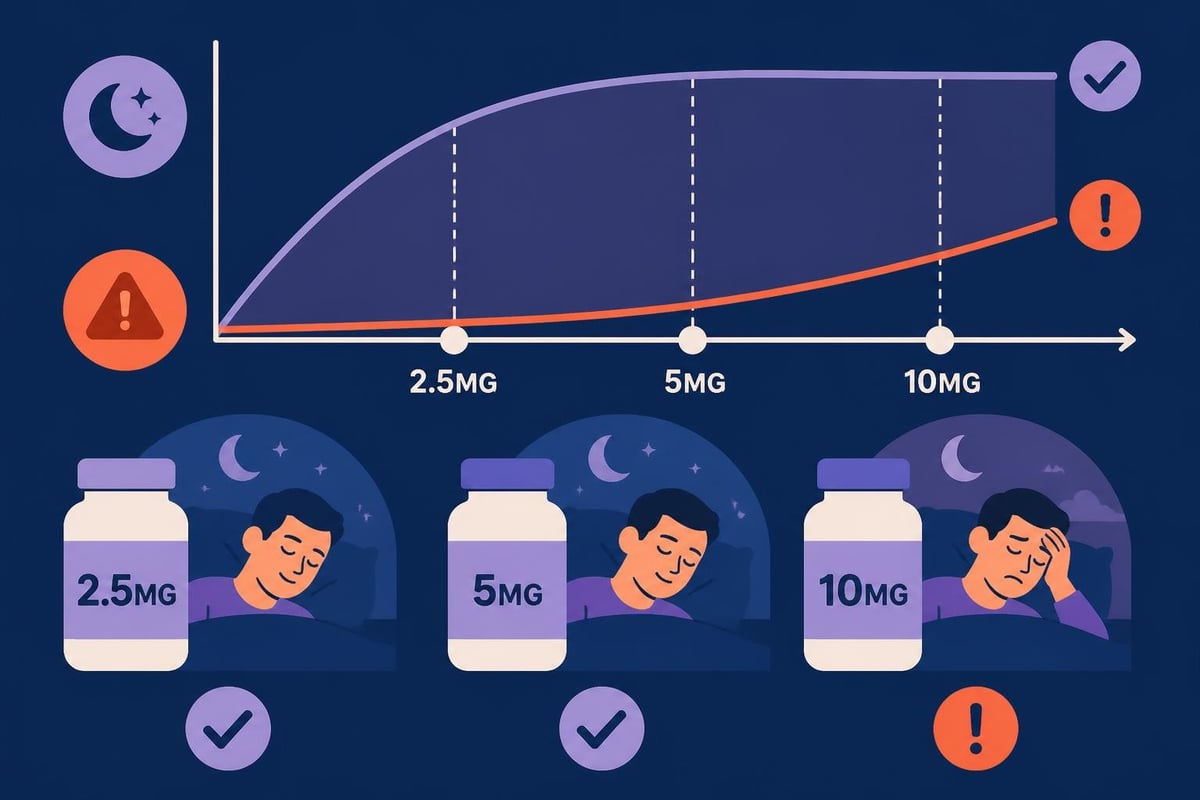
These effects appear dose-dependent, meaning they occur more frequently at higher doses (5-10mg) than at 2.5mg. If you experience persistent morning grogginess, reducing to 1-1.5mg may eliminate the issue while maintaining sleep benefits.
Long-Term Use Questions
A systematic review of long-term melatonin safety identified significant gaps in our understanding of chronic use beyond 6 months. While no major safety signals emerged in available studies, the authors noted that most research involves short-term use (days to weeks) or focuses on specific medical conditions rather than general sleep support.
What we know about extended use:
- Tolerance (needing higher doses over time) appears uncommon at physiological to moderate doses
- Dependency doesn't develop in the traditional sense, but psychological reliance on sleep aids can occur
- Natural melatonin production doesn't appear suppressed by exogenous supplementation
- Seasonal or cyclical use may be preferable to nightly year-round dosing
Drug Interactions and Contraindications
Melatonin can interact with several medication classes. At the 2.5mg dose, interactions are generally less pronounced than at higher doses, but they still warrant attention:
| Medication Class | Interaction Type | Recommendation |
|---|---|---|
| Anticoagulants (warfarin) | May increase bleeding risk | Monitor INR closely |
| Diabetes medications | May affect blood sugar | Check glucose regularly |
| Immunosuppressants | May interfere with efficacy | Consult prescriber |
| Sedatives/CNS depressants | Additive drowsiness | Use caution, lower doses |
| Blood pressure medications | May alter effectiveness | Monitor BP |
The FDA's postmarket review database documents reported adverse events and regulatory actions related to melatonin products, providing transparency about safety monitoring efforts.
Choosing Quality Melatonin 2.5mg Products
Melatonin supplements face minimal regulatory oversight in the United States, where they're classified as dietary supplements rather than drugs. This creates significant quality variation across products.
Third-Party Testing and Verification
Studies testing over-the-counter melatonin products have found that actual melatonin content can vary from 83% below to 478% above labeled amounts. For melatonin 2 5mg, this means some products might contain as little as 0.4mg or as much as 14mg per capsule.
Look for products with:
- USP verification or NSF certification (confirms label accuracy)
- Independent lab testing results (available on manufacturer websites)
- Clear labeling of all ingredients, not just melatonin
- Expiration dates (melatonin degrades over time)
When evaluating supplement options across multiple quality factors-including evidence base, dose accuracy, manufacturer trustworthiness, and value-platforms like DoseRank can help identify products that score well on objective criteria rather than relying on marketing claims alone.
Synthetic vs. Plant-Derived Melatonin
Most melatonin 2 5mg supplements use synthetic melatonin, which is chemically identical to human melatonin and carries no risk of animal-derived contaminants. Some products market "plant-derived" melatonin, but this distinction offers no clear advantage and often comes at a higher price point.
Synthetic pharmaceutical-grade melatonin provides consistency and purity when manufactured according to good manufacturing practices (GMP).
Ingredient Transparency
Beyond melatonin content, check for:
- Fillers and binders: Some people react to magnesium stearate, silicon dioxide, or cellulose
- Allergens: Gluten, soy, dairy in manufacturing facilities
- Added ingredients: Some products combine melatonin with L-theanine, magnesium, or herbal extracts
- Sugar alcohols: In chewable or gummy formulations
Pure melatonin 2 5mg capsules without unnecessary additives often provide the most predictable response and easiest dose adjustment if needed.
Comparing Melatonin 2.5mg to Other Doses
Understanding how 2.5mg compares to common alternatives helps determine whether it's your optimal starting point.
Lower Doses (0.3-1mg)
Research dating back to the 1990s suggested that lower doses matching physiological levels might be more effective than higher doses for certain applications. For jet lag and mild circadian shifts, 0.5-1mg often proves sufficient.
Advantages of lower doses:
- Minimal next-day effects
- Closer to natural hormone levels
- Lower cost per dose when using adjustable products
When to consider instead of 2.5mg: If you've never tried melatonin, are particularly sensitive to medications, or need only mild circadian support, starting with 0.5-1mg makes sense.
Higher Doses (5-10mg)
Many commercial products contain 5mg or 10mg per capsule, significantly exceeding the 2.5mg middle ground.
When higher doses might be appropriate:
- Severe insomnia unresponsive to lower doses (under medical supervision)
- Specific conditions like REM sleep behavior disorder
- Some cases of neurodevelopmental disorders in children (with specialist oversight)
However, a comprehensive review of melatonin's effects notes that the dose-response relationship isn't linear-doubling the dose doesn't double the benefit but may increase side effects.
Melatonin 2.5mg in Context of Sleep Hygiene
No supplement, including melatonin 2 5mg, can overcome poor sleep habits. Melatonin works best as part of a comprehensive approach to sleep health.
Behavioral Foundation First
Before reaching for supplements, address these evidence-based sleep hygiene fundamentals:
- Consistent sleep schedule: Go to bed and wake at the same time daily, including weekends
- Light exposure: Bright light in the morning, dim light in the evening
- Sleep environment: Cool (65-68°F), dark, quiet bedroom
- Caffeine timing: No caffeine within 6-8 hours of bedtime
- Screen limitations: Reduce blue light exposure 1-2 hours before bed
Melatonin enhancement: When combined with these practices, melatonin 2 5mg can help reinforce your desired sleep schedule by providing a biochemical signal that aligns with behavioral cues.
When to Seek Professional Evaluation
Persistent sleep difficulties lasting beyond 2-3 weeks may indicate underlying issues that melatonin won't address:
- Sleep apnea or breathing-related sleep disorders
- Restless leg syndrome or periodic limb movement disorder
- Anxiety or depression affecting sleep
- Chronic pain interfering with rest
- Medication side effects causing insomnia
If melatonin 2 5mg provides minimal benefit after 1-2 weeks of consistent use alongside good sleep hygiene, consultation with a sleep specialist can identify whether testing (such as polysomnography) might reveal treatable conditions.
Individual Variation and Response
Melatonin effectiveness varies considerably between individuals due to genetic factors, age, baseline melatonin production, and circadian biology.
Genetic Factors
Research has identified genetic variations in melatonin receptors and metabolism enzymes that influence how people respond to supplementation. Some individuals metabolize melatonin rapidly (needing higher or more frequent doses), while others clear it slowly (experiencing prolonged effects from smaller amounts).
This genetic variability means that melatonin 2 5mg might be perfect for one person but too much or too little for another, even if they have identical sleep complaints.
Testing Your Response
Because individual variation is significant, treating melatonin 2 5mg as a starting point for personal experimentation makes practical sense:
Trial protocol:
- Start with 2.5mg taken 45 minutes before target bedtime
- Maintain consistent timing for at least 5-7 nights
- Track sleep latency, night wakings, and next-day alertness
- Adjust dose up (to 3-4mg) or down (to 1-1.5mg) based on response
- Allow 3-5 days after each adjustment before further changes
This systematic approach helps identify your optimal dose rather than assuming the package recommendation fits everyone.
Age-Related Considerations
Melatonin metabolism and natural production change across the lifespan. Children often produce higher natural levels, while production may decline after age 50-60. Body weight, liver function, and concurrent medications also shift with age, meaning melatonin 2 5mg may affect a 25-year-old and a 65-year-old quite differently.
Older adults might find 2.5mg produces stronger effects than expected, warranting a trial of 1mg first, while larger young adults might need the full 2.5mg or slightly more to achieve the same blood levels.
Alternative and Complementary Approaches
Melatonin 2 5mg isn't the only option for sleep support, and understanding alternatives helps create a comprehensive strategy.
Other Supplements for Sleep
Several supplements have evidence supporting sleep-related benefits:
- Magnesium (200-400mg): Supports muscle relaxation and may reduce sleep latency; particularly relevant for those with low magnesium status
- L-theanine (200-400mg): Promotes relaxation without sedation; often combined with melatonin
- Valerian root: Traditional sleep aid with mixed research support
- Glycine (3g): Amino acid that may improve sleep quality in some individuals
Some people find that addressing underlying issues-like ensuring adequate stress resilience or optimizing cognitive function-indirectly improves sleep more than direct sleep aids.
Prescription Alternatives
When melatonin 2 5mg proves insufficient, prescription options include:
| Medication Class | Examples | Mechanism | Considerations |
|---|---|---|---|
| Melatonin receptor agonists | Ramelteon | Targets melatonin receptors | Low abuse potential |
| Orexin antagonists | Suvorexant, lemborexant | Blocks wake signals | Newer class, fewer long-term data |
| Benzodiazepine receptor agonists | Zolpidem, eszopiclone | GABAergic | Dependence risk, rebound insomnia |
| Sedating antidepressants | Trazodone, mirtazapine | Multiple mechanisms | Often used off-label for sleep |
These require medical oversight and carry different risk-benefit profiles compared to over-the-counter melatonin 2 5mg.
Cognitive Behavioral Therapy for Insomnia (CBT-I)
The American Academy of Sleep Medicine recommends CBT-I as first-line treatment for chronic insomnia in adults. This structured program addresses thoughts and behaviors that interfere with sleep through:
- Sleep restriction therapy (temporarily limiting time in bed)
- Stimulus control (reassociating bed with sleep, not wakefulness)
- Cognitive restructuring (addressing anxiety about sleep)
- Relaxation training
Research shows CBT-I produces longer-lasting improvements than medication alone, though it requires more effort and time commitment than taking melatonin 2 5mg. Combining both approaches during the initial weeks of CBT-I is common.
Regulatory Status and Market Considerations
Understanding melatonin's regulatory position helps explain quality variability and what to expect from products.
Dietary Supplement Classification
In the United States, melatonin is regulated as a dietary supplement under the Dietary Supplement Health and Education Act (DSHEA) of 1994. This classification means:
- Manufacturers aren't required to prove safety or efficacy before marketing
- The FDA doesn't approve supplements before sale
- Quality control standards are less rigorous than for pharmaceuticals
- Health claims are restricted but structure/function claims are permitted
This regulatory framework creates a market where melatonin 2 5mg products from different manufacturers can vary significantly in actual content, purity, and quality-despite identical labels.
International Differences
Many countries classify melatonin as a prescription medication rather than a supplement. In the European Union, Australia, and Japan, obtaining melatonin requires medical authorization. This reflects different regulatory philosophies about hormone supplementation and long-term safety data requirements.
These international restrictions don't necessarily indicate that melatonin 2 5mg is unsafe, but they do highlight that regulatory consensus about appropriate oversight remains divided.
Market Growth and Quality Concerns
The melatonin supplement market has grown exponentially, reaching over $800 million annually in the United States. This rapid expansion has attracted both reputable manufacturers and opportunistic companies with minimal quality controls.
Consumer testing by independent laboratories consistently finds quality issues:
- Significant variation from labeled dose (some 2.5mg products containing 1mg or 6mg)
- Contamination with serotonin or other substances
- Degradation in products stored improperly or past expiration
- Misleading marketing claims about purity or source
Platforms that evaluate supplements systematically-assessing factors like dose accuracy, third-party testing, manufacturer reputation, and value-can help navigate this inconsistent market when searching for reliable melatonin 2 5mg products.
Melatonin 2 5mg offers a moderate-dose option that balances effectiveness for many adults with a manageable side effect profile, though individual responses vary widely based on genetics, age, and specific sleep challenges. When combined with solid sleep hygiene and appropriate timing, this dose can support circadian alignment and reduce sleep onset latency for those struggling with delayed sleep patterns. If you're evaluating melatonin or other supplements for sleep support, DoseRank ranks options based on evidence strength, dose appropriateness, manufacturer trustworthiness, value, and real-world availability to help you find supplements that truly fit your goals.