
DOSERANK guide
Magnesium Helps You Sleep: Evidence and Practical Tips
Published
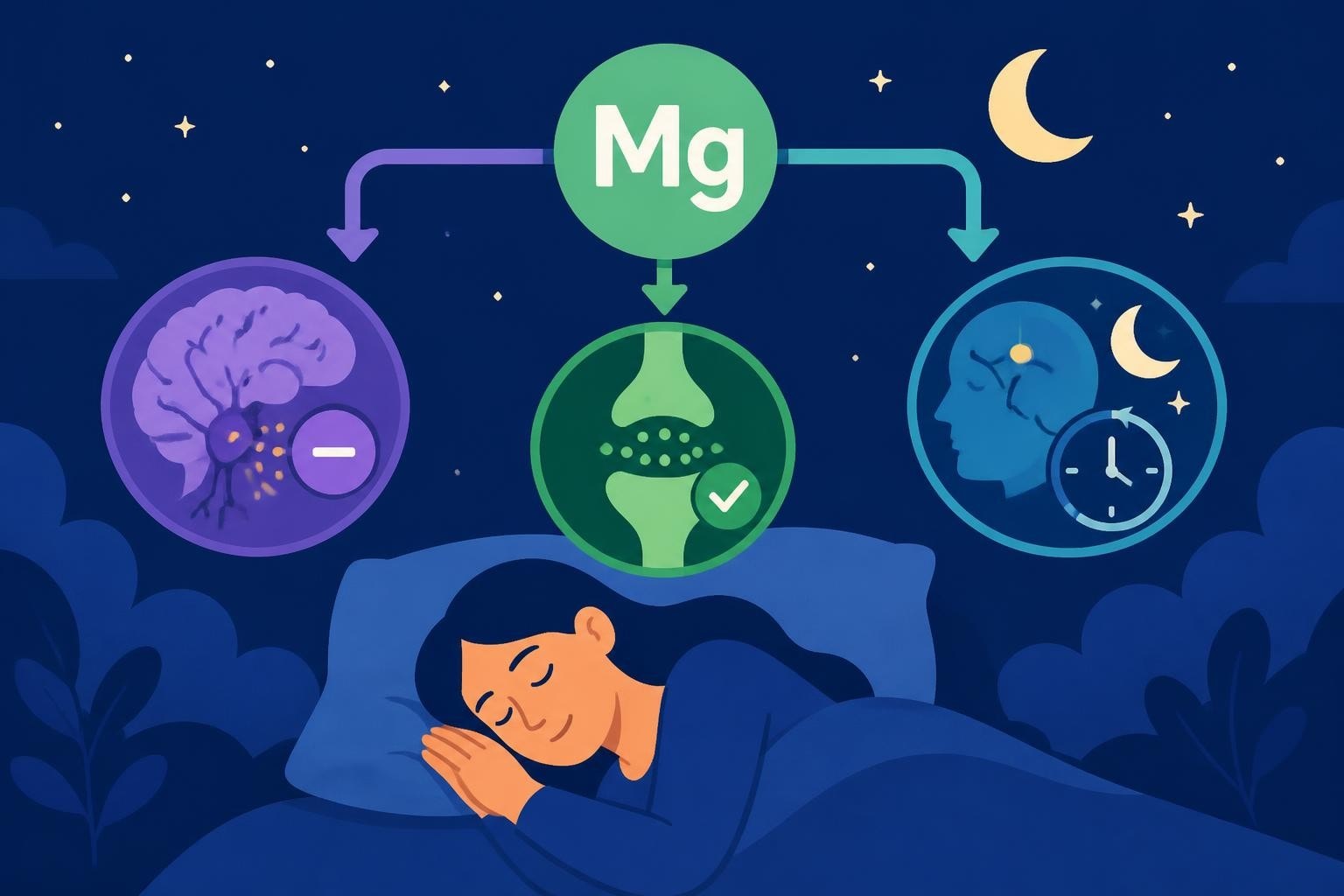
Sleep complaints affect millions of Americans every year, with many turning to natural solutions before prescription medications. Among dietary supplements, magnesium has gained considerable attention for its potential to improve rest. The mineral plays hundreds of roles in human physiology, from muscle function to nerve signaling, and emerging research suggests magnesium helps you sleep through several distinct biological pathways. Understanding which forms work, what the evidence shows, and how to choose a quality supplement can make the difference between restful nights and wasted money.
Why Magnesium Matters for Sleep
Magnesium is the fourth most abundant mineral in the body, yet population surveys suggest that nearly half of Americans consume less than the recommended daily amount. This widespread insufficiency matters because magnesium acts as a cofactor in more than 300 enzymatic reactions, including those that regulate your circadian rhythm and neurotransmitter balance. When intake falls short, sleep quality often suffers.
The Biological Mechanisms at Work
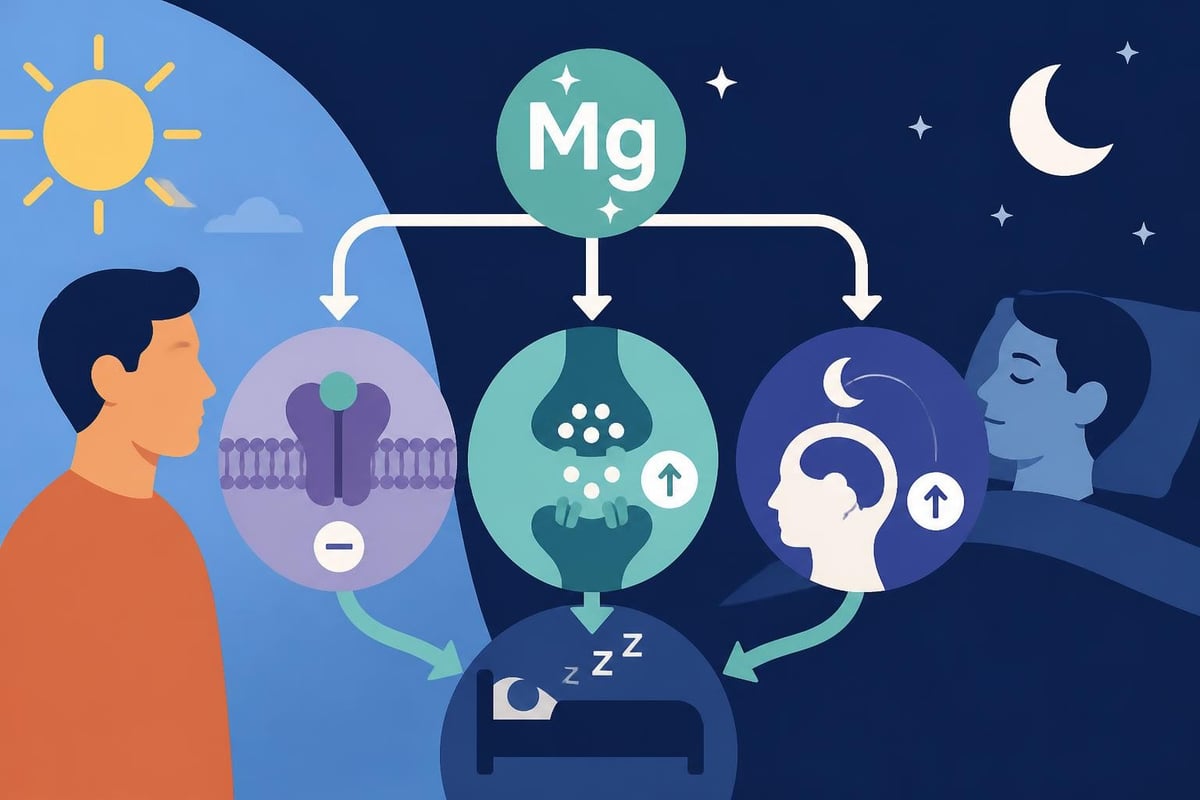
The link between magnesium and sleep operates through multiple channels. First, magnesium acts as a natural NMDA receptor antagonist, blocking excitatory neurotransmission that can keep your brain overly active at night. Second, it enhances GABA activity-the calming neurotransmitter that promotes relaxation and drowsiness. Third, magnesium influences the production and regulation of melatonin, the hormone that controls your sleep-wake cycle.
A narrative review published in PubMed Central outlines these proposed physiological mechanisms in detail, noting that magnesium deficiency can alter neuronal excitability and disrupt the hypothalamic-pituitary-adrenal axis. The result is a cascade of effects that make it harder to fall asleep and stay asleep through the night.
Beyond neurotransmitter modulation, magnesium also plays a role in muscle relaxation. Low magnesium status is associated with nocturnal leg cramps and restless sensations that fragment sleep. By supporting normal muscle function, adequate magnesium intake may reduce these physical disturbances and promote longer periods of uninterrupted rest.
What the Clinical Trials Show
While the proposed mechanisms are compelling, the real test lies in controlled human trials. Over the past decade, researchers have conducted numerous randomized controlled trials (RCTs) to assess whether magnesium supplementation truly improves sleep outcomes. The results are mixed but increasingly promising.
Recent Systematic Reviews and Meta-Analyses
A 2026 systematic review of RCTs searched databases through June 2026 and identified multiple trials testing oral magnesium against placebo. The review found that magnesium supplementation led to modest improvements in subjective sleep quality scores and small reductions in sleep onset latency-the time it takes to fall asleep. However, the certainty of evidence was rated as low to moderate due to inconsistencies in dosing, forms of magnesium used, and participant populations.
Another open-access review on dietary supplements for sleep placed magnesium alongside melatonin, valerian, and other popular options. The authors concluded that while magnesium shows promise, particularly in older adults and those with documented deficiency, the evidence is not yet strong enough to recommend it universally for all types of insomnia.
Key findings from recent trials include:
- Improved sleep efficiency: The percentage of time in bed actually spent asleep increased by 2–5% in several studies.
- Reduced nighttime awakenings: Participants reported fewer interruptions and longer stretches of continuous sleep.
- Better subjective ratings: Self-reported sleep quality and next-day restfulness improved, even when objective measures like polysomnography showed smaller changes.
- Modest effects on latency: The time to fall asleep shortened by 5–15 minutes on average, a clinically meaningful change for many individuals.
Trials on Specific Magnesium Forms
Not all magnesium supplements are created equal. Different chemical forms vary in bioavailability, absorption rate, and tissue distribution. Recent trials have begun to explore whether specific forms offer advantages for sleep.
A randomized, double-blind trial on magnesium L-threonate tested this newer form in adults with sleep complaints. Magnesium L-threonate is marketed for its ability to cross the blood-brain barrier more effectively than older salts like magnesium oxide. The trial found improvements in subjective sleep quality and some cognitive performance metrics, though the sleep effects were modest and the sample size relatively small.
Another 2025 RCT published in Frontiers in Nutrition also examined magnesium L-threonate, reporting similar patterns: better self-reported sleep quality alongside improved cognitive scores. These results suggest that while magnesium helps you sleep through general mechanisms, certain forms may offer additional benefits for brain health and daytime function.
| Magnesium Form | Absorption Rate | Common Doses | Notes |
|---|---|---|---|
| Magnesium oxide | Low (~4%) | 400–500 mg elemental | Inexpensive; may cause GI upset |
| Magnesium citrate | Moderate (~30%) | 200–400 mg elemental | Better absorbed; mild laxative effect |
| Magnesium glycinate | High (~40%) | 200–400 mg elemental | Gentle on stomach; chelated form |
| Magnesium L-threonate | Moderate to high | 144–288 mg elemental | May cross blood-brain barrier; pricier |
Choosing the Right Dose and Timing
Even with strong mechanistic support and positive trial data, effectiveness depends on taking the right amount at the right time. Magnesium dosing for sleep varies widely across studies, and individual needs differ based on baseline status, diet, and other factors.
Standard Dosing Guidelines
Most clinical trials testing magnesium for sleep have used doses ranging from 200 to 500 mg of elemental magnesium per day. It's important to distinguish between elemental magnesium and the total weight of the supplement. For example, 500 mg of magnesium citrate contains roughly 80 mg of elemental magnesium, while 500 mg of magnesium glycinate provides about 100 mg elemental.
The National Institutes of Health sets the recommended dietary allowance (RDA) for magnesium at 310–320 mg per day for adult women and 400–420 mg per day for adult men. Because dietary intake often falls short, supplementation in the range of 200–400 mg elemental can help bridge the gap without exceeding safe upper limits.
When to Take Magnesium
Timing matters. Because magnesium helps you sleep by promoting relaxation and calming neural activity, most experts recommend taking it in the evening, ideally 30–60 minutes before bed. This allows enough time for absorption and the onset of calming effects.
Some individuals prefer splitting their dose, taking half in the late afternoon and half before bed. This approach can help maintain steady blood levels and reduce the risk of gastrointestinal side effects, which are more common with larger single doses.
For those exploring magnesium to improve sleep quality, platforms like DoseRank evaluate supplements based on evidence, dose fit, trust, value, popularity, and availability-helping you identify options that match your specific goals and circumstances.

Forms, Bioavailability, and Side Effects
The form of magnesium you choose influences how much actually reaches your bloodstream and tissues. Bioavailability ranges from less than 5% for poorly absorbed forms like magnesium oxide to over 40% for highly bioavailable options like magnesium glycinate.
Comparing Popular Forms
- Magnesium oxide: The most common form in budget supplements. Poor absorption and a higher risk of diarrhea make it less ideal for sleep support, though it may work for those who also struggle with constipation.
- Magnesium citrate: A good middle ground with moderate absorption and a mild laxative effect. Often used in clinical trials and widely available.
- Magnesium glycinate: Chelated to the amino acid glycine, which itself has calming properties. High bioavailability and gentle on the stomach make it a favorite for sleep.
- Magnesium L-threonate: Newer and more expensive, but may offer superior brain penetration. Emerging evidence supports its use for both sleep and cognitive function.
- Magnesium malate: Bound to malic acid, this form is often marketed for energy and muscle cramps, but some users report it helps with sleep as well.
Managing Side Effects
The most common side effects of magnesium supplementation are gastrointestinal: loose stools, diarrhea, nausea, and abdominal cramping. These effects are dose-dependent and more likely with poorly absorbed forms like oxide and sulfate.
To minimize side effects:
- Start with a lower dose (100–200 mg elemental) and gradually increase.
- Take magnesium with food to slow absorption and reduce stomach upset.
- Choose highly bioavailable forms like glycinate or citrate.
- Split the dose across the day if a single evening dose causes discomfort.
Serious adverse effects are rare but can occur at very high doses (above 5,000 mg per day), particularly in individuals with kidney disease. Symptoms of magnesium toxicity include muscle weakness, low blood pressure, and irregular heartbeat. Always consult a healthcare provider before starting supplementation if you have kidney issues or take medications that interact with magnesium, such as certain antibiotics or diuretics.
Who Benefits Most from Magnesium for Sleep
Not everyone will experience the same degree of benefit. Research suggests that certain populations are more likely to see improvements in sleep quality with magnesium supplementation.
Older Adults
As we age, magnesium absorption declines and dietary intake often drops. Older adults are also more likely to experience insomnia and fragmented sleep. Several studies have focused on this age group and found that magnesium helps you sleep by improving both subjective and objective measures of rest.
One trial in adults over 60 showed that 500 mg of magnesium daily for eight weeks significantly improved sleep efficiency, total sleep time, and morning cortisol levels compared to placebo. The researchers concluded that restoring magnesium levels may counteract age-related changes in sleep architecture.
Individuals with Documented Deficiency
If your magnesium status is already adequate, supplementation may offer little additional benefit. However, for those with confirmed deficiency-diagnosed through blood tests, dietary analysis, or clinical symptoms-restoring normal levels can have a dramatic impact on sleep and overall well-being.
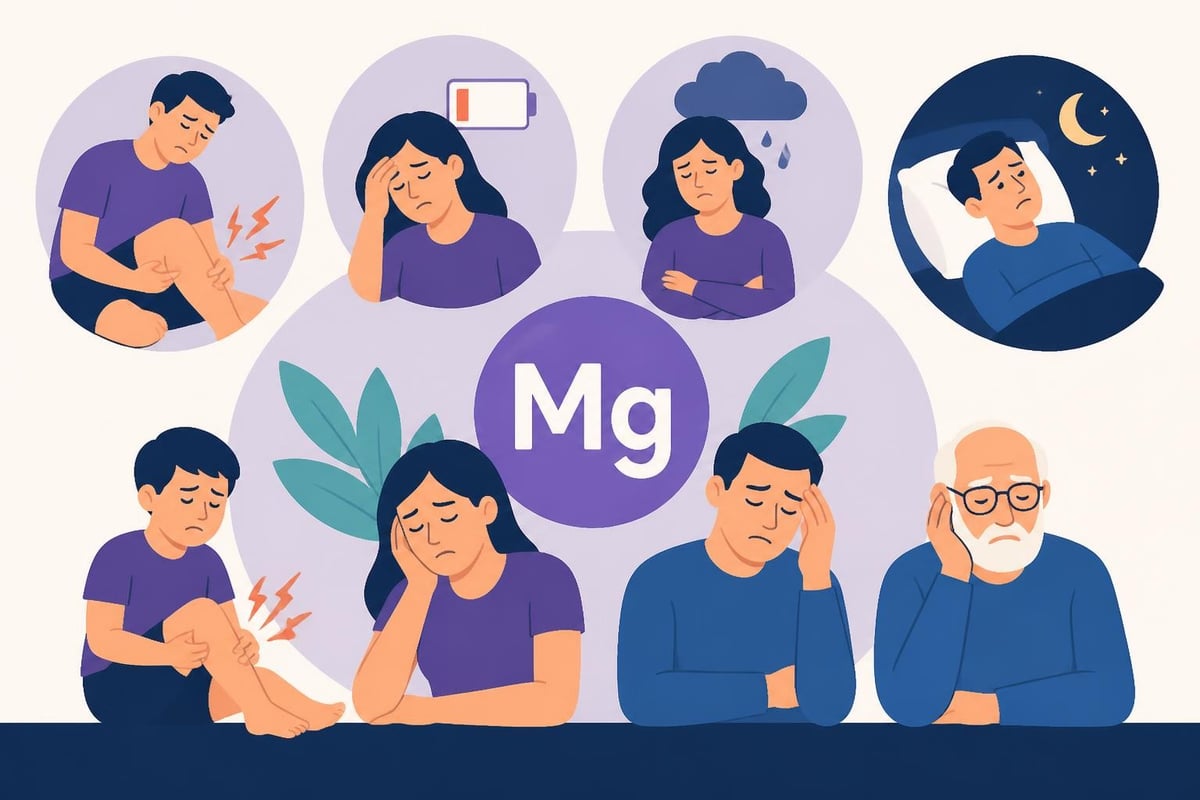
Symptoms of magnesium deficiency include:
- Persistent muscle cramps or twitches
- Chronic fatigue and low energy
- Irritability and mood disturbances
- Difficulty concentrating or brain fog
- Poor sleep quality and frequent nighttime awakenings
People Under Chronic Stress
Chronic psychological stress depletes magnesium stores. The body's stress response increases urinary excretion of the mineral, creating a vicious cycle: stress lowers magnesium, and low magnesium impairs the body's ability to handle stress. Supplementation may help break this cycle by supporting stress resilience and improving sleep simultaneously.
Evidence Quality and Realistic Expectations
It's important to set realistic expectations. While magnesium helps you sleep for many people, it is not a miracle cure for severe insomnia or sleep disorders like obstructive sleep apnea. The National Center for Complementary and Integrative Health (NCCIH) notes that while some studies are promising, the overall body of evidence remains limited and inconsistent.
Strengths of the Current Evidence
- Multiple randomized controlled trials show modest improvements in sleep quality and latency.
- Proposed mechanisms are biologically plausible and supported by preclinical research.
- Safety profile is favorable for most individuals when used at recommended doses.
- Benefits extend beyond sleep, supporting muscle function, mood, and cardiovascular health.
Limitations and Gaps
- Many trials are small, with fewer than 100 participants.
- Inconsistencies in dosing, magnesium forms, and study duration make it hard to draw firm conclusions.
- Objective sleep measures (polysomnography, actigraphy) often show smaller effects than subjective ratings.
- Few studies compare magnesium directly to established sleep medications or other supplements.
The Sleep Foundation's overview of magnesium summarizes these nuances well, advising consumers to view magnesium as a supportive tool rather than a standalone solution.
Combining Magnesium with Other Sleep Strategies
Magnesium works best as part of a broader approach to sleep health. Relying on supplements alone without addressing underlying habits and environmental factors is unlikely to produce lasting results.
Sleep Hygiene Fundamentals
Before adding any supplement, prioritize the basics:
- Maintain a consistent sleep schedule, even on weekends.
- Create a cool, dark, quiet bedroom environment.
- Limit screen time and blue light exposure in the hour before bed.
- Avoid caffeine and heavy meals late in the day.
- Engage in regular physical activity, but not too close to bedtime.
Complementary Supplements
Magnesium can be paired with other evidence-backed options:
| Supplement | Mechanism | Typical Dose | Synergy with Magnesium |
|---|---|---|---|
| Melatonin | Regulates circadian rhythm | 0.5–5 mg | May enhance sleep onset; magnesium supports melatonin production |
| Glycine | Inhibitory neurotransmitter | 3 g | Found in magnesium glycinate; calming effect |
| L-theanine | Promotes alpha brain waves | 100–200 mg | Reduces stress; complements magnesium's GABA effects |
| Valerian root | GABA modulation | 300–600 mg | Mixed evidence; some prefer it with magnesium |
When evaluating combinations, consider using a supplement quiz to narrow down options based on your specific goals and current routine.
Behavioral and Cognitive Techniques
Cognitive-behavioral therapy for insomnia (CBT-I) remains the gold standard for treating chronic sleep problems. Techniques like stimulus control, sleep restriction, and cognitive restructuring address the root causes of poor sleep. Magnesium can support these efforts by reducing physiological arousal and making it easier to implement behavioral changes.
Evaluating Supplement Quality and Value
Not all magnesium supplements deliver what they promise. The supplement industry is lightly regulated, and independent testing often reveals discrepancies between label claims and actual content.
What to Look For
- Third-party testing: Look for certifications from USP, NSF International, or ConsumerLab.
- Transparent labeling: The label should clearly state the form of magnesium and the amount of elemental magnesium per serving.
- Minimal additives: Avoid products with unnecessary fillers, artificial colors, or allergens.
- Batch testing: Reputable brands test each batch for purity and potency.
Assessing Value
Price per serving varies widely, from a few cents to over a dollar. Higher cost doesn't always mean better quality, but ultra-cheap options often use poorly absorbed forms like oxide. Calculate the cost per milligram of elemental magnesium to compare apples to apples.
Platforms that rank supplements based on evidence, dose fit, trust, value, popularity, and availability-like DoseRank-can save time and help you avoid low-quality products. By considering multiple factors at once, you're more likely to find a supplement that works for your body and budget.
Practical Tips for Getting Started
If you're ready to try magnesium for sleep, follow these steps to maximize your chances of success:
- Assess your baseline intake: Use a food diary or nutrition app to estimate how much magnesium you're getting from diet alone. Dark leafy greens, nuts, seeds, whole grains, and legumes are rich sources.
- Choose an appropriate form: For sleep, magnesium glycinate or citrate are good starting points. If you're interested in cognitive benefits as well, consider L-threonate.
- Start with a moderate dose: Begin with 200 mg of elemental magnesium in the evening, 30–60 minutes before bed.
- Monitor your response: Keep a simple sleep log noting how long it takes to fall asleep, how many times you wake, and how rested you feel in the morning.
- Adjust as needed: If you see no improvement after two weeks, try increasing the dose by 100 mg or switching forms. If you experience GI side effects, reduce the dose or split it across the day.
- Be patient: Some people notice benefits within a few days, but it can take several weeks for magnesium levels to stabilize and sleep patterns to shift.
Remember that magnesium helps you sleep most effectively when combined with good sleep hygiene and a balanced lifestyle. Supplements are just one piece of the puzzle.
Understanding Individual Variation
Response to magnesium supplementation varies widely. Genetics, baseline magnesium status, diet, stress levels, age, and concurrent medications all influence outcomes. What works for one person may not work for another, and trial and error is often necessary.
Genetic Factors
Emerging research suggests that genetic variations in magnesium transporters and enzymes involved in magnesium metabolism may affect how individuals respond to supplementation. While routine genetic testing for magnesium-related genes is not yet standard, this area of study may eventually help personalize recommendations.
Interactions with Medications
Magnesium can interact with several classes of drugs:
- Bisphosphonates (for osteoporosis): Magnesium can reduce absorption; separate doses by at least two hours.
- Antibiotics (tetracyclines, fluoroquinolones): Magnesium binds to these drugs and reduces effectiveness.
- Diuretics: Some increase magnesium excretion, while others (potassium-sparing types) can raise magnesium to excessive levels.
- Proton pump inhibitors (PPIs): Long-term use can lower magnesium absorption and increase the need for supplementation.
Always inform your healthcare provider about any supplements you're taking to avoid adverse interactions.
Measuring Success and Adjusting Your Approach
How do you know if magnesium is working? Unlike some supplements that produce immediate, noticeable effects, magnesium's benefits for sleep can be subtle and gradual.
Subjective Markers
- Falling asleep faster, with less tossing and turning
- Waking fewer times during the night
- Feeling more refreshed and alert in the morning
- Reduced anxiety or restlessness before bed
Objective Measures
If you want more concrete data, consider:
- Sleep trackers: Wearable devices or smartphone apps can estimate sleep duration, efficiency, and stages.
- Blood tests: Measuring serum magnesium or red blood cell magnesium can confirm whether supplementation is raising your levels (though serum levels don't always reflect total body stores).
- Sleep diaries: A two-week log before and after starting magnesium can help you spot trends.
If you see no improvement after four to six weeks, it may be time to explore other options or consult a healthcare professional to rule out underlying sleep disorders.
Magnesium helps you sleep by calming neural activity, supporting neurotransmitter balance, and promoting muscle relaxation-benefits backed by a growing body of clinical research. While the evidence is not yet definitive, many individuals, especially older adults and those with deficiency, experience meaningful improvements in sleep quality and duration. For anyone navigating the crowded supplement market, DoseRank offers a systematic way to compare products based on evidence, dose fit, trust, value, popularity, and availability, helping you find the right magnesium supplement for your unique needs and goals.