
DOSERANK guide
5-HTP Explained: What It Is and How It Works in 2026
Published
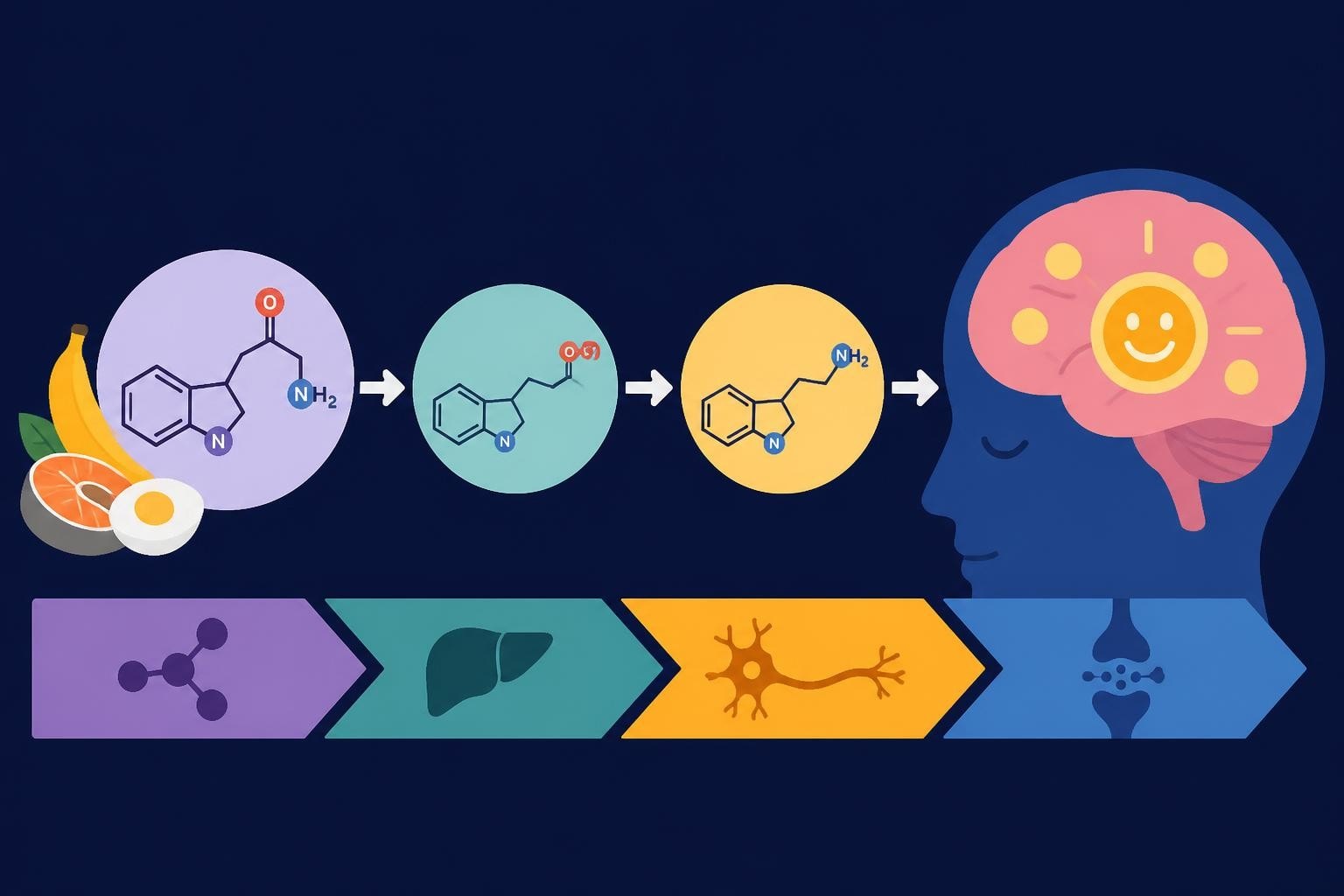
If you've been researching natural mood support or sleep aids, you've likely encountered the supplement 5-HTP. But "htp 5 what is it" is a question many people ask when first discovering this compound. Understanding what 5-HTP actually is, how it functions in your body, and whether it might benefit your specific health goals requires looking beyond marketing claims and into the science. This compound sits at a critical junction in your brain chemistry, serving as a direct precursor to serotonin, the neurotransmitter that influences everything from your mood to your sleep patterns.
What 5-HTP Is and Where It Comes From
5-HTP stands for 5-hydroxytryptophan, a naturally occurring amino acid that your body produces as an intermediate step in creating serotonin. When you ask "htp 5 what is it" in biochemical terms, you're looking at a molecule that bridges the gap between the protein you eat and the mood-regulating chemicals your brain needs.
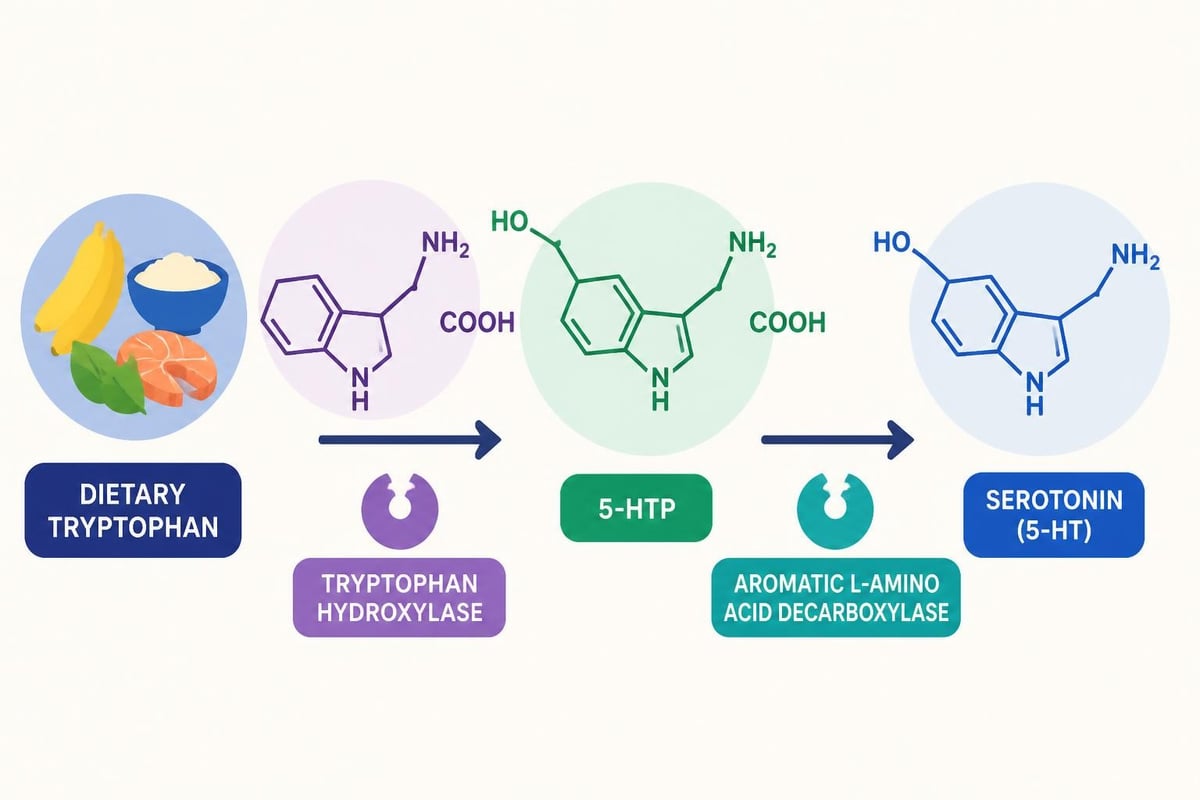
Your body manufactures 5-HTP from tryptophan, an essential amino acid found in foods like turkey, chicken, milk, potatoes, and various seeds. The conversion process happens primarily in your liver and brain through enzymatic action. First, tryptophan hydroxylase converts dietary tryptophan into 5-HTP, then aromatic L-amino acid decarboxylase transforms 5-HTP into serotonin.
The Supplement Form
Commercial 5-HTP supplements don't come from food sources or synthetic laboratories exclusively. Most manufacturers extract it from the seeds of Griffonia simplicifolia, a West African plant that naturally contains high concentrations of this compound. This botanical source provides a reliable, consistent form of 5-HTP that bypasses the initial tryptophan conversion step.
The critical difference between taking tryptophan and taking 5-HTP lies in this metabolic shortcut. Tryptophan must compete with other amino acids to cross the blood-brain barrier and then undergo conversion to 5-HTP before becoming serotonin. 5-HTP crosses the blood-brain barrier more readily and sits just one enzymatic step away from serotonin production, making it a more direct approach to raising serotonin levels.
How 5-HTP Functions in Your Body
Understanding "htp 5 what is it" means grasping its role as a serotonin precursor. Serotonin, often called the "feel-good neurotransmitter," regulates numerous physiological processes:
- Mood regulation and emotional stability
- Sleep-wake cycles and circadian rhythms
- Appetite control and satiety signals
- Pain perception and sensitivity
- Digestive motility and gut function
- Cognitive processes including memory and learning
When you supplement with 5-HTP, you're providing raw material for serotonin synthesis. The compound crosses into your central nervous system and peripheral tissues, where decarboxylase enzymes convert it to serotonin. This process occurs throughout your body, not just in your brain, which explains why 5-HTP can affect multiple systems simultaneously.
According to research on 5-HTP's mechanisms, approximately 70% of orally administered 5-HTP gets converted to serotonin before it even reaches the brain, primarily in peripheral tissues. This peripheral conversion influences digestive function and cardiovascular tone but also means that not all supplemented 5-HTP directly impacts brain serotonin levels.
Neurotransmitter Balance
The relationship between 5-HTP and brain chemistry extends beyond just serotonin. Adequate serotonin levels influence the balance of other neurotransmitters, including dopamine and norepinephrine. Some research suggests that excessive 5-HTP supplementation might deplete dopamine and norepinephrine by monopolizing the shared enzymatic pathways these neurotransmitters use for synthesis.
This biochemical competition matters because dopamine drives motivation, reward, and motor control, while norepinephrine affects alertness and stress response. The interconnected nature of neurotransmitter systems means that understanding "htp 5 what is it" requires recognizing both its intended effects and its broader systemic impacts.
Evidence-Based Benefits and Clinical Research
When people ask "htp 5 what is it" used for, they're typically interested in its therapeutic applications. Decades of research have examined 5-HTP for various conditions, with varying levels of evidence supporting different uses.
Mood and Depression Support
Multiple clinical trials have investigated 5-HTP for depressive symptoms. Studies summarized by Medical News Today show that 5-HTP may help alleviate symptoms in some individuals with mild to moderate depression, though results remain inconsistent across studies.
The theoretical basis is straightforward: if depression involves low serotonin activity, providing more serotonin precursor should help. However, depression's neurochemistry proves far more complex than simple serotonin deficiency. Some trials show modest improvements in depression rating scales, while others find no significant difference compared to placebo.
| Study Focus | Typical Dosage | Duration | Outcome Measures |
|---|---|---|---|
| Depression symptoms | 150-300 mg daily | 2-6 weeks | Hamilton Depression Rating Scale |
| Sleep quality | 100-300 mg | 2-4 weeks | Sleep latency, sleep efficiency |
| Appetite control | 300-900 mg | 4-12 weeks | Caloric intake, satiety scores |
| Fibromyalgia pain | 100-400 mg | 4-12 weeks | Pain scales, tender point counts |
Sleep Quality Enhancement
5-HTP's role in sleep stems from serotonin's conversion to melatonin, your body's primary sleep-regulating hormone. The pineal gland transforms serotonin into melatonin during dark hours, helping regulate circadian rhythms.
Clinical evidence suggests 5-HTP may reduce sleep latency (time to fall asleep) and improve sleep continuity in some users. For individuals struggling with sleep quality issues, understanding how 5-HTP influences both serotonin and downstream melatonin production provides insight into potential benefits.
Healthline's overview of 5-HTP benefits notes that combining 5-HTP with gamma-aminobutyric acid (GABA) may produce more pronounced sleep improvements than either compound alone, though more research is needed to confirm optimal combinations.
Weight Management Applications
The satiety-promoting effects of serotonin have led researchers to examine 5-HTP for weight management. Clinical trials reviewed by Human Clinicals demonstrate that 5-HTP supplementation can reduce caloric intake in some obese individuals, particularly by decreasing carbohydrate consumption.
In these studies, participants taking 5-HTP reported earlier satiety during meals and reduced cravings for carbohydrate-rich foods. The doses used in weight management research typically range from 300 to 900 mg daily, higher than those used for mood support.
Proper Dosing and Administration
Determining an appropriate 5-HTP dose depends on your specific goals and individual response. When exploring "htp 5 what is it" appropriate to take, evidence-based dosing ranges provide a starting framework:
For mood support: Most studies use 50-100 mg taken two to three times daily, totaling 150-300 mg per day. Some protocols gradually increase from lower starting doses.
For sleep improvement: 100-300 mg taken 30-60 minutes before bedtime appears most common in clinical trials. Taking 5-HTP with food may reduce gastrointestinal side effects but might also slow absorption.
For appetite control: Higher doses of 250-300 mg taken before meals have shown effects in research settings, though these amounts carry greater risk of adverse effects.
Timing Considerations
- Morning doses may support daytime mood but could cause drowsiness in sensitive individuals
- Evening doses align better with sleep support goals and natural melatonin production
- Divided doses spread throughout the day may provide more stable serotonin levels
- Food timing varies by goal-taking 5-HTP before meals may enhance satiety effects
The principle of starting low and increasing gradually applies to 5-HTP as it does to most supplements. Beginning with 50 mg daily and assessing tolerance before increasing dosage allows you to identify your individual response threshold.

Safety Profile and Potential Side Effects
Understanding "htp 5 what is it" safe to use requires examining both common mild side effects and rarer serious concerns. The majority of adverse effects are dose-dependent and diminish with lower amounts or gradual dose escalation.
Common Side Effects
Short-term 5-HTP use at moderate doses typically produces mild gastrointestinal effects as the most common complaints:
- Nausea and stomach discomfort
- Diarrhea or loose stools
- Heartburn or acid reflux
- Reduced appetite (which may be desirable for some users)
These digestive symptoms occur partly because 5-HTP increases serotonin in peripheral tissues, including the gut, where serotonin influences motility and secretion. Taking 5-HTP with food often reduces these effects, though it may slightly decrease absorption efficiency.
Serious Concerns and Contraindications
Healthline's discussion of 5-HTP dangers highlights several serious risks that require careful attention:
Serotonin syndrome represents the most concerning potential adverse effect. This condition occurs when serotonin levels become dangerously elevated, causing symptoms ranging from confusion and agitation to rapid heart rate, high blood pressure, muscle rigidity, and in severe cases, seizures or death.
The risk increases dramatically when combining 5-HTP with:
- Selective serotonin reuptake inhibitors (SSRIs)
- Serotonin-norepinephrine reuptake inhibitors (SNRIs)
- Monoamine oxidase inhibitors (MAOIs)
- Tricyclic antidepressants
- Triptans used for migraines
- St. John's wort or other serotonergic herbs
- Certain pain medications including tramadol
Anyone taking medications that affect serotonin should consult their healthcare provider before using 5-HTP. The combination can be dangerous and potentially life-threatening.
Special Populations
Pregnant and breastfeeding women should avoid 5-HTP due to insufficient safety data. Individuals with liver disease, cardiovascular conditions, or upcoming surgery should also exercise extreme caution, as 5-HTP affects multiple physiological systems.
Children and adolescents represent another population where 5-HTP use requires medical supervision, as developing nervous systems may respond differently to serotonergic interventions.
Quality and Purity Considerations
When investigating "htp 5 what is it" important to look for in supplements, quality and purity emerge as critical factors. The supplement industry's voluntary nature of quality control means not all 5-HTP products contain what their labels claim or are free from contaminants.
The Peak X Contamination Issue
Historical concerns about 5-HTP safety trace back to a 1980s outbreak of eosinophilia-myalgia syndrome (EMS) linked to contaminated tryptophan supplements. While the contamination primarily affected tryptophan products, questions arose about whether 5-HTP might contain similar impurities.
Peak X, a contaminant identified in some 5-HTP supplements, raised concerns about potential EMS risk. However, comprehensive research reviews on 5-HTP safety note that the concentrations of Peak X found in commercial 5-HTP supplements differ from those in the contaminated tryptophan that caused the EMS outbreak.
Modern manufacturing processes and quality control measures have significantly improved supplement purity, but variability still exists across brands and manufacturers.
Third-Party Testing and Certification
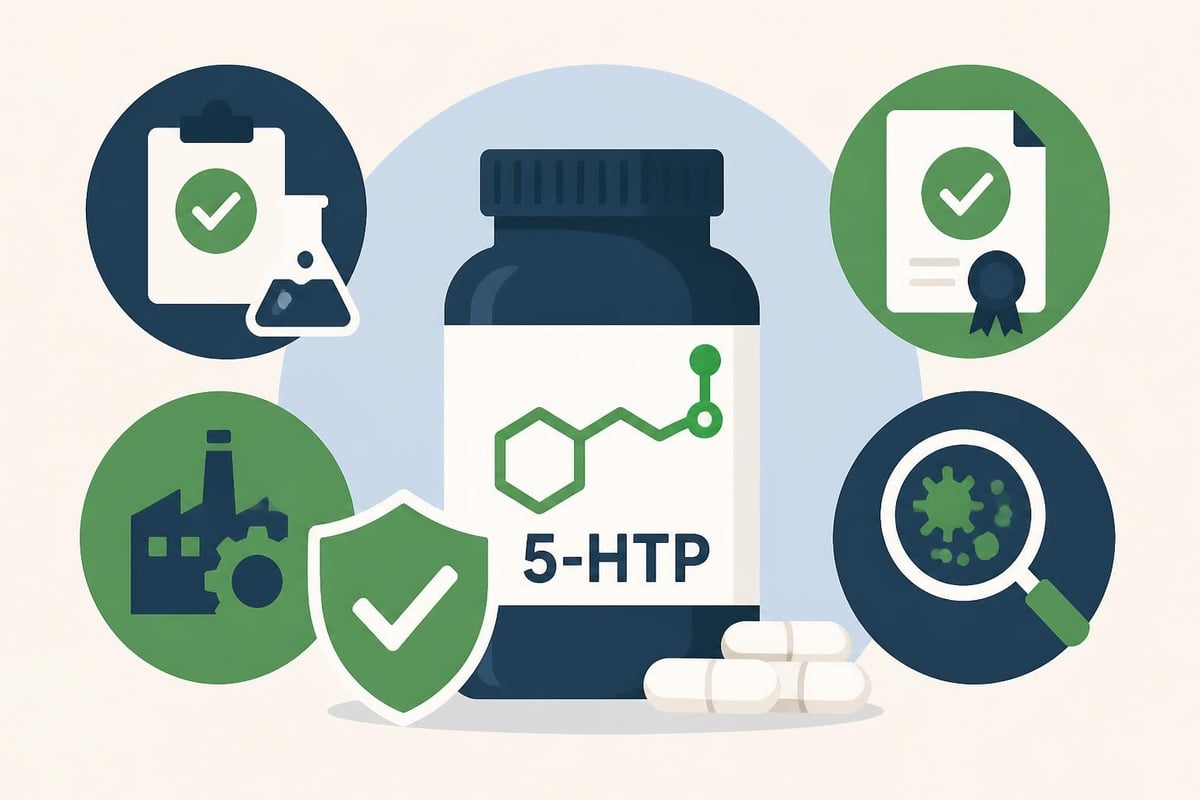
Look for 5-HTP supplements that carry third-party verification from organizations like:
| Testing Organization | What They Verify | Certification Mark |
|---|---|---|
| USP (United States Pharmacopeia) | Identity, strength, purity, dissolution | USP Verified Mark |
| NSF International | Label accuracy, contaminant screening | NSF Certified for Sport or NSF Contents Tested |
| ConsumerLab | Ingredient accuracy, contamination | CL Seal of Approval |
These certifications don't guarantee efficacy, but they do confirm that the product contains the stated amount of 5-HTP without dangerous levels of contaminants.
5-HTP Compared to Alternative Approaches
When considering "htp 5 what is it" compared to other mood and sleep support options, several alternatives deserve mention:
L-tryptophan serves as 5-HTP's dietary precursor. Some individuals prefer tryptophan because it undergoes more natural metabolic regulation, potentially reducing the risk of excessive serotonin production. However, tryptophan requires higher doses and competes with other amino acids for absorption and brain uptake.
St. John's wort affects serotonin through different mechanisms, inhibiting reuptake rather than providing precursor material. This herb shows evidence for mild to moderate depression but carries significant drug interaction risks similar to pharmaceutical antidepressants.
SAMe (S-adenosylmethionine) influences multiple neurotransmitter systems and methylation processes. Research supports its use for depression, though it typically costs more than 5-HTP and may cause activation or anxiety in some users.
For those seeking evidence-based supplement guidance that accounts for multiple factors beyond just research evidence, platforms like DoseRank evaluate supplements across dimensions including dose appropriateness, manufacturer trustworthiness, value, and real-world availability. This comprehensive approach helps identify options that balance theoretical benefits with practical considerations.
Drug and Supplement Interactions
The question "htp 5 what is it" compatible with extends to numerous medications and supplements. Detailed interaction information from FactoWiki emphasizes the importance of checking compatibility before combining 5-HTP with other substances.
Medications Requiring Caution
Beyond the serotonergic medications mentioned earlier, several other drug classes interact with 5-HTP:
- Carbidopa (used in Parkinson's disease) may increase 5-HTP's effects and side effects
- Dextromethorphan (cough suppressant) has serotonergic properties that might compound
- Certain antibiotics and antifungals may affect 5-HTP metabolism
- Sedatives and sleep aids could have additive effects with 5-HTP's sleep-promoting properties
Supplement Combinations
Combining 5-HTP with other supplements requires similar caution:
Green tea extract and other sources of caffeine may interact unpredictably with serotonin systems. Rhodiola, ginseng, and other adaptogenic herbs that affect neurotransmitters might compound effects or create imbalances.
Magnesium and vitamin B6 are sometimes combined with 5-HTP based on their roles as cofactors in serotonin synthesis. While this combination has theoretical merit, individual responses vary, and more isn't always better.
Understanding how different supplements interact with broader health goals matters when building a comprehensive approach. Platforms focused on specific health outcomes can help identify which combinations align with evidence-based protocols for particular conditions.
Who Might Benefit from 5-HTP
Identifying whether 5-HTP suits your needs requires honest assessment of your symptoms, health status, and current medications. When wondering "htp 5 what is it" appropriate for, consider these profiles:
Individuals with mild mood concerns who aren't taking prescription antidepressants might explore 5-HTP as part of a broader lifestyle approach including therapy, exercise, and stress management. The compound shouldn't replace professional mental health treatment for moderate to severe depression.
People experiencing occasional sleep difficulties might benefit from 5-HTP's effects on melatonin production, particularly if their sleep issues relate to difficulty falling asleep rather than staying asleep.
Those managing stress-related eating patterns could potentially benefit from 5-HTP's satiety-promoting effects, though addressing underlying stress through techniques that support stress resilience remains equally important.
However, 5-HTP isn't appropriate for everyone. People taking psychiatric medications, those with a history of eosinophilia-myalgia syndrome, individuals with carcinoid syndrome, and anyone preparing for surgery should avoid 5-HTP unless specifically directed by their healthcare provider.
Evaluating Research Quality and Evidence Gaps
When investigating "htp 5 what is it" supported by in terms of evidence, critical evaluation reveals both strengths and limitations in the current research base.
Many 5-HTP studies use relatively small sample sizes, limiting the generalizability of findings. Publication bias may favor positive results, meaning unsuccessful trials might not appear in the published literature. Placebo responses in mood and sleep studies tend to be substantial, making it difficult to isolate 5-HTP's specific effects.
What We Know with Confidence
- 5-HTP crosses the blood-brain barrier and increases serotonin production
- Short-term use at moderate doses (up to 400 mg daily) appears relatively safe for most healthy adults not taking serotonergic medications
- Some individuals experience mood improvements, sleep benefits, or appetite reduction with 5-HTP supplementation
- Gastrointestinal side effects occur commonly but are usually mild
What Remains Uncertain
- Long-term safety beyond several months of continuous use lacks robust evidence
- Optimal dosing for specific conditions hasn't been definitively established
- Individual variation in response is substantial and poorly understood
- Comparative effectiveness against other interventions (therapy, lifestyle changes, other supplements) remains unclear
Understanding these evidence gaps helps set realistic expectations. 5-HTP isn't a guaranteed solution for mood or sleep concerns, but for some individuals within appropriate contexts, it may offer meaningful support.
Practical Implementation Strategies
If you decide to try 5-HTP after consulting with your healthcare provider, strategic implementation maximizes potential benefits while minimizing risks.
Start with Comprehensive Assessment
Before beginning 5-HTP, document your baseline symptoms using validated scales or simple tracking:
- Mood assessment: Rate your mood daily on a 1-10 scale, noting patterns
- Sleep diary: Track sleep latency, total sleep time, nighttime awakenings, and morning refreshment
- Appetite patterns: Record hunger levels, cravings, and eating behavior
- Side effect monitoring: Note any physical symptoms or changes
This baseline provides comparison points for evaluating whether 5-HTP produces meaningful changes.
Implement Gradually
Begin with a low dose (50 mg daily) for at least 3-7 days before increasing. This gradual approach helps identify the minimum effective dose and reduces side effect risk. If you tolerate the initial dose well and haven't achieved desired effects, increase by 50 mg increments weekly.
Combine with Complementary Approaches
5-HTP works best as part of a comprehensive strategy addressing multiple factors that influence mood and sleep:
- Sleep hygiene practices: Consistent schedule, dark environment, cool temperature
- Regular physical activity: Exercise supports both mood and sleep through multiple mechanisms
- Stress management: Meditation, breathing exercises, or therapy address root causes
- Nutritional adequacy: Whole foods diet with adequate protein, complex carbs, and omega-3s
- Social connection: Relationships and community involvement support mental wellbeing
Plan for Reassessment
After 4-6 weeks of consistent use, review your tracking data. If 5-HTP provides meaningful benefits without significant side effects, continuation may be appropriate. If you notice minimal effects or problematic side effects, discontinuation and alternative approaches make sense.
Consider periodic breaks from 5-HTP (such as one week off every 8-12 weeks) to assess whether benefits persist without supplementation and to reduce potential risks from continuous use.
Finding the Right Supplement Approach for Your Goals
The supplement landscape offers countless options for supporting mood, sleep, and overall wellness, making "htp 5 what is it" just one question among many when building your health strategy. Making informed decisions requires looking beyond individual ingredients to consider dose appropriateness, product quality, manufacturer trustworthiness, cost-effectiveness, and practical availability.
Taking a quiz to identify supplements matched to your specific health goals can streamline this process considerably. Rather than researching dozens of compounds and products individually, targeted assessment tools help narrow options to those most relevant for your circumstances.
Understanding what 5-HTP is and how it functions provides essential foundation for deciding whether this supplement fits your wellness approach. The compound serves as a direct serotonin precursor with evidence supporting several potential benefits, though individual responses vary significantly and safety considerations require careful attention. When you're ready to identify supplements that match your specific health goals with rankings based on evidence quality, appropriate dosing, manufacturer trust, and real-world value, DoseRank offers a comprehensive evaluation system that goes beyond simple recommendations to help you make truly informed choices backed by transparent methodology.