
DOSERANK guide
The Healthiest Supplements: Evidence-Based Rankings
Published
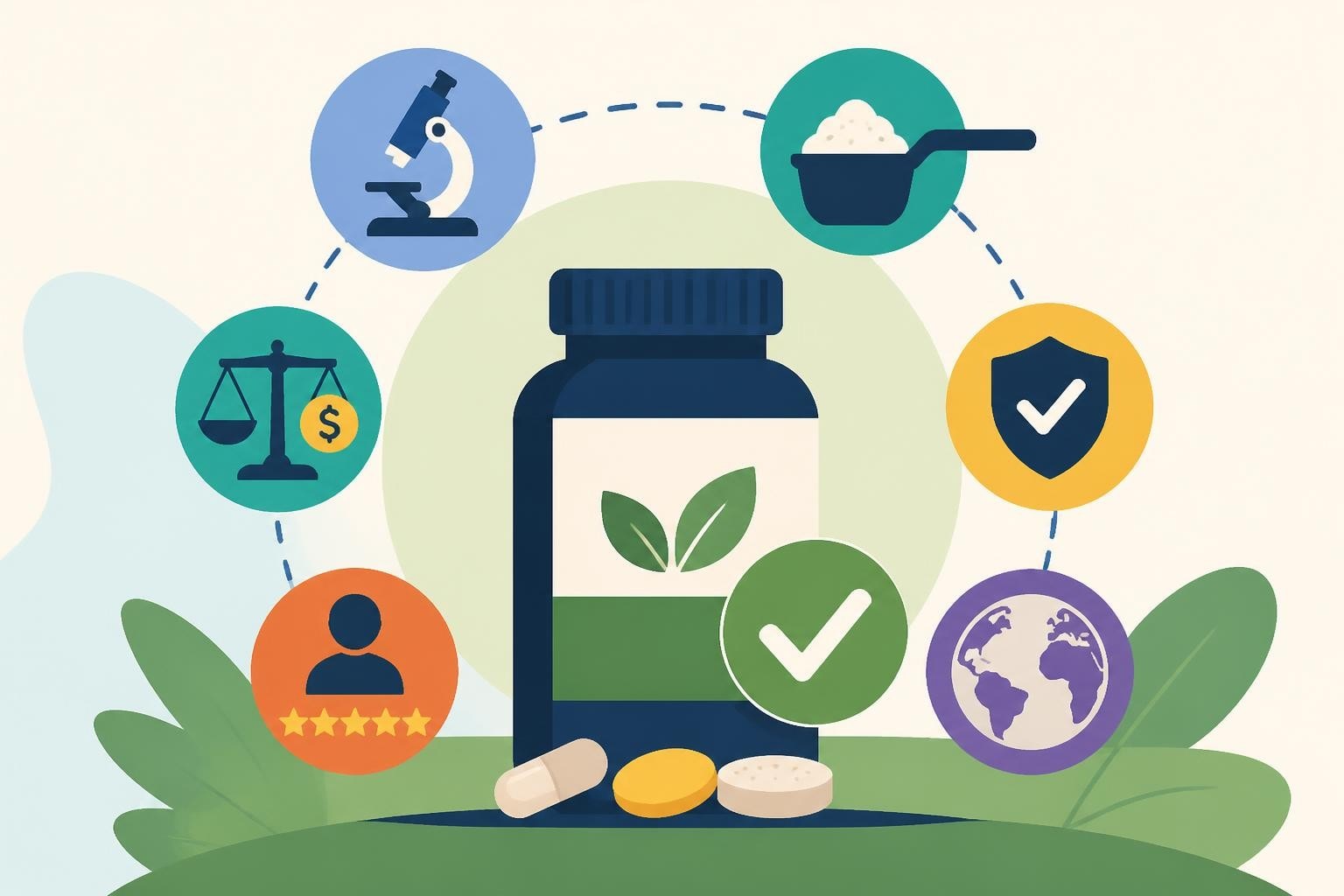
The global supplement market offers thousands of products promising better health, sharper focus, stronger immunity, and more energy. Yet not all supplements deliver equal benefits, and many fall short of their marketing claims. Identifying the healthiest supplements requires looking beyond labels to examine clinical evidence, appropriate dosing, manufacturing quality, and real-world results. This guide breaks down what makes a supplement truly healthy and how to choose options that align with your specific wellness objectives.
What Defines the Healthiest Supplements
The term "healthiest supplements" carries different meanings depending on individual needs, but several universal criteria separate superior products from inferior alternatives. Evidence from controlled human trials stands as the foundation of any legitimate health claim. A supplement may contain beneficial ingredients, yet without proper dosing or bioavailable forms, those ingredients cannot produce measurable results.
Evidence-Based Formulations
Clinical research provides the backbone for evaluating supplement effectiveness. The World Health Organization maintains comprehensive guidance on micronutrient supplementation, highlighting which interventions demonstrate consistent benefits across populations. Randomized controlled trials, systematic reviews, and meta-analyses offer the strongest evidence, while observational studies and in-vitro research provide supporting context but cannot establish causation.
Quality supplement manufacturers reference specific studies when formulating products, matching ingredient doses to those proven effective in research settings. When a vitamin D supplement contains 1,000 IU per serving, that dosage should reflect evidence showing benefit at that level for defined health outcomes. Products that deviate significantly from research-backed doses may underdeliver or create unnecessary risks.
Bioavailability and Form Matter
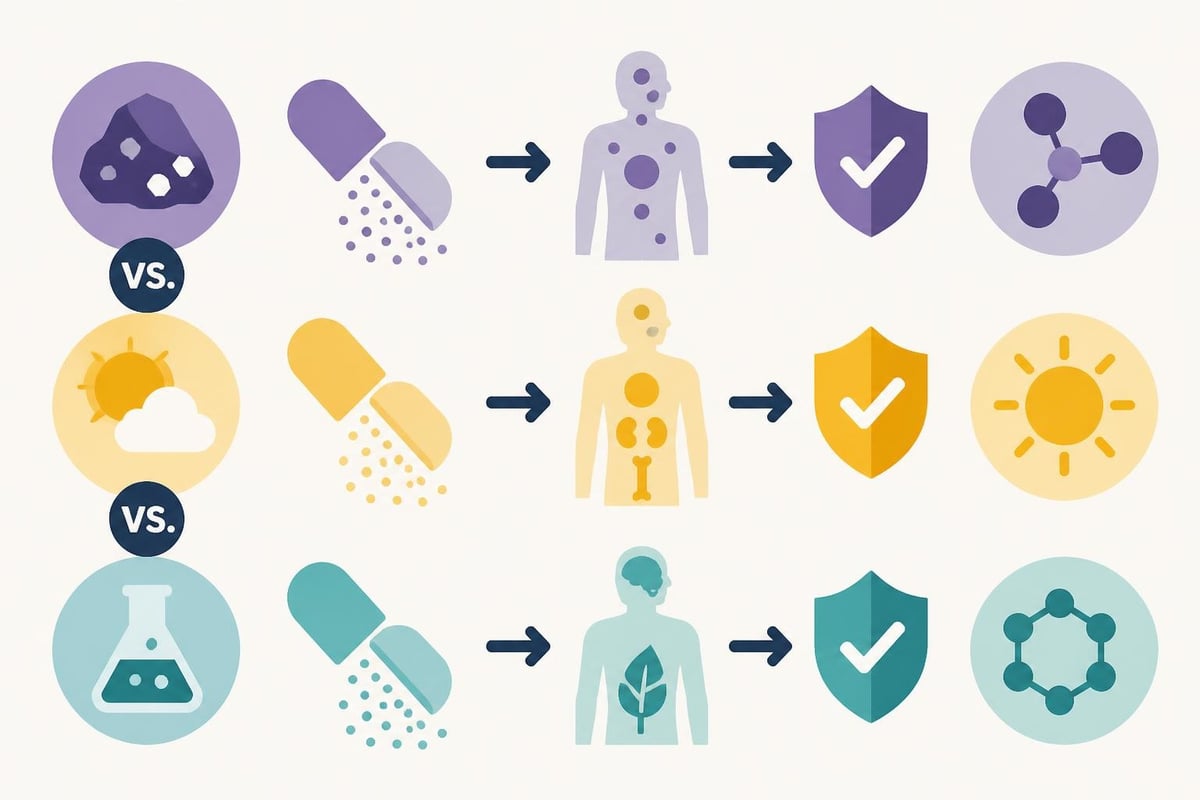
The chemical form of each ingredient determines how well your body can absorb and utilize it. Magnesium oxide offers high elemental magnesium content but poor absorption compared to magnesium glycinate or citrate. Similarly, vitamin K2 (menaquinone-7) demonstrates different tissue distribution than vitamin K1 (phylloquinone), making form selection crucial for bone and cardiovascular outcomes.
- Chelated minerals bind to amino acids, improving intestinal absorption
- Active vitamin forms bypass conversion steps that some individuals perform inefficiently
- Liposomal delivery encapsulates nutrients in fat molecules for enhanced uptake
- Time-release formulations extend absorption windows for water-soluble vitamins
Harvard Health Publishing regularly reviews the latest evidence on supplement bioavailability and whether specific forms justify premium pricing. Their analyses consistently emphasize that the cheapest option rarely proves the most cost-effective when absorption differences are considered.
Core Categories of Healthiest Supplements
Certain supplement categories demonstrate stronger evidence bases than others, with benefits extending across diverse populations and health goals. Understanding these categories helps prioritize which products deserve consideration.
Omega-3 Fatty Acids
Marine-sourced omega-3s (EPA and DHA) rank among the most researched supplements, with thousands of studies examining cardiovascular, cognitive, and inflammatory outcomes. Fish oil, krill oil, and algae oil each deliver these essential fatty acids, though concentration and purity vary significantly between products.
| Omega-3 Source | EPA+DHA per gram | Environmental considerations | Cost per gram |
|---|---|---|---|
| Fish oil concentrate | 600-900 mg | Moderate sustainability concerns | Low to moderate |
| Krill oil | 200-300 mg | Antarctic ecosystem impact | High |
| Algae oil | 400-600 mg | Highly sustainable | Moderate to high |
The omega-3 index-a measure of EPA and DHA in red blood cell membranes-serves as an objective marker of long-term status. Research suggests an index above 8% associates with better cardiovascular outcomes, while values below 4% indicate deficiency. Quality omega-3 supplements should provide enough EPA and DHA to meaningfully shift this biomarker over 2-3 months of consistent use.
Vitamin D for Multiple Systems
Vitamin D deficiency affects an estimated one billion people worldwide, making supplementation particularly relevant for individuals with limited sun exposure, darker skin pigmentation, or living at higher latitudes. Cochrane reviews have examined vitamin D's role in fracture prevention, showing benefit when combined with calcium in older adults.
Beyond bone health, vitamin D influences immune function, mood regulation, and cellular growth. The healthiest vitamin D supplements provide D3 (cholecalciferol) rather than D2 (ergocalciferol), as D3 raises and maintains serum 25-hydroxyvitamin D levels more effectively. Dosing typically ranges from 1,000 to 4,000 IU daily depending on baseline status and individual factors.
Probiotics for Gut and Systemic Health
The human microbiome affects digestion, immunity, mental health, and metabolic function. Probiotic supplements introduce beneficial bacteria strains, though not all products contain strains with documented health effects. Recent systematic reviews demonstrate that specific Lactobacillus and Bifidobacterium strains can improve gastrointestinal symptoms, though results vary by strain and condition.
Effective probiotic supplements specify:
- Exact bacterial strains (including strain identifiers)
- Colony-forming units (CFUs) at expiration, not manufacture
- Storage requirements to maintain viability
- Clinical evidence supporting chosen strains
Multi-strain formulations may offer broader benefits than single-strain products, but more strains do not automatically mean better results. The healthiest probiotic supplements match specific strains to targeted outcomes, whether supporting digestive comfort, enhancing immune function, or addressing particular conditions.
Evaluating Supplement Quality and Trust
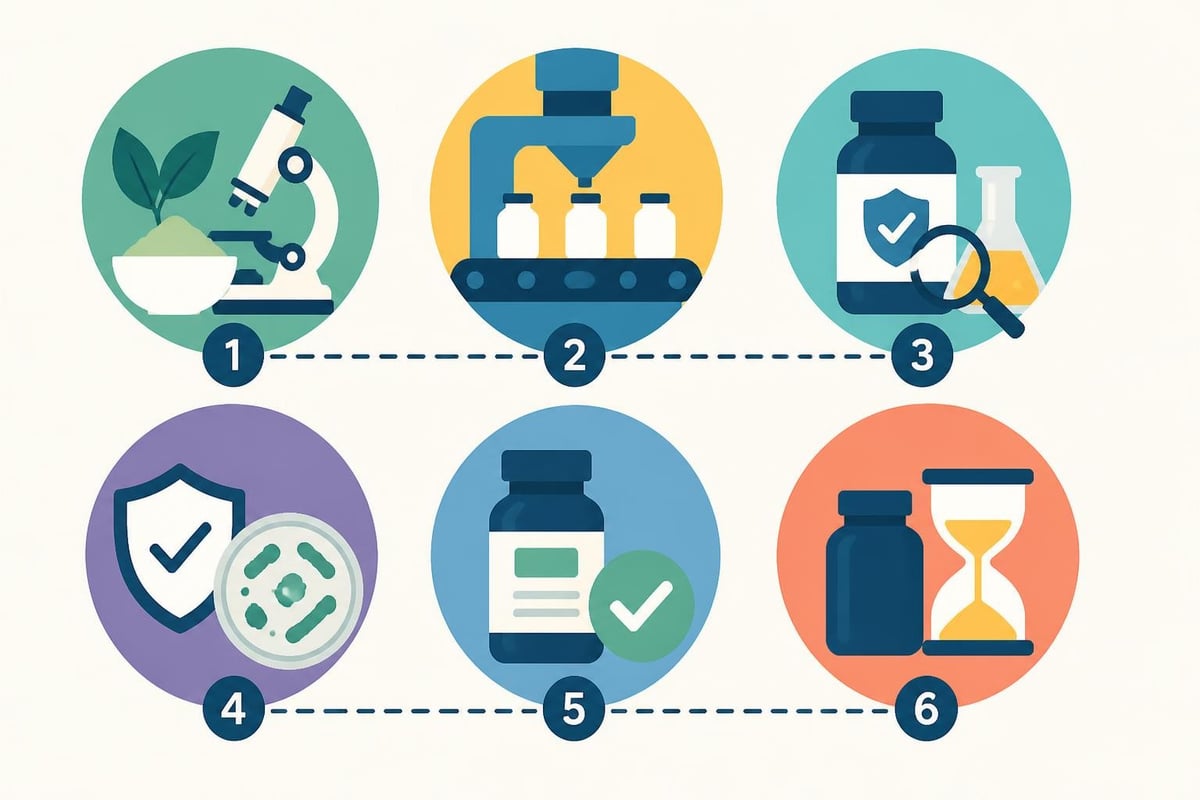
Manufacturing standards, third-party testing, and transparency separate reputable brands from questionable operators. The healthiest supplements undergo rigorous quality control at every production stage, from raw material sourcing through final packaging.
Third-Party Certification Programs
Independent testing organizations verify that supplements contain labeled ingredients at stated potencies without dangerous contaminants. Major certification programs include:
- NSF International tests for contaminants and verifies label accuracy
- USP Verified confirms ingredients, potency, and dissolution rates
- ConsumerLab conducts independent testing and publishes detailed results
- Informed Sport/Choice screens for banned athletic substances
Products bearing these seals cost manufacturers thousands of dollars annually in testing fees, demonstrating commitment to quality assurance. While certification does not guarantee effectiveness, it substantially reduces risks of adulteration, contamination, or mislabeling.
Manufacturing Practices and Transparency
Good Manufacturing Practices (GMP) establish minimum quality standards for supplement production in the United States. FDA-registered facilities must follow these protocols, though enforcement remains inconsistent. The healthiest supplement companies often exceed minimum requirements, implementing additional quality controls and publishing certificates of analysis.
Transparency markers worth evaluating:
- Published third-party test results for heavy metals, microbes, and potency
- Clear sourcing information for raw materials
- Detailed explanations of ingredient forms and why they were chosen
- Honest discussion of what the product can and cannot do
Platforms like DoseRank evaluate supplements across multiple dimensions including evidence strength, dose appropriateness, and manufacturer trustworthiness. Their methodology combines scientific research with practical factors like value and availability to identify top-ranked options for specific health goals.
Matching Supplements to Individual Needs
No single supplement ranks as universally healthiest because individual requirements vary based on diet, genetics, health status, medications, and wellness objectives. Personalization transforms supplement selection from guesswork into targeted intervention.
Common Deficiency Patterns
Certain populations face elevated risks for specific nutrient deficiencies. Vegetarians and vegans frequently need vitamin B12 supplementation since this nutrient occurs almost exclusively in animal products. Women of reproductive age require adequate folate (preferably as methylfolate) to prevent neural tube defects. Older adults often benefit from calcium, vitamin D, and vitamin B12 due to decreased absorption efficiency.
Identifying your deficiency risks requires considering:
- Dietary restrictions that eliminate nutrient-rich food groups
- Medications that interfere with nutrient absorption or metabolism
- Health conditions that increase nutrient needs or impair utilization
- Life stage factors like pregnancy, lactation, or advanced age
- Geographic location affecting sun exposure and food fortification
Blood testing provides objective data about nutrient status for vitamins D and B12, iron, magnesium, and other measurable markers. However, not all nutrients have reliable blood tests, and levels fluctuate based on recent intake.
Goal-Oriented Selection
Rather than taking supplements randomly, effective strategies align specific products with defined objectives. Someone seeking better stress resilience might prioritize adaptogenic herbs like ashwagandha or rhodiola alongside magnesium, while someone focused on cognitive function might emphasize omega-3s, B-complex vitamins, and specific nootropics.
| Health goal | Primary supplements | Supporting nutrients | Expected timeline |
|---|---|---|---|
| Bone density | Calcium, vitamin D, vitamin K2 | Magnesium, boron | 6-12 months |
| Energy levels | B-complex, iron (if deficient), CoQ10 | Vitamin C, magnesium | 2-8 weeks |
| Sleep quality | Magnesium, glycine, melatonin | L-theanine, chamomile | 1-4 weeks |
| Skin health | Vitamin C, vitamin E, biotin | Collagen peptides, hyaluronic acid | 4-12 weeks |
The DoseRank quick quiz helps users identify relevant supplements by asking about specific health objectives, current symptoms, and individual characteristics. This targeted approach prevents the common mistake of taking unnecessary supplements while missing truly beneficial options.
Dosage, Timing, and Combinations
Even the healthiest supplements fail to deliver results when taken at inappropriate doses, wrong times, or in problematic combinations. Understanding these factors maximizes benefit while minimizing waste and potential interactions.
Optimal Dosing Strategies
Supplement doses should reflect amounts proven effective in clinical trials while accounting for individual factors. A 120-pound woman requires less vitamin D to achieve target blood levels than a 220-pound man. Similarly, someone with documented deficiency needs higher initial doses than someone maintaining adequate status.
Fat-soluble vitamins (A, D, E, K) accumulate in body tissues and require different dosing strategies than water-soluble vitamins (B-complex, C) that flush out rapidly. Taking vitamin D once weekly at 7,000 IU produces similar blood levels as 1,000 IU daily, offering flexibility. Conversely, splitting vitamin C into multiple daily doses maintains more stable blood levels than single large doses.
Strategic Timing
When you take supplements affects absorption and effectiveness. Iron supplements absorb best on an empty stomach but cause less stomach upset with food. Magnesium taken before bed may support better sleep, while B-complex vitamins taken in the morning support daytime energy. Fat-soluble vitamins require dietary fat for optimal absorption.
Timing considerations:
- Morning: B vitamins, vitamin C, adaptogens, green tea extract
- With meals: Fat-soluble vitamins (A, D, E, K), omega-3s, curcumin
- Between meals: Amino acids, probiotics (or before bed)
- Evening: Magnesium, calcium, sleep-promoting herbs
Avoiding Negative Interactions
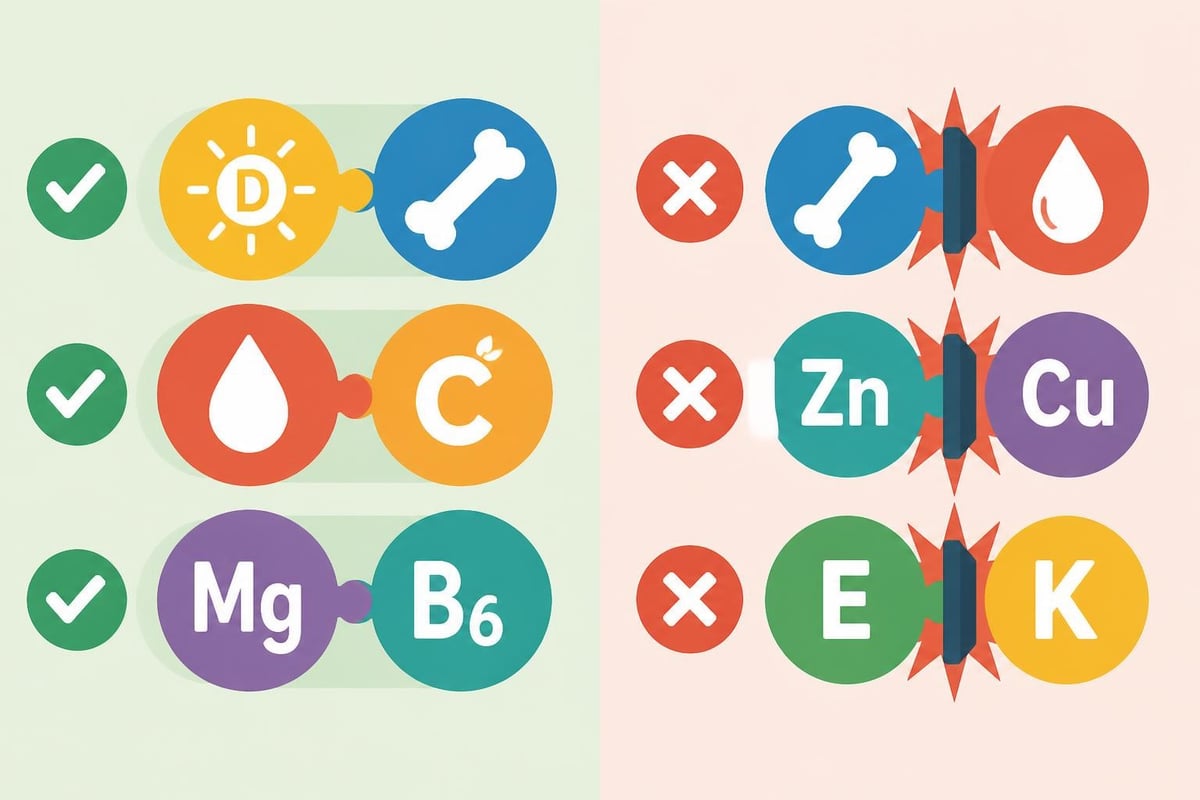
Some supplements compete for absorption or interfere with medication effectiveness. Calcium and iron bind together in the digestive tract, reducing absorption of both minerals when taken simultaneously. High-dose zinc supplementation depletes copper over time. St. John's wort accelerates the breakdown of numerous prescription medications.
Value Assessment Beyond Price
The healthiest supplements balance effectiveness with affordability, but lowest price rarely indicates best value. Cost-per-dose calculations must account for ingredient quality, bioavailability, and required serving sizes to achieve therapeutic doses.
True Cost Comparison
A $10 bottle containing 30 capsules of poorly absorbed magnesium oxide at 200 mg elemental magnesium costs $0.33 per day but delivers minimal benefit. A $25 bottle containing 60 capsules of highly bioavailable magnesium glycinate at 400 mg costs $0.42 per day while providing superior absorption and tolerability. The premium option delivers better value despite higher absolute cost.
Calculate true cost by considering:
- Elemental nutrient content versus total compound weight
- Bioavailability of the specific form used
- Serving size needed to reach effective doses
- Daily cost rather than bottle price
Many "bargain" supplements require double or triple servings to match effective doses, eliminating apparent savings. Others use cheap, poorly absorbed forms that pass through unabsorbed, literally flushing money away.
Availability and Consistency
The healthiest supplement provides no benefit if you cannot access it reliably. Products available through multiple retailers and distribution channels ensure consistent supply. Some boutique brands offer exceptional quality but suffer from frequent stockouts or limited geographic availability, forcing users to switch products repeatedly.
Consistent use drives supplement effectiveness more than perfect formulation. A good supplement taken daily outperforms the theoretically ideal supplement taken sporadically when it happens to be in stock. Platforms focused on supplement ranking evaluate availability alongside quality and evidence, ensuring recommendations remain practical.
Special Considerations for Vulnerable Populations
Pregnancy, childhood, advanced age, and chronic illness create unique supplement needs and safety concerns. The healthiest supplements for these groups undergo additional scrutiny for purity and appropriateness.
Prenatal and Pediatric Formulations
Pregnant and breastfeeding women need higher amounts of folate, iron, and DHA while avoiding excess vitamin A (retinol form). Prenatal supplements should provide folate as methylfolate or folinic acid rather than synthetic folic acid, contain iron in tolerable forms, and avoid herbs with uncertain safety profiles.
Children require age-appropriate doses in formats they will actually consume. Gummy vitamins appeal to kids but often contain added sugars and may not provide comprehensive nutrition. Liquid or chewable tablets offer alternatives, though verifying accurate dosing becomes critical as children grow.
Senior-Specific Needs
Adults over 65 face increased risks for vitamin B12, vitamin D, and calcium deficiency due to reduced stomach acid production, decreased skin synthesis, and lower dietary intake. However, high-dose calcium supplements may increase cardiovascular risk in some studies, making food sources preferable when possible.
The healthiest supplements for seniors emphasize:
- Highly bioavailable forms that bypass absorption challenges
- Comprehensive B-complex including methylated B12 and folate
- Bone-supporting nutrients balanced appropriately
- Vision-protecting antioxidants like lutein and zeaxanthin
- Cognitive support from omega-3s and specific nootropics
Selecting the healthiest supplements requires balancing scientific evidence, individual needs, quality standards, and practical considerations like cost and availability. Rather than following generic recommendations, effective supplementation targets specific deficiencies and health goals with appropriate products at evidence-based doses. DoseRank simplifies this process by ranking supplements across evidence strength, dosing accuracy, manufacturer trust, value, and availability, helping you identify the best options for your unique wellness objectives.