
DOSERANK guide
Fish Oil Tablets: Evidence, Dosing & Quality Guide
Published

Fish oil tablets remain among the most widely consumed dietary supplements in the United States, with millions of adults taking them daily for cardiovascular health, joint support, and cognitive function. Despite their popularity, the evidence supporting their use has evolved considerably over the past decade, and understanding how to choose a quality product requires careful attention to dosing, purity standards, and the specific health outcomes you want to influence. This guide examines the current state of fish oil supplementation, breaking down what the science says, how to evaluate tablet quality, and what factors matter most when selecting a product that delivers measurable results.
Understanding Omega-3 Fatty Acids in Fish Oil Tablets
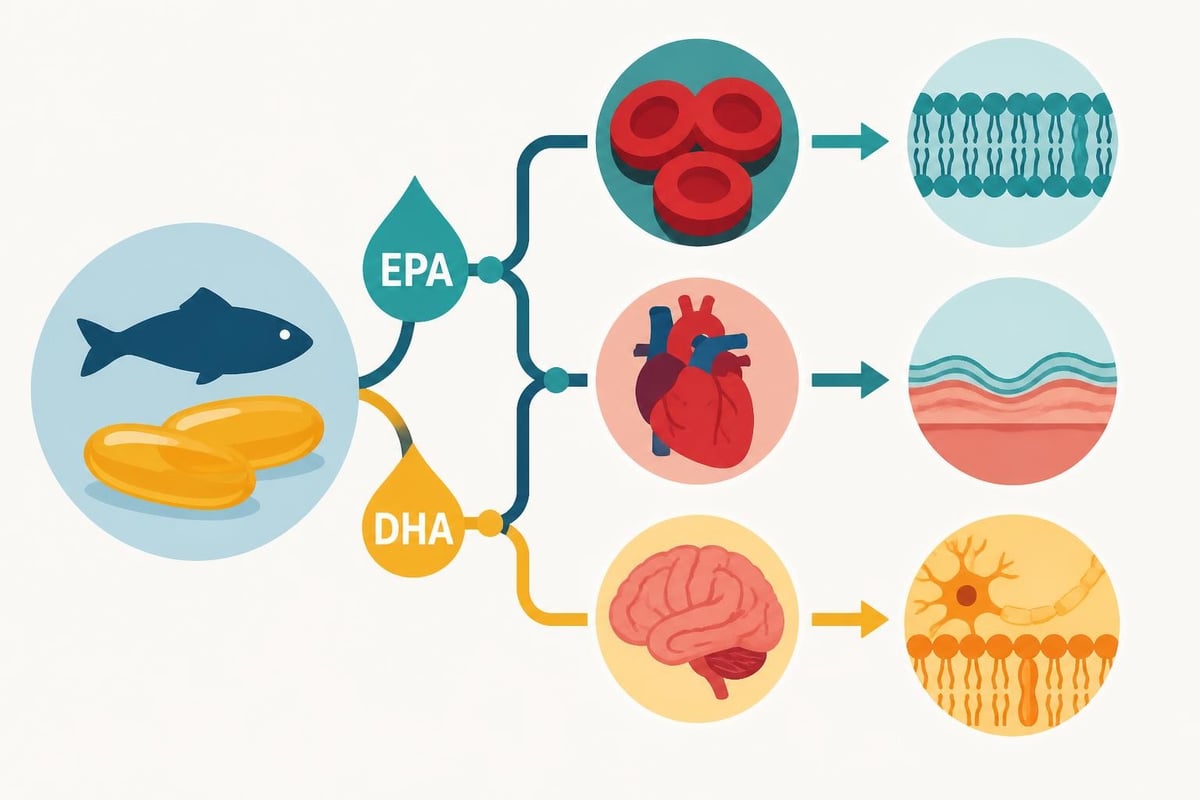
Fish oil tablets primarily deliver two long-chain omega-3 polyunsaturated fatty acids: eicosapentaenoic acid (EPA) and docosahexaenoic acid (DHA). These fatty acids are considered essential because the human body cannot synthesize them efficiently from shorter-chain precursors like alpha-linolenic acid (ALA) found in plant sources.
EPA and DHA serve distinct biological roles:
- EPA modulates inflammatory pathways and influences platelet aggregation
- DHA comprises structural components of neuronal membranes and retinal tissue
- Both integrate into cell membranes throughout the body, influencing membrane fluidity and receptor function
The ratio of EPA to DHA varies across fish oil products. Some tablets emphasize higher EPA content for inflammatory conditions, while others balance both fatty acids or favor DHA for cognitive and visual support. The choice depends on your specific health goals and the evidence supporting each ratio for different outcomes.
Source Materials and Manufacturing Methods
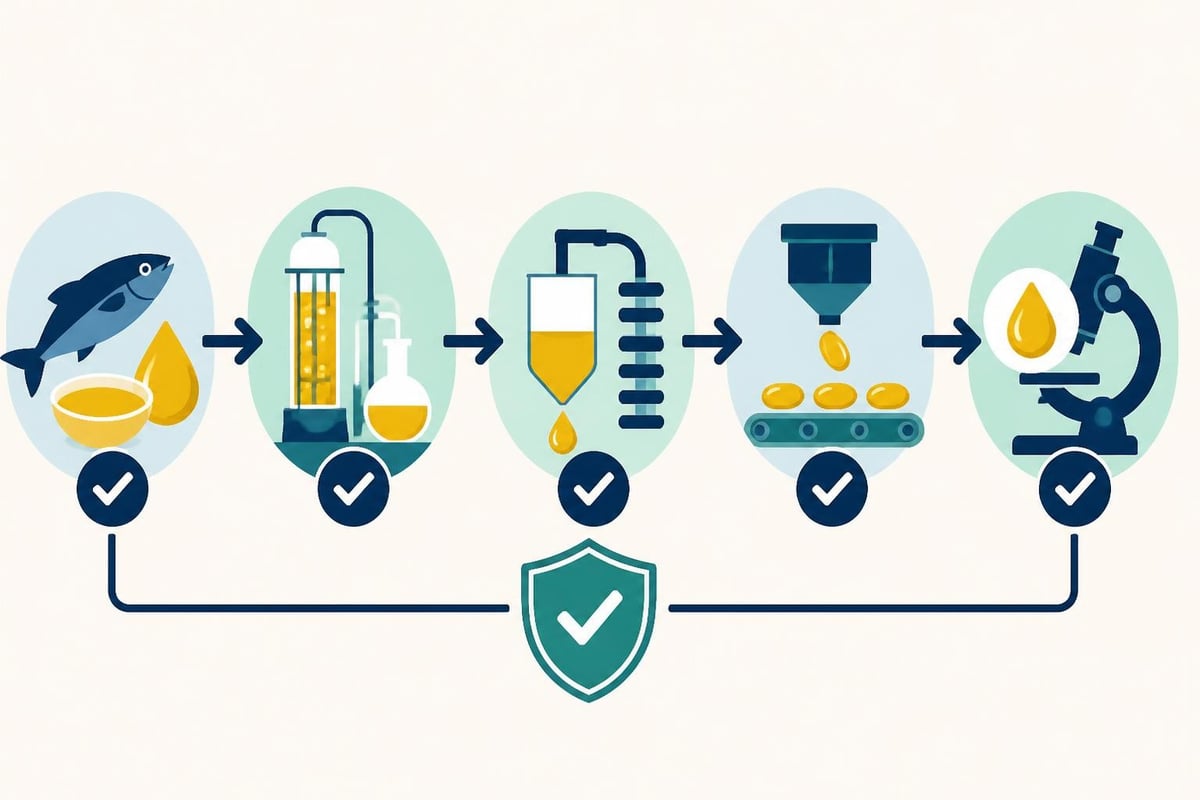
Fish oil tablets derive from multiple species, most commonly anchovies, sardines, mackerel, and herring. The manufacturing process significantly impacts the final product's concentration, purity, and oxidative stability.
Common processing methods include:
- Molecular distillation to remove environmental contaminants
- Concentration techniques that increase EPA and DHA percentages
- Re-esterification to convert free fatty acids back to triglyceride or ethyl ester forms
- Enteric coating to reduce fishy aftertaste and improve gastrointestinal tolerance
The form of omega-3s matters for absorption. Triglyceride forms generally show better bioavailability than ethyl ester forms, though re-esterified triglycerides (rTG) may offer a middle ground. Some manufacturers add lipase enzymes or take tablets with fatty meals to enhance absorption regardless of form.
Evidence Quality and Health Outcome Data
The evidence base for fish oil tablets has undergone significant scrutiny in recent years, particularly regarding cardiovascular disease prevention. New research challenges previous beliefs about omega-3 supplements and heart disease risk, prompting a more nuanced understanding of when and for whom supplementation provides measurable benefits.
Cardiovascular Outcomes and Trial Limitations
Large-scale randomized controlled trials published between 2018 and 2024 have produced mixed results for cardiovascular endpoints. Some studies show modest reductions in specific outcomes like myocardial infarction, while others find no significant benefit for all-cause mortality or stroke prevention.
| Trial Characteristic | Impact on Results |
|---|---|
| Baseline omega-3 status | Higher baseline reduces observed benefit |
| Dose (EPA+DHA mg/day) | Higher doses (2-4g) show stronger effects |
| Patient population | Secondary prevention shows more benefit than primary |
| Background statin use | May mask or reduce additional omega-3 effects |
A systematic review examining cardiovascular disease outcomes highlights that benefits appear most consistent in populations with low baseline fish consumption and in secondary prevention settings where patients already have established cardiovascular disease. The heterogeneity across trials reflects differences in dose, formulation, patient characteristics, and concurrent medication use.
For those focused on measurable markers rather than disease endpoints, fish oil tablets can demonstrably increase omega-3 index, which reflects EPA and DHA levels in red blood cell membranes and serves as a stable biomarker of long-term omega-3 status.
Non-Cardiovascular Applications
Fish oil tablets show more consistent evidence for several other health outcomes, though the strength of evidence varies considerably by condition.
Conditions with moderate-to-strong evidence:
- Hypertriglyceridemia (prescription-strength doses of 2-4g EPA+DHA daily)
- Rheumatoid arthritis symptom management (1.5-3g EPA+DHA daily)
- Dry eye syndrome (500-1000mg EPA+DHA daily)
- Cognitive decline in specific populations (variable doses, mixed results)
Conditions with limited or inconsistent evidence:
- Depression and anxiety disorders
- Age-related cognitive decline in healthy adults
- Athletic performance and recovery
- General inflammatory conditions
The DoseRank methodology evaluates supplements across six distinct criteria including evidence quality, dose appropriateness, manufacturing trust, value, popularity, and availability, recognizing that not all fish oil tablets deliver equivalent results even when targeting the same health outcome.

Dosing Considerations and Therapeutic Ranges
Fish oil tablet dosing varies dramatically depending on the intended health outcome, with typical maintenance doses ranging from 250mg to 1,000mg of combined EPA and DHA daily, while therapeutic doses for specific conditions may reach 2,000-4,000mg daily.
Standard Dosing Frameworks
Most health organizations provide different recommendations based on existing health status and dietary fish intake:
- General health maintenance: 250-500mg EPA+DHA daily
- Cardiovascular risk reduction: 1,000mg EPA+DHA daily
- Triglyceride reduction: 2,000-4,000mg EPA+DHA daily (often requires prescription products)
- Inflammatory conditions: 1,500-3,000mg EPA+DHA daily
The actual amount of EPA and DHA in fish oil tablets often represents only 30-60% of the total fish oil content. A 1,000mg fish oil tablet might contain only 300mg of combined omega-3s, requiring multiple tablets to reach therapeutic doses. Reading the supplement facts panel carefully prevents under-dosing.
Timing, Frequency, and Absorption Optimization
Taking fish oil tablets with meals significantly improves absorption, particularly meals containing other fats. The specific timing matters less than consistency, as omega-3 fatty acids accumulate in tissues over weeks to months rather than providing acute effects.
Absorption strategies include:
- Divide daily doses across two or three meals
- Take with the largest or fattiest meal of the day
- Store tablets in cool, dark conditions to prevent oxidation
- Check expiration dates and discard bottles that smell rancid
- Consider liquid formulations for doses above 2,000mg daily
Some individuals experience gastrointestinal side effects including fishy burps, nausea, or loose stools, particularly at higher doses. Enteric-coated tablets, frozen tablets (taken while still frozen), or gradual dose escalation can minimize these issues.
Quality Standards and Purity Testing
The supplement industry operates under different regulatory frameworks than pharmaceuticals, making third-party testing and quality certifications especially important for fish oil tablets. Multiple organizations establish standards for purity, potency, and oxidative stability.
Key Quality Markers
The United States Pharmacopeia establishes monograph standards for fish oil covering identity, purity, and quality specifications. These standards address critical quality parameters that separate premium products from substandard options.
| Quality Parameter | Acceptable Range | Testing Method |
|---|---|---|
| Peroxide value (oxidation) | <5 mEq/kg | Titration |
| Anisidine value (secondary oxidation) | <20 | Spectrophotometry |
| Total oxidation (TOTOX) | <26 | Combined PV + 2×AV |
| Mercury | <0.1 ppm | ICP-MS |
| PCBs (total) | <90 ppb | GC-MS |
| Dioxins | <2 ppt | GC-HRMS |
Third-party certifications from organizations like USP, NSF International, IFOS (International Fish Oil Standards), or ConsumerLab provide independent verification that products meet stated label claims and purity standards. Products without third-party testing carry higher risk of containing contaminants or delivering less EPA and DHA than claimed.
Oxidation and Freshness Indicators
Fish oil oxidizes when exposed to heat, light, and air, producing compounds that smell rancid and may reduce health benefits or cause adverse effects. Fresh fish oil tablets should have minimal odor when the bottle is first opened.
Signs of oxidation include:
- Strong fishy smell when opening a new bottle
- Tablets that appear discolored or sticky
- Expiration dates within a few months of purchase
- Storage in clear bottles exposed to light
- Bottles lacking nitrogen flushing or desiccant packets
Premium manufacturers add antioxidants like mixed tocopherols (vitamin E), rosemary extract, or astaxanthin to slow oxidation. They also package tablets in opaque bottles with nitrogen flushing to displace oxygen. These practices extend shelf life and maintain product integrity.
Comparing Product Formulations and Value
The fish oil tablet market includes hundreds of products with varying concentrations, forms, additives, and price points. Understanding how to compare options systematically helps identify products that deliver the best combination of quality and value.
Concentration and Cost per EPA+DHA Gram
Total fish oil content matters less than actual EPA and DHA content. A concentrated fish oil tablet delivering 600mg omega-3s in a 1,000mg capsule provides better value than a standard product delivering 300mg omega-3s in the same capsule size when prices are similar.
Value calculation example:
Product A: 60 capsules, 1,000mg fish oil, 300mg EPA+DHA, $15
- Total omega-3s per bottle: 18,000mg (18g)
- Cost per gram EPA+DHA: $0.83
Product B: 60 capsules, 1,000mg fish oil, 600mg EPA+DHA, $25
- Total omega-3s per bottle: 36,000mg (36g)
- Cost per gram EPA+DHA: $0.69
Product B delivers better value despite higher upfront cost. This calculation becomes especially important for therapeutic doses requiring 2-4g daily, where concentrated products significantly reduce pill burden and often improve cost-effectiveness.
Additional Ingredients and Combination Products
Some fish oil tablets include additional nutrients like vitamin D, coenzyme Q10, or astaxanthin. While combination products offer convenience, they may compromise dose optimization for individual nutrients and complicate quality assessment.
Single-ingredient fish oil tablets provide more flexibility to:
- Adjust omega-3 doses independently of other nutrients
- Choose best-in-class products for each nutrient
- Identify the source of any side effects
- Replace individual supplements without changing the entire regimen
The exception applies when combination products deliver therapeutic doses of all included ingredients and use forms with good bioavailability. Platforms like DoseRank evaluate supplements based on evidence, dose fit, trust, value, popularity, and availability, helping identify which combination products genuinely deliver on their promises versus those that under-dose multiple ingredients.
Label Reading and Regulatory Considerations
Fish oil tablet labels contain critical information that helps consumers make informed choices, but understanding the required disclosures and voluntary claims requires familiarity with supplement regulations.
Supplement Facts Panel Interpretation
The supplement facts panel must list:
- Serving size (number of tablets)
- Total calories and calories from fat
- Total fat content
- Cholesterol content
- Amounts of EPA and DHA per serving
Important label details often overlooked:
- Servings per container (affects total product value)
- Form of omega-3s (triglyceride, ethyl ester, phospholipid)
- Source fish species (affects sustainability and contamination risk)
- Other omega-3s besides EPA and DHA (DPA, ALA)
- Presence of allergens (fish, soy lecithin)
Some labels voluntarily disclose third-party testing results, oxidation values, or specific sustainability certifications. Products that provide transparency about testing and sourcing generally demonstrate higher quality standards.
Structure-Function Claims and Disease Claims
Fish oil tablet manufacturers can make structure-function claims about how the product affects normal body structure or function without FDA pre-approval, provided they include a disclaimer. Examples include "supports heart health" or "maintains healthy triglyceride levels."
Disease claims that state the product treats, prevents, or cures specific diseases require FDA approval and appear only on prescription fish oil products like Lovaza or Vascepa. Dietary supplements cannot legally make disease claims, so products claiming to "prevent heart disease" or "cure arthritis" violate FDA regulations.
Individual Factors Affecting Response
Fish oil tablets do not produce uniform results across all individuals. Genetic variation, baseline omega-3 status, dietary patterns, medication interactions, and health status all influence how someone responds to supplementation.
Genetic Variations in Omega-3 Metabolism
Genetic polymorphisms in fatty acid desaturase (FADS) genes affect how efficiently the body converts shorter-chain omega-3s to EPA and DHA and how omega-3s are incorporated into tissues. Individuals with certain FADS variants may show stronger responses to supplementation.
Factors influencing individual response:
- Baseline tissue omega-3 levels (higher baseline reduces potential benefit)
- Dietary omega-6 to omega-3 ratio (high omega-6 intake may reduce EPA and DHA incorporation)
- Body weight and composition (affects distribution volume)
- Age and sex (metabolism and tissue incorporation vary)
- Concurrent medication use (statins, anticoagulants, anti-inflammatory drugs)
Testing baseline omega-3 status through red blood cell fatty acid analysis or omega-3 index measurement helps identify individuals most likely to benefit from supplementation and guides appropriate dosing. The outcomes tracked on DoseRank include biomarkers like omega-3 index alongside clinical symptoms, providing multiple ways to assess supplement effectiveness.
Medication Interactions and Safety Considerations
Fish oil tablets generally carry a low risk profile, but several interactions and precautions deserve attention, particularly at higher doses.
Potential interactions include:
- Anticoagulants and antiplatelets (theoretical increased bleeding risk at doses above 3g daily)
- Blood pressure medications (additive hypotensive effects)
- Immunosuppressants (may affect immune function)
- Orlistat and fat-blocking medications (reduced omega-3 absorption)
Most evidence suggests fish oil tablets do not significantly increase bleeding risk at typical supplemental doses (up to 3g daily), even when combined with aspirin or warfarin, though individual monitoring remains important for patients on anticoagulation therapy.
Side effects at therapeutic doses are generally limited to gastrointestinal symptoms, fishy aftertaste, and occasionally elevated LDL cholesterol at very high doses (above 4g daily). Serious adverse events remain rare in clinical trials.
Sustainability and Environmental Considerations
The growing demand for fish oil tablets raises important questions about marine ecosystem impacts, fishing practices, and long-term sustainability of omega-3 sources.
Marine Stewardship and Certification Programs
Several organizations certify fish oil products as meeting sustainability standards:
- Marine Stewardship Council (MSC): Certifies wild-caught fisheries using sustainable practices
- Friend of the Sea: Certifies both wild-caught and farmed sources
- IFFO RS: Certifies marine ingredient producers for responsible sourcing
These certifications verify that fish stocks are not overfished, bycatch is minimized, and fishing practices protect marine ecosystems. Products displaying these logos demonstrate commitment to environmental responsibility beyond regulatory minimums.
Alternative Omega-3 Sources
Algae-based omega-3 supplements provide a vegetarian source of DHA (and sometimes EPA) without requiring fish harvest. These products appeal to vegetarians, vegans, and consumers concerned about marine sustainability or fish allergen exposure.
Comparison of omega-3 sources:
| Source | EPA Content | DHA Content | Sustainability | Allergen Concerns |
|---|---|---|---|---|
| Fish oil | High | High | Variable by fishery | Fish allergen |
| Krill oil | Moderate | Moderate | Concerns about krill stocks | Shellfish allergen |
| Algae oil | Low to Moderate | High | Generally sustainable | None (vegan) |
| Flax/chia (ALA) | None | None | Very sustainable | Conversion inefficient |
Algae oil tablets typically cost more per gram of omega-3s than fish oil but eliminate concerns about heavy metal contamination and reduce environmental impact. The choice depends on individual priorities around cost, sustainability, dietary restrictions, and which fatty acid (EPA versus DHA) is most important for specific health goals.
Making an Informed Selection
Choosing fish oil tablets requires balancing multiple factors: evidence quality for your specific health outcome, appropriate dosing, third-party testing and purity verification, cost-effectiveness, and personal preferences around tablet size, form, and additional ingredients.
A systematic selection process includes:
- Define your health goal: Cardiovascular support, inflammatory conditions, cognitive function, or general wellness
- Identify the effective dose range: Based on clinical evidence for your specific outcome
- Calculate EPA+DHA content: Look beyond total fish oil to actual omega-3 content
- Verify third-party testing: Check for USP, NSF, IFOS, or ConsumerLab certification
- Compare cost per gram: Divide price by total grams of EPA+DHA in the bottle
- Check freshness indicators: Expiration date, manufacturing date, oxidation testing results
Taking a quick quiz to identify your specific supplement needs can help narrow options based on your health goals, current diet, medication use, and preferences, making the selection process more efficient and personalized.
Beyond Marketing Claims
Fish oil tablet marketing often emphasizes proprietary blends, patented extraction methods, or unique delivery systems. While some innovations provide genuine benefits, many represent marketing differentiation without meaningful clinical advantages.
Evaluate claims critically:
- "Pharmaceutical grade" is not a regulated term and does not guarantee third-party testing
- "Triple strength" or "extra strength" may reflect concentration but check actual EPA+DHA amounts
- "Burpless" or "no fishy aftertaste" usually indicates enteric coating, which is not exclusive to premium products
- "Clinically proven" should reference specific published studies, not general omega-3 research
The most reliable indicator of quality remains independent third-party testing results and transparency about testing methods, source materials, and manufacturing processes. Products that publish certificates of analysis or provide batch-specific test results demonstrate accountability beyond minimum regulatory requirements.
Fish oil tablets can support specific health outcomes when chosen thoughtfully based on evidence quality, appropriate dosing, and verified purity standards, but not all products deliver equivalent results. DoseRank helps cut through marketing claims by ranking supplements based on evidence, dose fit, trust, value, popularity, and availability, making it easier to identify fish oil tablets that match your specific goals and deliver measurable benefits.