
DOSERANK guide
Best Supplements Health: Evidence-Based Guide 2026
Published
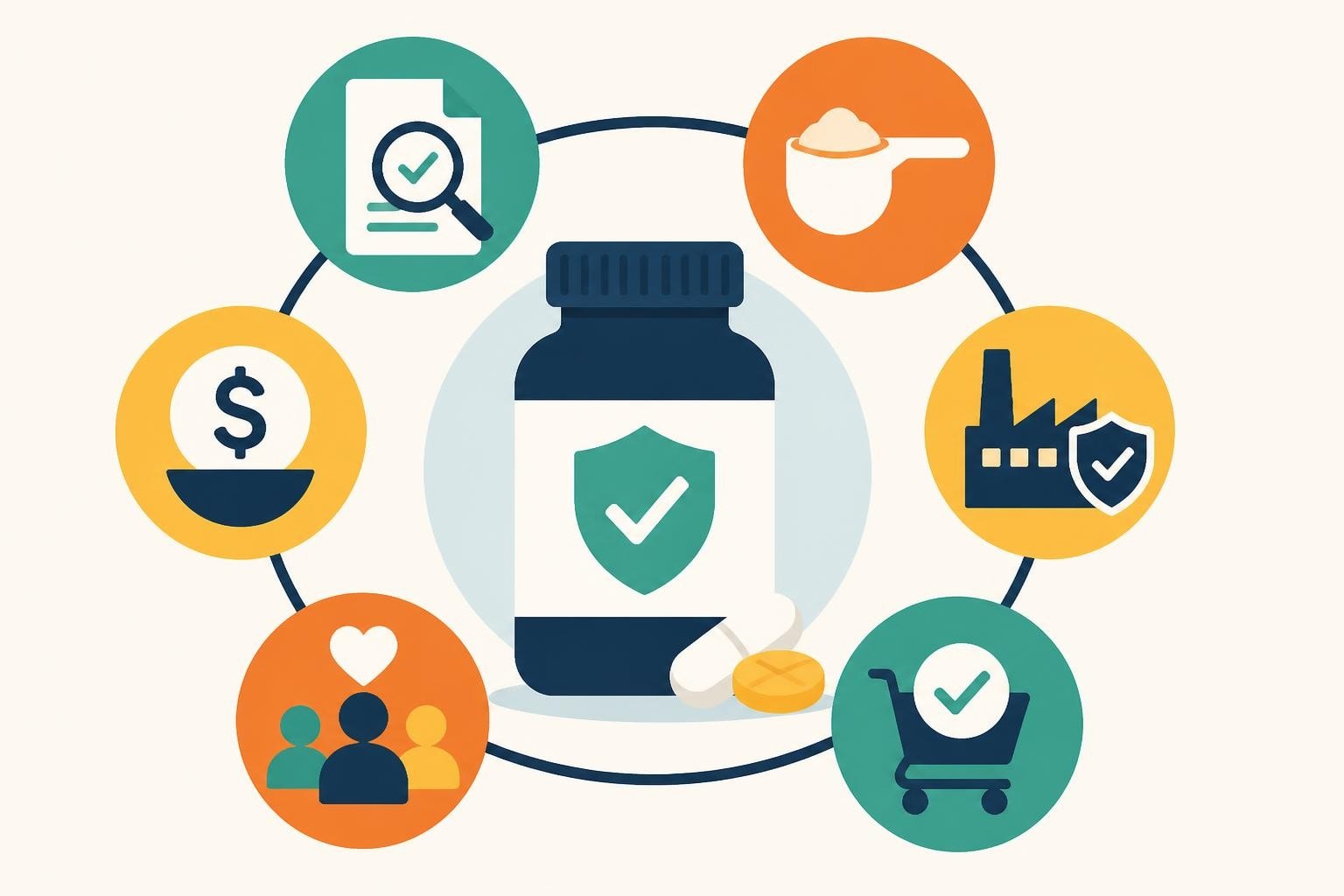
Selecting the best supplements health routines can feel overwhelming when faced with thousands of products making bold promises. The global dietary supplement market continues to expand, yet quality varies dramatically across brands, formulations, and delivery methods. Understanding how to evaluate supplements based on measurable criteria rather than marketing claims empowers consumers to make informed decisions that align with their specific health goals and circumstances.
Understanding What Makes a Supplement High Quality
Quality in supplementation extends far beyond flashy labels and celebrity endorsements. The best supplements health professionals recommend meet rigorous standards across multiple dimensions that directly impact efficacy and safety.
Evidence Strength and Clinical Research
Scientific validation separates legitimate supplements from unproven products. High-quality supplements are backed by human clinical trials published in peer-reviewed journals, not just test-tube studies or animal research. The evidence hierarchy matters significantly when evaluating options.
Key research indicators include:
- Randomized controlled trials with adequate sample sizes
- Replication of findings across multiple independent research groups
- Publication in reputable scientific journals with transparent methodology
- Meta-analyses synthesizing data from numerous studies
- Research conducted in populations similar to intended users
The Academy of Nutrition and Dietetics emphasizes that micronutrient supplementation decisions should be guided by clinical evidence specific to individual health status and life stage. This professional guidance reinforces why blanket recommendations rarely serve individual needs effectively.
Dosage Accuracy and Bioavailability
A supplement's stated dose means little if the formulation doesn't deliver bioavailable compounds in therapeutic ranges. The best supplements health outcomes depend on getting the right amount of the active ingredient where the body can actually use it.

Form matters tremendously. Magnesium glycinate absorbs differently than magnesium oxide. Vitamin D3 outperforms D2 in raising blood levels. Methylated B vitamins bypass genetic conversion limitations that affect certain populations.
| Nutrient | Less Bioavailable Form | More Bioavailable Form | Clinical Difference |
|---|---|---|---|
| Magnesium | Magnesium oxide | Magnesium glycinate | 4-5x better absorption |
| Vitamin B12 | Cyanocobalamin | Methylcobalamin | Direct active form |
| Curcumin | Standard powder | Piperine-enhanced or liposomal | 20x improved uptake |
| Iron | Ferrous sulfate | Ferrous bisglycinate | Better tolerance, absorption |
Timing and co-factors also influence effectiveness. Fat-soluble vitamins require dietary fat for absorption. Calcium and iron compete for uptake pathways. The Endocrine Society's 2024 guidelines specify that vitamin D supplementation should be taken with meals containing fat to optimize absorption.
Manufacturing Standards and Third-Party Testing
Trust in supplement quality requires transparent manufacturing practices. The absence of FDA pre-market approval for dietary supplements places the burden of quality assurance on manufacturers and independent verification programs.
Good Manufacturing Practice (GMP) certification represents the baseline. Beyond that, third-party testing from organizations like NSF International, USP, or ConsumerLab validates label accuracy and screens for contaminants. Consumer Reports' recent investigation found significant quality variations even among popular brands, highlighting why independent testing matters.
Critical quality markers:
- GMP facility certification for dietary supplements
- Third-party verification of ingredient identity and quantities
- Testing for heavy metals, microbial contamination, and adulterants
- Transparent supply chain and ingredient sourcing
- Certificate of Analysis availability for each batch
Identifying Your Personal Supplement Needs
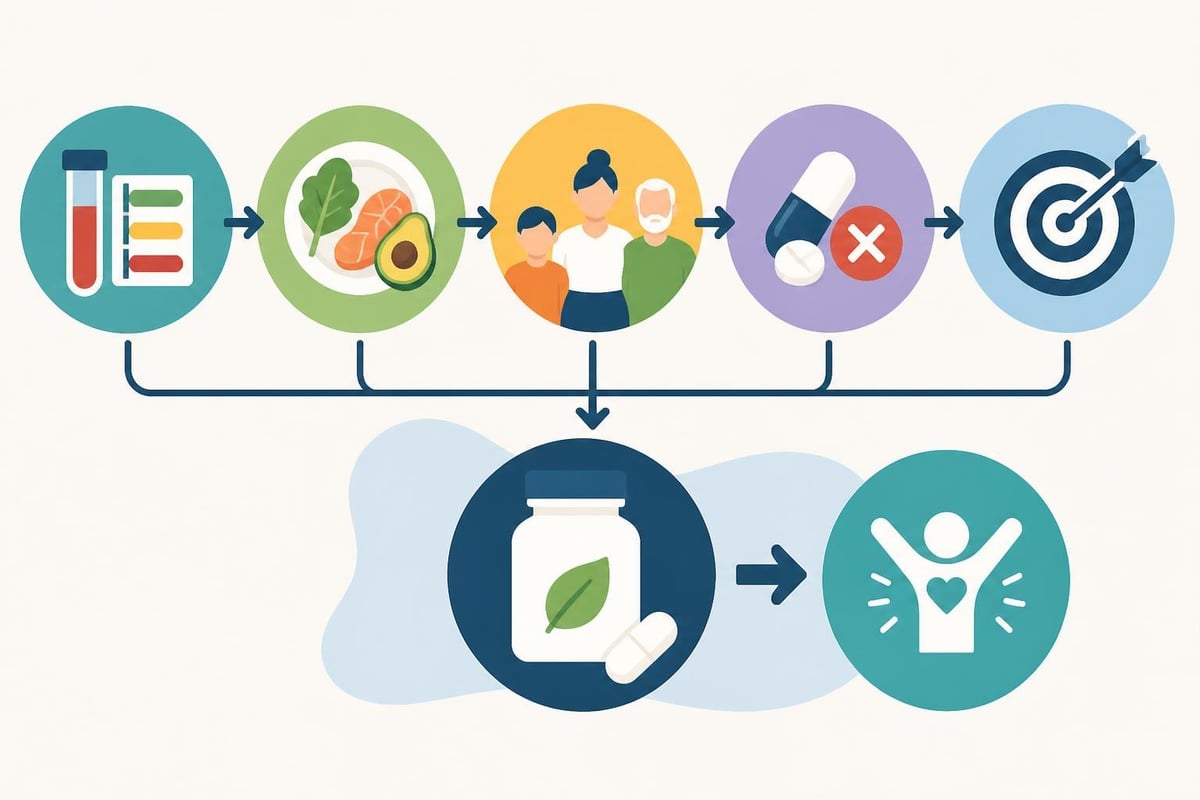
Generic supplement regimens ignore the biological reality that nutritional needs vary dramatically based on diet, genetics, life stage, medications, and health conditions. Personalization separates effective supplementation from expensive guesswork.
Nutritional Assessment Methods
Before adding supplements, understanding your current status prevents both deficiency and excess. Laboratory testing provides objective data that questionnaires cannot match.
Blood work can measure vitamin D status, iron stores, B12 levels, magnesium, and omega-3 index. These biomarkers reveal whether supplementation addresses an actual gap or adds unnecessary expense. Working with healthcare providers who order appropriate testing creates a baseline for targeted intervention.
Food frequency analysis identifies dietary patterns that may create consistent shortfalls. Vegans reliably need B12 supplementation since it occurs naturally only in animal products. Those avoiding dairy may require calcium and vitamin D attention. Restricted diets for medical conditions often create predictable nutrient gaps.
The quick quiz approach streamlines initial screening by asking targeted questions about diet, symptoms, goals, and lifestyle factors. This methodology efficiently narrows thousands of options to the most relevant candidates based on individual circumstances.
Life Stage Considerations
Nutritional requirements shift across the lifespan, making age-specific recommendations essential for the best supplements health outcomes.
Pregnancy and lactation dramatically increase needs for folate, iron, choline, and DHA. Older adults absorb B12 less efficiently and may benefit from calcium and vitamin D for bone health. Athletes have elevated requirements for protein, electrolytes, and recovery nutrients that sedentary individuals don't share.
Children require different formulations and dosages than adults. Teen athletes face different demands than teen non-athletes. Post-menopausal women have distinct needs from pre-menopausal women. Generic "adult" supplements miss these critical distinctions.
Medical Conditions and Medication Interactions
Health conditions fundamentally alter supplement requirements and risks. What supports health in one context may worsen outcomes in another.
Kidney disease requires careful mineral management. Autoimmune conditions may respond differently to immune-modulating supplements. Bleeding disorders necessitate caution with anticoagulant herbs and high-dose vitamin E or fish oil.
Medications create additional complexity:
| Medication Class | Potential Supplement Interactions | Consideration |
|---|---|---|
| Blood thinners | Vitamin K, fish oil, garlic | May increase bleeding risk |
| Thyroid hormones | Calcium, iron, fiber supplements | Reduce medication absorption |
| Diabetes medications | Chromium, cinnamon, alpha-lipoic acid | May lower blood sugar excessively |
| Blood pressure drugs | Potassium, CoQ10, hawthorn | Can enhance hypotensive effects |
Healthcare provider consultation before starting supplements prevents dangerous interactions and ensures compatibility with existing treatment plans. This collaborative approach integrates supplementation safely within comprehensive care.
Evaluating Popular Supplement Categories
The best supplements health benefits come from categories with substantial research support and clear mechanisms of action. Not all popular supplements meet this standard.
Foundational Micronutrients
Vitamin D stands among the most thoroughly researched supplements, though appropriate use remains nuanced. Deficiency affects bone health, immune function, and possibly mood, yet blanket high-dose supplementation lacks support for disease prevention in already-sufficient individuals.
Harvard Health's recent analysis suggests that while multivitamins provide insurance against dietary gaps, they don't replace whole foods or compensate for poor diet quality. Targeted single-nutrient supplementation based on identified deficiencies typically proves more effective than broad-spectrum multivitamins.
Magnesium supplementation shows promise for muscle function, stress resilience, and cardiovascular health. However, different magnesium forms serve different purposes, and dosing requires attention to bowel tolerance limits.
Evidence-supported micronutrient uses:
- Vitamin D for demonstrated deficiency and bone health
- Folate for women of childbearing age to prevent neural tube defects
- B12 for vegans and older adults with absorption impairment
- Iron for documented iron-deficiency anemia under medical supervision
- Iodine in populations with limited iodized salt or seafood intake
Omega-3 Fatty Acids
EPA and DHA from fish oil represent one of the most studied supplement categories. Benefits for cardiovascular health, inflammation modulation, and brain function have substantial research support, though recent large trials have shown more modest effects than earlier studies suggested.
Quality varies enormously in omega-3 products. Oxidation (rancidity), concentration, form (triglyceride versus ethyl ester), and purity (mercury, PCBs) all affect value and safety. Third-party testing becomes particularly important in this category due to oxidation concerns.
Dosing should match clinical trial evidence for specific outcomes. General "heart health" claims typically lack the precision of targeted dosing for triglyceride reduction or inflammation markers.
Probiotics and Digestive Support
The microbiome's influence on health has elevated probiotic interest, yet efficacy remains highly strain-specific. What works for antibiotic-associated diarrhea differs from what supports immune function or mood.
The World Gastroenterology Organisation's 2024 guidance emphasizes matching specific probiotic strains to particular conditions based on clinical evidence. Multi-strain "shotgun" formulations lack the targeted evidence base of well-studied single strains or defined combinations.
Storage, packaging, and viability guarantees matter significantly. Probiotics are living organisms whose effectiveness depends on surviving manufacturing, storage, and digestive transit to reach target sites alive and active.
Adaptogens and Cognitive Enhancers
Ashwagandha, rhodiola, bacopa, and lion's mane have gained popularity for stress management and cognitive support. Research quality varies, with some showing promising preliminary data while others rely mainly on traditional use rather than rigorous human trials.
Standardization to active compounds provides consistency across products. However, even standardized extracts may not replicate the research formulations used in clinical trials, creating uncertainty about real-world effectiveness.
Practical Implementation Strategies
Knowing what constitutes quality supplements means little without effective implementation. Strategic approaches maximize benefits while minimizing costs and complexity.
Starting Small and Tracking Results
Rather than launching a dozen supplements simultaneously, begin with one or two highest-priority items. This approach allows clear attribution of effects and side effects to specific products.
Establish baseline measurements before starting. If targeting fatigue, track energy levels daily. For cognitive function, monitor focus and mental clarity. Objective measures beat subjective impressions for evaluating effectiveness.
Give adequate trial periods. Most supplements require consistent use for 4-12 weeks before effects manifest. Premature discontinuation or constant switching prevents meaningful assessment.
Cost-Effectiveness Analysis
Expensive doesn't automatically mean better. The best supplements health value comes from matching quality to purpose at reasonable prices.
| Evaluation Factor | How to Assess | Why It Matters |
|---|---|---|
| Price per serving | Divide bottle cost by servings | Reveals true cost beyond bottle price |
| Active ingredient amount | Check label for elemental amounts | Some products under-dose active compounds |
| Required daily servings | Note if "1 serving" = multiple pills | Affects both convenience and cost |
| Third-party testing | Look for USP, NSF, or ConsumerLab seals | Validates label accuracy |
Bulk buying, subscribe-and-save programs, and professional-grade products purchased through practitioners sometimes offer better value than retail supplements. However, quality must remain the priority over price alone.
Timing and Combination Optimization
Strategic timing improves absorption and minimizes interactions. Fat-soluble vitamins (A, D, E, K) perform best with meals containing dietary fat. Water-soluble vitamins (B-complex, C) can be taken any time but may cause nausea on empty stomachs.
Mineral timing requires attention to competition. Calcium and iron inhibit each other's absorption. Zinc and copper compete similarly. Spacing these supplements several hours apart preserves effectiveness.
Optimal timing framework:
- Morning with breakfast: B-complex, vitamin D, omega-3s, probiotics
- Afternoon with lunch: Antioxidants, adaptogenic herbs
- Evening with dinner: Magnesium, calcium (if not taking iron)
- Before bed: Magnesium for sleep support, melatonin if appropriate
Safety Considerations and Red Flags
Even high-quality supplements pose risks when used inappropriately. Recognizing warning signs prevents adverse outcomes.
Upper Tolerable Limits and Toxicity Risks
More isn't always better, and some nutrients become harmful at high doses. Fat-soluble vitamins accumulate in tissues, creating toxicity potential that water-soluble vitamins don't share.
Vitamin A in retinol form can cause liver damage and birth defects at excessive doses. Vitamin D toxicity leads to dangerous calcium elevations. Iron overload damages organs. Selenium excess causes hair loss and neurological effects.
Following established upper limits protects against these risks. Self-prescribing megadoses based on internet claims or the misguided belief that natural equals safe creates genuine health hazards.
Quality Control Failures and Contamination
The supplement industry's regulatory structure allows products to reach market without pre-approval testing. This creates opportunities for contamination, adulteration, and mislabeling.
Heavy metal contamination (lead, arsenic, cadmium) appears periodically in testing, particularly in products sourced from regions with poor quality control. Undeclared pharmaceutical ingredients have been found in "natural" sexual enhancement and weight loss supplements.
Sticking with brands that voluntarily submit to third-party testing reduces these risks substantially. Bargain supplements from unknown sources carry elevated contamination risk.
Marketing Claims Versus Evidence
Supplement marketing operates in a regulatory gray zone where structure-function claims require less evidence than disease claims. This creates space for misleading implications.
Red flag language includes "miracle cure," "works for everyone," "no side effects," "doctor recommended" without specifics, and before-and-after photos without study citations. Extraordinary claims require extraordinary evidence, which most supplements lack.
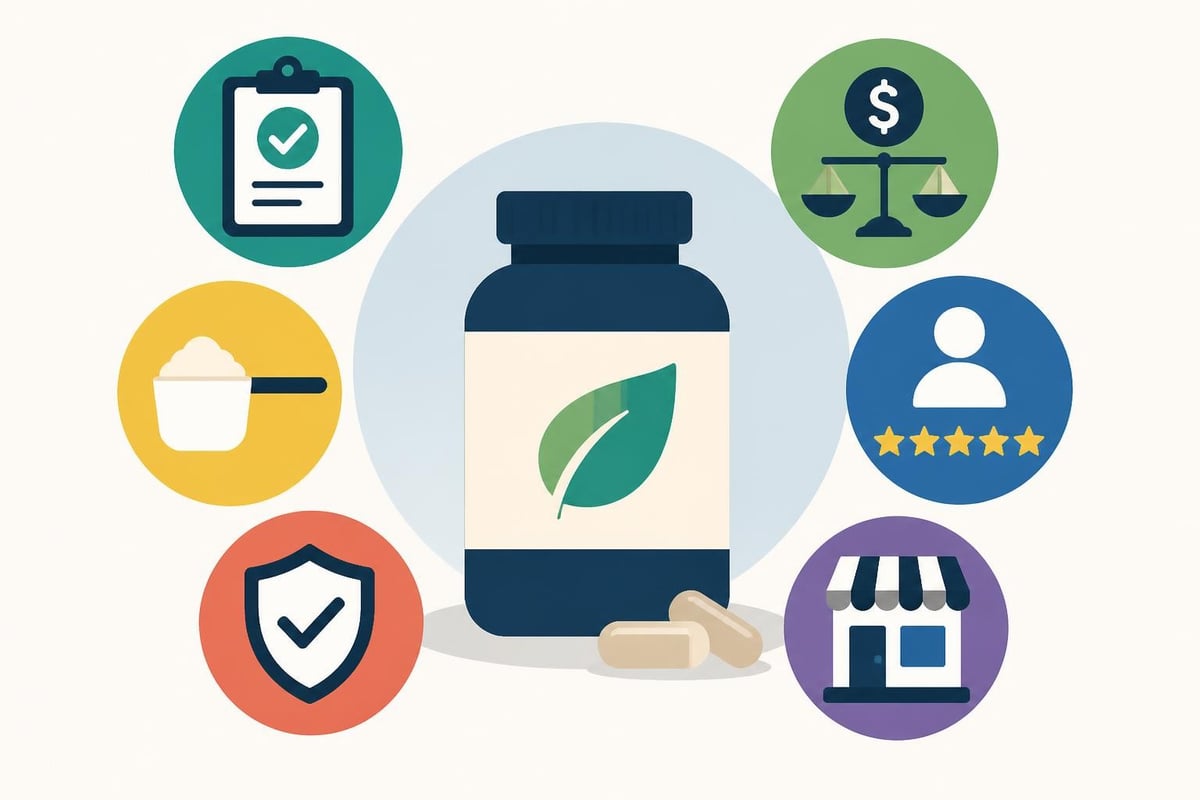
The DoseRank methodology addresses this gap by systematically evaluating supplements across evidence, dose accuracy, manufacturer trust, value, popularity, and availability. This multi-dimensional ranking helps consumers see beyond marketing to actual quality indicators.
Building a Sustainable Supplement Routine
Long-term success requires sustainability. The best supplements health regimens integrate seamlessly into daily life without creating burden or dependency.
Periodic Reassessment
Nutritional needs evolve with diet changes, life stages, health status, and goals. Annual or semi-annual reassessment prevents continuing unnecessary supplements while identifying new requirements.
Follow-up testing validates whether supplementation achieved intended outcomes. If vitamin D supplementation was started for deficiency, testing after 3-6 months confirms whether the dose effectively raised levels to target range.
Honest evaluation of benefit versus cost guides decisions about continuing, adjusting, or discontinuing specific supplements. If a product shows no measurable benefit after adequate trial, stopping it saves money for more effective interventions.
Integration with Lifestyle Factors
Supplements complement but don't replace foundational health practices. No amount of supplementation overcomes poor sleep, chronic stress, sedentary behavior, or highly processed diets.
Prioritizing whole-food nutrient density reduces supplementation needs for many people. Mediterranean-style eating patterns provide abundant vitamins, minerals, polyphenols, and fiber that supplements struggle to replicate.
Physical activity, stress management, sleep hygiene, and social connection influence health outcomes more powerfully than most supplements. Viewing supplements as one tool among many maintains realistic expectations and balanced health investment.
Working with Healthcare Providers
While many supplements prove safe for self-directed use, complex health conditions, multiple medications, or pregnancy warrant professional guidance. Integrative or functional medicine practitioners often bring deeper supplement expertise than conventional primary care providers.
Sharing complete supplement lists with all healthcare providers prevents dangerous gaps in medication interaction screening. Bringing bottles to appointments helps providers verify ingredients and dosages accurately.
Lab monitoring for nutrients with toxicity potential (vitamin A, vitamin D, iron) or for supplements affecting organ function provides safety oversight. This collaborative approach optimizes benefits while managing risks.
Identifying the best supplements health regimens requires evaluating quality across multiple dimensions rather than relying on marketing claims or popularity alone. Evidence strength, dosage accuracy, manufacturing standards, personalization to individual needs, and cost-effectiveness all contribute to supplement value. DoseRank simplifies this complex evaluation process by systematically ranking supplements based on these critical factors, then helping users find options tailored to their specific goals through a personalized assessment. Whether you're addressing a documented deficiency, supporting specific health outcomes, or optimizing wellness, evidence-based selection matched to your unique circumstances delivers the best results.