
DOSERANK guide
Best Rated Melatonin: Expert Rankings & Buying Guide
Published
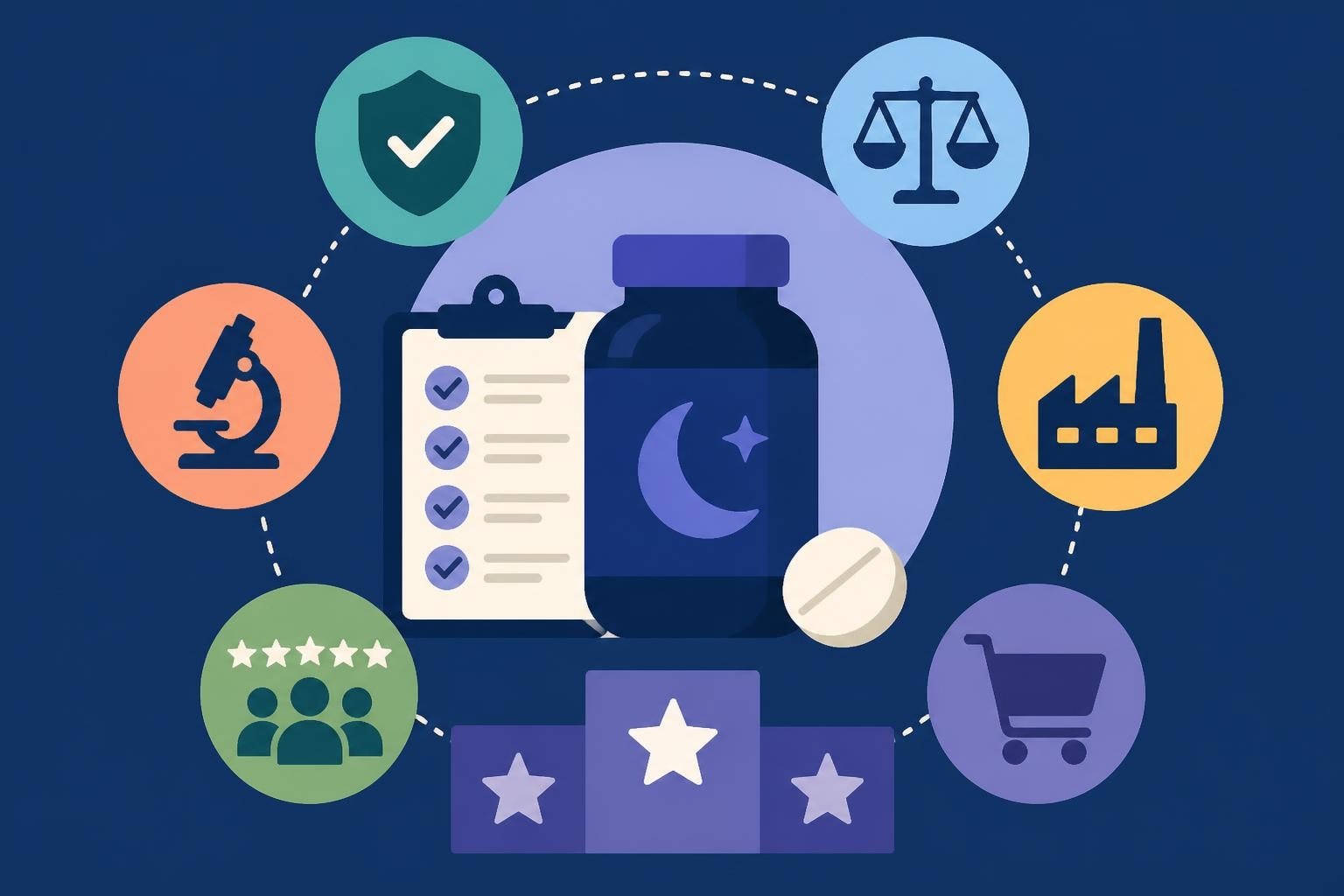
Finding the best rated melatonin supplement requires more than scanning reviews or grabbing the first bottle you see. With hundreds of formulations flooding the market and concerning variability in actual melatonin content, choosing the right supplement demands a careful look at evidence, dosing accuracy, manufacturing quality, and value. Whether you're addressing occasional sleeplessness or managing chronic sleep disruption, understanding what separates top-rated products from subpar options will help you make an informed decision that aligns with your specific needs.
What Makes Melatonin Supplements "Best Rated"
The best rated melatonin products earn their status through multiple dimensions that extend far beyond marketing claims or customer testimonials. Evidence-based rankings evaluate how well a supplement's formulation matches published research, whether the dose delivers measurable benefits, and if the manufacturer maintains verifiable quality standards.
Evidence Strength and Clinical Backing
Top-tier melatonin supplements align their formulations with peer-reviewed studies demonstrating efficacy for specific sleep outcomes. Clinical research on melatonin consistently shows benefit for sleep latency, circadian rhythm disorders, and certain populations like shift workers or travelers managing jet lag. Products that mirror studied doses and delivery methods naturally rank higher than those using arbitrary amounts or unproven combinations.
Key evidence markers include:
- Alignment with dosing protocols validated in human trials
- Use of bioavailable forms matching research formulations
- Transparency about ingredient sources and testing
- Published stability data demonstrating shelf-life potency
Dose Fit and Physiological Relevance
Effective melatonin dosing varies dramatically based on individual needs, age, and sleep goals. The best rated melatonin options offer dose ranges that accommodate this variability rather than forcing users into one-size-fits-all quantities.
Research indicates optimal dosing typically falls between 0.5 mg and 5 mg for most adults, though specialized clinical guidance may recommend different ranges for children or specific medical conditions. Products rated highly provide clear dosing instructions, explain timing relative to bedtime, and avoid mega-doses that exceed physiological need without added benefit.
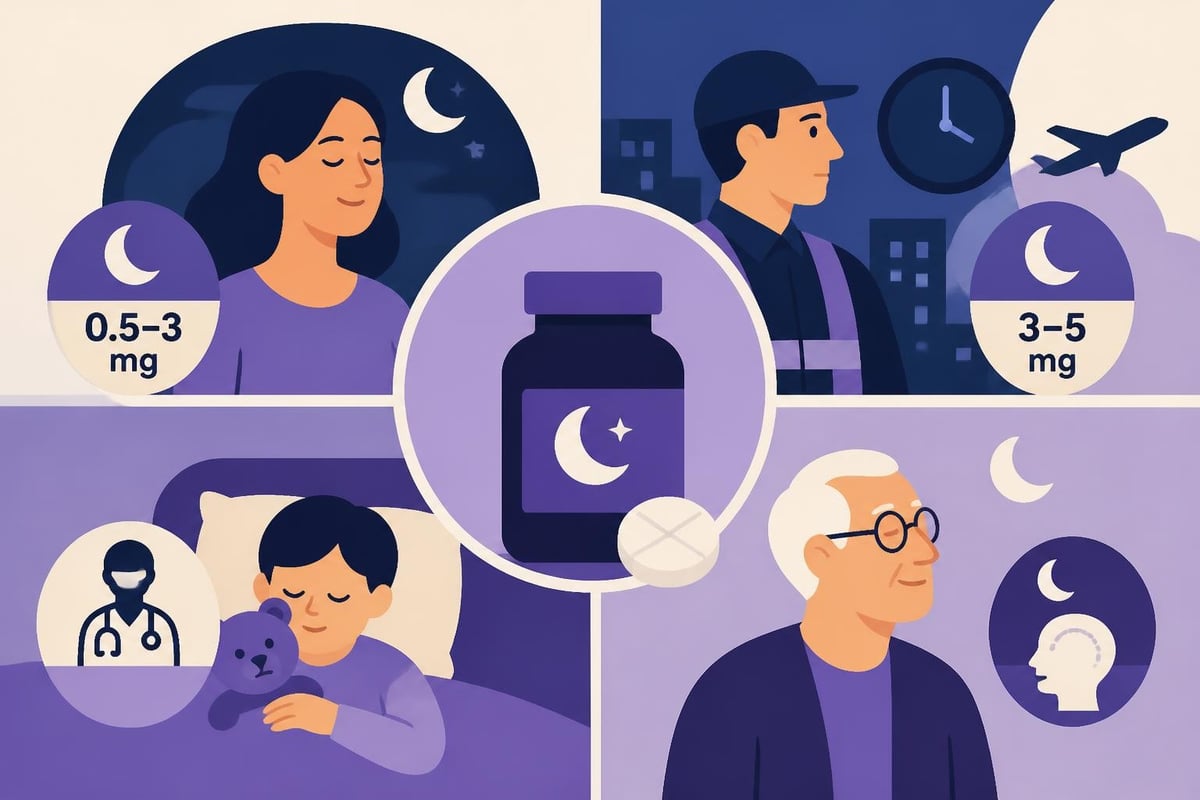
| User Category | Typical Dose Range | Primary Use Case |
|---|---|---|
| Adults (occasional) | 0.5-3 mg | Sleep onset support |
| Shift workers | 3-5 mg | Circadian adjustment |
| Elderly | 1-2 mg | Age-related deficiency |
| Children | 0.5-3 mg | Clinical supervision required |
Manufacturing Trust and Quality Control
Third-party testing, GMP certification, and transparency about sourcing separate highly rated melatonin supplements from questionable products. Independent laboratory analysis reveals that actual melatonin content can deviate significantly from label claims, with some products containing up to 465% more melatonin than stated or unintentional serotonin contamination.
Manufacturers earning top ratings submit batches for independent verification, publish Certificates of Analysis, maintain NSF or USP certification, and provide lot-specific testing documentation accessible to consumers.
Evaluating Different Melatonin Formulations
The best rated melatonin supplements come in various delivery systems, each offering distinct advantages for specific sleep challenges and user preferences.
Immediate-Release Versus Extended-Release
Standard immediate-release tablets dissolve quickly, raising melatonin levels within 30-60 minutes to support initial sleep onset. This formulation works well for people who struggle to fall asleep but maintain rest once unconscious.
Extended-release formulations gradually deliver melatonin over 4-8 hours, better mimicking natural nighttime secretion patterns. These products typically rank higher for users experiencing middle-of-the-night awakenings or early morning disturbances.
Formulation comparison:
- Immediate-release: Fast absorption, peaks at 60-90 minutes, clears by 4-5 hours
- Extended-release: Gradual absorption, sustained levels for 6-8 hours, supports sleep maintenance
- Biphasic: Combines both approaches with initial burst followed by extended phase
Tablets, Capsules, Liquids, and Gummies
Delivery format influences absorption speed, dose precision, and user compliance. Tablets and capsules offer the most accurate dosing and longest shelf stability, earning higher ratings for consistency. Liquid formulations allow micro-dosing adjustments below 1 mg but require careful measurement and typically degrade faster.
Gummy formulations raise specific concerns about content accuracy and added sugars, with testing revealing significant variability between labeled and actual amounts. While convenient and palatable, gummies generally rank lower on quality metrics unless manufacturers provide robust third-party verification.
Combination Products and Purity
Some manufacturers combine melatonin with additional ingredients like magnesium, L-theanine, valerian, or GABA. These combination products may offer synergistic benefits but complicate evaluation since multiple active ingredients make it difficult to attribute specific effects.
The best rated melatonin supplements often emphasize purity, containing only melatonin plus minimal inactive ingredients necessary for tablet formation or capsule filling. This approach allows users to assess melatonin's specific contribution to their sleep improvement and adjust other supplements independently. When evaluating your broader supplement needs, platforms like DoseRank help identify which combinations make sense based on your personal health goals rather than relying on pre-mixed formulas that may not match your requirements.
Safety Considerations and Interaction Profiles
Even the best rated melatonin products require thoughtful use, particularly regarding timing, contraindications, and potential interactions with medications or health conditions.
Common Side Effects and Tolerance
NCCIH guidance on melatonin notes that short-term use appears generally safe for most adults, with minor side effects including daytime drowsiness, dizziness, and headache reported in some users. The best rated products provide clear guidance about morning grogginess risk and recommend starting with minimal doses to assess individual response.
Long-term safety data remains limited, with most studies examining use periods under three months. Products earning high ratings typically include appropriate usage duration guidance rather than encouraging indefinite daily use.
Medication Interactions and Contraindications
Melatonin can interact with numerous medication classes, requiring careful consideration before combining supplements with prescription drugs:
- Anticoagulants: May increase bleeding risk when combined with warfarin
- Immunosuppressants: Could theoretically reduce effectiveness
- Diabetes medications: May affect blood sugar regulation
- Blood pressure drugs: Potential for additive hypotensive effects
Top-rated supplements include comprehensive interaction warnings and recommend consulting healthcare providers before starting melatonin alongside prescription medications.

Special Population Considerations
Pregnant and breastfeeding women should avoid melatonin due to insufficient safety data. Similarly, people with autoimmune conditions, seizure disorders, or depression require medical supervision before using melatonin supplements, as the hormone may influence immune function and neurotransmitter balance.
Children and adolescents represent a particularly sensitive population. Clinical recommendations for pediatric melatonin use emphasize starting with minimal doses under medical guidance, particularly for neurodevelopmental conditions where sleep disruption commonly occurs.
How to Compare Rankings and Choose Wisely
Selecting among the best rated melatonin supplements requires systematic evaluation across multiple factors rather than relying solely on star ratings or sales rankings.
Reading Beyond Customer Reviews
Consumer reviews provide valuable real-world feedback but often reflect individual responses that may not generalize to your situation. The most useful reviews describe specific sleep patterns, dosing protocols, and timeline to effect rather than vague statements about "working great" or "doing nothing."
Look for patterns across reviews mentioning:
- Time to noticeable effect (days to weeks)
- Specific improvements (faster sleep onset versus fewer night awakenings)
- Side effect profiles and their management
- Value assessment based on cost per dose
High ratings built primarily on price point or packaging often miss critical quality indicators like verified potency or manufacturing standards.
Evaluating Third-Party Testing Claims
The best rated melatonin products provide accessible documentation of independent testing rather than simply claiming "third-party verified" on labels. Request or locate actual lab reports showing:
- Melatonin content verification within 10% of label claim
- Heavy metal screening (lead, arsenic, cadmium, mercury)
- Microbial contamination testing
- Dissolution/disintegration testing for tablets
Evidence summaries from medical organizations highlight significant formulation variability as a key concern when recommending melatonin, making verified testing documentation particularly valuable.
Cost Per Dose Analysis
Price per bottle misleads when comparing products with different quantities and concentrations. Calculate cost per milligram of melatonin to accurately compare value across brands.
| Brand Example | Bottle Price | Count & Dose | Cost Per 1mg |
|---|---|---|---|
| Brand A | $12.99 | 60 x 3mg | $0.072 |
| Brand B | $18.99 | 120 x 5mg | $0.032 |
| Brand C | $8.99 | 30 x 1mg | $0.300 |
| Brand D | $15.99 | 90 x 2mg | $0.089 |
This analysis reveals Brand B offers the best value despite higher upfront cost, while Brand C charges nearly 10 times more per milligram despite the lowest bottle price.
Timing, Storage, and Optimization Strategies
Getting optimal results from even the best rated melatonin requires attention to administration timing, storage conditions, and complementary sleep hygiene practices.
Optimal Timing Relative to Sleep
Melatonin timing dramatically influences effectiveness. Most studies show peak benefit when taken 30-60 minutes before desired sleep time, allowing sufficient absorption and circulation before bed. Taking melatonin too early may cause premature drowsiness, while dosing immediately before bed may delay effect until after you've already struggled with sleep onset.
Timing guidelines by goal:
- Sleep onset difficulty: 30-60 minutes before bed
- Circadian phase advance: 2-3 hours before desired sleep time
- Jet lag eastward: Evening at destination time zone
- Shift work adjustment: 30 minutes before planned sleep period
Storage Conditions and Potency Preservation
Heat, light, and humidity degrade melatonin supplements faster than many users realize. Products stored in bathroom medicine cabinets or hot cars may lose potency well before printed expiration dates. The best rated melatonin manufacturers use light-protective bottles and include desiccant packets, but proper home storage remains essential.
Store melatonin supplements in cool, dry locations away from direct sunlight. Refrigeration isn't necessary but may extend shelf life for liquid formulations. Always check for discoloration or unusual odors that may indicate degradation.
Combining with Sleep Hygiene Practices
Melatonin supplements work most effectively as part of comprehensive sleep optimization rather than as isolated interventions. Even the highest-rated products deliver modest benefits when used alongside poor sleep habits.
Support melatonin effectiveness by maintaining consistent sleep-wake schedules, limiting blue light exposure 2-3 hours before bed, keeping bedrooms cool and dark, and avoiding caffeine after early afternoon. These foundational practices create conditions where melatonin's circadian signaling can work optimally. If you're also working on managing stress that disrupts sleep, exploring approaches to improve stress resilience may complement your sleep support strategy.

Age-Specific Considerations for Melatonin Use
Different life stages present unique sleep challenges and melatonin needs, requiring tailored approaches beyond one-size-fits-all recommendations.
Melatonin for Younger Adults and Working Professionals
Adults ages 18-45 typically maintain robust natural melatonin production but may benefit from supplementation during high-stress periods, travel, or shift work. The best rated melatonin for this demographic emphasizes lower doses (0.5-3 mg) that support natural rhythm without overshooting physiological levels.
This age group often juggles irregular schedules that disrupt circadian timing. Strategic melatonin use can help reset patterns after periods of disruption, but long-term daily use may reduce natural production. Cycling use (4-6 weeks on, 2 weeks off) prevents dependence while addressing acute needs.
Middle Age and Declining Natural Production
Natural melatonin secretion begins declining around age 40, with more pronounced reductions after 50. Middle-aged adults often experience both reduced total melatonin and flattened secretion curves that fail to reach optimal nighttime peaks.
Supplementation in this age range aims to restore more youthful melatonin patterns. Products rated highly for middle-aged users typically provide moderate doses (1-3 mg) in extended-release formulations that maintain levels throughout the night. This demographic also carries higher rates of medication use, making interaction screening particularly important.
Seniors and Age-Related Sleep Changes
Adults over 65 experience the most dramatic reductions in pineal melatonin synthesis, contributing to common complaints about sleep maintenance difficulties and early morning awakening. The best rated melatonin supplements for seniors account for altered pharmacokinetics in aging bodies, including slower metabolism and increased sensitivity to side effects.
Lower starting doses (0.5-1 mg) allow assessment of individual response while minimizing morning grogginess risk. Extended-release formulations address the fragmented sleep patterns common in this age group. Healthcare provider involvement becomes especially important given higher medication burden and age-related health conditions.
Special Use Cases and Targeted Applications
Beyond general sleep support, the best rated melatonin products serve specific populations with unique sleep challenges requiring tailored approaches.
Shift Workers and Circadian Misalignment
Rotating shifts, night work, and irregular schedules fundamentally disrupt circadian biology, leading to chronic sleep debt and metabolic consequences. Melatonin supplementation helps shift workers by providing external circadian signals when natural light-dark cycles no longer match sleep-wake needs.
Research supports doses of 3-5 mg taken before attempting daytime sleep after night shifts. The timing becomes crucial-taking melatonin too early may interfere with alertness during remaining work hours. The best rated products for shift workers often come in fast-acting formulations that allow precise timing relative to shift end.
Travelers Managing Jet Lag
Crossing multiple time zones creates temporary circadian desynchronization that melatonin can help resolve more quickly than passive adjustment. Eastward travel (advancing sleep time) typically proves more challenging than westward movement and responds better to melatonin intervention.
Evidence-based jet lag protocol:
- Determine destination bedtime in home time zone
- Begin melatonin 2-3 days before travel if crossing 5+ zones eastward
- Take 0.5-3 mg at destination bedtime (evening local time)
- Continue for first 3-4 nights at destination
- Combine with strategic light exposure upon waking
Individuals with Delayed Sleep Phase Syndrome
People with naturally late circadian rhythms (night owls) often struggle with social and occupational demands requiring earlier sleep-wake timing. Delayed sleep phase syndrome represents a more extreme manifestation where preferred sleep onset occurs well after midnight.
Melatonin helps advance circadian phase when taken 2-3 hours before current sleep time, gradually shifting natural rhythms earlier. This application requires patience and consistency over weeks rather than expecting immediate changes. The best rated products for circadian phase shifting provide precise lower doses (0.5-1.5 mg) that signal phase changes without overwhelming natural systems.
Understanding Quality Markers and Certifications
Navigating supplement certifications and quality markers helps identify the best rated melatonin products backed by verifiable manufacturing standards rather than marketing alone.
Third-Party Certification Programs
Multiple organizations provide independent verification of supplement quality, each with distinct testing protocols and oversight levels:
- USP Verified: Tests for ingredient accuracy, purity, potency, and manufacturing consistency
- NSF Certified for Sport: Screens for banned substances and contaminants, popular among athletes
- ConsumerLab Approved: Independent testing of popular brands with published results
- Informed Choice/Informed Sport: Batch testing for prohibited substances
Products carrying these certifications undergo regular auditing and random testing beyond initial qualification, providing ongoing quality assurance. The best rated melatonin supplements typically hold at least one major certification, though stamps alone don't guarantee optimal formulation or appropriate dosing for your needs.
GMP Compliance and Manufacturing Standards
Good Manufacturing Practice (GMP) compliance represents baseline quality expectations for supplement production, covering facility cleanliness, ingredient verification, contamination prevention, and accurate labeling. FDA registration doesn't imply approval but indicates the manufacturer has registered facilities and follows reporting requirements.
Look for products manufactured in GMP-certified facilities with documented quality management systems. The best rated manufacturers go beyond minimum compliance, implementing pharmaceutical-grade production standards and extensive stability testing.
Transparency and Traceability
Leading manufacturers provide detailed information about ingredient sourcing, production locations, and quality testing protocols. Transparency markers include:
- Lot-specific testing results accessible via website or QR code
- Clear sourcing statements (synthetic versus natural melatonin)
- Contact information for quality questions
- Detailed inactive ingredient disclosure
- Published stability data showing shelf-life potency retention
Companies reluctant to share testing documentation or provide vague sourcing claims generally deserve lower confidence ratings regardless of customer reviews.
Recognizing Red Flags and Low-Quality Products
Identifying problematic melatonin supplements protects consumers from wasting money on ineffective products or exposing themselves to quality risks.
Warning Signs in Product Marketing
Certain marketing approaches signal potential quality or credibility issues:
- Proprietary blends: Hide actual melatonin quantities behind total blend weight
- Extreme potency claims: Doses above 10 mg rarely offer additional benefit
- Unsubstantiated claims: Promising specific results not supported by research
- Missing lot numbers: Prevent traceability and testing verification
The best rated melatonin products use straightforward labeling that clearly states melatonin content per serving and provides batch identification for quality tracking. Avoid products making therapeutic claims that cross into medical territory without appropriate disclaimers.
Pricing Anomalies and Value Assessment
Unusually low prices often reflect compromised quality through inferior ingredients, minimal testing, or questionable manufacturing. While expensive doesn't automatically mean better, sustainable pricing that covers proper sourcing, testing, and quality control typically falls within predictable ranges.
Calculate cost per milligram as described earlier, but view extremely cheap options with appropriate skepticism. The best rated supplements balance competitive pricing with verified quality rather than competing solely on lowest cost.
Vague or Missing Testing Documentation
Legitimate quality claims come with documentation. Products stating "third-party tested" without providing access to results may use the phrase loosely or reference minimal testing that doesn't verify key quality parameters.
Request Certificates of Analysis for specific lots or batches. Reputable manufacturers provide these readily, while evasive responses or unavailable documentation suggest quality systems may not meet stated standards.
Choosing the best rated melatonin involves evaluating evidence alignment, dose appropriateness, manufacturing quality, and formulation fit for your specific sleep challenges rather than simply following popularity or price. DoseRank streamlines this complex evaluation process by ranking supplements across evidence, dose fit, trust, value, popularity, and availability, helping you identify melatonin products that match your individual needs through objective, transparent assessment backed by our detailed methodology.