
DOSERANK guide
Best Melatonin Supplements: A Complete Ranking Guide
Published
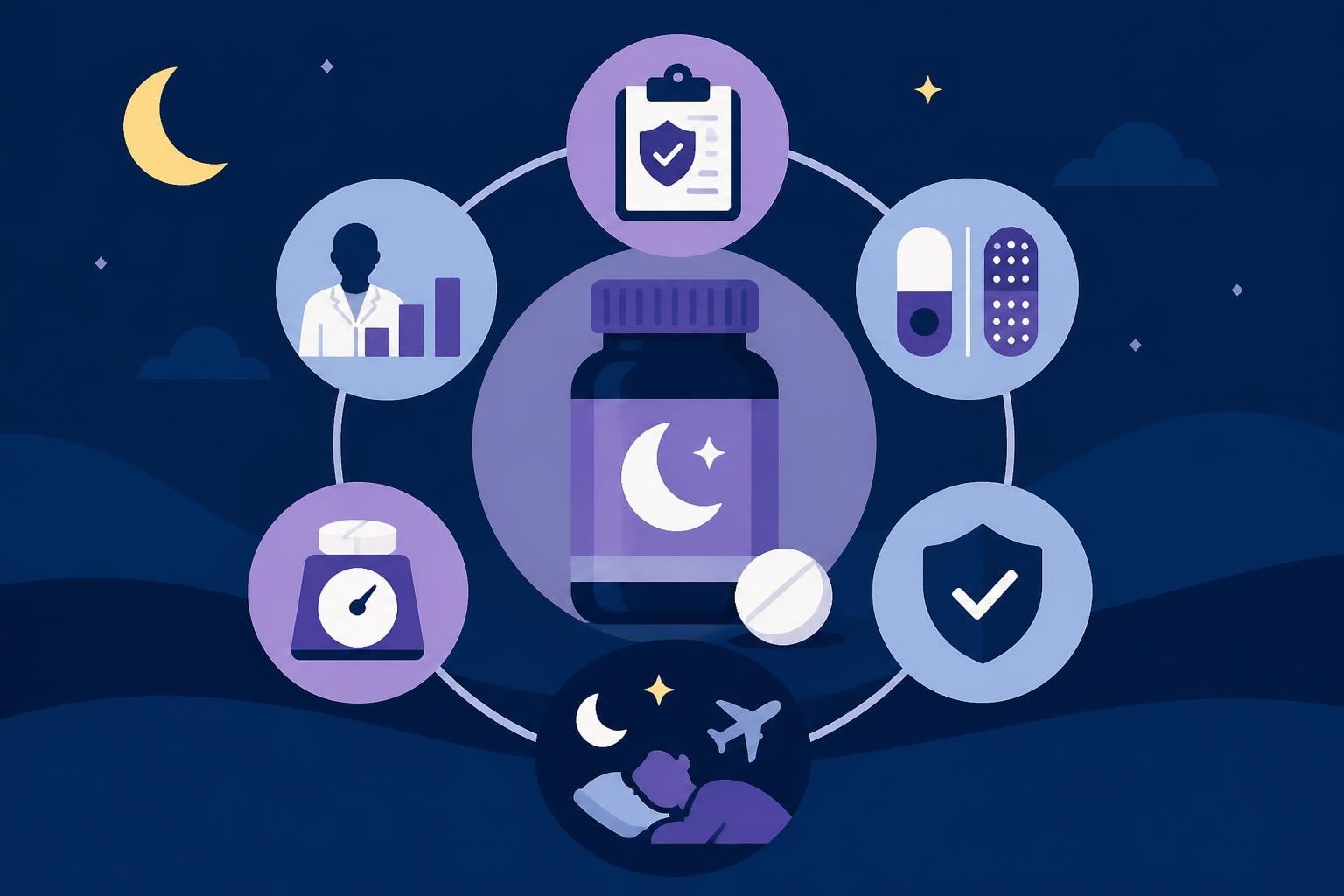
Sleep issues affect millions of Americans each year, and melatonin has become one of the most widely used supplements to address them. Finding the best melatonin supplements requires more than simply grabbing the first bottle at your local pharmacy. Understanding the differences in formulations, dosages, quality standards, and evidence can make the difference between restful nights and wasted money. This guide examines what separates top-performing melatonin products from the rest, helping you navigate an increasingly crowded marketplace with confidence.
Understanding Melatonin and Why Quality Matters
Melatonin is a hormone naturally produced by the pineal gland that regulates the sleep-wake cycle. When you take it as a supplement, you're adding exogenous melatonin to signal your body that it's time to sleep. The National Center for Complementary and Integrative Health provides comprehensive guidance on how melatonin works and its established uses.
Quality variation across products is substantial. Independent testing consistently reveals that many melatonin supplements contain significantly more or less than their label claims. Some products tested have shown variations exceeding 400% of the stated dose, while others contained serotonin as an undeclared contaminant.
The Three Core Quality Dimensions
When evaluating the best melatonin supplements, three fundamental quality aspects matter most:
- Content accuracy: Does the product contain what the label promises?
- Purity: Is it free from contaminants and undeclared ingredients?
- Formulation consistency: Does each dose deliver the same amount batch after batch?
Third-party testing addresses these concerns directly. ConsumerLab's independent testing data reveals which brands pass quality benchmarks and which fall short, providing concrete evidence beyond marketing claims.
Immediate-Release vs. Prolonged-Release Formulations
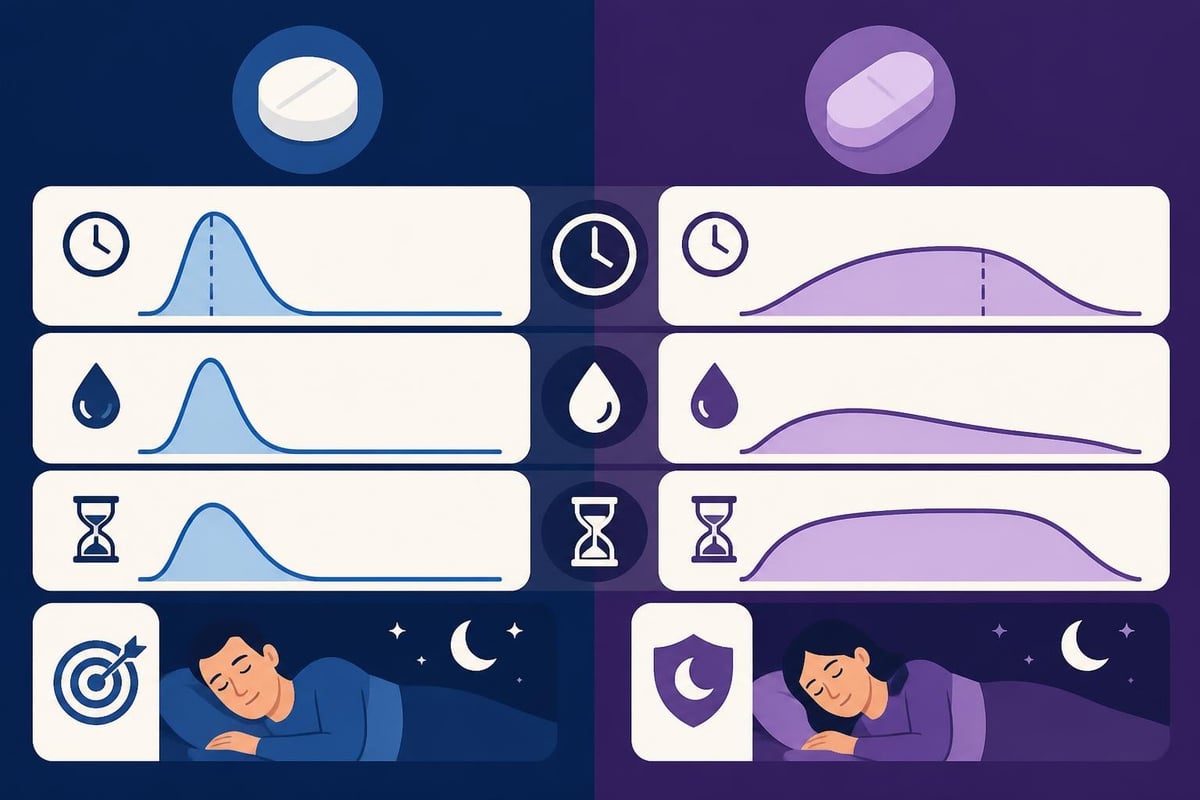
Not all melatonin formulations work the same way. The two primary types serve different sleep needs and exhibit distinct pharmacokinetic profiles.
Immediate-Release Melatonin
Immediate-release products dissolve quickly and raise blood melatonin levels within 30 to 60 minutes. These formulations work best for people who struggle to fall asleep initially but sleep through the night once they do.
Key characteristics include:
- Rapid absorption and peak concentration within 1 hour
- Shorter duration of elevated melatonin levels
- Better suited for advancing sleep phase or managing jet lag
- Most common formulation type available
Prolonged-Release Technology
Prolonged-release melatonin uses specialized delivery systems to release the hormone gradually over several hours. The European Medicines Agency has established specific guidance for these formulations, recognizing their distinct pharmacological profile.
| Feature | Immediate-Release | Prolonged-Release |
|---|---|---|
| Time to peak level | 30-60 minutes | 2-3 hours |
| Duration of effect | 3-4 hours | 6-8 hours |
| Best for | Sleep onset | Sleep maintenance |
| Regulatory status | Dietary supplement | Rx in some countries |
The best melatonin supplements often combine both technologies in dual-layer tablets, addressing both sleep onset and maintenance with a single dose.
Evidence-Based Dosing Strategies
Dosing melatonin appropriately matters more than many people realize. Higher doses don't necessarily produce better sleep outcomes, and the effective range varies depending on your specific goal.
Standard Dose Ranges by Use Case
Jet lag and circadian shifting: Research supports doses between 0.5 mg and 5 mg taken at specific times relative to your destination time zone. Timing matters more than dose magnitude for this application.
Sleep onset difficulty: Studies demonstrate effectiveness with doses as low as 0.3 mg to 0.5 mg, though most commercial products contain 1 mg to 5 mg. Lower doses often work as well as higher ones for many individuals.
Sleep maintenance: Prolonged-release formulations at 2 mg represent the most studied dose for staying asleep through the night.
A comprehensive meta-analysis examining higher-dose safety found that doses up to 10 mg appear well-tolerated in adults for short-term use, though benefits plateau well below that threshold for most people. The best melatonin supplements provide dosing options that align with evidence rather than simply offering the highest milligram count.
Personalization and Starting Low
Starting with the lowest effective dose makes physiological sense. Your body produces only about 0.1 to 0.3 mg of melatonin naturally each night, so even small supplemental amounts represent significant increases.
- Begin with 0.5 mg to 1 mg taken 30-60 minutes before desired sleep time
- Assess effectiveness for 3-5 nights before increasing dose
- Increase in 0.5-1 mg increments if needed
- Monitor morning grogginess as a signal you may be taking too much
Long-Term Safety and Adverse Event Profile
Safety considerations extend beyond acute tolerability. Anyone taking melatonin regularly should understand what the evidence shows about sustained use.
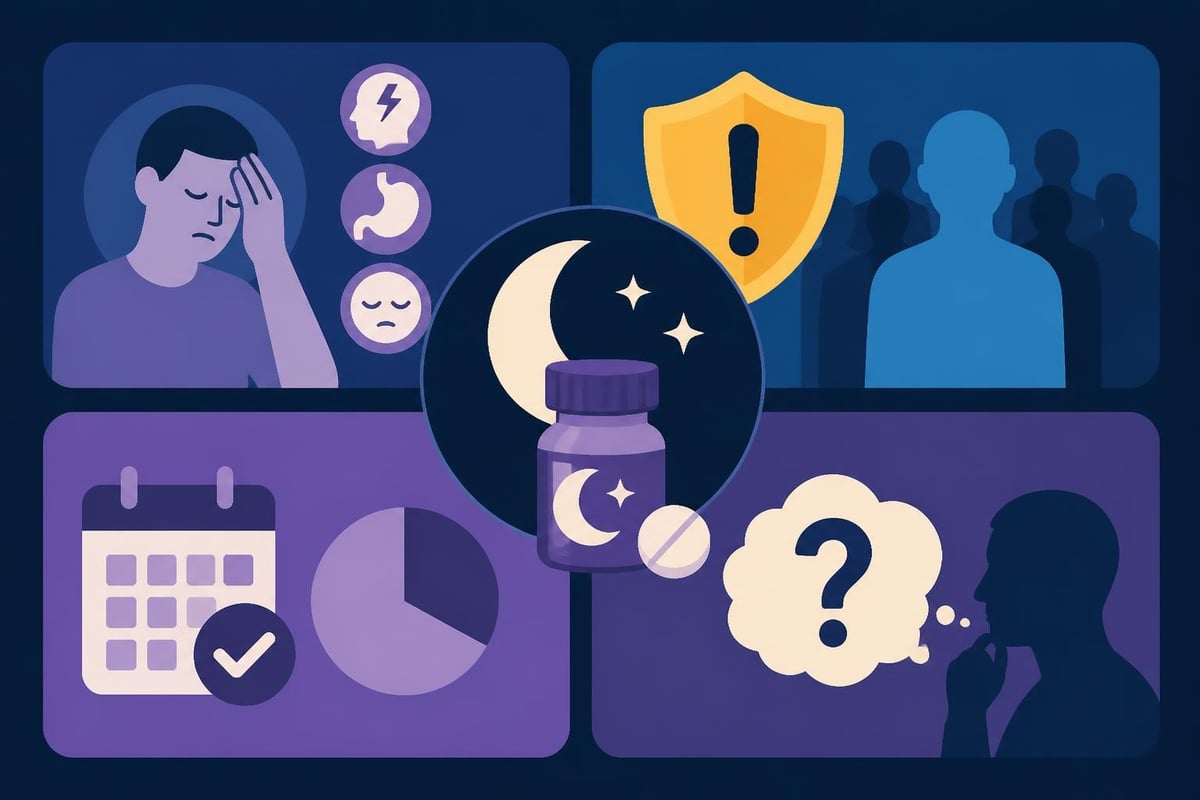
Systematic reviews of long-term melatonin studies provide reassurance while highlighting important gaps. Studies lasting six months or longer generally report minimal serious adverse events, with the most common complaints being:
Reported side effects in long-term studies:
- Daytime drowsiness or morning grogginess (most common)
- Headache
- Dizziness
- Nausea (usually mild)
Populations Requiring Caution
Certain groups should exercise additional caution or consult healthcare providers before using melatonin supplements:
- Pregnant or breastfeeding women (limited safety data)
- People taking blood thinners or immunosuppressants
- Individuals with autoimmune conditions
- Those with seizure disorders
- Children and adolescents (consult pediatrician first)
The best melatonin supplements include clear labeling about these precautions and don't make claims beyond what evidence supports.
Clinical Context and Where Melatonin Fits
Understanding how medical professionals view melatonin supplementation provides useful perspective. The American Academy of Sleep Medicine's clinical practice guideline places melatonin within the broader landscape of insomnia treatment options.
Strength of Recommendation by Condition
| Sleep Condition | AASM Recommendation | Typical Dose Range |
|---|---|---|
| Delayed sleep phase | Moderate evidence | 0.5-5 mg |
| Jet lag | Supportive evidence | 0.5-5 mg |
| Chronic insomnia | Weak evidence | 2-10 mg |
| Shift work disorder | Insufficient evidence | Variable |
The evidence is strongest for circadian rhythm disorders rather than primary insomnia. This context helps set realistic expectations about what the best melatonin supplements can and cannot achieve.
Key Features That Define Top Products
Moving beyond basic quality and dosing, several additional features distinguish excellent melatonin supplements from adequate ones.
Transparency and Testing Documentation
Premium manufacturers provide:
- Certificate of Analysis (COA) available upon request or posted online
- Third-party verification from ConsumerLab, NSF International, or USP
- Batch-specific testing results rather than generic claims
- Clear sourcing information about where ingredients originate
Formulation Thoughtfulness
The best melatonin supplements consider the complete formula, not just the active ingredient:
- Minimal unnecessary fillers or additives
- Appropriate tablet or capsule size for the dose
- Vegetarian or vegan capsules when possible
- Absence of common allergens unless clearly labeled
Value and Accessibility
Cost per dose varies dramatically across products. When comparing options:
- Calculate price per milligram of melatonin, not just per bottle
- Consider whether you need immediate or prolonged release
- Factor in testing certifications as part of value
- Check availability across multiple retailers
Making Your Selection: A Practical Framework
Choosing among the best melatonin supplements becomes more straightforward with a systematic approach. Start by clarifying your specific sleep challenge and then match product characteristics to your needs.
Step-by-Step Selection Process
- Identify your sleep pattern: Do you struggle to fall asleep, stay asleep, or both?
- Determine appropriate formulation: Immediate-release for onset, prolonged-release for maintenance
- Select starting dose: Begin at 0.5-1 mg unless clinical guidance suggests otherwise
- Verify quality markers: Look for third-party testing and transparent labeling
- Assess value proposition: Compare cost per dose among verified quality products
- Check availability: Ensure consistent access to your selected product
For those seeking personalized supplement recommendations based on specific health outcomes, platforms like DoseRank offer systematic approaches. If your sleep challenges relate to stress or difficulty winding down, exploring options to improve stress resilience alongside melatonin may provide complementary benefits.
Beyond Melatonin Alone: Complementary Approaches
The best melatonin supplements work even better when combined with evidence-based sleep hygiene practices. No supplement can overcome fundamentally poor sleep habits.
Environmental Optimization
Creating the right sleep environment amplifies melatonin's effectiveness:
- Maintain bedroom temperature between 60-67°F
- Minimize light exposure, especially blue wavelengths
- Reduce noise disruptions or use white noise
- Reserve the bedroom exclusively for sleep and intimacy
Timing and Consistency
When you take melatonin matters as much as which product you choose:
- Take 30-60 minutes before intended sleep time for immediate-release
- Take 1-2 hours before bed for prolonged-release formulations
- Maintain consistent dosing times, even on weekends
- Avoid taking melatonin after already lying in bed
Understanding how different supplements support various health outcomes can help you build a comprehensive approach rather than relying solely on melatonin for complex sleep issues.
Product Categories and Specialized Formulations
The melatonin supplement market has evolved beyond simple tablets. Several specialized product categories serve specific user preferences and needs.
Delivery System Variations
Sublingual tablets and strips: Dissolve under the tongue for faster absorption, potentially reducing time to onset by 10-15 minutes compared to swallowed tablets.
Liquid formulations: Allow for precise dose titration and easier administration for those who struggle with pills. Absorption characteristics similar to immediate-release tablets.
Gummy supplements: Popular for palatability but often contain added sugars and may have less precise dosing. Check testing data carefully for this category.
Time-release capsules: Proprietary delivery technologies claim to mimic natural melatonin secretion patterns throughout the night.
Combination Products
Many products combine melatonin with other sleep-supporting ingredients:
- Melatonin + L-theanine: Targets both sleep onset and anxiety reduction
- Melatonin + magnesium: Addresses potential deficiency that may impair sleep
- Melatonin + herbs (valerian, chamomile, passionflower): Traditional botanicals with calming properties
- Melatonin + GABA: Combines hormonal signaling with neurotransmitter modulation
The evidence for these combinations is generally weaker than for melatonin alone. The best melatonin supplements typically focus on delivering melatonin effectively rather than adding multiple unproven ingredients.
Red Flags and Products to Avoid
Not every melatonin product deserves consideration. Certain warning signs indicate products that don't meet basic quality or transparency standards.
Immediate disqualifiers include:
- No third-party testing documentation available
- Proprietary blends that hide individual ingredient amounts
- Exaggerated claims about sleep quality or duration
- Doses exceeding 10 mg without clear justification
- Lack of contact information for the manufacturer
- Prices dramatically below market average (potential quality compromise)
Products marketed with terms like "pharmaceutical grade" or "prescription strength" deserve scrutiny. These terms lack standardized definitions in the supplement industry and often serve marketing purposes rather than indicating superior quality. The best melatonin supplements let testing data and transparent formulation speak for quality rather than relying on marketing superlatives.
Regulatory Landscape and What It Means for Consumers
Understanding how melatonin is regulated helps explain variation in product quality and why consumer vigilance matters.
United States Classification
In the U.S., melatonin is classified as a dietary supplement rather than a drug. This means:
- Manufacturers aren't required to prove efficacy before marketing
- FDA doesn't test products before they reach consumers
- Quality control responsibilities fall primarily on manufacturers
- Post-market surveillance is limited compared to pharmaceuticals
International Differences
Regulatory approaches vary globally:
| Region | Classification | Availability |
|---|---|---|
| United States | Dietary supplement | Over-the-counter |
| European Union | Varies by country | Prescription or restricted |
| Canada | Natural health product | Over-the-counter (regulated) |
| Australia | Schedule 4 (pharmacy-only) | Pharmacist consultation required |
These differences reflect varying perspectives on melatonin's risk-benefit profile. Countries with tighter regulation often see more consistent product quality but reduced consumer access.
Monitoring Your Response and Adjusting Course
Tracking how you respond to melatonin supplementation helps optimize your regimen and identify when adjustments are needed.
Metrics Worth Monitoring
Beyond simply noting whether you slept well, consider tracking:
- Sleep latency: Time from lying down to falling asleep
- Night awakenings: Frequency and duration of waking episodes
- Morning alertness: How quickly you feel fully awake after rising
- Daytime energy: Overall energy levels throughout the day
- Side effects: Any adverse reactions, even minor ones
Keep a sleep log for at least two weeks when starting a new melatonin product or adjusting your dose. Patterns often emerge that aren't obvious night-to-night.
When to Reassess Your Approach
Several scenarios suggest it's time to reconsider your melatonin strategy:
- No improvement after 2-3 weeks of consistent use
- Effectiveness diminishes over time (potential tolerance)
- Morning grogginess persists despite dose adjustments
- New sleep problems emerge
- Life circumstances change (shift work, travel patterns, stress levels)
For comprehensive support in evaluating whether your current approach aligns with evidence-based practices, taking a quick assessment can help. The 60-second quiz on DoseRank helps narrow supplement options based on your specific goals and current health status.
The Role of Evidence in Product Rankings
How do we objectively determine which are the best melatonin supplements when marketing claims abound? Evidence-based ranking systems provide structure and objectivity.
Multi-Dimensional Evaluation Criteria
Comprehensive supplement rankings consider:
Evidence quality: Strength and consistency of research supporting the formulation and dose. Published human trials carry more weight than animal studies or theoretical mechanisms.
Dose appropriateness: Whether the product delivers amounts shown effective in research. Products with unnecessarily high doses score lower despite marketing appeal.
Manufacturing trust: Third-party testing results, GMP certification, and company transparency. Verified quality beats unsubstantiated claims.
Value proposition: Cost-effectiveness relative to dose and quality. The cheapest product rarely represents the best value when quality is considered.
Availability: Consistent access through multiple reputable retailers. The best product doesn't help if you can't reliably obtain it.
Platforms using systematic ranking methodology, such as DoseRank's evidence-based approach, remove guesswork by weighting these factors objectively rather than relying on subjective opinions or sponsored recommendations.
Special Considerations for Specific Populations
Different groups face unique considerations when selecting melatonin supplements.
Older Adults
Age-related changes affect melatonin production and metabolism:
- Natural melatonin production declines with age
- Medication interactions become more likely
- Sensitivity to side effects may increase
- Lower doses often remain effective
Frequent Travelers
Those crossing time zones regularly need melatonin products optimized for circadian adjustment:
- Immediate-release formulations work best for jet lag
- Timing relative to destination schedule matters more than dose size
- Portability and TSA-friendly packaging adds practical value
- Consistent availability across regions reduces travel stress
Shift Workers
Night shift workers face unique circadian challenges:
- Timing becomes more complex than standard sleep schedules
- Combination approaches (light therapy + melatonin) often work better than supplements alone
- Individual variation in response is particularly high
- Professional guidance often warranted for sustained shift work
Finding the best melatonin supplements requires balancing evidence quality, formulation appropriateness, verified testing, and individual sleep patterns. The right product delivers the dose research supports, manufactured to quality standards you can verify, at a price that reflects genuine value. DoseRank helps cut through marketing noise by ranking supplements based on evidence, dose fit, trust, value, popularity, and availability-giving you confidence that your choice is backed by data rather than hype.