
DOSERANK guide
Best Melatonin: How to Choose the Right Supplement
Published
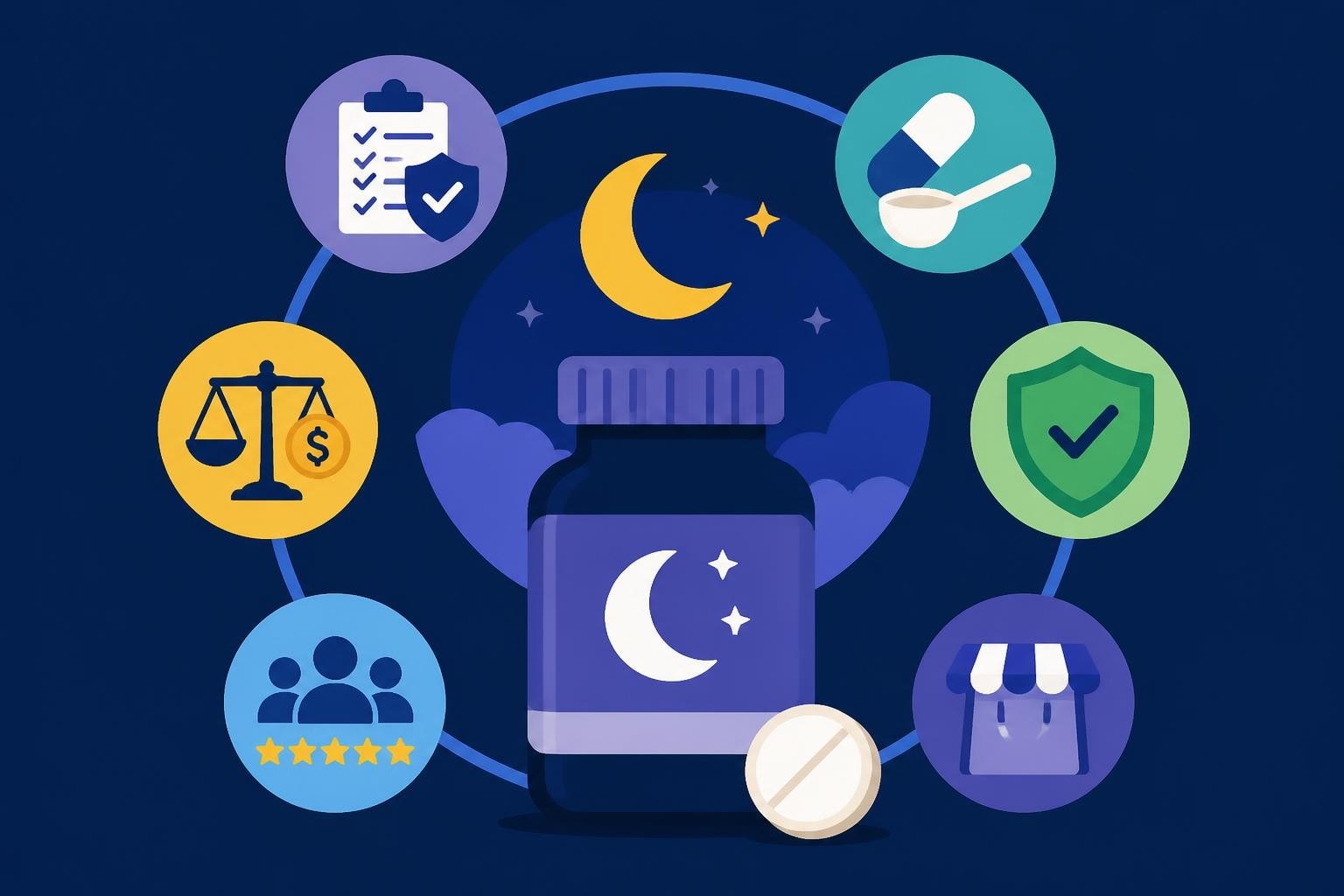
Finding the best melatonin supplement requires understanding more than just brand names and marketing claims. As sleep concerns continue to affect millions of Americans, melatonin has become one of the most popular over-the-counter sleep aids available. However, with countless products flooding the market, choosing a high-quality supplement that delivers real results demands careful evaluation of dosage, formulation, manufacturer credibility, and supporting evidence. This guide breaks down the essential factors that separate effective melatonin supplements from those that fall short.
Understanding Melatonin and How It Works
Melatonin is a hormone naturally produced by the pineal gland in your brain, primarily responsible for regulating your sleep-wake cycle. When darkness falls, your body increases melatonin production, signaling that it's time to prepare for sleep. Light exposure, particularly blue light from screens, suppresses this natural production.
Supplemental melatonin works by mimicking this natural hormone, helping to trigger the physiological changes associated with sleep onset. The National Center for Complementary and Integrative Health notes that melatonin supplements are most commonly used for insomnia and jet lag, though research continues to expand into other applications.
What the Research Shows
Clinical evidence for melatonin supplementation has grown substantially over the past decade. A systematic review published in Neuropsychopharmacology examined how melatonergic agents affect sleep-wake cycles in both healthy individuals and those with psychiatric conditions, demonstrating measurable improvements in sleep onset latency.
The evidence becomes more compelling when examining specific populations. People with delayed sleep phase syndrome, shift workers, and individuals experiencing jet lag show particularly strong responses to melatonin supplementation. However, effectiveness varies considerably based on dosage, timing, and individual physiology.
Key Factors That Define the Best Melatonin
Identifying the best melatonin requires evaluating multiple dimensions simultaneously. No single factor determines quality on its own.
Dosage Accuracy and Appropriateness
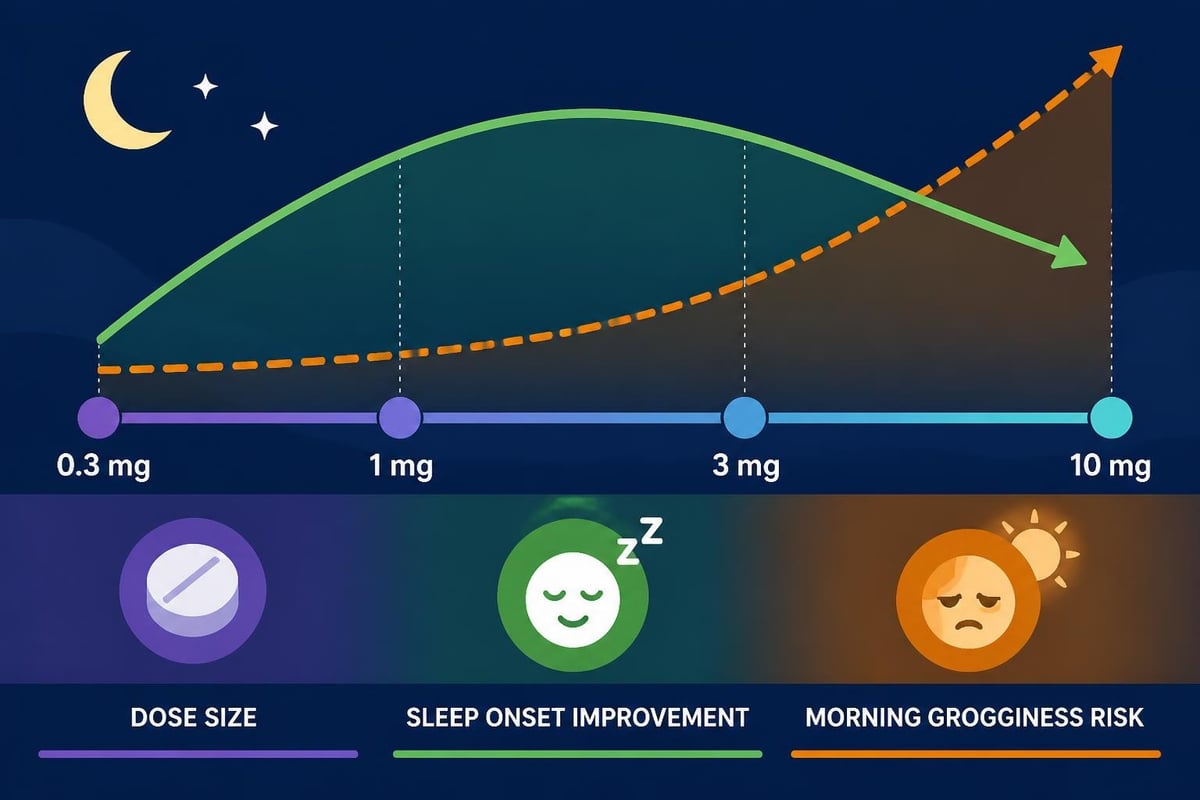
The optimal melatonin dose remains surprisingly low for most people. Research consistently shows that 0.3 to 5 mg represents the effective range for most adults, with higher doses not necessarily producing better results.
Common dosage mistakes include:
- Taking doses that are too high (10 mg or more)
- Assuming more is always better
- Ignoring individual sensitivity variations
- Failing to adjust based on response
Many commercially available products contain doses far exceeding what clinical studies suggest is necessary. The best melatonin products offer precise dosing options, allowing users to find their minimal effective dose rather than pushing mega-doses that may cause next-day grogginess.
Form and Formulation Types
| Form Type | Onset Time | Duration | Best For |
|---|---|---|---|
| Immediate-release | 20-30 min | 4-5 hours | Sleep onset issues |
| Extended-release | 30-45 min | 6-8 hours | Sleep maintenance problems |
| Sublingual | 10-15 min | 3-4 hours | Quick absorption needs |
| Liquid | 15-20 min | 4-5 hours | Precise dose control |
The best melatonin form depends entirely on your specific sleep challenge. If you struggle to fall asleep but stay asleep once you drift off, immediate-release or sublingual forms work well. For those who fall asleep easily but wake frequently, extended-release formulations better match the need.
Third-Party Testing and Quality Verification
Quality control in the supplement industry varies dramatically. The best melatonin supplements undergo independent third-party testing to verify:
- Actual melatonin content matches label claims
- Absence of contaminants including heavy metals and microbes
- Proper ingredient identity through analytical testing
- Dissolution rates ensure the supplement breaks down appropriately
Look for certifications from NSF International, USP Verified, or ConsumerLab. These organizations conduct independent testing beyond what manufacturers perform internally.
Timing and Usage Strategies
Taking melatonin at the right time matters just as much as choosing the right product. The best melatonin supplement loses effectiveness when used incorrectly.
Optimal Timing Windows
For general sleep support: Take melatonin 30 to 60 minutes before your intended bedtime. This allows blood levels to rise as you're winding down for the night.
For jet lag: Begin taking melatonin at the destination bedtime for several days before travel, continuing for a few days after arrival. The timing shifts your circadian rhythm gradually.
For shift work: Take melatonin at the end of your shift to signal sleep time to your body, even if it's daytime outside.
Consistency matters tremendously. Taking melatonin at varying times each night reduces its effectiveness at regulating your internal clock.
Duration of Use Considerations
Short-term melatonin use (a few weeks to months) shows a strong safety profile in research. However, recent studies have raised questions about long-term daily use. An AP News report highlighted emerging research suggesting potential cardiovascular concerns with extended melatonin use, though more investigation is needed.
The best approach combines melatonin supplementation with behavioral sleep improvements rather than relying on supplements indefinitely. For those seeking sleep quality improvements, DoseRank evaluates supplements based on evidence strength, appropriate dosing, and long-term safety considerations.

Evaluating Manufacturers and Brands
Brand reputation and manufacturing practices separate the best melatonin supplements from questionable products flooding online marketplaces.
Manufacturing Standards to Prioritize
- GMP Certification: Good Manufacturing Practices ensure consistent quality control
- Domestic Production: U.S.-manufactured supplements face stricter oversight
- Transparent Sourcing: Clear information about ingredient origins
- Batch Testing: Testing every production batch, not just periodic samples
- Recall History: Clean track record without quality-related recalls
The supplement industry operates under less stringent regulations than pharmaceuticals. This reality makes choosing manufacturers with voluntary higher standards absolutely essential.
Warning Signs of Low-Quality Products
- Unrealistic claims about effectiveness
- Doses significantly exceeding research-supported ranges
- Proprietary blends hiding actual melatonin content
- Absence of third-party testing information
- Extremely low prices suggesting quality compromises
Additional Ingredients and Combinations
Many melatonin products include complementary ingredients intended to enhance sleep support. The best melatonin formulations choose these additions based on evidence rather than marketing appeal.
Evidence-Based Complementary Ingredients
L-Theanine promotes relaxation without sedation, working through different mechanisms than melatonin. Studies show it may improve sleep quality when combined with lower melatonin doses.
Magnesium supports healthy sleep patterns and muscle relaxation. Some people respond better to magnesium-melatonin combinations, particularly those with muscle cramps that disrupt sleep.
GABA is frequently added to sleep formulas, though questions remain about how well oral GABA crosses the blood-brain barrier. Research on its effectiveness remains mixed.
Herbal extracts like valerian, passionflower, or chamomile appear in many combination products. Evidence quality varies considerably across these botanicals.
Ingredients to Question
Some ingredients appear in melatonin products without strong supporting evidence:
- Proprietary herbal blends with undisclosed ratios
- B-vitamins at doses unrelated to sleep support
- Amino acid complexes without clear sleep mechanisms
- "Sleep support" blends relying on trace mineral additions
The best melatonin supplements keep formulations focused and evidence-based rather than adding ingredients simply to lengthen the label.
Form-Specific Considerations
Beyond standard capsules and tablets, melatonin comes in various delivery systems, each with distinct advantages and limitations.
Gummy Formulations
Melatonin gummies offer convenient dosing and pleasant taste, making them popular for adults and teens. However, gummies present specific challenges:
- Sugar content may be undesirable before bed
- Dose precision can vary between gummies
- Texture and coating affect dissolution rates
- Shelf stability may be shorter than tablets
Choose gummies from manufacturers providing third-party testing, as melatonin content in gummy form shows greater variation in independent testing compared to tablets.
Liquid Drops
Liquid melatonin provides the most precise dose control, particularly valuable when finding your minimal effective dose. Droppers allow incremental adjustments that tablets and capsules cannot match.
Advantages include:
- Flexible dosing from very low to standard amounts
- Fast absorption potential
- Easier administration for those with swallowing difficulties
- Ability to mix with beverages
The main drawback involves measuring accuracy. Consistent drop size and careful counting become essential for reproducible dosing.

Cost-Effectiveness and Value Assessment
Price alone doesn't determine the best melatonin. Value emerges from the relationship between cost, quality, and effectiveness.
Calculating True Cost Per Dose
| Product Type | Bottle Price | Doses Per Bottle | Cost Per Dose | Monthly Cost (30 days) |
|---|---|---|---|---|
| Premium Brand A | $24.99 | 60 | $0.42 | $12.60 |
| Store Brand B | $8.99 | 120 | $0.07 | $2.10 |
| Mid-Range Brand C | $15.99 | 90 | $0.18 | $5.40 |
| Specialty Brand D | $32.99 | 30 | $1.10 | $33.00 |
These calculations reveal that higher bottle prices don't always mean higher per-dose costs. The best melatonin from a value perspective balances quality with reasonable pricing.
When Premium Pricing Makes Sense
Higher prices sometimes reflect genuine quality differences:
- Comprehensive third-party testing programs
- Specialized formulations (extended-release, sublingual)
- Organic or non-GMO certifications
- Smaller batch production ensuring freshness
- Advanced delivery systems improving bioavailability
Evaluate whether premium features align with your specific needs. Extended-release matters only if you have sleep maintenance issues. Organic certification may be personally important but doesn't necessarily improve efficacy.
Safety Profile and Potential Concerns
While generally considered safe for short-term use, melatonin isn't appropriate for everyone and carries some considerations.
Who Should Avoid or Use Caution
Pregnant or nursing women should consult healthcare providers before using melatonin, as research on safety during pregnancy remains limited.
Children and adolescents require special consideration. While melatonin shows promise for certain pediatric sleep disorders, long-term effects on developing bodies need more research.
People taking medications must watch for interactions, particularly with:
- Blood thinners
- Immunosuppressants
- Diabetes medications
- Blood pressure drugs
Those with autoimmune conditions should discuss melatonin use with providers, as it may affect immune function.
Reported Side Effects
Most people tolerate melatonin well, but some experience:
- Morning grogginess or daytime sleepiness
- Headaches
- Dizziness
- Nausea
- Vivid dreams or nightmares
These effects often relate to excessive dosing. Starting with the lowest effective dose minimizes side effect risk.
Recent research has begun examining long-term safety more closely. Studies discussed in Time Magazine raise questions about extended daily use and cardiovascular health, though the evidence requires further investigation before drawing firm conclusions.
Making Your Selection
Choosing the best melatonin involves matching product characteristics to your specific situation rather than following one-size-fits-all recommendations.
Questions to Guide Your Decision
What's your primary sleep challenge? Difficulty falling asleep suggests immediate-release forms, while frequent waking points toward extended-release options.
What's your sensitivity level? Start with 0.5 mg or less if you're sensitive to medications or supplements generally. Less sensitive individuals might begin around 1-3 mg.
How important is third-party testing? If quality verification matters greatly to you, limit choices to certified products even if they cost more.
Do you have any dietary restrictions? Vegan, kosher, allergen-free, or non-GMO requirements narrow the field considerably.
What's your budget? Determine your acceptable monthly cost, then find the highest quality option within that range.
For those uncertain about which supplement approach best fits their needs, taking a quick quiz can help identify personalized options based on your specific health goals and circumstances. The platform's methodology evaluates supplements across evidence quality, dosing appropriateness, manufacturer trust, value, and availability.
Beyond Melatonin Supplementation
The best melatonin supplement works optimally when combined with solid sleep hygiene practices. Supplements alone rarely solve chronic sleep problems rooted in lifestyle factors.
Sleep Hygiene Fundamentals
Environmental optimization includes:
- Keeping bedrooms cool (65-68°F)
- Eliminating light sources including device screens
- Reducing noise disruptions
- Investing in comfortable bedding
Behavioral adjustments involve:
- Consistent sleep and wake times, even on weekends
- Limiting caffeine after early afternoon
- Avoiding large meals close to bedtime
- Creating relaxing pre-sleep routines
Screen time management proves particularly important. Blue light from devices suppresses natural melatonin production, potentially requiring higher supplement doses to compensate. Reducing evening screen exposure may decrease or eliminate melatonin needs entirely.
When to Seek Professional Help
Melatonin supplements address certain sleep challenges but not all. Persistent sleep problems lasting more than a month deserve professional evaluation. Underlying conditions like sleep apnea, restless leg syndrome, or anxiety disorders require targeted treatment beyond melatonin.
A systematic review on melatonin's effects on sleep quality found significant improvements in several parameters, but results varied across different sleep disorders. Chronic insomnia often requires comprehensive approaches including cognitive behavioral therapy for insomnia (CBT-I), which research shows produces more lasting improvements than supplements alone.
Alternative and Complementary Approaches
While searching for the best melatonin, consider that other supplements and lifestyle interventions may better address your specific situation.
Comparing Sleep Support Options
Magnesium versus melatonin represents a common decision point for sleep supplement users. Magnesium works through muscle relaxation and nervous system calming rather than directly affecting circadian rhythms. Some people respond better to one versus the other, while others benefit from both.
Melatonin advantages:
- Directly addresses circadian rhythm issues
- Particularly effective for jet lag
- Fast-acting when timed correctly
- Well-studied in clinical trials
Magnesium advantages:
- Broader health benefits beyond sleep
- May address underlying deficiency
- Less likely to cause morning grogginess
- Supports muscle relaxation
Neither represents a universally superior choice. The best approach depends on whether your sleep issues stem primarily from circadian misalignment versus muscle tension, anxiety, or inadequate stress resilience.
Combining Supplements Safely
Some people use multiple sleep-supporting supplements together. When combining melatonin with other supplements:
- Start with one supplement at a time to identify individual effects
- Allow at least one week before adding another supplement
- Watch for additive effects that might cause excessive drowsiness
- Keep total supplement numbers manageable to identify what helps
- Consult healthcare providers when taking multiple supplements with medications
The goal involves finding your minimal effective intervention rather than maximizing supplement intake.
Tracking Results and Adjusting
The best melatonin for someone else might not work optimally for you. Systematic tracking helps identify what works in your specific case.
Metrics Worth Monitoring
- Sleep onset latency: Time from lights out to falling asleep
- Number of nighttime awakenings: Frequency of waking during the night
- Total sleep time: Hours actually sleeping versus time in bed
- Morning alertness: How you feel upon waking and through the morning
- Next-day performance: Energy levels and cognitive clarity
Simple sleep tracking apps or even paper journals provide sufficient data to spot patterns. Note melatonin dose, timing, and form alongside sleep metrics to identify optimal combinations.
Adjustment Strategies
If initial melatonin supplementation doesn't produce desired results:
Modify timing first. Try taking melatonin 15-30 minutes earlier or later than your current schedule.
Adjust dose second. If too groggy, reduce dose by half. If no effect after one week, increase by 0.5-1 mg.
Change formulation third. Switch from immediate to extended-release or vice versa based on your specific sleep pattern.
Consider combination products fourth. Only after establishing melatonin doesn't work alone should you try products with additional ingredients.
Give each adjustment at least 5-7 days before making further changes. Sleep patterns don't shift instantly, and premature adjustments create confusion about what actually helps.
Finding the best melatonin supplement requires evaluating evidence quality, appropriate dosing for your needs, manufacturer trustworthiness, and cost-effectiveness rather than simply choosing popular brands. Whether you're addressing occasional jet lag or persistent sleep onset difficulties, matching the right product to your specific situation produces better results than one-size-fits-all recommendations. DoseRank evaluates supplements across these critical dimensions, helping you identify options backed by solid evidence at appropriate doses from trustworthy sources, all personalized to your individual health goals.