
DOSERANK guide
5-HTP Dose: Evidence-Based Dosing Guidelines for 2026
Published

Finding the right 5-HTP dose can feel overwhelming when product labels show wildly different amounts and online advice ranges from 50 mg to 500 mg daily. The amino acid 5-hydroxytryptophan serves as a direct precursor to serotonin, making it a popular choice for mood and sleep support, but the difference between an effective dose and one that causes side effects often comes down to precision. Understanding the evidence behind dosing ranges, individual factors that influence response, and timing strategies helps you make informed decisions rather than guessing with your health.
Understanding 5-HTP Dosing Fundamentals
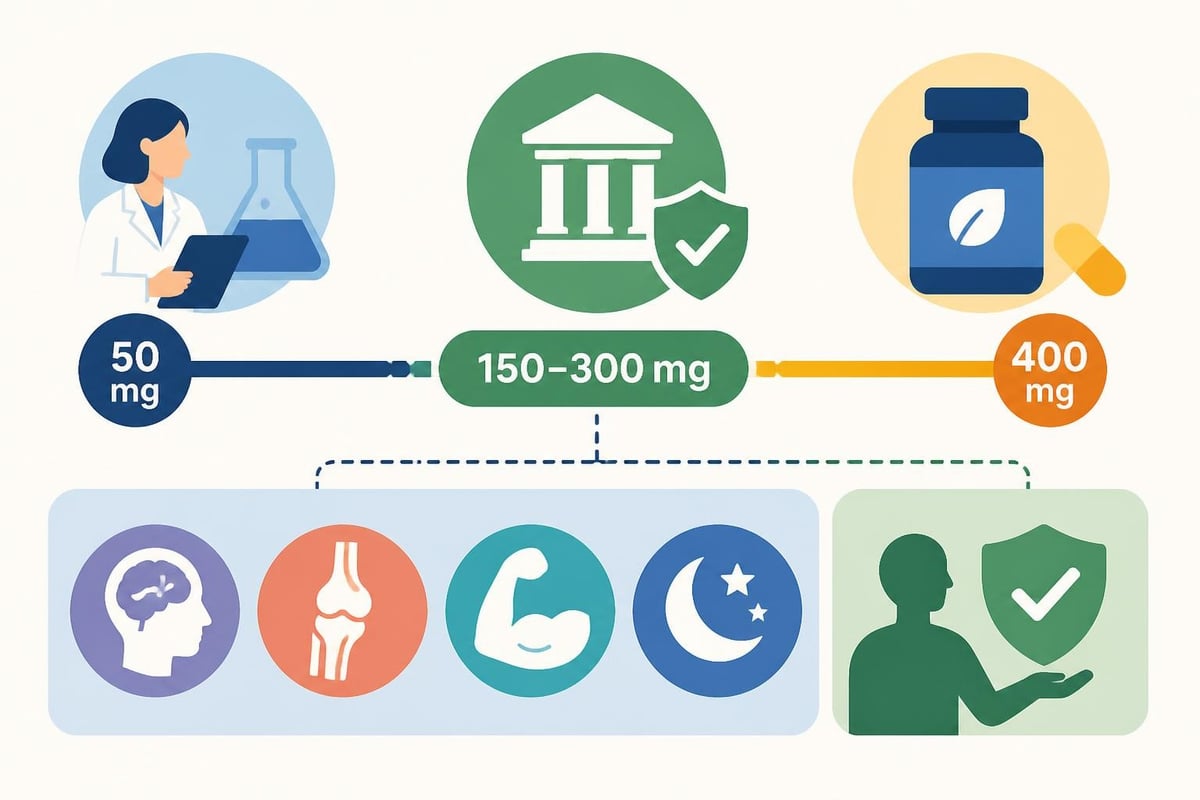
The standard 5-HTP dose in clinical research typically falls between 50 mg and 400 mg per day, with most studies using divided doses rather than a single large amount. This range reflects decades of human trials examining everything from mood disorders to sleep quality, though individual needs vary considerably.
Typical Dosing Ranges in Research
Most published trials use a starting dose of 50 to 100 mg daily, gradually increasing based on response and tolerance. A Cochrane systematic review of tryptophan and 5-HTP trials examined depression studies and found researchers commonly employed 150 to 300 mg daily in divided doses.
Higher doses appear in specialized contexts:
- 50–100 mg: Common starting point for sleep support and mild mood concerns
- 150–300 mg: Mid-range used in most mood and anxiety research
- 300–400 mg: Upper therapeutic range seen in treatment-resistant cases
- Above 400 mg: Rarely used outside clinical supervision due to side effect risk
The key distinction is that these amounts were administered under medical observation with regular monitoring. Self-directed supplementation typically stays at the lower end of these ranges.
Regulatory Guidance on Safe Limits
Health Canada's Natural Health Product monograph for 5-HTP explicitly recommends 50 to 100 mg three times daily (total 150–300 mg) as the permitted dose range for licensed products. Their official regulatory guidance also sets a maximum single dose of 200 mg and requires label warnings about potential serotonin syndrome when combined with other serotonergic substances.
This regulatory framework provides a useful benchmark even for consumers outside Canada, as it reflects safety data accumulated from adverse event databases and clinical literature.
Factors That Influence Your Optimal 5-HTP Dose
Individual response to any 5-HTP dose depends on body weight, metabolic rate, existing serotonin status, and medication interactions. Two people taking identical amounts can experience markedly different outcomes.
Body Weight and Metabolism
While dosing isn't strictly weight-based like some pharmaceuticals, larger individuals often require amounts at the higher end of the standard range to achieve comparable blood levels. A 120-pound person may respond fully to 100 mg daily, while a 220-pound person might need 200–300 mg for similar effects.
Metabolic factors also matter:
| Factor | Impact on Dose Needs |
|---|---|
| Fast metabolizers | May require higher doses or more frequent administration |
| Slow metabolizers | Risk of accumulation; lower doses often sufficient |
| Age (older adults) | Generally need lower doses due to altered clearance |
| Liver function | Impaired function reduces breakdown; lower doses advised |
Baseline serotonin activity is equally important. Someone with chronically low serotonin synthesis may need more 5-HTP to notice benefits compared to someone with borderline levels.
Concurrent Medications and Supplements
The 5-HTP dose that's safe in isolation becomes risky when combined with selective serotonin reuptake inhibitors (SSRIs), monoamine oxidase inhibitors (MAOIs), or even St. John's wort. These combinations can trigger serotonin syndrome, a potentially dangerous condition of excess serotonin activity.
Even starting at 50 mg with these medications can be problematic. Anyone taking:
- Antidepressants (SSRIs, SNRIs, tricyclics, MAOIs)
- Migraine medications (triptans)
- Pain medications (tramadol, meperidine)
- Cough suppressants (dextromethorphan)
should consult a physician before using any 5-HTP dose. The recent review on tryptophan modulators in psychiatry emphasizes these interaction risks as a primary safety concern.
Dosing Strategies for Specific Goals
Different health objectives call for different 5-HTP dosing approaches. Research protocols vary considerably depending on whether the target is mood, sleep, appetite, or other outcomes.
Mood and Emotional Balance
For general mood support, clinical trials typically use 150 to 300 mg daily split into two or three doses. The open-access review examining slow-release 5-HTP for treatment-resistant depression describes dosing strategies where 100 mg twice daily served as a common protocol, sometimes increased to 200 mg twice daily after initial tolerance assessment.
A three-times-daily schedule (morning, afternoon, evening) keeps serotonin synthesis relatively steady throughout the day rather than creating peaks and troughs. Starting at 50 mg once or twice daily for the first week allows you to assess tolerance before increasing.
Gradual escalation matters because gastrointestinal side effects (nausea, loose stools) often occur when doses increase too quickly. Adding 50 mg every 5–7 days gives your body time to adjust.
Sleep Quality Support
When the primary goal is better sleep, timing shifts to evening-only dosing. Most sleep-focused research uses 100 to 300 mg taken 30 to 60 minutes before bed. This timing capitalizes on 5-HTP's relatively short half-life (around 4 hours for peak effects) to boost serotonin availability when your body naturally converts it to melatonin.
Unlike mood protocols that distribute the dose, sleep applications concentrate the entire daily amount in one pre-bedtime serving. A person struggling with sleep quality might start with 50 mg before bed and increase to 100 or 150 mg if the initial dose proves insufficient after one to two weeks.
Combining 5-HTP with other sleep-supporting nutrients sometimes allows for lower individual doses while maintaining effectiveness, though this requires careful consideration to avoid excessive sedation.

Appetite and Weight Management
Limited but intriguing research suggests 300 mg taken before meals may reduce appetite and support modest weight loss. One frequently cited study used 300 mg three times daily (900 mg total), though this high dose caused notable nausea in some participants.
A more practical approach uses 100 to 200 mg 20 to 30 minutes before lunch and dinner, focusing on the meals where overeating is most problematic. This application remains less well-established than mood or sleep uses, and anyone considering 5-HTP for weight management should approach it cautiously with lower starting doses.
Timing and Administration Best Practices
Beyond total daily amount, when and how you take 5-HTP significantly affects both efficacy and tolerability. These practical considerations often determine whether a technically correct dose works in real-world use.
Empty Stomach vs. With Food
5-HTP absorption improves on an empty stomach, as food slows uptake and potentially reduces bioavailability. However, taking it with a small amount of carbohydrate (a piece of fruit, a few crackers) can reduce nausea for sensitive individuals while still permitting good absorption.
Protein-rich meals pose a specific problem: large neutral amino acids compete with 5-HTP for the same transport mechanism across the blood-brain barrier. A dose taken immediately after a high-protein meal delivers less 5-HTP to the brain even if absorption from the gut remains adequate.
Optimal timing typically means:
- Morning doses: 30 minutes before breakfast or 2 hours after
- Midday doses: Between meals, at least 90 minutes after lunch
- Evening doses (for sleep): 30–60 minutes before bed, at least 2 hours after dinner
Single vs. Divided Doses
Pharmacokinetic data shows that divided dosing produces more stable blood levels compared to once-daily administration. For a total daily dose of 300 mg, taking 100 mg three times maintains steadier serotonin synthesis than a single 300 mg dose that creates a spike followed by a trough.
The EU clinical trial examining specific dosing protocols used 100 mg twice daily as a standard regimen, reflecting the preference for divided administration in controlled research.
That said, convenience matters for long-term adherence. Someone who consistently forgets midday doses may achieve better results with a simpler twice-daily schedule (morning and evening) even if pharmacokinetics favor three times daily.
Adjusting Your 5-HTP Dose Over Time
The right 5-HTP dose in week one may not remain optimal in month three. Both upward and downward adjustments can become necessary based on response, tolerance changes, and evolving health circumstances.
Starting Low and Increasing Gradually
The conservative approach starts at 50 mg once daily for 3 to 5 days, monitoring for any digestive upset or unusual symptoms. If tolerance is good, increase to 50 mg twice daily for another week, then consider moving to 100 mg twice daily if the target outcome hasn't been achieved.
This step-wise escalation accomplishes two things:
- Minimizes side effects by allowing gradual adaptation
- Identifies your minimum effective dose rather than overshooting
Many people discover that 100 to 150 mg daily provides the benefits they seek, making higher doses unnecessary. Starting high (say, 200 mg twice daily) may work faster but increases the risk of nausea, diarrhea, or excessive drowsiness that leads to discontinuation.
Recognizing When to Reduce or Stop
Signs that your current 5-HTP dose may be too high include:
- Persistent nausea or stomach discomfort
- Excessive daytime sleepiness or lethargy
- Vivid or disturbing dreams
- Muscle twitching or restlessness
- Headaches
These symptoms often resolve by reducing the dose by 50 mg and maintaining that lower amount for a week before deciding whether further adjustment is needed. A comprehensive review of over-the-counter products for depression and anxiety notes that tolerability issues frequently drive discontinuation in self-directed use, unlike supervised clinical trials where dose modifications are routine.
Long-term users (beyond 6 months) should periodically assess whether they still need supplementation. Some people find that initial benefits plateau or that lifestyle changes have addressed the underlying issues that prompted use. Taking scheduled breaks every 8 to 12 weeks can help reset tolerance and clarify ongoing need.
Safety Considerations and Contraindications
Even appropriate 5-HTP doses carry risks for certain populations and situations. Understanding these contraindications prevents potentially serious adverse events.
Serotonin Syndrome Risk
The most significant danger is serotonin syndrome, which occurs when excessive serotonin accumulates in the central nervous system. Symptoms range from mild (shivering, diarrhea, restlessness) to severe (high fever, seizures, irregular heartbeat).
Any 5-HTP dose becomes risky when combined with:
- Prescription antidepressants of any class
- Migraine medications (especially triptans)
- Certain pain medications
- Weight loss drugs affecting serotonin
The threshold for serotonin syndrome varies individually, but cases have been reported with 5-HTP doses as low as 100 mg when combined with SSRIs. This risk makes medical consultation essential for anyone on serotonergic medications.
Population-Specific Concerns
Certain groups require extra caution regardless of dose:
| Population | Consideration |
|---|---|
| Pregnant/nursing women | Insufficient safety data; generally avoided |
| Children | No established pediatric dosing; use only under medical guidance |
| Pre-surgical patients | Stop 2 weeks before surgery due to serotonin effects on blood pressure |
| Those with carcinoid syndrome | May worsen symptoms; contraindicated |
People with cardiovascular conditions should discuss 5-HTP use with their physician, as serotonin affects blood vessel constriction and heart valve function when chronically elevated.
Choosing Quality Products and Verifying Doses
Label claims don't always match actual content, making product selection as important as dose selection. Independent testing has revealed significant variability in 5-HTP supplement quality.
Label Accuracy and Third-Party Testing
A 5-HTP dose of 100 mg only delivers 100 mg if the product contains what the label states. Third-party certification from organizations like USP, NSF International, or ConsumerLab provides some assurance of accurate labeling and absence of contaminants.
The NIH Dietary Supplement Label Database entry for 5-HTP products shows typical commercial formulations and their stated doses, ranging from 50 mg to 200 mg per capsule or tablet. Examining these actual labels helps you understand what's available and how manufacturers phrase dosing instructions.
Red flags that suggest questionable quality:
- Doses above 200 mg per serving without clear rationale
- Proprietary blends that hide actual 5-HTP content
- Unrealistic benefit claims or "miracle cure" language
- No contact information for the manufacturer
- Prices far below market average (suggests inferior sourcing)
Understanding Dosage Forms
5-HTP comes in immediate-release capsules, timed-release formulations, and occasionally liquid forms. Each affects how quickly the dose enters your system:
Immediate-release capsules (most common) deliver the full dose within 30 to 60 minutes, creating a relatively sharp peak in blood levels. These work well for pre-bedtime use where you want effects concentrated in a specific window.
Timed-release formulations spread absorption over 4 to 8 hours, producing more gradual, sustained levels. Some research, including studies on treatment-resistant depression, specifically used slow-release preparations to maintain steadier serotonin synthesis. These may reduce gastrointestinal side effects but cost more.
For most purposes, standard immediate-release forms at appropriate doses work effectively. The choice between forms becomes more relevant at higher total daily doses (above 200 mg) where side effects become more common.
Platforms like DoseRank evaluate supplements based on multiple factors including dose fit, helping you identify products where the amount per serving aligns with evidence-based ranges rather than marketing preferences. Their methodology considers not just dose but also evidence strength, product trust, and real-world value.
Common Dosing Mistakes to Avoid
Even informed consumers make predictable errors when implementing a 5-HTP dose regimen. Recognizing these pitfalls helps you avoid wasted time and unnecessary side effects.
Starting Too High
The single most common mistake is beginning with 200 to 300 mg daily because "more is better" or impatience for results. This approach frequently backfires through pronounced nausea or other side effects that force discontinuation before benefits have time to develop.
Serotonin synthesis takes time to normalize, typically 2 to 4 weeks even at appropriate doses. Starting low (50 mg) might feel conservative, but it allows you to identify your minimum effective dose and builds tolerance that supports long-term use.
Inconsistent Timing
Taking 5-HTP randomly-one day in the morning, the next before bed, skipping days entirely-prevents stable blood levels and makes it impossible to assess effectiveness. Consistency matters more than finding the theoretically perfect time.
Choose a schedule you can maintain:
- Twice daily: Morning (with or before breakfast) and evening (before bed)
- Three times daily: Morning, afternoon (mid-meal window), and evening
- Once daily: Either morning for all-day effects or evening for sleep focus
Stick with that pattern for at least 3 weeks before judging results. Random dosing yields random outcomes.
Ignoring Drug Interactions
Assuming 5-HTP is "just a supplement" and therefore safe with all medications creates serious risk. The dose that's perfectly safe alone becomes dangerous with serotonergic drugs.
Always disclose supplement use to healthcare providers, especially before starting new prescriptions. Pharmacists can check for interactions if physicians overlook the question. This simple step prevents most serious adverse events related to 5-HTP supplementation.
Neglecting Cofactor Support
5-HTP conversion to serotonin requires several cofactors, particularly vitamin B6 (as P5P), magnesium, and vitamin C. Taking 5-HTP without adequate levels of these nutrients can limit effectiveness, potentially prompting unnecessary dose increases.
Many quality 5-HTP supplements include B6 for this reason. If yours doesn't, ensuring you meet basic nutritional requirements through diet or a multivitamin supports optimal conversion. This is particularly relevant for people with generally poor diet quality or restricted eating patterns.
Monitoring Your Response
Tracking your response to a 5-HTP dose helps you make informed adjustments rather than guessing. Simple monitoring catches both beneficial effects and emerging problems.
What to Track
Keep a brief daily log for the first 4 to 6 weeks noting:
- Dose and timing: Exact amount and when taken
- Target symptoms: Rate mood, sleep quality, or other goals on a 1-10 scale
- Side effects: Any digestive issues, drowsiness, or unusual symptoms
- Other factors: Sleep hours, stress level, exercise (confounding variables)
This record reveals patterns that memory alone misses. You might discover that 100 mg improves sleep on weeknights but leaves you groggy on weekends when you sleep later, suggesting timing adjustment rather than dose change.
When to Seek Professional Guidance
Self-directed 5-HTP use works well for many people within standard dose ranges, but certain situations require medical input:
- No improvement after 4 weeks at 200–300 mg daily
- Side effects that persist despite dose reduction
- Desire to use 5-HTP alongside prescription medications
- Symptoms that might indicate a serious underlying condition
- Need for doses above 300 mg daily
Mental health professionals increasingly incorporate supplements into treatment plans, and many are familiar with appropriate 5-HTP dosing. A quick supplement quiz can help identify whether 5-HTP aligns with your specific health goals before committing to a purchase.
Finding your optimal 5-HTP dose requires balancing research evidence, individual factors, and practical realities of daily life. Starting conservatively at 50 to 100 mg, increasing gradually based on response, and maintaining consistent timing gives you the best chance of achieving benefits while minimizing risks. When you're ready to compare specific products and see how different formulations rank on dose appropriateness, evidence quality, and overall value, DoseRank provides systematic rankings tailored to your specific goals through their evidence-based evaluation framework.