
DOSERANK guide
5 Hydroxytryptophan Dosage: Complete Guide for 2026
Published

5 hydroxytryptophan (5-HTP) has emerged as one of the most researched amino acid supplements for mood, sleep, and appetite regulation. Understanding the correct 5 hydroxytryptophan dosage is critical for both safety and effectiveness. With regulatory guidance evolving and new clinical trials published throughout 2025 and early 2026, consumers need current, evidence-based information to make informed choices. This guide synthesizes the latest research, regulatory standards, and practical considerations to help you navigate 5-HTP supplementation confidently.
Understanding 5 Hydroxytryptophan and Its Mechanism
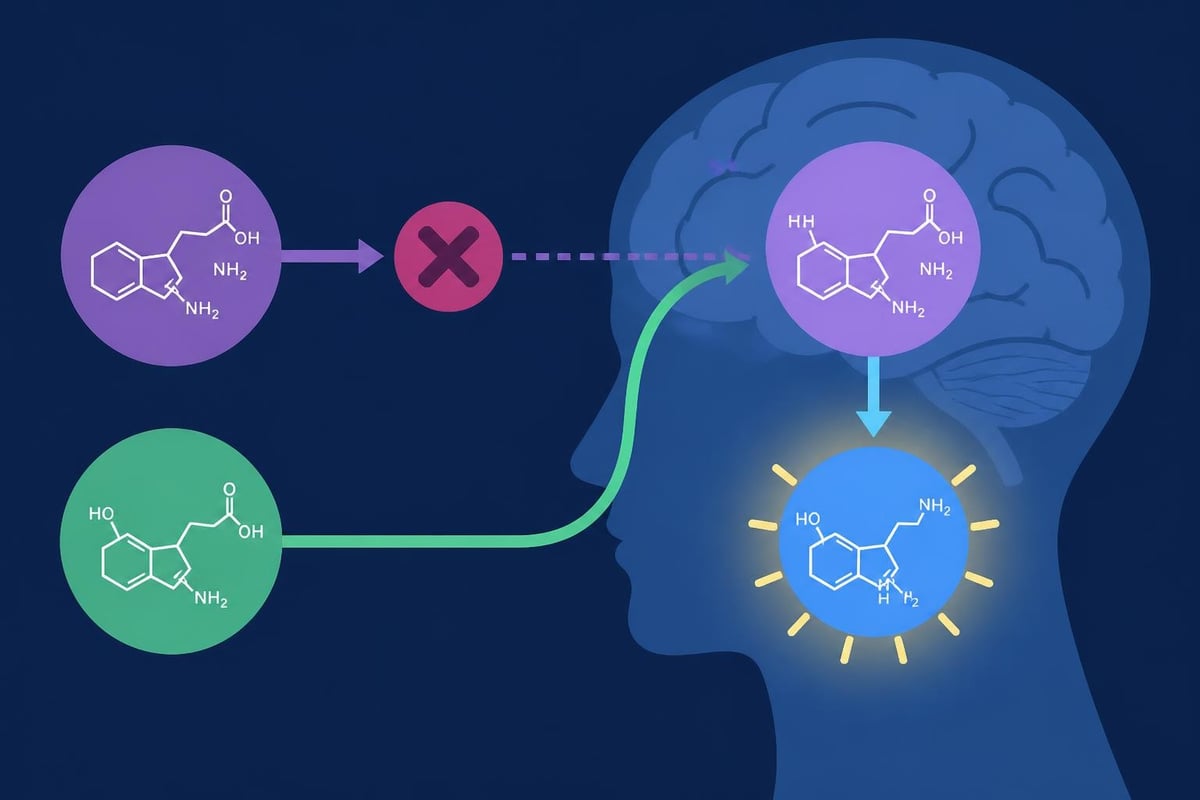
5 hydroxytryptophan serves as the direct biochemical precursor to serotonin, a neurotransmitter that regulates mood, sleep cycles, and satiety signals. Unlike dietary tryptophan, which must first convert to 5-HTP before becoming serotonin, supplemental 5-HTP bypasses this rate-limiting step. This explains why smaller doses of 5-HTP can produce noticeable effects compared to tryptophan alone.
The compound crosses the blood-brain barrier efficiently, making it pharmacologically distinct from serotonin itself. Once inside the central nervous system, the enzyme aromatic L-amino acid decarboxylase converts 5-HTP to serotonin within hours. This rapid conversion explains both the appeal and the dosing precision required for safe supplementation.
Natural Sources and Supplementation Context
While 5-HTP occurs naturally in small amounts in the seeds of Griffonia simplicifolia, a West African plant, meaningful dietary sources do not exist. All supplemental 5-HTP is extracted from Griffonia seeds. A comprehensive 2020 review examined the natural occurrence, extraction methods, and quality concerns that have historically affected 5-HTP products, including contamination issues that emerged in the late 1980s with tryptophan supplements.
Quality matters significantly when considering any 5 hydroxytryptophan dosage. Third-party testing, manufacturing standards, and sourcing transparency separate reliable products from questionable ones. Understanding these factors helps explain why evidence-based platforms evaluate supplements across multiple dimensions beyond just dose.
Standard 5 Hydroxytryptophan Dosage Ranges
Clinical research and regulatory guidance have established dose ranges that balance efficacy with safety. Health Canada's 2024 monograph provides some of the most detailed regulatory dosing recommendations currently available, reflecting careful review of human safety data.
Evidence-Based Dose Categories
Low-dose range (50-100 mg daily):
- Typically used for mild mood support or initial tolerance assessment
- Common starting point in clinical protocols
- May be split into multiple smaller doses throughout the day
- Often sufficient for sensitive individuals or those new to serotonergic supplements
Moderate-dose range (100-300 mg daily):
- Most frequently studied range in clinical trials
- A 2024 randomized controlled trial used 200 mg daily to examine effects on sleep quality and gut microbiota in older adults
- Generally divided into two or three doses (morning, afternoon, evening)
- Represents the therapeutic window for mood and sleep applications
Higher-dose range (300-400 mg daily):
- Used in some research protocols for specific conditions
- Requires medical supervision due to increased interaction risk
- Should not exceed maximum single dose of 200 mg per administration
- Reserved for cases where lower doses prove insufficient
| Dose Range | Typical Use | Daily Frequency | Clinical Context |
|---|---|---|---|
| 50-100 mg | Initial trial, mild support | 1-2 times | Starting dose, sensitivity assessment |
| 100-200 mg | Mood, sleep support | 2-3 times | Most common therapeutic range |
| 200-300 mg | Moderate symptoms | 2-3 times | Research-supported for specific outcomes |
| 300-400 mg | Specific protocols only | 3 times | Requires medical oversight |
The 5 hydroxytryptophan dosage that works optimally varies by individual factors including body weight, symptom severity, concurrent medications, and metabolic differences in serotonin processing.
Dosage Considerations by Intended Use
Different health goals may warrant different dosing strategies. Research has explored 5-HTP for multiple applications, though regulatory approval and evidence strength vary significantly.
Sleep Quality Applications
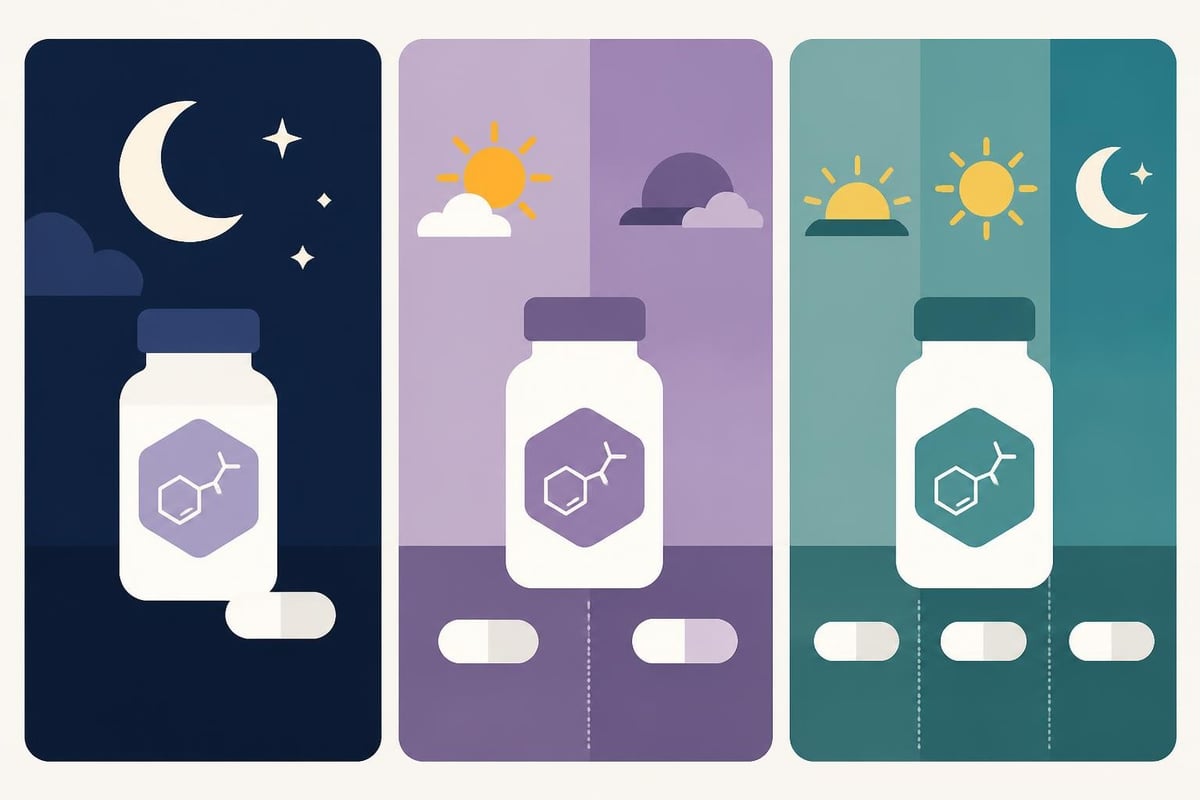
For sleep-related concerns, timing matters as much as total daily dose. Many practitioners recommend taking 100-200 mg approximately 30 to 60 minutes before bedtime. The recent trial examining sleep quality outcomes in older adults used 200 mg as a single evening dose, demonstrating measurable improvements in sleep parameters without significant adverse effects.
Some individuals respond better to split dosing, taking a smaller amount in the late afternoon (50-100 mg) and another dose before bed. This approach may help sustain serotonin levels throughout the evening without creating a single large peak that some find too stimulating.
Mood Support Protocols
Systematic reviews examining 5-HTP for depression have evaluated doses ranging from 150 to 300 mg daily, typically divided across two to three administrations. The evidence suggests that consistent daily dosing over several weeks produces more reliable effects than sporadic use.
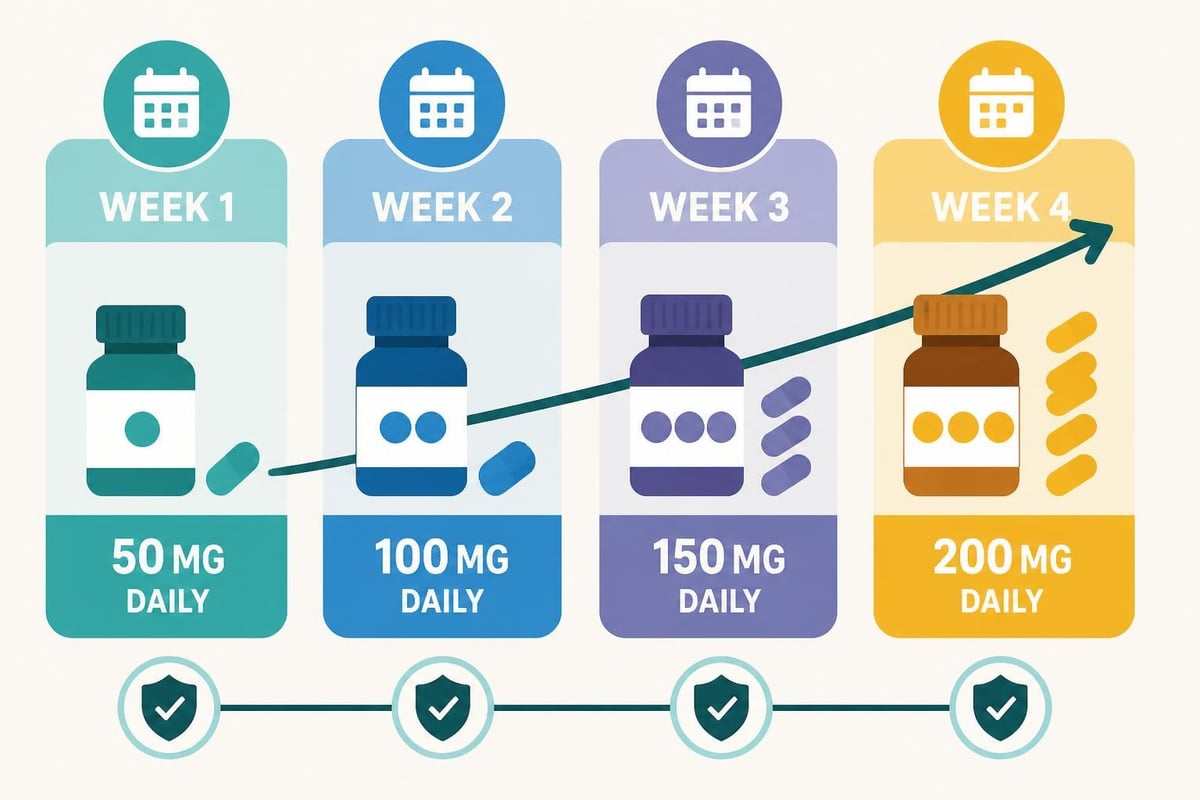
For mood applications, many protocols start with 50 mg twice daily, increasing gradually to 100 mg twice or three times daily based on response. This titration approach minimizes gastrointestinal side effects while allowing individuals to identify their personal therapeutic threshold.
Appetite and Weight Management Contexts
Studies exploring satiety and appetite regulation have employed doses up to 300 mg taken 20-30 minutes before meals. However, this application remains less established than mood or sleep uses. The 5 hydroxytryptophan dosage for appetite effects typically requires consistent pre-meal timing to influence satiety signaling effectively.
A common protocol involves 50-100 mg before the three main meals, totaling 150-300 mg daily. This distributes serotonergic effects throughout the day when eating decisions occur, rather than concentrating the dose at a single time point.
Safety Considerations and Maximum Doses
While 5-HTP demonstrates a relatively favorable safety profile in healthy adults, specific precautions apply. Memorial Sloan Kettering's clinical reference emphasizes critical drug interactions that can elevate serotonin to dangerous levels.
Critical Safety Boundaries
Maximum single dose: Regulatory guidance typically caps individual administrations at 200 mg to reduce the risk of acute side effects and serotonin accumulation.
Maximum daily total: Most authorities recommend not exceeding 400 mg per day without medical supervision, though many clinical protocols stay within the 200-300 mg daily range.
Duration considerations: Long-term safety data remains limited. Many practitioners recommend periodic breaks (such as one week off every 6-8 weeks) for chronic users, though no consensus protocol exists.
High-Risk Interactions
The following medication classes create potentially dangerous interactions with any 5 hydroxytryptophan dosage:
- Selective serotonin reuptake inhibitors (SSRIs): Fluoxetine, sertraline, escitalopram, and others
- Serotonin-norepinephrine reuptake inhibitors (SNRIs): Venlafaxine, duloxetine
- Monoamine oxidase inhibitors (MAOIs): Phenelzine, tranylcypromine
- Tricyclic antidepressants: Amitriptyline, nortriptyline
- Certain antibiotics: Particularly linezolid, which has MAOI properties
- Migraine medications: Triptans such as sumatriptan
- Pain medications: Tramadol, meperidine
Combining 5-HTP with these medications can precipitate serotonin syndrome, a potentially life-threatening condition characterized by agitation, confusion, rapid heart rate, high blood pressure, dilated pupils, muscle rigidity, and hyperthermia.
Individual Variation and Response
Genetic differences in serotonin transporter genes, enzyme activity levels, and receptor sensitivity mean that the optimal 5 hydroxytryptophan dosage varies considerably between individuals. What produces benefits for one person might cause side effects in another at the same dose.
Factors Influencing Individual Dose Response
Body weight and composition: Larger individuals may require higher doses to achieve comparable blood levels, though weight-based dosing recommendations have not been formally established for 5-HTP.
Metabolic differences: Variations in aromatic L-amino acid decarboxylase activity affect how quickly 5-HTP converts to serotonin. Faster metabolizers may need higher or more frequent doses.
Concurrent dietary factors: Protein-rich meals contain competing amino acids that can reduce 5-HTP absorption. Some practitioners recommend taking doses between meals or with a small carbohydrate snack.
Baseline serotonin status: Individuals with severely depleted serotonin may respond more robustly to lower doses initially, while others with less dramatic deficits might require higher amounts for noticeable effects.
A 2025 randomized trial examining cognitive function and mood in older adults found considerable individual variation in response to standardized dosing, reinforcing the need for personalized approaches.
Starting Low and Titrating Up
The safest strategy for determining your optimal 5 hydroxytryptophan dosage involves conservative starting points with gradual increases:
- Begin with 50 mg once or twice daily for 3-5 days
- Monitor both desired effects and any side effects (especially gastrointestinal symptoms)
- If well-tolerated but benefits are minimal, increase to 100 mg twice daily
- Wait another 5-7 days before further adjustments
- Continue gradual increases of 50 mg at a time until reaching effective dose or maximum safe limits
- Avoid increasing doses more frequently than once per week
This methodical approach helps distinguish true therapeutic response from placebo effects while minimizing adverse reactions.
Special Populations and Adjusted Dosing
Certain groups require modified approaches to 5 hydroxytryptophan dosage due to altered physiology, increased sensitivity, or limited safety data.
Older Adults
Aging affects neurotransmitter metabolism, drug clearance, and polypharmacy concerns. Research specifically examining 5-HTP in older populations has used doses in the 200 mg daily range safely, but older adults often benefit from starting at lower doses (25-50 mg) due to increased sensitivity and slower clearance.
Medication interactions pose heightened risks in older adults who typically take multiple prescriptions. Comprehensive medication review before starting any 5 hydroxytryptophan dosage is essential in this population.
Pregnancy and Lactation
Safety data in pregnant and breastfeeding women remains insufficient. Most authorities recommend avoiding 5-HTP during these periods unless a healthcare provider specifically determines that potential benefits outweigh unknown risks. The effects on fetal neurotransmitter development have not been adequately studied.
Children and Adolescents
Pediatric use lacks robust safety data. While some practitioners have used 5-HTP in children for specific conditions, this falls outside standard recommendations. Any pediatric use requires specialized medical supervision and typically employs substantially lower doses than adult protocols.
Quality and Formulation Factors
The effective 5 hydroxytryptophan dosage depends partly on supplement quality and formulation characteristics. Not all 5-HTP products deliver equivalent bioavailability or purity.
Formulation Variables That Affect Dosing
| Formulation Factor | Impact on Dosing | Considerations |
|---|---|---|
| Immediate vs. sustained release | Sustained may allow less frequent dosing | Limited research comparing formulations |
| Capsule vs. tablet | Generally equivalent absorption | Capsules may dissolve more consistently |
| Excipients and fillers | Can affect absorption rate | Quality manufacturers use minimal additives |
| Combination products | Complicate dose management | Harder to titrate individual components |
| Extraction and purification | Affects contaminant risk | Third-party testing crucial |
Some products combine 5-HTP with vitamin B6 (pyridoxine), which serves as a cofactor for the enzyme that converts 5-HTP to serotonin. While this may theoretically enhance conversion, it also adds another variable to dose optimization. When comparing products or evaluating the right 5 hydroxytryptophan dosage, consider whether formulations are directly equivalent.
Regulatory Status and Quality Markers
Health Canada's 2024 decision regarding 5-HTP as a supplemental ingredient reflects evolving regulatory perspectives. In the United States, 5-HTP is sold as a dietary supplement without pre-market approval, placing greater responsibility on consumers to verify quality.
Look for products that:
- Provide third-party testing certificates (USP, NSF, or ConsumerLab verification)
- Specify Griffonia simplicifolia seed extract as the source
- List exact 5-HTP content per serving
- Include manufacturing quality certifications (GMP compliance)
- Offer transparency about testing for contaminants
These quality markers matter because contamination or inaccurate labeling can make determining the appropriate 5 hydroxytryptophan dosage impossible.
Monitoring Response and Adjusting Course
Effective supplementation requires ongoing assessment rather than a "set and forget" approach. Tracking both benefits and side effects helps optimize dosing over time.
Parameters to Monitor
Subjective improvements:
- Mood stability and emotional resilience
- Sleep quality metrics (time to fall asleep, night wakings, morning freshness)
- Appetite patterns and satiety signals
- Overall sense of well-being
Potential adverse effects:
- Gastrointestinal symptoms (nausea, diarrhea, cramping)
- Drowsiness or sedation at inappropriate times
- Headaches
- Vivid dreams or nightmares
- Muscle tension or restlessness
Duration of trial: Most research protocols evaluate response over 4-12 weeks. Expecting dramatic shifts within days sets unrealistic expectations. Allow at least 4-6 weeks at a stable 5 hydroxytryptophan dosage before concluding it's ineffective.
When to Adjust or Discontinue
Decrease or stop supplementation if:
- Side effects emerge that don't resolve within a week
- No benefits appear after 8-12 weeks at therapeutic doses
- New medications with serotonergic properties are prescribed
- Symptoms worsen rather than improve
- Unusual physical or psychological symptoms develop
Conversely, consider increasing within safe limits if:
- Partial benefits occur but plateau below desired outcomes
- No side effects have emerged at current dose
- You remain well below maximum recommended daily totals
- Adequate time (2+ weeks) has passed since the last adjustment
Disease-Specific Dosing Contexts
While 5-HTP should not be considered a treatment for diagnosed medical conditions without professional guidance, research has examined its use in specific disease contexts with corresponding dosing protocols.
Inflammatory Bowel Disease-Related Fatigue
A randomized trial in IBD patients with fatigue used 100 mg twice daily, demonstrating that this 5 hydroxytryptophan dosage could be implemented safely in this population. Disease-specific contexts often require medical supervision due to potential interactions with condition-specific medications and the complexity of symptom management.
Primary Fibromyalgia Syndrome
Historical research in fibromyalgia explored doses ranging from 100 to 400 mg daily, typically divided into three administrations. However, the evidence base remains limited, and contemporary pain management protocols rarely rely solely on 5-HTP for this condition.
Migraine Prevention
Some older studies investigated 5-HTP for migraine prevention using doses of 400-600 mg daily. These high doses significantly increase interaction risks, particularly with triptan medications commonly used for acute migraine treatment. This application requires careful medical coordination.
Combining 5-HTP With Other Supplements
Many people consider combining 5-HTP with other supplements targeting similar outcomes. These combinations require careful consideration of both safety and appropriate 5 hydroxytryptophan dosage adjustments.
Generally Compatible Combinations
Magnesium: Often used together for sleep support without direct interaction concerns. Standard magnesium doses (200-400 mg) don't typically require 5-HTP dose modification.
L-theanine: The calming amino acid from tea may complement 5-HTP's effects without serotonergic interaction, though individual responses vary.
Melatonin: Sometimes combined for sleep, though both influence sleep architecture. Start with lower doses of each (1-3 mg melatonin, 50-100 mg 5-HTP) rather than full standalone doses.
Combinations Requiring Caution
St. John's Wort: This herbal antidepressant increases serotonin activity through multiple mechanisms. Combining with any 5 hydroxytryptophan dosage creates serotonin syndrome risk.
SAM-e: S-adenosyl methionine influences multiple neurotransmitter systems including serotonin. Professional guidance is recommended before combining.
Rhodiola and other adaptogens: Some adaptogens may influence neurotransmitter systems in ways that could theoretically interact with 5-HTP, though specific interaction data is limited.
When combining supplements, platforms that evaluate products across multiple dimensions become particularly valuable. Understanding how different supplements interact and which combinations research supports helps avoid both unsafe interactions and redundant supplementation.
Looking Ahead: Emerging Research and Evolving Recommendations
As of 2026, research continues to refine our understanding of optimal 5 hydroxytryptophan dosage for various applications. Several areas show promise for future clarification:
Personalized dosing based on genetic markers: Research into serotonin transporter gene variants may eventually enable genetically-informed dose recommendations, moving beyond trial-and-error approaches.
Gut microbiome interactions: The 2024 trial examining 5-HTP's effects on gut microbiota opened new questions about bidirectional relationships between serotonin precursors and intestinal bacteria that metabolize tryptophan.
Combination protocols: Systematic research examining 5-HTP combined with other evidence-based interventions (specific vitamins, minerals, or behavioral approaches) may identify synergistic protocols with lower effective doses.
Long-term safety data: As more people use 5-HTP for extended periods, observational data on multi-year safety profiles will strengthen or modify current guidance.
Condition-specific optimization: Trials targeting specific populations or symptoms with carefully titrated dosing will likely provide more nuanced recommendations than current general guidance allows.
The evolution of supplement evaluation methodologies also promises to help consumers navigate the complex landscape of 5-HTP products. Rather than relying solely on manufacturer claims or isolated ingredient doses, comprehensive assessment frameworks that consider evidence quality, dose appropriateness, product trustworthiness, value, and real-world availability offer more holistic guidance.
Finding the right 5 hydroxytryptophan dosage requires balancing current evidence, individual factors, safety considerations, and practical realities. As research advances and regulatory oversight strengthens, recommendations will continue to become more precise and personalized.
Getting your 5 hydroxytryptophan dosage right involves synthesizing research evidence, understanding your individual needs, and choosing quality products that deliver what they promise. Rather than navigating these complexities alone, DoseRank evaluates supplements across evidence strength, dose fit, trust, value, popularity, and availability to help you find options genuinely suited to your goals. Whether you're exploring 5-HTP for sleep, mood, or another application, taking the platform's quick quiz can narrow your options to products that balance all the factors that matter for effective, safe supplementation.